

Yes, 14 days is enough for a deep Yunnan trip, but not for the whole province. The best use of this length is one classic route plus one serious branch. Compared with 10 days, it gives you space for Yubeng or another real mountain, village, or hiking extension. It still requires clear selection.
This 14-day Yunnan itinerary follows the classic Kunming–Dali–Lijiang–Shangri-La route, then adds Yubeng as the deep mountain extension. The first half builds through city, lake, old-town, and snow mountain experiences. The second half moves into Tibetan highland scenery and Yubeng hiking. It is not the easiest route, but it is one of the most rewarding for travelers who want real depth.
| Day | Main Plan | Transport Logic | Where to Stay | Food Focus | Pace |
|---|---|---|---|---|---|
| Day 1 | Arrive in Kunming, easy city walk | Airport to city hotel | Kunming city center / Cuihu / Nanping area | Simple local meal, noodles, light Yunnan dishes | Easy |
| Day 2 | Stone Forest, then transfer to Dali | Kunming day trip route, then train to Dali | Dali Old Town gate area | Route-friendly lunch, Bai-style dinner | Moderate |
| Day 3 | Erhai Lake, Xizhou, Bai culture | Local transfer around Erhai and Xizhou | Dali again | Xizhou snacks, Bai-style dishes | Moderate |
| Day 4 | Cangshan or light Dali extension, transfer to Lijiang | Dali local morning, then train to Lijiang | Dayan Old Town gate area / Shuhe | Simple Dali lunch, Naxi-style dinner | Moderate |
| Day 5 | Jade Dragon Snow Mountain and Blue Moon Valley | Scenic-area transport, cableway, shuttle | Lijiang again | Practical scenic-area meal, local dinner | Full |
| Day 6 | Shuhe, slow Lijiang day, prepare for highland travel | Short local transfers | Lijiang again | Light Naxi-style meals, cafés, easy dinner | Easy |
| Day 7 | Travel to Shangri-La, visit Sumtseling Monastery | Road transfer from Lijiang to Shangri-La | Near Dukezong Old Town | Warm Tibetan-style meal | Moderate |
| Day 8 | Pudacuo National Park | Local car, taxi, or arranged transport | Shangri-La again | Simple highland meal, warm dinner | Full |
| Day 9 | Travel toward Yubeng and hike into the village | Long road transfer plus hiking entry | Yubeng Village | Guesthouse meal, simple hiking food | Hard |
| Day 10 | Yubeng Sacred Waterfall hike | Village-based hiking route | Yubeng again | Trail snacks, guesthouse dinner | Moderate to hard |
| Day 11 | Yubeng Ice Lake hike | Longer village-based hiking route | Yubeng again | High-energy trail food, warm dinner | Hard |
| Day 12 | Hike out of Yubeng and return to Shangri-La | Hike out, then road transfer back | Shangri-La | Simple route meal, recovery dinner | Moderate to hard |
| Day 13 | Shangri-La recovery day, Dukezong Old Town | Light local movement | Shangri-La again | Warm local meal, souvenirs | Easy |
| Day 14 | Final morning, souvenirs, departure | Based on flight or onward transport | No stay if leaving | Final local meal or snacks | Flexible |

Day 1 should stay simple: arrive, check in, eat something easy, and rest before the route moves higher.
Most travelers arrive through Kunming Changshui Airport (昆明长水机场). From the airport, use the metro, airport bus, taxi, or ride-hailing depending on your arrival time, luggage, and hotel location.
Do not make Day 1 busy. Go to your hotel first, drop your bags, and rest. Kunming is easier than the higher-altitude sections later in the trip.
If you arrive late, skip sightseeing. Eat near your hotel and sleep early.
Keep your first meal simple and close to your hotel or walking route. This is not the time to cross the city for one famous restaurant.
Crossing-the-Bridge Noodles (过桥米线) are a good first Kunming meal because they are warm, local, filling, and easy for most travelers to accept. Treat this meal as recovery from travel, not as a food-hunting mission.
If you arrive early, choose a light walk around Green Lake Park (翠湖公园), Yunnan Military Academy, or Kunming Old Street (昆明老街). These stops are easy to shorten if you feel tired.
Dounan Flower Market can be an optional add-on if you love flowers, but it is farther from the city center and not ideal after a late arrival. Do not turn Day 1 into a formal sightseeing day.
For dinner, try something local but not too heavy, such as steam pot chicken, grilled erkuai, or a simple Yunnan meal. Wild mushroom hotpot works in season, but only choose a reliable restaurant and make sure the mushrooms are fully cooked.
After dinner, take a short walk around Kunming Old Street, Nanping Street, or the Jinma Biji area if nearby. Day 2 includes sightseeing and a transfer, so keep the evening short.
Stay around Cuihu, Nanping Street, or another city-center area with easy transport. These areas are practical for food, taxis, metro access, and the next day’s station transfer.
Avoid remote hotels on the first night. A cheaper room far from transport can cost more time and energy than it saves. Specific hotels can be used as examples, but the main priority is location, access, and recent reviews.

Day 2 gives you one Kunming landscape experience before moving to Dali. Keep Stone Forest efficient, then protect the afternoon transfer.
Visit Stone Forest Scenic Area (石林风景区) in the morning. This is usually the best time for better light, stronger energy, and more comfortable walking before the day becomes busier.
You can reach the area by high-speed train, car, or an organized day-trip route. Before publishing, verify the latest ticket price, sightseeing cart rules, station transfer options, opening hours, and transport timing.
Inside the scenic area, follow a clear walking route instead of trying to cover every corner. The paths, steps, and stone sections can be tiring after a few hours, so wear comfortable shoes.
Keep lunch close to the scenic area, station, or transfer route. Yiliang Roast Duck or a simple local meal can work well, but do not turn lunch into a restaurant search.
The main job of lunch is to refuel and keep the afternoon transfer smooth. Avoid a long meal that makes the Dali train connection stressful.
After Stone Forest, return to the correct Kunming station or transfer point and take the train to Dali. Check the exact station, train time, and transfer route before publishing or booking.
After arriving at Dali Railway Station (大理站), transfer to Dali Old Town by taxi, ride-hailing, or local transport. Handle luggage first. Do not add heavy sightseeing after arrival; today already includes a landscape visit, train transfer, and new base.
For dinner, stay around Dali Old Town (大理古城) and try a simple Bai-style first meal. Sour-spicy fish, yellow-braised chicken, grilled rushan, or other local home-style dishes are good directions.
Stay near the South Gate or East Gate of Dali Old Town. These areas are easier for taxis, meals, luggage, and the next day’s route toward Erhai and Xizhou. Avoid staying deep inside old-town lanes if you have suitcases, because stone roads and vehicle limits can make arrival difficult.

Day 3 is the first real Dali core day: Erhai Lake, Xizhou, Bai architecture, and a slower lakeside rhythm. Do not chase every viral point; build one complete lake-and-village day.
Start the morning around Erhai Lake (洱海), especially the Erhai Ecological Corridor (洱海生态廊道), when the light is softer and cycling feels easier.
Use Caicun Pier, Longkan Pier, the ecological corridor, and Panxi S Bend (磻溪 S 弯) as route references, but do not make this a full Erhai loop. A focused west-side section is enough.
Outside motor vehicles and many outside electric scooters cannot enter much of the corridor, so use shared bikes, walking, or official sightseeing vehicles. Bring sun protection; wind and cycling distance can make the lake day more tiring than it looks.
Aim to reach Xizhou (喜洲) around lunch. This keeps the day efficient because Xizhou combines food, old-town atmosphere, Bai architecture, and fields in one route-friendly stop.
Xizhou Baba (喜洲粑粑), cold chicken rice noodles, pea jelly, or simple local dishes are good lunch directions. Do not chase one viral shop or turn this into a full food guide. Lunch should support the route, not consume the afternoon.
After lunch, explore Xizhou Old Town at an easy pace. Focus on Bai architecture, old houses, village lanes, fields, and the quieter rhythm beyond the busiest photo spots.
A tie-dye experience can work as an optional cultural activity. If you include Zhoucheng (周城), keep it route-based, not as a forced extra stop. Do not overload the afternoon; the day works best when the lake, village, and culture feel connected.
Return to Dali Old Town before or around sunset unless your route is already planned around a sunset point. If you stay later near the lake, allow enough time for the return.
Do not add another distant stop after sunset. Day 4 includes a transfer, so keep the evening controlled.
For dinner, choose Bai-style food near your hotel. Wild mushroom hotpot can be a strong seasonal choice, but it is best from June to October and should only be eaten at a reliable restaurant where the mushrooms are fully cooked.
Stay in the same Dali hotel tonight. Before sleeping, prepare for Day 4: check your Lijiang train time, station transfer, luggage plan, and whether the morning weather supports a light Cangshan stop.

Day 4 is a Dali closing morning and Lijiang transfer day. Keep it rewarding but not exhausting, because the next stages include snow mountains, highland roads, and Yubeng.
If the weather is clear and you feel rested, use the morning for a light Cangshan Mountain (苍山) experience, such as a cableway, quiet temple, or viewpoint.
Do not make Cangshan compulsory. Wind, rain, low clouds, or limited time can weaken the experience. If conditions are poor, stay low around Dali Old Town or choose a quiet local stop. This is a gentle Dali closing, not a hard hiking morning.
Have lunch near Dali Old Town or along the station route. Keep it simple, not too heavy, and easy to finish on time.
Avoid a long lunch before the train. The priority is to reach the station calmly, with enough time for luggage, traffic, and ticket checks.
Transfer from Dali Railway Station to Lijiang Railway Station (丽江站). Check the current train time before publishing or booking, as schedules can change.
After arriving in Lijiang, handle luggage first. Check in or store your bags before walking into the old town. For this route, a hotel near a Dayan Old Town gate area or in Shuhe is easier than staying deep inside the lanes.
Spend the evening on a light walk in Lijiang Old Town / Dayan Old Town (丽江大研古城). Sifang Street and a few quieter lanes are enough for a first impression.
Do not try to “finish” the old town tonight. Lijiang has stone lanes, slopes, crowds, and a higher altitude than Dali, so the first evening should help you adjust, not tire you out.
For dinner, try cured pork rib hotpot or a simple Naxi-style meal near your hotel or old-town entrance. Keep the evening easy.
Stay near an old-town gate or in Shuhe Old Town (束河古镇). Shuhe is quieter, while Dayan gate areas are more convenient for transport. Avoid deep old-town stays if you are carrying luggage or need smooth transfers later in the route.

Day 5 is the first high-intensity day of this 14-day route. It shifts the trip from old towns to real mountain scenery, so tickets, weather, altitude, queues, scenic transport, and physical condition all matter.
Start early for Jade Dragon Snow Mountain (玉龙雪山). Morning usually gives you better visibility, more time buffer, and a smoother chance of handling scenic-area transfers before crowds build up.
Before travel, verify the latest rules for entrance tickets, cableway booking, shuttle buses, real-name reservation, and official platforms. If you use the Lijiang Tourism Group WeChat mini program, still check the current rules because release times and ticket policies may change.
The Glacier Park Cableway (冰川公园大索道) is the most popular option, but tickets can be difficult in busy periods. If it is unavailable, choose Spruce Meadow or another lower-altitude area instead of letting one ticket ruin the day.
Do not treat the 4,680-meter marker as mandatory. Walk slowly and turn back if you feel short of breath, dizzy, or unusually tired. Bring oxygen if needed, but do not use it as an excuse to push too hard. Warm layers, sunglasses, high-SPF sunscreen, water, and simple snacks are also important.
Keep lunch practical. Food inside or near the scenic area is usually limited, more expensive, and less memorable than meals in town.
Bring water and simple food such as chocolate, energy bars, bread, nuts, or fruit. If you eat inside the scenic area, treat it as a refuel stop, not a food experience. The goal is to keep your energy stable before the afternoon section.
After the snow mountain section, continue to Blue Moon Valley (蓝月谷). It is easier than the high-altitude morning and gives the day a softer scenic balance with bright water, mountain views, and shorter walking routes.
The water color depends on weather, light, season, and water conditions, so enjoy it as part of the mountain landscape, not only as a photo spot.
The electric cart is optional. Use it if you are tired, short on time, or traveling with older visitors. If you choose Spruce Meadow (云杉坪) instead of the Glacier Park Cableway, Blue Moon Valley still fits naturally into the same day.
After returning to Lijiang, rest. A snow mountain day can be tiring because of early departure, altitude, walking, queues, and scenic-area transfers.
Do not add another demanding activity. A short old-town walk, an easy dinner, or a quiet night near your hotel is enough.
Choose a comfortable, convenient dinner near your hotel or old-town entrance. This is not the night for a long restaurant mission.
Stay in the same Lijiang hotel. Sleep early if possible, because Day 6 is designed as a slower recovery and preparation day before the route moves toward Shangri-La and Yubeng.
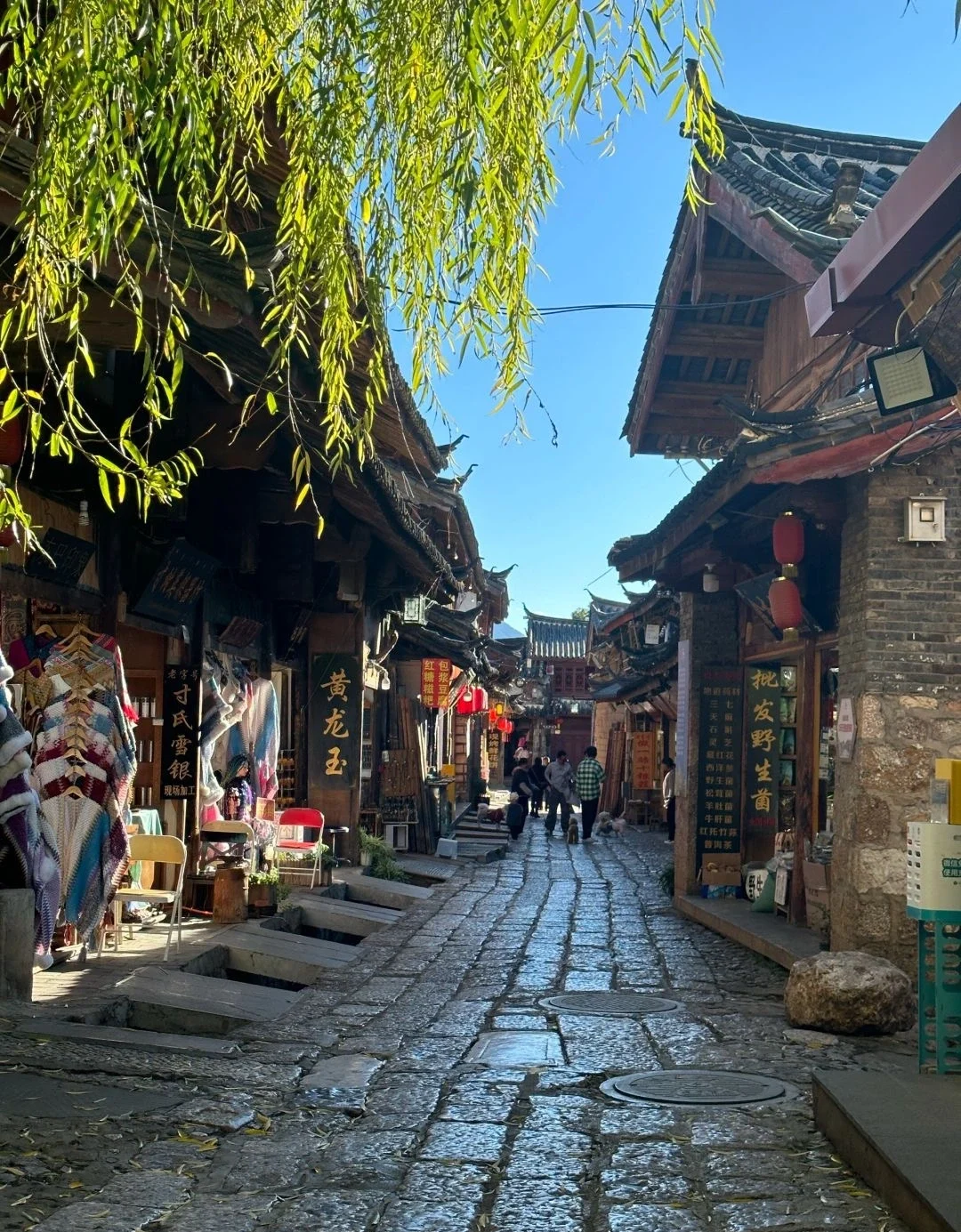
Day 6 is the buffer that makes this 14-day route work. Slow down in Lijiang after Jade Dragon Snow Mountain and prepare for the higher-altitude hiking section ahead.
Spend the morning in Shuhe Old Town. Compared with Dayan, Shuhe feels quieter and better suited to slow walking. You do not need a strict route here.
Walk through old lanes, cross small bridges, sit in a café, and enjoy the Tea Horse Road atmosphere without trying to “finish” the town. In the morning, the softer light and quieter stone lanes show Lijiang’s slower side. Keep this as a mood-setting morning, not a full old-town guide.
Have lunch in Shuhe or near your hotel. Choose something easy and comfortable, such as casual Naxi-style dishes, noodles, or a simple local meal.
Do not cross town for one restaurant today. Lunch should keep the day relaxed and help your body recover before the higher-altitude route.
Use the afternoon for preparation: rest, buy snacks, organize hiking gear, and confirm Day 7 transport.
Fix your luggage plan now. If possible, leave large suitcases at a trusted hotel or storage point and take only what you need for Shangri-La and Yubeng. Check warm layers, rain protection, shoes, power bank, medicine, sunscreen, and personal items.
Keep dinner light, warm, and close to your hotel. Avoid alcohol and do not stay out late before moving toward higher altitude.
Stay in the same Lijiang hotel tonight. Before sleeping, confirm your pickup time, luggage plan, warm clothing, and transport details for Day 7.

Day 7 moves from Lijiang into the Tibetan highland side of Yunnan. Arrive smoothly, slow down, and use the afternoon for one meaningful cultural stop instead of a packed sightseeing day.
Leave Lijiang in the morning for Shangri-La (香格里拉). Private cars, shared cars, and buses can all work; private or shared cars give more flexibility.
Treat travel time as approximate and verify the current route before publishing or booking. If you include a viewpoint stop, keep it short. The goal is to reach Shangri-La with enough energy to adjust. Keep water, snacks, warm layers, and basic medicine easy to reach.
After arriving, eat near your hotel or old-town area. Keep the meal simple and warm. Yak hotpot or a Tibetan-style meal can work, but do not make lunch too heavy.
Avoid alcohol on your first highland day. Your body needs time to adjust, especially if you are continuing toward Yubeng later in the route.
Visit Ganden Sumtseling Monastery (噶丹·松赞林寺) in the afternoon if you feel well. It is one of Shangri-La’s most important cultural experiences and a strong introduction to the Tibetan side of Yunnan.
Before visiting, verify the latest ticket price, shuttle system, guide options, opening hours, and entry rules. Keep the focus on visiting rhythm and respect, not a long Buddhist history lesson.
Move slowly because of the altitude. Stairs and slopes can feel harder than they look.
Follow local etiquette: walk clockwise where appropriate, do not step on thresholds, avoid pointing casually at Buddhist images, keep your voice low, and follow photo rules inside the halls. This is an active religious place, not only a scenic site.
Stay near Dukezong Old Town (独克宗古城) or in a nearby vehicle-accessible area. This keeps meals, short walks, transfers, and sightseeing logistics easier.
In Shangri-La, heating, hot water, and a humidifier may matter more than decorative hotel style. Choose comfort and access first.
For dinner, keep it warm and simple. Sleep early tonight, because Day 8 is a full highland nature day and the Yubeng section is still ahead.
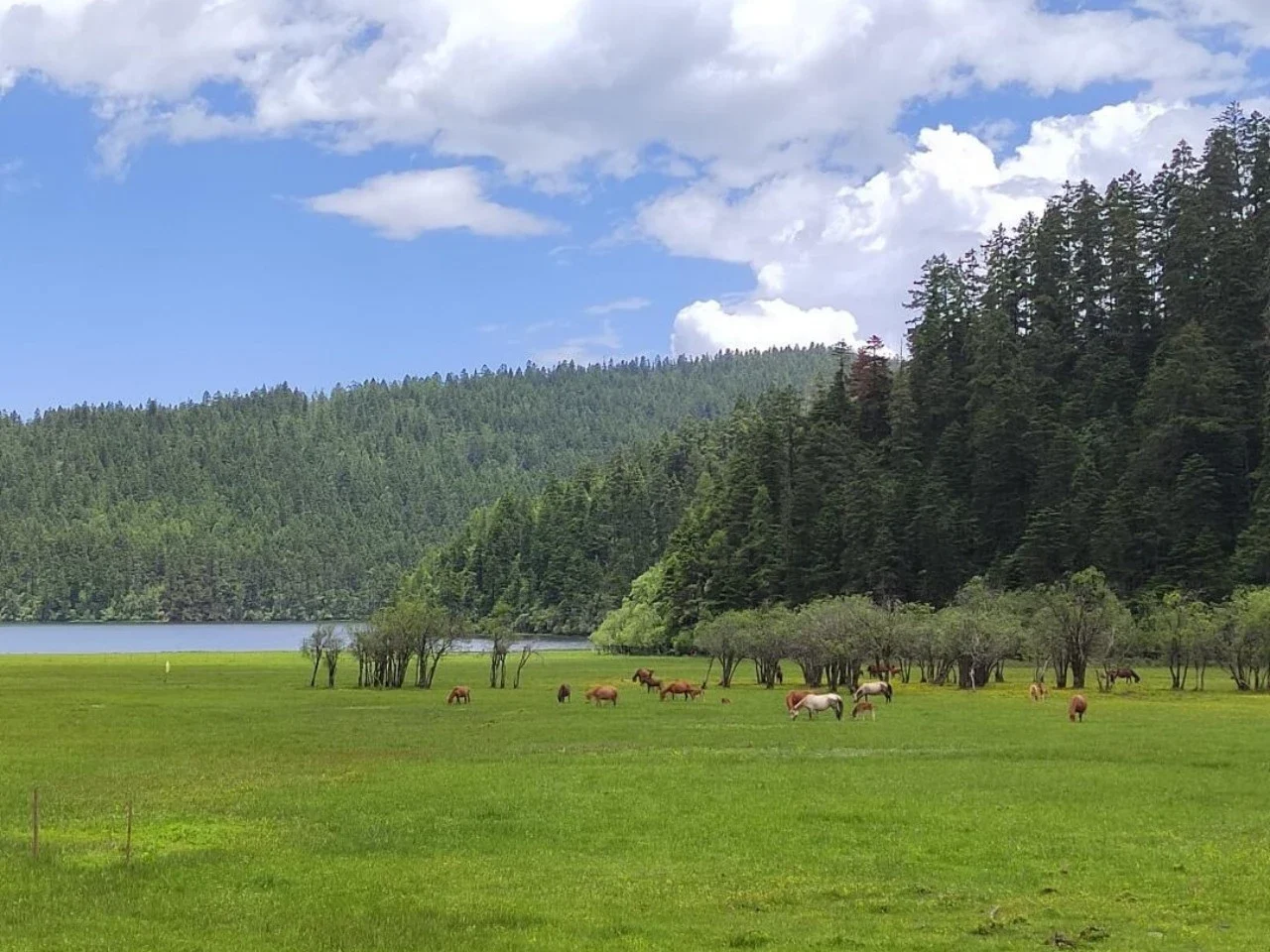
Day 8 is the main Shangri-La nature day: highland lakes, forests, meadows, boardwalks, and wide plateau scenery. The altitude is real, so move slowly and keep the plan flexible.
Visit Pudacuo National Park (普达措国家公园) in the morning. Starting earlier gives you more buffer if walking takes longer than expected.
Before travel, verify the latest open areas, ticket rules, shuttle system, routes, and operating hours. Accessible sections can change, so do not rely on old route descriptions.
Walk slowly and use scenic transport where it helps. The value is not finishing every boardwalk, but feeling the lake water, forest, grassland, and slower plateau rhythm.
Lunch should support the route. Scenic-area food may be limited, so bring simple food if needed, such as bread, fruit, nuts, chocolate, or energy bars.
Keep the meal light and practical. You still need enough energy for the afternoon, but heavy food can feel uncomfortable at altitude.
In the afternoon, continue with lakeside, forest, or boardwalk sections if your energy is good. If the weather turns, visibility drops, or anyone feels tired, shorten the visit.
A shorter, comfortable highland experience is better than forcing the full route and ending the day exhausted.
Return to Shangri-La and rest. Do not add another demanding activity tonight.
Use the evening to prepare for Yubeng. Check your hiking gear, snacks, warm layers, rain protection, power bank, medicine, and any altitude-related items. Confirm your Day 9 transport to the Yubeng entry point and make sure your luggage plan is realistic.
Keep dinner close, warm, and simple. Sleep early, because Day 9 begins the most physically demanding part of this 14-day Yunnan route.

Day 9 is the biggest shift in this itinerary. From today, the classic travel route becomes a real hiking journey. Yubeng is not a normal old town or quick scenic stop, so treat the entry day seriously: correct transport, light luggage, enough time, and realistic expectations.
Leave Shangri-La early and travel toward the entry area for Yubeng Village (雨崩村). The exact route, road condition, and entry method can change, so verify recent visitor reports and official notices before travel. Access arrangements have changed in recent years, with the Ninong direction often used as a key entry route, but this must be checked again before publishing or departure.
This is not a normal scenic transfer. Road time can be long, mountain roads can slow the journey, and you still need energy for the hike. A private or arranged vehicle is usually more practical than connecting several public transport legs with heavy luggage.
Keep water, snacks, warm layers, rain protection, and personal medicine within reach. If you are sensitive to altitude, carsickness, or mountain roads, prepare before leaving Shangri-La.
Start the hike only after confirming the current entry route, ticket or environmental fee rules, and estimated walking time. Recent references often describe the Ninong entry hike as roughly 13–15 km and several hours long, but treat distance and time as approximate because route conditions can change.
Do not underestimate this section. It is still a long highland hike after a road transfer, even if the route is not technically difficult. Walk slowly from the start.
Carry only a light backpack. Store large luggage before the hiking section, either in Shangri-La, at a trusted hotel, or with an arranged transfer plan. A suitcase is not suitable for Yubeng’s village roads or hiking access.
The hike into Yubeng is long, tiring, scenic, and very different from walking around Dali or Lijiang. Expect highland air, changing weather, mountain paths or gravel sections, and steady effort. Manageable does not mean easy.
Walk slowly and keep your rhythm steady. If there are supply points on your confirmed route, use them wisely, but carry enough water and food yourself.
This is where Yubeng starts to feel special: cliffs, valleys, mountain air, and the sense of leaving the normal tourist route behind. Still, the goal is to arrive safely, not to prove your fitness.
After arriving, check in first. Do not start exploring the village with your backpack still on. Rest, drink water, and let your body settle.
Accommodation in Yubeng is more basic than in Dali, Lijiang, or Shangri-La. Hot water, electricity, heating, food choice, and luggage handling may be limited by guesthouse and season.
Dinner is usually at your guesthouse or a simple village restaurant. Eat something warm, repack for the next day, and sleep early. Day 10 and Day 11 are the real Yubeng hiking days.
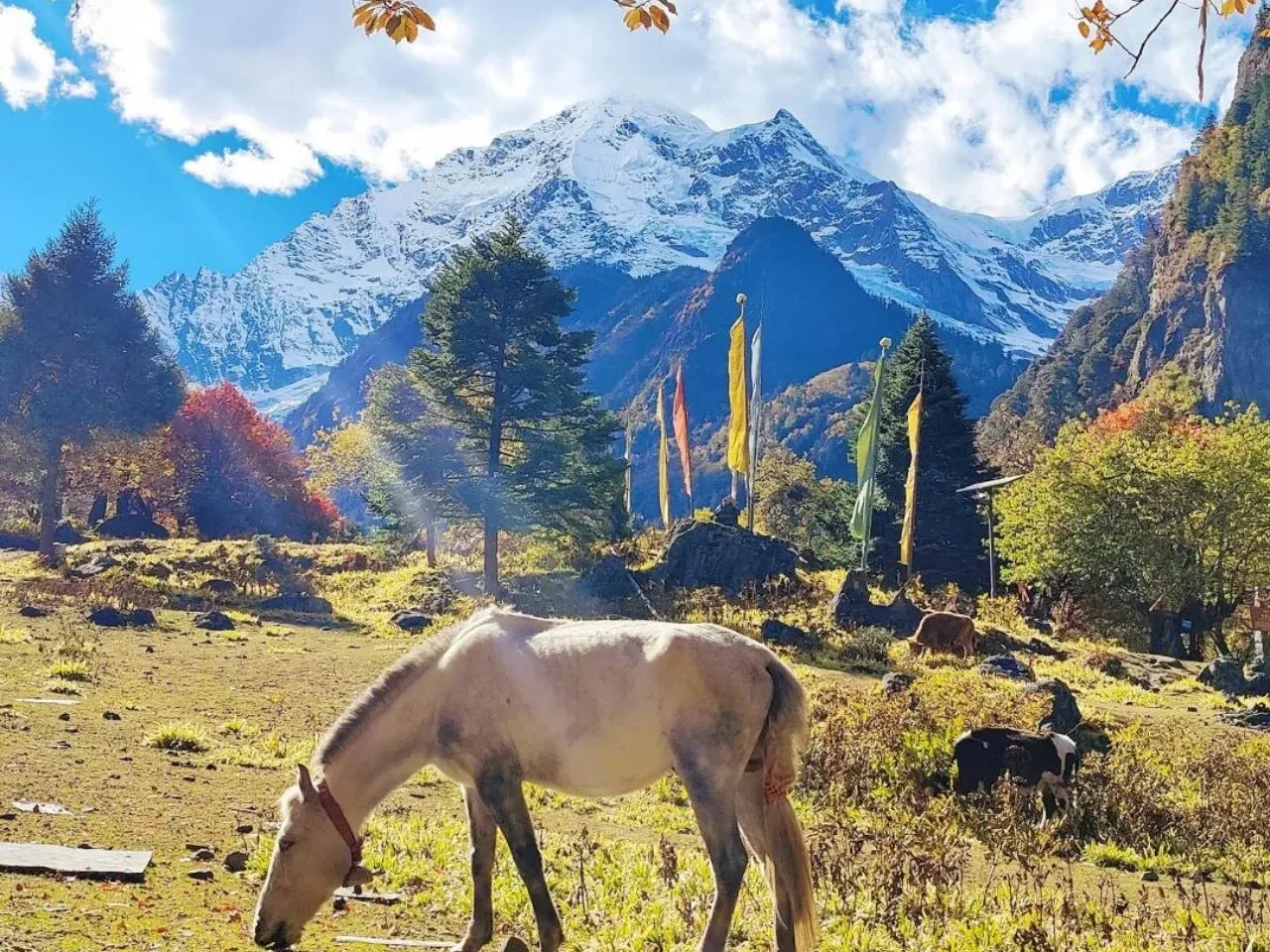
Day 10 is the first full hiking day inside Yubeng. The Sacred Waterfall route is usually more approachable than Ice Lake, but it still needs steady pacing, basic supplies, and respect for the pilgrimage atmosphere.
Start early, but do not rush. The Sacred Waterfall (神瀑) route is often described as one of Yubeng’s more beginner-friendly classic hikes, roughly 12–13 km round trip and around 4–6 hours depending on pace, village base, weather, and trail condition.
This route also has a pilgrimage atmosphere, with prayer flags, mountain views, and local religious meaning. Walk respectfully, keep noise low near sacred areas, and do not treat the waterfall only as a photo background.
Compared with Ice Lake, this day is more forgiving, but it is still a highland hike. Move slowly and stop before you are exhausted.
Bring water, snacks, and a simple lunch. Do not rely fully on trail supply, because availability can change by season, weather, and local operation.
Good trail food includes bread, nuts, chocolate, energy bars, fruit, or packed food from your guesthouse. Keep it light, easy to carry, and easy to eat.
Pack out your trash. Yubeng’s beauty depends on travelers not leaving the trail worse than they found it.
Return carefully and do not add another major hike after finishing the Sacred Waterfall route. Your legs still need to handle the harder Ice Lake day if you plan to do it tomorrow.
Back in the village, rest, stretch, dry wet clothes, check your shoes, and reorganize your backpack. Fix small problems now, such as wet socks, sore knees, or shoe rubbing, before the harder Day 11 hike.
Have dinner at your guesthouse or a simple village restaurant. Warm food matters more than variety here.
Keep the evening quiet. Charge your devices if power is available, prepare tomorrow’s water and trail food, and sleep early. The next day is the most demanding hiking day in this itinerary.
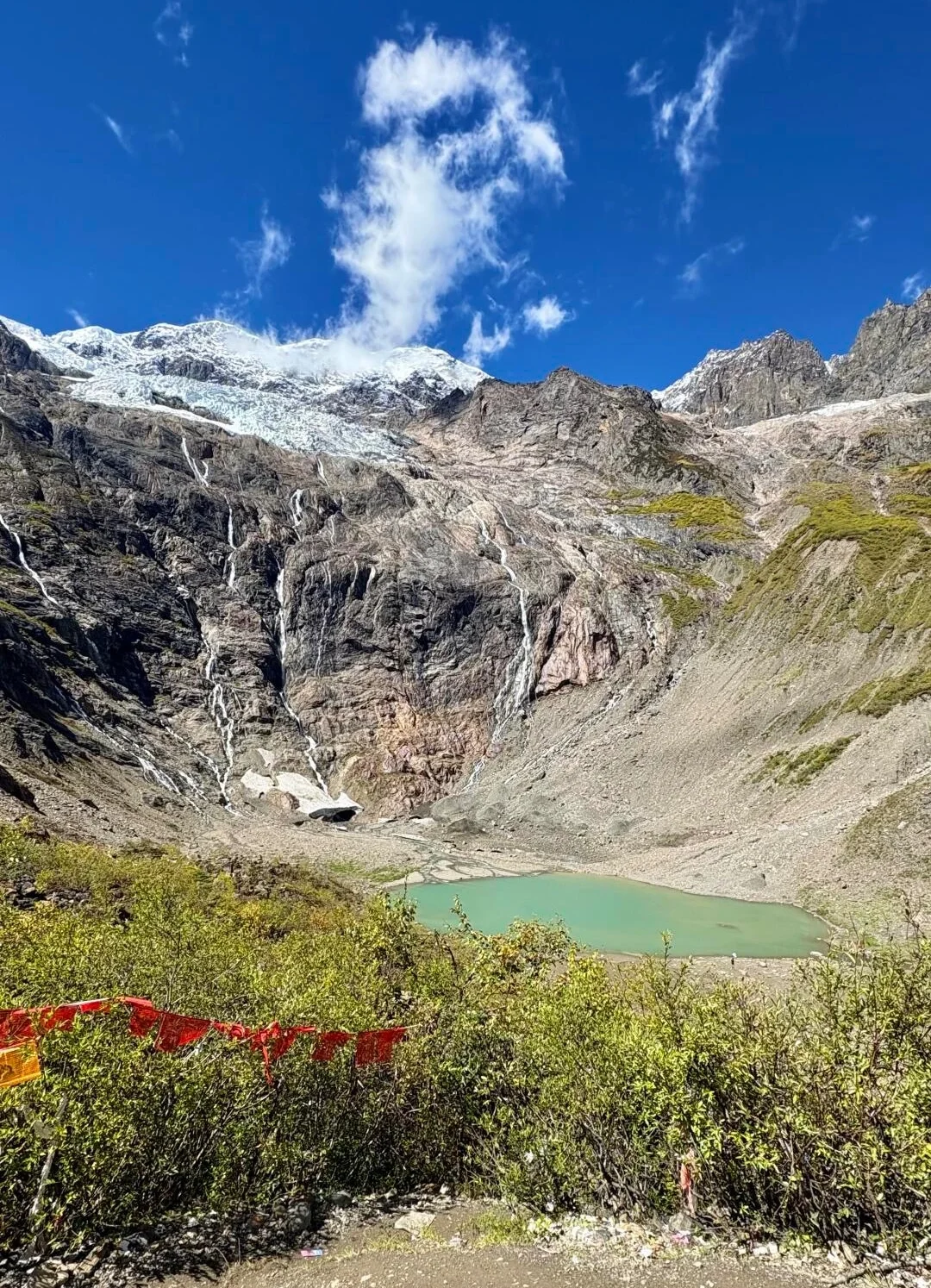
Day 11 is the hardest day of this 14-day route. Ice Lake is tougher than Sacred Waterfall and not suitable for everyone. Do it only if your body feels good, the weather is acceptable, and you are ready for a long mountain hike.
Start early for Ice Lake (冰湖). Recent references often describe the hike as about 14–16 km round trip and around 7–10 hours, depending on village base, weather, trail condition, and pace. Treat these numbers as planning references, not guarantees.
Expect more climbing, longer walking time, rougher sections, and greater weather dependence than Sacred Waterfall. If the trail is muddy, snowy, icy, or visibility is poor, the difficulty rises quickly.
This is not for travelers who are exhausted, altitude-affected, or unprepared. If unsure, shorten the plan or skip it. A safe Yubeng trip is better than forcing the hardest route.
Wear proper hiking shoes, not city sneakers. Bring hiking poles, warm layers, rain protection, sunscreen, water, high-energy snacks, and a charged phone or power bank. Knee support can help on the descent.
Do not go alone if inexperienced. If the weather turns bad, your body feels wrong, or the trail feels unsafe, turn back. Avoid risky photos near steep, wet, icy, or exposed sections. Reaching the lake is not worth an injury.
Bring your own high-energy trail food. Even if basic supply points exist, do not depend on them unless you have verified current conditions locally.
Eat before your energy crashes. Small snacks during the hike are better than waiting until you feel weak.
Begin the return with enough daylight. The descent can be hard on knees after several hours of climbing and walking, so move slowly and use poles.
Aim to return before dark. Once back in the village, change into dry clothes, eat a warm meal, and rest. You can celebrate, but do not drink heavily; Day 12 still requires another hike out of Yubeng.
Day 12 closes the Yubeng hiking section. Hike out safely, protect your knees, return to Shangri-La, and recover in a more comfortable hotel. Do not add another major scenic plan.
Start early and hike out by the latest available route. Verify the route condition before leaving, especially after rain, snow, landslides, or local access changes.
Even if the exit feels easier than the entry, do not treat it casually. Downhill sections can be hard on knees, and tired legs make slips more likely. A light backpack and hiking poles help.
Keep your pace steady and avoid long delays that push the final section too late into the day.
Eat at the exit point, in a nearby town, or on the road back to Shangri-La. Simple hot food is enough.
After several village and trail meals, even a basic bowl of noodles, rice dish, or warm soup can feel satisfying. Keep lunch practical and continue the return plan.
Use a private car or arranged transfer back to Shangri-La. Road time can be long, so confirm pickup location, timing, and driver details before leaving Yubeng.
After arriving in Shangri-La, check in, shower, and rest. Do not plan sightseeing; your body needs recovery more than another viewpoint.
Choose a vehicle-accessible hotel if possible. After Yubeng, convenience, hot water, heating, laundry, and a comfortable bed matter more than decorative style.
Have a warm, satisfying dinner near your hotel or Dukezong area. Keep it comfortable rather than excessive.
Stay in Shangri-La tonight. Recovery matters more than extra sightseeing, and Day 13 should be a true rest-and-reset day.

Day 13 should feel like a soft landing after Yubeng, not another hard sightseeing day. Use it to recover, enjoy Shangri-La slowly, and close the trip with a calmer rhythm.
Sleep later if your schedule allows. After Yubeng, a slow morning is not wasted time.
Have breakfast at your hotel, find a quiet café, sort photos, or simply sit somewhere warm. If you go out, keep it light: a short walk near your hotel or old town is enough. Your best decision today may be doing less.
Choose a warm, comfortable meal in town. It does not need to be famous or far away. After hiking, convenience matters more than chasing a restaurant name.
A simple Tibetan-style meal, noodles, soup, or familiar Yunnan dish works well. Keep it satisfying but not too heavy.
Spend the afternoon around Dukezong Old Town if you want an easy cultural close to the trip. Walk slowly through the old town, visit Guishan Park, and turn the large prayer wheel if it fits your pace.
If the weather is good and your energy has returned, Napa Lake / Yila Grassland (纳帕海 / 依拉草原) can be a light scenic add-on. Keep it simple: clear transport, short stops, no deep grassland wandering, and no late return.
This is a recovery day, so the best plan should still leave you rested at night.
Use the final evening for light shopping and departure preparation. Good souvenir options include yak jerky, dried mushrooms, Tibetan incense, tea, or packaged local products.
Check shelf life, packaging, authenticity, and carrying limits before buying. Avoid expensive unknown herbs, antiques, or suspiciously cheap specialty products unless you truly understand what you are buying.
Before sleeping, confirm your Day 14 departure time, airport or station transfer, packing plan, and where you will eat your final meal. Keep the final night calm.

Plan Day 14 around your departure time. After a long Yunnan route and Yubeng hiking, the best ending is simple, well-timed, and stress-free.
If your flight or train leaves in the morning, check out and go directly to Diqing Shangri-La Airport (迪庆香格里拉机场) or your departure station. A simple hotel breakfast or quick local breakfast is enough.
Do not add sightseeing. Leave time for packing, check-out, traffic, security, and possible weather delays. A calm departure is better than ending a strong trip by rushing.
If you leave in the afternoon, make a light return to Dukezong Old Town. Walk slowly, drink tea, turn the prayer wheel, or pick up a few final souvenirs.
Keep lunch close to your hotel, old town, or airport route. Do not arrange a far-distance attraction. The final half-day should feel like a clean ending, not one more itinerary challenge.
If you leave in the evening, you have more time, but keep the plan controlled. A short museum visit, town walk, café stop, or light scenic loop works only if luggage storage and transport are clear.
Keep your luggage and transfer route central. Do not let the last day depend on uncertain road or weather conditions.
Make the final meal warm, simple, and representative. A light Tibetan-style meal, noodles, tea, or a comfortable local dish is enough before departure.
For souvenirs, check shelf life, sealed packaging, authenticity, and flight or customs limits. Do not delay your transfer for shopping, especially if you still need to collect luggage.
One extra night can support a deeper Meili Snow Mountain or Feilai Temple extension, but that should be treated as a separate route plan, not a small add-on.
Do not expand the 14-day itinerary casually at the end. If you want to continue deeper into northwest Yunnan, plan it as a longer or more specialized mountain route.
Yubeng is the deepest and most adventurous version of this 14-day Yunnan route, but it is not right for every traveler. The better alternative depends on hiking ability, altitude comfort, season, and travel style. Choose one clear direction instead of mixing every famous place into the same two weeks.
| Option | Best For | How It Feels | Main Advantage | Main Trade-Off |
|---|---|---|---|---|
| Slower Classic Kunming–Dali–Lijiang–Shangri-La Route | Travelers who want comfort, lower physical pressure, and more time in each base | Slower, smoother, more relaxed, and easier to manage | You still get the classic Yunnan route with better rest, better hotels, and more flexible days | You give up the deeper mountain-village experience of Yubeng |
| Nature-Focused Lijiang–Shangri-La–Lugu Lake Route | Travelers who love lakes and highland scenery but do not want serious hiking | Scenic, varied, and less physically demanding than Yubeng | You get a strong mix of old towns, highland views, and lake scenery | More road time, and the route feels less physically immersive than a Yubeng hike |
| Culture-Focused Dali–Lijiang–Shaxi–Shangri-La Route | Travelers who prefer old towns, Tea Horse Road atmosphere, culture, and slow travel | Quiet, cultural, slower, and more human-scale | Shaxi adds depth and a calmer historical layer without requiring hard trekking | The natural drama is weaker than the Yubeng version |
For fit travelers who want a true deep route, Yubeng remains the strongest choice. For comfort, family travel, or slower pacing, one of these alternatives may work better.
A 14-day Yunnan trip has a wider budget range because it includes classic cities, highland areas, and Yubeng hiking logistics. These are rough 2026 references per person and do not include your flight or train into and out of Yunnan. Costs depend on season, hotels, road transfers, Yubeng access, hiking support, Jade Dragon Snow Mountain bookings, and private transport.
| Cost Item | Budget Range | Comfortable Range | Luxury Range | Notes |
|---|---|---|---|---|
| Accommodation | RMB 2,500–4,000 | RMB 4,500–7,500 | RMB 8,000+ | Guesthouses and mid-range hotels work in most places. Yubeng stays are more basic even if you spend more. |
| Food | RMB 1,400–2,100 | RMB 2,100–3,500 | RMB 3,500+ | Local restaurants, noodles, snacks, and guesthouse meals keep costs controlled. |
| Intercity transport | RMB 1,000–1,800 | RMB 1,800–3,000 | RMB 3,000+ | Includes rail, buses, shared cars, and longer road transfers. |
| Local / scenic transport | RMB 800–1,500 | RMB 1,500–2,500 | RMB 2,500+ | Taxis, ride-hailing, scenic shuttles, local cars, and selected private transfers. |
| Yubeng hiking / transfer costs | RMB 800–1,500 | RMB 1,500–3,000 | RMB 3,000+ | Depends on entry route, transfer type, luggage help, guesthouse level, and hiking logistics. |
| Tickets and activities | RMB 1,200–2,000 | RMB 2,000–3,000 | RMB 3,000+ | Stone Forest, Jade Dragon Snow Mountain, cableways, Pudacuo, Sumtseling, Yubeng-related fees, and cultural activities. |
| Total estimate | RMB 7,700–12,900 | RMB 13,400–22,500 | RMB 23,000+ | Excludes long-distance transport to and from Yunnan. Peak season and private cars can raise the total quickly. |
For most international travelers, the comfortable range is the safest planning reference. Spend first on good locations, key tickets, reliable road transfers, and hiking safety. Private cars, peak-season rooms, and last-minute arrangements can raise costs quickly.
A 14-day Yunnan route gives you more flexibility, but weather still matters because this itinerary includes lakes, snow mountains, highland areas, and hiking trails. Spring and autumn are usually the safest seasons. Summer is green but rainy, and winter can be beautiful but harder in Shangri-La and Yubeng. Always check road and trail conditions before entering Yubeng.
For a broader seasonal view, see our Best Time to Visit China guide.
The best Yunnan trip length depends on depth, not place-name count. Short trips should stay focused. Longer trips can add altitude, culture, scenery, or one serious regional branch. For most travelers, 14 days is enough for a deep route, but it still works best with one main extension.
| Trip Length | Best For | What It Can Cover | Main Limitation |
|---|---|---|---|
| 3 days | Travelers with very limited time | A focused short trip, usually one core area such as Dali or Lijiang | Too short for a full classic Yunnan route |
| 5 days | First-time visitors who want a richer short trip | Dali + Lijiang, with lake scenery, old towns, local food, and one smooth transfer | Still too short for Kunming, Shangri-La, or deeper branches without rushing |
| 7 days | Travelers who want the classic first-time structure | Kunming + Dali + Lijiang, with city, lake, old-town, and snow mountain elements | No room for a serious highland or regional extension |
| 10 days | First-time visitors who want the classic route plus highland depth | Kunming + Dali + Lijiang + Shangri-La, with a clear altitude progression | Still limited if you want Yubeng, Lugu Lake, Meili, or another deep branch |
| 14 days | Travelers who want one deeper Yunnan journey | The classic route plus one serious branch such as Yubeng, Lugu Lake, Meili, Yuanyang, or Xishuangbanna | Trying to add several distant branches can still weaken the route |
If 14 days feels too long or too demanding, compare this plan with our 3 Days in Yunnan Itinerary, 5 Days in Yunnan Itinerary, 7 Days in Yunnan Itinerary, 10 Days in Yunnan Itinerary, and main Yunnan Travel Guide.


A few staff, such as resident firefighters and occasional duty workers, still live inside the Forbidden City, but there are no permanent ordinary residents.

Find the best time to visit Beijing by season, month, weather, crowds, costs, holidays, and travel style.

A complete guide to the Earth Rooster zodiac: personality traits, career, love, health, Five Elements meaning, cultural symbolism, and the detailed 2026 fortune forecast.

The Fire Goat corresponds to the years 1907, 1967 (Nayin “Tian He Shui”). In the Five Elements system, “Fire” symbolizes passion, vitality, and creativity, while “Goat” represents gentleness, kindness, and responsibility.

A clear and structured 2026 forecast for individuals born in 2024, covering learning, relationships, health, wealth habits, and practical guidance for steady growth.

Plan 1 day in Shanghai with a focused route covering Yu Garden, the Bund, Lujiazui, night views, costs, hotels, and key travel tips.


