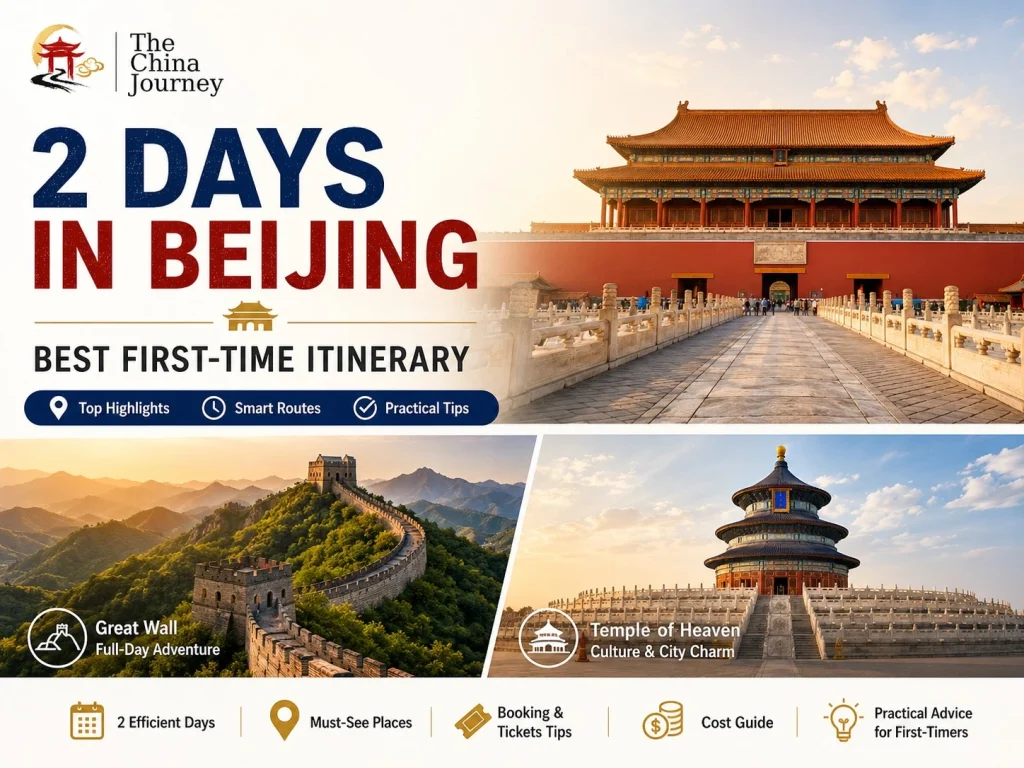
Yes, 2 days is enough only for a highly selective first impression of Beijing. It is not enough for a complete, relaxed, or balanced trip. If you arrive late or leave early, your real sightseeing time may be closer to 1–1.5 days, so every choice must be strict.

A 2-day Beijing itinerary needs strict route control. Beijing is too large for loose planning, the Forbidden City and Tiananmen Square require reservations, and the Great Wall can take a full day by itself. Build the plan around your real usable hours, not the number of calendar days.
Use this as an extreme short-trip framework, not a relaxed schedule. With only 2 days in Beijing, Day 2 is the key trade-off: either give the whole day to the Great Wall, or choose a safer city route that protects your departure. Adjust the order by reservations, Monday closures, arrival time, departure time, and weather.
Day | Main Theme | Route Role | What to Focus On | Watch Out For |
|---|---|---|---|---|
Day 1 | Core history and city axis | Full city-core day | Tiananmen Square, Forbidden City, Jingshan Park | Reservations, ID, Monday closure, long walking |
Day 2 Option A | Great Wall challenge | Full high-effort day | Badaling or Mutianyu Great Wall | Transport, tickets, weather, fatigue |
Day 2 Option B | Culture and safe departure | Half-day city route | Temple of Heaven or Shichahai, then airport/station | No risky plans, strict timing, luggage |
This 2-day Beijing itinerary is for first-time visitors with very limited time who still want Beijing’s strongest core experiences. It is not a slow-travel route and assumes you have two usable sightseeing days. The most intense version is Forbidden City plus the Great Wall. If Day 2 includes an early departure, choose a safer city route. Adjust the order by Forbidden City booking, Tiananmen reservation, Monday closures, arrival and departure time, and weather.

Start with Tiananmen Square (天安门广场) if your reservation and timing allow. Entry to the square area requires real-name reservation through the official channel, usually 1–9 days ahead. Carry the original passport or ID used for the reservation, because checks can be strict.
After the square, walk toward the Meridian Gate, the main entrance to the Forbidden City (故宫). For a 2-day Beijing trip, this is the city-core experience to protect first. Book the Forbidden City 7 days ahead through the official Palace Museum channel when tickets are available, and choose the earliest entry slot if possible, usually around 8:30.
Give the Forbidden City at least 4–5 hours. A strong first-time route follows the central axis through the main halls, then moves into the inner court and Imperial Garden. If you still have energy and care about imperial collections, the Treasure Gallery or Clock Gallery can be added as an extra-interest stop, but both require separate tickets.
Food inside the Forbidden City is limited and can feel expensive for what you get. Bring light snacks and water if allowed, or eat after leaving through Shenwumen. Jingshan Front Street and Wangfujing are practical areas after the palace visit.
After exiting from Shenwumen, cross to Jingshan Park (景山公园). Spend about 30–45 minutes climbing to Wanchun Pavilion for the classic view over the Forbidden City and Beijing’s central axis. This is the best visual finish to a palace day, especially when you only have 2 days in Beijing.
Do not add another large attraction. This day already includes heavy walking, security checks, open courtyards, and long sightseeing hours.
Eat around Wangfujing or near your hotel. Roast duck can work well if it fits your route, but do not cross the city just for dinner. Keep the evening simple and sleep early, especially if Day 2 is your Great Wall day.
Day 1 is the core city-axis day. Tiananmen Square, the Forbidden City, and Jingshan Park connect naturally on foot, so the route saves time and gives you Beijing’s strongest imperial sequence without wasting transfers.
The Forbidden City is usually closed on Monday. Bring the original booking document, wear very comfortable shoes, and expect strict security checks, crowds, limited shade, and long walking. If you arrive in Beijing only in the afternoon, this day must be compressed or moved to another date based on ticket availability.
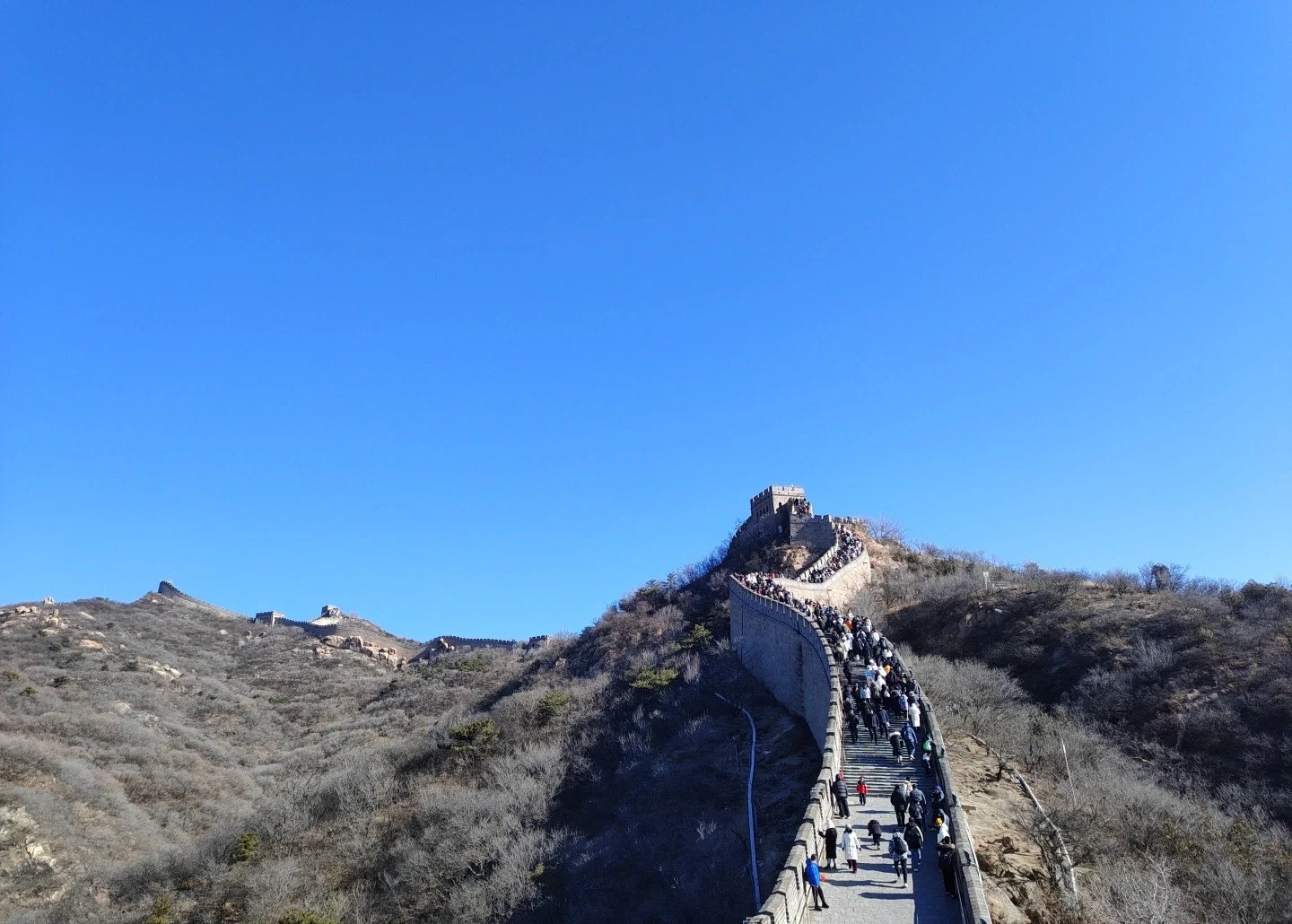
Choose this option only if Day 2 is a full usable day, your energy is strong, and you do not need to catch an early flight or train. The Great Wall (长城) is not a half-day filler. It takes the whole day once you count transport, entry, shuttles or cable cars, climbing, photos, rest, and return time.
Most first-time visitors choose between Badaling Great Wall (八达岭长城) and Mutianyu Great Wall (慕田峪长城).
Badaling is the most classic and best-known section. It has convenient transport and strong visitor facilities, but it also gets the biggest crowds. You can take the Jingzhang high-speed rail, which takes about 30 minutes from Beijing North Railway Station or Qinghe Station, and tickets should be bought ahead. Another option is the 877 bus from Deshengmen.
Mutianyu is known for better scenery, more greenery, and a calmer feel. It is popular with international travelers, but transport needs more planning. You can use a tourist shuttle bus or arrange a private car. Cable car and toboggan options are available.
Leave around 7:00 if possible. Plan about 3–4 hours on the Wall itself. Returning to the city around 3:00–4:00 p.m. is more stable than pushing the day too late.
Choose this option if you leave Beijing in the afternoon or evening, do not want to end the trip exhausted, or cannot risk long-distance transport. In this version, skip the Great Wall and use Day 2 for a controlled city experience.
Temple of Heaven (天坛) is the strongest cultural choice. Focus on the core area and allow about 2–2.5 hours, especially for the Hall of Prayer for Good Harvests, Echo Wall, and Circular Mound Altar. It gives the trip one more major Beijing layer without the risk of a full-day suburb plan.
Shichahai (什刹海) is the lighter local-life option. You can walk by the lake, get a quick feel for old Beijing lanes, or do a short hutong experience if time allows. This is better than forcing another heavy site before departure.
If you leave earlier, keep it simple: have breakfast near the hotel, pack properly, store luggage, take a short nearby walk, buy small souvenirs, and head toward the airport or station.
For either option, keep lunch efficient. Eat near your hotel, near the attraction exit, along your subway route, or inside the transport hub. This is not the day for a slow meal across town.
If departing, work backward from your flight or train time. For an international flight from Beijing Capital International Airport, arrive at least 3 hours ahead. For Beijing Daxing International Airport, arrive at least 2.5 hours ahead. For high-speed rail, arrive at least 1 hour before departure.
Set a hard deadline for when you must return to your hotel or luggage point. Add more buffer for luggage, tax refund, traffic, or peak travel periods.
Day 2 is a decision day, not a free day. If you choose the Great Wall, protect the whole day and do not add another major sight. If you choose the city route, keep it safe, short, and easy to stop.
Do not combine the Great Wall with the Temple of Heaven, Summer Palace, Ming Tombs, or another large attraction. Do not put the Great Wall on a departure day unless your flight or train is very late and you accept the risk. Weather, queues, traffic, and fatigue can all change the day quickly.
Use the standard 2-day Beijing itinerary as the base, then adjust only when your travel style clearly requires it. With just 2 days, every replacement has a serious cost. The classic route covers the Forbidden City and the Great Wall, but it is also the most intense version. Slower, family-friendly, rainy-day, or culture-focused routes usually mean giving up one major experience.
Route Type | Best For | 2-Day Logic | Example Adjustment | Prioritize | Skip / Simplify |
|---|---|---|---|---|---|
Classic first-time route | First-time visitors who want the most iconic Beijing highlights | This is the hardest version because it tries to cover both the Forbidden City and the Great Wall. | Day 1: Forbidden City + Jingshan; Day 2: Great Wall full day. | Forbidden City, Great Wall | Temple of Heaven, hutongs, museums |
History and culture route | Travelers more interested in imperial history and city culture than the Great Wall | Give up the Great Wall and use both days for stronger city-based cultural depth. | Day 1: Forbidden City + Jingshan; Day 2: National Museum + Temple of Heaven. | Forbidden City, National Museum, Temple of Heaven | Great Wall |
High-effort challenge route | Very fit travelers who care most about the Great Wall or outdoor challenge | Put more weight on the Great Wall, but accept weaker city coverage. | Day 1: Great Wall full day; Day 2: shortened Forbidden City or quick city-core route. | Great Wall, one city-core sight | Deep Forbidden City, museums, hutongs |
Easy city route | Travelers who want Beijing flavor without exhausting themselves | Stay inside the city and avoid the full-day Great Wall burden. | Day 1: Forbidden City + Jingshan; Day 2: Temple of Heaven + Qianmen or Shichahai. | Forbidden City, Temple of Heaven, light local walk | Great Wall, far suburbs |
Family-friendly route | Families with children or older travelers | Reduce walking pressure and choose easier, more flexible city experiences. | Day 1: shorter Forbidden City + Jingshan; Day 2: Beijing Zoo or China Science and Technology Museum. | Simplified Forbidden City, child-friendly stop, easy meals | Great Wall, long museums, heavy walking |
Photography route | Travelers focused on light, viewpoints, and iconic images | Plan around early entry, good viewpoints, and fewer rushed transfers. | Day 1: early Forbidden City + Jingshan; Day 2: Temple of Heaven morning or Great Wall if fully available. | Forbidden City, Jingshan, Temple of Heaven or Great Wall | Long museum interiors, shopping |
Hutong and local-life route | Travelers who prefer old streets, daily life, and local atmosphere | Trade one formal sight for a compact old-city walk. | Day 1: Forbidden City + Jingshan; Day 2: Shichahai, Drum Tower, Yandai Xiejie, and Qianmen. | Forbidden City, hutong area, old-city walk | Great Wall, National Museum, Summer Palace |
Rainy / hot-day adjusted route | Travelers facing rain, extreme heat, haze, or poor outdoor conditions | Replace exposed outdoor plans with indoor or controlled city options. | Swap the Great Wall with the National Museum, Wangfujing, a mall, or another indoor cultural block. | National Museum, indoor exhibitions, malls | Great Wall, long outdoor walks |
Beijing + nearby extension route | Travelers who strongly want another nearby city despite the cost | This is not recommended for most first-time visitors because it sacrifices too much of Beijing’s core. | Replace the Great Wall or most of Day 2 with a fast Tianjin side trip. | One Beijing core sight, Tianjin if essential | Great Wall, deeper Beijing time, hutongs |
The estimates below are based on my Beijing travel experience and recent 2026-style visitor spending references. They assume one hotel night for one independent traveler with an early arrival and late departure. International flights are not included. Actual spending depends most on hotel location, Great Wall transport, cable cars, meal choices, taxis, and optional experiences.
Cost Type | Budget Range | Comfortable Range | Notes |
|---|---|---|---|
Accommodation | Around RMB 200–400 | Around RMB 500–800 | Based on 1 night; a central hotel saves valuable time on a 2-day route. |
Local transport | Around RMB 80–150 | Around RMB 150–300 | Subway and buses keep costs lower; taxis, ride-hailing, and Great Wall transport raise the total. |
Attractions / tickets | Around RMB 120–250 | Around RMB 180–350 | Covers core paid sights; galleries, cable cars, and special areas add cost. |
Museums / shows / special visits | Around RMB 20–60 | Around RMB 50–150 | Includes audio guides, hutong rides, or short paid experiences. |
Meals | Around RMB 300–500 | Around RMB 600–900 | Simple meals are affordable; roast duck, hotpot, or better restaurants raise spending. |
Drinks / cafés | Around RMB 40–80 | Around RMB 80–160 | Useful for breaks during a very compressed route. |
Shopping / souvenirs | Around RMB 100–500 | Around RMB 500–2,000+ | Highly flexible, from snacks and tea to crafts or branded goods. |
Luggage storage / extras | Around RMB 20–50 | Around RMB 50–100 | Covers lockers, rain gear, medicine, small supplies, or backup costs. |
Estimated total | Around RMB 880–1,990 | Around RMB 2,110–4,760+ | Excludes international flights and major shopping. |
For a 2-day Beijing trip, central accommodation is usually worth more than a small room-rate saving. The biggest cost variable is the Great Wall: high-speed rail, tourist bus, private car, cable car, and shuttle choices can change the total quickly. Leave a 10–15% buffer for weather changes, transport changes, ticket issues, taxis, or last-minute extras.
A 2-day Beijing trip can work, but only if the route protects the strongest experience instead of chasing a longer checklist. My rule is simple: every extra stop must earn its place.

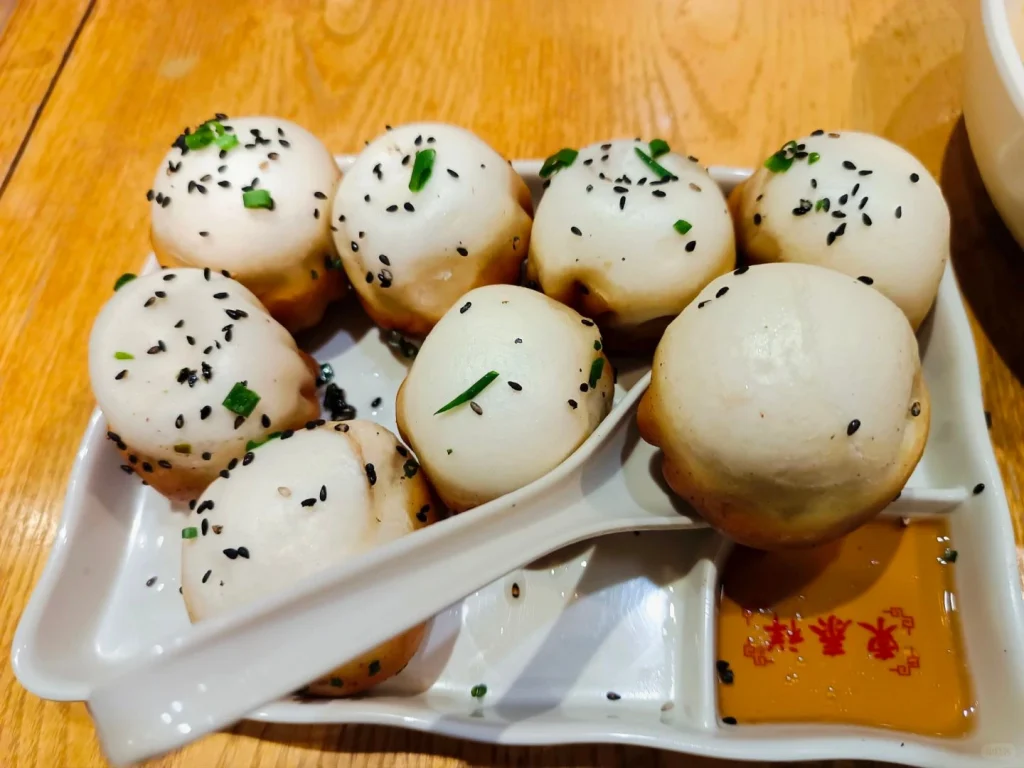
The most popular food in Shanghai is Shengjian Bao—crispy-bottomed, juicy pork buns that represent the city’s flavor, culture, and daily life.

Explore Tang Dynasty clothing for women and men, official rank colors, silk fabrics, Silk Road influence, and how modern Hanfu differs.

Chinese has no alphabet like English. But its phonetic system, Pinyin, uses 26 Latin letters to represent sounds—not for writing characters.
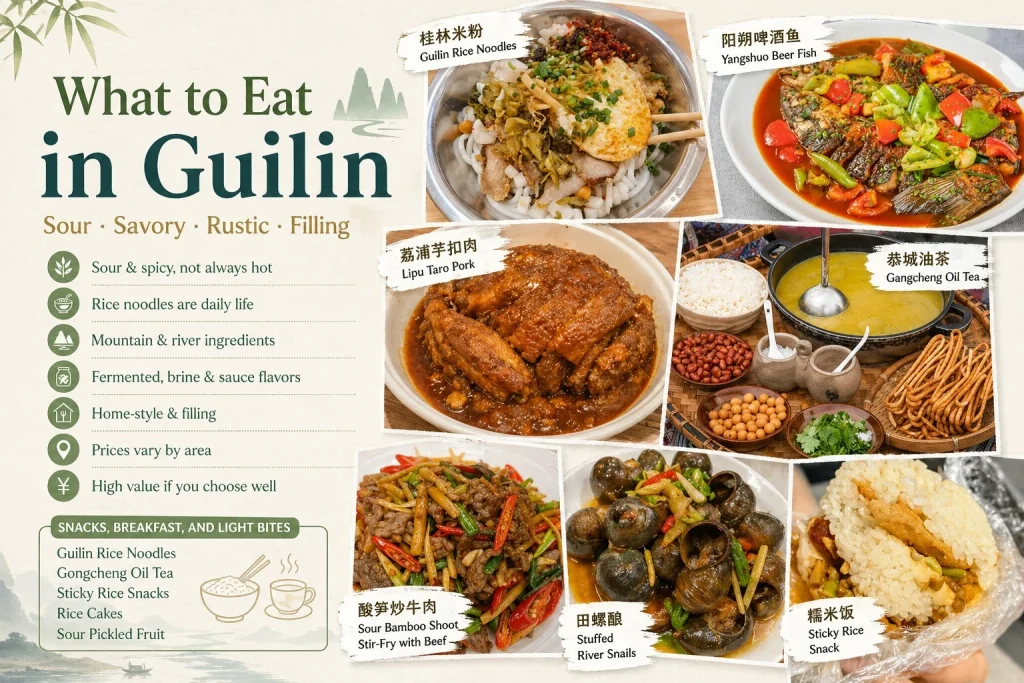
Discover what to eat in Guilin, from rice noodles and beer fish to oil tea, local snacks, prices, areas, and ordering tips.

A structured 2026 forecast for people born in 1976, covering career, wealth, relationships, health, and practical advice for steady growth and balanced progress.

Explore Taiwan, a diverse region where Minan, Hakka, Indigenous cultures, and Western influences converge to create a vibrant, rich cultural landscape.