

Yes. Two days is enough for a focused first Wuhan trip, but not a deep city visit. You can cover one major landmark, one river-view experience, one cultural, lake, or local-life layer, and several good food stops. Full East Lake, several museums, far suburbs, and a serious food crawl all need more time.
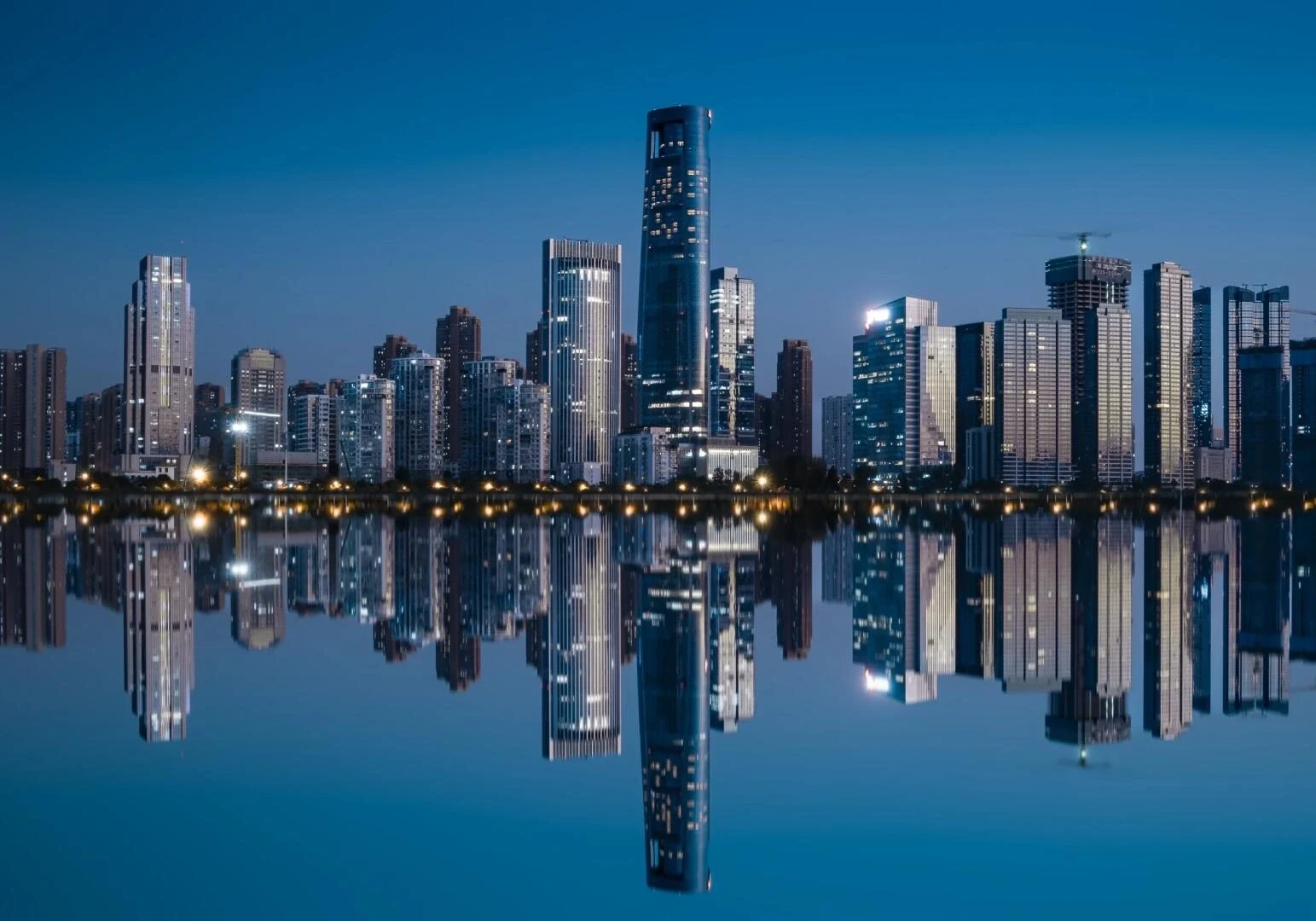
Wuhan is spread across river districts, so a 2-day itinerary should be planned around route flow, not attraction count. Let your arrival point, departure point, hotel base, and main interest decide the order. Day 1 should build the classic river-city impression; Day 2 should focus on one deeper direction.
Use this as a practical first-time structure, not a fixed schedule. Day 1 builds the classic river-city impression, while Day 2 adds one deeper layer based on your interests. You can shift the order by arrival time, museum bookings, weather, and departure plans.
Day | Main Theme | Route Role | What to Focus On | Watch Out For |
|---|---|---|---|---|
Day 1 | Classic river-city first impression | Build the city image | Landmark, river, old streets, dinner | Compress if arriving late |
Day 2 | Culture, lake, or local life depth | Add one focused layer | Museum / East Lake / local streets and food | Do not try to do all three |
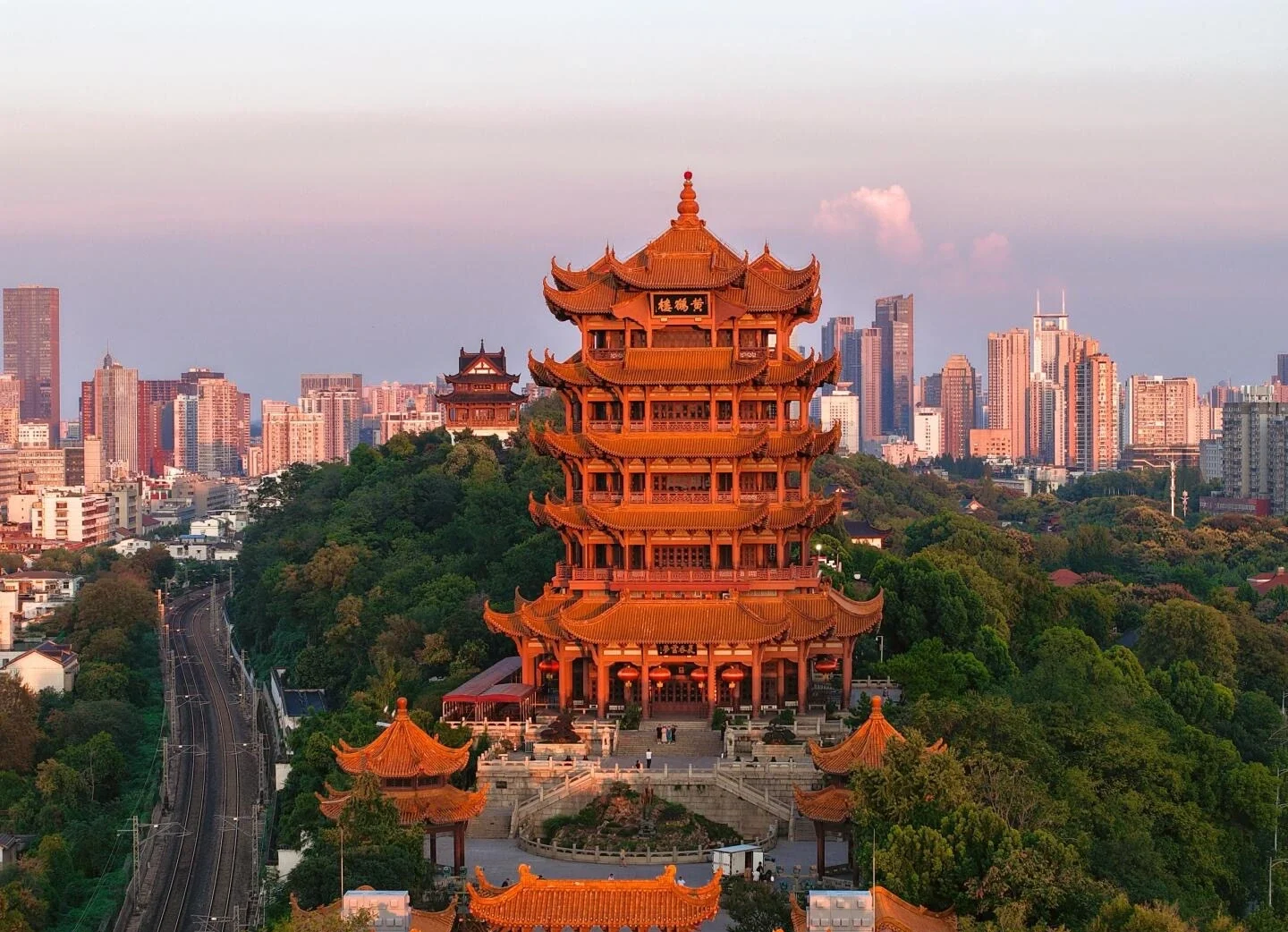
Day 1 should give you Wuhan’s river-city frame: one landmark, one river crossing, one compact Hankou street area, and a local dinner. The goal is city orientation, not maximum coverage.
If you arrive early, start with Yellow Crane Tower (黄鹤楼). The view gives you a fast read of Wuhan’s river-city layout: the river, bridge, Wuchang, Hankou, and the city’s wide scale.
Plan about 1.5–2 hours. Buy tickets online ahead on weekends and holidays, and go early if possible. The view and cultural symbolism are worthwhile, but the ticket is not cheap and holiday crowds can be heavy. With only two days, focus on the view and setting rather than every indoor display.
If you arrive in the afternoon, keep Day 1 light. Choose a river walk, ferry ride, bridge view, or old-street dinner instead. Move the tower to the next morning only if it does not break your Day 2 focus.
Lunch should connect the morning and afternoon. If you are still in Wuchang, choose quick local food near the route. Liangdao Street (粮道街) can work well if timing and energy allow.
This is a good point to try simple Wuhan snacks such as Hot Dry Noodles (热干面), doupi, shaomai, or other quick bites. Do not turn lunch into a food hunt. If one shop has a long queue, move to a backup. Hubu Alley is convenient but commercial, so treat it as a fallback rather than the food highlight.
Use the afternoon to move from Wuchang to Hankou. A ferry or bridge-view transfer works well because it combines transport, river views, and local life. The Wuhan Yangtze River Bridge (武汉长江大桥) can also fit if the weather and your walking energy are good.
After reaching Hankou, choose one compact street area. Jianghan Road (江汉路), the Jianghan Customs House exterior, and Lihuangpi Road (黎黄陂路) can fit naturally, but do not try to cover every old concession street. This is a first impression, not a full Hankou history tour.
End with Hankou River Beach (汉口江滩) and a local dinner. Choose one riverfront section for evening light, skyline, bridges, and open river air.
For dinner, Wansongyuan (万松园), Xuesong Road, or another lively local food area can work. Crayfish (小龙虾), lotus root soup, Hubei dishes, barbecue, and beef noodles all fit this kind of evening. During crayfish season, weekends, and holidays, keep backups ready. If you arrived late, choose either river views or dinner, not both.

Day 2 is the decision point. Do not try to fit culture, East Lake, and local-life exploration into one day. Choose one morning focus, then use the afternoon for a lighter follow-up.
Option A: Culture-focused morning
Choose this for history, museums, and cultural context. Hubei Provincial Museum (湖北省博物馆) works best in the morning because it needs time and attention. Plan about 2.5–4 hours, confirm reservations and closing days, and focus on the strongest collections instead of every display.
Option B: East Lake-focused morning
Choose this for nature, cycling, walking, or a slower second day. East Lake (东湖) is large, so pick one area, one greenway segment, or one lakeside experience. Do not try to complete the whole lake. Start early in summer and keep an indoor backup for bad weather.
Option C: Local-life-focused morning
Choose this for food, neighborhoods, and street life. Start with Wuhan breakfast culture, often called Guozao (过早), then continue into nearby old streets or local neighborhoods. Go early and do not depend on one viral shop. The value is seeing how the city starts its day.
Lunch should follow your Day 2 choice. For the museum route, eat near the museum or on the way to your afternoon area. For the East Lake route, stay near the lake or eat on the return route. For the local-life route, keep lunch close to the morning streets or the afternoon area. Do not cross the city for one restaurant. If you leave that evening, lunch can also be your farewell meal.
Use the afternoon as a lighter extension, not a second heavy route. After a museum morning, choose a short street walk, café, historic building, or easy cultural area. After East Lake, continue with one light lake section or switch to a weather-safe stop. After a local-life morning, choose a compact street area or one small cultural add-on.
If you leave that night, keep the afternoon near your hotel, luggage point, or departure direction. Do not add another distant district.
If you stay one more night, end with a relaxed dinner, river view, night market atmosphere, or short street walk.
If you leave that evening, choose dinner near your station, airport route, hotel, or luggage pickup point. Do not gamble on traffic for one final faraway stop. Leave enough time for bags, transfer, security, and check-in.
Two days cannot cover every theme. Day 1 usually works best as the classic first impression, while Day 2 should change by interest. Museum travelers, nature travelers, food travelers, and stopover travelers need different route logic.
Route Type | Best For | 2-Day Logic | Prioritize | Skip |
|---|---|---|---|---|
Classic first-time route | Most first-time visitors | Day 1 city image, Day 2 one deeper layer | Landmark, river, street, culture or lake | Far suburbs |
Culture-focused route | Museum/history travelers | Make Day 2 culture-heavy | Museum, history, light street time | Full East Lake day |
East Lake and nature route | Slow travelers | Give Day 2 to lake scenery | One lake area, cycling/walking, rest | Multiple districts |
Food and local-life route | Food-focused travelers | Build Day 2 around breakfast and streets | Breakfast culture, local streets, dinner | Long sightseeing detours |
Stopover / tight route | Short-stay travelers | Stay near arrival/departure side | Compact area, easy transport | Cross-city routing |
Rainy / hot-day route | Bad-weather days | Use indoor and shaded stops | Museums, cafés, malls, short walks | Outdoor-heavy route |
These are rough 2026 references for an independent 2-day Wuhan trip. Main costs include hotel, local transport, tickets, meals, drinks, and luggage storage. Your budget depends most on hotel location, taxi use, paid sights, meal choices, and route efficiency. Poor planning can add hidden costs through extra transfers.
Cost Type | Budget Range | Comfortable Range | Notes |
|---|---|---|---|
Accommodation | RMB 150–350 | RMB 350–800 | Usually 1 night, per person if sharing |
Local transport | RMB 40–80 | RMB 80–180 | Metro, ferry, buses, selected taxis |
Attractions / tickets | RMB 70–180 | RMB 150–300 | Depends on paid sights |
Breakfast / snacks | RMB 30–70 | RMB 70–140 | Local snacks are affordable |
Lunch | RMB 60–120 | RMB 120–250 | Simple meals vs. sit-down meals |
Dinner | RMB 120–250 | RMB 250–500 | Higher with crayfish or larger meals |
Coffee / drinks | RMB 20–80 | RMB 80–160 | Optional but useful for breaks |
Luggage storage / extras | RMB 0–40 | RMB 40–100 | Lockers and small backup costs |
Estimated total | RMB 490–1,170 | RMB 1,140–2,430 | Excludes long-distance transport and shopping |
Two days in Wuhan can stay affordable. For most travelers, a mid-range budget is enough. Spend more on a convenient location and time-saving transport; do not save on a hotel that damages the whole route.


Compare Badaling, Mutianyu, Jinshanling and Simatai. See transport options, half-day vs full-day plans, and the easiest way to visit from Beijing.

Explore what Chinese people eat for breakfast, from buns, congee, noodles, and soy milk to dim sum and regional morning specialties across China.

Liaoning, the birthplace of the Qing Dynasty, was home to two emperors, with historical landmarks like the Shenyang Imperial Palace showcasing its rich imperial heritage.

The Year of the Rooster, the tenth sign in the Chinese zodiac, is represented by the Earthly Branch “You” (酉) and is associated with qualities such as honesty, vigilance, and good fortune.

Heilongjiang, known for its winter wonderland, is a top ice-snow tourism destination with iconic sites like Harbin Ice Festival and China Snow Town. It also boasts stunning natural beauty.

Plan a Silk Road trip through China with realistic routes from Xi’an to Dunhuang or Kashgar, key cities, transport choices, best seasons and booking tips.


