

Yes. Five days is enough for a fuller first Wuhan trip: landmarks, river views, one or two cultural stops, East Lake, historic streets, local meals, and a flexible finish. It is more comfortable than a 1-day or 3-day visit, but still not enough for every district, every museum, every East Lake section, or far suburban routes.
Wuhan is large, so five days still needs route discipline. Keep one hotel base, group each day by area, and let meals and transport support the day’s route. The extra time should create depth and breathing room, not more scattered movement.
Use this as a practical first-time structure, not a fixed schedule. Each day has a clear role, and the order can shift with arrival time, weather, bookings, and energy. The detailed route below shows how to use it.
| Day | Main Theme | Route Role | What to Focus On | Watch Out For |
|---|---|---|---|---|
| Day 1 | Classic river-city first impression | Build the city image | Landmark, river, bridge/ferry, old streets | Compress if arriving late |
| Day 2 | Museum and culture depth | Understand Wuhan beyond landmarks | Museum, history, light street time | Booking rules and fatigue |
| Day 3 | East Lake and nature | Slow the trip down | Lake scenery, cycling/walking, rest | Weather and distance |
| Day 4 | Hankou streets and food | Add local life and city texture | Breakfast culture, old streets, dinner | Queues and over-walking |
| Day 5 | Flexible finish or deeper interest | Complete the trip smoothly | Missed area, final meal, departure | Keep transport safe |

Day 1 gives you Wuhan’s river-city frame: landmark, river, bridge or ferry, Hankou streets, and local food in one smooth route.
If you arrive early, start with Yellow Crane Tower (黄鹤楼). It gives a quick read of Wuhan’s layout: river, bridge, Wuchang, Hankou, and the city’s wide scale.
Plan about 1.5–2 hours. Buy tickets online ahead on weekends and holidays, and go early for lighter crowds and heat. The tower is reconstructed and can feel busy, but the view and cultural weight still make it a strong first stop.
If you arrive in the afternoon, keep Day 1 light with a river walk, bridge view, ferry ride, or easy old-street dinner. Move the tower to another free morning.
Lunch should stay near the route. If you are still in Wuchang, Liangdao Street can work for quick local bites such as Hot Dry Noodles, doupi, or shaomai. Do not turn lunch into a food hunt. If one shop has a long queue, move on. Hubu Alley is convenient but commercial, so use it only as a fallback.
Move from Wuchang to Hankou. A ferry or bridge-view transfer works well because it combines movement, river views, and local life. Wuhan Yangtze River Bridge can fit if weather and walking energy are good.
After reaching Hankou, choose one compact area. Jianghan Road, the Jianghan Customs House exterior, and Lihuangpi Road can fit naturally, but do not try to cover every old concession street.
End with Hankou River Beach and dinner. Choose one riverfront section for evening light, skyline, bridges, and open river air.
Wansongyuan or Xuesong Road can work for a lively food finish. Crayfish, lotus root soup, Hubei dishes, barbecue, and beef noodles all fit. During crayfish season, weekends, and holidays, keep backups ready. If you arrived late, choose either river views or dinner, not both.

Day 2 adds cultural depth without overloading the route. Use the morning for one major cultural stop, then keep the afternoon lighter.
Make Hubei Provincial Museum (湖北省博物馆) the main morning plan if it fits your interests. Plan about 2.5–4 hours and check reservations, closing days, and peak-period rules before building the day around it.
If Bianzhong Bells (编钟) performances are available, check the schedule and fee separately. Do not try to read every display. Focus on the strongest collections and leave energy for the afternoon.
Keep lunch close and easy: near the museum, on the way to your afternoon area, or somewhere you can sit and recover.
Choose one lighter cultural layer: a historical street, art space, nearby cultural area, or relaxed architectural walk. Do not stack another heavy museum after the morning. If the museum takes longer or feels tiring, reduce the afternoon to a short walk and coffee break.
Eat near your hotel, near the afternoon area, or in a simple commercial district without another long transfer. Chu River Han Street can work as a dining backup if it fits your route. If you plan a show, check tickets, timing, location, and end time in advance.
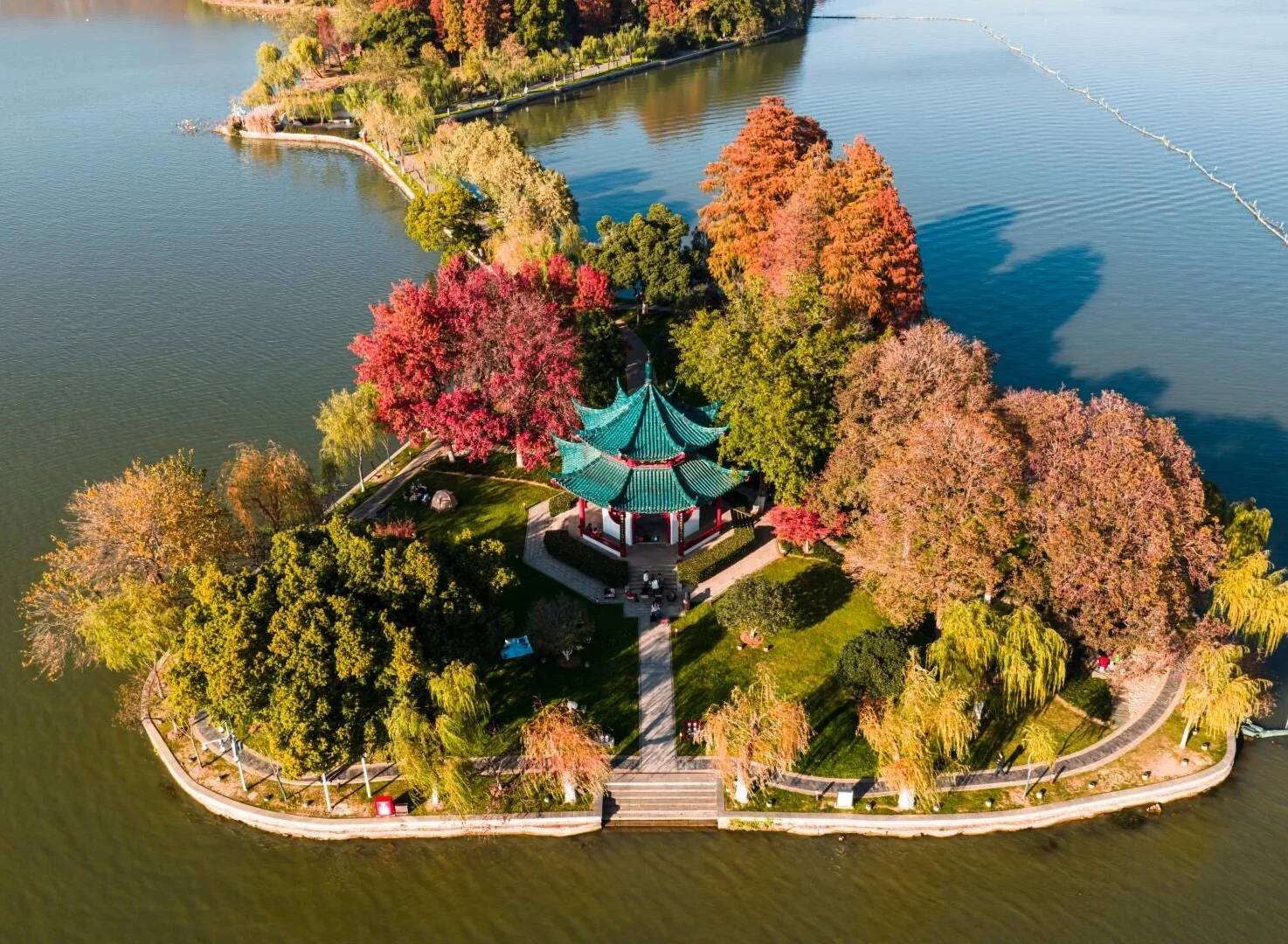
Day 3 is where five days feels better than a shorter trip. Use it to slow down by the water instead of treating East Lake as a full-area challenge.
Spend the morning around East Lake (东湖), but choose only one section, greenway segment, or clear experience. Cycling, walking, a short lakeside route, a boat ride, or one scenic section can all work. Choose by weather and energy. In hot seasons, start early because open lake areas can feel exposed by midday.
Keep lunch near the lake area or on your return route. If the morning involved cycling or long walking, choose something convenient and restful.
Continue with a lighter lake experience, or switch to a nearby low-pressure stop such as a café, art space, village-style area, shaded walk, mall, gallery, or indoor backup. If rain, heat, or wind makes the lake uncomfortable, change plans.
Keep the evening relaxed: good food, short travel, and enough rest. Avoid a major night activity unless you still have energy.
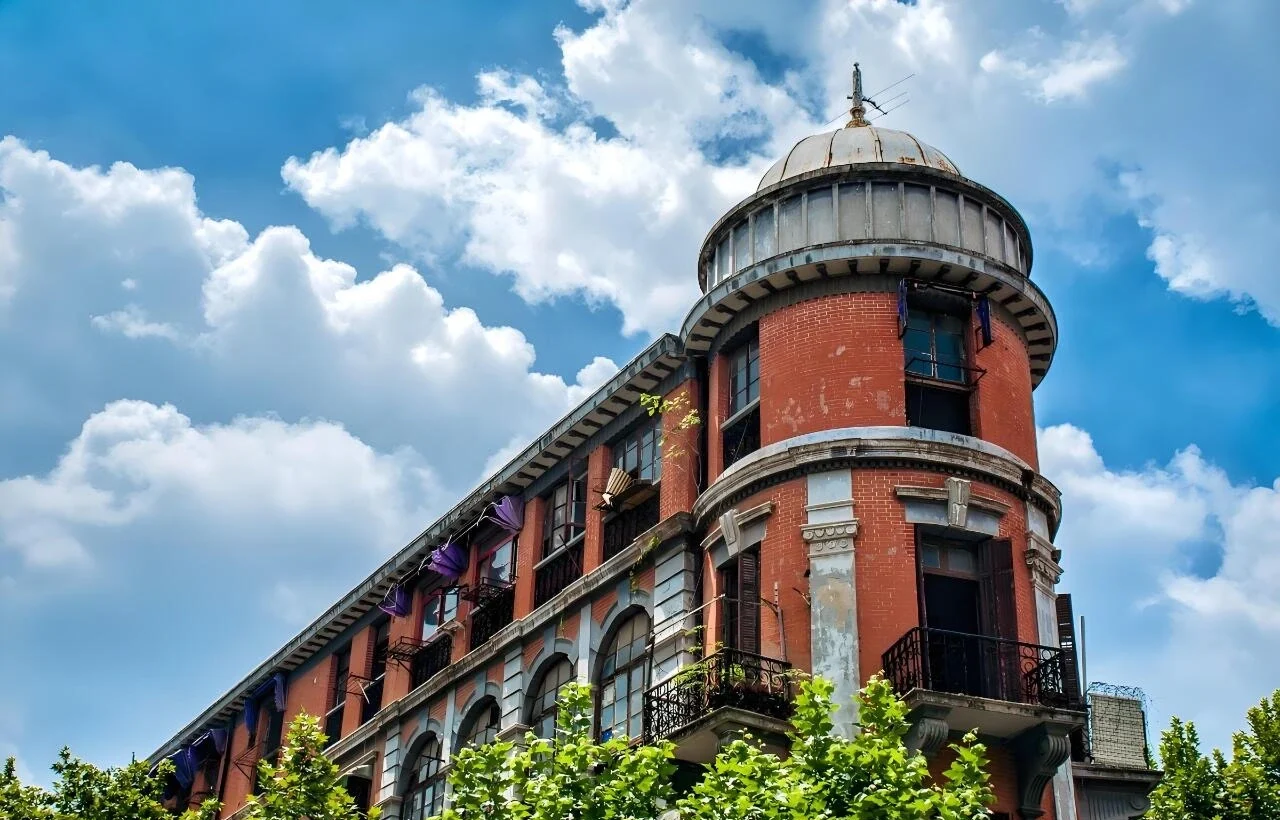
Day 4 should feel local: breakfast culture, old streets, architecture, local routines, and everyday Wuhan.
Start with Wuhan breakfast culture, often called Guozao (过早). Shanhaiguan Road (山海关路) can work if it fits your hotel and route, but the principle matters more than the exact street: go early, stay flexible, and observe how locals eat.
Do not depend on one famous shop. Try a few nearby items instead of losing the morning to one queue. If you are not food-focused, keep breakfast short and move into the street-walk part of the day.
Use lunch as a bridge between the morning food area and the afternoon streets. Keep it light, local, or simple, and stay near where you already are or where you are going next.
Spend the afternoon in Hankou’s historic streets or old concession area. Use Lihuangpi Road (黎黄陂路) as a center if it fits your plan, then branch only within a manageable range.
This is a local texture day, not a mission to finish every street. Look for old buildings, cafés, small lanes, local shops, and everyday street life. Walk slowly, stop when something interests you, and sit down when the heat or walking catches up.
Use the evening for a local dinner, night-food area, or short river-view finish. If you already used Wansongyuan on Day 1, choose another convenient dinner area.
Keep queue logic strict. If a popular restaurant has a long wait, switch quickly. If you still have energy, add a short walk; if not, return to your base and keep Day 5 smooth.

Day 5 should finish smoothly, not squeeze in every missed place. Use it for one light interest, a final meal, or a safe departure.
Choose the morning by departure time. If you leave early, go straight into airport or station mode. If you have time, pick one nearby activity: a missed street, small museum, lakeside walk, café, souvenir stop, or local breakfast.
Lunch can be your farewell meal, especially if you leave in the evening. Choose somewhere close to your hotel, luggage storage, station route, or airport route. Do not cross the city for one final restaurant unless your schedule is very loose.
Keep the afternoon transport-safe. A short walk, coffee stop, light shopping, or simple neighborhood visit is enough. Finish major activities by mid-afternoon if you need to collect luggage and reach a station or airport.
If you are leaving, keep dinner near your departure route or eat at the station or airport. If you stay one more night, choose an easy final evening: a quiet street, light night view, or relaxed food area.
Five days gives you more flexibility than a 3-day trip, but you still need one main direction. Use this table to choose the version that fits your interests, then keep the daily plan focused.
| Route Type | Best For | 5-Day Logic | Prioritize | Skip |
|---|---|---|---|---|
| Classic first-time route | Most first-time visitors | Landmark + culture + lake + streets + flexible finish | Balanced city image | Far suburbs |
| Culture and museum route | History/art lovers | More museum time, lighter evenings | Reservations, depth | Outdoor overload |
| Food-focused route | Food travelers | Meals as anchors | Breakfast, local dinners, snack streets | Long detours for one shop |
| River and citywalk route | Walkers/photographers | Riverfronts and old streets | Ferry, bridges, Hankou streets | Too many indoor stops |
| Lake and nature route | Slow travelers | Give East Lake more space | Greenway, lakeside rest | Rushing every lake zone |
| Family-friendly route | Families/older travelers | Fewer stops, easier movement | Rest, easy meals, short transfers | Long walks and peak crowds |
| Rainy / hot-day route | Bad-weather days | Indoor-first, outdoor-light | Museums, cafés, malls | Exposed full-day walks |
| Slow travel route | Travelers who dislike rushing | One or two things per day | Cafés, lake, streets, local life | Checklist planning |
These are rough 2026 references for an independent 5-day Wuhan trip. Main costs include accommodation, local transport, tickets, meals, drinks, and small extras. Your final budget depends most on hotel location, taxi use, paid sights, meal choices, and route efficiency.
| Cost Type | Budget Range | Comfortable Range | Notes |
|---|---|---|---|
| Accommodation | RMB 600–1,000 | RMB 1,000–2,000 | Usually 4 nights, per person if sharing |
| Local transport | RMB 100–180 | RMB 180–320 | Metro, ferry, buses, selected taxis |
| Attractions / tickets | RMB 150–350 | RMB 300–650 | Depends on paid sights and shows |
| Breakfast / snacks | RMB 100–180 | RMB 180–300 | Local breakfast is affordable |
| Lunch | RMB 200–350 | RMB 350–600 | Simple meals vs. sit-down meals |
| Dinner | RMB 400–700 | RMB 700–1,200 | Higher with crayfish or larger meals |
| Coffee / drinks | RMB 100–250 | RMB 250–500 | Optional, useful for breaks |
| Luggage storage / extras | RMB 50–150 | RMB 150–350 | Lockers, small backup costs |
| Estimated total | RMB 1,700–3,160 | RMB 3,110–5,920 | Excludes long-distance transport and shopping |
Five days in Wuhan does not need to be expensive. A mid-range budget is enough for most travelers. Spend more on a good location, time-saving transport, and the meals or experiences you value most. Do not save money by choosing a location that damages the route.

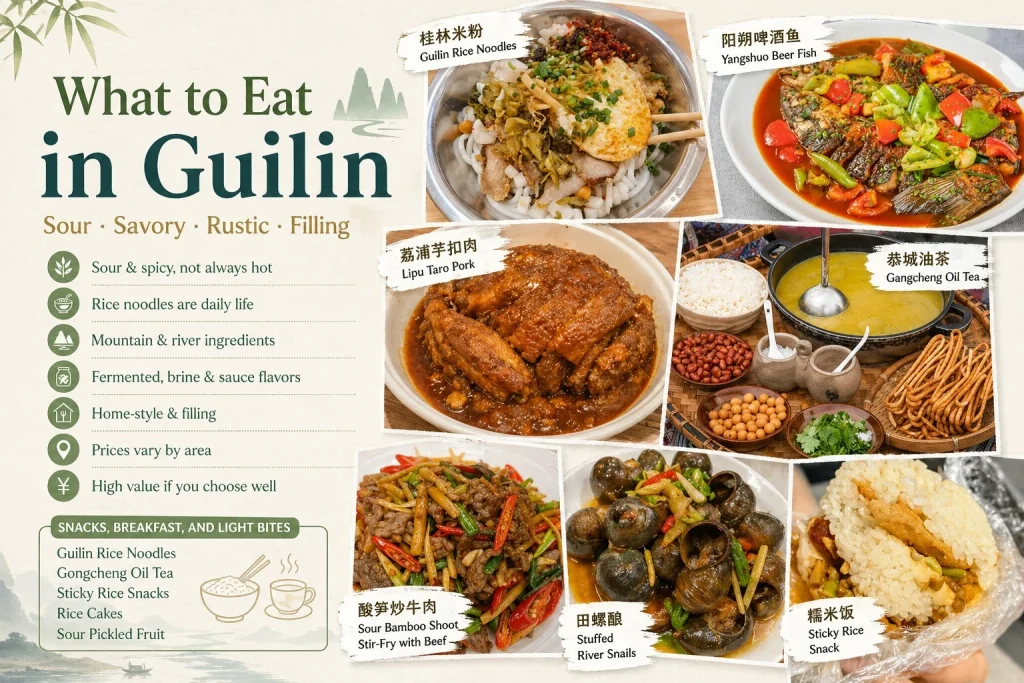
Discover what to eat in Guilin, from rice noodles and beer fish to oil tea, local snacks, prices, areas, and ordering tips.
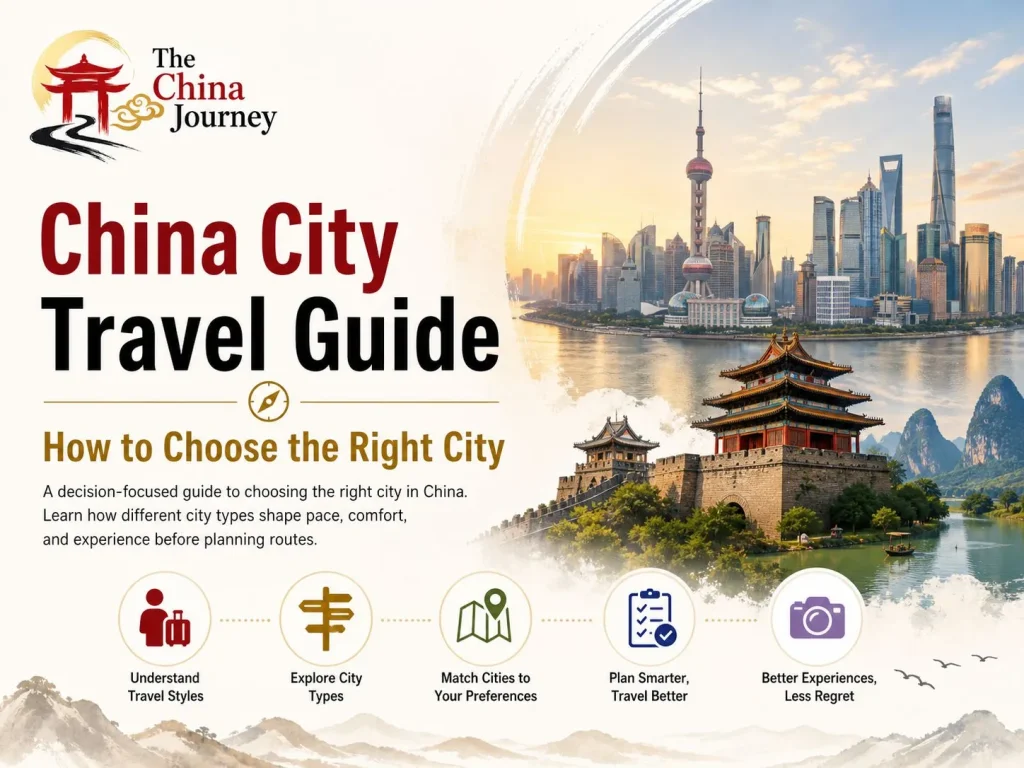
A decision-focused guide to choosing the right city in China. Learn how different city types shape pace, comfort, and experience before planning routes.

Pack for China with this 2026 checklist covering documents, payment apps, power banks, clothing, toiletries, medicine, internet access, and what not to bring.

A calm and steady 2026 forecast for people born in 1959, covering career, wealth, relationships, health, and guidance for a balanced and secure year.
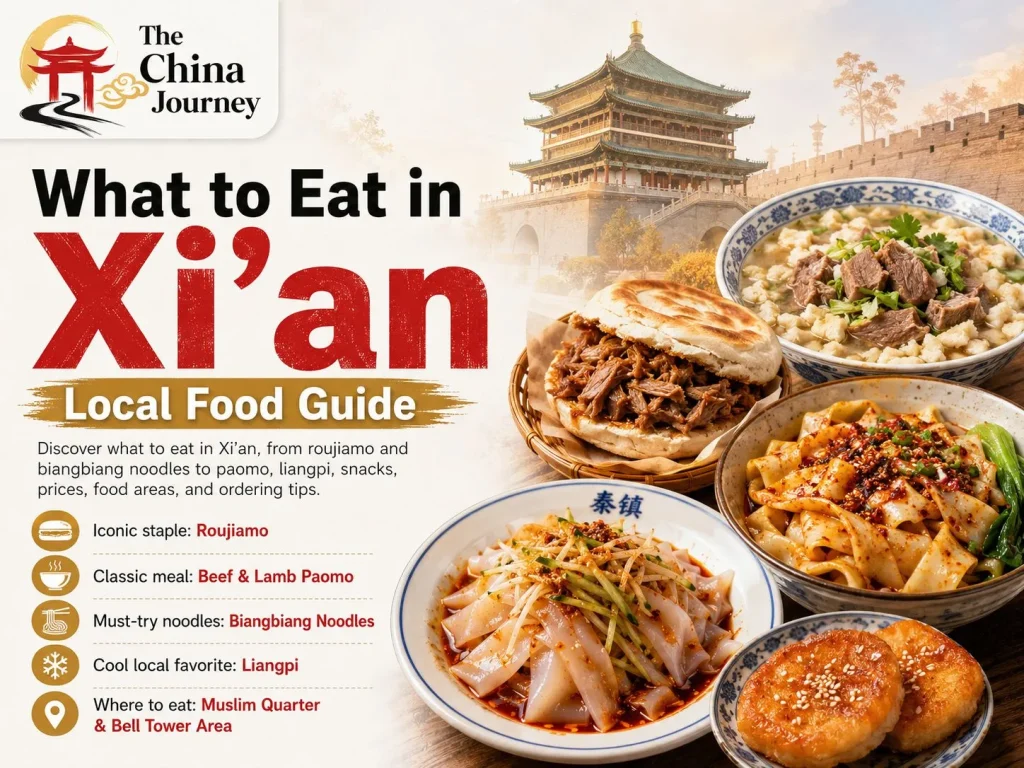
Discover what to eat in Xi’an, from roujiamo and biangbiang noodles to paomo, liangpi, snacks, prices, food areas, and ordering tips.

Find what to eat in Suzhou, from Suzhou-style dishes and noodles to snacks, food streets, prices, ordering tips, and seasonal foods.


