Seven days is enough for a strong first-time Yunnan route, not the whole province. The best use of one week is one proven line with three clear bases: Kunming for arrival, Dali for lake scenery and Bai culture, and Lijiang for old-town atmosphere and snow mountain views. It feels fuller than 5 days, but still needs clear selection.
This 7-day Yunnan itinerary follows the classic Kunming–Dali–Lijiang route: Kunming for an easy start, Dali for lake-and-Bai-culture depth, and Lijiang for the snow mountain and Naxi old-town finish.
| Day | Main Plan | Transport Logic | Where to Stay | Food Focus | Pace |
|---|---|---|---|---|---|
| Day 1 | Arrive in Kunming, easy city walk | Airport to city hotel | Kunming city center / Cuihu / Nanping area | Crossing-the-Bridge noodles, simple local meal | Easy |
| Day 2 | Stone Forest and Jiuxiang day trip | High-speed rail, car, or day-trip route | Kunming again | Yiliang roast duck, local meal, mushroom hotpot if suitable | Moderate |
| Day 3 | Train to Dali, Erhai west-side first experience | Kunming to Dali by train | Dali Old Town gate area | Bai-style food, rice noodles, local snacks | Moderate |
| Day 4 | Xizhou, Zhoucheng, Shuanglang, or deeper Dali | Car, hired vehicle, or route-based transfer | Dali again | Xizhou Baba, Bai-style dishes | Full |
| Day 5 | Train to Lijiang, light old-town walk | Dali to Lijiang by train | Dayan Old Town gate area / Shuhe | Naxi snacks, cured pork rib hotpot | Easy to moderate |
| Day 6 | Jade Dragon Snow Mountain and Blue Moon Valley | Scenic-area transport, cableway, and shuttle | Lijiang again | Practical scenic-area lunch, local dinner | Full |
| Day 7 | Shuhe, market / souvenir stop, departure | Based on flight or train time | No stay if leaving | Final local meal, snacks, souvenirs | Flexible |

Day 1 is for entering Yunnan smoothly, settling into Kunming, and starting gently before the stronger landscape days begin.
Most travelers arrive at Kunming Changshui Airport (昆明长水机场), the main gateway for Yunnan. From the airport, you can reach the city by metro, airport bus, taxi, or ride-hailing car. Metro is useful if you are traveling light and staying near a convenient station. Taxi or ride-hailing is easier if you have luggage, arrive late, or want a direct transfer to your hotel.
After arrival, go to your hotel, drop your luggage, and rest. If you arrive late, skip the city walk, eat nearby, and sleep early.
Keep your first meal simple, nearby, and easy to accept. Crossing-the-Bridge Noodles (过桥米线) work well as a first Kunming meal because they are warm, filling, local, and easy to understand. After flights, transfers, and check-in, choose recovery over a complicated food mission.
Use the afternoon for one easy city walk. Green Lake Park (翠湖公园) gives you open space and local life, while Kunming Old Street (昆明老街) works better for old-city atmosphere, snacks, and cafés. If timing fits, the nearby Yunnan Military Academy can be a light cultural stop.
Dounan Flower Market is optional for flower lovers, but it is farther from the center and does not fit every arrival day. Day 1 should feel like a warm-up, not a formal sightseeing day.
For dinner, choose a convenient local restaurant near your hotel, Kunming Old Street, Nanping Street, or Jinma Biji Archway. Steam pot chicken, roasted erkuai, simple Yunnan home-style dishes, or seasonal wild mushroom hotpot all work. If you choose mushroom hotpot, use a trusted restaurant and make sure the mushrooms are fully cooked.
After dinner, take a short nearby walk if you still have energy, but do not stay out late. Day 2 needs more walking, transport, and outdoor time.
Stay in a central, transport-friendly area such as Cuihu, Nanping Street, or another city-center location with easy access to food and transport. These areas make the first night easier and help with the next day’s departure, whether you use a day-trip route, railway station transfer, or hired car.
Choose somewhere practical, easy to reach with luggage, and convenient for dinner, breakfast, and Day 2 transport. Avoid staying far outside the center unless you have a specific reason. If you mention a hotel, keep it as an example, not the focus of the section.

Day 2 is the main Kunming landscape day. Stone Forest is the anchor, while Jiuxiang is a strong add-on only if transport, weather, and energy allow. The goal is a smooth outdoor day, not a rushed geology checklist.
Start with Stone Forest Scenic Area (石林风景区) in the morning. Morning usually works better because the light is more comfortable, the heat is lower, and you have more energy for walking. It also gives you more flexibility if the visit takes longer than expected.
Build the transport plan around high-speed rail, private car, or a day-trip route, then verify the latest station, train time, ticket price, shuttle rule, and entrance detail before publication. Inside the scenic area, focus on pacing: arrive early, use scenic transport if needed, walk the main sections first, and avoid spending too long at one photo spot.
Wear comfortable shoes and keep water with you. Stone Forest involves more walking and sun exposure than many travelers expect.
Keep lunch simple and route-friendly. Eat near the scenic area or on the way to the next stop, depending on your transport plan. This meal should support the day’s timing, not slow it down.
Yiliang roast duck or simple local farmhouse-style dishes can work as reference directions if they fit the route. Avoid turning this into a restaurant ranking or a long food section. The purpose is to refuel before the afternoon, especially if you plan to continue to Jiuxiang.
If the morning runs late, shorten lunch and reduce the afternoon plan instead of rushing both.
Jiuxiang Scenic Area (九乡风景区) works as the afternoon extension if timing, transport, and energy are good. It pairs well with Stone Forest because the experience shifts from above-ground karst scenery to caves and gorges.
Before making it firm, check the real transfer time, visit length, closing time, and return route to Kunming. Jiuxiang can involve walking, stairs, damp cave areas, and internal transport, so make it optional for children, older travelers, or tired groups. If the morning runs late or the weather is poor, return to Kunming earlier instead of exhausting everyone on Day 2.
Return to Kunming at a reasonable time, ideally before the evening becomes too tiring. After a full landscape day, do not add another heavy activity.
If you still have energy, take a short nearby walk. Otherwise, return to the hotel, pack lightly for Day 3, and rest.
For dinner, choose Kunming local dishes, a simple meal near your hotel, or seasonal wild mushroom hotpot at a reliable restaurant. Stay in the same Kunming hotel tonight, and confirm your Kunming–Dali train ticket, station, departure time, and hotel-to-station transfer before sleeping.

Day 3 moves the route from Kunming to Dali. Keep the structure simple: leave Kunming in the morning, reach Dali smoothly, handle luggage first, then use the afternoon for a light first taste of Erhai Lake.
Check out from your Kunming hotel in the morning and head to Kunming Railway Station or Kunming South Railway Station, depending on your train. Confirm the correct station before the travel day, because choosing the wrong one can cause serious delays.
Take the high-speed train to Dali Railway Station (大理站). The ride is around 2 hours, but check the latest timetable before publishing or booking. A morning train leaves time for lunch, check-in, and a light Erhai afternoon.
After arriving, go to your hotel first. Check in or store your luggage before exploring. Do not start the Dali section by dragging bags through old-town lanes or lakeside areas.
Keep lunch easy after the train ride. Choose a place near your hotel, Dali Old Town, or your transfer route. This is still a recovery meal, not a major food stop.
Good arrival-meal choices include braised pork ersi, cold chicken rice noodles, grilled rushan, stir-fried erkuai, or simple rice noodles. If you arrive late, shorten lunch and keep the lake plan light.
Use the afternoon for a light west-side Erhai Lake (洱海) experience. Do not try to complete a full lake loop today. After a morning transfer, the best plan is a short, scenic section that gives you the feeling of Dali without making the day too long.
Caicun Pier, Longkan Pier, the Erhai Ecological Corridor (洱海生态廊道), and Panxi S Bend (磻溪 S 弯) can work as route references, depending on where you stay and how much time you have. Choose one practical starting point instead of jumping between too many photo spots.
The ecological corridor has vehicle limits, so shared bikes, walking, or official sightseeing vehicles are usually more realistic than outside scooters. Before renting anything, check where it can actually go.
Keep the ride or walk comfortable. Dali sun, wind, and lake exposure can feel strong, so use sunscreen, wear a hat or sunglasses, and do not push too far on the first Dali afternoon.
For dinner, choose Bai-style dishes near Dali Old Town (大理古城) or your hotel area. Sour-spicy fish, water vegetable soup, yellow-braised chicken, grilled rushan, or simple home-style dishes can give you a good first taste of the Dali area.
Stay near the South Gate or East Gate area of Dali Old Town. These areas are convenient for taxis, food, luggage, and Day 4’s route toward deeper Dali experiences. They also reduce the chance of dragging luggage deep into stone-paved lanes where vehicles may not reach the hotel door.
Before sleeping, confirm your Day 4 pickup point, route timing, and weather.

Day 4 is the deeper Dali day. Instead of repeating Day 3’s light lake experience, slow down around Xizhou, Bai culture, village texture, and one meaningful lakeside or cultural extension. This is where a 7-day itinerary feels stronger than a shorter trip.
Start the morning by heading to Xizhou (喜洲). You can go by hired car, shared car, taxi, or a route-based day arrangement, depending on your budget and how many stops you want to include. For most travelers, a car-based plan is more flexible than trying to connect every small stop by public transport.
Xizhou is not only a photo stop. Its real value is Bai-style architecture, old houses, village rhythm, and the fields around town. Walk the lanes, look for the famous corner building, and notice the carved gates, courtyards, white walls, and gray-tile roofs that make it feel different from Dali Old Town.
If the season is right, spend time near the fields instead of chasing one online-famous angle. Xizhou Baba (喜洲粑粑) can fit naturally into the morning or lunch, but do not let one snack control the route.
Have lunch in Xizhou or somewhere that fits your route. Keep it local, simple, and practical. Xizhou Baba, cold chicken rice noodles, pea jelly, rice noodles, or a small local restaurant all work well here.
Lunch should support the day’s flow, not become a full food guide. Eat something local, rest briefly, and leave enough time for the afternoon. If you want a slower pace, choose a small café or restaurant near the fields and let the day breathe before moving on.
In the afternoon, add Zhoucheng (周城) if you want a deeper Bai cultural experience. A hands-on tie-dye activity gives the day more texture than sightseeing alone and works well after a morning of walking.
If your group prefers scenery, use a route-based lakeside extension instead. Shuanglang (双廊), the east side of Erhai, Xiaoputuo, Wase, or other lakeside points can work if your transport plan supports them. Do not overload the afternoon. If you watch sunset in Shuanglang, remember that returning to Dali Old Town may take around 1 to 1.5 hours depending on traffic and pickup point.
The best Day 4 gives you Xizhou, one meaningful extension, and enough time to return without stress.
End the afternoon in one of two ways: return to Dali Old Town before sunset for a simple evening, or watch sunset around Shuanglang if your driver, route, and timing are clear. Do not add another distant stop after sunset. The day should begin closing down, not expanding.
For dinner, stay in or near Dali Old Town. Wild mushroom hotpot can be a strong June–October choice, but only at a reliable restaurant where the mushrooms are fully cooked. Outside mushroom season, choose Bai-style dishes, local fish, stone-grill dishes, or simple home-style meals.
Stay in the same Dali hotel tonight. Do not move hotels before a transfer day. Before sleeping, confirm your Day 5 Dali–Lijiang train ticket, station transfer time, and pickup or taxi plan.

Day 5 moves the route from Dali to Lijiang. Keep it controlled: transfer smoothly, settle in, and use the afternoon for a light old-town introduction before the snow mountain day.
Check out from your Dali hotel in the morning and head to Dali Railway Station. Take the high-speed train to Lijiang Railway Station (丽江站). The ride usually takes about 1.5 to 2.5 hours, depending on the train, but check the actual timetable before publishing or booking.
A train around 9–10 a.m. usually works well. It is early enough to give you a useful afternoon in Lijiang, but not so early that breakfast, checkout, and luggage become stressful.
After arriving in Lijiang, handle luggage first. Check in or store your bags before sightseeing. Do not drag suitcases into old-town lanes unless your hotel is easy to reach.
Keep lunch simple and close to your hotel, old-town entrance, or transfer route. This is still a transfer-day meal, so do not turn it into a long restaurant search.
Naxi grilled fish, chickpea jelly, Lijiang Baba, noodles, or another simple local meal can work. Choose something easy and not too time-consuming. Save heavier meals for dinner, after you are settled.
Spend the afternoon around Lijiang Old Town / Dayan Old Town (丽江大研古城). This is an orientation walk, not a mission to cover every lane. Start around Sifang Street, Wuyi Street, Qiyi Street, Dashiqiao, and nearby quieter corners.
Mufu Mansion (木府) can work as an optional cultural stop, while Wangu Tower is a viewpoint option if you have energy and clear weather. Do not try to finish the whole old town in one afternoon. Walk, sit down for tea or coffee, and save energy for Day 6.
For dinner, choose cured pork rib hotpot, Naxi-style dishes, Naxi grilled fish, or another comfortable local meal near your hotel or old-town entrance. Since Day 6 starts early, dinner should be satisfying but not too late.
For accommodation, stay near a Dayan Old Town gate area or in Shuhe Old Town (束河古镇). Dayan is more convenient for taxis, meals, old-town walks, and the early snow mountain departure. Shuhe is quieter and more relaxed.
Avoid staying deep inside the old town if you have heavy luggage or an early Day 7 departure. Before booking, check recent reviews, exact location, road access, luggage help, and transfer support.

Day 6 is one of the most important days of this itinerary. Jade Dragon Snow Mountain gives Lijiang its strongest scenic layer, but it also requires planning around tickets, altitude, weather, transport, queues, and physical effort.
Start early for Jade Dragon Snow Mountain (玉龙雪山). Morning usually gives better visibility, easier queues, and more room to adjust if plans change.
Before you go, check the latest entrance rules, cableway tickets, scenic shuttle arrangements, and booking platform details. The Glacier Park Cableway (冰川公园大索道) is the most popular option. Current traveler references often point to the official “Lijiang Tourism Group” WeChat mini program, with advance booking, real-name information, and possible face verification. Rules can change, so verify the booking window, release time, ID requirements, and cancellation policy before publication and travel.
If the Glacier Park Cableway is sold out, do not let the day collapse. Spruce Meadow (云杉坪) or Yak Meadow can be gentler alternatives with snow mountain views and less altitude pressure.
Do not treat the 4,680-meter marker as mandatory. The altitude is real, and some visitors feel short of breath, dizzy, or tired. Walk slowly, stop if your body feels wrong, and bring warm layers, sunglasses, high-SPF sunscreen, water, and simple snacks. Oxygen may help some travelers, but it does not replace pacing and rest.
Keep lunch practical. Food inside or near the scenic area is usually limited, more expensive, and less memorable than meals in Lijiang. Bring water and simple food such as chocolate, energy bars, bread, fruit, or nuts. If you eat in the scenic area, treat it as a refuel stop, not a food highlight.
After the snow mountain section, continue to Blue Moon Valley (蓝月谷). This is the lighter and more scenic second half of the day, with bright water, mountain backdrops, and easier walking routes.
The water color depends on weather, light, season, and water conditions. On sunny days, it can look very vivid; on cloudy or rainy days, it may appear softer. Set realistic expectations and enjoy the valley as part of the whole mountain landscape, not only as a photo spot.
The electric sightseeing cart is optional. Use it if you are tired, traveling with older visitors, or short on time. Otherwise, walking some sections gives you more freedom.
If you chose Spruce Meadow instead of the Glacier Park Cableway in the morning, Blue Moon Valley still connects naturally with the day. This version is gentler and often feels more comfortable than pushing for the highest-altitude route.
After returning to Lijiang, rest first. A snow mountain day can be tiring because of altitude, shuttles, walking, weather, and crowds. Keep the evening to a hot meal, a short old-town walk, or hotel rest.
Choose dinner close to your hotel or old-town entrance: a simple Naxi-style meal, warm hotpot, or easy local restaurant with clear reviews. If you still have energy, add a short walk, quiet music bar, or dessert stop.
Stay in the same Lijiang hotel tonight. If Day 7 involves an early flight or train, confirm car access, pickup time, luggage, and transfer route before sleeping.
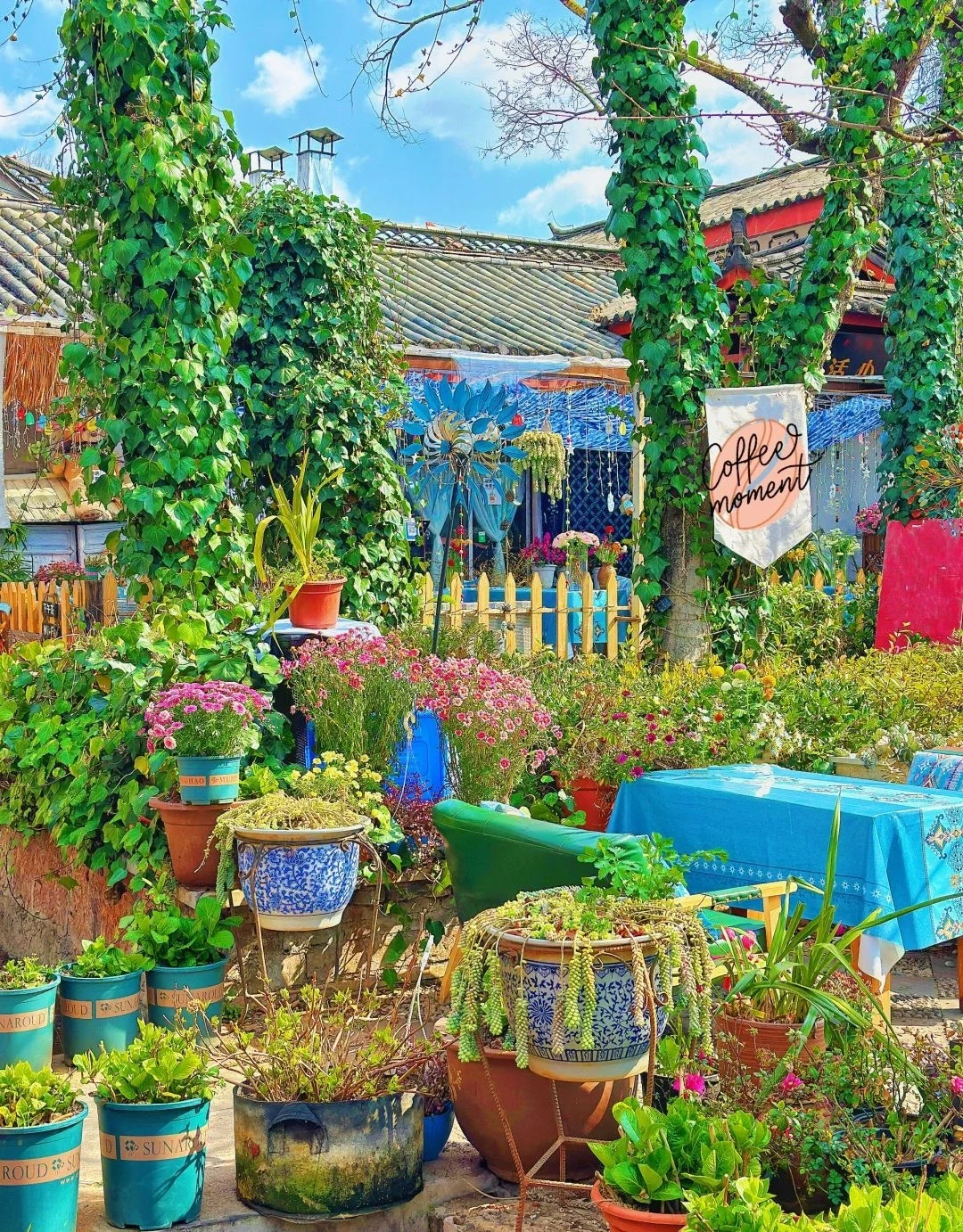
Day 7 should follow your departure time. The main experiences are already complete, so use the final day for a light walk, simple meal, market stop, or direct transfer.
If your flight or train leaves in the morning, check out, eat a quick breakfast if time allows, and go directly to Lijiang Sanyi Airport (丽江三义机场) or Lijiang Railway Station. Do not add a scenic stop. Morning departures leave little room for traffic, luggage delays, queues, or last-minute problems.
If you leave in the afternoon, you can add one light final activity. Shuhe Old Town works well if it is easy to reach from your hotel. It is quieter than the busiest parts of Dayan Old Town and suits a slow final walk, coffee break, or simple lunch.
Keep the plan close to your luggage and transport route. Do not arrange a distant attraction or complicated transfer. Use this day for Lijiang’s slower morning mood, not for catching up on missed sights.
If you leave in the evening, you have more flexibility, but the day should still stay controlled. You can revisit a calmer part of Dayan Old Town, spend more time in Shuhe, stop by Zhongyi Market, or choose a relaxed local street near your hotel.
Store your bags safely before walking around, and keep the final activity within easy reach of your transfer route. After Jade Dragon Snow Mountain, a quiet, well-timed ending is better than one more rushed stop.
Keep the final meal simple, local, and convenient. Zhongyi Market (忠义市场) can work well if you want a more lived-in local atmosphere, simple snacks, fruit, or a quick look at everyday Lijiang.
For souvenirs, flower cakes, Pu’er tea, yak jerky, and Dongba paper crafts are easy options. Check shelf life, packaging, authenticity, and carry-on limits, especially for food, liquids, meat products, and higher-priced crafts. Do not let shopping delay your flight or train.
If you add one more night, the trip naturally moves toward an 8–10 day Yunnan route. Use it to slow down in Lijiang, add a nearby village, or prepare for a farther extension. Long-distance add-ons deserve a longer itinerary, not a rushed bonus stop.
The classic Kunming–Dali–Lijiang route is the safest first-time 7-day plan, but other structures can work. Choose one clear variation based on your pace, interests, and transfer tolerance instead of mixing every famous place together.
| Option | Best For | How It Feels | Main Advantage | Main Trade-Off |
|---|---|---|---|---|
| Slower Dali + Lijiang Route | Travelers who dislike frequent hotel changes and want more time in two bases | Relaxed, slower, easier to manage, and less transfer-heavy | More time for lake walks, old towns, cafés, local meals, markets, and flexible weather adjustments | You skip Kunming and lose the city-gateway and Stone Forest side of the route |
| Nature-Focused Dali + Lijiang + Lugu Lake Route | Travelers who love lake scenery and can accept longer road transfers | Scenic, more remote, and more demanding | Adds a very different highland lake experience beyond Erhai and Lijiang | Lugu Lake requires long driving time, so 7 days will compress Dali or Lijiang |
| Culture-Focused Dali + Lijiang + Shaxi Route | Travelers who prefer old towns, quieter villages, and Tea Horse Road atmosphere | Atmospheric, cultural, slower, and less mainstream | Shaxi adds a calmer, more human-scale old-town experience than the main tourist bases | Transport is less convenient than the classic line, and timing must be planned more carefully |
For most first-time visitors, the classic route is still the easiest to execute.
A 7-day Yunnan trip has a wide budget range. These are rough 2026 references per person and do not include your flight or train into and out of Yunnan. Final costs depend on season, hotel level, train timing, local transport, ticket availability, scenic transport, and whether you use private cars or group day trips. For this route, hotel location, transport efficiency, and successful Jade Dragon Snow Mountain booking often matter more than the lowest price.
| Cost Item | Budget Range | Comfortable Range | Luxury Range | Notes |
|---|---|---|---|---|
| Accommodation | RMB 1,200–2,100 | RMB 2,100–3,500 | RMB 3,500+ | Guesthouses and mid-range hotels work well for most travelers. Prices rise in peak seasons, scenic areas, and better Lijiang stays. |
| Food | RMB 700–1,050 | RMB 1,050–1,750 | RMB 1,750+ | Local noodles, rice noodles, snacks, and home-style meals keep costs low. Mushroom hotpot, specialty meals, and hotel dining raise the budget. |
| Intercity transport | RMB 400–600 | RMB 500–800 | RMB 800–1,500+ | Mainly Kunming–Dali and Dali–Lijiang trains. Luxury range may include business seats, private transfers, or car service. |
| Local / scenic transport | RMB 300–500 | RMB 500–800 | RMB 800–1,500+ | Includes taxis, ride-hailing, buses, bike rental, Stone Forest / Jiuxiang transfers, Erhai transport, and snow mountain transfers. |
| Tickets and activities | RMB 600–800 | RMB 800–1,200 | RMB 1,200+ | Stone Forest / Jiuxiang, Jade Dragon Snow Mountain, cableways, scenic shuttles, cultural experiences, and paid sights can change this quickly. |
| Total estimate | RMB 3,300–4,800 | RMB 5,000–7,500 | RMB 8,000+ | Excludes long-distance transport to and from Yunnan. Peak season, private cars, top hotels, and premium experiences can push costs higher. |
For most international travelers, the comfortable range is the safest planning reference because it gives better hotel access, smoother transfers, and more flexibility around Stone Forest / Jiuxiang and Jade Dragon Snow Mountain. Budget travelers can still use guesthouses, high-speed rail, local restaurants, and selective paid sights. Spend first on location, transport efficiency, and key reservations.
A 7-day Yunnan route gives you more buffer than 3 or 5 days, but weather still matters because the core experiences are outdoors: Stone Forest / Jiuxiang, Erhai Lake, and Jade Dragon Snow Mountain. Spring and autumn are safest. Summer can work with rain and holiday crowds. Winter is good for snow mountain views, but mornings, evenings, and high-altitude areas can feel cold.
For a broader seasonal view, see our Best Time to Visit China guide.
The best Yunnan trip length depends on route depth. Three days works for one focused area, 5 days gives you Dali + Lijiang, and 7 days is the best first-time balance for Kunming, Dali, and Lijiang. Choose 10 or 14 days when you want a meaningful extension beyond the classic line.
| Trip Length | Best For | What It Can Cover | Main Limitation |
|---|---|---|---|
| 3 days | Travelers with very limited time | One focused short trip, usually one core area such as Dali or Lijiang | Too short for a full classic Yunnan route |
| 5 days | First-time visitors who want a richer short route | Dali + Lijiang, with lake scenery, old towns, Bai culture, snow mountain views, and one smooth transfer | Still too short for Kunming plus deeper extensions |
| 7 days | First-time visitors who want the classic route | Kunming + Dali + Lijiang, with a city gateway, Erhai Lake, old towns, local food, and Jade Dragon Snow Mountain | Not enough for far extensions like Shangri-La, Lugu Lake, Yuanyang, or Xishuangbanna |
| 10 days | Travelers who want the classic route with one meaningful extension | Kunming, Dali, Lijiang, plus one deeper add-on such as Shangri-La, Tiger Leaping Gorge, Shaxi, or Lugu Lake | Needs more planning around altitude, transfers, and route order |
| 14 days | Travelers who want a broader Yunnan journey | The classic route plus one deeper regional branch, such as northwestern Yunnan, southeastern Yunnan, or southern Yunnan | Trying to add every famous region can still weaken the route |
If 7 days feels too short or too long, compare this plan with our 3 Days in Yunnan Itinerary, 5 Days in Yunnan Itinerary, 10 Days in Yunnan Itinerary, 14 Days in Yunnan Itinerary, and main Yunnan Travel Guide.


Discover the top 10 most famous Chinese teas, including Dragon Well, Tieguanyin, and Pu-erh. Explore their origins, unique flavors, and brewing tips.

Discover what to eat in Chengdu, from hot pot and dandan noodles to rabbit head and bingfen, with spice, ordering, budget, and food-safety tips for your trip.

Plan a Shandong trip with the best places, first-time routes, transport tips, food highlights, and seasonal advice for a smoother visit.

Check 1969 Earth Rooster dates, Ji-You element layers, personality traits, compatibility, lucky signs, and traditional folk outlooks for 2026 and 2027.

Plan your first Quanzhou trip with the best old-town route, top heritage sites, local food, stay tips, and a smart 2–3 day itinerary.

China is slightly larger than the US by land area (9.6M vs 9.37M km²), but total area varies depending on whether water bodies are included.