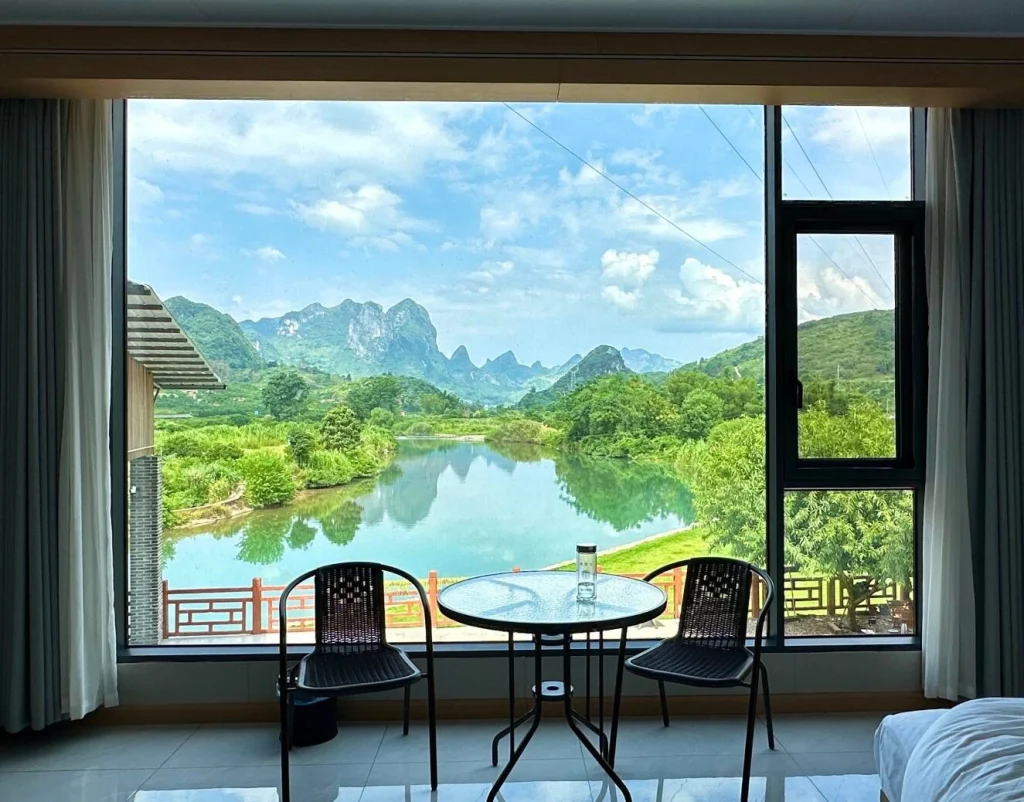
Guilin is not the kind of city where booking any “hotel near downtown” is good enough. Staying around Two Rivers and Four Lakes(两江四湖), Elephant Trunk Hill(象鼻山), Guilin Railway Station(桂林站), Qixing Park(七星公园), or Lingui(临桂) leads to very different stay experiences. The real difference comes from walkability, night views, food access, sightseeing flow, and whether the area works for city sightseeing or only for transit.
For first-time visitors, the key is not finding the highest-rated hotel first, but choosing the right area and then the right hotel inside it. This guide shows which area fits which travel style and which hotels are most worth prioritizing in each key area.
This guide is built to help readers choose the right part of Guilin first, then shortlist hotels that work well in real trips.
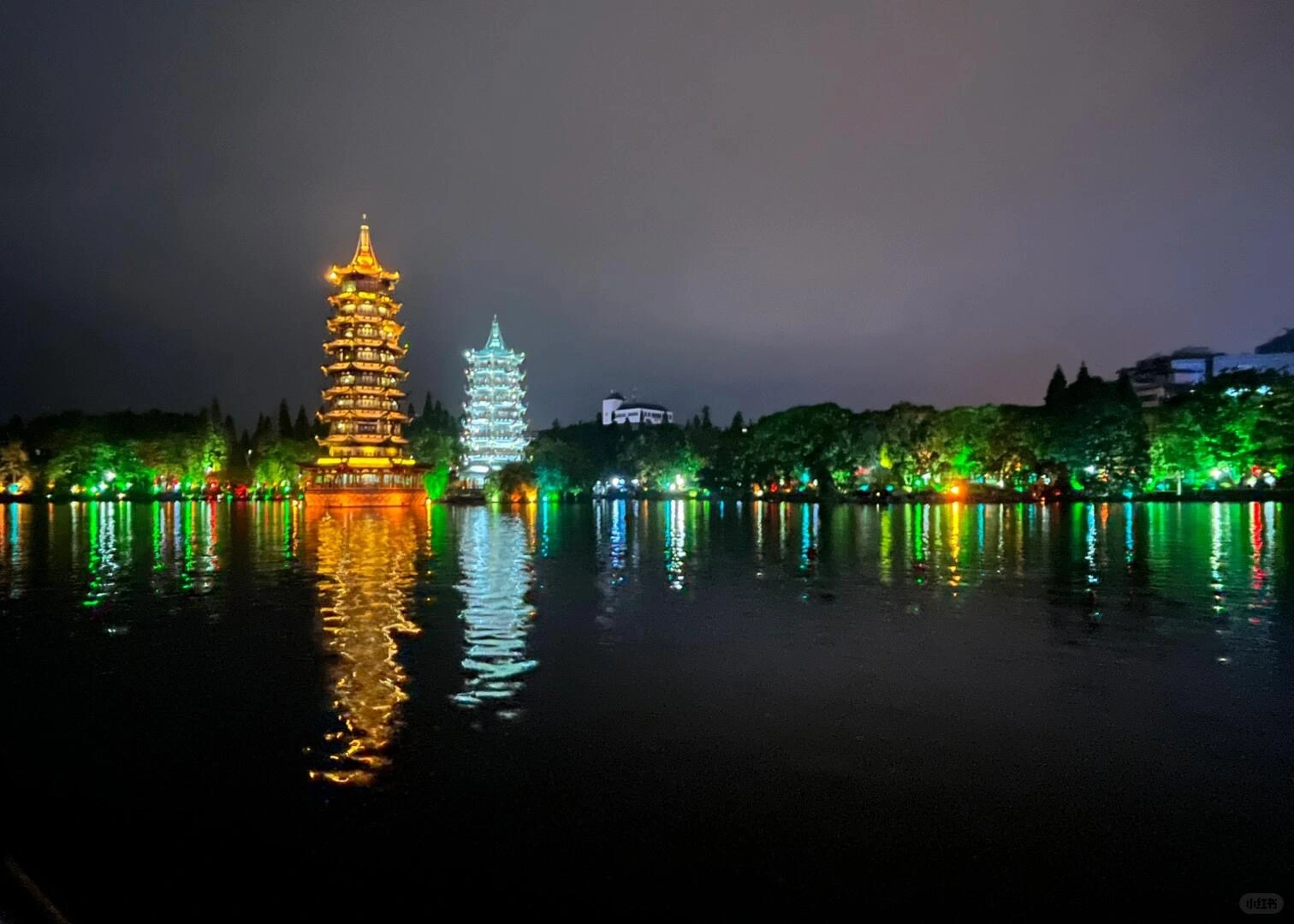
This is still the safest all-around base for most first-time visitors. Its biggest value is the strongest mix of sightseeing efficiency, night walks, and food convenience.
It works best for first-time visitors and short stays. The tradeoff is simple: holidays get crowded, some street-facing rooms are noisy, and older hotels are still common here.
Hotel positioning: upper-mid
Best for: first-time visitors, business-leisure travelers, readers who want a stable branded stay in the core
Rating: 4.9/5
Price range: about RMB 290–500 per night
Pros: very high recent rating; strong central location; relatively quiet setting for the core; dependable brand consistency
Cons: standard business-hotel style; less distinctive than design-led options
Verdict: the safest all-around shortlist pick here if you want strong location with lower decision risk
Hotel positioning: upper-mid
Best for: couples, younger travelers, readers who want design touches and smarter-room features
Rating: 4.7/5
Price range: about RMB 280–600 per night
Pros: smart-room setup; more visual personality; some room types have stronger view appeal; useful central position
Cons: some rooms may be compact; street-facing rooms can be noisier
Verdict: a strong value-for-experience pick if you want the core with more style than a standard chain
Hotel positioning: upper-mid
Best for: families, group travelers, readers who want more room types and broader facilities
Rating: 4.8/5
Price range: about RMB 300–650 per night
Pros: wide room selection; family-friendly fit; fuller-service feel; some higher rooms have stronger view upside
Cons: larger hotel feel can be less intimate; some lower-tier rooms are less impressive
Verdict: a reliable family-friendly choice if you want central convenience with more flexible room options
Backup option: Laimi Hotel(莱米酒店·桂林两江四湖东西巷店) is worth checking if you want an ultra-central location near Zhengyang and East-West Alley.
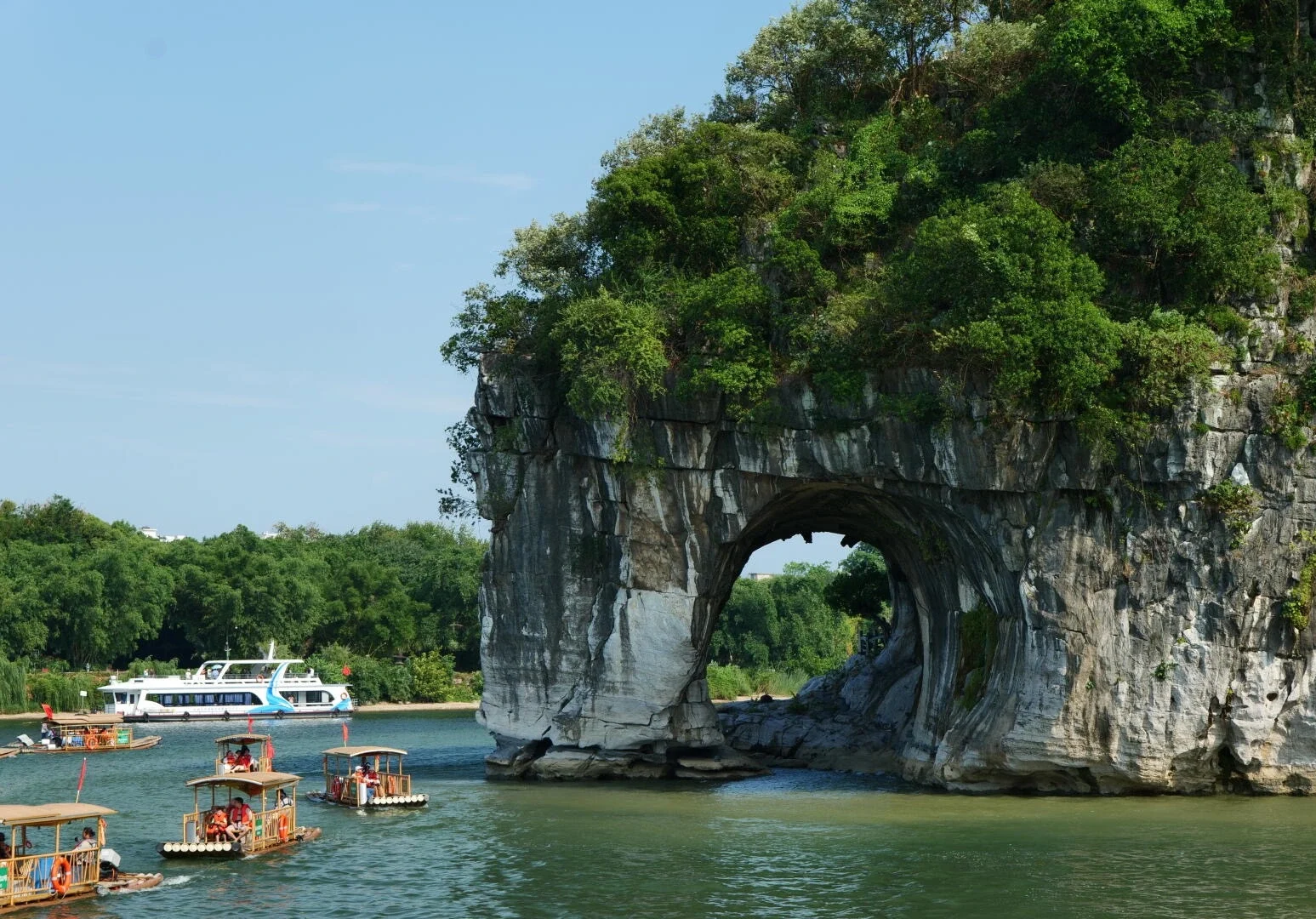
This side works better for travelers who care more about landmark views and scenic walking than about staying in the busiest shopping core. Its biggest value is stronger Elephant Trunk Hill access and a more direct night-view experience.
It works best for first-time visitors, couples, and readers who want the landmark closer at hand. The tradeoff is that it is less balanced than the Zhengyang / East-West Alley core, and view-led hotels often carry a clear premium.
Hotel positioning: upper-mid
Best for: couples, photography-focused travelers, readers who want the strongest Elephant Trunk Hill view logic
Rating: 4.8/5
Price range: about RMB 400–800 per night
Pros: standout landmark-facing position; strong roof or room-view payoff; very efficient for Elephant Trunk Hill visits and evening walks; strong breakfast feedback
Cons: view rooms are notably pricier; peak dates book out quickly
Verdict: the strongest landmark-view shortlist pick in Guilin if scenery is a major reason for your stay
Hotel positioning: luxury
Best for: mature travelers, families, readers who want a quieter high-end stay with classic local prestige
Rating: 4.7/5
Price range: about RMB 500–1,000 per night
Pros: quieter lake-side environment; established five-star reputation; strong garden setting; better resort feel than most city-center hotels
Cons: more expensive; less immediate food-street energy than the main core
Verdict: the best upscale pick here if you want scenery and comfort without staying in the busiest pedestrian core
Hotel positioning: mid-range
Best for: budget-conscious travelers, practical first-time visitors, readers who want newer basics near the landmark zone
Rating: 4.8/5
Price range: about RMB 250–450 per night
Pros: newer renovation; strong price-performance; short walk to Elephant Trunk Hill; smart-room features at a friendlier rate
Cons: smaller rooms and simpler facilities; less memorable than more scenic hotels
Verdict: a very useful value pick if you want this district’s sightseeing logic without paying for a premium view stay
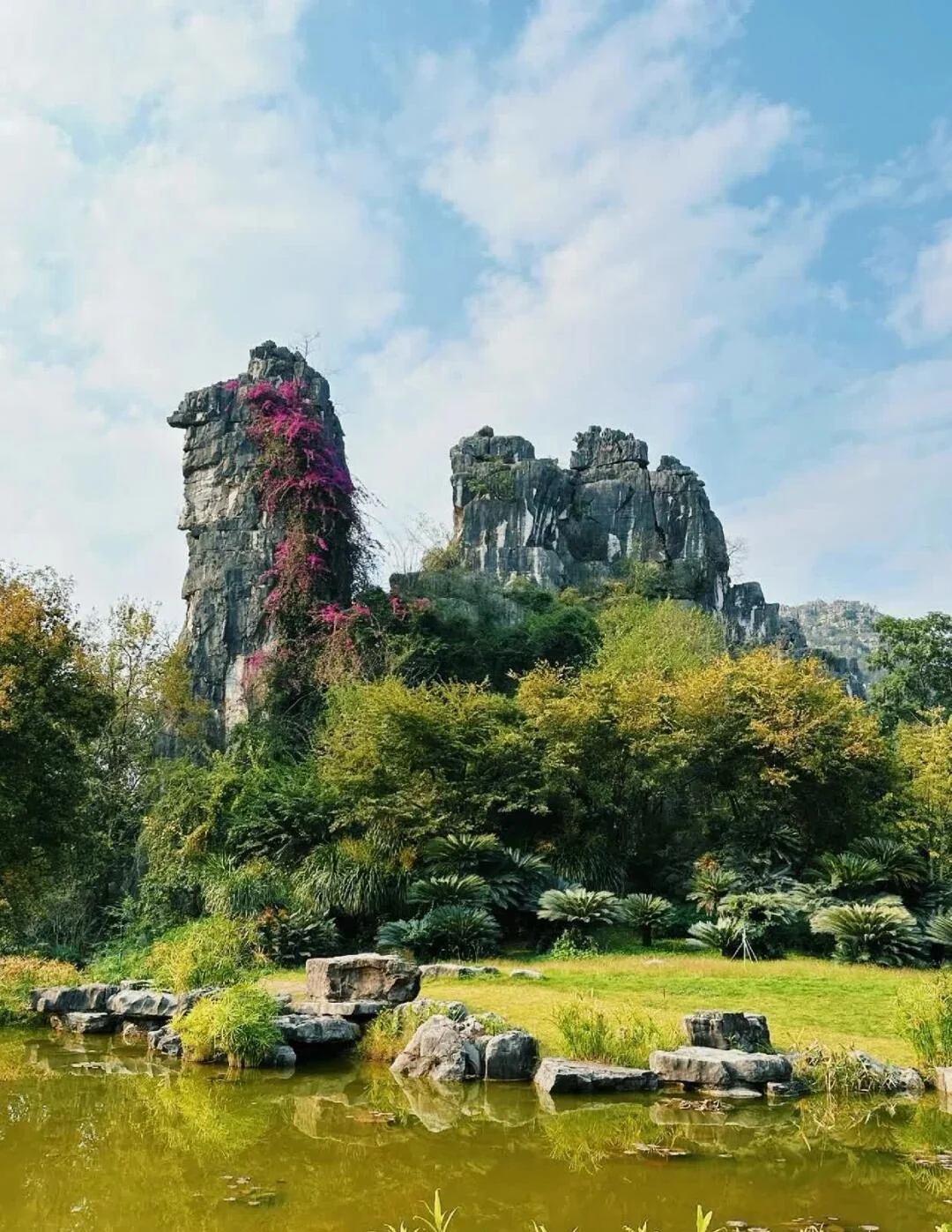
This is the quieter and more relaxed side of Guilin. Its biggest value is a calmer stay and a softer local rhythm than the main sightseeing core.
It works best for families, slower travelers, and readers who value comfort and quiet more than dense walking-based sightseeing. The tradeoff is weaker night activity and lower first-trip efficiency than the central core.
Hotel positioning: upper-mid
Best for: couples, families, readers who want a more polished and quieter stay on the east side
Rating: 4.8/5
Price range: about RMB 350–600 per night
Pros: newer feel; stronger design quality; quieter setting; good comfort baseline for this side of the city
Cons: not as efficient as the central core for step-out sightseeing; dining density nearby is weaker
Verdict: the safest all-around pick here if your priority is a calmer stay with better hardware
Hotel positioning: mid-range
Best for: practical travelers, families, readers who want chain reliability and fair pricing
Rating: 4.7/5
Price range: about RMB 250–450 per night
Pros: dependable chain logic; good value; useful for Qixing Park access; easier choice than unknown local options
Cons: standard chain feel; less atmosphere and less central sightseeing efficiency
Verdict: a smart shortlist choice if you want this side’s quieter stay logic without overspending
Hotel positioning: upper-mid
Best for: slower itineraries, design-conscious travelers, readers who want a more distinctive scenic stay
Rating: 4.6/5
Price range: about RMB 400–700 per night
Pros: unique scenic setting; stronger sense of escape; memorable compared with standard city hotels; good fit for a slower Guilin rhythm
Cons: luggage access is less convenient; transport and access are not as easy as regular city hotels
Verdict: choose this if you want the stay itself to feel special and do not mind trading away some practicality
Backup option: Huaqiao Hongying Inn(花桥虹影客栈·桂林东西巷店) works for readers who want a quieter guesthouse-style stay near the Qixing side.
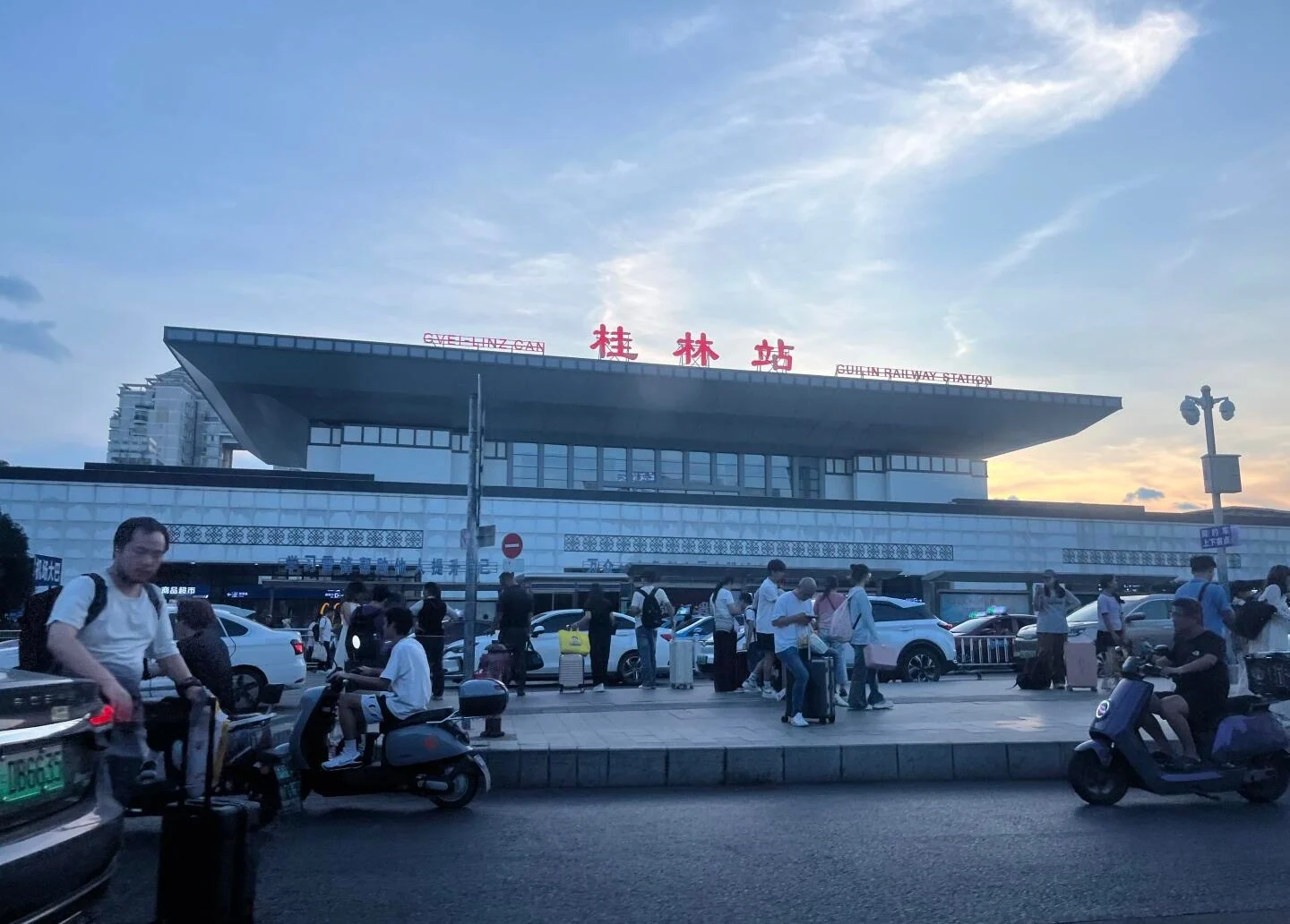
This is a transport-first area. Its biggest value is simple: late arrivals, early departures, and rail connections are easier here. If you are staying one night or leaving early for Yangshuo or Longji, this zone can make sense.
It works best for short stopovers and railway-led schedules. For a normal 2–3 day Guilin trip, the central core is usually better.
Hotel positioning: upper-mid
Best for: families, business travelers, readers who want the safest branded stopover near Guilin Railway Station
Rating: 4.9/5
Price range: about RMB 350–600 per night
Pros: very high recent rating; newer opening; strong Atour service baseline; easy station access; better overall quality than typical transit hotels
Cons: pricier than simpler station options; less travel atmosphere than the central sightseeing core
Verdict: the strongest all-around pick here if you want rail convenience without settling for a weak hotel
Hotel positioning: upper-mid
Best for: younger travelers, smart-budget readers, travelers who want newer design and strong station convenience
Rating: 4.9/5
Price range: about RMB 240–500 per night
Pros: new feel; smart-room features; very high recent rating; excellent station convenience for the price
Cons: building setup may feel less straightforward; not a destination stay in itself
Verdict: one of the smartest shortlist choices here if you want a newer transit-friendly hotel with strong value
Hotel positioning: budget
Best for: strict-budget travelers, students, short rail stopovers, readers who want a simple overnight base
Rating: 4.9/5
Price range: about RMB 150–300 per night
Pros: very low entry price; excellent station-side convenience; strong recent rating; projector-room appeal adds some extra value
Cons: basic facilities; weaker comfort upside than mid-range options
Verdict: the best low-budget safety pick here if your stay is mainly about train timing and price control
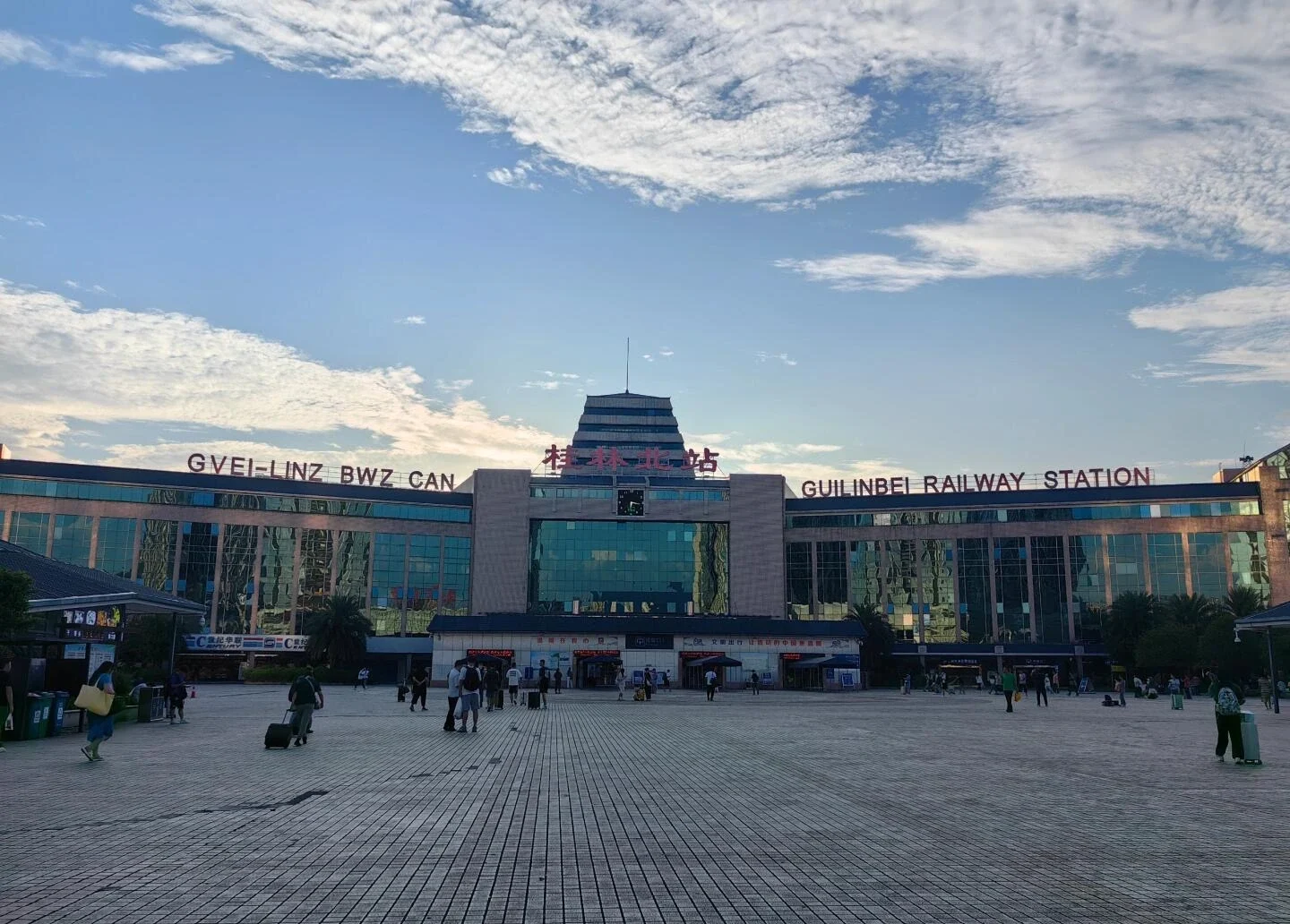
This is a pure high-speed-rail zone. If your trip is built around a late HSR arrival, an early departure, or a one-night transfer, it works. If not, it usually drags the trip down.
It works best for rail stopovers only. The tradeoff is poor sightseeing value, weaker atmosphere, and longer commutes back to the parts of Guilin most visitors actually want to see.
Hotel positioning: upper-mid
Best for: business travelers, families with luggage, readers who want a safer branded HSR stopover
Rating: 4.7/5
Price range: about RMB 250–450 per night
Pros: useful north-station access; stable domestic chain logic; stronger comfort than many basic transit hotels; easier one-night choice
Cons: still far from the sightseeing core; surrounding area is functional rather than enjoyable
Verdict: the safest shortlist pick here if your trip is clearly built around HSR timing
Hotel positioning: mid-range
Best for: practical stopovers, solo travelers, readers who want a simpler and more affordable station stay
Rating: 4.7/5
Price range: about RMB 200–350 per night
Pros: good price-performance; useful rail convenience; cleaner and easier than many unknown local options; dependable for one-night use
Cons: limited atmosphere; little value beyond station logic
Verdict: a practical shortlist option if you want a lower-cost HSR overnight without too much risk
Hotel positioning: budget
Best for: very budget-conscious travelers, students, short HSR stopovers
Rating: 4.6/5
Price range: about RMB 180–300 per night
Pros: low entry price; recognizable chain standard; enough for a basic overnight before or after a train
Cons: basic rooms; weak tourism value; only worth it if train timing is the real priority
Verdict: shortlist this only if you need the cheapest workable HSR-area overnight stay
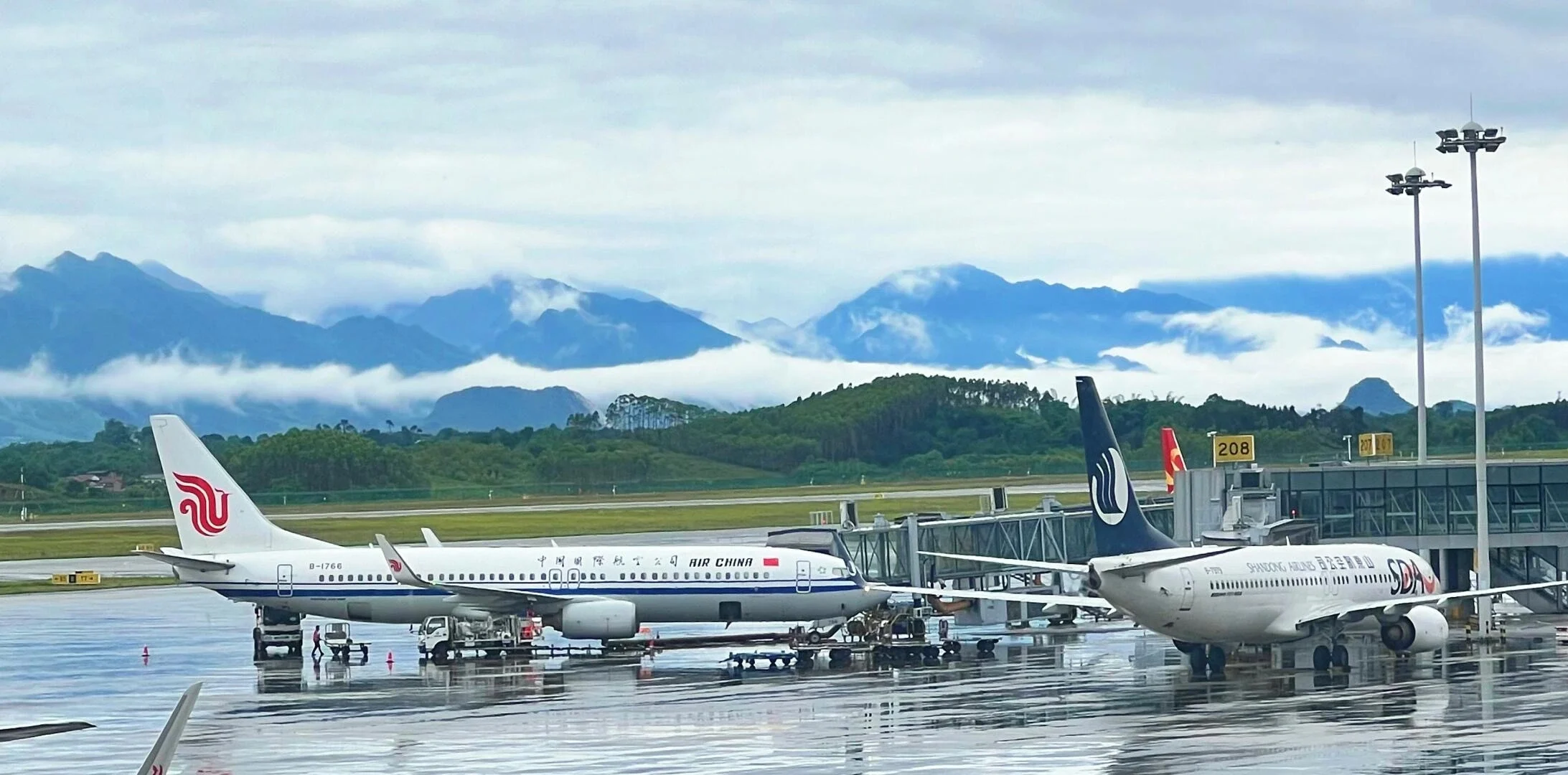
This is a pure airport-function zone. It only makes sense for very late arrivals, early departures, red-eye schedules, or very short layovers. For normal Guilin sightseeing, it is the wrong base.
It works best for flight timing only. There is no real city experience here.
Hotel positioning: mid-range
Best for: late arrivals, early departures, readers who want the safest airport-side choice
Rating: 4.6/5
Price range: about RMB 250–450 per night
Pros: closest airport logic; easier transfers; dependable for short overnight use; lower risk than unknown village-side options
Cons: purely functional; no sightseeing value; pricing can feel high for what is essentially a transit stay
Verdict: the safest airport pick if reducing flight stress matters more than anything else
Hotel positioning: budget
Best for: budget travelers, overnight flight stopovers, readers who want a cheaper airport-area hotel
Rating: 4.5/5
Price range: about RMB 180–300 per night
Pros: lower price; workable overnight comfort; useful for one-night airport logic; often includes transfer-friendly appeal
Cons: simpler facilities; area has no travel atmosphere; only makes sense for flight timing
Verdict: a sensible lower-cost airport option if you just need a basic sleep before or after a flight
Hotel positioning: upper-mid
Best for: families, business travelers, readers who want a more stable branded airport-area stay
Rating: 4.6/5
Price range: about RMB 280–450 per night
Pros: stronger chain consistency; more comfortable than bare-bones airport options; easier choice for families or heavier luggage
Cons: still only useful for airport logic; not worth choosing for city sightseeing
Verdict: the best airport-area upgrade choice if you want a more comfortable stop without moving back into the city
Travel style | Best area | Why | Watch out for |
|---|---|---|---|
First-time visitors | Two Rivers and Four Lakes / Zhengyang Pedestrian Street / East-West Alley / Central Core | Best overall mix of city sightseeing, food, night walks, and low-risk first-trip efficiency | Can feel busier and noisier on peak dates |
Classic Guilin atmosphere seekers | Two Rivers and Four Lakes / Zhengyang Pedestrian Street / East-West Alley / Central Core | Strongest city-core atmosphere, easiest evening walks, and the most natural first impression of Guilin | Some older hotels and street-facing rooms can be less comfortable |
Couples | Elephant Trunk Hill / South Two Rivers and Four Lakes / Wenming Road Side | Better for landmark views, scenic walks, and a more romantic night-view stay | Less all-around convenient than the main central core |
Families | Two Rivers and Four Lakes / Zhengyang Pedestrian Street / East-West Alley / Central Core | Strongest all-around convenience for food, walking, and flexible daily planning | Need to choose quieter room positions carefully |
Quiet comfort seekers | Qixing Park / East Bank of the Li River / East Side of Jiefang Bridge | Calmer, looser, and more comfortable than the busiest central sightseeing core | Weaker food density and lower first-trip walking efficiency |
Rail stopovers | Near Guilin Railway Station / South Transit Logic | Best for late arrival, early departure, and smoother transfers toward other Guangxi routes | Weak choice for a normal city-sightseeing stay |
Airport stopovers | Near Guilin Liangjiang International Airport | Best only for flight timing, especially very late arrivals or early departures | No real city sightseeing value |
Budget travelers | Near Guilin Railway Station / South Transit Logic | Better chance of finding lower prices without going as far out as north/west stations or the airport side | Weaker travel atmosphere than the central core |
In Guilin, hotel expectations should follow area logic more than star level.
In the Two Rivers and Four Lakes / East-West Alley core, you get the widest mix of chain hotels, design stays, and older properties. This is the strongest overall base for city sightseeing, but core-location pricing is clear.
Around Elephant Trunk Hill and the south lake side, the stay leans more toward views and evening walks. Some hotels offer direct landmark or river-facing rooms, which often come with a noticeable premium. It works well for scenic stays but is slightly less balanced than the main core.
On the Qixing Park / east-bank side, the feel is quieter and more relaxed. Rooms can be more spacious, and the stay is generally calmer, but nightlife and dining density are weaker.
Near Guilin Railway Station, hotels are mostly practical and transit-friendly, suitable for short stays. North and West railway stations are even more function-first, built around high-speed rail, not sightseeing. The airport side is purely for flight timing.
Homestays and boutique stays exist across Guilin, especially in scenic areas. They can be memorable, but for most first-time visitors, a well-located hotel with stable service and easier access is usually the safer choice.
Budget level | Typical nightly range | What to expect | Best-fit areas |
|---|---|---|---|
Budget | RMB 150–300 | Clean basic rooms, smaller space, simple facilities, often in transit or back-street locations | Guilin Railway Station area, edge of central districts |
Mid-range | RMB 300–550 | Good balance of location, comfort, and reliability; newer chains and practical design hotels | Two Rivers and Four Lakes, Elephant Trunk Hill side, Qixing Park |
Upper-mid / Comfort | RMB 550–900 | Better hardware, stronger service, some view rooms, more stable overall stay quality | Central core, select scenic or river-view properties |
Luxury | RMB 900+ | High-end hotels, resort-style stays, landmark or lake views, stronger privacy and experience | Premium central locations, scenic lakeside hotels |
Guilin is generally more affordable than China’s top-tier cities, but the real price gap comes from area, season, and whether you are paying for a landmark or river view. Public holidays and peak travel periods can raise prices quickly, especially in the central core. For most travelers, a mid-range budget is already enough for a well-located and comfortable stay. View rooms—especially those facing Elephant Trunk Hill—often carry a clear premium.
For a broader travel spending benchmark, see Cost to Travel in China.
It also helps to review broader China Travel Tips before locking in your stay.


Peking University expects strong academic performance—international undergraduate applicants are ideally above a 3.7 GPA, while graduate programs require 3.0+, with top-tier fields often above 3.5.

China is almost cashless thanks to mobile payments. Learn when you still need cash and how foreigners can pay easily in China.

A structured 2026 forecast for people born in 1976, covering career, wealth, relationships, health, and practical advice for steady growth and balanced progress.

Discover Guangzhou in 3 days—explore Xiguan’s old streets, admire Lingnan art at Chen Clan Academy, and cruise the Pearl River for dazzling night views.

Discover Yangzhou’s best gardens, historic canals, temples, and street food with this complete travel guide for first-time and returning visitors.

Yiwu, known as a global trade center, offers lively markets, cultural landmarks, and unique shopping experiences, making it a top destination in China.