 Written by
Anthony
Written by
Anthony
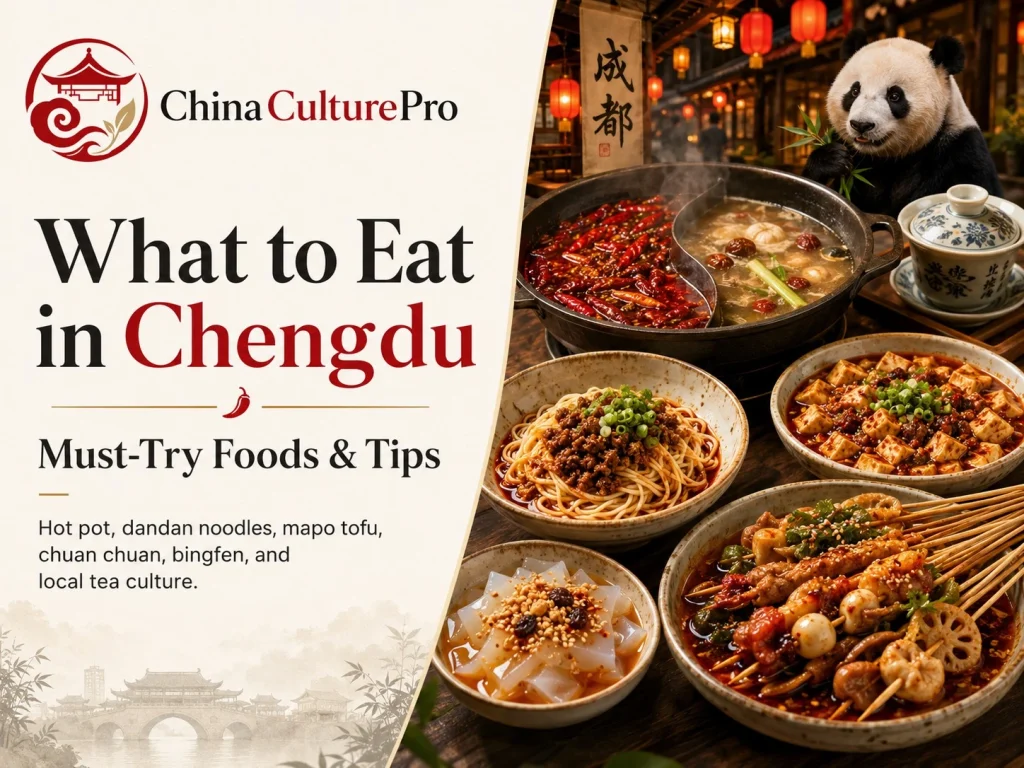
For a first trip, prioritize the foods below. Some are specifically associated with Chengdu; others are Sichuan classics that Chengdu is one of the best places to understand.
| Priority | Food | Chinese | What to expect | Best occasion |
|---|---|---|---|---|
| 1 | Hot pot | 火锅 | A long, social meal built around a bubbling spicy broth; choose a divided pot if needed | Dinner for 2–4 people |
| 2 | Chuan chuan | 串串香 | Skewered ingredients served from a hot or “cold-pot” format; easier for a solo diner | Casual dinner or late meal |
| 3 | Mapo tofu | 麻婆豆腐 | Soft tofu, fermented bean paste, beef or pork, chile and Sichuan pepper | Shared lunch or dinner |
| 4 | Dandan noodles | 担担面 | A small bowl of thin noodles with preserved vegetables, minced pork, chile and sesame-rich seasoning | Breakfast, lunch or snack |
| 5 | Sweet-water noodles or Zhong dumplings | 甜水面 / 钟水饺 | Chewy sweet-spicy noodles or pork dumplings in a sweet-savory red-oil dressing | Afternoon snack |
| 6 | Chaoshou | 抄手 | Sichuan-style wontons served in clear broth, red oil or a sour-spicy sauce | Light meal or snack |
| 7 | Bingfen | 冰粉 | A cold, slippery jelly dessert with brown-sugar syrup and optional toppings | Cooling finish after spicy food |
| 8 | Gaiwan tea | 盖碗茶 | Tea brewed in a lidded bowl, meant to be sipped slowly | Teahouse break |
If you can choose only three, make them hot pot, mapo tofu and bingfen. Begin at wei la (微辣, mildly spicy) or shao la (少辣, less spicy); Chengdu’s “medium” can be much hotter than a visitor expects.
Do not approach Chengdu with a 20-dish checklist. A better first visit includes four experiences: hot pot or chuan chuan, shared Sichuan dishes, a few small snacks or noodle bowls, and an unhurried cup of gaiwan tea.
That range matters. Chengdu joined the UNESCO Creative Cities Network as a City of Gastronomy in 2010, and UNESCO highlights variety—not only chile heat—as a defining strength of its cooking.[1] Sichuan cooking techniques were also added to China’s fifth national list of representative intangible cultural heritage projects in 2021.[2]
The word málà (麻辣) combines two sensations:
| Term | Pinyin | Meaning | Sensation |
|---|---|---|---|
| 花椒 | huājiāo | Sichuan pepper | Tingling, citrusy, numbing buzz |
| 辣椒 | làjiāo | Chile pepper | Burning heat |
| 红油 | hóngyóu | Chile oil | Red color, roasted aroma and variable heat |
| 郫县豆瓣 | Píxiàn dòubàn | Pixian fermented broad-bean-and-chile paste | Salty, savory, fermented depth |
The buzzing from Sichuan pepper is produced largely by hydroxy-alpha-sanshool, which stimulates sensory neurons differently from the capsaicin in chiles.[3] It is not the same as chile heat: a dish can be heavily numbing but only moderately hot, or rich in red oil without much Sichuan pepper.
Red oil also carries color and aroma, while Pixian douban gives dishes such as mapo tofu a fermented base. You can request less heat (shao la) and less numbness (shao ma) separately.
Sichuan cooking is often summarized by the expression “one dish, one style; a hundred dishes, a hundred flavors.” The exact number and classification of recognized flavor profiles varies, but these are useful ones for travelers:
| Flavor style | Chinese | What it tastes like | Example |
|---|---|---|---|
| Fish-fragrant | 鱼香 | Sweet, sour, salty, garlicky and gently hot | Fish-fragrant shredded pork |
| Strange flavor | 怪味 | Sesame-rich, sweet, sour, salty, hot and numbing | Strange-flavor chicken |
| Red oil | 红油 | Savory, aromatic, gently sweet and chile-forward | Zhong dumplings |
| Málà | 麻辣 | Numbing, hot, salty and savory | Mapo tofu |
| Scorched-chile | 糊辣 | Toasted dried-chile aroma rather than raw heat | Kung pao chicken |
| Garlic sauce | 蒜泥 | Strong fresh garlic; chile oil may still be added | Garlic pork slices |
| Sauce-fragrant | 酱香 | Deep, fermented and savory, often without strong heat | Braised dishes |
Despite its name, yuxiang—“fish-fragrant”—normally contains no fish. It is sweet, sour and garlicky but usually includes pickled chile, so mild does not mean chile-free.
Hot pot keeps broth bubbling at the table while diners cook meat, offal, tofu, mushrooms and vegetables. Chuan chuan uses the same choose-and-cook idea but serves ingredients on bamboo skewers. A hot version uses a shared pot; a lengguo chuan chuan (冷锅串串, “cold-pot skewers”) restaurant cooks or dresses the skewers before serving them.
For hot pot, the most familiar choices are:
A classic Chengdu dip combines sesame oil and minced garlic, sometimes with oyster sauce, scallions or cilantro. It is the customary partner for food lifted from the red broth; it should not be treated as medical protection from spicy food.
For a first order:
Tripe is associated with the “seven up, eight down” dipping mnemonic, but it is not a universal safety timer. Thickness, temperature and preparation vary. A hot pot dinner commonly lasts 1.5–2.5 hours; chuan chuan can be a quicker 60–90-minute meal.
Official Chengdu destination material presents hot pot, rabbit head, Long chaoshou, Zhong dumplings and dandan noodles as signature visitor foods.[4] For a full meal, order several shared dishes.
| Dish | Chinese | Main ingredients | Flavor | Heat |
|---|---|---|---|---|
| Mapo tofu | 麻婆豆腐 | Tofu, minced beef or pork, Pixian douban, chile, Sichuan pepper | Málà, savory, fermented | High |
| Twice-cooked pork | 回锅肉 | Pork belly, garlic shoots, douban | Savory, gently sweet, chile-rich | Medium |
| Kung pao chicken | 宫保鸡丁 | Diced chicken, peanuts, dried chile | Sweet-sour with toasted-chile aroma | Medium |
| Fish-fragrant shredded pork | 鱼香肉丝 | Pork, wood ear, pickled chile, ginger, garlic, sugar, vinegar | Sweet, sour, salty, garlicky | Low to medium |
| Water-boiled beef or fish | 水煮牛肉 / 水煮鱼 | Meat or fish, vegetables, chile oil, Sichuan pepper | Intense málà | Very high |
Chengdu mapo tofu usually has a clearer Sichuan-pepper buzz than versions served abroad. Local kung pao chicken is generally less sweet and more focused on toasted chile, vinegar and peanuts. Twice-cooked pork traditionally comes with garlic shoots, although other vegetables appear.
For two people, order two dishes, a vegetable and rice. For four, choose four or five dishes with no more than one oil-heavy “water-boiled” dish. Rice balances the concentrated sauces and heat.
Chengdu snacks are often small enough to combine, share or follow with dessert.
| Food | Chinese | Form and sauce | Common hidden ingredients | Typical role |
|---|---|---|---|---|
| Dandan noodles | 担担面 | Thin noodles, usually dry-mixed or with little liquid | Minced pork, sesame paste, peanuts, preserved vegetables | Breakfast, lunch or snack |
| Sweet-water noodles | 甜水面 | Thick, chewy noodles with sweet soy, red oil and sesame-rich seasoning | Sesame, possible peanuts | Snack |
| Zhong dumplings | 钟水饺 | Pork dumplings in sweetened soy and red oil | Pork, sesame | Snack or light lunch |
| Chaoshou | 抄手 | Thin-skinned wontons in clear broth, red oil or sour-spicy sauce | Usually pork filling | Light meal |
| Red-oil chaoshou | 红油抄手 | Wontons dressed in chile oil and seasoned soy | Pork, sesame | Snack |
| Feichang fen | 肥肠粉 | Sweet-potato noodles in a spicy broth with pork intestine | Pork offal | Breakfast or lunch |
Dandan noodles are a Sichuan classic often traced to Zigong’s street-vendor tradition, but Chengdu has familiar local versions. They are commonly dry-mixed or served with little liquid, unlike many large overseas soup versions. Ask ganban haishi daitang? (干拌还是带汤?, dry-mixed or with broth?) if it matters.
Chaoshou is the Sichuan-Chongqing word for wontons. Long Chaoshou is also a historic Chengdu brand, but chaoshou is available far beyond that chain.
| Sweet | Chinese | Texture and flavor | What to know |
|---|---|---|---|
| Bingfen | 冰粉 | Cold, delicate jelly with brown-sugar syrup | Modern bowls may contain fruit, nuts, sesame, raisins or taro balls |
| San da pao | 三大炮 | Chewy glutinous-rice balls with soybean powder and brown-sugar syrup | The loud throwing performance is part of the attraction |
| Dan hong gao | 蛋烘糕 | Small egg-batter cake, crisp outside and soft inside | Fillings can be sweet or savory |
| Brown-sugar ciba | 红糖糍粑 | Fried or griddled sticky-rice pieces with brown sugar and soybean powder | Common as a hot pot side dessert |
Traditional hand-set bingfen has a delicate texture and tiny bubbles; contemporary shops often make topping-heavy bowls. Its cold sweetness feels welcome after hot food but does not chemically cancel capsaicin.
San da pao is food and performance: glutinous-rice balls are thrown against metal discs before receiving soybean powder and brown-sugar syrup. It is especially common around Wenshufang, Jinli and Kuanzhai Alley.[5] Dan hong gao is more everyday, with fillings from cream or jam to minced beef and pickled vegetables.
“Less spicy” is often realistic; “no chile at all” is harder when red oil, pickled chile or douban is built into the seasoning.
| Lower-heat starting points | Usually avoid at first | Ask before ordering |
|---|---|---|
| Clear-broth chaoshou | Water-boiled beef or fish | Mapo tofu |
| Sweet-filled dan hong gao | Mao xue wang | Twice-cooked pork |
| Sweet shaobai (sweet steamed pork) | Spicy fried chicken with dried chile | Kung pao chicken |
| Bingfen without nut toppings | Red-oil chaoshou | Fish-fragrant pork or eggplant |
| Gaiwan tea | Spicy rabbit head | Zhong dumplings |
| A clear-broth side of a divided hot pot | Red-oil bobo chicken | Sweet-water noodles |
The most useful phrases are wei la (微辣, mildly spicy), shao la (少辣, less spicy), shao ma (少麻, less numbing) and bu la (不辣, not spicy). Even bu la is a preference request, not an allergy guarantee.
Some refined Sichuan dishes are nonspicy but still unsuitable for vegetarians. Kaishui baicai (开水白菜), for example, looks like cabbage in clear water but its defining feature is a carefully clarified meat broth.
| Venue | Best for | Main trade-off |
|---|---|---|
| Noodle or snack shop | Dandan noodles, chaoshou, sweet-water noodles | Little English; simple seating |
| Neighborhood Sichuan restaurant | Shared classics and vegetables | Best with two or more diners |
| Cangying guanzi | Inexpensive local dishes | Basic setting and limited menu accessibility |
| Hot pot restaurant | Long social dinner | Base, dip and premium ingredients add up |
| Chuan chuan shop | Flexible skewers and solo dining | Skewer totals are easy to underestimate |
| Teahouse | Gaiwan tea and a long break | Food may be secondary |
| Market or street shop | Dan hong gao, bingfen and portable snacks | Hours and hygiene vary |
| Tourist food street | Several snacks in one stop | Convenient but crowded |
| Upscale Sichuan restaurant | Refined classics and easier service | Reservations may be useful |
Cangying guanzi (苍蝇馆子) literally means “fly restaurant,” but often affectionately describes a tiny, plain neighborhood place with a local following. The label does not certify quality or hygiene.
The 2026 MICHELIN Guide includes 76 Chengdu restaurants, from Bib Gourmand noodle and beef specialists to hot pot and high-end Sichuan cooking.[8]
For one current chuan chuan example, Maojiao Huola listed its original branch at 33 Kuixinglou Street and hours of 11:00–22:00 when checked in July 2026. Verify again before visiting.[9]
Jinli, Kuanzhai Alley and Wenshufang offer several snacks beside major sights. Kuanzhai Alley’s Jing Alley is specifically positioned around Chengdu snacks and folk culture.[7] The trade-off is crowds, a commercial atmosphere and potentially higher prices.
Kuixinglou Street fits naturally with Kuanzhai Alley and People’s Park. Jianshe Alley and Fuqin are established night-market areas with snacks such as dan hong gao and bingfen.[6] Yulin suits neighborhood restaurants, chuan chuan and nightlife. Search Chinese names in Amap and verify current hours.
Lunch is busiest around 11:30–13:30 and dinner around 17:30–21:00. Some independent restaurants reduce service in mid-afternoon; malls, chains and teahouses are likelier to stay open.
Prepare the oil-and-garlic dip and add sturdy vegetables before quick-cooking ingredients. Use separate utensils for raw and cooked food. Do not rely on memorized seconds for meat or offal—cook thoroughly and follow staff directions.
Hot pot broth becomes saltier and more concentrated during the meal. Ask staff to add stock or water when needed. Do not drink large quantities of the oily red broth.
| Chinese | Pinyin | Meaning |
|---|---|---|
| 微辣 | wēi là | Mildly spicy |
| 少辣 | shǎo là | Less spicy |
| 少麻 | shǎo má | Less numbing |
| 不辣 | bù là | Not spicy |
| 不要花生 | bú yào huāshēng | No peanuts |
| 不要芝麻 | bú yào zhīma | No sesame |
| 我是素食者 | wǒ shì sùshí zhě | I am vegetarian |
| 我不吃猪肉 | wǒ bù chī zhūròu | I do not eat pork |
| 我有严重的食物过敏 | wǒ yǒu yánzhòng de shíwù guòmǐn | I have a serious food allergy |
| 买单 | mǎi dān | The bill, please |
| 打包 | dǎbāo | Pack the leftovers |
For an allergy, name the ingredient, show a translated allergy card and ask about shared oil, broth, utensils and work surfaces. A preference phrase alone is not enough.
Use these July 2026 figures as planning ranges, not fixed prices:
| Meal | Typical cost |
|---|---|
| Noodles, dumplings or a street snack | ¥5–30 |
| Casual shared Sichuan meal | ¥40–80 per person |
| Chuan chuan | ¥50–80 per person |
| Hot pot | ¥80–120 per person |
| Mid-range restaurant | ¥80–150 per person |
| Upscale or tasting-menu meal | ¥150–500+ per person |
At hot pot, the base may cost roughly ¥48–128 before food. Dipping sauce, tea or packaged tableware may also cost extra. Confirm the screen total before ordering.
Alipay and WeChat Pay let foreign visitors link supported international bank cards; physical cards work where the matching logo is displayed. RMB cash remains available.[10] Set up one mobile wallet and carry ¥200–500 as backup.
Tipping is not expected in ordinary Chengdu restaurants. Check the bill at a high-end hotel or special venue in case a service charge has already been included.
Vegetarian dining is possible, but modifying an ordinary Sichuan dish can be unreliable. Hidden ingredients include lard, stock, minced pork, oyster sauce and animal-based hot pot broth.
Say: Wo shi sushizhe. Bu yao rou, bu yao zhuyou, bu yao routang (我是素食者。不要肉、不要猪油、不要肉汤。)—“I am vegetarian. No meat, lard or meat broth.”
Look for 清真 and choose a dedicated halal restaurant when religious compliance matters. Pork appears in twice-cooked pork, fish-fragrant pork, Zhong dumplings, dandan noodles and many versions of mapo tofu. Removing visible pork does not remove lard or stock.
Peanuts and sesame appear in kung pao chicken, dandan noodles, fuqi feipian, bingfen toppings and many sauces. Shared woks, oil and utensils create cross-contact risk—the unintentional incorporation of an allergen into food.[13] With a serious allergy, use a written Chinese allergy card and choose a restaurant able to confirm ingredients.
Ask before ordering fuqi feipian, rabbit head, feichang fen, mao xue wang or hot pot if you avoid offal.
Choose busy vendors cooking to order and prefer food served thoroughly cooked and hot. WHO principles include separating raw and cooked food, cooking thoroughly, holding safe temperatures and using safe water.[12]
The CDC advises that tap water is not drinkable in China, including major cities; use sealed bottled water or freshly boiled tea.[11] In hot weather, avoid lukewarm food and cold toppings of uncertain storage.
| Time | Experience | Practical choice |
|---|---|---|
| 08:30–09:30 | Small breakfast | Dandan noodles or clear-broth chaoshou |
| 11:30–13:00 | Shared Sichuan lunch | Mapo tofu, fish-fragrant pork, a green vegetable and rice |
| 14:00–15:30 | Teahouse | Gaiwan tea at People’s Park or near Kuanzhai Alley |
| 15:30–16:30 | One snack | Dan hong gao, Zhong dumplings or a small bingfen |
| 18:00–20:30 | Main dinner | Hot pot or chuan chuan |
| After dinner | Optional sweet | Bingfen if you did not have it earlier |
The Kuanzhai Alley–People’s Park–Kuixinglou area connects the middle of this plan on foot. Keep the afternoon snack small.
For a low-spice version, choose clear chaoshou, an adjustable shared lunch and the clear side of a divided hot pot. Use separate utensils and keep ingredients from the red side out of the clear broth.
The best Chengdu food plan is built around contrast: a social hot pot or chuan chuan meal, a few shared Sichuan dishes, one or two small snacks, a cooling dessert and time for gaiwan tea. Start below your normal spice limit and climb gradually. Chengdu’s real food lesson is not maximum heat; it is how chile, Sichuan pepper, fermented paste, sweetness, vinegar, garlic and texture create different kinds of pleasure. The local word bashi (巴适)—comfortable, satisfying, just right—is a better goal than finishing the longest list.
No. Chengdu cooking includes sweet, sour, savory, garlicky and clear-broth dishes as well as málà. Clear chaoshou, sweet shaobai, sweet-filled dan hong gao and bingfen are useful low-heat choices. Fish-fragrant and kung pao dishes are often milder than water-boiled beef, but they still normally contain chile.
Hot pot is the city’s most iconic complete dining experience. Mapo tofu is probably its best-known individual dish internationally. For a small local bite, sweet-water noodles, Zhong dumplings, chaoshou and rabbit head give a more Chengdu-specific sense of place.
Both share a Sichuan-Chongqing flavor foundation. Chongqing hot pot is especially associated with forceful beef-tallow broth and nine-grid pots; Chengdu presents a broader mix of hot pot, chuan chuan, shared Sichuan dishes and snacks. These are tendencies, not hard boundaries, and both cities can serve very intense málà food.
Yes, but dedicated vegetarian restaurants are easier than modifying standard Sichuan dishes. Tofu, eggplant and cabbage may still contain minced pork, lard or meat broth. State that you avoid meat, lard and meat stock; vegans should also ask about egg, dairy and oyster sauce.
No street stall is risk-free. Favor high-turnover vendors, food made to order and items served thoroughly cooked and hot. Avoid raw or lukewarm ingredients of uncertain storage, keep hands clean and use sealed bottled or properly boiled water.
Noodle shops and breakfast-focused stalls open earliest. Try a small bowl of dandan noodles, clear or red-oil chaoshou, sweet-water noodles, Zhong dumplings or a fresh dan hong gao. Famous snack shops may not open until mid-morning, so check the current map listing rather than assuming every dish is available at 7:00.
[1] UNESCO. Chengdu – Creative Cities Network
[2] Sichuan Provincial People’s Government. 在麻辣鲜香中品味中国年 用非遗川菜解锁“非遗版”春节
[3] Nature Neuroscience. Pungent Agents from Szechuan Peppers Excite Sensory Neurons by Inhibiting Two-Pore Potassium Channels
[4] GoChengdu. Eat Like a Local: 10 Dishes Every Chengdu Visitor Needs to Try
[5] GoChengdu. San Da Pao: Snack of Shows and Sounds
[6] GoChengdu. Top 5 Chengdu Night Markets of Street Food
[7] GoChengdu. Landmark Alley – A Witness of Chengdu History
[8] The MICHELIN Guide. MICHELIN Guide Chengdu 2026 Unveiled
[9] Maojiao Huola. Official Chengdu Store Information
[10] The State Council of the People’s Republic of China. Payment Service Guide for Overseas Visitors to China
[11] U.S. Centers for Disease Control and Prevention. China – Traveler View
[12] World Health Organization. Five Keys to Safer Food
[13] U.S. Food and Drug Administration. Frequently Asked Questions: Food Allergen Labeling Guidance for Industry
West Lake vinegar fish and Dongpo pork are the best-known classics, but Hangzhou food is broader than two dishes. Longjing shrimp, Song Sao fish soup, pian’erchuan, ban chuan, local sweets, snacks, and tea culture complete the picture.
No. West Lake vinegar fish is famous, but it depends heavily on fish quality, cooking skill, and sweet-sour balance. Try it only in a reliable Hangzhou restaurant. If you dislike fish bones, vinegar, or fishy flavors, choose Longjing shrimp, Dongpo pork, Song Sao fish soup, noodles, or seasonal vegetables instead.
Hangzhou food can be lightly sweet, but it is not all sweet. Dongpo pork, West Lake vinegar fish, and some pastries have clearer sweetness, while Longjing shrimp, Song Sao fish soup, steamed fish, seasonal vegetables, pian’erchuan, and ban chuan are more fresh, savory, or mild.
Both matter. A proper Hangzhou-style meal shows the city’s refined, seasonal cooking, while noodles and snacks show daily local life. For a first trip, combine one formal meal, one noodle or quick meal, and one or two snacks instead of relying only on scenic-area food.
West Lake areas are scenic but more expensive. Hefang Street and Southern Song Imperial Street are useful for snacks and old-street atmosphere. Hubin and Wulin are safer for stable restaurants and family meals. Xiaohe Street and Gongchen Bridge suit slower historic-area dining, while Qingzhiwu and Yuquan Road are better for budget-friendly local meals.
Watch for market-price dishes, fish bones, shrimp or crab allergies, pork, wine aroma, tea flavor, sweetness, sticky rice snacks, and Chinese-only menus. Use picture menus, translation apps, and allergy notes. For souvenirs, check shelf life, packaging, meat-product rules, liquid limits, and customs rules.
Eating well in Hangzhou is not about finishing a long checklist. The best meals balance refined Hangzhou-style dishes, everyday noodles, seasonal ingredients, Jiangnan-style sweets, tea culture, and simple local comfort.
For a first trip, choose by route, budget, queue time, group needs, and scenery versus flavor. In Hangzhou, the best food should fit into a calm travel day, not become another race to chase famous names.


Navigate Chengdu by metro, DiDi, bus, and bike. Learn foreign-card tap payment, Panda Base transfers, airport links, and practical tips for visitors in 2026.

In Chinese astrology, the Water Rat corresponds to those born in the years of 1912, 1972, and so on. It belongs to the Water element in the Five Elements system.

Discover the 2002 Water Horse zodiac meaning and 2026 forecast, including personality, career, wealth, love, health, lucky elements, and Ben Ming Nian advice.
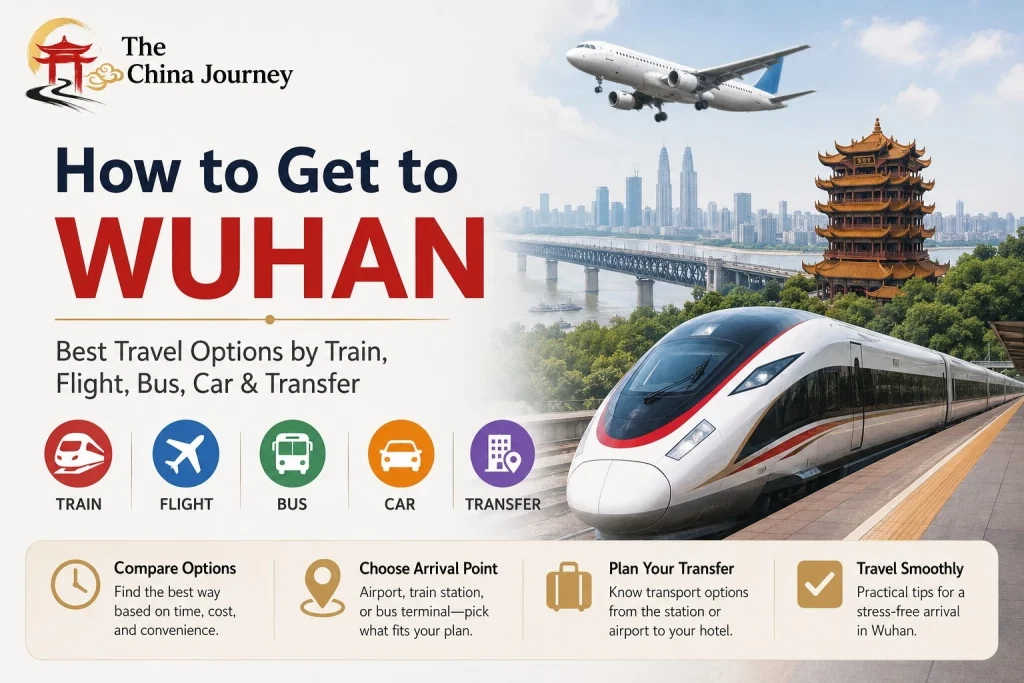
Learn the best ways to get to Wuhan by train, flight, bus, car, or transfer, with arrival tips for domestic and overseas travelers.
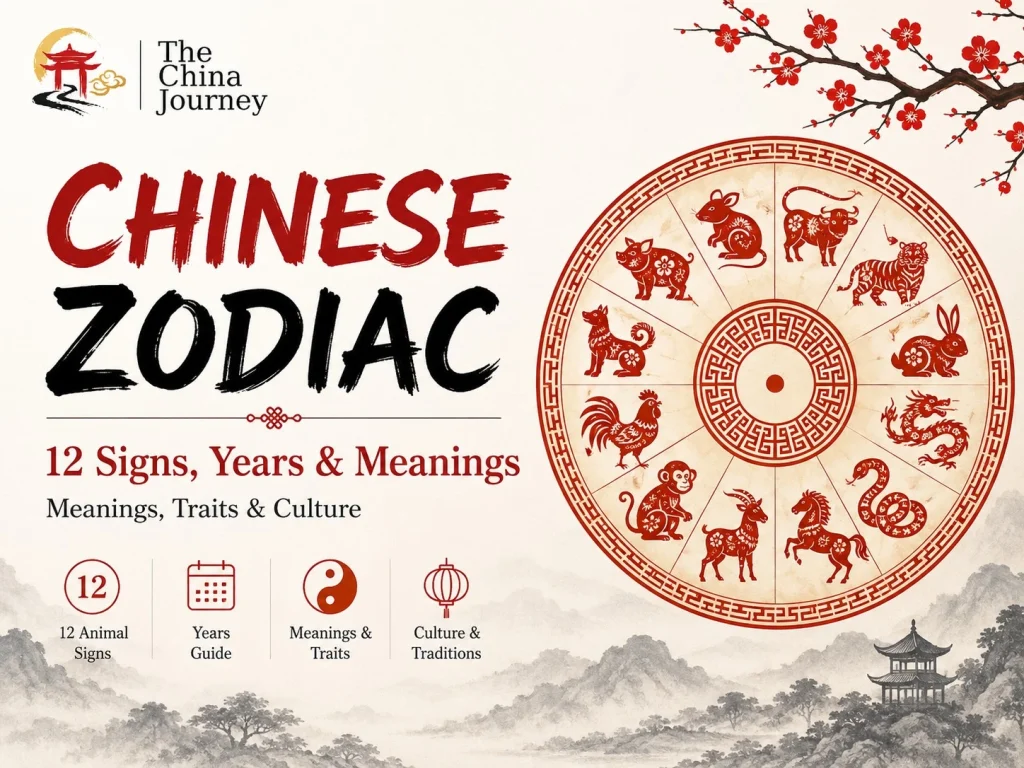
Learn the Chinese zodiac signs, birth years, meanings, traits, compatibility, 2026 zodiac, and how the 12-animal cycle works.

Discover Hangzhou’s blend of natural beauty, rich heritage, iconic landmarks, local cuisine, and modern attractions in this ultimate travel guide.

Share your travel ideas, and we’ll help you plan a smooth, personalized trip across China.

Share your travel ideas, and we’ll help you plan a smooth, personalized trip across China.
We’re looking for experienced, part-time local guides to serve international travelers.
Requirements:
• Fluent in at least one foreign language
• 3–5 years guiding international visitors
• Able to operate in multiple regions in China
• Competitive and reasonable pricing
• Proven customer reviews or testimonials
• Professional, reliable, and responsive
• Flexible availability for custom trips
Hi there!
Just a quick heads-up — a helpful user named Volker let me know that some of the non-English content on this site may not be accurate.
This site is a one-person project I run part-time. I research and publish all the content myself, and the translations are currently done by machine (Google Translate). Balancing accuracy and accessibility across multiple languages is a real challenge.
If you spot any errors, I recommend switching to the English version using the button at the bottom left. I’ll continue working to improve the translations over time.
I truly appreciate your understanding. And if you have any suggestions, feel free to leave a comment — it means a lot to me.
— Anthony 2025.6.18


