Discover breathtaking destinations across China—from iconic landmarks to hidden gems. A curated travel list for history lovers, nature fans, and adventurers.
Best Time to Visit: Spring or autumn for mild weather
Highlights: The largest ancient wooden palace complex in the world, once the imperial home of the Ming and Qing dynasties
Ticket: ¥60 (peak), ¥40 (off-season); book 7 days in advance
The Forbidden City is a UNESCO World Heritage Site and a masterpiece of traditional Chinese architecture. With over 9000 rooms, it offers a grand display of imperial life, symbolism, and artistry. Explore the central axis from the Hall of Supreme Harmony to the Palace of Earthly Tranquility. Don’t miss the Treasure Gallery or the Clock Museum, and cap your visit with a panoramic view of the golden rooftops from Jingshan Park.
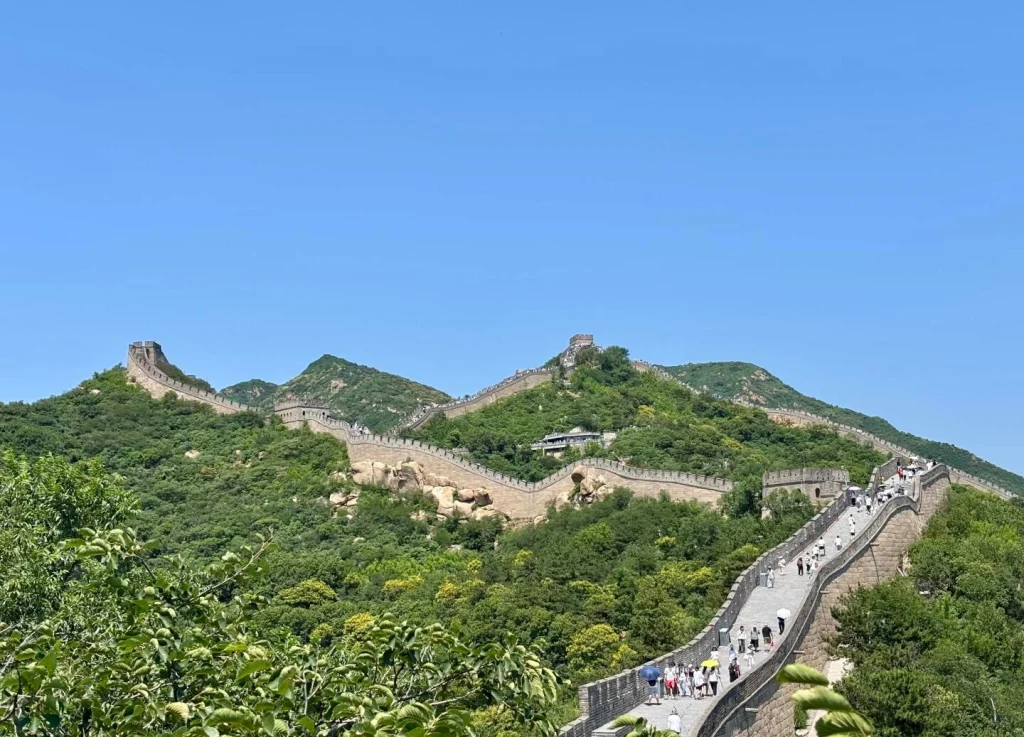
2. Badaling Great Wall
Location: Yanqing District, Beijing
Best Time to Visit: April–May or September–October to avoid crowds
Highlights: The most famous and well-preserved section of the Ming Great Wall
Ticket: ¥40 (cable car one-way ¥100)
Badaling is the most accessible and iconic part of the Great Wall, known for its restored battlements and sweeping mountain views. It’s a symbol of Chinese resilience and a must-see for first-time visitors. Walk along the steep Hero Slope, stand by the “He Who Has Not Climbed the Great Wall” stone, and enjoy panoramic vistas from the watchtowers. For a quieter experience, consider nearby Mutianyu.
Best Time to Visit: Mid-September to late October for colorful autumn foliage
Highlights: Dreamlike scenery of blue-green lakes, multi-level waterfalls, and Tibetan villages
Ticket: ¥169 (peak, includes eco-bus), ¥80 (off-season); reserve 5 days in advance
Known as the “Land of Fairy Tales,” Jiuzhaigou is a UNESCO World Heritage Site featuring stunning karst landscapes and crystal-clear lakes like Five Flower Lake and Long Lake. The autumn season transforms the valley into a canvas of red, yellow, and emerald hues. Beyond natural beauty, you’ll find traditional Tibetan culture, prayer flags fluttering in the wind, and wooden homes nestled in the hills. A photographer’s paradise and a soul-soothing escape.
Best Time to Visit: Year-round (avoid major holidays)
Highlights: A vast underground army of life-sized clay soldiers, each with unique features
Ticket: ¥120 (includes Lishan Garden)
Discovered in 1974, the Terracotta Army guards the mausoleum of China’s first emperor, Qin Shi Huang. The museum includes three main excavation pits with over 8000 warriors, horses, and chariots crafted over 2,000 years ago. Pit 1 is the most impressive, showcasing well-arranged military formations. The site also includes the Bronze Chariot Exhibition and informative galleries—best experienced with a guided tour to truly grasp its historical depth.
Best Time to Visit: All year (spring for blossoms, autumn for foliage)
Highlights: Famous for “Four Wonders” — oddly-shaped pine trees, granite peaks, sea of clouds, and hot springs
Ticket: ¥190 (peak), ¥150 (off-season); smart travel system available
Huangshan is one of China’s most celebrated mountains and a dual UNESCO heritage site for both culture and nature. Its dramatic scenery inspired countless poets and painters throughout history. Hike scenic trails to iconic spots like Bright Summit, Lotus Peak, and the West Sea Grand Canyon. Watch sunrise from Cloud Dispelling Pavilion and soak in the thermal springs. Whether you’re a hiker or a dreamer, Huangshan promises a journey through living ink art.
Best Time to Visit: April to October (lush during rainy season)
Highlights: Iconic karst landscape with crystal rivers and limestone peaks
Ticket: ¥215 for classic river cruise (Yangdi to Nine Horse Fresco Hill)
Guilin’s Li River is the embodiment of Chinese landscape painting—misty peaks mirrored on emerald waters. A river cruise from Yangdi to Xingping reveals the scene featured on the ¥20 banknote. The poetic charm of “a boat floating through a painting” comes to life here. For a more intimate experience, combine with a bamboo raft ride on the tranquil Yulong River in nearby Yangshuo.
Best Time to Visit: May to October (avoid harsh winter)
Highlights: Sacred Tibetan Buddhist site; world’s highest ancient palace complex
Ticket: ¥200 (peak), ¥100 (off-season); book 10 days in advance
Built on Red Mountain, Potala Palace is a spiritual and architectural marvel. The White and Red Palaces house ancient scriptures, golden stupas, and sacred statues including a 7th-century Shakyamuni. Climb to the top for sweeping views of Lhasa Valley. Snap your own version of the ¥50 bill photo from Yaowang Mountain. Due to the altitude, plan a few days in Lhasa before your visit to acclimatize.
Zhangjiajie’s surreal quartz sandstone formations inspired the floating mountains in Avatar. Explore Yuanjiajie and Tianzi Mountain for breathtaking peaks rising above misty canyons. At Tianmen Mountain, brave the glass skywalk and climb the 999-step stairway to Heaven’s Gate. This UNESCO-listed site is ideal for adventure lovers, photographers, and nature enthusiasts seeking a fantasy-like landscape.
9. Classical Gardens of Suzhou (Humble Administrator’s Garden)
Best Time to Visit: March to May for blooming flowers
Highlights: Masterpiece of classical Jiangnangarden design; tranquil pavilions and ponds
Ticket: ¥80 (peak), ¥70 (off-season); pair with Suzhou Museum visit
Humble Administrator’s Garden exemplifies Chinese garden aesthetics with elegant courtyards, winding paths, and poetic rockeries. It’s a serene retreat where “small space holds vast beauty.” Techniques like borrowed scenery and framed views make each step a new painting. Nearby Pingjiang Road offers water-town vibes, local snacks, and nighttime canal reflections—perfect for a cultural stroll after your garden visit.
Best Time to Visit: May–June or September–October (avoid sandstorm season)
Highlights: Ancient Buddhist cave art with murals and sculptures dating over 1,000 years
Ticket: ¥238 (includes digital gallery), ¥140 (off-season); book 30 days ahead
The Mogao Caves are China’s finest treasure trove of Buddhist art, with over 700 caves carved into desert cliffs. Discover vibrant murals, Tang Dynasty sculptures, and the famous Cave 45 with its majestic Bodhisattvas. The site also includes a digital dome theater showcasing forbidden frescoes. Complement your visit with camel rides at the nearby Mingsha Dunes and a sunset view at Crescent Lake.
11. Mount Tai (Taishan)
Location: Hongmen Road, Taishan District, Tai’an, Shandong Province
Best Time to Visit: April–May (spring blossoms), September–October (crisp air & sunrise views)
Highlights: UNESCO World Heritage Site, “Chief of the Five Sacred Mountains,” famed for imperial rituals, cliff carvings & dramatic scenery
Ticket: ¥115 (valid for 3 days; free for seniors over 60 & active military); Dai Temple ticket: ¥20
Mount Tai is a symbol of Chinese civilization and spiritual reverence, with emperors performing ceremonial offerings here for over 2,000 years. Hike the 6,600-step ancient trail from the Red Gate or take the cable car for stunning views. Don’t miss the four famous spectacles: sunrise, sea of clouds, evening glow, and the “Golden Belt of the Yellow River.” Explore cliff-side stone carvings and pay respects at Dai Temple, the mountain’s cultural heart.
Jade Dragon Snow Mountain towers above Lijiang, offering snow-capped peaks, glacier views, and unique ethnic culture. Ride the cable car to Yak Meadow for sweeping panoramas or stroll through Blue Moon Valley’s turquoise pools. The area blends alpine beauty with Naxi traditions. Altitude can exceed 4,000m, so prepare for possible altitude sickness with oxygen bottles and proper acclimatization.
Best Time to Visit: All year (cherry blossoms in spring, osmanthus in fall)
Highlights: Iconic 5A scenic area known as “Paradise on Earth” with ten poetic scenes
Ticket: Free entry (some attractions like boat rides or Leifeng Pagoda charge separately)
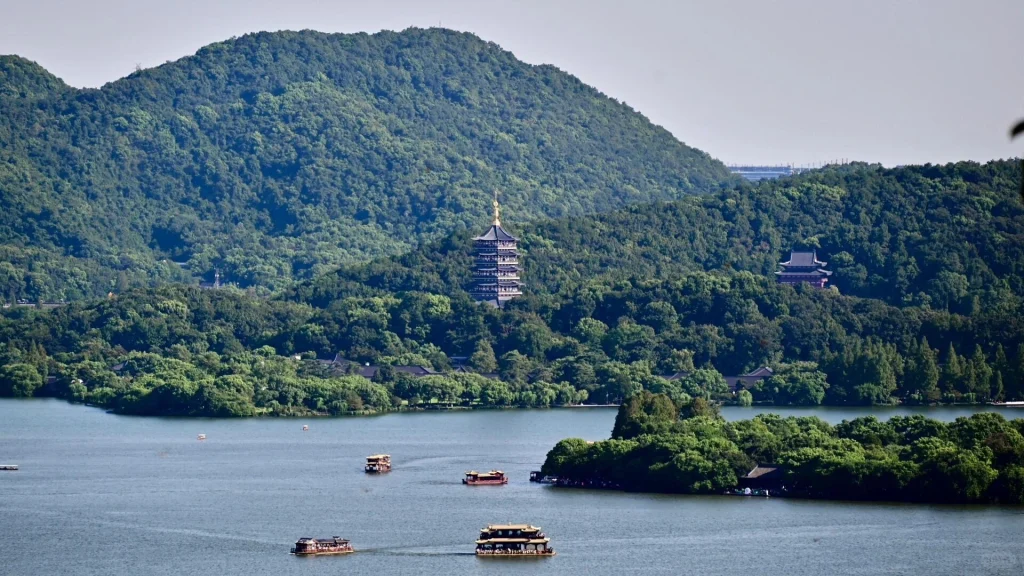
West Lake is the poetic heart of Hangzhou, immortalized by countless poets and emperors. Stroll across Su Causeway in spring, admire the Three Pools Mirroring the Moon, or take a boat ride for a tranquil perspective. Less crowded spots like Maojiabu offer peaceful escapes. Don’t miss the water show Impression West Lake, blending music, light, and legend on the lake itself.
Best Time to Visit: November to April (avoid summer rain)
Highlights: “Number One Bay in China,” ideal for snorkeling and tropical leisure
Ticket: Free entry (individual attractions may charge fees)
Yalong Bay boasts crystal-clear waters, soft white sand, and luxury resorts, earning its title as “the most beautiful bay in China.” Climb the Forest Park trails for panoramic coastal views or snorkel at Wuzhizhou Island for a coral-rich underwater adventure. The area is perfect for a warm winter getaway with tropical fruits, ocean breezes, and relaxing beach life.
Best Time to Visit: Spring or autumn (avoid typhoon season)
Highlights: “Island of Pianos,” mix of colonial and Fujian architecture, laid-back culture
Ticket: ¥90 for attraction combo ticket; ¥35 for round-trip ferry
Gulangyu Island charms visitors with its European-style buildings, narrow alleys, and musical soul. Walk up to Sunlight Rock for sunrise views or relax in Shuzhuang Garden by the sea. The island is a car-free, slow-living haven filled with coffee shops, galleries, and street snacks like Sha Cha noodles. A UNESCO World Heritage site and a timeless seaside retreat.
16. Daocheng Yading Nature Reserve
Location: Daocheng County, Ganzi Prefecture, Sichuan Province
Best Time to Visit: September to October (best views of the three sacred peaks)
Highlights: Pristine alpine wilderness, crystal lakes, and snow mountains
Ticket: ¥146 + ¥120 sightseeing bus; horseback riding extra
Known as “the last pure land on the blue planet,” Yading features soaring peaks, turquoise lakes, and endless grasslands. Hike or ride horses to Milk Lake and Five-Color Lake, set against the sacred snow mountains of Chenresig, Chana Dorje, and Jampayang. The high altitude and remote setting reward adventurers with one of China’s most breathtaking natural scenes.
17. Zhangye Danxia Landform Scenic Area
Location: Linze County, Zhangye, Gansu Province
Best Time to Visit: Sunrise or sunset (ideal lighting)
Highlights: Rainbow-colored hills often called “God’s overturned palette”
Ticket: ¥74 (includes sightseeing bus)
Zhangye Danxia offers a surreal landscape of striped, multicolored sandstone hills. The #4 Viewing Platform (Rainbow Clouds Terrace) is the most popular spot for photography, especially at golden hour. You can also explore the nearby Binggou Danxia for more dramatic rock formations. This geological wonder is a must-visit for nature lovers and photographers alike.
18. Hongcun Village, Huangshan
Location: Yi County, Huangshan, Anhui Province
Best Time to Visit: Spring (rapeseed blooms) or autumn (red foliage)
Highlights: UNESCO-listed Huizhou village with ox-shaped layout and elegant water system
Ticket: ¥104 (free night access)
Hongcun is the embodiment of ancient Chinese ink painting in real life. Its serene Moon Pond, South Lake Academy, and white-washed walls with black-tile roofs create an artistic dreamscape. This village is popular among painters, photographers, and cultural travelers who seek to experience the slow charm of traditional rural China.
19. Xi’an Ancient City Wall
Location: Beilin District, Xi’an, Shaanxi Province
Best Time to Visit: Spring or autumn (perfect for cycling)
Highlights: The best-preserved ancient city wall in China, 13.74 km in circumference
Ticket: ¥54 (bike rental ¥45/3 hrs)
Xi’an’s Ancient City Wall offers a panoramic loop around the old city. Visitors can walk or bike the entire length and enjoy views of both ancient architecture and modern skyline. Don’t miss the ceremonial gate-opening show at Yongning Gate (10:00 AM) and the illuminated nightscape. The South Gate plaza also hosts traditional performances.
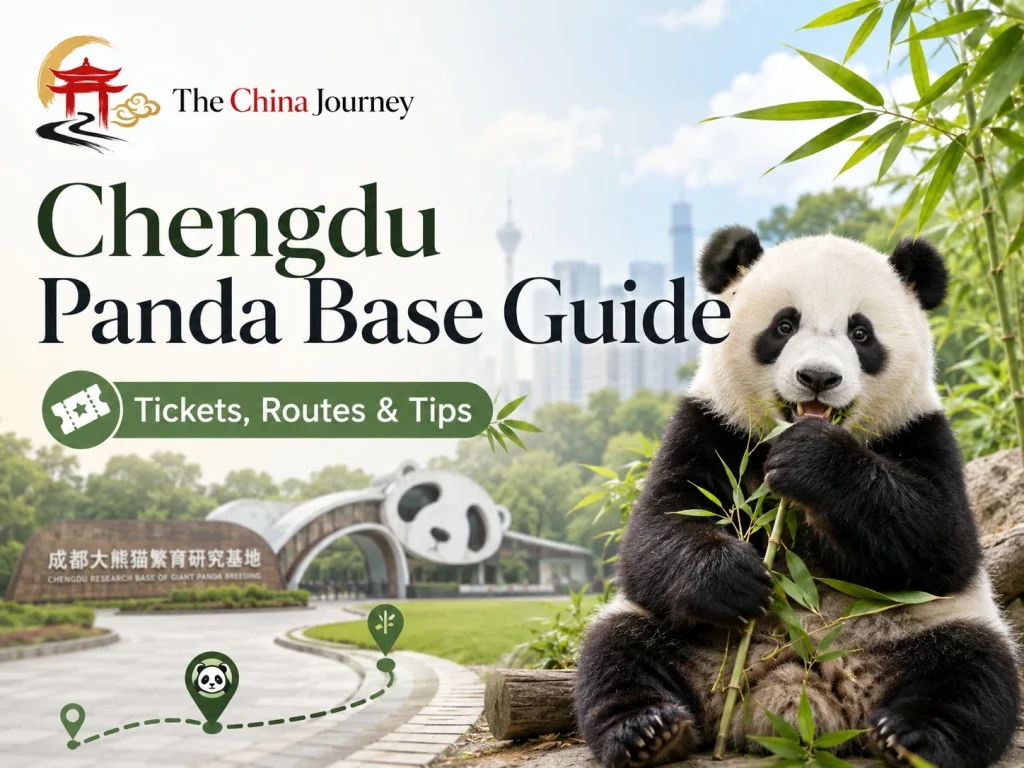
20. Chengdu Research Base of Giant Panda Breeding
Location: Chenghua District, Chengdu, Sichuan Province
Best Time to Visit: 7:30–11:00 AM (when pandas are most active)
Highlights: World’s largest panda conservation and research center
Ticket: ¥58 (¥10 for sightseeing shuttle)
This panda sanctuary is home to over 100 giant pandas and offers a rare glimpse into their daily lives. Visit the Moonlight Delivery Room to see baby pandas or explore the Panda Science Discovery Center to learn about breeding efforts. Early morning visits guarantee playful activity and adorable scenes worth every photo.
Best Time to Visit: Night (for stunning Pearl River views)
Highlights: China’s tallest tower with thrilling sky-high attractions
Ticket: From ¥150 (varies by observation deck)
Standing at 600 meters, Canton Tower offers unforgettable urban panoramas. Try the world’s highest horizontal Ferris wheel or take on the Sky Drop ride from 450 meters. At night, the tower glows with vibrant LED lights, while a Pearl River cruise completes the dazzling city experience. A must-do for thrill-seekers and cityscape lovers.
Best Time to Visit: June–August (cooler weather & Buddhist festivals)
Highlights: China’s top Buddhist sacred mountain with both Han and Tibetan temples
Ticket: ¥135 (includes eco-shuttle; ¥168 during major festivals)
Mount Wutai blends serenity, spirituality, and natural beauty. With over 50 temples, it’s a pilgrimage site for both Chinese Mahayana and Tibetan Buddhism. Climb 1,080 steps to reach Dailuoding Temple for panoramic views, and visit Xiantong and Wuye Temples to pray for wisdom. In summer, camping on East Terrace offers breathtaking sunrise vistas above the clouds.
Badaguan is a charming coastal area filled with villas in German, Russian, and Spanish styles, nestled among lush greenery. Each street is named after a historical Chinese pass and lined with seasonal blooms. Don’t miss the iconic “red tiles and green trees” view from Second Beach or stroll down Shaoguan Road for a romantic walk under peach blossoms.
Best Time to Visit: 7:30–11:00 PM (for full night lighting)
Highlights: 11-story stilted building complex resembling scenes from Spirited Away
Ticket: Free (scan QR code to reserve; “1980 Retro Street” ¥29)
Hongya Cave is a magical blend of traditional architecture and urban vibrance. Its vertically stacked houses cling to the cliff and come alive at night with neon lights. The 11th floor opens directly onto the city road, while the best panorama is from Qiansimen Bridge. Inside, explore retro-style shops and snack on local favorites like sour-spicy noodles and glutinous rice balls.
25. Kanas Lake Scenic Area
Location: Burqin County, Altay Prefecture, Xinjiang
Best Time to Visit: Late September (autumn foliage & morning mist)
Highlights: Changing-color alpine lake, Tuva minority villages
Ticket: ¥160 (with shuttle bus; off-season ¥80)
Kanas is famed for its ethereal beauty, especially in autumn when forests turn golden and mist blankets the valleys. Visit Hemu Village for sunrise shrouded in smoke and fog, and ascend 1,068 steps to Fish Viewing Pavilion for a bird’s-eye view of the lake. Note: border permit required for Baihaba Village (free with ID). This area is often called “God’s private garden.”
The Mountain Resort in Chengde is one of China’s largest and most diverse imperial gardens. Roam from serene lakes and pagodas to forested hills and Tibetan-style temples. Visit Misty Rain Tower—featured in classic TV dramas—and take a hill tour shuttle (¥60). Nearby, Puning Temple houses a magnificent Thousand-Armed Avalokitesvara statue, blending religion with royal heritage.
Best Time to Visit: April–May (sea of clouds), December–February (snowy peaks)
Highlights: Southern Sacred Mountain with Buddhist, Taoist, and Confucian heritage
Ticket: ¥110 (includes insurance; Nanyue Grand Temple: ¥58)
Known as the “most graceful of the Five Great Mountains,” Nanyue Hengshan combines natural wonders with spiritual harmony. Ascend Zhu Rong Peak for sunrise views, explore the mystical Water Curtain Cave in summer, and savor the famous vegetarian noodles at Guangji Temple. It’s a pilgrimage site for both faith and nature lovers.
28. Sayram Lake (Sailimu Lake)
Location: Bole City, Bortala Mongol Autonomous Prefecture, Xinjiang
Best Time to Visit: May–August (wildflowers); September–October (tranquil autumn)
Highlights: “Last Tear of the Atlantic,” alpine lake ringed by snow-capped mountains
Ticket: ¥100 peak season (car pass: ¥145), ¥60 off-season
Sayram Lake’s sapphire-blue waters shimmer under snow peaks and endless sky. Drive the 90-km lakeside loop to catch views at General Platform and Swan Bay, then stay overnight in a Mongolian yurt to enjoy starry skies. Nearby, the photogenic Guozigou Bridge offers stunning aerial views of valley and lake.
29. Enshi Grand Canyon
Location: Enshi City, Enshi Tujia and Miao Autonomous Prefecture, Hubei
Best Time to Visit: April–May (azaleas); September–October (fall foliage)
Highlights: Karst canyon & sinkholes with iconic “One Incense Stick” stone pillar
Ticket: ¥220 peak (includes cable car & shuttle); ¥170 off-season
Enshi Grand Canyon is a hidden gem of southwestern China, famed for towering cliffs and dizzying plank roads. Hike the Seven Star Fortress trail along vertical walls or descend into Yunlong Ground Fissure with its gushing waterfalls. Local Tujia customs like “smash-a-bowl wine” add cultural flair to the adventure.
Highlights: Largest waterfall in Asia, filming site of Journey to the West (1986 TV series)
Ticket: ¥160 peak (includes shuttle); combo with escalator: ¥270
Huangguoshu is a mighty, roaring cascade tumbling 77.8 meters high and 101 meters wide. Walk behind the falls through the Water Curtain Cave, just like the Monkey King. For a quieter scene, explore the elegant Silver Necklace Falls in Tianxing Bridge area. Traditional Buyi costumes are available for rent onsite.
Best Time to Visit: April–June (azaleas); October–November (sea of clouds)
Highlights: Granite peaks and Taoist heritage, known for surreal rock formations
Ticket: ¥120; cable car round trip: ¥125
A UNESCO World Heritage Site, Sanqing Mountain fuses breathtaking granite spires with mystical Taoist symbolism. Don’t miss rock wonders like “Oriental Goddess” and “Python Emerging from the Mountain.” Walk the West Coast Skywalk or greet the sunrise from Sunshine Coast. The ancient Sanqing Temple offers a spiritual end to your journey.
Share your travel ideas, and we’ll help you plan a smooth, personalized trip across China.
Plan Your China Trip with Our Experts
Share your travel ideas, and we’ll help you plan a smooth, personalized trip across China.
Work with Us as a Local Guide in China
We’re looking for experienced, part-time local guides to serve international travelers.
Requirements:
• Fluent in at least one foreign language • 3–5 years guiding international visitors • Able to operate in multiple regions in China • Competitive and reasonable pricing • Proven customer reviews or testimonials • Professional, reliable, and responsive • Flexible availability for custom trips
Just a quick heads-up — a helpful user named Volker let me know that some of the non-English content on this site may not be accurate.
This site is a one-person project I run part-time. I research and publish all the content myself, and the translations are currently done by machine (Google Translate). Balancing accuracy and accessibility across multiple languages is a real challenge.
If you spot any errors, I recommend switching to the English version using the button at the bottom left. I’ll continue working to improve the translations over time.
I truly appreciate your understanding. And if you have any suggestions, feel free to leave a comment — it means a lot to me.