Written by
Anthony

Beijing is the heart of China.
As the country’s political and cultural capital, it blends ancient history with vibrant modern life.
From the towering walls of the Forbidden City to the vast open square of Tiananmen, this city tells the story of emperors, revolutions, and a nation rising.
But Beijing isn’t just about the past. Walk through the colorful 798 Art District, and you’ll see China’s creative side bursting with energy.
Explore the maze-like hutongs, enjoy a live Peking Opera show, or taste world-famous roast duck — every corner has something special to offer.
To see how Beijing compares with other top destinations nationwide, refer to Best Places & Cities to Visit in China.
The best seasons to explore Beijing are spring (March to May) and autumn (September to November).
These months offer the most comfortable weather and beautiful scenery.
Spring is when Beijing starts to bloom.
As the temperature warms up, flowers like peach blossoms, apricots, and tulips burst into color across the city.
Strolling through the parks — like the Summer Palace or Temple of Heaven — feels like walking through a living painting.
Cool, crisp air and clear skies make autumn a favorite for many visitors.
The city lights up with color — from fiery red maple leaves at Fragrant Hills to golden ginkgo trees lining the streets near Diaoyutai State Guesthouse.
It’s also the best time for photography lovers.
Pro Tip: Try to avoid the first week of October (October 1–7), which is China’s National Day holiday. Tourist crowds are intense, and popular spots can get extremely packed.
Summer in Beijing can be hot, humid, and rainy.
While many attractions are still open, high temperatures and sudden storms may impact your travel plans.
Winters are cold and dry, with temperatures often below freezing.
While some travelers enjoy the off-season charm, others may find the cold limits outdoor sightseeing.
For a broader, country-wide seasonal comparison, see Best & Worst Time to Visit China.
Whether you’re landing in Beijing or exploring the city, here’s how to get around with ease and confidence.
For a system-level overview of how to travel between cities and regions in China, see our China Transportation Guide.
One of the busiest airports in the world, Beijing Capital Airport serves most international and domestic routes.
Airport Express Train: ¥25 to Dongzhimen, fast and reliable
Airport Shuttle Bus: ¥16–¥35, connects to major districts
Taxi: ¥100–¥200 depending on destination
Capital Airport is closer to central Beijing and offers faster access to major attractions.
Known for its stunning architecture and modern design, Daxing Airport is Beijing’s newer air hub.
Daxing Express Line: ¥35–¥50, connects to city metro
Airport Shuttle Bus: similar pricing to PEK buses
Taxi: ¥200–¥300 due to longer distance
Beijing’s subway is fast, cheap, and efficient.
Covers most tourist spots and central areas
Operates from ~5:00 AM to ~11:00 PM
Tickets: single-trip from vending machines or mobile QR code for convenience
Great for reaching places subways don’t cover.
Widely available across the city
Enjoy views of Beijing streets along the way
Use a metro card or mobile payment (discounts apply with a transit card)
Easy to hail on the street or via apps like DiDi
Prices start around ¥13, with ~¥2.3/km after
Traffic jams are common during rush hours, which can increase costs and delays
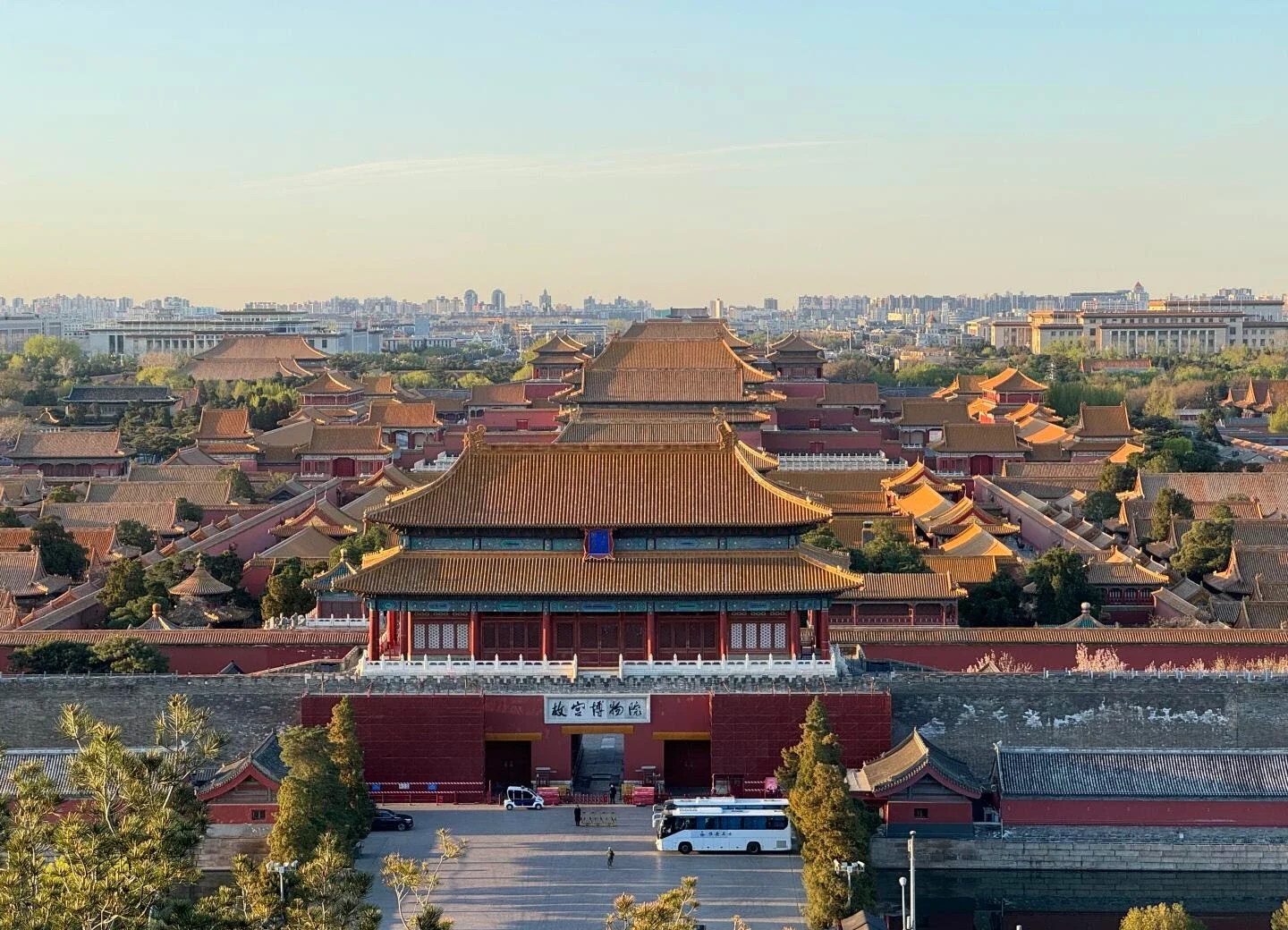
The Forbidden City, also known as the Palace Museum, was the royal palace during the Ming and Qing dynasties.
Located in central Beijing, its grand architecture with red walls and golden roofs reflects the glory of the imperial era.
Key highlights include the Hall of Supreme Harmony, Hall of Central Harmony, and Hall of Preserving Harmony.
Don’t miss the Treasure Gallery and the Clock Exhibition Hall for precious artifacts.
⏱️ Suggested visit: 4–6 hours
Tiananmen Square is a national symbol at the north end of the massive public plaza.
Many visitors gather to witness the early morning flag-raising ceremony.
Around the square, you can explore the Great Hall of the People, the Monument to the People’s Heroes, and the Mao Zedong Memorial Hall.
⏱️ Suggested visit: 1.5-2 hours
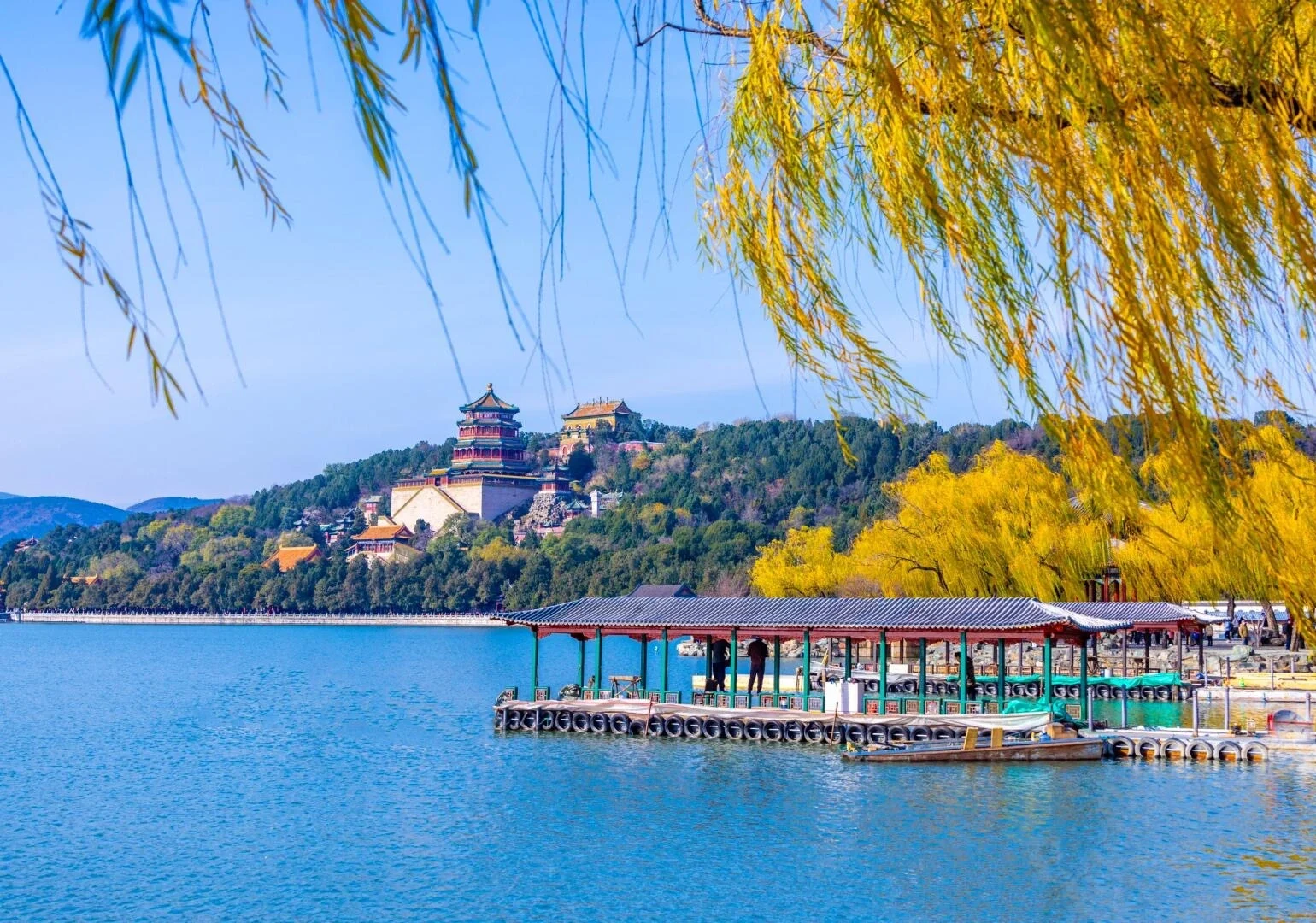
A large royal garden built around Kunming Lake and Longevity Hill, modeled after Hangzhou’s West Lake.
Attractions include the Long Corridor, Marble Boat, Seventeen-Arch Bridge, and the Tower of Buddhist Incense.
Take a boat ride or walk through the painted corridor to enjoy the tranquil beauty of traditional Chinese landscape design.
⏱️ Suggested visit: 3–5 hours
The Temple of Heaven was where emperors prayed for good harvests.
It is China’s largest surviving ancient ritual site.
Iconic structures include the Hall of Prayer for Good Harvests, the Circular Mound Altar, and the Imperial Vault of Heaven, rich in cultural symbolism and architectural detail.
⏱️ Suggested visit: 2–3 hours
Badaling: The most famous and developed section, easy to access and often crowded. Offers great views and cable cars.
Mutianyu: Lush, less crowded, with cable cars and toboggan slides.
Jinshanling: Scenic and less visited, ideal for photographers and hikers. The terrain is steep in parts—be cautious.
Located in the Changping District at the foot of Tianshou Mountain, this area houses the tombs of 13 Ming emperors.
Key sites include Dingling (with excavated underground palace) and Changling (the largest in scale).
The tombs offer insights into Ming dynasty burial culture.
⏱️ Suggested visit: 3-4 hours
Hutongs are historic alleyways and a symbol of old Beijing life.
Explore those near Nanluoguxiang for boutique shops, cafes, and street snacks.
Consider a rickshaw tour to hear stories from the locals and see traditional courtyard homes.
⏱️ Suggested visit: 2-3 hours
One of Beijing’s busiest shopping districts, Wangfujing combines high-end malls with historic stores like Ruifuxiang silk and Neiliansheng shoes.
Great for shopping and experiencing Beijing’s commercial side.
⏱️ Suggested visit: 2-3 hours
A former factory zone turned modern art center. It’s full of galleries, studios, design shops, and cafes.
The area regularly hosts exhibitions and cultural events, showcasing contemporary Chinese art and creativity.
⏱️ Suggested visit: 3-4 hours
Part of the Shichahai area, Houhai is lined with historic hutongs and lakeside bars.
By day, enjoy lakeside walks; at night, visit bars with live music and neon reflections on the water.
⏱️ Suggested visit: 3-4 hours
Beijing’s largest and best-preserved Tibetan Buddhist temple.
Once a royal residence, it blends Han, Manchu, Mongolian, and Tibetan architecture.
Highlights include the 18-meter Maitreya Buddha carved from a single sandalwood trunk.
⏱️ Suggested visit: 1.5–2 hours
One of China’s oldest imperial gardens.
Built around Beihai Lake, it features the White Dagoba on Qionghua Island, the Nine-Dragon Wall, and the Five-Dragon Pavilion.
Great for strolling, boating, and enjoying seasonal flowers.
⏱️ Suggested visit: 2–3 hours
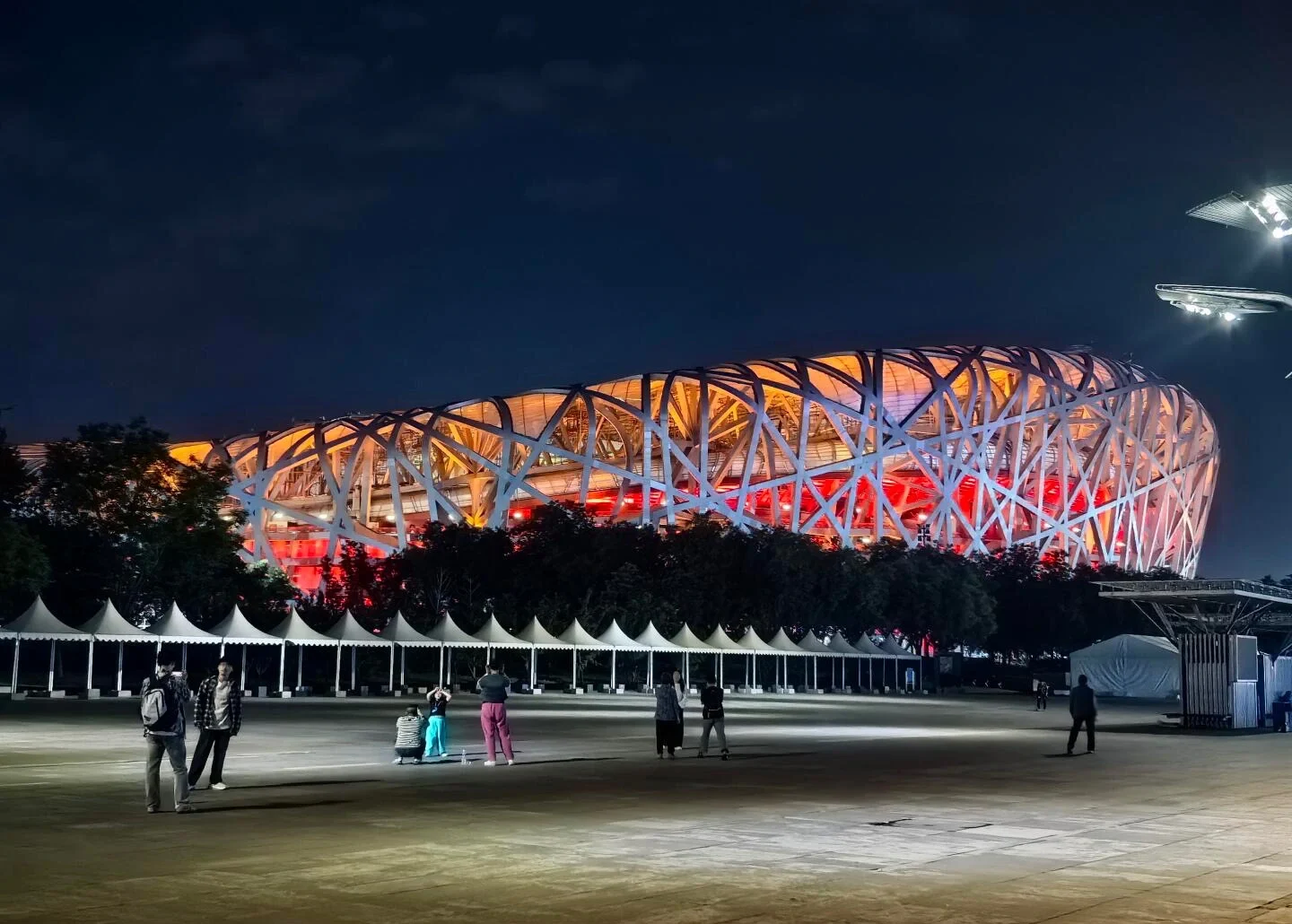
The heart of the 2008 Olympics.
Key sites include the Bird’s Nest (National Stadium), Water Cube (now a water park), and the Olympic Tower.
A great place for walking, sightseeing, and enjoying night views when the lights come on.
⏱️ Suggested visit: 2–3 hours
Dating back to the Yuan Dynasty, this iconic hutong district is full of art shops, traditional snacks like fermented milk and zhajiang noodles, and hidden courtyards.
The mix of old and new gives it a lively atmosphere, especially after dark.
⏱️ Suggested visit: 1–2 hours
Located east of Tiananmen Square, this is China’s largest comprehensive museum with over 1.4 million artifacts.
Highlights include the Simuwu Ding, Four Rams Zun, and Jade Burial Suit. Also hosts international exhibitions. Free with reservation.
⏱️ Suggested visit: 3–4 hours
Beijing isn’t just about palaces and temples—it’s also a paradise for food lovers.
From traditional snacks bursting with local flavor to elegant restaurants serving imperial dishes, there’s something here for every taste.
A classic Beijing breakfast dish made from pork liver and intestines, thickened with starch and seasoned with garlic.
Locals eat it with steamed buns for a hearty, flavorful start to the day.
Tianxingju, founded in 1862, is the go-to spot for authentic fried liver.
Fresh beef or lamb tripe is quickly blanched and dipped in a rich sesame-based sauce with vinegar, soy sauce, and herbs.
Different cuts have slightly different textures.
Jinshenglong is famous for its clean, fresh, and delicious tripe dishes.
A grayish-green dish made from leftover mung bean starch, stir-fried with lamb fat, yellow bean paste, pickled vegetables, and spices.
Salty, slightly spicy, and full of umami. Try it at Nanlaishun, especially with cornbread on the side.
A glutinous rice ball stuffed with nuts, dried fruits, and hawthorn paste, dusted with sticky rice flour.
Soft, chewy, and sweet. Huguosi Snacks is known for its high-quality fillings and perfect texture.
A bowl of hand-pulled noodles topped with savory soybean paste fried with pork belly, garnished with shredded cucumber, bean sprouts, and radish greens.
Rich, salty, and fragrant. This iconic Beijing dish blends bold umami with fresh crunch—an everyday favorite steeped in old Beijing tradition.
See also: What to Eat in Beijing
Beijing’s most famous late-night food street, stretching 1.5 km from Dongzhimen to Yonghegong.
Known for spicy dishes like mala crayfish, grilled fish, and hotpot.
It’s the place to be on a summer night with a cold beer and some fiery food.
This Muslim neighborhood is filled with halal restaurants and snack shops.
Must-try dishes include shuan yangrou (hotpot lamb) at Jubaoyuan, and traditional pastries like Ai Wo Wo and donkey rolls at Nian Gaoli.
Locals also come here to buy fresh, high-quality beef and lamb.
A small street packed with time-honored snack shops like Tianxingju and Qingfeng Baozi.
This is where you can sample a wide range of traditional Beijing snacks like fried liver, mung bean cake, Douzhi’er, and more—all at budget-friendly prices.
Inside this famous hutong area, you’ll find a blend of traditional Beijing flavors like Zhajiangmian and boiled tripe along with trendy bites like giant squid skewers and cheese sticks.
It’s also a great spot to soak in the relaxed vibe of old Beijing streets.
A century-old restaurant known for dishes like braised sea cucumber and nine-turn large intestines.
The flavors are bold and layered, and the atmosphere feels rich with traditional charm.
A tiny, exclusive restaurant near Houhai offering royal-style meals that look like art.
Dishes like Longevity Chicken Mousse are delicate and beautiful. Reservation required.
Famous for its knife skills and subtle flavors.
Don’t miss the Soft Braised Eel or Wensi Tofu, a dish where tofu is cut into hair-thin strands.
Elegant setting, perfect for business dinners or family gatherings.
This upscale vegetarian spot near Yonghegong transforms seasonal vegetables into stunning, flavorful creations.
The pine nut and corn medley is a must-try. Peaceful atmosphere focused on health and sustainability.
Specializes in refined imperial-style cuisine like braised shark fin.
The focus is on premium ingredients and classic techniques.
With lavish décor and attentive service, it’s ideal for formal occasions.
Beijing comes alive after dark.
Whether you’re into buzzing clubs, chill lakefront bars, or artistic night strolls, the city offers endless ways to enjoy the evening.
Sanlitun is Beijing’s fashion-forward nightlife hub.
After sunset, its glass-fronted Taikoo Li shopping complex glows with neon.
International restaurants serve everything from sushi to French pastries, and the bar street is filled with open-air seating and live DJs.
You might even spot celebrities.
During holidays, Sanlitun transforms with giant Christmas trees or New Year light shows—perfect for social media snapshots.
The area around Gongti is packed with top clubs and chill bars.
ONE THIRD is famous for its high-energy dance floor and light shows, while Elements mixes hip-hop beats with street-style flair.
You’ll also find quieter spots offering craft beer or retro-style lounges with classic tunes.
Most venues stay open till dawn—just be sure to book in advance, as some have minimum spend policies.
Houhai offers lakeside bars with wooden décor and acoustic live music—perfect for a relaxed, romantic vibe.
Nanluoguxiang has hutong bars tucked behind vintage doors, with hand-painted art and old Beijing flair.
Wudaoying Hutong is quieter and artsier, with natural wines, creative cocktails, and fresh oven pizzas.
Beyond chains like Melody and Cashbox, Beijing offers themed karaoke spots.
Changba KTV features Hello Kitty rooms, while Pure K blends retro Hong Kong décor with classic Chinese pop hits.
Some upscale KTVs offer professional recording equipment so you can leave with a “studio album” of your performance.
Look out for bonus perks like bubble tea and Taiwanese snacks.
Imperial River Tour at Summer Palace: Sail down the Kunyu River from the Marble Boat to Yuyuantan Park, passing bridges and willow-lined banks. Tea and guided storytelling included.
Lotus Boats at Beihai Park: Available in summer, these boats drift through fragrant lotus fields—peaceful and photogenic.
Rowboats at Shichahai: Paddle through old Beijing canals with a boatman narrating tales of nearby mansions. At night, enjoy reflections of the bar lights on the water.
Baihe Bay (Huairou): A nature campsite offering cozy tents with mattresses, carpets, and lanterns. Campfires, stargazing movies, and kayaking complete the experience.
Sun Valley (Miyun): A family-friendly site with a petting zoo, forest yoga, BBQ areas, and kid-safe zones. Great for weekend escapes.
Jinhai Lake: If you’re lucky, catch the sunrise over the water—it’s pure magic, with glowing skies and misty mountains.
Three Shadows Photography Art Centre (Caochangdi): A reimagined factory space for powerful photography exhibitions with natural light and raw walls.
Shangshang Art Museum (Songzhuang): A massive space showcasing paintings, sculptures, and live performances. Some artist studios nearby offer tours and custom commissions.
UCCA (798 Art Zone): One of China’s top venues for avant-garde exhibitions. The area is also full of graffiti walls, art installations, and cool cafes—perfect for wandering and photos.
Want to see the real Beijing?
Beyond the landmarks and museums, it’s the local experiences that truly bring the city to life.
As China’s most iconic traditional performance, Peking Opera is a must-see.
At Chang’an Grand Theater, classic evening shows like The Drunken Beauty or Farewell My Concubine showcase actors in dragon-embroidered costumes, expressing emotions with precise gestures and flowing sleeves.
Mei Lanfang Theater offers immersive experiences, even allowing visitors to watch the actors apply intricate makeup backstage—transforming from bare face to a stage persona in under 40 minutes.
Hop on a red rickshaw and roll through Beijing’s narrow alleyways—this is the city’s living history on wheels.
Local drivers guide you through Nanluoguxiang and Yandai Xiejie, sharing tales of old traditions like “perfect marriage matches” told through door carvings, or the logic behind winding courtyards.
The route from Houhai to Yinding Bridge is especially scenic, passing by the former homes of painter Qi Baishi and Empress Wanrong. Along the way, you’ll hear shouts from candied haw seller stalls and smell roasted chestnuts.
Step into the world of Beijing’s intangible heritage with craft workshops:
At Neiliansheng, try making layered cloth shoes by stitching soles with a curved needle—a skill passed down for generations.
Ruifuxiang offers silk-dyeing classes. Bind white silk with string to form patterns, dip it in indigo dye, and unfold a one-of-a-kind handkerchief.
Visit a cloisonné studio to try Jingtailan enamelware. You’ll work with wires and colored glaze to craft a bookmark—metal meets fire in a truly unique art form.
Rise early and join Beijingers in their daily routines.
After the flag-raising ceremony at Tiananmen Square, head to Jingshan Park.
There, you’ll see seniors practicing tai chi, swinging diabolos, or singing patriotic songs under ancient pavilions.
At Temple of Heaven Park, the morning energy is electric. Some play traditional opera in the corridor, others dance with silk fans or train with tai chi swords.
You can even join in a lively game of shuttlecock kicking—no invitation needed, just smile and join the circle!
Location: Chaoyang District, 5-minute walk to Dawanglu Station, near SKP mall.
Price: CNY 2500-4000 per night
Highlights: British classic style, private garden, concierge service, custom fitness & spa programs.
User Rating: 4.7 stars, Dianping Luxury Hotel Top 15.
Location: Chaoyang District, CBD area near SKP, 5-minute walk to Guomao Station (Line 1).
Price: CNY 1200-1800 per night
Highlights: 1200㎡ kids’ adventure park, family suites, go-kart experiences, CBD skyline views.
Accolades: 6 years on Dianping’s “Must-Stay List.”
Location: Dongcheng District, close to Dengshikou Station (Line 5), 15-minute walk to the Forbidden City.
Price: CNY 220-300 per night
Highlights: Simple modern design, free coffee/tea, some rooms overlook local hutongs.
See also: Where to Stay in Beijing
The ideal length of a Beijing trip depends on your interests.
If you’re short on time, a 3-day visit is enough to see major highlights like the Forbidden City, Tiananmen Square, and the Great Wall.
For a deeper cultural experience—including hutong tours, local cuisine, and off-the-beaten-path attractions—5 to 7 days is highly recommended.
Tiananmen Square – Forbidden City – Jingshan Park
Arrive early at Tiananmen Square to witness the flag-raising ceremony, a powerful and moving experience (arrive 1 hour early for a good spot).
Then step into the Forbidden City via the Meridian Gate and walk the central axis through the grand halls.
Explore the Treasure Gallery in the East Palace to see rare imperial artifacts.
End your day at Jingshan Park, climbing to the Wanchun Pavilion for a panoramic sunset view over the golden rooftops of the palace and the city’s central axis.
Day 1: Tiananmen Square – Forbidden City – Jingshan Park – Nanluoguxiang
Start your journey with the flag-raising ceremony.
After that, explore the quieter areas of the Forbidden City like the Corner Towers and Imperial Garden, using side paths like the Cining Garden to avoid crowds.
In the afternoon, head to Jingshan Park for a full view of the palace. In the evening, stroll Nanluoguxiang, try traditional desserts like double-skin milk at Wenyu, browse quirky gifts at Suzuki Shop, and enjoy spicy grilled wings while riding a rickshaw through Rain Alley Hutong.
Day 2: Badaling Great Wall – Olympic Park
Take an early high-speed train to Badaling and ride the cable car to Tower 8. Hike to Tower 12, stopping at “Hero Slope” for classic photos.
Visit the Zhan Tianyou Memorial to learn about the Beijing-Zhangjiakou railway. In the evening, visit Olympic Park to see the Bird’s Nest and Water Cube glow under the night sky.
Day 3: Summer Palace – Old Summer Palace – Tsinghua/Peking University
Begin at the New Palace Gate and take a boat to the Marble Boat in the Summer Palace.
Climb the Tower of Buddhist Incense for lake views and stroll the Long Corridor.
In the afternoon, visit the ruins of the Old Summer Palace, including the European-style stone structures.
End the day at Tsinghua or Peking University, soaking up the youthful vibe at famous campus landmarks.
Day 1: Tiananmen Square – Forbidden City – Imperial Ancestral Temple – Zhongshan Park
Watch the flag-raising, then take a deep dive into the Forbidden City, including the fascinating Clock Exhibition Hall.
Enjoy a quiet lunch among ancient cypress trees at the Imperial Ancestral Temple.
In the afternoon, visit Zhongshan Park’s seasonal gardens and learn about Beijing’s five-element culture near the Wuse Altar.
Day 2: Badaling Great Wall – Ming Tombs – Changping Dinner
After hiking at Badaling, drive to the Ming Tombs.
Visit Dingling’s underground chambers and Changling’s impressive timber hall.
Have dinner at a countryside restaurant in Changping featuring spring pancakes with eggs, meats, and herbs.
Day 3: Summer Palace – Old Summer Palace – Zhongguancun
Wander the Suzhou Street area of the Summer Palace, then explore the tranquil Qichun Garden at the Old Summer Palace.
Wrap up in Zhongguancun with a visit to book markets or tech malls for a taste of Beijing’s “Silicon Valley.”
Day 4: 798 Art Zone – Sanlitun
Check out edgy exhibits at the UCCA, graffiti walls on Qixing East Street, and enjoy a casual lunch in an industrial-chic café.
Later, head to Sanlitun to shop in Taikoo Li, sip local brews on a rooftop bar, and people-watch in Beijing’s trendiest district.
Day 5: Temple of Heaven – Qianmen Street – Dashilan
At Temple of Heaven Park, join locals for morning exercises and walk the triple-circle path around the Hall of Prayer.
In the afternoon, shop along Qianmen and Dashilan for handmade shoes and traditional teas, then end with a hearty meal of lu zhu huo shao (pork stew with bread) and orange soda at a time-honored restaurant.
Day 1: Tiananmen Square – Forbidden City – Zhongshan Park – National Centre for the Performing Arts
Start with the flag-raising, then explore the Forbidden City’s deeper halls and interactive digital exhibits at the Cining Palace.
Enjoy a palace-style afternoon tea at the Imperial Temple, then visit Zhongshan Park for seasonal blooms.
End at the National Centre for the Performing Arts for evening lights or a traditional concert.
Day 2: Badaling Great Wall – Juyongguan Pass – Hiking & Local Food
Ride to Badaling and hike between towers before heading to Juyongguan to see the Yun Tai carvings.
Follow the scenic “72 Views of Guangu” route and have dinner near the Wall featuring mushroom stew with free-range chicken.
Day 3: Summer Palace – Old Summer Palace – Tsinghua or Peking University
Stroll the West Dike at Summer Palace, then boat to South Lake Island.
Visit the Old Summer Palace’s Jiuzhou Qingyan site with AR displays and finish your day visiting Tsinghua’s Second Gate or Peking’s Centennial Lecture Hall.
Day 4: 798 Art Zone – Caochangdi Art District – China Film Museum
Explore contemporary art exhibits and industrial spaces at 798, then move to Caochangdi’s more experimental galleries.
In the evening, visit the China Film Museum to see the evolution of film tech and watch a classic screening.
Day 5: Temple of Heaven – Beijing Museum of Natural History – Tianqiao Performing Arts Center
Admire the ceiling dragons inside the Hall of Prayer, then visit the Natural History Museum’s animated dinosaur zone.
Wrap up with a folk performance and a snack of steamed buns with garlic sauce at a local theater café.
Day 6: Mutianyu Great Wall – Yanqi Lake
Take a cable car to Tower 14 at Mutianyu and hike to Tower 24, passing lush scenery.
After descending by toboggan, drive to Yanqi Lake and take a boat to Sun Island.
End with a lakeside dinner of grilled trout as the sun sets.
Day 7: Hutong Tour – Yonghe Temple – Confucius Temple – Guijie Food Street
Start with a rickshaw tour from Nanluoguxiang through Rain and Suoyi Hutongs.
Visit Yonghe Temple to hear chanting, then admire the steles at Confucius Temple.
Wrap up at Guijie Street with spicy crayfish and cold beer for a lively farewell meal.
See also:
Planning a trip to Beijing?
Here’s what you need to know before you go — from visas to daily costs and safety tips.
Most international travelers need a Tourist (L) Visa to visit Beijing.
You’ll need a valid passport, a completed visa application form, a recent photo, and supporting documents.
Apply through your nearest Chinese embassy or consulate.
Good news! Some visitors qualify for 72- or 144-hour visa-free transit if you’re flying to a third country.
To enjoy this perk, you must enter Beijing through an approved airport and show a valid onward ticket.
It’s a great way to explore the city on a layover.
✈️ Flights
Prices vary based on origin and season.
Domestic round-trip: ¥1000–¥5000
International round-trip: varies by country and airline
🏨 Accommodation
Options for every budget:
Budget hostels: ¥200–¥500 per night
Mid-range hotels: ¥500–¥1500 per night
Luxury stays: ¥1500+ per night (especially in central areas like Wangfujing or Sanlitun)
🚇 Transportation
Subway: ¥2–¥10 per ride
Bus: starts at ¥2
Taxi: ¥13 base fare + ~¥2.3/km
Trips to places like the Great Wall:
Train or bus: ¥30–¥100
Private car: ¥1000–¥3000/day
🍜 Food
Local snacks and street eats: ¥20–¥50 per meal
Mid-to-high-end dining: ¥100–¥500
Famous duck restaurants (like Quanjude): ~¥200–¥300 per person
To compare Beijing’s costs with other cities, see Cost of Travel in China.
Crowd alert: Popular spots like the Forbidden City and Tiananmen Square get very busy, especially during holidays. Keep valuables secure and be mindful of pickpockets.
Off-limits areas: Avoid unregulated or dangerous spots, like remote parts of the “wild Great Wall.”
Local laws & customs: Beijing is well-policed, and laws are strictly enforced. No spitting, littering, or smoking in restricted areas. Be respectful of cultural norms to avoid issues.
For first-time visitors and general planning advice, see China Travel Tips: The Best Guide You Can Find.
Just 30 minutes from Beijing by high-speed train, Tianjin offers a refreshing contrast with its unique mix of colonial-era architecture and vibrant local culture.
Stroll through the Italian Style Town to admire grand European buildings and enjoy al fresco cafés.
Explore the Five Great Avenues (Wudadao), known as a “museum of international architecture,” featuring a wide range of Western-style villas.
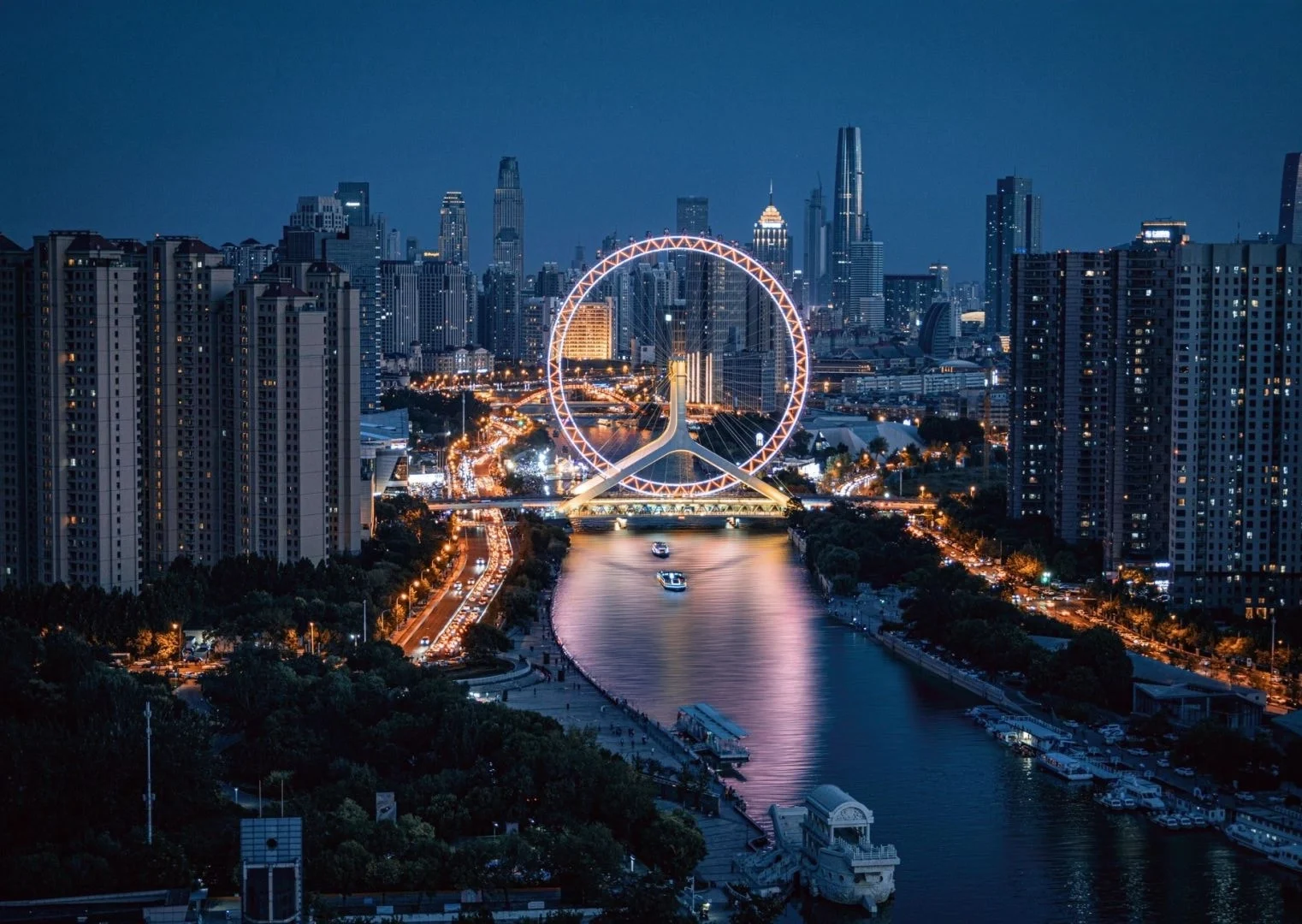
Don’t miss a ride on the Tianjin Eye Ferris wheel for sweeping views of the Haihe River and cityscape.
For culture lovers, catching a live crosstalk (xiangsheng) performance in the old streets like Guwei Jie is a must.
When it comes to food, sample iconic snacks like Goubuli steamed buns, Erduoyan fried rice cakes, and Guifaxiang twisted crullers—or indulge in the region’s fresh seafood.
Located on the Bohai Sea coast, Qinhuangdao is a beloved summer destination known for its clean beaches and historic sites.
North of the city, Beidaihe offers 22 km of golden coastline perfect for sunbathing, swimming, or water sports like parasailing and jet skiing.
To experience history, head to Shanhaiguan, the eastern start of the Ming Great Wall known as the “First Pass Under Heaven,” and Laolongtou, where the Great Wall famously meets the sea.
Nature lovers shouldn’t miss Pigeon Nest Park, especially during spring and autumn bird migration seasons, when flocks of wild birds arrive in stunning numbers. It’s one of China’s best spots for sunrise viewing over the sea.
Once the summer refuge of Qing emperors, Chengde is rich with imperial heritage and scenic charm.
The Mountain Resort (Bishu Shanzhuang) is the largest surviving royal garden in China and a UNESCO World Heritage site.
Its lakes, hills, temples, and pavilions are harmoniously designed to reflect the beauty of nature, blending northern and southern Chinese landscapes.
The nearby Eight Outer Temples (Waiba Miao) feature a striking fusion of Han, Tibetan, and Manchu architectural styles, showcasing the empire’s cultural diversity.
For outdoor adventure, Mulan Grassland—once a royal hunting ground—is now a lush prairie park ideal for horseback riding and enjoying expansive natural views.

Learn what Ben Ming Nian means, why people wear red, how to calculate your zodiac year, and what it means for life, travel, and luck.

Explore Mount Emei’s temples, hiking trails, and scenic views with this complete travel guide—season tips, transport, food, and must-see highlights included.

Chinese has no alphabet like English. But its phonetic system, Pinyin, uses 26 Latin letters to represent sounds—not for writing characters.

Explore the vibrant world of Wu Opera, a traditional Chinese theater art known for its intricate costumes, expressive makeup, and powerful storytelling.

Discover the beauty of Guilin with this travel guide—explore stunning karst landscapes, Li River cruises, local cuisine, and top attractions in one trip.

Yes, most Terracotta Soldiers are hollow in the torso for firing and handling, while heads and limbs are solid for detail carving and strength.
Share your travel ideas, and we’ll help you plan a smooth, personalized trip across China.
We’re looking for experienced, part-time local guides to serve international travelers.
Requirements:
• Fluent in at least one foreign language
• 3–5 years guiding international visitors
• Able to operate in multiple regions in China
• Competitive and reasonable pricing
• Proven customer reviews or testimonials
• Professional, reliable, and responsive
• Flexible availability for custom trips
Hi there!
Just a quick heads-up — a helpful user named Volker let me know that some of the non-English content on this site may not be accurate.
This site is a one-person project I run part-time. I research and publish all the content myself, and the translations are currently done by machine (Google Translate). Balancing accuracy and accessibility across multiple languages is a real challenge.
If you spot any errors, I recommend switching to the English version using the button at the bottom left. I’ll continue working to improve the translations over time.
I truly appreciate your understanding. And if you have any suggestions, feel free to leave a comment — it means a lot to me.
— Anthony 2025.6.18