
After traveling extensively across China, we’ve found that first-time visitors benefit most from focusing on a few regions rather than trying to see everything.

China is huge — you cannot see it all in one trip. Trying to “do everything” usually means seeing very little, very fast.
Start by deciding what kind of experience you want:
First time in China? Choose Beijing, Xi’an, and Shanghai.
Love dramatic landscapes? Head to Zhangjiajie, Yangshuo, or Jiuzhaigou.
Food-focused traveler? Chengdu and Guangzhou should be high on your list.
Looking for something less obvious? Yunnan or Gansu offer deeper, slower journeys.
There is no single “best” place in China — only the best places for you.
Keep reading to find the destinations that match your travel style.
These 12 destinations are selected based on first-time value, cultural significance, geographic balance, and overall travel experience.
Together, they represent the most balanced and rewarding introduction to China for first-time and returning travelers alike.

If it’s your first time in China, start here.
Beijing is where imperial history, political symbolism, and modern urban life meet. The Forbidden City, the Great Wall, and the Temple of Heaven are not just famous landmarks — they’re foundational to understanding China’s story.
Who will love it:
History lovers, first-time visitors, anyone who wants to see China’s most iconic sights.
Who might skip it:
Travelers looking purely for relaxed nature or tropical scenery.
Plan at least 4–5 days to explore the major heritage sites without rushing.
👉 Read the full Beijing travel guide.

Shanghai shows you where China is heading.
This is the country’s most international city — glass towers in Pudong, colonial architecture along the Bund, creative neighborhoods, fine dining, and fast-moving urban energy. It feels global, polished, and efficient.
Who will love it:
City explorers, architecture fans, shoppers, foodies, and travelers curious about modern China.
Who might skip it:
Visitors looking primarily for ancient temples or dramatic landscapes.
3–4 days is ideal, especially if combining with nearby water towns or Hangzhou.
👉 Explore our Shanghai travel guide.
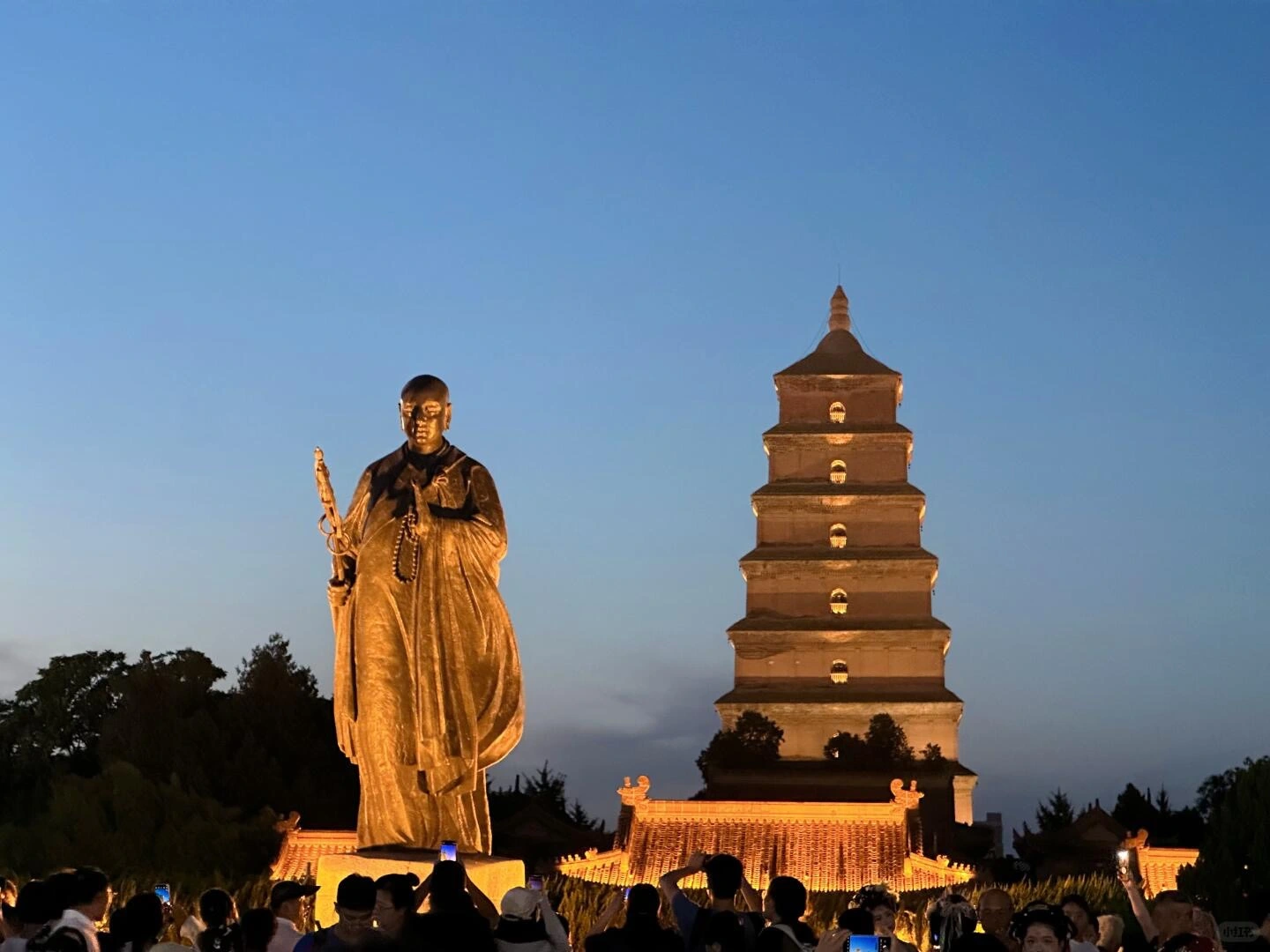
If Beijing shows imperial power, Xi’an shows ancient roots.
Home to the Terracotta Army and the starting point of the Silk Road, Xi’an feels grounded, historical, and deeply layered. The ancient city wall and Muslim Quarter add texture beyond the famous warriors.
Who will love it:
Culture travelers, history enthusiasts, and anyone building a classic first-time China itinerary.
Who might skip it:
Visitors on ultra-short trips focused only on megacities.
Spend 3–4 days to fully experience both the Terracotta Army and the city itself.
👉 See the complete Xi’an travel guide.
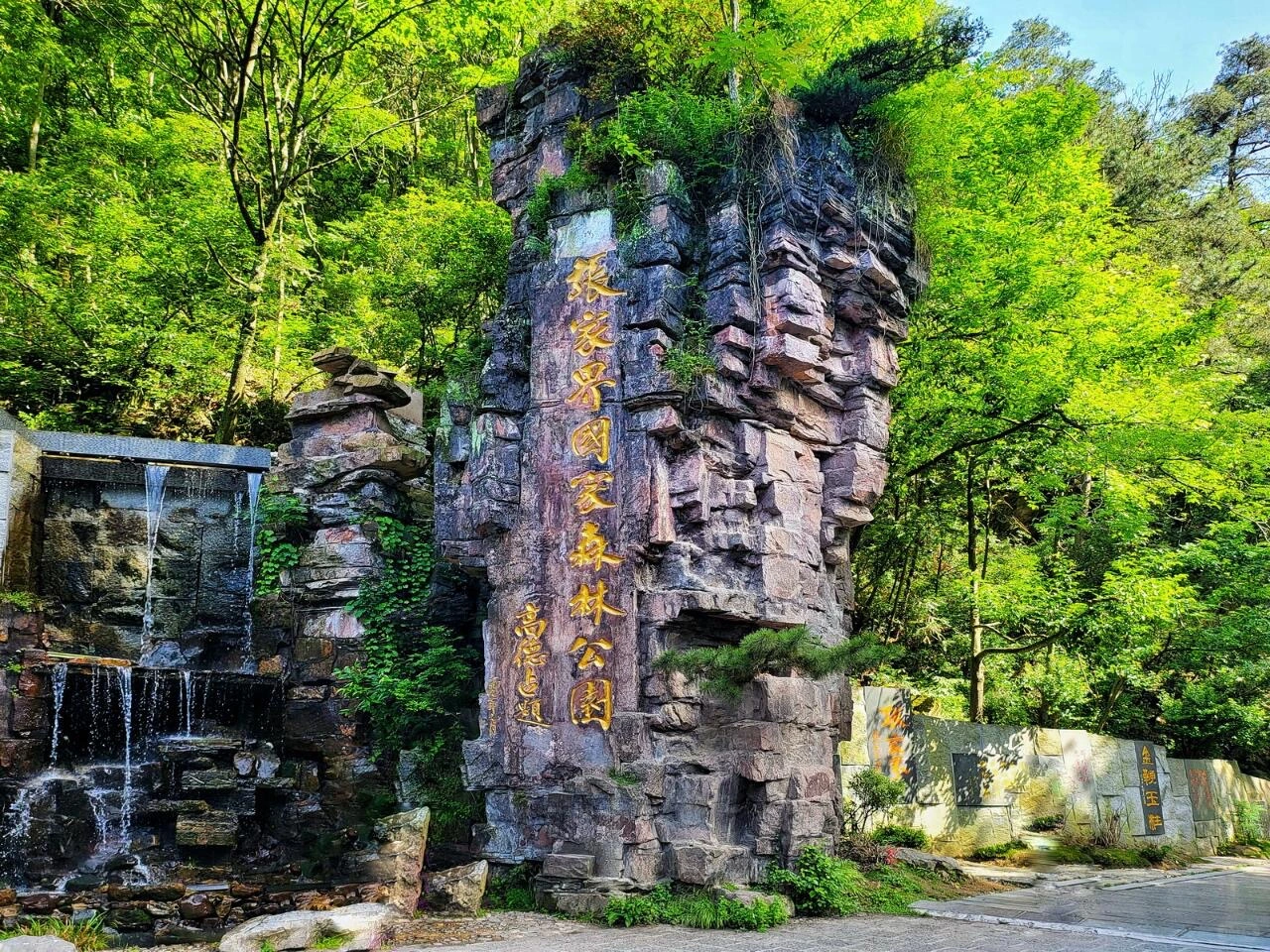
If you’ve seen the floating mountains in Avatar, you’ve already seen Zhangjiajie.
This is one of China’s most visually surreal destinations — towering sandstone pillars, glass walkways, mist-covered peaks, and Tianmen Cave carved into a mountain wall. It feels cinematic and otherworldly.
Who will love it:
Nature lovers, photographers, hikers, and travelers who want landscapes that feel truly different from Europe or North America.
Who might skip it:
Visitors who dislike stairs, long walking days, or mountainous terrain.
Plan 3–4 days, combining Zhangjiajie National Forest Park and Tianmen Mountain.
👉 Read the full Zhangjiajie guide.

Chengdu moves at its own pace.
Home of the giant panda and Sichuan cuisine, this city blends teahouse culture, bold flavors, and a relaxed lifestyle that contrasts sharply with Beijing or Shanghai. It’s also the gateway to western China and Tibetan regions.
Who will love it:
Food-focused travelers, culture seekers, panda lovers, and anyone curious about regional China beyond the east coast.
Who might skip it:
Travelers only interested in imperial landmarks or ultra-modern skylines.
Spend 3–4 days in the city, or longer if combining with nearby mountains or Jiuzhaigou.
👉 Explore our Chengdu travel guide.
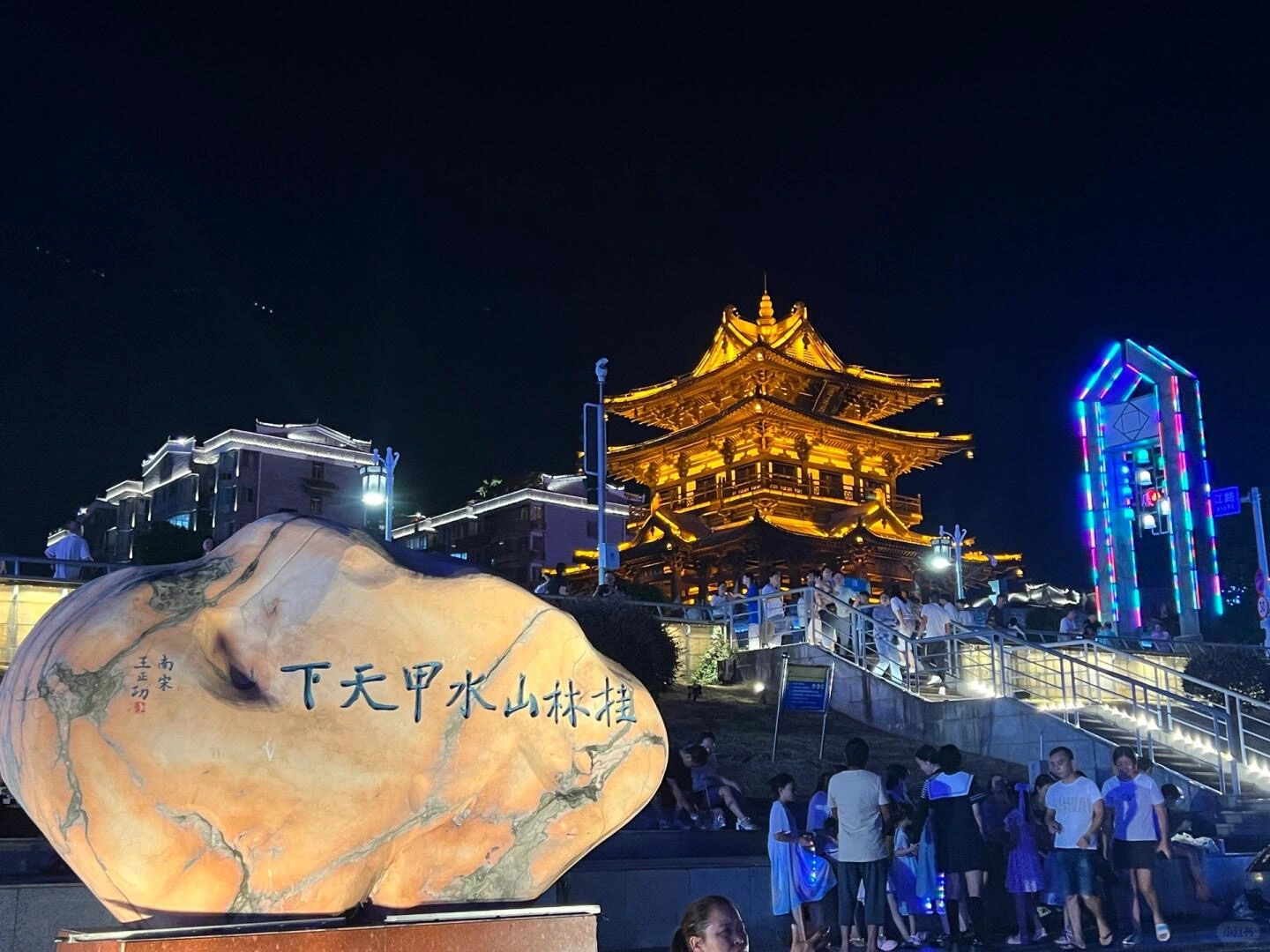
If you imagine traditional Chinese landscape paintings, this is what they look like.
Karst peaks rise dramatically from rivers and rice fields, especially along the Li River between Guilin and Yangshuo. Bamboo rafting, cycling through rural villages, and misty mornings create a slower, scenic rhythm.
Who will love it:
Outdoor travelers, couples, photographers, and anyone wanting a softer, rural side of China.
Who might skip it:
Urban explorers who prefer big cities and nightlife.
Allow 4–5 days to split time between Guilin and Yangshuo without rushing.
👉 See the complete Guilin & Yangshuo guide.

Hangzhou feels refined, balanced, and quietly beautiful.
Centered around West Lake, the city blends classical gardens, tea culture, and soft Jiangnan scenery. It’s less overwhelming than Beijing or Shanghai and offers a slower, more aesthetic rhythm.
Who will love it:
Couples, culture-focused travelers, photographers, and anyone drawn to traditional Chinese landscape beauty.
Who might skip it:
Visitors looking for extreme landscapes or fast-paced nightlife.
2–3 days is ideal, especially when paired with Shanghai by high-speed rail.
👉 Read the full Hangzhou travel guide.

Hong Kong feels different from mainland China — and that contrast is part of its appeal.
From Victoria Harbour’s skyline to colonial streets, hiking trails, and Michelin-starred dining, Hong Kong offers density, energy, and global polish in a compact space.
Who will love it:
Urban explorers, food enthusiasts, skyline photographers, and first-time Asia travelers wanting something accessible.
Who might skip it:
Travelers seeking ancient imperial heritage or rural scenery.
3–4 days works well, especially if combining with Guangzhou or Shenzhen.
👉 Explore our Hong Kong guide.

If you want diversity — landscapes, ethnic cultures, highland lakes, snow peaks — Yunnan delivers.
This southwestern province feels more relaxed and less urbanized than eastern China. From Dali’s lake views to Lijiang’s old town and Shangri-La’s Tibetan plateau atmosphere, the region offers layered cultural depth.
Who will love it:
Slow travelers, hikers, photographers, and anyone curious about China beyond megacities.
Who might skip it:
Travelers with very limited time who prefer iconic “must-see” landmarks.
Plan at least 5–7 days to explore the region properly.

Chongqing feels like a city built in three dimensions.
Skyscrapers rise from steep hills, light rail trains pass through apartment buildings, and neon-lit riverbanks glow at night. Add fiery hotpot and dense urban energy, and you get one of China’s most visually striking cities.
Who will love it:
Urban explorers, night photography fans, food travelers, and anyone curious about western China’s personality.
Who might skip it:
Visitors looking for calm scenery or traditional imperial heritage.
3–4 days is ideal, especially when paired with Chengdu.
👉 Read the full Chongqing guide.
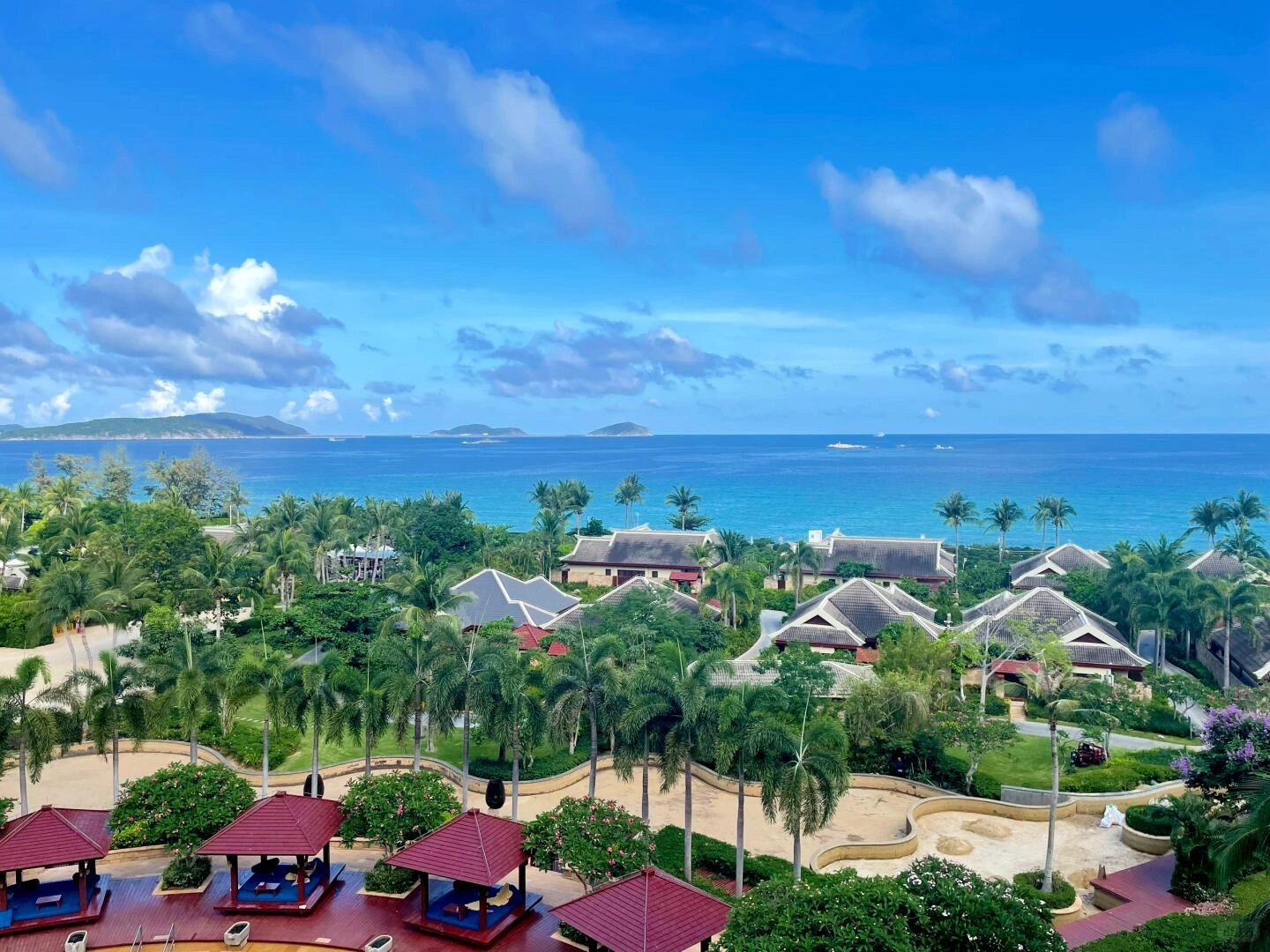
If you’re looking for beaches, Sanya delivers.
Located on Hainan Island, Sanya offers warm weather year-round, soft sand beaches, diving spots, and resort-style relaxation. It’s where many Chinese travelers go for winter sunshine.
Who will love it:
Beach lovers, couples, families, and winter travelers escaping colder climates.
Who might skip it:
Those seeking deep historical landmarks or cultural immersion.
Plan 4–5 days for a relaxed pace across different bays.

Suzhou represents refined, classical China.
Elegant scholar gardens, stone bridges over canals, and centuries-old water towns make it one of the most graceful destinations in eastern China. It’s quieter than Shanghai but culturally rich.
Who will love it:
Architecture lovers, cultural travelers, couples, and anyone fascinated by traditional aesthetics.
Who might skip it:
Travelers who prefer dramatic landscapes or mega-city energy.
2–3 days works well, especially as a side trip from Shanghai.
👉 See our Suzhou travel guide.
If you’re still deciding, use your travel style as a shortcut. Different regions of China offer very different experiences.
History & Imperial Landmarks → Beijing, Xi’an, Nanjing
Dramatic Natural Scenery → Zhangjiajie, Guilin, Yunnan
Food-Focused Travel → Chengdu, Guangzhou, Chongqing
Modern City Energy → Shanghai, Hong Kong, Shenzhen
Quieter, Less Crowded Regions → Gansu, Guizhou, Western Sichuan
Instead of trying to combine everything, most first-time visitors get a better experience by choosing one core theme and building their trip around two or three compatible destinations.
For a deeper breakdown of planning by interest, see our China Travel by Theme guide.

If you prefer ready-made combinations instead of choosing city by city, these routes work well geographically and are easy to connect by high-speed rail or short flights.
7 Days — The First-Time Classic
Beijing → Xi’an → Shanghai
A balanced introduction to imperial history, ancient roots, and modern China, all efficiently connected.
10 Days — Culture + Scenery
Beijing → Xi’an → Zhangjiajie → Shanghai
Adds dramatic mountain landscapes to the classic first-time route without major backtracking.
2 Weeks — Classic Extended Route
Beijing → Xi’an → Chengdu → Guilin/Yangshuo → Shanghai
Combines heritage, regional cuisine, and river scenery in a logical north-to-south flow.
If you’re deciding how long to spend in China and how to pace each stop, see our detailed guide on planning trip duration.


A warm, steady 2026 forecast for people born in 1946, focusing on stability, family harmony, health care, and practical guidance for a peaceful year.

Find what to eat in Changsha, from spicy Hunan dishes and rice noodles to street snacks, night food, prices, and ordering tips.
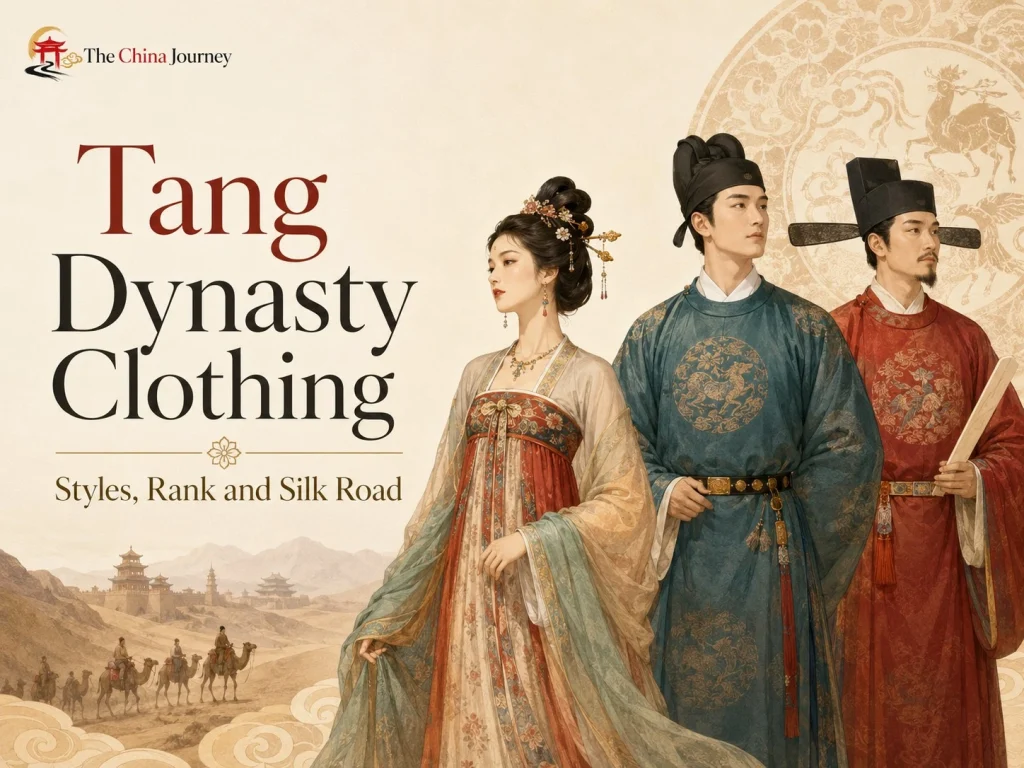
Explore Tang Dynasty clothing for women and men, official rank colors, silk fabrics, Silk Road influence, and how modern Hanfu differs.
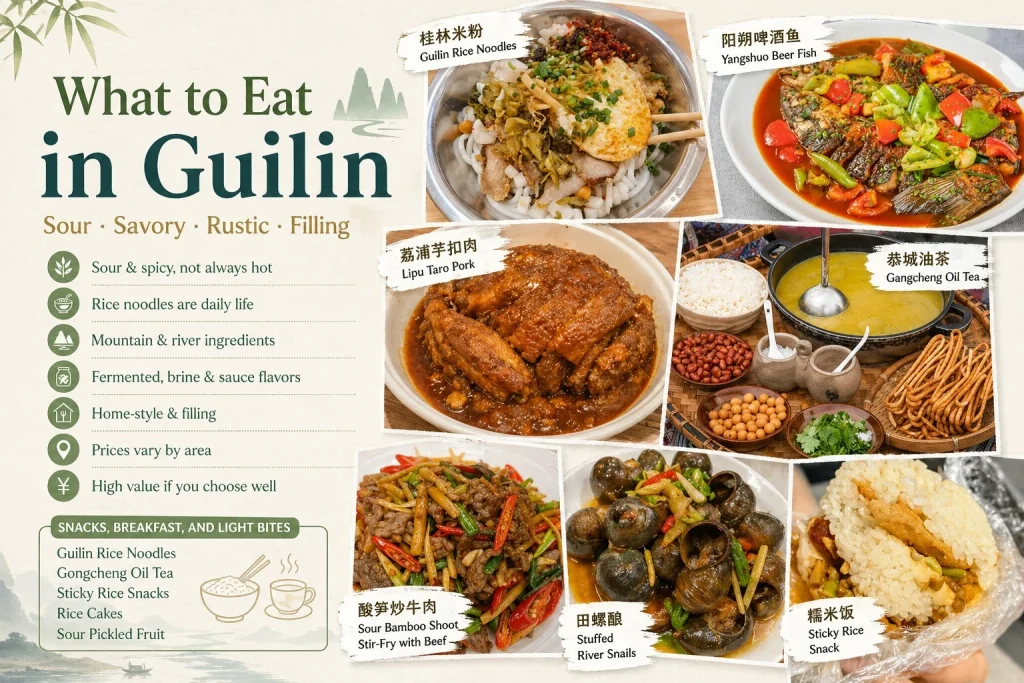
Discover what to eat in Guilin, from rice noodles and beer fish to oil tea, local snacks, prices, areas, and ordering tips.

A clear and structured 2026 forecast for people born in 2009, highlighting academic luck, personal growth, relationships, health, and key strategies for steady progress.

Yes, Macau is part of China. It is a Special Administrative Region under the “one country, two systems” framework, with sovereignty belonging to China since 1999.


