

Beijing has four clear seasons, and timing changes the whole travel experience. Use this table for a quick comparison before choosing a month or season.
| Season / Months | Weather Feel | Travel Experience | Best For | Watch Out For |
|---|---|---|---|---|
| Spring / Mar–May | Mild but changeable, with big day-night temperature gaps and possible wind or dust. | Flowers, city revival, and rising crowds. | Flower lovers, photography, value-conscious travelers, and families avoiding summer heat. | Early-spring sand or dust, plus May Day crowds. |
| Summer / Jun–Aug | Hot, humid, stormy, often above 30°C and sometimes 35°C+. | Summer vacation peak, crowded landmarks, and hard midday outdoor sightseeing. | Students, summer-only travelers, and people who can plan early or late days. | Heat, rain, fatigue, and crowded Forbidden City or Great Wall visits. |
| Autumn / Sep–Nov | Clear, cool, and dry, around 10–22°C overall. | Best overall season, with blue skies and autumn colors, except holiday pressure. | First-time visitors, photographers, and outdoor sightseeing. | October 1–7 crowds and fast cooling after late October. |
| Winter / Dec–Feb | Cold, dry, windy, with January usually the coldest month. | Quietest season, lower prices, and winter scenery. | Budget travelers, low-crowd travelers, and snow or winter photography. | Cold wind, Spring Festival price/crowd spikes, and weaker outdoor comfort. |
Each season in Beijing has a clear trade-off. The best choice depends on whether you care most about walking comfort, seasonal scenery, lower crowds, budget, or photography.

Spring in Beijing is short, lively, and scenic, but it is also unstable. The city wakes up after winter, flowers appear in parks and palace gardens, and outdoor walking becomes much easier. Still, March can be windy or dusty, and the day-night temperature gap can be large.
Summer is one of the hardest seasons for comfort in Beijing. July is especially hot, with daytime highs often above 30°C and extreme days reaching 35°C or more. Afternoon thunderstorms can also disrupt plans, and July–August overlaps with the summer vacation peak.
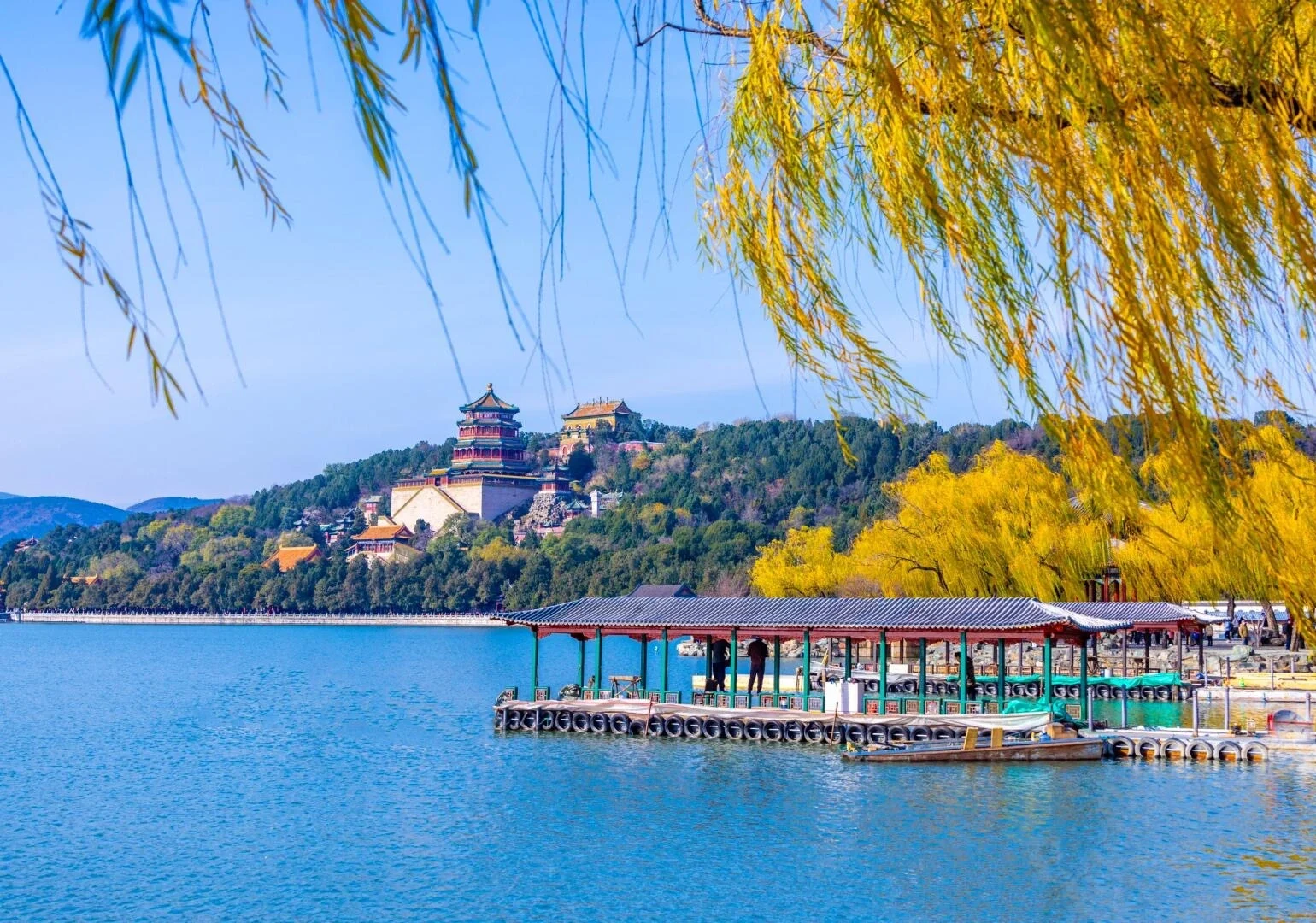
Autumn is the best overall season to visit Beijing. From late September to early November, the city often has clearer skies, drier air, and more comfortable temperatures. Around the best period, daytime weather can sit near 15–25°C, which is ideal for long walks, palace visits, and the Great Wall.

Winter is quiet and budget-friendly, but it is not a comfort-first season. Beijing is cold, dry, and windy, with January usually the coldest month. Plain-area average temperatures can fall around -4°C to -5°C, and wind can make outdoor sites feel harsher.
Month-by-month timing matters in Beijing because holiday pressure can change the experience more than the season itself. September and post-Golden-Week October are usually the strongest choices. April and November can also work well, while July and August are the most difficult for comfort.
| Month | Travel Rating | Weather / Crowd Feel | Best For | Main Concern |
|---|---|---|---|---|
| January | ★★☆☆☆ | Cold, dry, windy, very low crowds. | Budget trips, winter photography, quiet sightseeing. | Harsh cold and weaker outdoor comfort. |
| February | ★★☆☆☆ | Cold, with Spring Festival crowd and price swings. | Festival atmosphere, post-holiday quiet trips. | Spring Festival can raise prices and traffic pressure. |
| March | ★★★☆☆ | Early spring, unstable, sometimes windy or dusty. | Off-peak travelers and lower-budget trips. | Weather changes and limited spring scenery. |
| April | ★★★★☆ | Mild, blooming, busier but still manageable. | Flowers, photography, spring walking. | Qingming and rising booking pressure. |
| May | ★★★☆☆ | Warm and pleasant outside the holiday period. | Travelers who can avoid May Day. | May Day crowds and higher prices. |
| June | ★★☆☆☆ | Warmer, more humid, summer starting. | Flexible travelers before the full summer rush. | Heat and less comfortable outdoor walks. |
| July | ★☆☆☆☆ | Very hot, humid, rainy, crowded. | Summer-only travelers. | Heat, thunderstorms, and peak vacation crowds. |
| August | ★☆☆☆☆ | Hot, humid, storm-prone, still crowded. | Summer-only travelers. | Rain, heat fatigue, and heavy landmark crowds. |
| September | ★★★★★ | Cooling, clearer, after summer crowds ease. | First-time visitors and outdoor sightseeing. | Late-month holiday buildup. |
| October | ★★★★☆ outside Golden Week / ★☆☆☆☆ during Golden Week | Excellent after Golden Week, extremely crowded during Oct 1–7. | Autumn scenery and first-time trips. | Golden Week crowds, prices, and ticket pressure. |
| November | ★★★★☆ | Cool, calmer, late autumn scenery early in the month. | Lower crowds, photography, better value. | Late month turns colder. |
| December | ★★★☆☆ | Cold, dry, quiet, lower cost. | Budget travelers and low-crowd trips. | Wind, cold, and reduced outdoor comfort. |
The best month also depends on travel style. Use this table to match timing with your real priority instead of choosing only by season name.
| Travel Style | Best Time | Why It Works | Watch Out For |
|---|---|---|---|
| First-time visitors | Late September to mid-October, avoiding Golden Week; or late April / early May excluding May Day. | Comfortable weather supports Forbidden City, Great Wall, and long outdoor days. | Book key sights early and avoid major holidays. |
| Families with children | May after May Day, or September before Golden Week. | Milder weather reduces heat and cold stress for children. | Avoid July–August crowds and midday heat. |
| Older travelers | April–May and September–October. | Temperatures are gentler and outdoor walking feels easier. | Keep the route slower and avoid major holiday crowds. |
| Photography travelers | Late October–early November, April, or snowy winter days. | Autumn color, spring flowers, and snow can make classic sites more dramatic. | Peak scenery windows are short and weather-dependent. |
| Budget travelers | November–March, excluding Spring Festival. | Hotels, flights, and some tickets are usually cheaper. | Winter cold can reduce outdoor comfort. |
| Low-crowd travelers | December–February excluding Spring Festival, plus March and November. | Major sights are calmer than peak months. | Weather may feel cold, windy, or visually plain. |
| Great Wall-focused travelers | April–May and September–October. | Cooler weather and better visibility help hiking and photography. | Avoid Golden Week, May Day, and summer midday heat. |
| Museum / culture-focused travelers | All year, especially winter or rainy/hot summer days. | Indoor culture works well when outdoor comfort is weaker. | Check Monday closures and reservation rules. |
| Flexible repeat visitors | Any non-holiday period based on special interest. | Repeat travelers can target hutongs, exhibitions, seasonal scenes, or quieter neighborhoods. | Avoid choosing only by scenery if crowds or weather will hurt the trip. |
The Great Wall is more weather-sensitive than most city sights in Beijing. Bad timing can mean harsh sun, strong wind, poor visibility, sudden rain, or heavy holiday crowds. Spring and autumn are the safest choices because they give the best balance of comfort, scenery, and physical energy.
The worst time to visit Beijing does not mean you cannot travel then. It means the trip is harder because of weather, crowds, prices, booking pressure, or weaker walking comfort. If your dates are fixed, the answer is not to cancel automatically. It is to book earlier, keep each day lighter, and lower expectations.
Choosing when to visit Beijing is about balance. Do not choose by weather alone, and do not choose by scenery alone. First decide what matters most: comfort, seasonal views, lower crowds, lower cost, or a specific experience such as the Great Wall, museums, or autumn photography.


Choose the best area to stay in Yangzhou for old-town sights, Slender West Lake, city comfort, and rail stopovers with practical hotel picks.

Find the best area to stay in Dali for first-time trips, Erhai views, old-town walks, sea-view stays, and practical rail stopovers.

Find the best area to stay in Sanya for first-time trips, beach holidays, family resorts, food convenience, and airport or rail stopovers.

Plan your first Inner Mongolia trip with the best routes, seasons, grassland and desert choices, travel tips, and itinerary ideas.

Explore China’s top 10 stunning waterfalls—from hidden Tibetan gorges to cross-border cascades. A guide to epic landscapes and seasonal travel tips.

Shaanxi, home to ancient dynasties like Qin and Tang, is a key region for China’s Belt and Road Initiative. It represents rich cultural heritage and historical significance.


