
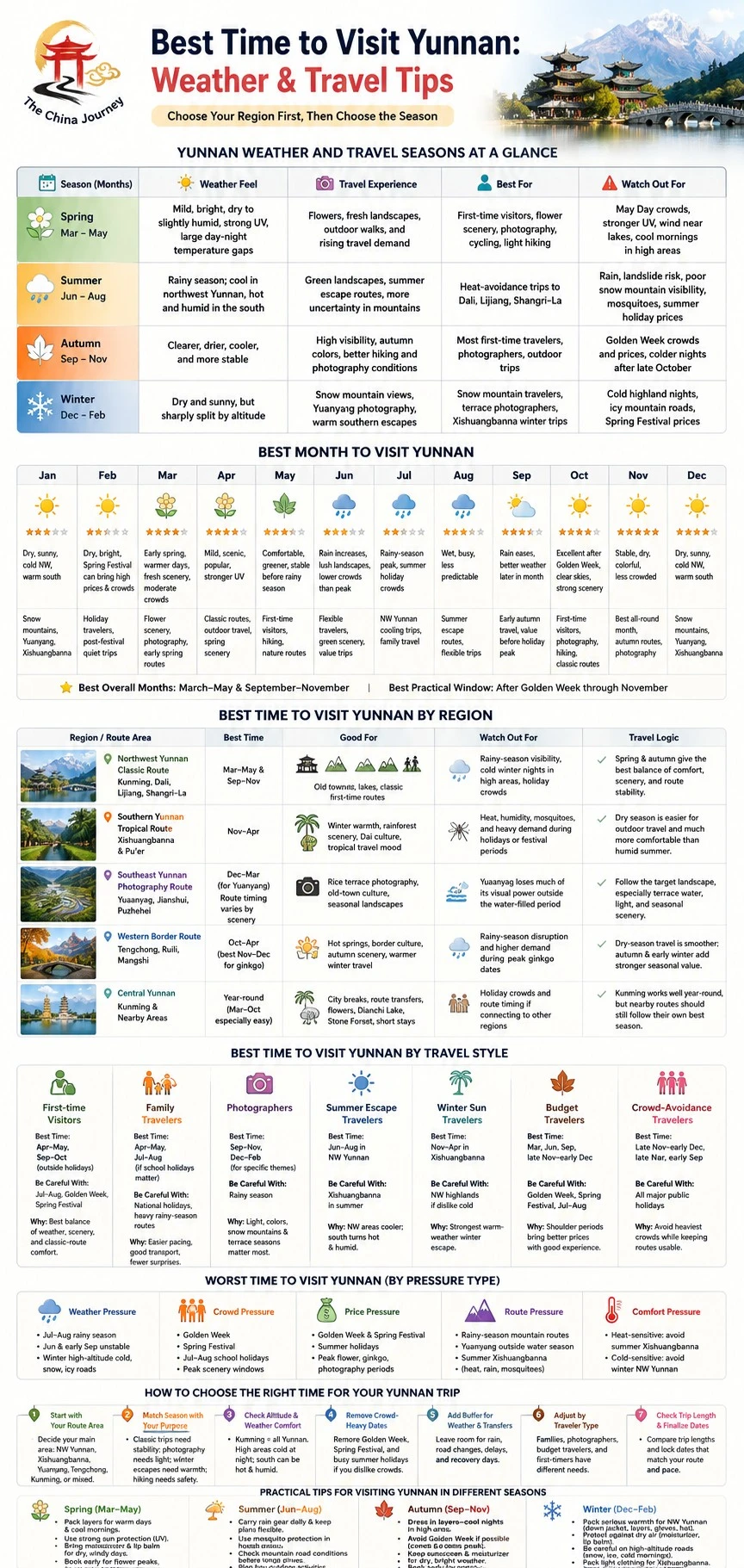
Yunnan’s weather depends on both season and altitude. Use this table as a first filter before matching dates with your route.
| Season / Months | Weather Feel | Travel Experience | Best For | Watch Out For |
|---|---|---|---|---|
| Spring / Mar–May | Mild, bright, dry to slightly humid, with strong UV and large day-night temperature gaps | Flowers, fresh landscapes, outdoor walks, and rising travel demand | First-time visitors, flower scenery, photography, cycling, light hiking | May Day crowds, stronger UV, wind near lakes, cool mornings in high areas |
| Summer / Jun–Aug | Rainy season; cool in northwest Yunnan, hot and humid in the south | Green landscapes, summer escape routes, more uncertainty in mountains | Heat-avoidance trips to Dali, Lijiang, and Shangri-La | Rain, landslide risk, poor snow mountain visibility, mosquitoes, summer holiday prices |
| Autumn / Sep–Nov | Clearer, drier, cooler, and more stable | High visibility, autumn colors, better hiking and photography conditions | Most first-time travelers, photographers, outdoor trips | Golden Week crowds and prices, colder nights after late October |
| Winter / Dec–Feb | Dry and sunny, but sharply split by altitude | Snow mountain views, Yuanyang photography, warm southern escapes | Snow mountain travelers, terrace photographers, Xishuangbanna winter trips | Cold highland nights, icy mountain roads, Spring Festival prices |
Use the table as a guide, not a final answer. Your exact route still decides the best timing.
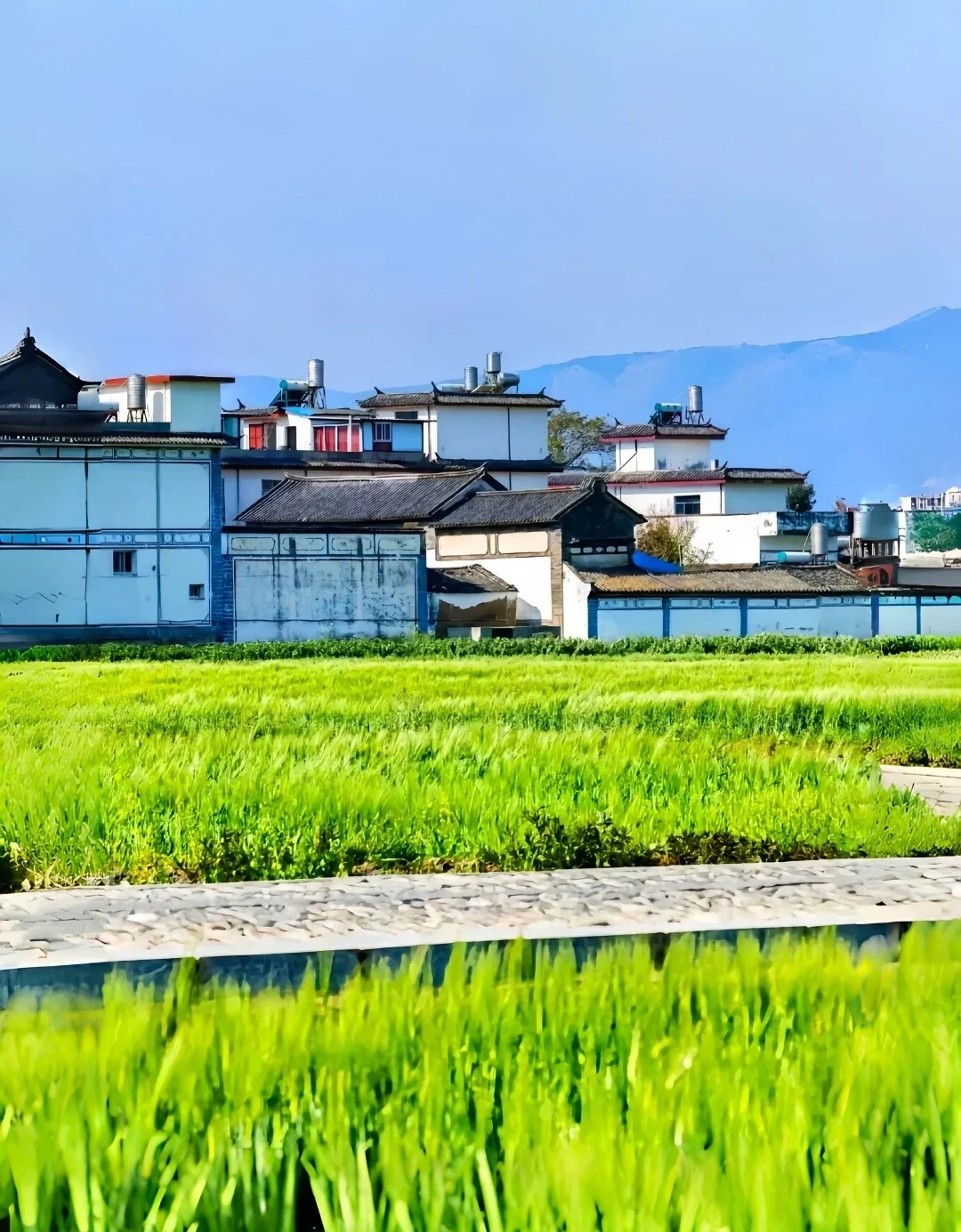
Spring is one of Yunnan’s strongest seasons for scenery, mild weather, and outdoor travel. The only real caution is timing: flower peaks and May Day can raise crowds and prices quickly.
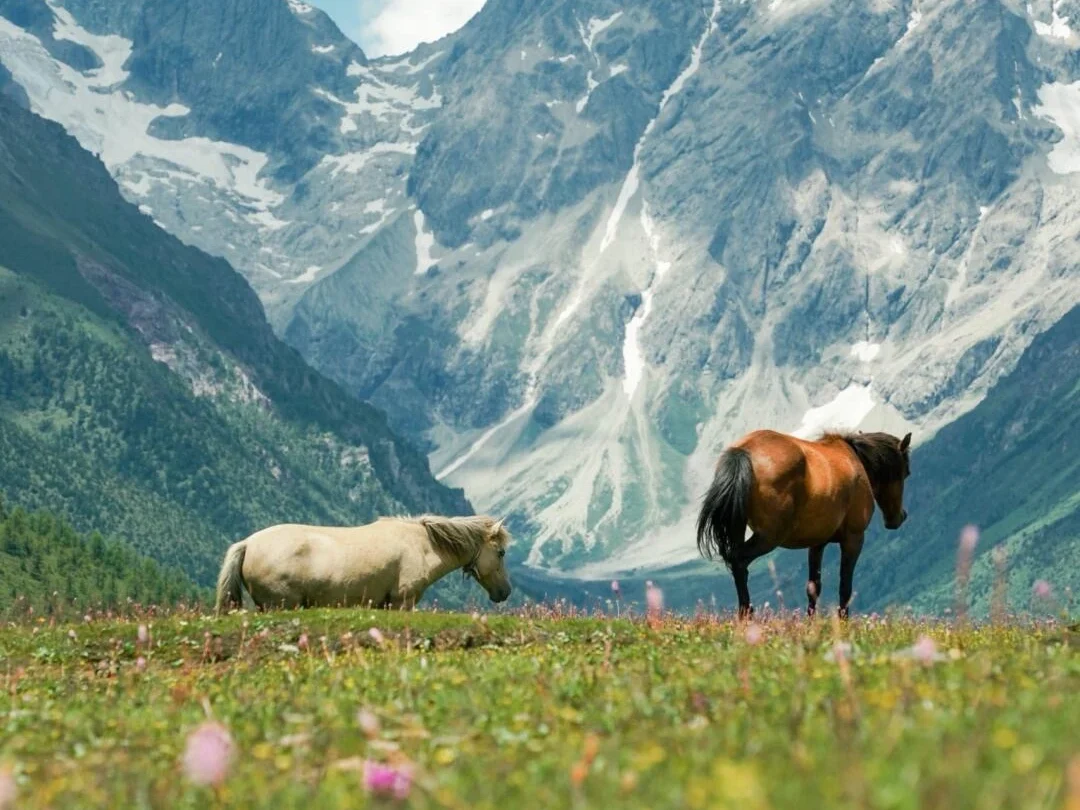
Summer works best as a flexible northwest Yunnan escape. Dali, Lijiang, and Shangri-La can feel cooler than much of China, but rain can weaken mountain views, hiking plans, and road reliability.

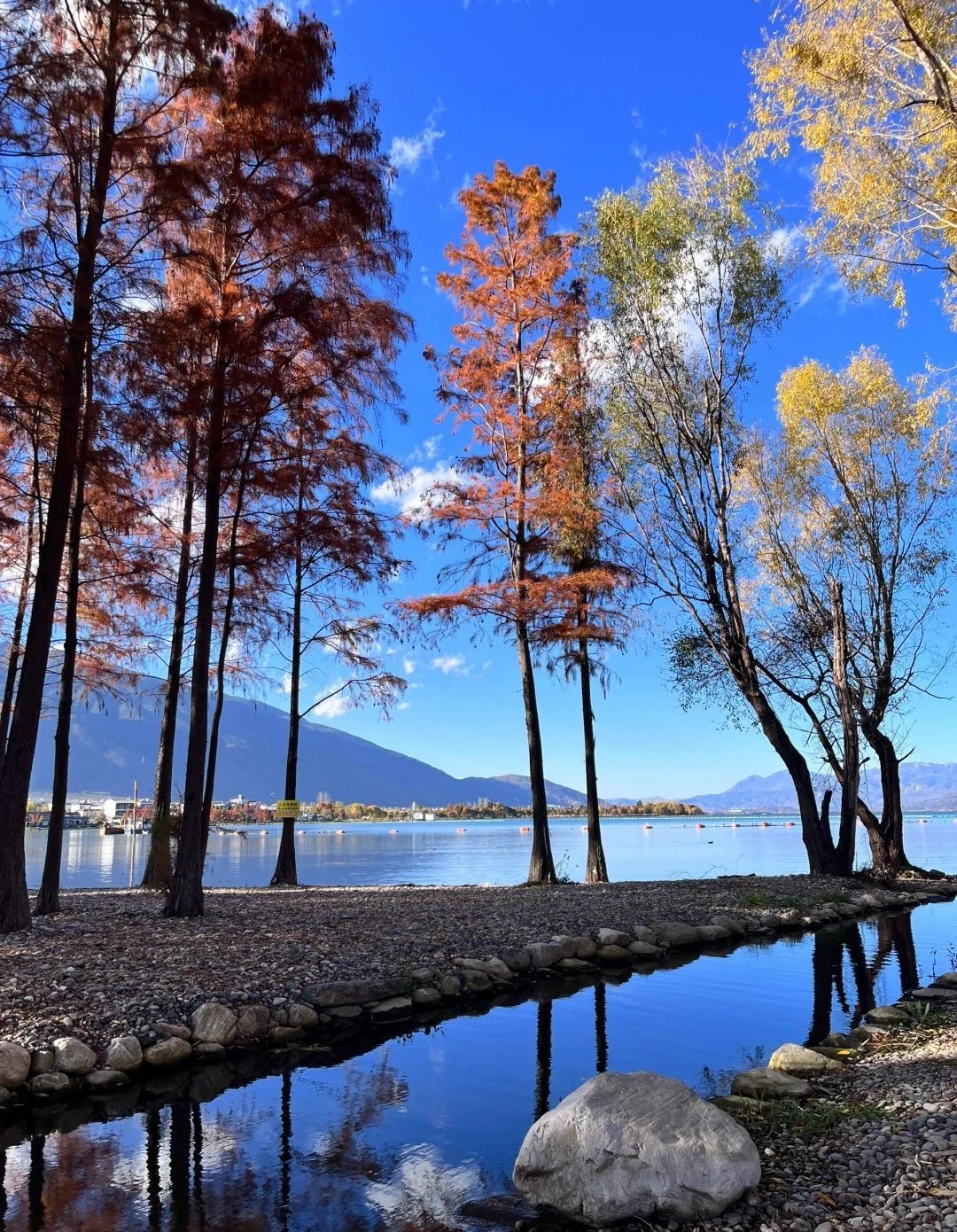
Autumn is Yunnan’s most reliable travel season. After the rainy season, visibility improves and long transfers, hiking, walking, and photography become easier.
Winter is not the easiest all-purpose season, but it is excellent for clear-theme trips: snow mountains, terrace photography, quiet travel, or warm southern Yunnan.
Use this month-by-month guide for quick screening, then match the timing with your exact route and altitude range.
| Month | Travel Rating | Weather / Crowd Feel | Best For | Main Concern |
|---|---|---|---|---|
| January | ★★★★☆ | Dry, sunny, cold in northwest Yunnan, warm in the south, quieter before Spring Festival | Snow mountain views, Yuanyang photography, Xishuangbanna winter trips | Cold nights in highland areas |
| February | ★★★☆☆ | Dry and bright, but Spring Festival can bring high prices and crowds | Holiday travelers, post-festival quiet trips | Spring Festival pressure |
| March | ★★★★★ | Early spring, warmer days, fresh scenery, moderate crowds | Flower scenery, photography, early spring routes | Cool mornings in higher areas |
| April | ★★★★☆ | Mild, scenic, and popular, with stronger UV | Classic Yunnan routes, outdoor travel, spring scenery | Rising crowds before May Day |
| May | ★★★★☆ | Comfortable, greener, and still fairly stable before deeper rainy season | First-time visitors, hiking, nature routes | Late-month showers and May Day prices |
| June | ★★★☆☆ | Rain increases, landscapes turn lush, crowds are lower than summer peak | Flexible travelers, green scenery, shoulder-season value | Weather becomes less reliable |
| July | ★★☆☆☆ | Rainy-season peak and summer holiday crowds | Northwest Yunnan cooling trips, family travel | Rain, crowds, road uncertainty |
| August | ★★☆☆☆ | Similar to July: wet, busy, and less predictable | Summer escape routes and flexible trips | Mountain weather and visibility |
| September | ★★★★☆ | Rain eases gradually, with better weather later in the month | Early autumn travel, value before holiday peak | Unstable weather in early September |
| October | ★★★★★ | Excellent after Golden Week, with clear skies and strong scenery | First-time visitors, photography, hiking, classic routes | Avoid October 1–7 |
| November | ★★★★★ | Stable, dry, colorful, and less crowded | Best practical all-round month, autumn routes, photography | Colder nights in high areas |
| December | ★★★★☆ | Dry season, sunny days, cold northwest, warm south | Snow mountains, Yuanyang terraces, Xishuangbanna warmth | Cold highlands and early holiday spikes |
Overall, March–May and September–November are the strongest months for most Yunnan trips. The best practical window is after Golden Week through November. July and August work for cooling off in northwest Yunnan, but weather reliability is weaker. Winter is best for clear themes: snow mountains, Yuanyang Rice Terraces, or Xishuangbanna warmth.
Yunnan cannot be planned with one best month for the whole province. Choose the route area first, then the season. A good month for the northwest route may be too hot for Xishuangbanna or wrong for Yuanyang’s terrace scenery.
| Region / Route Area | Best Time | Good For | Watch Out For | Travel Logic |
|---|---|---|---|---|
| Northwest Yunnan Classic Route: Kunming, Dali, Lijiang, Shangri-La | March–May and September–November | Old towns, lakes, snow mountain views, hiking, classic first-time routes | Rainy-season visibility, cold winter nights in high areas, holiday crowds | Spring and autumn give the best balance of comfort, scenery, and route stability. |
| Southern Yunnan Tropical Route: Xishuangbanna and Pu’er | November–April | Winter warmth, rainforest scenery, Dai culture, tropical travel mood | Heat, humidity, mosquitoes, and heavy demand during holidays or festival periods | The dry season is easier for outdoor travel and much more comfortable than humid summer. |
| Southeast Yunnan Photography Route: Yuanyang, Jianshui, Puzhehei | December–March for Yuanyang; route timing varies by scenery | Rice terrace photography, old-town culture, seasonal landscapes | Yuanyang loses much of its visual power outside the water-filled period | This route should follow the target landscape, especially terrace water, light, and seasonal scenery. |
| Western Border Route: Tengchong, Ruili, Mangshi | October–April, especially late November to December for ginkgo | Hot springs, border culture, autumn scenery, warmer winter travel | Rainy-season disruption and higher demand during peak ginkgo dates | Dry-season travel is smoother, while autumn and early winter add stronger seasonal value. |
| Central Yunnan: Kunming and Nearby Areas | Flexible year-round, with March–October especially easy | City breaks, route transfers, flowers, Dianchi Lake, Stone Forest, short stays | Holiday crowds and route timing if connecting to other regions | Kunming works well as a year-round base, but nearby routes should still follow their own best season. |
For the classic northwest route, the Dali Travel Guide and Lijiang Travel Guide can help you divide your time between key stops. If your route goes higher into the plateau, read the Shangri-La Travel Guide before choosing winter or rainy-season dates. For southern Yunnan, use the Xishuangbanna Travel Guide to check whether the dry season fits your trip style.
| Travel Style | Best Time | Also Works | Be Careful With | Why |
|---|---|---|---|---|
| First-time visitors | April–May, September–October outside major holidays | March, November | July–August, Golden Week, Spring Festival | These months give the best balance of weather, scenery, and classic-route comfort. |
| Family travelers | April–May, July–August if school holidays matter | October after Golden Week, November | National holidays, heavy rainy-season routes | Families need easier pacing, good transport, and fewer weather surprises. |
| Photographers | September–November, December–February for specific themes | March–April | Rainy season | Clearer light, autumn colors, snow mountains, and terrace seasons matter more than general comfort. |
| Summer escape travelers | June–August in northwest Yunnan | May, September | Xishuangbanna in summer | Dali, Lijiang, and Shangri-La can feel cooler, while southern Yunnan turns hot and humid. |
| Winter sun travelers | November–April in Xishuangbanna | Winter Kunming, Yuanyang | Northwest highlands if you dislike cold | Southern Yunnan gives the strongest warm-weather winter escape. |
| Slow travelers | March–May, September–November | Early March, late November | Major holidays and summer peak | Mild weather and lower crowd pressure make longer stays easier. |
| Plateau nature and hiking travelers | April–May, September–November | Winter for snow mountain viewing | June–September rainy season | Stable weather and better visibility matter for highland routes. |
| Festival and culture travelers | Festival-specific dates | Spring and autumn cultural routes | Festival crowds and hotel pressure | The right time depends on the event, not the general best season. |
| Budget travelers | March, June, September, late November–early December | January before Spring Festival | Golden Week, Spring Festival, July–August | Shoulder periods usually bring better prices without fully sacrificing the experience. |
| Crowd-avoidance travelers | Late November–early December, early March, early September | January outside holidays | All major public holidays | These windows avoid the heaviest tourist flow while keeping the route usable. |
No month makes Yunnan impossible. The real problem is experience cost: some dates bring higher prices, heavier crowds, weaker views, or less reliable transport.
Start with your route area.
Decide whether your route is northwest Yunnan, Xishuangbanna, Yuanyang, Tengchong, Kunming, or a mixed route. Do not choose a month first and force destinations into it.
Match the season with your main purpose.
Classic first trips need comfort and stability. Photography trips need light and seasonal scenery. Winter escapes need warmth. Hiking trips need safer weather and better visibility.
Check altitude and weather comfort.
Kunming’s temperature does not represent all of Yunnan. High areas can be cold at night, while southern Yunnan can be hot and humid.
Remove crowd-heavy dates if needed.
If you dislike crowds, queues, high prices, and tight transport, remove Golden Week, Spring Festival, and the busiest summer holiday dates first.
Add buffer for weather and transfers.
Rainy-season mountain routes, winter highland roads, and multi-city transfers need breathing room for road changes, delays, or lighter recovery days.
Adjust by traveler type.
Families need slower days. Photographers may accept cold mornings for better light. Budget travelers should use shoulder periods. First-time visitors should choose balance over dramatic scenery.
If you are still unsure how long your route should be, compare trip lengths in How Many Days in Yunnan before locking your dates.


Wondering how many days in Chongqing you need? Compare 1–7 day trip lengths, city routes, side trips, travel styles, and planning trade-offs.

Explore Qingdao, a coastal gem blending European-style architecture, sandy beaches, vibrant nightlife, and iconic landmarks like May Fourth Square.
Find the best area to stay in Dunhuang for first-time trips, desert views, city convenience, unique camps, and practical transit stopovers.

Beijing is famous for Peking duck, zhajiangmian, and a variety of traditional street snacks that blend imperial refinement with local flavors.

Discover Tianjin with our complete travel guide—top attractions, local food, transport tips, and hidden gems just 30 minutes from Beijing.

Choose the best area to stay in Harbin with practical hotel picks, real traveler logic, and clear advice for first-time visitors, winter trips, and stopovers.


