Written by
Anthony
Cantonese cuisine, also known as Yue cuisine, is one of China’s Eight Great Cuisines.
It includes several regional styles, such as Chaozhou, Guangzhou, and Hakka dishes.
Known for its delicate flavors, fresh ingredients, and precise cooking techniques, Cantonese food emphasizes balance in color, aroma, and taste.
Signature dishes include dim sum, roast duck, and clay pot rice, reflecting its rich culinary heritage.
Cantonese cuisine is renowned for its diverse and seasonal ingredients, ensuring every dish is fresh and flavorful.
Emphasizing the natural taste of ingredients, it uses light seasonings like ginger and scallions, avoiding heavy or spicy flavors.
With famous dishes like white-cut chicken, Cantonese cuisine is both refined and aligned with modern nutritional values.
Cantonese cuisine boasts over 21 cooking methods, with steaming, stir-frying, braising, and stewing being particularly popular.
Known for its focus on freshness and “wok hei,” dishes emphasize a balance of color, aroma, and taste.
The flavors vary by season, with lighter dishes in summer and richer flavors in winter, showcasing a delicate yet flavorful experience.

Rich in flavor and diverse in cooking methods, it emphasizes freshness and the essence of ingredients.

Highlights seafood with a combination of flavors from Cantonese, Teochew, and Hakka traditions.

Focuses on seafood, emphasizing freshness and delicate seasoning, often paired with flavorful dipping sauces.

Known for salt-baked chicken and braised pork, it uses traditional methods like baking and stewing to enhance flavors.

Celebrates simplicity and natural flavors, often highlighting fresh, local produce and seafood.

Famous for its emphasis on the natural taste of ingredients, especially fresh seafood, using minimal seasoning.

Known for its distinct seafood flavors, it offers unique coastal cooking techniques using fresh ingredients.

A well-roasted goose with crispy skin and juicy, flavorful meat, perfect for sharing.

Crispy, golden skin with tender meat underneath, roast suckling pig is a celebration dish.

Crisp on the outside, juicy inside, braised squab delivers a rich and savory flavor.

Poached chicken with tender, juicy meat, traditionally served with a ginger dipping sauce.

A hearty dish combining peanuts, rice crackers, and vegetables, creating a unique texture and flavor.

Lightly poached chicken, tender and juicy, paired with flavorful dipping sauces.

Soft and bouncy beef balls served in a light broth, rich in flavor and texture.

Fresh seafood marinated with herbs and spices, offering a burst of flavor with every bite.

The fragrant rice absorbs flavors from the meats, creating a rich and comforting dish.
Cantonese cuisine is known for its light, fresh, tender, smooth, aromatic, and crisp flavors. It emphasizes natural ingredients, delicate seasoning, and diverse cooking methods like stir-frying, steaming, and roasting.
Cantonese cuisine includes Guangfu cuisine (the representative style), Chaozhou cuisine, Dongjiang cuisine (Hakka cuisine), and Western Guangdong cuisine, each with unique local flavors and techniques.
Guangdong‘s rich natural resources and historical migration from Central China contributed to the fusion of Central Chinese and local flavors, forming a sophisticated and diverse culinary tradition.
Chaozhou cuisine excels in seafood preparation, emphasizing natural flavors with minimal seasoning. Its dishes are crafted with precision, offering a balance of health and taste, often recognized internationally.
Cantonese cuisine is the most internationally recognized Chinese cuisine, thanks to early migrants. Its emphasis on fresh ingredients and clear flavors resonates globally, with dim sum and dishes like roast duck being iconic.

In Chinese astrology, the Fire Rat corresponds to those born in the years of 1936, 1996, 2056, and so on. It belongs to the Fire element in the Five Elements system.
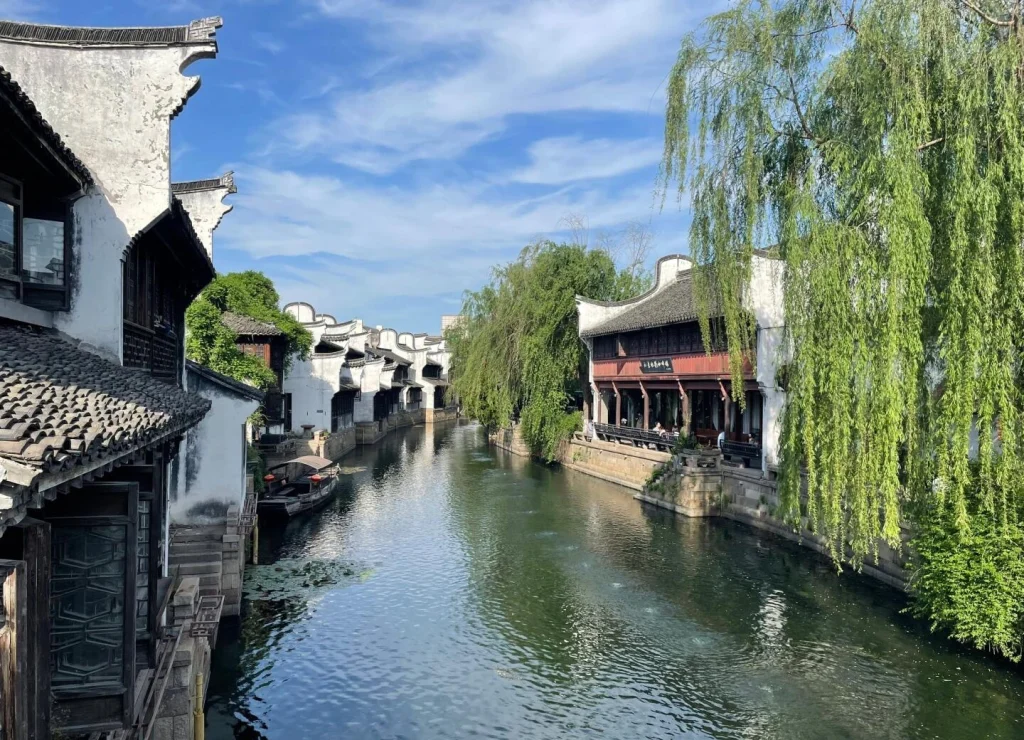
Find the best area to stay in Wuxi for first-time visits, city sightseeing, Taihu leisure stays, cultural walks, and practical rail stopovers.

Learn how to get to Yunnan by plane, train, bus, or car, choose the best arrival city, and plan smoother transfers across the province.
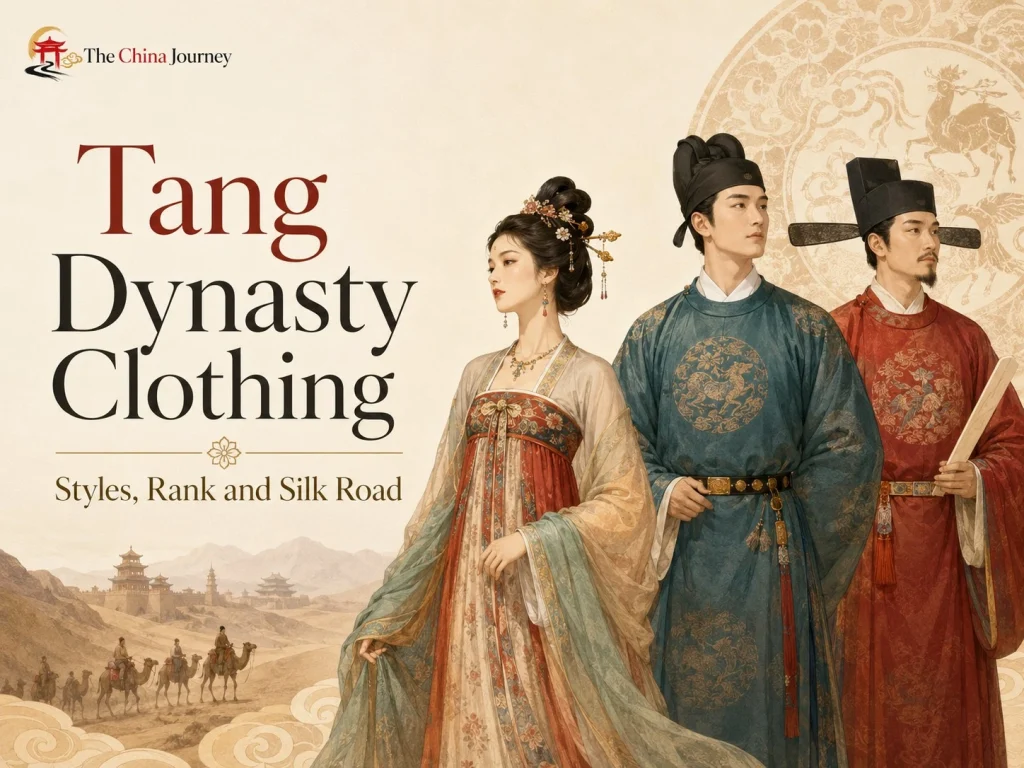
Explore Tang Dynasty clothing for women and men, official rank colors, silk fabrics, Silk Road influence, and how modern Hanfu differs.

Plan 3 days in Shanghai with a first-time itinerary, route logic, costs, hotel areas, night views, museums, and what to avoid.

Take Metro Line 10 or 14 to Yu Garden Station, exit 1 or 7, then walk 5 minutes. Direct routes available from airports and major transport hubs.
Share your travel ideas, and we’ll help you plan a smooth, personalized trip across China.
We’re looking for experienced, part-time local guides to serve international travelers.
Requirements:
• Fluent in at least one foreign language
• 3–5 years guiding international visitors
• Able to operate in multiple regions in China
• Competitive and reasonable pricing
• Proven customer reviews or testimonials
• Professional, reliable, and responsive
• Flexible availability for custom trips
Hi there!
Just a quick heads-up — a helpful user named Volker let me know that some of the non-English content on this site may not be accurate.
This site is a one-person project I run part-time. I research and publish all the content myself, and the translations are currently done by machine (Google Translate). Balancing accuracy and accessibility across multiple languages is a real challenge.
If you spot any errors, I recommend switching to the English version using the button at the bottom left. I’ll continue working to improve the translations over time.
I truly appreciate your understanding. And if you have any suggestions, feel free to leave a comment — it means a lot to me.
— Anthony 2025.6.18