

Changzhou is a prefecture-level city located in the southern part of Jiangsu Province, China.
It lies in the heart of the Yangtze River Delta, bordered by Wuxi to the east, Nanjing and Zhenjiang to the west, and Anhui Province to the south.
The city enjoys a subtropical humid monsoon climate with distinct seasons and abundant rainfall.
Covering an area of 437,200 hectares, Changzhou has a population of approximately 5.37 million as of the end of 2023.
The city’s history dates back to the Spring and Autumn Period, with more than 2,500 years of documented history.
It is known for being a cultural hub and an important center in the Yangtze River Delta.
Key industries include advanced manufacturing, new energy, and high-tech innovations.
Notable attractions in Changzhou include the China Spring and Autumn Yanling Tourism Area, Maoshan, and the China Dinosaur Park.

Changzhou’s tourism market saw a strong recovery in 2024, with total visitor arrivals reaching 119 million and tourism revenue surpassing 136.75 billion yuan.
The city’s tourism attractions include over 20 A-level scenic spots, with a mix of theme parks, ancient towns, and natural sites. Notable projects, like the Dinosaur Planet and Tianmu Lake Animal Kingdom, are being developed to strengthen its tourism offerings. The integration of cultural and tourism experiences is accelerating with the revival of historical landmarks like Daguan Tower.
Changzhou is also focusing on enhancing its night-time economy with activities like fireworks shows and concerts. With an increasing interest in eco-tourism, rural areas like Liyang are seeing significant growth, particularly with homestays and heritage experiences.
The city continues to innovate its public services, including free transportation for visitors and a one-stop booking platform, making it an ideal destination for all.

A prominent Buddhist temple built during the Tang Dynasty, known for its Great Hero Hall and towering Tianning Pagoda. It blends religious culture with architectural beauty, attracting countless visitors.

A resort destination centered around Taoist culture, offering immersive experiences with scenic mountain towns, salt lakes, and vibrant night-time light shows and folk performances.

A stunning ecological destination with sprawling bamboo forests in Liyang, featuring cable car rides, a panda pavilion, bamboo raft drifting, and hot spring wellness experiences.

A historical cultural street from the Ming and Qing dynasties, now a lively cultural and commercial hub, showcasing the city's heritage and vibrant local life through restored buildings.

A top-tier theme park focused on dinosaurs, combining education, thrilling rides, and interactive experiences for families, with attractions like the 4D roller coaster and dinosaur exhibits.

A landmark in Xinbei District, offering extensive collections that highlight Changzhou’s history, art, and natural specimens, alongside ongoing exhibitions on intangible cultural heritage and archaeology.

A sacred Taoist mountain known as the "First Blessed Land," famous for its Taoist culture, wellness retreats, Maoshan Taoist Temple, and scenic trails, attracting spiritual seekers and nature lovers.

A theme park showcasing Spring and Autumn period architecture and cultural performances, offering an immersive experience into ancient civilization with historical drama and fun attractions.

Located in the city center, this park is marked by its Red Plum Pavilion and Wenbi Tower, offering vibrant seasonal floral displays and serving as a hub for leisure and cultural activities.

Originally known as Lingxi Park, this beautifully restored classical garden is a model of Jiangnan landscape architecture, featuring scenic views and free access, set along the Grand Canal.

A national-level resort area known for its picturesque lake and mountain scenery, famous for ecological cuisine, boat tours, tea picking, hot springs, and the tranquil pace of rural life.

A cultural garden dedicated to the poet Su Shi, featuring historic sites like the Boat Pavilion and Imperial Stele Pavilion, celebrating the connection between Su Shi and Changzhou’s history.

Changzhou cuisine is a branch of Su-Xi cuisine, characterized by a balance of salty and fresh flavors, with a hint of sweetness.
Signature dishes include Tianmu Lake clay pot fish head, Changzhou zhao braised pork, Liyang stuffed pork liver, and delicate silver thread noodles.
The cuisine emphasizes diverse seasonings, such as fermented rice, vinegar, and soy sauce, while creatively combining seafood, poultry, and spices in dishes like tea-flavored chicken and fish rice.
The cooking style is refined, focusing on knife skills and perfect timing, with a particular emphasis on stewing and braising.
Recently, local dishes have incorporated elements from Sichuan and Cantonese cuisine, creating modern flavors.
Breakfast often features silver thread noodles, sweet or savory Ma Gao, and pickled radish.
Changzhou’s food culture blends rich tradition with modern influences, making it a gastronomic hub in the Yangtze River Delta.

A delicate soup made by slow-cooking fish heads in a clay pot, resulting in a creamy, rich broth with tender fish and a perfect balance of lake and mountain flavors.

Pork belly is marinated in fermented rice and then steamed to a tender texture, resulting in a savory and slightly sweet flavor, a traditional dish often served at feasts.

A hearty dish where pig liver, pork belly, tofu, and dried bamboo shoots are wrapped in small intestines, then stewed to a savory, flavorful, and satisfying meal.

These thin, soft noodles are served with a clear, flavorful chicken broth or topped with fish or shrimp, offering a light, comforting dish beloved by locals, especially at breakfast.

A signature snack from Changzhou, these round pastries are crispy on the outside and soft inside, with a savory sesame and scallion topping or a sweet, sugar-coated filling.
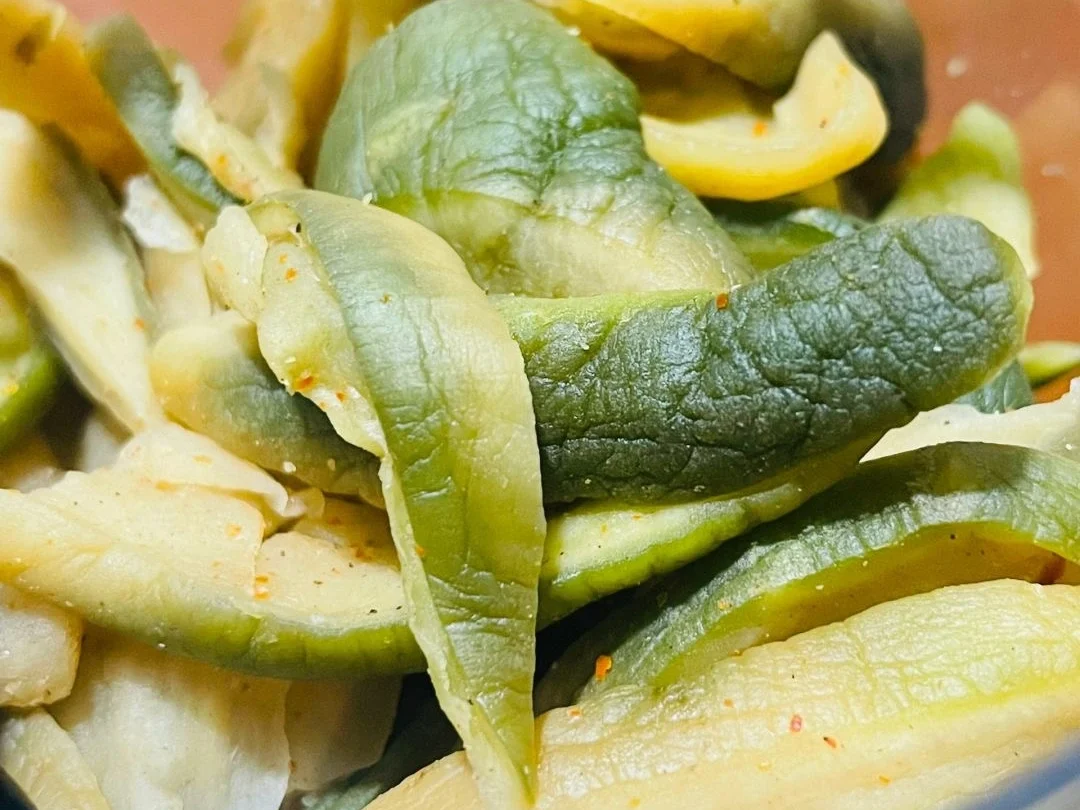
Locally grown "Xinli Mei" radishes are salted, dried, and pickled, creating a crunchy, sweet-and-salty side dish perfect for accompanying porridge or adding flavor to various dishes.

Fried pieces of green fish are soaked in a flavorful five-spice marinade, creating a crispy exterior with a tender, fragrant interior, typically enjoyed during the Chinese New Year.
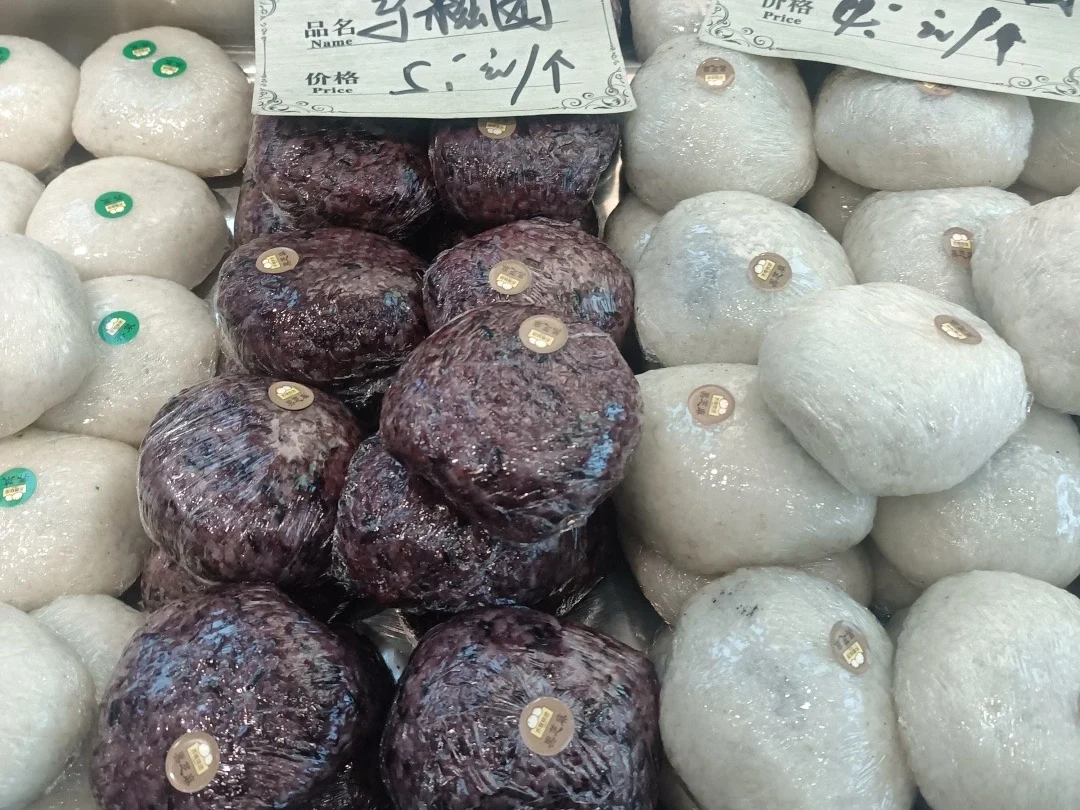
A traditional dessert from Jiaoxi Ancient Town, glutinous rice dough is filled with either savory meat or sweet sesame filling, steamed to a soft, chewy, and flavorful bite.

Made by coating fresh river shrimp in rice batter and deep-frying, these golden crispy cakes are savory, juicy, and perfect when paired with pepper salt or sweet chili sauce.

As of 2024, Changzhou’s intangible cultural heritage (ICH) protection system has developed into a multi-layered network.
It includes one UNESCO ICH project (Jintan paper cutting), 14 national-level projects, 92 provincial-level projects, and 98 city-level projects, totaling 190.
The number of inheritors continues to grow, with 15 national-level, 44 provincial-level, and 351 city-level representatives, totaling 357.
Recent efforts to strengthen active transmission include the integration of over 20 ICH items, like Qing bamboo carving and embroidery, into school curricula.
Significant progress has been made in cultural tourism integration, with projects like Dongfang Salt Lake City and Nanshan Bamboo Sea showcasing ICH exhibitions and hands-on experiences.
In 2024, 17 new city-level inheritors were added, with continued funding and support for projects like digital preservation.

This unique art form, originating from the Sui Dynasty, features fine paper cutting with intricate designs of landscapes and folk customs. It combines traditional charm with modern creativity.

A well-known traditional Chinese opera from the Changzhou-Wuxi area, famous for its melodious tunes and elegant performances. Its classic works carry the cultural essence of Wu opera.

A delicate craft that involves carving on bamboo, creating detailed images of nature and figures. The art showcases both aesthetic appeal and skilled craftsmanship, regarded as one of the "Two Treasures of Jiangnan."
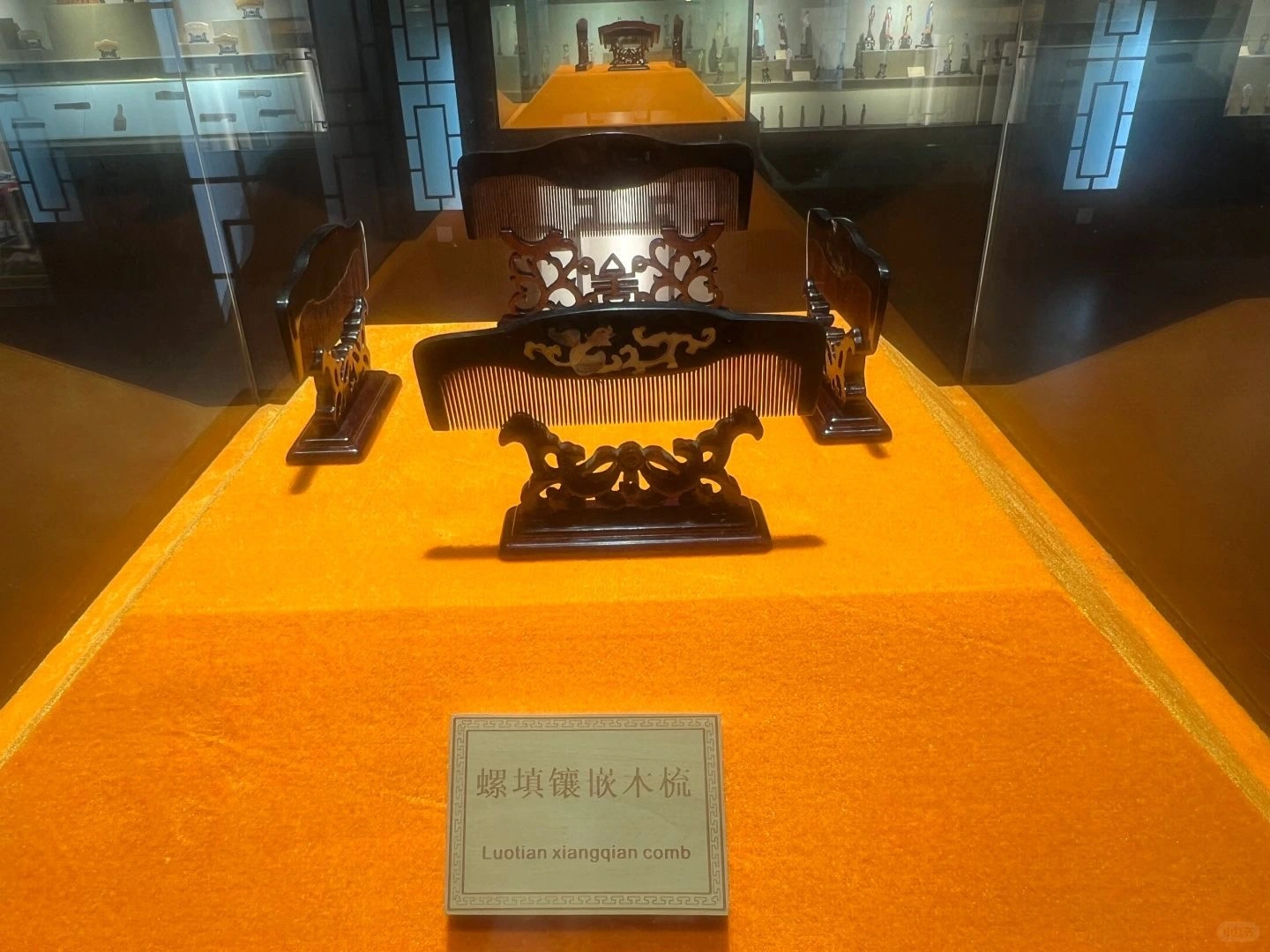
This ancient craft produces exquisitely designed combs and hairpins made from premium woods. Known for its smooth, durable texture, it is both a functional item and a fine artwork.

A folk performance art, featuring children dressed as historical figures on a suspended platform, moved in the air with a drum and gong procession. It celebrates folk customs and blessings.

A traditional dragon dance performed in Changzhou’s New North district, with a 68-meter-long dragon carried by 30 dancers, symbolizing good fortune and a rich cultural heritage.
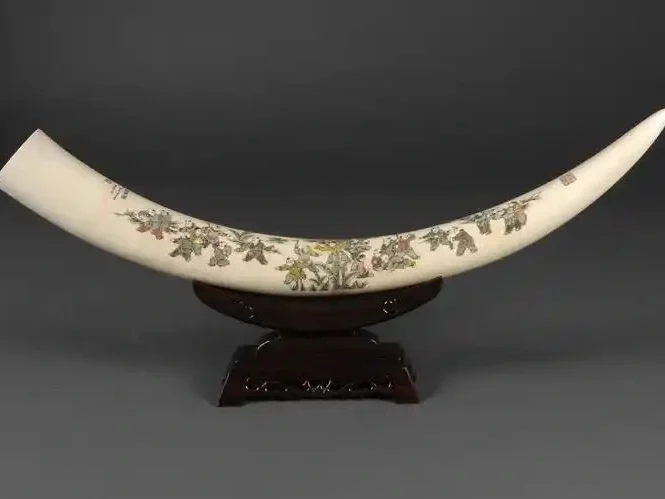
An ancient art of engraving intricate landscapes and calligraphy on ivory, using delicate shallow carving techniques, blending artistic beauty with collectible value, almost lost to time.

This embroidery technique, pioneered by Yang Shouyu, uses a 3D approach to create vivid, textured art, often depicting oil paintings or photos, making it an exceptional Chinese embroidery style.

Combining cloisonné techniques and painting, this art form uses copper wire to create outlines filled with vibrant enamel colors. It blends traditional craftsmanship with modern visual appeal.

A time-honored craft of making ink sticks from materials like cinnabar and pearl, known for their rich, long-lasting color. This technique, dating back to the Qing Dynasty, is still practiced today.

Held annually in Wujin, this festival involves releasing lanterns on Songjian Lake, symbolizing wishes for good health and prosperity, and reflecting the water culture and folk beliefs of the region.

This grand folk event commemorates the ancient figure Zhang Bo and his water management achievements. The fair features sacrifices, opera, and dragon dances, preserving millennia-old cultural traditions.


The Qin Dynasty (221‑207 BCE) forged China’s first imperial state, unifying warring states under Qin Shi Huang, standardizing script, roads and laws — its legacy underpins China today.

Shanghai is about 1,068 km from Beijing by air and over 1,300 km by train. Learn travel times, distances, and best ways to get between the cities.

Heilongjiang, known for its winter wonderland, is a top ice-snow tourism destination with iconic sites like Harbin Ice Festival and China Snow Town. It also boasts stunning natural beauty.

New to China? Discover 19 most popular Chinese dishes that are widely available in restaurants across the country, with simple ordering tips.

The Year of the Horse, the seventh sign in the Chinese zodiac, corresponding to the Earthly Branch “Wu” (午), is a symbol of strength, speed, and loyalty.

Explore Qingdao, a coastal gem blending European-style architecture, sandy beaches, vibrant nightlife, and iconic landmarks like May Fourth Square.


