
 Written by
Anthony
Traveling in China is exciting because it’s so diverse. One day you might be walking through the neon streets of Shanghai, and the next you could be exploring a quiet mountain village or strolling an ancient water town. This diversity makes China fascinating—but it also means your travel costs can change a lot. Depending on where you go and how you travel, your daily budget can vary by 3–5 times.
The good news? With smart planning, you can cut your overall expenses by 30% or more without missing out on the best experiences. Choosing the right season, booking transport early, and mixing budget-friendly options with a few splurges can stretch your money further.
To give you a clear idea: as of 2025, the median daily spend for foreign travelers in China is between ¥650–¥1,200 (about $90–$165). That figure includes your hotel, meals, local transportation, and attraction tickets. In other words, China can be affordable or expensive—it all depends on how you plan it.
Before you even set foot in China, there are a couple of essential expenses to factor into your budget: visas and travel insurance. These costs aren’t huge, but they’re non-negotiable for a smooth trip.

Most travelers need a tourist visa (L visa) to enter China. A standard single-entry visa costs around ¥400–¥600 (≈$55–$85), with an additional service fee if you use a visa center.
For added convenience, some locations offer visa-on-arrival or landing visa programs—for example, Hainan Island or certain border areas in Yunnan. These options are limited, so always double-check the latest policies before flying.
What you’ll need:
A valid passport (with at least six months’ validity left)
Round-trip flight booking
Hotel confirmation (print copies in case your phone has no signal at immigration)

Travel insurance is highly recommended. A basic plan covering medical treatment and trip cancellation costs about ¥200–¥500 (≈$30–$70) for a 7–15 day trip.
If you plan to hike, trek, or try scuba diving, expect to pay about 30% more for an upgraded policy that covers high-risk activities.
You can buy insurance online through global platforms like Trip.com, which accepts foreign credit cards and provides English-language policies—handy for claims.
Getting around China is part of the adventure—and also one of the biggest factors in your travel budget. Here’s what to expect for flights, trains, and local transport.

Europe/US → Beijing/Shanghai: Peak summer (June–August) fares range ¥8,000–¥15,000 (≈$1,100–$2,100). In low season (November–March), tickets can drop to around ¥5,000 (≈$700).
Southeast Asia → Guangzhou/Kunming: Round-trip fares usually sit between ¥2,000–¥4,000 (≈$280–$550). Budget airlines sometimes go as low as ¥1,500.
💡 Money-saver tip: Book at least 45 days in advance. Departures on Tuesdays and Wednesdays are often 15% cheaper than weekends.

China’s train network is world-class, fast, and budget-friendly:
G-trains: ~¥0.46 per km
D-trains: ~¥0.30 per km
Long-distance discount: 20% off journeys over 1,000 km
Examples:
Tickets can be booked on the 12306 official site (foreign card support) or platforms like Trip.com (about 5% service fee).
When trains take too long, domestic flights are a solid option:
Average fare (2025 H1): ~¥740 (≈$100)
Peak season (July–August): ~¥839
👉 Note: Budget carriers often exclude free checked baggage, so factor that into your budget.
✨ Pro tip: For first-time visitors, HSR is usually the best balance of speed, comfort, and cost. Flights only make sense for very long distances.

Subways & Buses: Metro rides cost ¥2–¥10, while buses are usually ¥1–¥4 in major cities (even cheaper in smaller ones).
E-transport cards: Alipay and WeChat offer digital transport cards usable in 300+ cities, making travel seamless.
Taxis & Ride-Hailing:
Beijing taxis start at ¥13 for 3 km; Chengdu starts at ¥9 for 2 km.
Didi ride-hailing is typically 10–15% cheaper and now supports foreign SIM registration.
Where you stay in China can take up a big part of your budget. The good news is, options are wide—from simple hostels to world-class resorts—and prices shift a lot depending on city and season.

Budget hotels/hostels: ¥280–¥400 off-season, with rates climbing about 30% in peak months.
Mid-range hotels: ¥400–¥800 per night, often near metro lines and city centers.
Luxury hotels: ¥800–¥2,000+, with international brands offering premium service and views.
See also:
Around 24–38% cheaper than Beijing or Shanghai.
Budget stays start from ¥200–¥300 per night, with mid-range hotels averaging around ¥350–¥500.
Guesthouses and boutique inns: ¥200–¥500.
During holidays (e.g., Golden Week, Spring Festival), prices may double and rooms sell out quickly.
Best timing: Booking around 21 days in advance tends to get the lowest rates. Studies show Wednesdays are on average 8% cheaper than weekend bookings.
Booking platforms: Trip.com (Ctrip) and Fliggy both support international card payments, easy cancellations, and English interfaces.
Perks for foreign guests: International chains like Marriott or Hilton sometimes offer extras such as welcome drinks or small gifts at check-in.
💡 Tip for budget travelers: Staying slightly outside city centers but close to a subway line can save you 20–30% on nightly rates without adding much commute time.
China’s food scene is as diverse as its landscapes. From a steaming bowl of noodles on the street to Michelin-starred banquets, the price range is just as wide. Here’s what to expect.

Street Food & Fast Meals: ¥15–¥40 per meal.
Beijing zhajiangmian: ~¥25.
Chengdu hotpot skewers: as low as ¥0.6 per stick.
Great for quick, tasty, and budget-friendly eats.
Mid-Range Restaurants:
Tier-1 cities (Beijing, Shanghai): ¥80–¥150 per person.
Tier-2/3 cities (Chengdu, Xi’an): ¥50–¥100 per person.
High-End Dining: ¥300–¥1,000+ per person at Michelin-starred or Black Pearl-rated restaurants. Expect multi-course menus, wine pairings, and refined service.
Eat Local: Skip the touristy restaurants. Look for neighborhood eateries known as “fly restaurants” (苍蝇馆子). They may look humble but serve authentic meals for up to 50% less.
Leverage Free Breakfasts: Many hotels include breakfast—take advantage to save one meal’s worth daily.
Payment Hacks: UnionPay, Alipay, and WeChat Pay often run discounts or cashback offers at chain restaurants and cafes.
🍜 Pro tip: Even in big cities like Shanghai or Beijing, you can comfortably eat three meals for under ¥100 if you mix street food and local diners.
Sightseeing in China is surprisingly affordable compared to many countries, but prices vary a lot by type of attraction. Here’s a breakdown of common ticket costs and ways to save.

Forbidden City (Beijing): ¥60 in peak season, ¥40 off-season. Entry to the Treasure Hall or Clock Hall adds ¥10 each.
Great Wall (Badaling): Base ticket ¥45. Cable car roundtrip is extra at ¥100, but worth it if you don’t want a steep hike.
Terracotta Warriors (Xi’an): ¥120 for the main site, which includes access to the famous excavation pits.
Shanghai Oriental Pearl Tower: ¥190 for full access, including the glass observation deck.
Guangzhou Canton Tower: ¥150, with extra fees for sky drop or bubble tram rides.
Disney & Universal Parks (Shanghai/Beijing): ¥400–¥600+ depending on the date and ticket type. Expect holiday surcharges.
Free Entry: Children under 18, disabled visitors, and active military (with valid ID).
50% Discounts: Seniors 60+ and students—including international students with ISIC cards.
City Passes: Some cities offer bundled tickets. For example, Beijing’s ¥140 pass covers five top attractions and saves both money and time in line.
🎟️ Tip: Many popular attractions now use timed-entry systems. Booking online in advance not only secures your spot but can sometimes unlock small discounts.
China can be a shopper’s paradise, from silk markets to tech malls. Beyond souvenirs, you’ll also want to budget for connectivity and small extras.

Minimum ¥500 spend at tax-free shops qualifies for refunds.
Refund rates range from 8–13%, depending on the province and item category.
Alipay & WeChat Pay: Now support foreign cards, making cashless payments easier.
UnionPay: Widely accepted worldwide, with 3–5% cashback offers at some participating stores.
Credit cards (Visa/Mastercard) are accepted at hotels, malls, and restaurants, though less common at small shops or food stalls.
Tea: ¥200–¥500 per 500g for quality green or oolong teas.
Silk products: ¥300–¥1,000 for scarves, clothing, or bedding.
Snacks & gifts: Almond cookies, beef jerky, and panda souvenirs are affordable options under ¥100.
Pocket WiFi: ¥30–¥50 per day, good for groups.
Local SIM cards: About ¥50 for 10GB, available at airports or convenience stores.
Tipping is not customary in China.
Small gestures are appreciated: ¥10–¥20 for hotel bellhops, housekeeping, or private drivers.
🛍️ Pro tip: For authentic souvenirs, skip tourist shops near attractions and head to local markets or specialty stores—prices are lower and quality is higher.
Wondering how much a full trip to China will cost? Here are two realistic examples—one for budget-conscious travelers, another for those who prefer extra comfort.

Accommodation: Hostels or guesthouses, ~¥300 per night × 6 = ~¥1,800.
Meals: Street food and local diners, ~¥100/day × 7 = ~¥700.
Transportation: High-speed rail + city transit cards, ~¥800.
Tickets & Activities: Major attractions like the Forbidden City and Great Wall, ~¥500.
Insurance & Extras: ~¥500 for basic travel insurance, SIM card, and small expenses.
💡 Best for solo backpackers or students who want to stretch their yuan while still covering China’s must-sees.

Accommodation: Mid-range hotels, ~¥500 per night × 9 = ~¥4,500.
Meals: Mix of local restaurants and occasional fine dining, ~¥200/day × 10 = ~¥2,000.
Transportation: High-speed rail plus 1–2 domestic flights, ~¥2,000.
Attractions & Experiences: Including shows, evening cruises, and cultural tours, ~¥1,500.
💡 Ideal for couples, families, or travelers who want comfort, flexibility, and more unique experiences.
📊 Tip: Add a 10% buffer to either budget for unexpected costs like last-minute tours, shopping, or upgraded train tickets.
China’s travel costs swing dramatically depending on the season. Knowing when to go can save you money and stress.

Hotels are typically 20–30% cheaper.
Popular sites like the Great Wall or Terracotta Warriors are far less crowded.
Flights are easier to book last minute at reduced prices.
Chinese New Year (Jan–Feb): Expect full trains, booked-out hotels, and premium pricing. Many small shops and restaurants close for the holiday.
Golden Week (Oct 1–7): One of China’s busiest holidays. Tourist attractions overflow, and hotel rates can double.
Southern cities like Guangzhou, Guilin, and Xiamen have mild winters, making Nov–Feb a great budget-friendly window.
Northern China (Beijing, Harbin) can be frigid in winter. While prices are lower, be ready for heavy coats and icy sidewalks.
🍂 Pro tip: For the perfect balance, travel in April–May or Sept–Oct—pleasant weather and moderate crowds, though still pricier than winter.
Traveling in China doesn’t have to break the bank—if you know a few tricks. Here’s how to keep costs low and avoid common headaches.

Long-haul trips: Use high-speed rail (HSR) or flights. They’re faster and often cheaper than overnight buses.
Short trips: Stick to metros, public buses, or shared bikes. Apps like Meituan Bike and Hello Bike cost ¥2 per 20min.
Choose hotels or hostels near subway lines. For example, staying along Beijing Line 5 or Shanghai Line 2 can save you up to 30% on transport while keeping attractions accessible.
Many city parks and temples are free or under ¥10.
Major museums, like the Shanghai Museum or National Art Museum in Beijing, often have free entry—just book tickets online in advance.
Be cautious of “too-cheap” day tours; they often include forced shopping stops.
Always use metered taxis or Didi (China’s Uber equivalent) to avoid scams and overcharging.
Skip buying souvenirs at attraction exits—prices are often 2–3× higher than in city shops.
💡 Pro tip: Combine HSR passes with free museum entries and metro day passes—you’ll stretch your yuan without feeling restricted.
The right tools make budgeting and traveling in China much smoother. Here are a few essentials to keep on your phone and in your bookmarks.

Trip.com: Great for booking flights, trains, and hotels, with foreign card support.
XE or Minimal Exchange Rate: Handy for real-time currency conversions.
Metro/Transit Apps: City-specific apps (like “Beijing Subway” or “Shanghai Metro”) provide live updates and English interfaces.
Ctrip International (Trip.com): Offers global payment options, English support, and flexible cancellation.
Fliggy (Alibaba’s travel platform): Supports multilingual services and has competitive prices for hotels and attractions.
Ministry of Culture & Tourism (www.mct.gov.cn): The best source for updated travel advisories, cultural events, and entry policies.
Local Tourism Boards: Many cities (e.g., Beijing, Xi’an, Chengdu) have official English-language sites for attractions, tickets, and maps.
💡 Pro tip: Download apps before arriving in China. Some app stores may have restrictions, and having tools pre-installed saves you time.

Daily Costs:
Budget: ¥450–¥600
Comfort: ¥900–¥1,200
Luxury: ¥2,000+
Major Paid Attractions:
Forbidden City: ¥60 (peak), ¥40 (off-season)
Great Wall (Badaling): ¥45 + cable car ¥100 roundtrip
Summer Palace: ¥30
Cheap/Free Highlights:
Tiananmen Square, Temple of Heaven Park (¥15), 798 Art Zone (free entry).
Transit & Transfers:
Airport Express: ¥25 to city center.
Metro rides: ¥3–¥7.
Meals:
Local eats (zhajiangmian, dumplings): ¥25–¥40.
Mid-range restaurant: ¥100–¥150 per person.
Hacks:
Stay near Line 2 or Line 5 subway for quick access to major sights. Buy tickets online for Forbidden City weeks ahead.

Daily Costs:
Budget: ¥500–¥650
Comfort: ¥1,000–¥1,300
Luxury: ¥2,200+
Major Paid Attractions:
Oriental Pearl Tower: ¥190
Shanghai Tower observation deck: ¥180
Disneyland: ¥399–¥599
Cheap/Free Highlights:
Transit & Transfers:
Maglev train to Pudong Airport: ¥50 (8 min).
Metro rides: ¥3–¥6.
Meals:
Street eats (shengjian bao, noodles): ¥20–¥40.
Mid-range: ¥120–¥180 per person.
Hacks:
Buy a day metro pass (¥18) for unlimited rides. Visit The Bund at night for free skyline views.

Daily Costs:
Budget: ¥350–¥500
Comfort: ¥700–¥1,000
Luxury: ¥1,600+
Major Paid Attractions:
Terracotta Warriors: ¥120
Ancient City Wall: ¥54
Shaanxi History Museum: free (limited tickets)
Cheap/Free Highlights:
Muslim Quarter street food, Wild Goose Pagoda fountain show.
Transit & Transfers:
Airport shuttle: ¥25; taxi: ~¥120.
Metro: ¥2–¥6.
Meals:
Roujiamo (Chinese burger): ¥10–¥15.
Biangbiang noodles: ¥20–¥30.
Hacks:
Pre-book Terracotta tickets online. Visit the free Shaanxi History Museum early to secure entry.

Daily Costs:
Budget: ¥350–¥500
Comfort: ¥800–¥1,000
Luxury: ¥1,800+
Major Paid Attractions:
Chengdu Panda Base: ¥55
Jinsha Museum: ¥80
Sichuan Opera face-changing show: ¥150–¥200
Cheap/Free Highlights:
People’s Park (tea culture), Wide & Narrow Alleys (Kuanzhai Xiangzi).
Transit & Transfers:
Metro: ¥2–¥6; taxis start ¥9.
Airport metro to city: ~¥10.
Meals:
Hotpot skewers: ¥0.6–¥1 per stick.
Mid-range hotpot meal: ¥80–¥120 per person.
Hacks:
Stay near Chunxi Road or Tianfu Square for walkability. Use Didi instead of taxis to avoid overcharging.

Daily Costs:
Budget: ¥300–¥450
Comfort: ¥700–¥950
Luxury: ¥1,500+
Major Paid Attractions:
Li River cruise: ¥210–¥300
Reed Flute Cave: ¥90
Impression Liu Sanjie show: ¥200
Cheap/Free Highlights:
West Street (Yangshuo), Elephant Trunk Hill Park (¥35).
Transit & Transfers:
Shuttle from airport to Guilin: ¥20.
Bus Guilin–Yangshuo: ¥40.
Meals:
Rice noodles: ¥15–¥25.
Riverside café meals: ¥60–¥120.
Hacks:
Book Li River cruises online for discounts. Stay in Yangshuo guesthouses for cheaper and better scenery.

Daily Costs:
Budget: ¥400–¥550
Comfort: ¥800–¥1,100
Luxury: ¥1,600+
Major Paid Attractions:
West Lake boat ride: ¥55
Lingyin Temple: ¥45
Suzhou Gardens (Humble Administrator’s): ¥70
Cheap/Free Highlights:
West Lake walking trails, Suzhou old canals.
Transit & Transfers:
High-speed rail Shanghai–Hangzhou: ¥73 (1 hr).
Metro rides: ¥2–¥6.
Meals:
Suzhou noodles: ¥20–¥30.
Hangzhou beggar’s chicken: ¥120–¥150.
Hacks:
Travel by HSR from Shanghai for a cheap day trip. Many West Lake spots are free—only boats and temples cost extra.

Daily Costs:
Budget: ¥350–¥500
Comfort: ¥800–¥1,000
Luxury: ¥1,600+
Major Paid Attractions:
Zhangjiajie National Forest Park (4-day ticket): ¥225
Glass Bridge: ¥138
Tianmen Mountain: ¥278
Cheap/Free Highlights:
Golden Whip Stream hikes.
Transit & Transfers:
Shuttle bus airport–city: ¥15.
Cable cars in parks: ¥50–¥70.
Meals:
Local spicy dishes: ¥30–¥50.
Riverside hotpot: ¥80–¥100 per person.
Hacks:
Buy combo park passes to save. Visit in off-season to avoid crowds and high lodging costs.

Daily Costs:
Budget: ¥500–¥700
Comfort: ¥1,200–¥1,500
Luxury: ¥2,500+
Major Paid Attractions:
Nanshan Temple: ¥150
Wuzhizhou Island day trip: ¥168
Atlantis Water Park: ¥198
Cheap/Free Highlights:
Free public beaches (Dadonghai, Yalong Bay).
Transit & Transfers:
Taxi airport–city: ¥40–¥60.
Airport shuttle: ¥20.
Meals:
Seafood stalls: ¥80–¥120 per person.
Resort restaurants: ¥200–¥400 per person.
Hacks:
Skip resort dining—eat at local seafood markets. Use shared bikes for short distances.


Plan your first Guiyang trip with top things to do, food, where to stay, best time to visit, and smart 2–3 day Guizhou gateway itineraries.

Discover the best time to visit Jilin, where to go, what to see, and how to plan your trip—from rime views to Changbai Mountain and local culture.
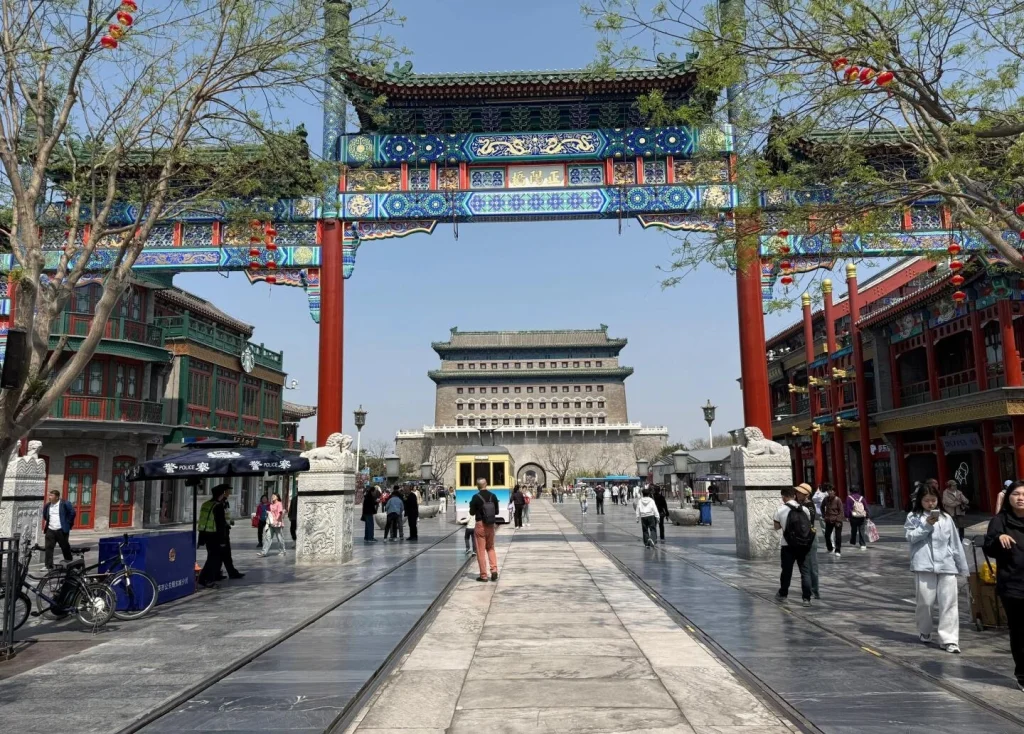
Discover Qianmen Street: a seamless blend of century‑old shops, vibrant snacks, and authentic Beijing charm. Plan your perfect 3–4 hour stroll through history!

In Chinese astrology, the Earth Rat corresponds to those born in the years of 1948, 2008, 2068, and so on. It belongs to the Earth element in the Five Elements system.
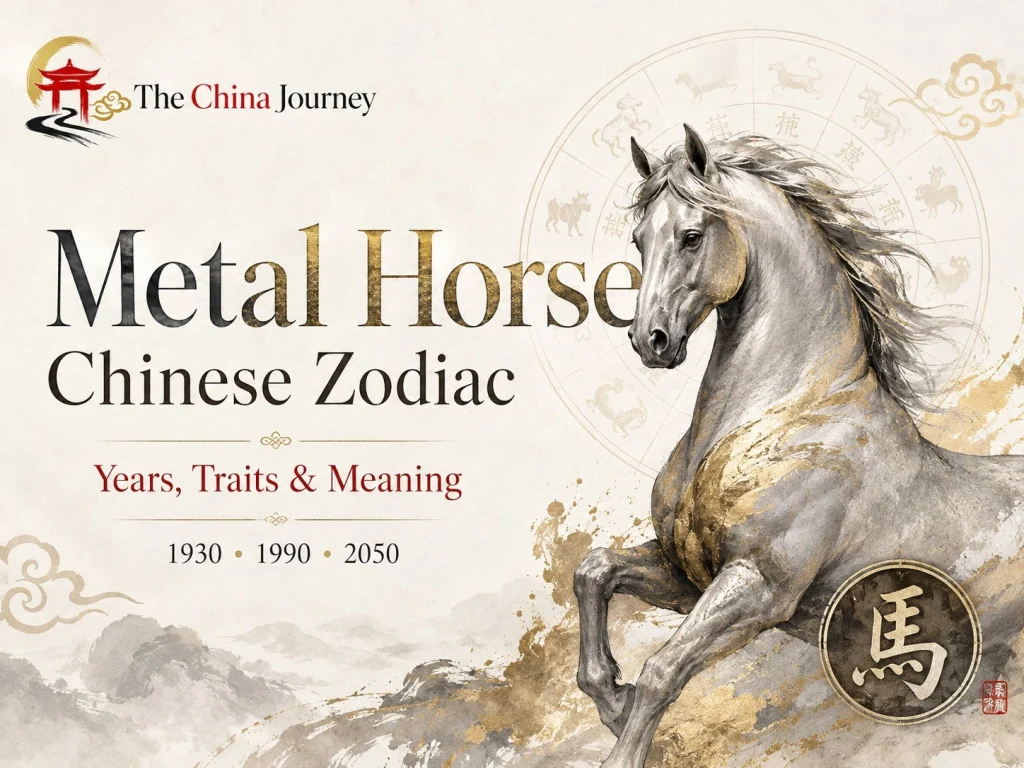
In Chinese zodiac, the Metal Horse corresponds to individuals born in the years 1930, 1990, and 2050 (associated with the Nayin “Lupang Tu”).

A complete guide to the Wood Snake zodiac: personality traits, career, love, health, Five Elements analysis, and the 2026 fortune forecast.

Share your travel ideas, and we’ll help you plan a smooth, personalized trip across China.

Share your travel ideas, and we’ll help you plan a smooth, personalized trip across China.
We’re looking for experienced, part-time local guides to serve international travelers.
Requirements:
• Fluent in at least one foreign language
• 3–5 years guiding international visitors
• Able to operate in multiple regions in China
• Competitive and reasonable pricing
• Proven customer reviews or testimonials
• Professional, reliable, and responsive
• Flexible availability for custom trips
Hi there!
Just a quick heads-up — a helpful user named Volker let me know that some of the non-English content on this site may not be accurate.
This site is a one-person project I run part-time. I research and publish all the content myself, and the translations are currently done by machine (Google Translate). Balancing accuracy and accessibility across multiple languages is a real challenge.
If you spot any errors, I recommend switching to the English version using the button at the bottom left. I’ll continue working to improve the translations over time.
I truly appreciate your understanding. And if you have any suggestions, feel free to leave a comment — it means a lot to me.
— Anthony 2025.6.18


