

Travel Guide
How Many Days in Yunnan? Best Trip Length
Plan how many days to spend in Yunnan, from 3 to 14 days, with route logic, trip length advice, and common planning mistakes.

 Written by
Anthony
When people think of Chinese culture, vivid images often come to mind — the Great Wall stretching across mountains, the glazed tiles of the Forbidden City, calligraphy strokes forming mountain landscapes, or tea leaves unfurling in porcelain cups. But these are just the surface symbols. True understanding lies deeper: Chinese culture is a living civilization that has thrived continuously for over 5,000 years, shaped by the wisdom of 56 ethnic groups and touching every aspect of life — from philosophy and literature to food, clothing, rituals, and beliefs.

What makes Chinese culture truly unique is its uninterrupted vitality. It blends ancient and modern, ritual and daily life. Its continuity stretches from oracle bone script to smartphone input, from Confucian “benevolence” to today’s sense of national identity. It embraces diversity, harmonizing Han traditions with Tibetan chants, Mongolian horsehead fiddles, and Islamic architecture. Most importantly, it is deeply practical — philosophy lives in everyday details, like seasonal diets, tea rituals, or seating order at a family meal. To explore Chinese culture is not just to learn about the past — it’s to decode the mindset, emotions, and values still alive in modern China today.

The origins of Chinese culture lie deep in the prehistoric soil, where early humans crafted symbolic objects that reflected their beliefs and way of life. In the Neolithic era (c. 10,000 BCE – 2070 BCE), the Yangshao culture produced painted pottery like the human-faced fish-decorated bowls, while the Liangzhu culture carved intricate jade cong depicting divine-human-beast motifs — early signs of spiritual thinking and ceremonial awareness.
By around 1600 BCE, the Shang dynasty introduced China’s earliest known writing system — oracle bone inscriptions. These symbols etched into turtle shells and animal bones recorded rituals, wars, and agriculture, revealing how ancient people understood the cosmos. The Shang also produced masterful bronze vessels like the Houmuwu Ding, used for ritual purposes and symbolizing a rigid social order. This era marks the birth of written culture and the ritual system known as li (礼).
The succeeding Zhou dynasty (1046–256 BCE) systematized these early traditions. Through rituals, music, and ceremonial protocols, li became the core of social governance. For example, the number of bronze tripods one could use was strictly based on social rank. Literary works like the Book of Songs (Shijing) emerged, preserving regional folk songs and reflections on daily life, love, and hardship. Meanwhile, early philosophical seeds were sown, foreshadowing the rise of the Hundred Schools of Thought.

If the Shang and Zhou marked the formative stages of culture, the Qin and Han dynasties defined the imperial model of governance and culture. In 221 BCE, Emperor Qin Shi Huang unified the warring states and established the first centralized Chinese empire. He standardized writing (small seal script), weights and measures, road widths, and axle sizes — transforming cultural fragmentation into a shared system. Although the Qin dynasty was short-lived, its unification framework became the cultural backbone of China.
The Han dynasty (202 BCE – 220 CE) expanded both territory and cultural influence. Under Emperor Wu, Confucianism was adopted as state orthodoxy, embedding values like ren (benevolence), li (ritual), loyalty, and filial piety into the national ideology — a move that shaped Chinese society for the next 2,000 years. The Silk Road, opened by envoy Zhang Qian, linked China to Central Asia and beyond, bringing silk, porcelain, and tea westward, while introducing Buddhism, grapes, and carrots eastward — initiating a pattern of cultural exchange and integration.
This era also produced enduring cultural legacies: Sima Qian’s Records of the Grand Historian laid the foundation for Chinese historiography, while Cai Lun’s papermaking innovations made it easier to transmit knowledge, eventually fueling a literary and artistic flourishing. The Qin and Han dynasties established the DNA of Chinese culture: unity, pragmatism, and openness.

The Tang and Song periods are often hailed as the golden age of Chinese civilization. The Tang dynasty (618–907) exemplified openness and cultural confidence. As the world’s largest and most cosmopolitan capital, Chang’an hosted merchants, monks, and musicians from across Asia. Buddhist thought blossomed into Zen (Chan) Buddhism, while cultural ambassadors like Xuanzang and Jianzhen facilitated two-way exchanges with India and Japan.
Poetry thrived like never before. Li Bai’s wild romanticism, Du Fu’s compassionate realism, and Wang Wei’s Zen-infused landscape verses formed the soul of Tang shi. Painters like Yan Liben and Wu Daozi pushed visual art to new heights, and the Dunhuang murals captured a vibrant fusion of religious, ethnic, and artistic influences. The Silk Road reached its peak, sending Chinese goods and cultural ideas as far as the Middle East and Europe.
The Song dynasty (960–1279), though militarily weaker, fostered a refined and introspective culture. Economic prosperity nurtured urban life and commercial entertainment: puppet shows, storytelling, and theaters flourished in cities like Kaifeng. Literary expression shifted toward ci poetry — graceful and lyrical in Liu Yong’s hands, bold and free in Su Shi’s. Literati painting rose, valuing subtle brushwork and poetic resonance over realism. Meanwhile, technological breakthroughs in movable type printing, compasses, and gunpowder would change not only China but the world. The Tang-Song era, in essence, gave Chinese culture both its expansive spirit and its inner elegance.

The Ming (1368–1644) and Qing (1636–1912) dynasties marked the consolidation and transition of Chinese imperial culture. Early Ming rulers, like Zhu Yuanzhang, reinstated Confucian traditions and ceremonial rites. Admiral Zheng He’s expeditions displayed China’s maritime power and cultural grandeur. Vernacular novels such as Romance of the Three Kingdoms, Journey to the West, and Water Margin broke through elite literary circles, bringing moral values and heroism into everyday storytelling.
During the commercial boom of the late Ming, a rich urban culture blossomed. Suzhou became a center for Kunqu opera (The Peony Pavilion) and refined tastes. Jingdezhen porcelain, especially blue-and-white wares, became China’s global calling card via maritime trade.
The Manchu-led Qing dynasty retained much of Han Chinese cultural tradition, sustaining the civil exam system and promoting Confucian education. It also incorporated ethnic diversity, absorbing Tibetan thangka, Mongolian festivals, and Islamic art into the broader Zhonghua cultural system. Literary masterpieces like Dream of the Red Chamber captured intricate emotional and social worlds, while Beijing opera, combining speech, music, and acrobatics, emerged as a national cultural symbol.
However, the late Qing faced challenges. Isolationist policies and colonial pressures exposed cultural vulnerabilities. After the Opium Wars, a wave of Western ideas and technology flooded in, shaking traditional foundations and forcing cultural re-evaluation.

The fall of the Qing in 1912 and the birth of the Republic marked the end of the imperial era and the beginning of dramatic change. The early 20th century saw fierce clashes between tradition and modernity. The New Culture Movement promoted science, democracy, and vernacular writing. Thinkers like Lu Xun used literature (Diary of a Madman) to challenge feudal values. Yet traditional aesthetics lived on — qipao blended Manchu and Western styles, and Peking opera star Mei Lanfang brought Chinese stage art to global audiences.
After the founding of the People’s Republic in 1949, Chinese culture entered a socialist phase. Traditional arts were reinterpreted to serve revolutionary narratives, while grassroots heritage like folk opera and handicrafts began to gain protection. The Reform and Opening-up era from 1978 transformed China into a cultural hybrid space. Western pop culture and technology arrived, but so did a cultural renaissance: martial arts novels gained new life, TV dramas exported Chinese values abroad, and guochao (“national tide”) trends revived traditional motifs in modern fashion, tea brands, and even bubble tea design.
Confucius Institutes opened worldwide; TCM, taiji, and calligraphy gained new international audiences. Chinese culture today stands at a crossroads of inheritance and innovation — not frozen in the past, but constantly reinventing itself while preserving its soul.

Founded by Confucius during the Spring and Autumn period, Confucianism evolved through thinkers like Mencius and Xunzi to become the core framework of Chinese moral, familial, and political life for over two millennia. At its heart lies ren (benevolence) — a call to care for others and treat people with empathy and fairness. This is balanced by li (ritual/propriety), which brings order to both daily behavior and state institutions, from how one greets elders to national rites of governance.
Its influence extends deep into Chinese life. The Confucian idea of xiao (filial piety) fuels the importance of family reunions, especially during holidays like the Spring Festival and Mid-Autumn. Socially, it shapes respectful norms such as reverence for teachers and neighborly cooperation. Politically, the Confucian ideal of “self-cultivation, family regulation, state governance, and world peace” still resonates in the Chinese way of linking personal morality with civic responsibility.

Daoism, rooted in the teachings of Laozi and later expanded by Zhuangzi, emphasizes the individual’s relationship with nature and the cosmos. Its central principle, Dao fa ziran (the Way follows nature), promotes living in accordance with natural rhythms rather than imposing force. Its political ideal, wu wei (non-action), encourages minimal interference — not passivity, but action aligned with timing and flow. The yin-yang concept, symbolizing complementary opposites, reflects Daoism’s emphasis on balance and interdependence.
This worldview has deeply influenced Chinese aesthetics and lifestyle. Landscape painting, calligraphy, and garden design reflect an effortless harmony with nature. Daoist thought underpins traditional medicine’s focus on balance and the flow of qi, as well as martial arts like Tai Chi, which embody softness overcoming force. Emotionally and spiritually, Daoism inspires a calm, accepting attitude toward change and adversity.

Unlike Confucianism’s emphasis on virtue or Daoism’s focus on natural alignment, Legalism — developed during the Warring States era by thinkers like Han Feizi and Shang Yang — prioritizes law, authority, and structured governance. It argues for rule by law (fa), impartial enforcement (equality before the law), and centralized power to maintain unity and order. Legalism also values shu (administrative techniques) and shi (strategic use of position) to strengthen the ruler’s control.
These principles were instrumental in the Qin dynasty’s unification of China and its standardization of writing, currency, and infrastructure. While later dynasties outwardly embraced Confucian ideals, Legalist practices remained embedded in imperial law codes and bureaucratic institutions. Even today, concepts like legal fairness and state-led coordination reflect Legalist influence in modern Chinese governance.

Introduced from India during the Han dynasty, Buddhism gradually adapted to Chinese values and became one of the three pillars of Chinese thought alongside Confucianism and Daoism. The development of Zen (Chan) Buddhism during the Tang dynasty marked its localization: rather than relying on scripture alone, Chan emphasized inner awakening (ming xin jian xing), direct insight, and meditative practice — ideas that resonated with China’s practical and introspective culture.
Buddhism left a rich legacy in Chinese art and daily life. Cave temples like Dunhuang and Longmen display a fusion of Indian iconography with Chinese aesthetic ideals. Buddhist themes shaped literature and painting, inspiring works like Journey to the West. Zen philosophy also influenced tea culture, garden design, and calligraphy, promoting stillness, minimalism, and spiritual depth in everyday experience. Common expressions such as “let go” and “go with the flow” draw directly from Buddhist teachings.

Beyond formal doctrines, Chinese spirituality thrives in local traditions and household rituals. Ancestor worship, rooted in the Confucian idea of revering the past, remains central to Chinese family life. During festivals like Spring Festival, Qingming, and Mid-Autumn, families prepare offerings, light incense, and invite ancestors to “return home” — reinforcing both spiritual bonds and lineage identity.
Regional folk deities also play vital roles. Coastal communities worship Mazu, the sea goddess, for maritime safety. Farmers honor the Earth God for good harvests, and craftsmen might pray to Lu Ban, the patron of builders. These beliefs are often tied to the agricultural calendar and social roles, offering comfort, structure, and shared meaning in daily life.
Though not centralized or uniform, folk religion weaves spirituality into the rhythms of work, family, and festival — making Chinese religious culture deeply localized, practical, and emotionally resonant.
| Chinese Term | English Term | Explanation |
|---|---|---|
| 儒家 | Confucianism | A moral and social philosophy founded by Confucius, emphasizing ethics, proper relationships, and social harmony. |
| 仁 | ren (benevolence) | The core Confucian value of compassion and care for others. |
| 礼 | li (ritual / propriety) | Ritual norms and social etiquette that maintain order and respect. |
| 孝 | xiao (filial piety) | Respect and responsibility toward one’s parents and ancestors. |
| 中庸 | Doctrine of the Mean | The pursuit of balance and moderation in thought and behavior. |
| 修身齐家治国平天下 | self-cultivation → family → governance → peace | The Confucian path from personal virtue to societal harmony. |
| 道家 | Daoism / Taoism | A philosophy emphasizing harmony with nature, spontaneity, and inner peace, founded by Laozi and Zhuangzi. |
| 道法自然 | Dao fa ziran (The Way follows nature) | The belief that the universe operates according to natural law and humans should follow it. |
| 无为 | wu wei (non-action) | Non-forcing action that aligns with natural flow; acting without resistance. |
| 阴阳 | yin-yang | Two complementary forces in the universe (e.g., dark/light, passive/active) that must stay in dynamic balance. |
| 气 | qi (vital energy) | Life force or energy that flows through the body and the natural world. |
| 随遇而安 | contentment in any situation | A calm acceptance of circumstances, reflecting Daoist adaptability. |
| 法家 | Legalism | A political philosophy emphasizing law, discipline, centralized power, and state control. |
| 法治 | rule of law | The principle that all people are equally subject to the law. |
| 法、术、势 | law, technique, authority | The Legalist triad: legal code (fa), governing strategies (shu), and the ruler’s power (shi). |
| 佛教 | Buddhism | A religion and philosophy from India focused on ending suffering through spiritual awakening. |
| 禅宗 | Chan Buddhism (Zen) | A Chinese school of Buddhism focused on meditation and direct insight over scripture. |
| 明心见性 | seeing one’s true nature | The Zen belief that enlightenment comes from inner reflection, not external knowledge. |
| 涅槃 | nirvana | Liberation from the cycle of rebirth and the end of all suffering. |
| 随缘 | go with the flow | Accepting life as it comes without clinging to outcomes. |
| 放下 | let go | Releasing attachments and ego to find peace and clarity. |
| 三教合一 | Three Teachings in Harmony | The integration of Confucianism, Daoism, and Buddhism in Chinese tradition. |
| 民间信仰 | Folk Religion | Grassroots religious practices rooted in local customs, deities, and ancestor veneration. |
| 祖先崇拜 | ancestor worship | Honoring deceased family members through ritual offerings and ceremonies. |
| 慎终追远 | reverence for the departed | Showing respect for the dead as a way of strengthening family continuity. |
| 财神 | God of Wealth | A deity widely worshipped by merchants and businesspeople for prosperity and fortune. |
| 土地公 | Earth God / Tudi Gong | A local deity protecting farmland, villages, and communities. |
| 妈祖 | Mazu (Sea Goddess) | A maritime goddess venerated by fishermen and coastal populations for protection at sea. |

Chinese characters are not just tools for communication — they are living symbols of Chinese civilization. As ideographic script, each character conveys meaning rather than sound, making the system fundamentally different from alphabetic writing.
The earliest Chinese writing dates back over 3,000 years to oracle bone inscriptions from the Shang dynasty — carved symbols used for divination that captured rituals, astronomy, and war. Bronze inscriptions from the Zhou era formalized writing into ceremonial use. In the Qin dynasty, small seal script was standardized, eliminating regional variations. Later, clerical script (lishu) in the Han dynasty introduced squared strokes for faster writing, and regular script (kaishu) became dominant after the Wei–Jin period. Flowing semi-cursive (xingshu) and expressive cursive script (caoshu) added elegance and emotion to written form. Through these changes — from turtle shell to brush on rice paper — Chinese writing has remained a stable yet evolving cultural vessel.
As ideograms, many characters reflect deep cultural insight. For example, “家” (home) is composed of a roof sheltering a pig, symbolizing early settled life. “休” (rest) depicts a person beside a tree. “信” (trust) combines “person” and “speech,” suggesting integrity in one’s words. Such visual metaphors embed social values and ancestral wisdom into the writing system, making every word a window into thought.

Chinese calligraphy elevates the written word into art. It unites structure and emotion, form and philosophy — a unique visual language of personality and poise.
Each script style conveys a distinct aesthetic:
Seal script is ancient and majestic, echoing bronze age formality.
Clerical script features flared strokes with rhythm and weight.
Regular script is clear and balanced — seen in masterpieces by Yan Zhenqing and Liu Gongquan.
Semi-cursive flows like walking, while cursive explodes with spontaneity, as in Huai Su’s wild and emotional pieces.
More than writing, calligraphy expresses the writer’s character. The firmness of strokes, their pace and fluidity, reflect emotion and moral integrity — “the brush reveals the heart.” This connection makes calligraphy both a personal discipline and a cultural legacy.

Chinese literature spans thousands of years, from ancient folk songs to Nobel-winning novels, capturing the evolving soul of its people.
The Book of Songs (Shijing) from the Zhou era gathers 305 poems — simple yet emotional depictions of love, labor, and protest. Qu Yuan’s Songs of Chu launched a lyrical and romantic tradition. Han dynasty prose, such as Sima Xiangru’s ornate rhapsodies, showcased intellectual grandeur.
Tang poetry reached an unparalleled peak:
Li Bai’s bold imagination,
Du Fu’s realism and compassion,
Wang Wei’s Zen-infused quietude.
The Song dynasty saw the rise of ci — poetic lyrics rich in musicality and subtle emotion, from Liu Yong’s tenderness to Su Shi’s heroism and Xin Qiji’s patriotic passion.
Popular fiction blossomed into cultural landmarks:
Romance of the Three Kingdoms portrays strategy and loyalty.
Water Margin captures social rebellion and brotherhood.
Journey to the West mixes fantasy with spiritual allegory.
Dream of the Red Chamber dissects love, status, and decline in Qing society — considered the pinnacle of classical Chinese fiction.
Modern writers such as Lu Xun revolutionized literature with works like Diary of a Madman, critiquing feudal values in accessible vernacular. Shen Congwen’s Border Town romanticized rural life with melancholy beauty. In recent times, Mo Yan’s magical realism in Red Sorghum earned international acclaim and a Nobel Prize, showing China’s literary evolution to global readership.

Chinese idioms (chengyu) are four-character phrases rooted in history and storytelling. Each one condenses cultural wisdom:
“画龙点睛” (“add the finishing touch”) stems from a painter who made dragons come alive with a single eye.
“卧薪尝胆” (“sleep on firewood and taste gall”) tells of a king’s endurance for revenge.
“孔融让梨” (“Kong Rong gave up the bigger pear”) teaches humility from a childhood tale.
Meanwhile, Chinese poetry thrives on tonal rhythm. The tonal nature of Mandarin — with its rise, fall, and flat tones — gives poetry built-in musicality. Lines like Li Bai’s “床前明月光” (“The moonlight before my bed…”) or Du Fu’s “两个黄鹂鸣翠柳” (“Two yellow orioles sing amid willows”) are not just beautiful — their rhythm makes them unforgettable. Tone, rhyme, and structure elevate emotion and turn words into living sound.

Chinese painting values artistic conception (yijing) over realism. Landscape paintings, like Fan Kuan’s Travelers Among Mountains and Streams, emphasize nature’s grandeur, while Wang Wei’s ink landscapes capture Buddhist tranquility and poetic atmosphere. Flower-and-bird paintings convey emotion through symbolism — Qi Baishi’s ink shrimps dance with life, while peonies represent wealth and prosperity. In figure painting, expression trumps detail: Gu Kaizhi’s Nymph of the Luo River uses flowing lines to portray grace and divine beauty.
Sculpture in China often intersects with religion and ritual. The Mogao Grottoes‘ flying apsaras swirl mid-air in fluid movement, representing Buddhist elegance. The Longmen Grottoes’ Vairocana Buddha reflects Tang ideals of compassion and harmony. Perhaps most iconic, the Terracotta Army in Xi’an embodies imperial power: each warrior has unique facial features, posture, and armor — a masterpiece of ancient military sculpture and mass production.

Porcelain is one of China’s most enduring cultural symbols — so much so that the English word “china” means both the country and the material. From early celadon in the Shang dynasty to Tang sancai figurines, and the refined aesthetics of the Five Famous Kilns in the Song dynasty (Ru, Guan, Ge, Ding, Jun), Chinese ceramics represent technical excellence and philosophical beauty.
The Yuan dynasty’s blue-and-white porcelain became a global commodity. Ming xuande bronze incense burners and Qing fencai (pastel enamels) reflect the refined tastes of the scholar-elite and imperial court. Each piece undergoes dozens of meticulous steps — shaping, trimming, glazing, firing — with kiln transformations yielding infinite color variations. Porcelain in China is not just functional ware, but a perfect marriage of utility and artistry.

Chinese architecture follows the principle of tianren heyi — harmony between humans and nature. Imperial palaces like the Forbidden City exemplify axial symmetry and political order. Yellow glazed tiles symbolize authority; roof design, stair count, and layout reflect social rank. Religious architecture is similarly symbolic: the Temple of Heaven’s round hall and blue tiles invoke “heaven,” while Shaolin temples align along central axes, housing sacred spaces with reverence.
Residential architecture reflects regional adaptation and family values. Northern siheyuan (courtyard houses) feature inward-facing rooms that symbolize unity and hierarchy. Southern tianjing courtyards accommodate humid climates, while Fujian tulou (earth buildings) combine communal living with fortress-like protection. Loess cave dwellings in Shaanxi offer thermal efficiency and ecological design — vernacular wisdom rooted in place.

Classical Chinese gardens — like those in Suzhou — blend art and environment. Inspired by nature but crafted by hand, they use artificial hills, winding paths, and reflective pools to create “scenes within scenes.” Techniques like borrowed scenery (incorporating distant pagodas) and framed views add depth and poetic rhythm. Inscriptions and couplets enrich the atmosphere, turning space into narrative.
Underlying all is the logic of feng shui: site orientation (facing water, backing mountains), spatial flow, and symbolic plants (like pine, bamboo, and plum — the “Three Friends of Winter”) aim to balance energy and create spiritual comfort. Gardens in China are not merely decorative — they are immersive expressions of philosophy and emotional life.

Traditional Chinese opera combines singing, speech, movement, and combat — known as chang, nian, zuo, da. Its strength lies in symbolism: a whip may represent riding a horse, a paddle stands for rowing. Facial makeup reveals character — red for loyalty (Guan Yu), white for cunning (Cao Cao), black for justice (Bao Zheng). Costumes, gestures, and stagecraft follow strict codes understood by generations of audiences.
Peking Opera is the national style, renowned for its poetic arias and dramatic staging, as seen in classics like Farewell My Concubine. Kunqu, the “ancestor of all operas,” emphasizes lyrical refinement — its Peony Pavilion is known for elegant verse and subtle performance. Sichuan opera dazzles with face-changing and fire-spitting — feats that showcase the vibrant energy of southwestern China.

Based on the five-tone scale (gong, shang, jue, zhi, yu), Chinese music emphasizes mood and narrative over complex harmony. Instrument families include:
Wind (dizi, suona),
Plucked (pipa, guzheng),
Bowed (erhu),
Percussion (gongs, drums).
The guqin, favored by scholars, speaks in whispers and pauses — as in High Mountains, Flowing Water, a tale of soulmate understanding. The erhu’s Moon Reflected in Erquan evokes solitude and longing. Music becomes a vessel of story and spirit.
Classical Chinese dance features flowing steps, expressive arm movements, and strong posture — rooted in martial arts and opera. In Silk Road, Flower Rain, dancers recreate Buddhist murals with floating sleeves and elegant turns.
Ethnic dance celebrates diversity:
Mongolian Andai dances mimic horse riding,
Dai Peacock Dance glides with delicate arms,
Tibetan Guozhuang features communal circle movement and joyous rhythm.
These forms express communal identity, storytelling, and spiritual expression in every gesture.

Folk art in China brings color and creativity into daily life — expressions of joy, protection, and meaning beyond elite aesthetics.
New Year paintings brighten homes with symbols of fortune — Yangliuqing’s delicate brushwork in Tianjin, or the bold colors of Shandong’s Yangjiabu style. Paper cuttings, from rugged northern styles to refined southern motifs, decorate windows with animals, flowers, and festive symbols.
Embroidery is painting with thread:
Suzhou’s double-sided stitching creates lifelike cats and birds,
Hunan’s tigers roar with thread tension,
Sichuan and Cantonese styles are known for vibrancy and precision.
They are collectively called the “Four Great Embroideries.”
Shadow puppetry, one of the earliest animation forms, uses hand-cut leather silhouettes lit from behind to act out legends like The White Bone Spirit. Meanwhile, wood and bamboo carving showcase rural craftsmanship: Dongyang woodcarving adorns furniture with dragons and flowers, while Jiading bamboo engraving etches poems and landscapes with poetic flair.
These crafts are not just decorative — they reflect local identity, seasonal rituals, and the Chinese belief that beauty belongs in daily life.

Chinese ceramics are both everyday essentials and profound cultural symbols. From Neolithic painted pots to Song Dynasty celadon tea bowls, porcelain has been part of life across social classes. Iconic blue-and-white wares from the Ming and Qing dynasties not only decorated homes but also became prized exports, shaping the global image of “China” — both as a country and as a craft.
Beyond utility, these vessels speak of social order, aesthetic refinement, and imperial power. Dragon-patterned yellow porcelain marked the emperor’s exclusivity, while Song Ru ware embodied a scholar’s quiet taste. In the fusion of clay and flame, Chinese ceramics transformed humble materials into lasting emblems of civilization.

Silk, often called China’s “soft gold,” is both a technical marvel and a cultural ambassador. From the earliest sericulture in prehistoric villages to the luxurious brocades of the Tang and Ming dynasties, silk shaped Chinese fashion, trade, and diplomacy. Along the Silk Road, it carried not only fabric but also stories, art, and ideology.
Delicate techniques like Song dynasty “kesi” weaving or Suzhou embroidery produced textiles that rivaled paintings. From dragon robes to wedding garments, silk encoded social rank and spiritual meaning. Even Chinese scroll paintings often use silk as their base, blending textile and fine art into one. In each thread lies a dialogue between craft, identity, and beauty.

Natural materials — jade, lacquer, wood, and bamboo — have long expressed Chinese values through masterful craftsmanship.
Jade symbolizes moral virtue. From ritual objects in ancient tombs to elegant Qing-era bracelets, jade represents purity, resilience, and Confucian ideals like integrity and benevolence.
Lacquerware, made with layers of tree sap, exudes elegance and endurance. From painted Warring States vessels to carved lacquer screens in Ming palaces, its glossy surface hides months of meticulous labor and centuries of symbolism.
Wood and bamboo carving bridges folk art and literati taste. Dongyang woodcarving tells auspicious tales in furniture; Jiading bamboo engravings turn everyday objects into scholarly expressions. Whether decorating homes or temples, these crafts link nature, artistry, and daily life.

Ancient China’s contributions to science and medicine were rooted in solving real-world problems — with effects that echo globally.
Four Great Inventions — paper, printing, gunpowder, and the compass — revolutionized communication, warfare, and navigation worldwide. Paper and printing made knowledge accessible; gunpowder changed battles; the compass reshaped global exploration.
In astronomy, Chinese records of eclipses and innovations like the seismoscope (Han dynasty) and accurate calendars (Yuan dynasty) reflect deep empirical observation.
In mathematics, works like The Nine Chapters on the Mathematical Art and Zu Chongzhi’s early calculation of pi show advanced abstract thinking centuries ahead of the West.
Traditional Chinese Medicine (TCM) follows a holistic worldview. It sees the human body as a system balanced by Yin and Yang, regulated through meridians and nourished by nature. From acupuncture and herbal formulas to dietary therapy, TCM emphasizes prevention and harmony with the seasons. Works like the Huangdi Neijing and Compendium of Materia Medica still shape health practices today.
Together, these innovations demonstrate that in Chinese culture, practicality and philosophy are never far apart — wisdom is meant to serve life.

In Chinese culture, the family is not just a unit of living — it is the foundation of moral values, emotional bonds, and social behavior. At the heart of this system lies filial piety (孝, xiào) — a deep-rooted belief in respecting and caring for one’s parents and elders.
Traditional Chinese households often included multiple generations living under one roof, forming a close-knit “extended family” where elders passed down wisdom, rituals, and family values. Even in today’s modern nuclear families, the emotional ties and responsibilities remain strong. Returning home for holidays, especially during Chinese New Year, is seen as both a duty and an expression of love.
This respect extends beyond the home: elders are given priority on public transport, students honor their teachers with gestures of deference, and seniority is observed in everything from dining order to conversation etiquette. This reverence for age and wisdom shapes social dynamics at every level of Chinese life.

While modern China champions equality, traditional ideas of hierarchy still subtly influence daily interactions — especially in the workplace and public life. Confucian roles like ruler-subject or parent-child laid the groundwork for a social order that values clear roles and respectful behavior.
One key concept is “face” (面子, miànzi), which refers to personal dignity and social recognition. Keeping face means showing respect, avoiding direct criticism, and giving thoughtful gifts or praise that enhance a person’s social standing. Losing face, in contrast, can cause embarrassment or damage relationships — so diplomacy is often preferred over confrontation.
In conflicts, the priority is almost always on maintaining harmony. Rather than arguing, people favor compromise, indirect communication, or mediation by third parties. Whether it’s a neighborly dispute or a family disagreement, Chinese culture values peace over victory.

Chinese life is punctuated by ceremonies that celebrate and honor every major stage — birth, coming of age, marriage, and death — each rich with symbolism.
Birth: The “full moon celebration” marks a baby’s first month, and the “Zhuazhou” ritual (where a child chooses symbolic objects) hints at future talents or career paths.
Coming of Age: Ancient Confucian rites like the capping and hairpin ceremonies marked adulthood. Today, simpler versions at age 18 reinforce civic responsibility and family pride.
Marriage: Traditional weddings once followed a detailed “three letters and six rites” process, from betrothal to dowry exchange. Today’s ceremonies still feature symbolic elements — tea ceremonies for in-laws, red décor for good fortune, and bows to heaven and parents.
Funerals and Ancestral Worship: Death is honored with solemn rituals that emphasize remembrance over grief. Mourning clothing, graveside offerings, and sweeping ancestors’ tombs on Qingming Festival reflect the value of family continuity and gratitude.

China’s traditional festivals are living relics of its cultural DNA, blending seasonal rhythms with family values, history, and folk beliefs.
Spring Festival (Chinese New Year): The most important celebration, centered on renewal and reunion. Customs include red couplets, dumpling feasts, firecrackers, and giving red envelopes. It’s a time when almost every Chinese person, no matter where they are, tries to return home.
Qingming Festival: A time for both mourning and rebirth. Families visit ancestors’ graves to sweep tombs and offer food, while also enjoying springtime outings.
Dragon Boat Festival: Held in memory of poet Qu Yuan, this summer festival features dragon boat races, eating sticky rice dumplings (zongzi), and hanging herbs to ward off illness.
Mid-Autumn Festival: Celebrates family togetherness under the full moon. People eat round mooncakes and recite poems like “Though we are far apart, we share the same moonlight.”
Lantern Festival: The joyful close to the New Year season, with lantern displays, riddles, and sweet glutinous rice balls symbolizing wholeness.
Double Seventh Festival: Often called “Chinese Valentine’s Day,” it celebrates the mythical love of the Cowherd and Weaver Girl with traditions of gift-giving and wish-making.
Double Ninth Festival: A day to honor the elderly and hike in nature, expressing longevity and respect through chrysanthemum wine and mountaintop views.

In China, food is never just fuel — it is a reflection of philosophy, family, and regional diversity. The phrase “Food is the heaven of the people” captures its cultural importance.
China’s eight major cuisines offer a culinary map of the nation:
Shandong (Lu): rich and savory, with seafood and soups;
Sichuan: bold flavors and numbing spice;
Cantonese: light, fresh, and delicate;
Jiangsu (Su): refined and artistic;
plus Fujian, Zhejiang, Hunan, and Anhui — each with distinct tastes and ingredients.
Beyond taste, meals carry social and symbolic meaning. Seating is ranked by seniority, and guests are served first. Toasting rituals show respect, with juniors lowering their glasses below elders’. Hosts often serve dishes to guests personally, embodying hospitality.
Food is also medicine: red dates warm the body, goji berries aid eyesight, ginger fends off colds — reflecting the “food and medicine share the same root” philosophy. Seasonal eating is a norm: sprouts in spring, melons in summer, roots in winter.
From Beijing duck to hotpot, every dish tells a local story. Meanwhile, tea and alcohol serve as social bridges — from kung fu tea ceremonies to toasts of baijiu that build bonds over laughter and heat.

Traditional Chinese clothing reflects more than function — it encodes status, values, and aesthetic ideals. Hanfu, the attire of the Han majority, features flowing robes, crossed collars, and wide sleeves. Across dynasties, styles varied: Tang outfits exuded grandeur, Song favored simplicity, and Ming emphasized structure and symbolism.
Ethnic groups each bring their own flair: Mongolian robes for horseback life, Tibetan dresses with layered warmth, Miao silverwork shimmering with artistry. Every piece mirrors geography, lifestyle, and belief.
In modern times, cross-cultural fusions emerged — qipao blends Manchu roots with Western tailoring, becoming an iconic feminine silhouette. Zhongshan suits combine Confucian ideals and political symbolism.
Today, the rise of “Guochao” (national chic) sees young people wearing Hanfu and traditional patterns with pride. Clothing has shifted from a sign of rank to a canvas of personal expression — but it still carries the threads of culture, pride, and identity.
Traditional Chinese homes are never just buildings—they are living reflections of local climate, family ethics, and philosophical ideals. Across regions, each style embodies distinct adaptations to nature and social order.

Siheyuan is the archetype of northern Chinese residences. Homes are arranged in a square or rectangular formation around a central courtyard, following a strict north-south axis symmetry. The main building (zhengfang) faces south and houses the elders; side wings host younger generations, while the south-facing house is often a kitchen or storage. This layout echoes Confucian family hierarchy—elders at the center, juniors on the periphery.
The courtyard allows sunlight to warm the space in winter, and rainwater flows inward, symbolizing wealth accumulation (“four waters return to the hall”). Gates are often placed in the southeast (the “Xun” position in Feng Shui), with a screen wall (yingbi) just inside—both functional and spiritual, shielding privacy and “gathering qi.”

In the humid, rainy south, courtyard homes shrink into tight skywell courtyards (tianjing). These narrow openings ensure quick drainage during downpours, allow sunlight into dense neighborhoods, and regulate airflow—like a natural air conditioner. Around the skywell, wooden “beauty rails” offer seating and shelter, becoming hubs for family interaction. Their compactness nurtures intimacy and microclimate harmony.

Found in southern Anhui, Hui-style homes are known for their iconic white walls, black-tiled roofs, and horse-head walls that prevent fire spread and create layered rooflines. These visual elements, nestled in misty mountains, resemble ink-wash paintings.
Inside, carved wooden windows and courtyard wells reflect both utility and scholarly aesthetics, echoing the Hui merchants’ blend of wealth and literary pursuits—“traders who loved Confucianism.”

Tulou are large circular or square earthen buildings in Fujian, built by the Hakka people. With 1–2 meter-thick rammed earth walls, they resist bandits, wild animals, and storms. Circular shapes eliminate blind spots for defense, and giant wooden doors are reinforced with iron.
Inside, hundreds of rooms house entire clans, centered around shared courtyards and ancestral halls. These structures unite defense, housing, and kinship into one architectural solution—built not just for survival, but for cohesion.

In the dry Loess Plateau of northern Shaanxi, yaodong (cave dwellings) are carved directly into cliff faces or mounded from earth. These dwellings boast excellent insulation—cool in summer, warm in winter—with minimal material cost.
A typical yaodong features a kang (heated bed platform), paper cuttings, and red posters, creating a rustic but practical interior. This architecture embodies local wisdom: build with what the land provides, and adapt to its rhythms.
While homes serve life, palaces, religious structures, and classical gardens serve spirit and symbolism. Each reflects distinct cultural intentions—power, reverence, or harmony.

The Forbidden City in Beijing is the pinnacle of Chinese palatial architecture. Its layout follows a central axis from south to north, with the grand halls of state—Hall of Supreme Harmony, Hall of Central Harmony, and Hall of Preserving Harmony—aligned at the core. Residences fan out symmetrically to the east and west.
Every detail embodies imperial order:
Yellow glazed tiles signify exclusivity (forbidden to commoners),
Roof ridge beasts denote status (10 for the emperor’s hall),
Dragon carvings and stair counts follow strict codes.
Palace architecture is not merely functional—it is a visual grammar of power and hierarchy, asserting Heaven’s mandate through stone, tile, and symmetry.

Temples follow similar central layouts, guiding worshippers toward sanctity. At Shaolin Temple, one passes through gates, heavenly kings, and finally the main hall with the Buddha at center—building ritual intensity step by step.
Lingyin Temple, hidden in West Lake’s forested hills, captures Zen tranquility, blending elaborate carvings with natural serenity. In contrast, Taoist temples like Wudang’s Zixiao Palace embrace gentler lines, with motifs of cranes, bagua, and immortals, expressing “Tao follows Nature.”
All spiritual structures use space and symbolism to transform belief into experience—evoking awe and reflection.

Chinese gardens, exemplified by Suzhou’s Humble Administrator’s Garden, pursue natural irregularity rather than geometric precision. Water anchors the space; pavilions, trees, and stone bridges circle around, creating changing scenes as one walks—like moving through a painting.
Core design concepts include:
Borrowed scenery: incorporating distant pagodas or hills into near frames.
Framed views: lattice windows that reveal partial scenes.
Poetic signage: tablets and couplets that add emotional depth.
Gardens are condensed nature, not imitations—spaces to find calm, beauty, and philosophical resonance. They reflect the ideal of “harmony between Heaven and Man.”

No discussion of Chinese spatial culture is complete without Feng Shui, often misinterpreted as superstition. At its core, Feng Shui is environmental wisdom—a traditional science of optimizing human dwellings in harmony with nature.
Its guiding principle is “to gather qi and hide from wind.” Qi (vital energy) flows through land and space; good Feng Shui ensures it accumulates and nourishes, rather than disperses.
Ideal siting includes:
Backing onto a mountain (support and wind block),
Facing water (light, air circulation, symbolic wealth),
Left-Dragon and Right-Tiger hillsides for balance.
The Forbidden City itself exemplifies this: backed by Jingshan Hill and facing the Golden Water River.
Layout rules avoid “sha” (disruptive energy):
No front doors facing roads directly,
Use screen walls to deflect,
Avoid straight corridors that let qi escape too fast,
Ensure yin-yang balance—dim bedrooms need warmth, empty living rooms need grounding.
Courtyards like those in skywell or siheyuan designs often feature “four waters returning to the hall,” a spatial metaphor for retention and flow of life energy.
Feng Shui also guides plants and elements:
Pine and cypress for longevity,
Pomegranate for fertility,
Bamboo for moral character,
Water features for vitality.
Ultimately, Feng Shui is a practice of non-confrontation with nature—of working with wind, water, light, and earth to create spaces that feel secure, balanced, and alive. It is Heaven-Man unity made tangible.

Rather than viewing nature as something to conquer, traditional Chinese philosophy sees humans as part of a greater ecological whole. The principle of Tian Ren He Yi emphasizes harmony and coexistence. This belief permeates daily life:
The 24 solar terms guide agriculture according to seasonal rhythms.
Traditional Chinese Medicine connects health with the natural world: eating watermelon to cool down in summer, lamb for warmth in winter.
Suzhou gardens imitate natural landscapes with rocks and water, designed to feel as though “crafted by Heaven, though shaped by man.”
Modern concepts like green commuting and low-carbon living are contemporary echoes of this age-old principle.
In Chinese culture, family and country are deeply intertwined. Confucian teachings link personal cultivation with national responsibility: “Cultivate the self, regulate the family, govern the state, bring peace to the world.” Customs like returning home for Lunar New Year reflect this dual sense of duty: family reunion is seen as part of national stability. From historical figures like Yue Fei to modern citizens staying home during epidemics, the sentiment “loyal to the country, rooted in family” runs deep.
Often misunderstood as mediocrity, Zhong Yong actually promotes balance, moderation, and adaptability:
Emotionally: remain calm in success or failure.
Socially: respect others’ views while staying true to oneself.
Conflict resolution: avoid extremes, seek middle ground.
In personal and professional life, this leads to behaviors like speaking tactfully, yielding during disputes, or using polite expressions like “for your reference” to maintain harmony. This value fosters a flexible, measured, and respectful social ethos.
China is known as a land of li (ritual propriety) and yi (righteousness):
Li governs visible etiquette: elders dine first, juniors sit last, polite greetings and seasonal rituals.
Yi is the internal compass: integrity, helpfulness, and moral courage.
Modern life may simplify rituals, but the core—respect, kindness, responsibility—remains essential to interpersonal behavior.
Chinese culture blends practicality and creativity:
The Four Great Inventions (paper, compass, gunpowder, printing) arose from practical needs.
TCM prioritizes prevention over cure.
Today, traditional elements fuel innovation: New Year prints appear on clothing, classic tea becomes modern “milk tea.”
This balance of realism and ingenuity keeps Chinese culture grounded yet dynamic.

With 56 recognized ethnic groups, China is a tapestry of unique customs:
Mongolian horsehead fiddles, Tibetan Thangka paintings, Uyghur music, Dai peacock dances. Despite these differences, there’s a shared identity as part of the greater Chinese cultural family. This unity respects diversity:
Minority languages are preserved; Mandarin facilitates communication.
Regional and national festivals coexist. This inclusive identity creates solidarity without erasing uniqueness.
Geography shapes culture:
Northerners favor noodles and bold personalities; southerners prefer rice and subtlety.
In the northeast, hotpot feasts reflect communal warmth; in the Jiangnan region, delicate food and water towns foster elegance.
Still, nationwide values like family and respect for nature bind the regions into a cohesive whole.
Rural areas preserve traditions: festivals, folk art, ancestral crafts. Cities are innovation hubs: cultural merchandise, digital heritage, and modern reinterpretations. Rather than opposing forces, they nourish each other—rural craftsmanship enters city markets; urban trends influence village life.
Overseas Chinese keep traditions alive through Lunar New Year, red couplets, and food. Chinatowns, lanterns, and dumplings act as bridges between cultures, showing how Chinese identity thrives across borders.

Mianzi is about preserving self-esteem and earning social approval:
Keep composure, dress properly, speak respectfully.
Give others face: avoid public criticism, be sincere with praise.
Gestures like thoughtful gifting and warm hospitality show you value the relationship.
Understanding mianzi explains why Chinese communication can seem indirect yet deeply considerate.
The pursuit of harmony (he wei gui) underlies social conduct:
In workplaces: juniors use honorifics, seniors show humility.
Among neighbors: exchange greetings, lend a hand.
Within families: filial respect and mutual care.
These rituals aren’t empty formalities—they are tools to reduce conflict and foster emotional bonds.
Renqing (human sentiment) and chidu (a sense of measure) guide interaction:
Express care: visit sick friends, offer help during hardship.
Maintain boundaries: don’t pry, don’t overstep.
This balance of warmth and restraint helps maintain long-term, trust-based relationships in complex social networks.

Urbanization has disrupted traditional Chinese culture—replacing courtyard homes with high-rises and weakening neighborly ties and handmade holiday customs. Yet culture adapts: old alleys like Beijing’s Nanluoguxiang and Chengdu’s Kuanzhai Alley are reborn as creative hubs, while Spring Festival e-red envelopes and trendy Mid-Autumn mooncakes repackage tradition for modern life. From tea ceremonies in urban reading rooms to paper-cutting workshops, traditions are finding space in the city.

Modern Chinese pop culture blends old and new. TV shows like The Longest Day in Chang’an recreate Tang Dynasty rituals, while sci-fi films like The Wandering Earth embed traditional values into futuristic tales. In music, “guochao” (national trend) artists mix Peking opera with pop and pipa with EDM. On social media, millions follow videos on calligraphy, shadow puppetry, and traditional crafts—turning heritage into daily entertainment.

Traditional style is trending. The “Hanfu movement” has brought flowing robes and classical rituals into streets and campuses, blending historical elegance with modern practicality. New-Chinese fashion fuses embroidery and silk with denim and sneakers. Makeup brands launch “Forbidden City lipsticks,” while home décor embraces Ming-style furniture with minimalist fabrics. What was once outdated is now chic.

China is breathing new life into endangered crafts. Government policies protect thousands of intangible heritage projects—from Kunqu opera to woodblock printing—by funding master artisans and supporting workshops. Hands-on studios invite tourists to carve, sew, or print their own traditional art. Schools offer paper-cutting and opera classes. Digital tools—like AR murals and online museums—help old skills reach new audiences. Heritage is no longer locked in museums; it’s evolving with society.

From the thangka paintings of Tibet to the Mongolian morin khuur melodies and Uyghur Muqam performances in Kashgar, each ethnic group contributes uniquely to the Chinese cultural mosaic. Dai water festivals, Miao embroidery, and Mongolian Naadam games show how deeply tradition is rooted in everyday life. To preserve this richness, China protects intangible heritage, funds local artists, promotes minority languages, and builds cultural zones to ensure traditions thrive in their natural environment. This strategy fosters unity while celebrating difference.

From north to south, regional traditions also shape identity. The north favors wheat-based foods, solid courtyard homes, and bold personalities, while the south celebrates rice, delicate flavors, and refined aesthetics. Suzhou’s classical gardens, Cantonese dim sum, Sichuan hot pot, and northeast comfort food all tell different stories—but all share values like family unity, practicality, and respect for elders. China’s cultural map is as varied as its geography.

Cultural blending isn’t new—historic migrations like “Huguang fills Sichuan” created new cuisines and customs. Today, high-speed trains and national mobility bring dim sum to Beijing and hot pot to the northeast. Big cities like Shanghai and Shenzhen become melting pots where customs mix, tastes adapt, and shared traditions like Spring Festival create common ground.

In villages, ancient crafts still flourish—woodblock printing, folk dances, ancestor rituals. In cities, tradition is reborn in creative ways—opera in restaurants, old motifs on modern merchandise, kung fu in fitness studios. E-commerce brings village-made crafts to global markets. Rural areas preserve the roots; cities grow the branches. Together, they keep Chinese culture both grounded and evolving.
Globalization is a double-edged sword. On one side, it has opened Chinese culture to the world. On the other, it brings pressure through cultural homogenization. Young people are drawn to Hollywood films, K-pop, and Western fast food, while traditional arts like opera and folk crafts struggle to keep pace. Modern architecture and commercial zones sometimes blur regional identity, and Western values like individualism and consumerism can clash with Chinese traditions like family unity and frugality.
Yet, globalization also enables cultural export. From Li Ning’s “China Chic” runway shows to viral village-life videos and international Chinese New Year events, Chinese culture is increasingly expressing itself on the global stage—turning from passive receiver to confident storyteller.
Chinese culture today faces a tension between slow, handcrafted tradition and fast-paced modern life. Ceremonial etiquette may feel outdated, and many only observe festivals as days off. But a new balance is emerging: rituals are simplified, crafts are reimagined into trendy designs, and traditions find new life through digital tools. E-red envelopes during Spring Festival and camping under the full moon during Mid-Autumn are just some examples of how the old and new are blending meaningfully.
China is shifting from “emergency rescue” of heritage to active, living preservation. Over 40 traditions are recognized by UNESCO, and thousands of master artisans receive support to pass on their skills. Policies encourage awareness through festivals and subsidies, while community workshops, school programs, and digital museums bring heritage to life. Challenges remain—lesser-known arts need support, and over-commercialization can dilute authenticity—but the system is evolving to keep culture alive and accessible.
Rapid urban growth often erases the physical roots of tradition. Historic neighborhoods vanish, and with them, local customs. Rural youth move to cities, breaking the master-apprentice chain of craft transmission. Busy modern life leaves little time for calligraphy or opera, while environmental changes threaten raw materials for traditional crafts. Cultural survival increasingly depends on both physical space and societal pace.
China’s younger generation is reshaping culture with confidence and creativity. They embrace both K-pop and Hanfu, learning about history through dramas or cultural merchandise. They remix traditions—like rapping ancient poetry or using 3D printing for woodblock carving—and share it all on platforms like Douyin and Bilibili. To them, heritage is not just nostalgia—it’s personal identity and creative inspiration. Their “confident, curious, and innovative” spirit is giving traditional culture fresh energy.
The future of Chinese culture lies in balance—not rejecting the past or copying the West, but blending tradition with innovation. With support from policy, participation from youth, and empowerment through technology, China is shaping a cultural future where a woodblock artisan might carve next to a livestreamer, ancient streets sit beside skyscrapers, and digital natives still practice calligraphy.
This is not decline—it’s evolution. A living culture, rooted yet ever-renewing.

Plan how many days to spend in Yunnan, from 3 to 14 days, with route logic, trip length advice, and common planning mistakes.

Discover Qingdao, a coastal gem blending German architecture, scenic beaches, fresh seafood, and world-famous beer—your perfect mix of culture, nature, and fun.

In Chinese astrology, the Fire Snake corresponds to individuals born in the years 1917, 1977 and 2037, and is associated with the Fire element in the Five Elements system.
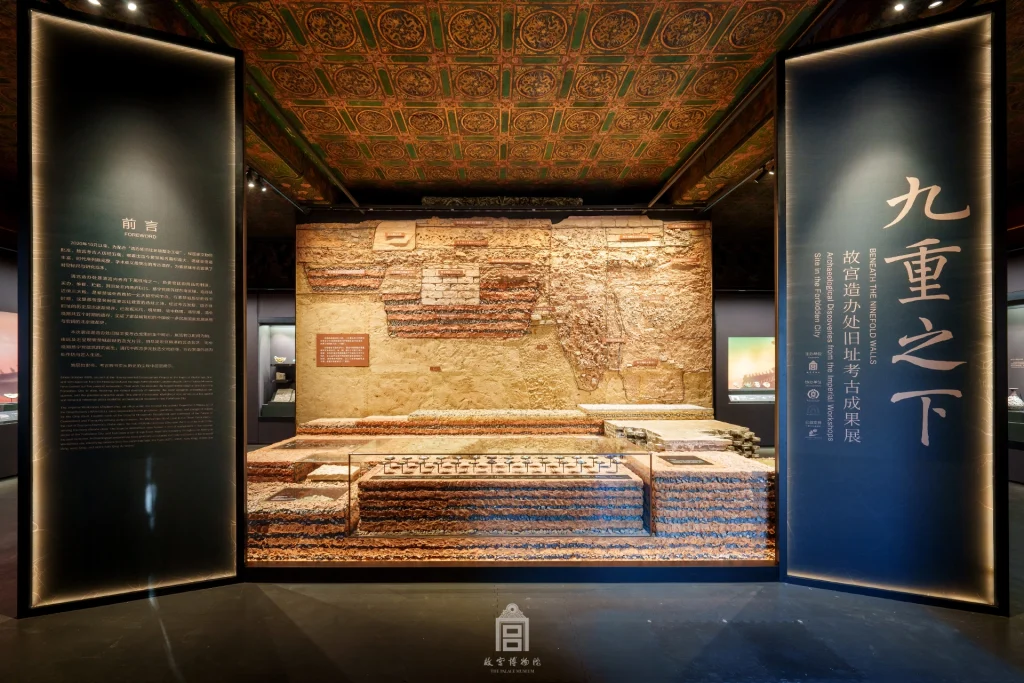
The Palace Museum in Beijing unveils “Beneath the Nine Layers,” showcasing major archaeological discoveries from the Imperial Workshops site.

Discover the best citywalk experience in Shanghai, where modern skyscrapers meet historic streets, vibrant neighborhoods, and scenic waterfronts.
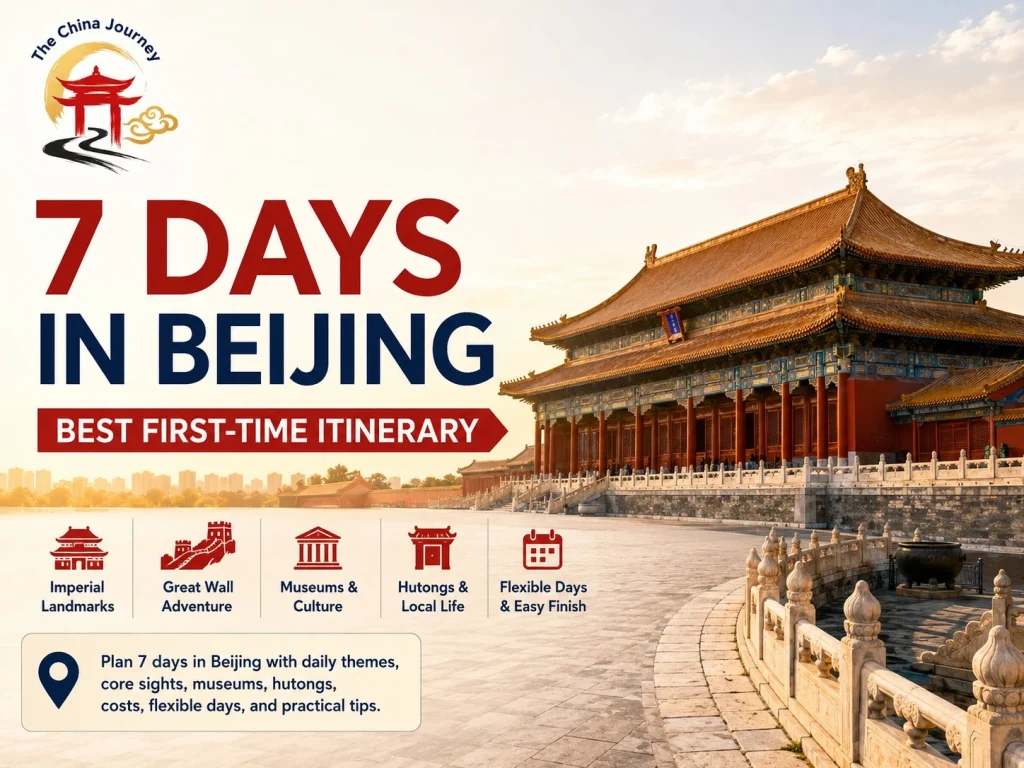
Plan 7 days in Beijing with daily themes, core sights, museums, hutongs, costs, flexible days, and practical route tips.

Share your travel ideas, and we’ll help you plan a smooth, personalized trip across China.

Share your travel ideas, and we’ll help you plan a smooth, personalized trip across China.
We’re looking for experienced, part-time local guides to serve international travelers.
Requirements:
• Fluent in at least one foreign language
• 3–5 years guiding international visitors
• Able to operate in multiple regions in China
• Competitive and reasonable pricing
• Proven customer reviews or testimonials
• Professional, reliable, and responsive
• Flexible availability for custom trips
Hi there!
Just a quick heads-up — a helpful user named Volker let me know that some of the non-English content on this site may not be accurate.
This site is a one-person project I run part-time. I research and publish all the content myself, and the translations are currently done by machine (Google Translate). Balancing accuracy and accessibility across multiple languages is a real challenge.
If you spot any errors, I recommend switching to the English version using the button at the bottom left. I’ll continue working to improve the translations over time.
I truly appreciate your understanding. And if you have any suggestions, feel free to leave a comment — it means a lot to me.
— Anthony 2025.6.18

