
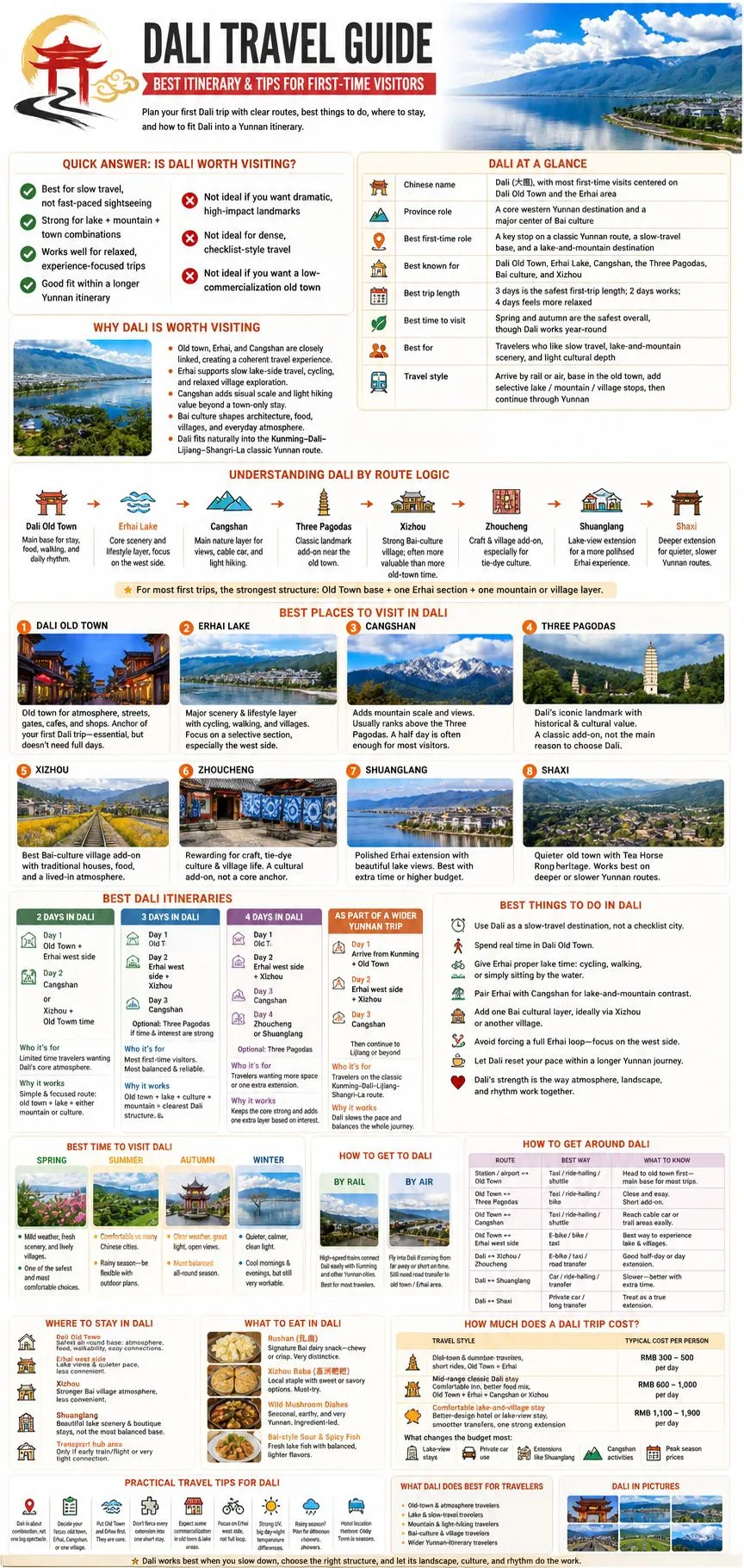
Dali is not a one-sight destination. For first-time travelers, the real question is not whether Dali is worth visiting, but how to use it: as a slow old-town base, an Erhai lake stop, a Cangshan landscape pairing, or a pacing break in a Yunnan route.
This guide helps you decide whether Dali fits your travel style, what to prioritize first, how many days to stay, when to go, and how to connect it smoothly with Kunming, Lijiang, and Shangri-La. For most first trips, the key is not seeing everything, but choosing the right structure and letting Dali work through pace, landscape, and selective cultural depth.
| Field | Quick Take |
|---|---|
| Chinese name | Dali (大理), with most first-time visits centered on Dali Old Town and the Erhai area |
| Province role | A core western Yunnan destination and a major center of Bai culture |
| Best first-time role | A key stop on a classic Yunnan route, a slow-travel base, and a lake-and-mountain destination |
| Best known for | Dali Old Town, Erhai Lake, Cangshan, the Three Pagodas, Bai culture, and Xizhou |
| Best trip length | 3 days is the safest first-trip length; 2 days works; 4 days feels more relaxed |
| Best time to visit | Spring and autumn are the safest overall, though Dali works year-round |
| Best for | Travelers who like slow travel, lake-and-mountain scenery, and light cultural depth |
| Travel style | Arrive by rail or air, base in the old town, add selective lake / mountain / village stops, then continue through Yunnan |

Dali is worth visiting not because of one overwhelming landmark, but because its old town, lake, mountain backdrop, and Bai cultural layer work together unusually well.

Dali is best for travelers who prioritize pace, atmosphere, and landscape over checklist-style sightseeing. It is strongest when used as a stay-and-explore base rather than a rush-through stop.
Good fit for…
Maybe not ideal if…

Dali is strongest when you stop trying to cover everything. For most first-time travelers, the safest structure is Old Town as the base, plus one Erhai layer and one mountain or culture layer.
For most first trips, the strongest structure is simple: Old Town base + one Erhai section + one mountain or village layer.
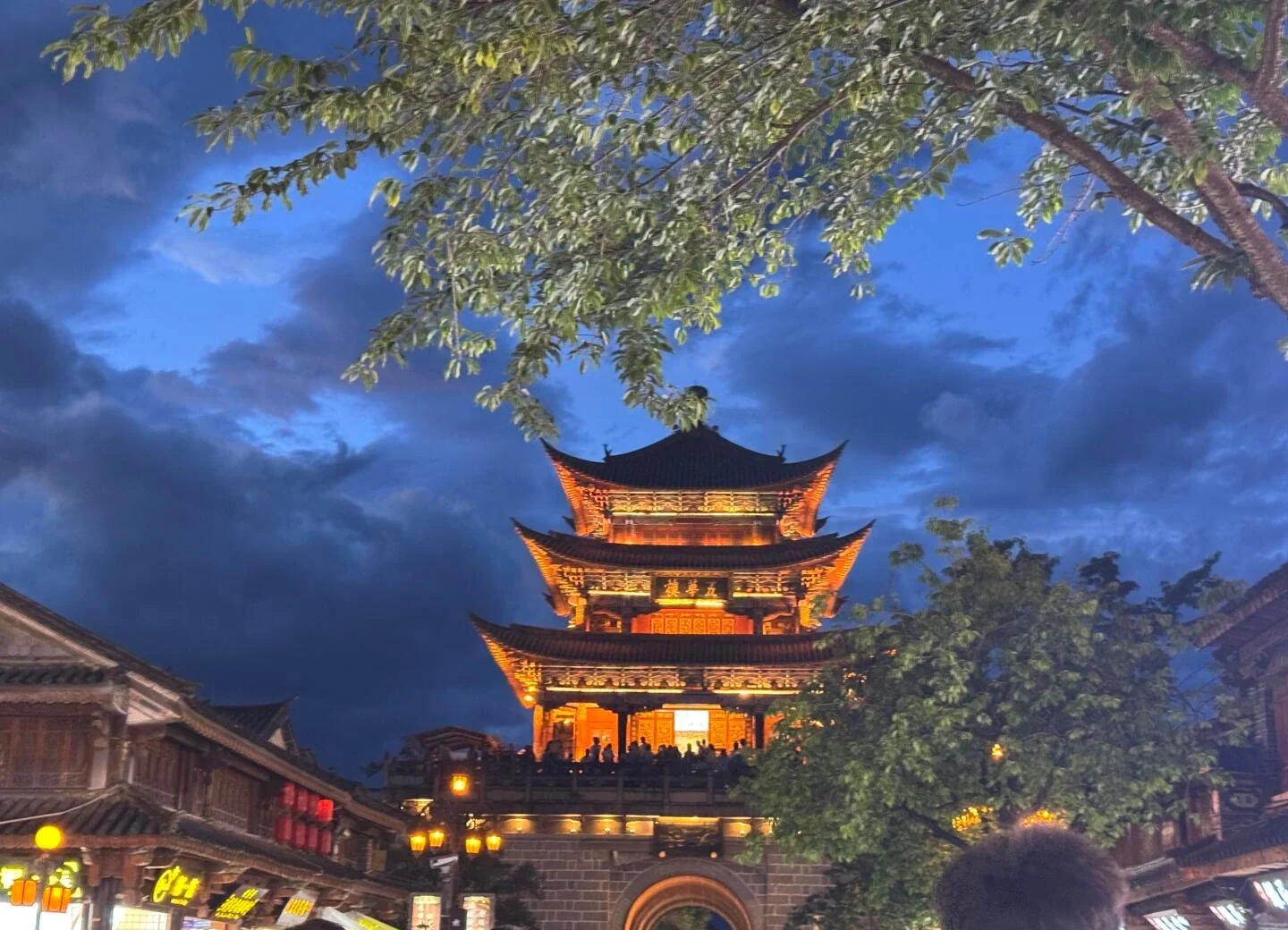
Dali Old Town (大理古城) is the core base of a first trip, not just a place to pass through. It is worth visiting because it gives you the easiest way to experience Dali’s pace through walking streets, gate views, cafés, shops, and a steady old-town atmosphere. It suits almost all first-time visitors, especially those who want a relaxed base rather than a packed sightseeing zone. In route terms, this is the main stay-and-wander core. It is essential, but it does not need full days. Use it as your anchor, then give more time to the stronger landscape layers.

Erhai Lake (洱海) is one of Dali’s main experience layers and a major reason to visit. It is worth visiting because it offers more than views: lake-side pacing, village scenery, cycling, and a slower style of travel that fits Dali better than checklist sightseeing. It suits travelers who like atmosphere, open space, and light outdoor movement. In route terms, this is the core scenery-and-lifestyle layer. On most first trips, it deserves higher priority than the Three Pagodas or more distant extensions. Focus on a selective section, especially the west side, rather than forcing a full loop.

Cangshan (苍山) gives Dali its mountain scale and is the strongest natural counterpart to Erhai. It is worth visiting because it changes Dali from a lake-and-old-town stop into a fuller mountain-and-water destination. It suits travelers who want viewpoints, cable car access, light hiking, and a stronger landscape feel without committing to a hard outdoor route. In route terms, this is the main nature layer and usually belongs near the top of a first-trip structure. For most visitors, it should rank above the Three Pagodas. A half day is usually enough if you want the mountain layer without overbuilding the day.

The Three Pagodas (三塔) are Dali’s best-known landmark, but they are not always a first-trip priority. They are worth visiting because they add historical weight, visual identity, and a classic cultural stop near the old town. They suit travelers who care about architecture, Buddhist history, and recognizable heritage sites. In route terms, this is a classic add-on rather than the main reason to choose Dali. It makes sense when you have enough time or want a stronger cultural layer, but on a shorter first trip it clearly ranks below Erhai and Cangshan.

Xizhou (喜洲) is one of the best places to visit in Dali if you want a more grounded Bai cultural layer beyond the old town. It is worth visiting because it adds traditional houses, village rhythm, local food, and a more lived-in atmosphere than Dali Old Town alone. It suits travelers who want cultural texture without needing a heavy museum or performance-based experience. In route terms, this is the clearest village add-on for many first-time visitors. On a 3-day trip, it is often more valuable than adding more old-town wandering. It pairs especially well with an Erhai west-side route.

Zhoucheng (周城) is a rewarding add-on for travelers interested in craft, village life, and Bai identity. It is worth visiting because it gives Dali a stronger traditional-handicraft layer, especially through tie-dye culture, and feels more specialized than the broader atmosphere of Xizhou. It suits travelers who enjoy local craft traditions and do not mind a lower-key stop. In route terms, this is a cultural add-on rather than a core first-trip anchor. It works best after you already have the old town, Erhai, and either Cangshan or Xizhou in place.

Shuanglang (双廊) is a polished Erhai extension rather than a default first-trip essential. It is worth visiting because it offers some of Dali’s prettiest lake-facing views and a more design-led, stay-oriented version of the Erhai experience. It suits travelers who care about lake scenery, boutique stays, and a more curated atmosphere. In route terms, this is a selective lake extension, not the core lake experience itself. For many first-time visitors, Erhai west side plus Xizhou is a stronger use of time. Shuanglang makes more sense if you have extra time, a higher budget, or want a more refined overnight stay.
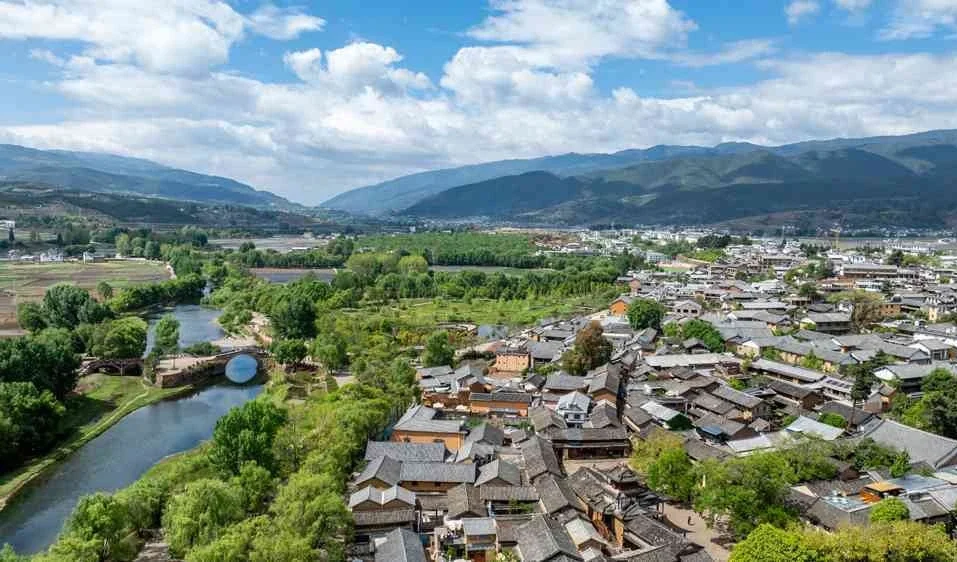
Shaxi (沙溪) is a deeper extension for travelers who want Dali to open into a slower, broader Yunnan route. It is worth visiting because it adds a quieter old-town atmosphere, Tea Horse Road heritage, and a much less compressed pace than Dali’s main core. It suits deeper travelers, photographers, and visitors who prefer lower-intensity places over headline sights. In route terms, this is not a standard first-trip Dali stop. It works best as a longer extension, especially on 4 days or more, or as part of a wider route continuing beyond Dali.

Dali needs enough time for pace, not just coverage. For most first-time visitors, the goal is to combine the old town with one lake layer and one mountain or culture layer without rushing.
For most travelers, 3 days is the clearest answer: long enough to feel Dali properly, short enough to keep the wider Yunnan route moving well.

Who it’s for
Travelers with limited time who still want Dali’s core atmosphere, not just a fast photo stop.
Route logic
Use Dali Old Town as the base, then choose one major landscape layer. Do not try to squeeze in every village, pagoda, and lake stop.
Main stops
Day 1: Dali Old Town + Erhai west side
Day 2: Cangshan
or
Day 1: Dali Old Town + Erhai west side
Day 2: Xizhou + light old-town time
Why this itinerary works
Two days is enough if you accept that Dali is about combination, not total coverage. The key is to keep the structure simple: old town for atmosphere, Erhai for pace and scenery, then either Cangshan for mountain scale or Xizhou for Bai culture. This gives you Dali’s real character without turning the trip into a rushed loop around too many secondary stops.

Who it’s for
Most first-time visitors who want the most balanced and reliable Dali experience.
Route logic
This is the strongest first-trip structure: one old-town layer, one lake layer, and one mountain or village layer. It gives Dali enough room to feel like Dali.
Main stops
Day 1: Dali Old Town
Day 2: Erhai west side + Xizhou
Day 3: Cangshan
Optional add-on: short Three Pagodas visit if time and interest are strong
Why this itinerary works
Three days is usually the safest answer because it lets Dali’s main strengths work together without conflict. The old town gives you the base and daily rhythm, Erhai gives you the defining slow-travel layer, Xizhou adds Bai cultural depth, and Cangshan supplies the mountain backdrop that completes the destination. For most first-time visitors, this is the most balanced version.

Who it’s for
Travelers who want a more spacious rhythm, stronger village texture, or one extra selective extension.
Route logic
Keep the 3-day core intact, then use the extra day to deepen the trip rather than expand it blindly.
Main stops
Day 1: Dali Old Town
Day 2: Erhai west side + Xizhou
Day 3: Cangshan
Day 4: Zhoucheng or Shuanglang
Optional: Three Pagodas as a secondary cultural add-on
Why this itinerary works
Four days makes Dali feel more natural because you no longer need to compress lake, mountain, and village layers too tightly. Zhoucheng works well if you want a stronger craft-and-culture angle, while Shuanglang makes more sense if you want a refined lake-side extension. This version is best for travelers who value pace and experience quality more than efficiency alone. It keeps the core route strong while adding one extra layer based on interest.

Who it’s for
Travelers moving through the classic Kunming–Dali–Lijiang–Shangri-La route and needing Dali to function as both destination and rhythm reset.
Route logic
Use Dali as the middle section of the wider journey: slower than Kunming, less intense than later mountain-heavy routes, and ideal for rebalancing the trip.
Main stops
Day 1: Arrive from Kunming + Dali Old Town
Day 2: Erhai west side + Xizhou
Day 3: Cangshan
Then continue to Lijiang or beyond
Why this itinerary works
Dali becomes even more valuable when placed inside a longer Yunnan route. It gives you time to slow down after transport, absorb Bai cultural atmosphere, and enjoy a more open, breathable landscape before moving into busier or more altitude-sensitive destinations. It improves the pacing of the whole Yunnan journey.
If you are mapping a larger route, it also helps to think through How to Plan a China Trip.

Dali works best when you settle into it. Its strongest experiences come from combining pace, scenery, and selective cultural depth rather than chasing every famous stop.
Dali works in every season, but spring and autumn are usually the safest choices for first-time visitors because the weather is steadier, the lake-and-mountain pairing looks its best, and the city’s slower rhythm is easiest to enjoy. For a wider national comparison, see our Best Time to Visit China guide.

Spring is one of the best times to visit Dali. The weather is mild, the old town is comfortable for walking, and the Erhai–Cangshan combination feels especially fresh and balanced. Village stops such as Xizhou also tend to feel more lively without becoming too heavy. If you want Dali at its most comfortable and photogenic without major weather pressure, spring is one of the safest answers.

Summer can still work well, especially for travelers escaping hotter cities elsewhere in China. Dali usually stays more comfortable than many lowland destinations, and Erhai plus the mountain backdrop still look strong. But this is also the rainy season, so afternoon showers can interrupt lake time, cycling plans, and mountain visibility. Summer is better for travelers who can keep the schedule flexible rather than trying to force tightly timed outdoor plans.

Autumn is often the most balanced all-round answer. The weather is usually clear, the light is good for both the old town and Erhai, and Cangshan tends to feel more open and readable than in wetter months. This is also a strong season for village stops such as Xizhou. If you want the clearest first-trip version of Dali, autumn is usually the most stable choice.

Winter is still a very workable season in Dali. The city is quieter, the light can be very clean, and the overall mood often feels calmer than in peak periods. It suits travelers who prefer fewer crowds and slower walking days. The tradeoff is cooler mornings and evenings, and mountain conditions can feel less forgiving if your plan depends heavily on outdoor time. Still, for old-town atmosphere and lake views, winter remains a real option.
Dali is easy to reach and fits naturally into a wider Yunnan route. For most first-time visitors, high-speed rail is the most reliable option because it is simple, fast, and fits naturally into trips that also include Kunming, Lijiang, or Shangri-La. For broader national planning, see our China Transportation Guide.

For most travelers, rail is the best way to enter Dali. High-speed trains connect Dali smoothly with Kunming and also make onward travel to places such as Lijiang much easier. This is usually the cleanest option if Dali is one stop within a longer Yunnan itinerary rather than a stand-alone destination.
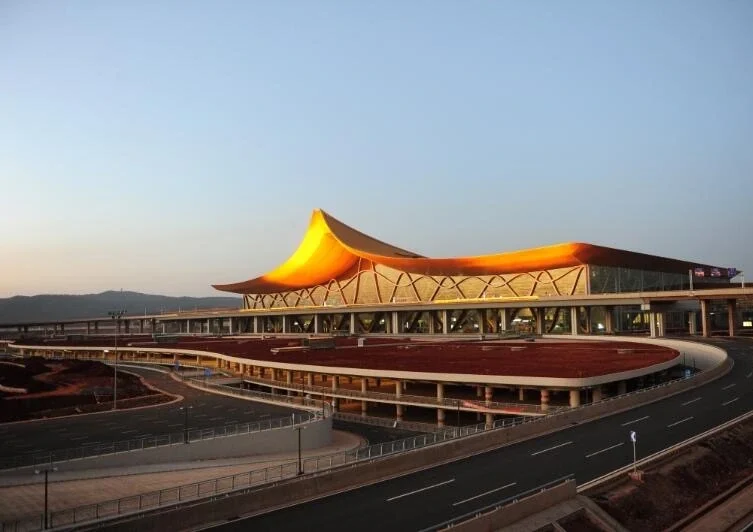
Flying to Dali makes sense if you are coming from farther away in China or do not want to build the trip around Kunming first. Air travel is useful for time-sensitive trips, but once you arrive, you will still need a road transfer to reach the old town or the Erhai side, so the total journey is not always as friction-free as rail.
For most first-time visitors, the safest pattern is Kunming to Dali by rail, then onward to Lijiang or beyond. That route keeps the pacing smooth and makes Dali work as the natural middle section of a wider Yunnan journey. If you are short on time or arriving from another part of China, flying directly into Dali can also work well, but rail usually fits the classic first Yunnan route better.
Dali is easy to navigate once you separate the old-town base from the lake, mountain, and village extensions. Inside the core area, short rides and walking are usually enough. For lake villages and farther add-ons, transport choice affects the experience much more.
| Route | Best way to travel | What to know |
|---|---|---|
| Station / airport ↔ Dali Old Town | Taxi / ride-hailing / shuttle | The old town is the main first-trip base, so most visitors should head there first rather than stay near the transport hubs. |
| Old Town ↔ Three Pagodas | Taxi / ride-hailing / bike | Close and easy. Best treated as a short add-on, not a full transport day. |
| Old Town ↔ Cangshan access points | Taxi / ride-hailing / shuttle | The easiest way to reach the cable car or trail areas. Best planned as a half-day block. |
| Old Town ↔ Erhai west side villages | E-bike / bike / taxi | One of the best ways to experience Dali. A selective west-side section is usually better than forcing a full lake loop. |
| Dali ↔ Xizhou / Zhoucheng | E-bike / taxi / short road transfer | Good for a half-day or day extension. Easy to combine with an Erhai west-side route. |
| Dali ↔ Shuanglang | Car / ride-hailing / private transfer | Slower and more of a deliberate extension. Better for travelers who specifically want a lake-view add-on. |
| Dali ↔ Shaxi | Private car / longer road transfer | Best treated as a true extension, not a casual side trip from a short first stay. |
Inside the main Dali zone, keep the structure simple: use the old town as your base, go out selectively, and avoid turning the trip into constant transfers. For most first-time visitors, walking, short rides, and one focused Erhai route work best.

For most first-time travelers, Dali Old Town remains the safest and most balanced place to stay.
See also: Where to Stay in Dali

Dali is one of the best places to experience Bai-style food on a first Yunnan trip. The food here is less about heavy seasoning or one signature dish, and more about local ingredients, light sourness, dairy traditions, lake-side produce, and a grounded village-food logic.

Dali food is shaped by Bai cooking habits, local produce, dairy elements, lake fish, preserved ingredients, and a preference for freshness over heavy sauce. Compared with many northern Chinese cities, it is less wheat-heavy and more tied to local ingredients and seasonal variety.
Dali works as a Bai-cultural food stop rather than as Yunnan’s broadest food city. That is exactly why it is useful. Kunming introduces the province; Dali gives you a more place-specific layer. Lijiang often leans more toward Naxi-style tourism dining, while Dali is stronger for food tied to village life and a more relaxed travel rhythm.
Start with one good local snack such as rushan or xizhou baba, then add one proper Bai-style meal rather than eating every meal inside the most touristy old-town streets. If you have time, try food in Xizhou or another village stop, where Dali’s flavor logic often feels clearer. The goal is not to chase a long food checklist, but to use food to understand why Dali feels slower, more local, and more rooted than it first appears.
Dali is not an especially expensive destination by Yunnan standards, but the budget changes quickly depending on where you stay and how far you extend the route. For most first-time visitors, the main cost center is usually Old Town + Erhai + one extension, not the old town alone. For broader budgeting, see our Cost to Travel in China guide.
| Travel style | What it usually looks like | Typical cost per person |
|---|---|---|
| Budget-ish Old Town stay | Simple guesthouse, local meals, short rides, Old Town + selective Erhai time | RMB 300–500 per day |
| Mid-range classic Dali stay | Comfortable inn, better food mix, Old Town + Erhai + Cangshan or Xizhou | RMB 600–1,000 per day |
| Comfortable lake-and-village stay | Better-design hotel or lake-view stay, smoother transfers, Old Town + Erhai + one stronger extension | RMB 1,100–1,900 per day |
What changes the budget most
For most travelers, Dali offers strong value when you keep the structure simple and avoid over-extending the route.
Dali is easier to enjoy once you understand its role. Most first-trip mistakes come from trying to cover everything instead of focusing on pace, scenery, and a few strong layers.
If Dali is part of a wider trip, review broader China Travel Tips and think ahead about What to Pack for China before finalizing the route.

Dali is strongest in a few clear travel roles, not as an all-purpose destination for everyone.
Dali is strongest when used selectively—either as a stay-focused destination or as a pacing anchor within a Yunnan itinerary.


Discover what to eat in Hangzhou, from West Lake fish and Dongpo pork to noodles, snacks, prices, areas, and ordering tips.

Explore Huanglong Scenic Area, a UNESCO World Heritage site in China, famous for its colorful pools, snow-capped peaks, and lush forests.

Explore what Chinese people eat for breakfast, from buns, congee, noodles, and soy milk to dim sum and regional morning specialties across China.

China recorded 178 million border crossings in Q3 2025, with visa-free foreign arrivals up 48.3%, reflecting the surge in inbound travel.

Since March 2025, US influencer IShowSpeed (Darren Watkins Jr.) has toured multiple cities in China, including Shanghai, Beijing, Henan, Chengdu, Chongqing, Shenzhen, and Hong Kong.

Navigate Chengdu by metro, DiDi, bus, and bike. Learn foreign-card tap payment, Panda Base transfers, airport links, and practical tips for visitors in 2026.


