

Datong (大同) is a northern China city best known for its Buddhist art, cliffside temples, and preserved ancient architecture. It is not the most typical first stop for first-time China travelers, but it stands out for its raw historical depth, especially from the Northern Wei period, and its relatively uncrowded atmosphere compared to cities like Xi’an or Luoyang.
This guide helps you decide if Datong fits your China trip, how many days to stay, what to see, and how to plan efficiently. Whether you are adding it to a Shanxi route or looking for a focused 1–2 day cultural stop, this article gives you a clear, practical way to explore Datong without overplanning.
| Field | Quick Take |
|---|---|
| Chinese name | Datong |
| Province | Shanxi, in northern China |
| Best known for | Buddhist cave art, cliffside temples, ancient wooden architecture, and Northern Wei heritage |
| Best first-time role | A strong cultural stop in northern Shanxi rather than an all-round mega destination |
| Suggested stay | 1–2 days is the safest first-time answer; 3–4 days works for a deeper route |
| Best for | History lovers, architecture-focused travelers, photographers, and culture-first visitors |
| Travel style | Compact heritage trip, slower cultural travel, or a focused stop on a larger Shanxi route |
| Typical route role | Best used as a short standalone cultural stop or as a Shanxi extension with places like Pingyao |

Datong is worth visiting not because it offers the broadest China city experience, but because it does a few cultural things exceptionally well. It is one of those places where the value comes from concentration: strong heritage, major Buddhist art, rare architecture, and a lower-tourist-pressure setting.

Datong is best approached as a focused cultural destination rather than a general city trip. Its value comes from a small number of high-impact heritage sites rather than a wide range of urban experiences.
At the same time, it requires a bit more planning than compact cities. Key sites sit outside the city, and the experience is less about wandering and more about moving between major landmarks with purpose.
Good fit for…
Maybe not ideal if…
If you are short on time, focus on the first two or three sites, which define Datong’s core experience.
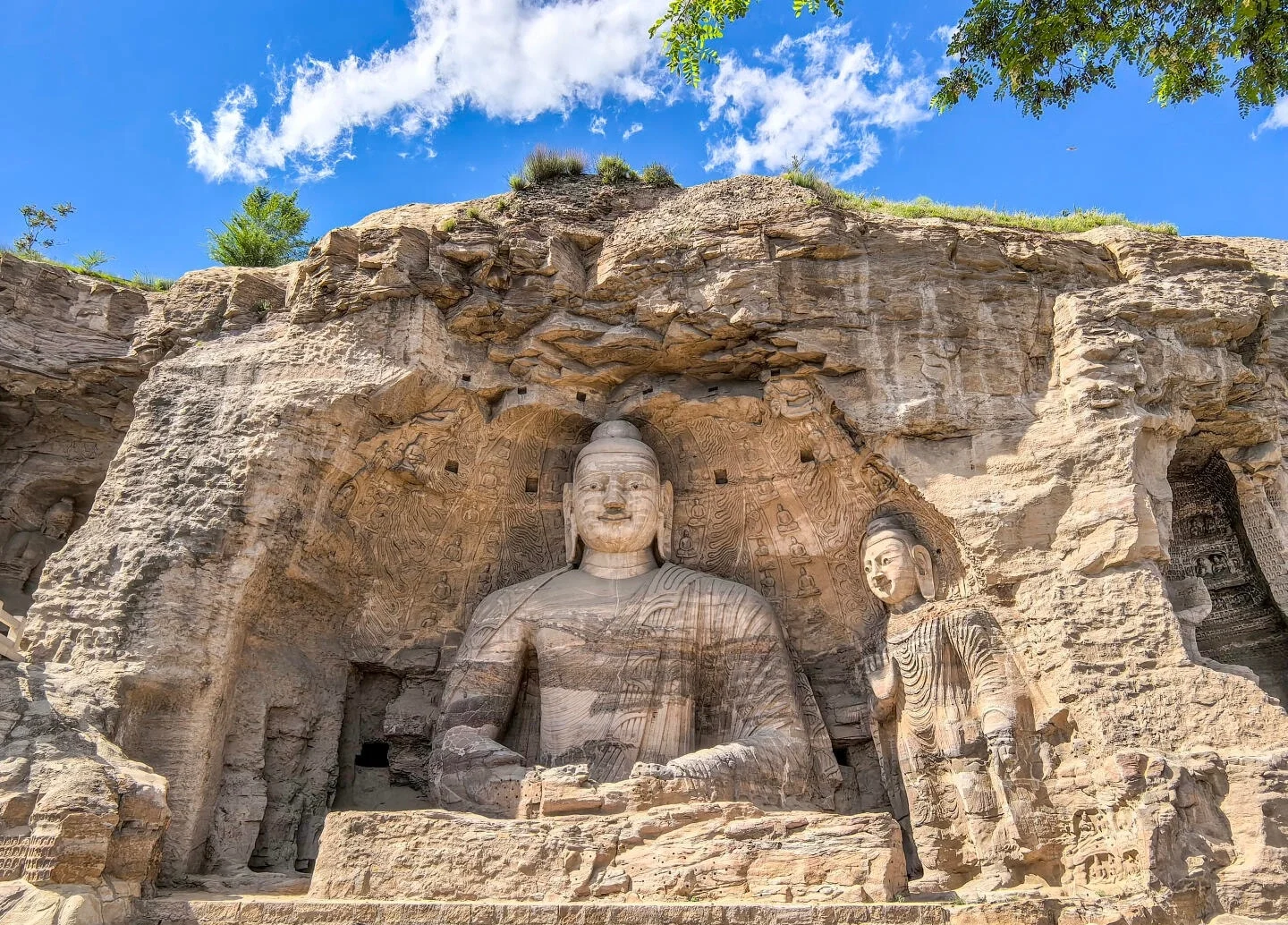
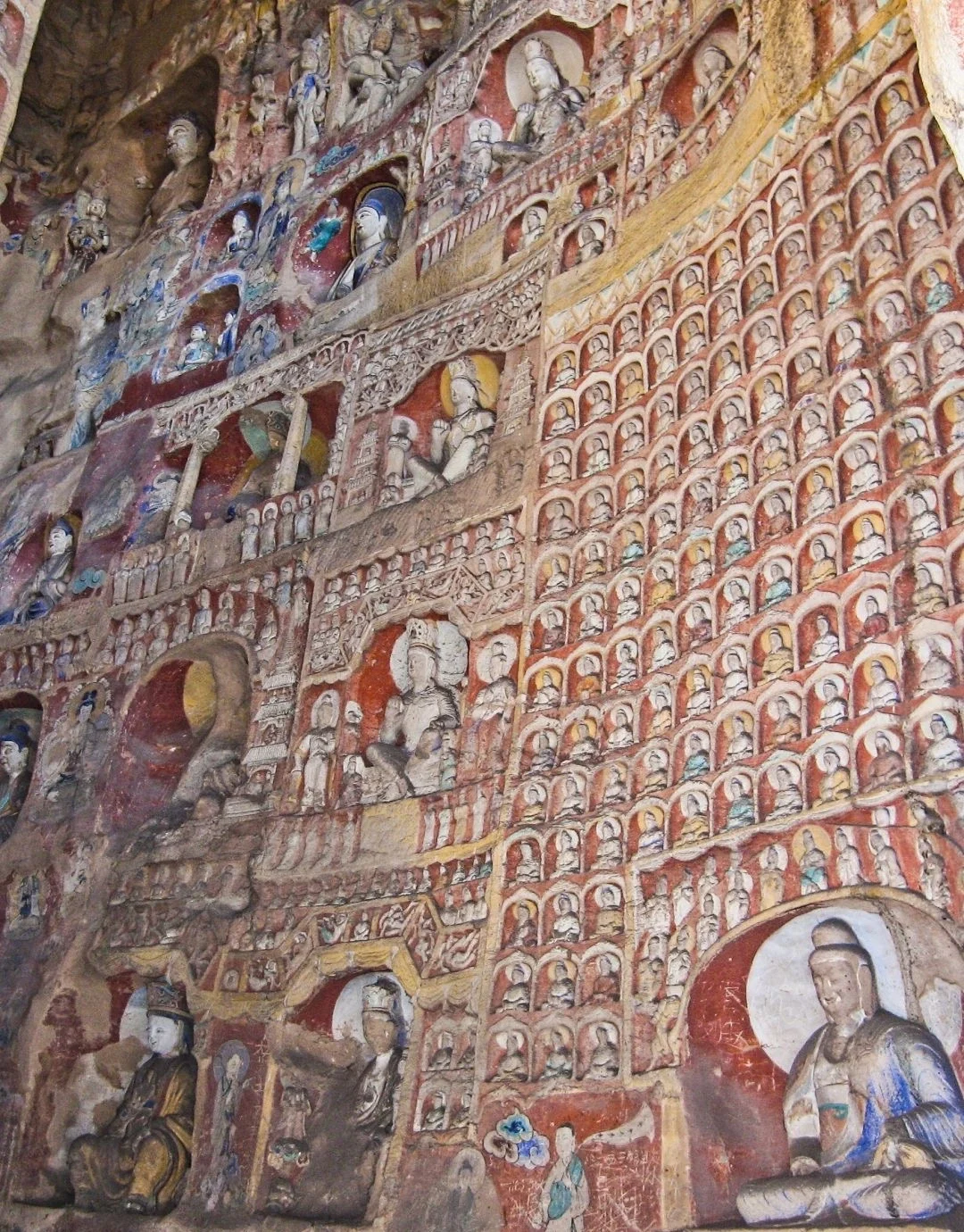
Yungang Grottoes is Datong’s absolute top priority and the one site that justifies the stop on its own. It is a major Buddhist cave-art complex carved during the Northern Wei period, with monumental statues and a scale that immediately separates Datong from ordinary city trips. It is the city’s main cultural highlight and a world-class heritage site. It is best for history lovers, Buddhist art fans, and photographers. In your route, this should be locked in first, even on a short trip. If you cut anything, do not cut this.

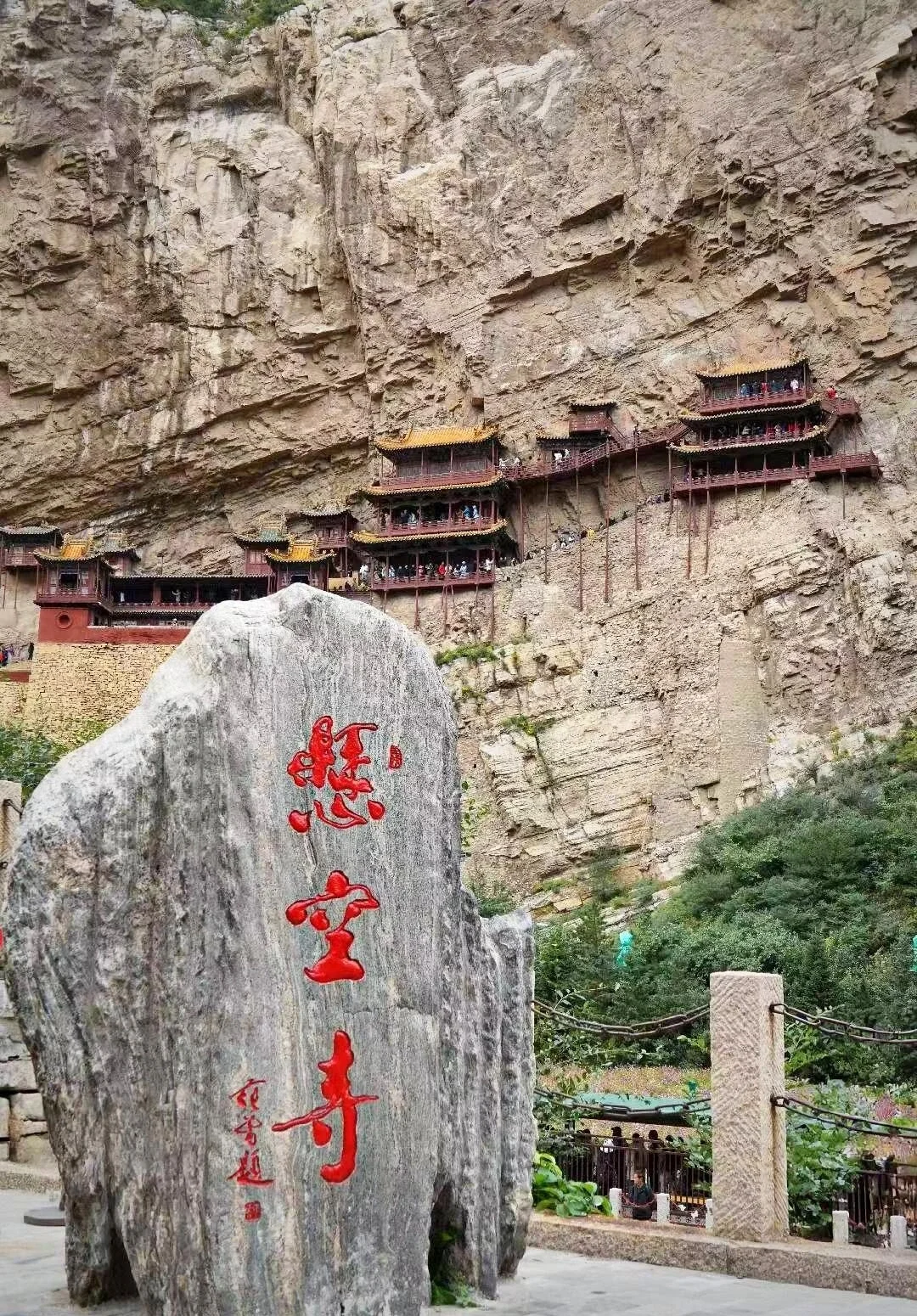
The Hanging Temple is Datong’s iconic second priority and the site that gives the trip its most visually dramatic contrast. Built into a cliff face, it matters because it combines engineering design, religious meaning, and a dramatic cliffside setting in a way very few places in China do. It is best for first-time visitors, photographers, and travelers who want one truly unforgettable structure beyond cave art. In the route, it is the strongest partner to Yungang. If you only have time for two major sights, Yungang plus the Hanging Temple is the strongest core pair.
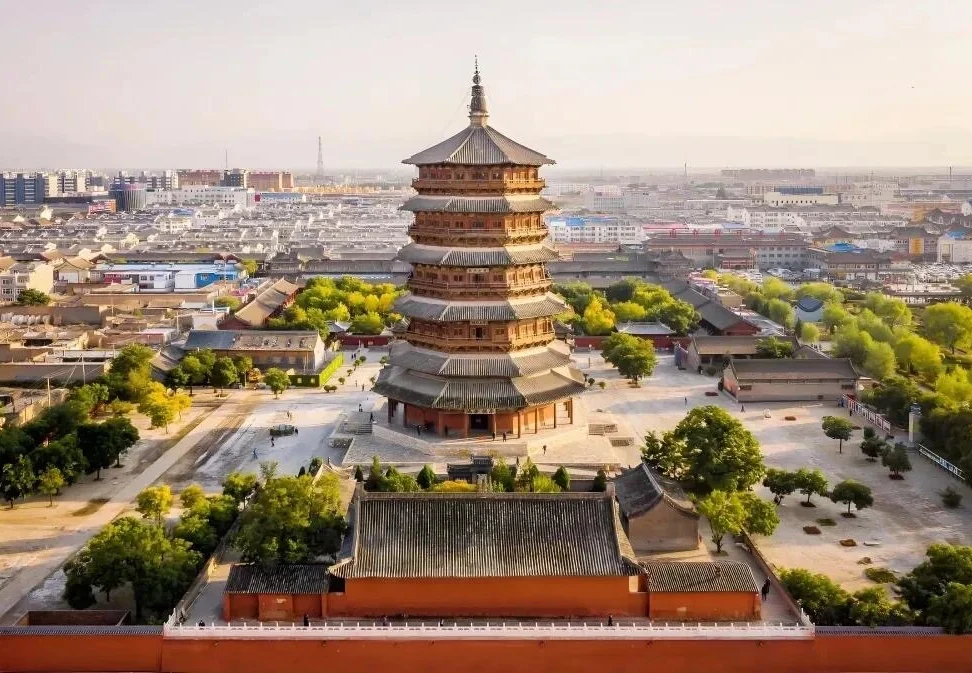
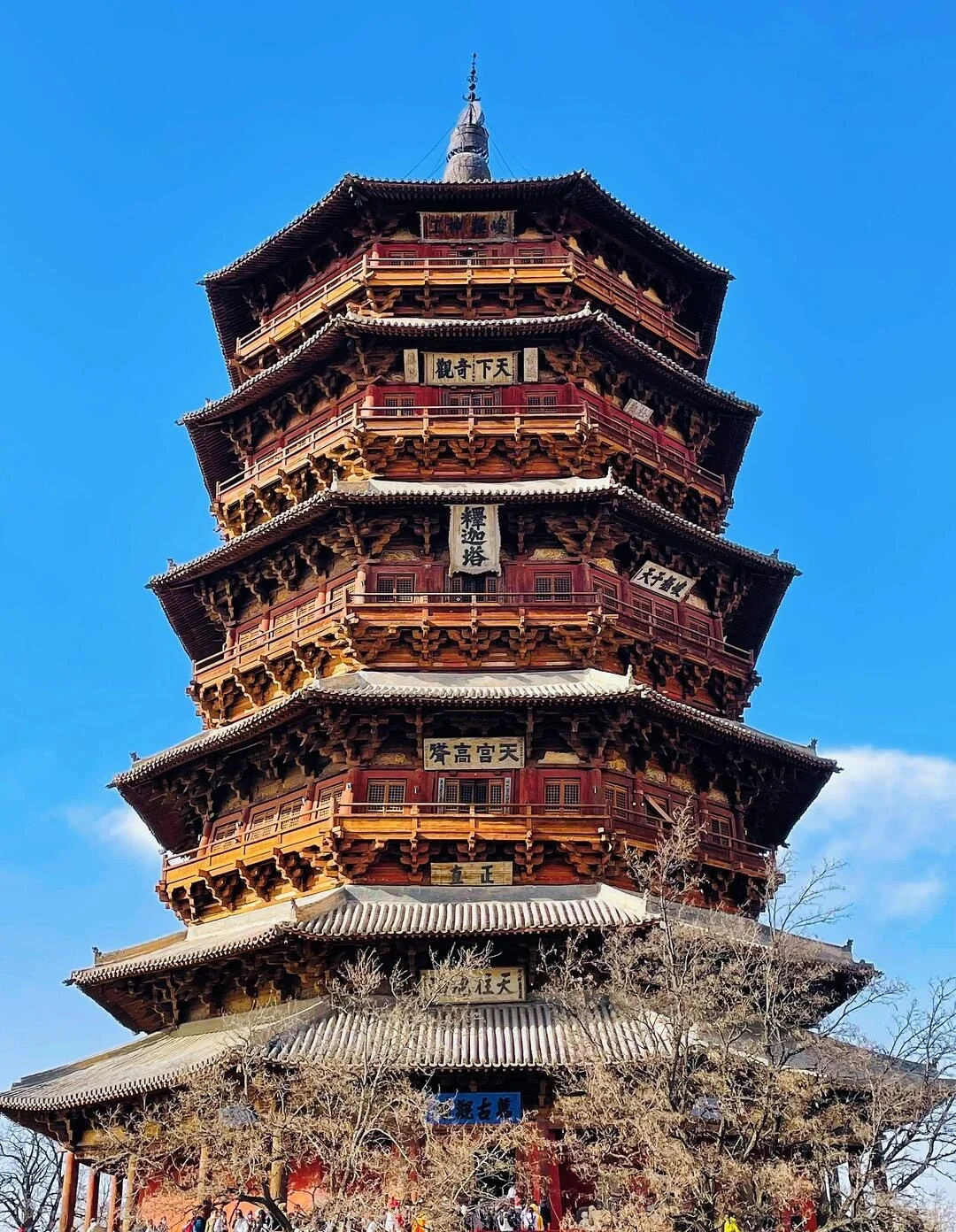
This is a strong extension rather than a first-layer essential, but it becomes highly worthwhile once you have more than one packed day. It is an extraordinary ancient wooden pagoda and one of the most important surviving timber structures in Chinese architectural history. It matters because it adds a completely different kind of heritage value from the grottoes and cliff temple. It is best for architecture-focused travelers, repeat heritage travelers, and anyone doing a fuller Datong circuit. In your route, it works best with the Hanging Temple. On a very short trip, it is the first major extension, not the first locked stop.
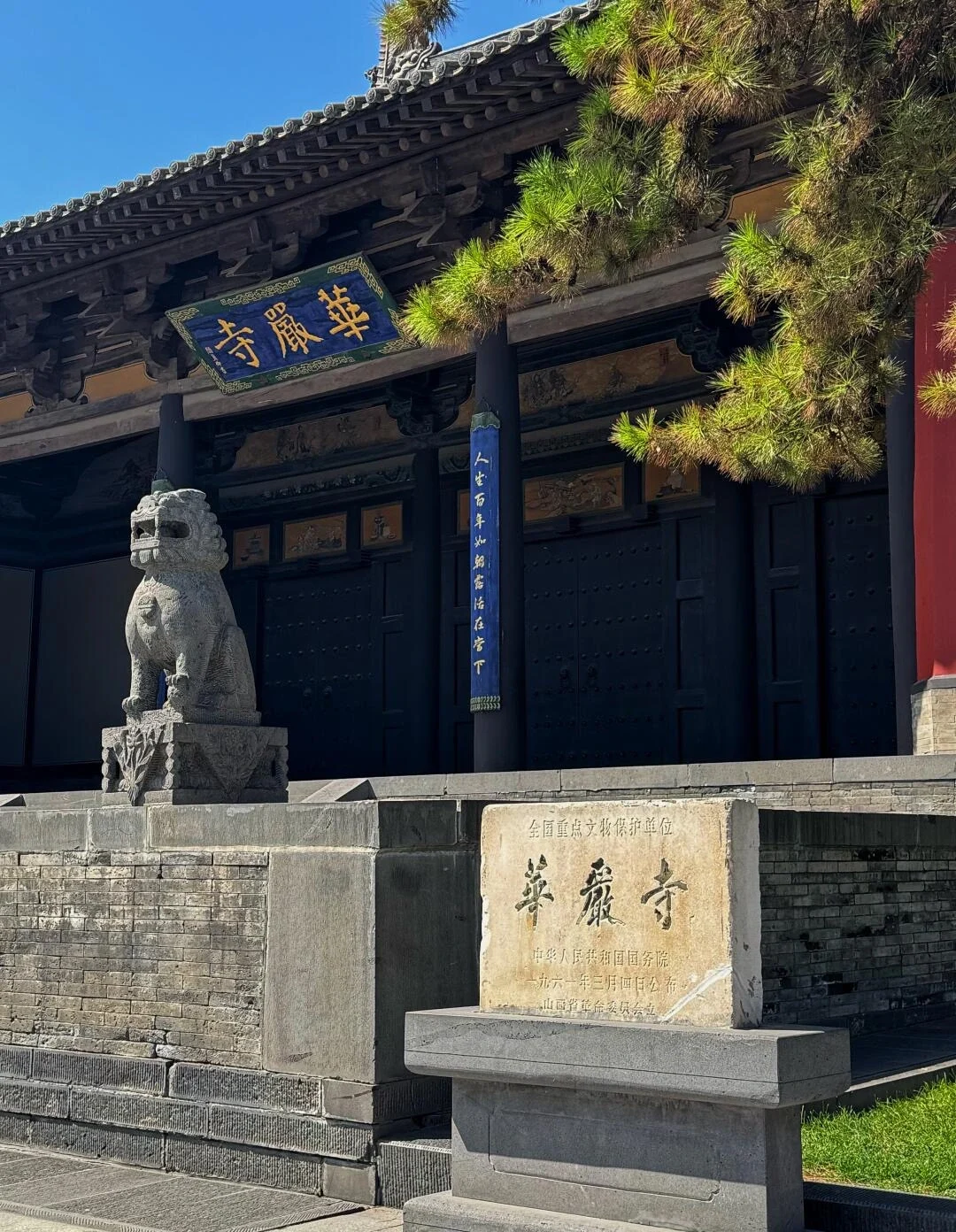
Huayan Temple is one of the city’s strongest depth layers and the best in-town stop after the big-ticket outer sights. It is a major historic temple complex known for its scale, Buddhist atmosphere, and architectural value. It matters because it helps Datong feel like more than a two-sight detour and gives the city center real substance. It is best for travelers who want calm cultural time after the bigger headline sites. In the route, it belongs to the city-depth layer. It ranks below Yungang and the Hanging Temple, but above minor city add-ons if you want a more complete first visit.
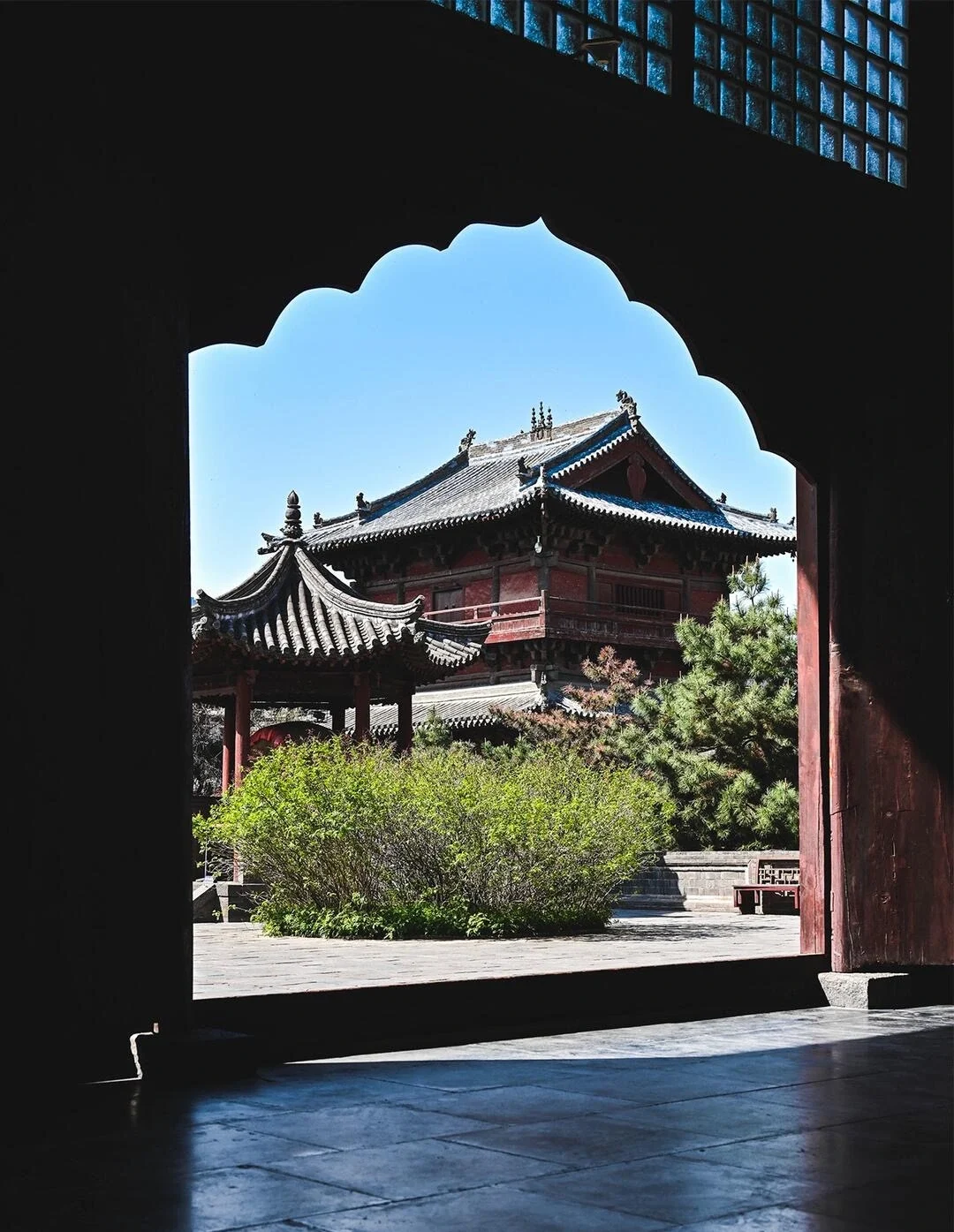
Shanhua Temple is quieter and less visually dominant than Huayan Temple, but it is one of Datong’s best stops for travelers who value atmosphere and architectural continuity. It matters because it shows the city’s heritage in a more restrained, less touristic way, and gives your itinerary a slower, more reflective layer. It is best for temple lovers, architecture fans, and travelers who enjoy lower-crowd sites. In the route, it works especially well with Huayan Temple as a paired city-depth half day. If time is tight, keep Huayan first; if you want richer city texture, add Shanhua.

The Nine Dragon Wall is a short, worthwhile add-on rather than a trip-defining stop. It is a historic glazed screen wall and one of the city’s most recognizable urban heritage sights. It matters because it adds a compact Ming-era layer and is easy to fit into a first-time route without much time cost. It is best for travelers who like symbolic architecture, quick cultural stops, and efficient city-center sightseeing. In the route, this should be treated as a brief supporting stop around Huayan Temple or the old city. It is easy to keep, but also easy to cut if time becomes tight.

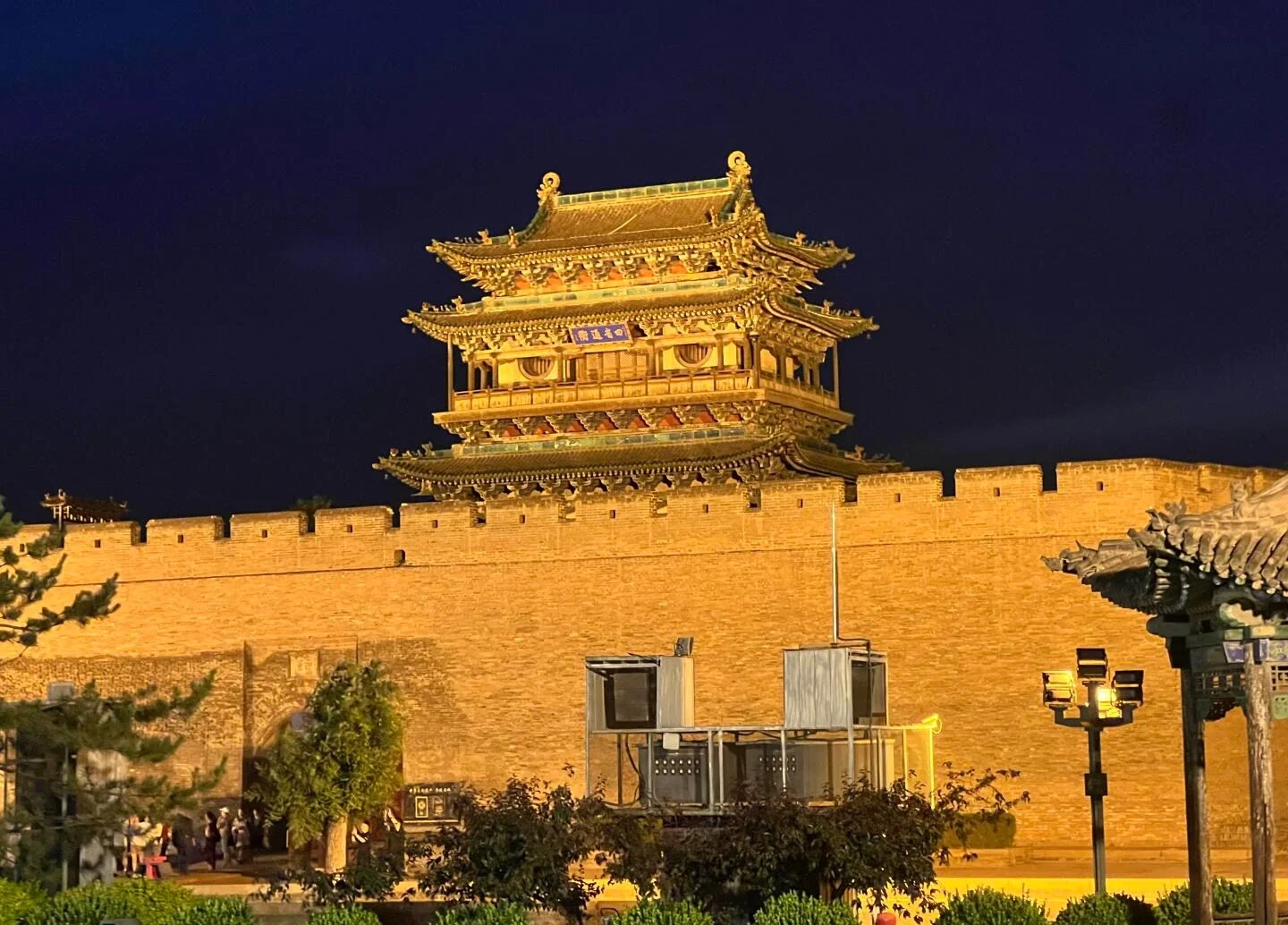
This is Datong’s urban atmosphere layer rather than its main reason to go. The old city zone and restored wall matter because they help you understand the city as a northern historical center, not just a transport base for out-of-town monuments. It is best for evening walking, photography, and travelers who want some city texture between major sites. In the route, it works well as a late-day or post-dinner block, especially after temple visits. Priority-wise, it sits below the big three and below Huayan Temple, but above weaker filler stops because it improves overall trip shape.
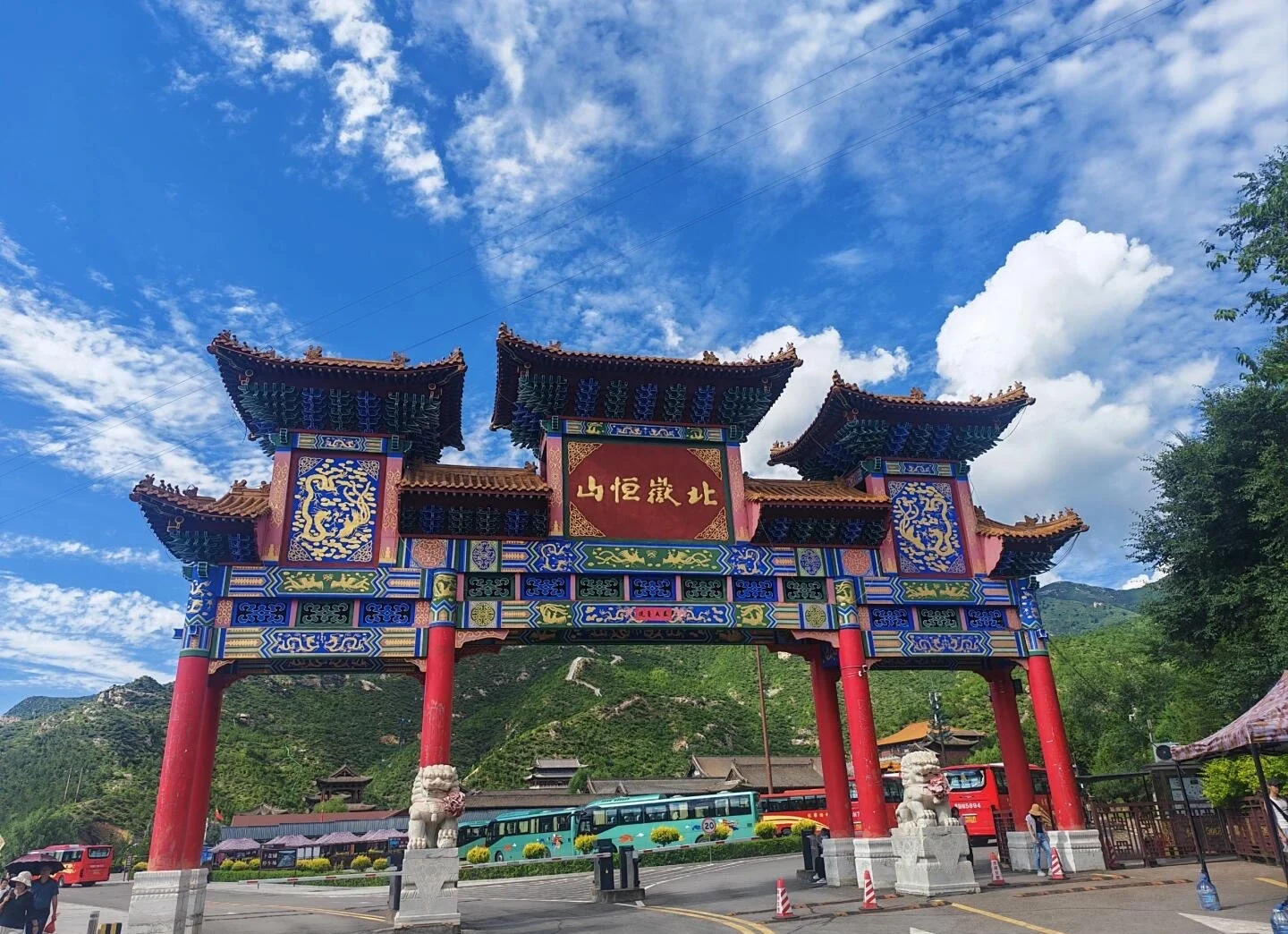
This is the optional extension layer and should not displace Datong’s core first-time structure. Mount Heng adds a mountain-and-religious landscape dimension, while Deshengbao adds frontier history and a more offbeat fortress atmosphere. They matter because they expand Datong beyond Buddhist art and city heritage, but they are not essential for most first visits. Mount Heng is best for travelers who want a scenic add-on; Deshengbao is better for those who want something quieter and less mainstream. In the route, both belong only after the core list is already covered.

Datong is not a city where you should try to do everything at once. The key is to separate the core must-sees from the deeper architecture layer and the outer extensions. For most travelers, 2 days is the safest and most recommended choice.
For most people, 2 days in Datong is the clearest first answer, while Datong + Pingyao is the strongest next step if you want a fuller Shanxi route.
Who it’s for
Travelers with very limited time, including Beijing side-trip visitors and people fitting Datong into a larger North China route.
Route logic
Protect the city’s two strongest first-time priorities rather than trying to cover too much. The day should center on one world-class art site and one iconic architectural site, with everything else treated as optional.
Main stops
Yungang Grottoes → Hanging Temple
Optional only if time and energy allow: Nine Dragon Wall or a brief Datong Ancient City evening walk
Why this itinerary works
This is a tight but effective route that captures Datong’s two strongest highlights. The trade-off is that you miss most city-depth sites, but it remains the most efficient one-day plan.
Who it’s for
Most first-time visitors. This is the safest answer for travelers who want Datong’s main highlights without turning the trip into a rush.
Route logic
Day 1 should combine the absolute priority site with the strongest city-depth layer. Day 2 should handle the iconic out-of-town architecture, then add one secondary stop depending on pace and transport.
Main stops
Day 1: Yungang Grottoes → Huayan Temple → Shanhua Temple or Nine Dragon Wall
Day 2: Hanging Temple → Yingxian Wooden Pagoda
Optional: Datong Ancient City / City Wall in the evening
Why this itinerary works
This is the most mature first-time structure because it balances Datong’s two sides well: major out-of-town heritage and meaningful city-depth sites. You get the essential trio—Yungang, the Hanging Temple, and Yingxian Wooden Pagoda—while still leaving room for one or two in-town layers. For most travelers, this is the best overall itinerary.
Who it’s for
History lovers, architecture-focused travelers, photographers, and visitors who want to understand Datong beyond its most famous two or three postcard sights.
Route logic
Keep the 2-day core intact, then use the extra time to deepen the city layer and add one optional extension rather than cramming in unrelated extras.
Main stops
Day 1: Yungang Grottoes → Huayan Temple → Datong Ancient City evening walk
Day 2: Hanging Temple → Yingxian Wooden Pagoda
Day 3: Shanhua Temple → Nine Dragon Wall → City Wall / old city layer
Day 4: Mount Heng or Deshengbao, depending on whether you prefer mountain scenery or frontier-history atmosphere
Why this itinerary works
This version lets Datong feel like a real destination rather than a fast heritage stop. You can slow down at the temples, spend more time in the city, and add one optional extension based on your interests. Its main strength is not simply more sights, but better pacing and a fuller historical picture.
Who it’s for
Travelers building a Shanxi route, or anyone who wants a stronger cultural journey than Datong alone can provide.
Route logic
Use Datong first for Buddhist art, cliff architecture, and Northern Wei / Liao–Jin heritage, then move south to Pingyao for a different Shanxi layer built around city walls, merchant culture, and late imperial urban life.
Main stops
Datong: Yungang Grottoes → Hanging Temple → Yingxian Wooden Pagoda → Huayan Temple / Shanhua Temple
Pingyao: Ancient City → City Wall → main old streets, courtyards, and merchant-town atmosphere
Why this itinerary works
This is the most natural extension because the two cities complement each other rather than repeat each other. Datong gives you Buddhist art, grottoes, and monumental architecture, while Pingyao adds a walled-city atmosphere and a different Shanxi historical layer. Together, they create one of the strongest short cultural routes in Shanxi.
Datong is a seasonally flexible heritage destination, but spring and autumn remain the safest choices for most visitors. For a broader seasonal comparison, see our Best Time to Visit China guide.

Spring is one of the best times to visit Datong. The weather is usually cool to mild, which makes long walks at places like Yungang Grottoes and the old city much easier than in hotter parts of North China. The main drawback is wind and dryness, especially on more exposed days. If you are visiting cave sites, temple courtyards, and outer-city heritage stops, spring is a very stable season overall.
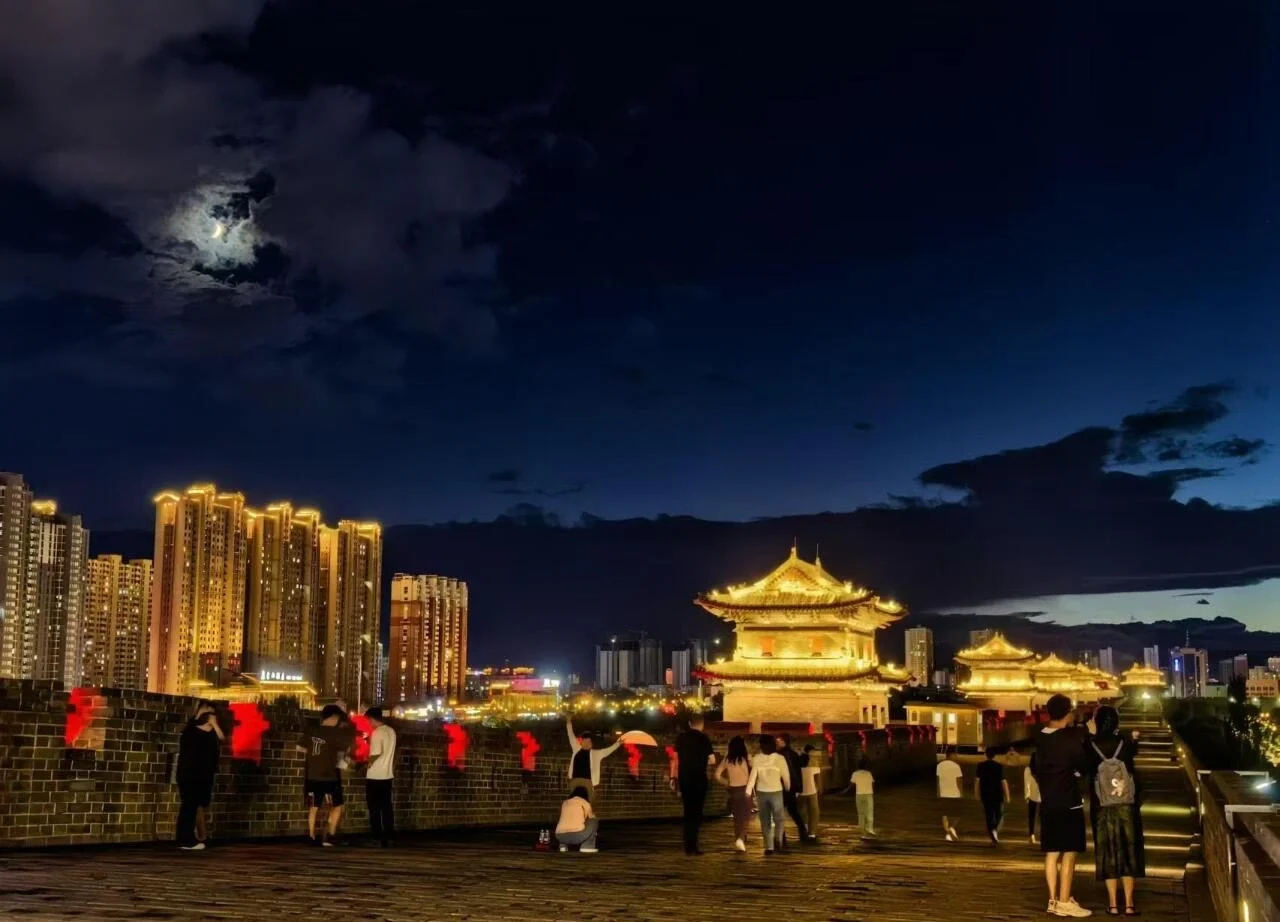
Summer is more workable than many first-time visitors assume. Datong is not among the most uncomfortable North China summer cities, and it usually feels more manageable than hotter, heavier urban destinations farther south or east. The trade-off is that midday sightseeing can still be tiring, especially at exposed sites with limited shade. If you start early and keep the middle of the day lighter, summer can still work well.
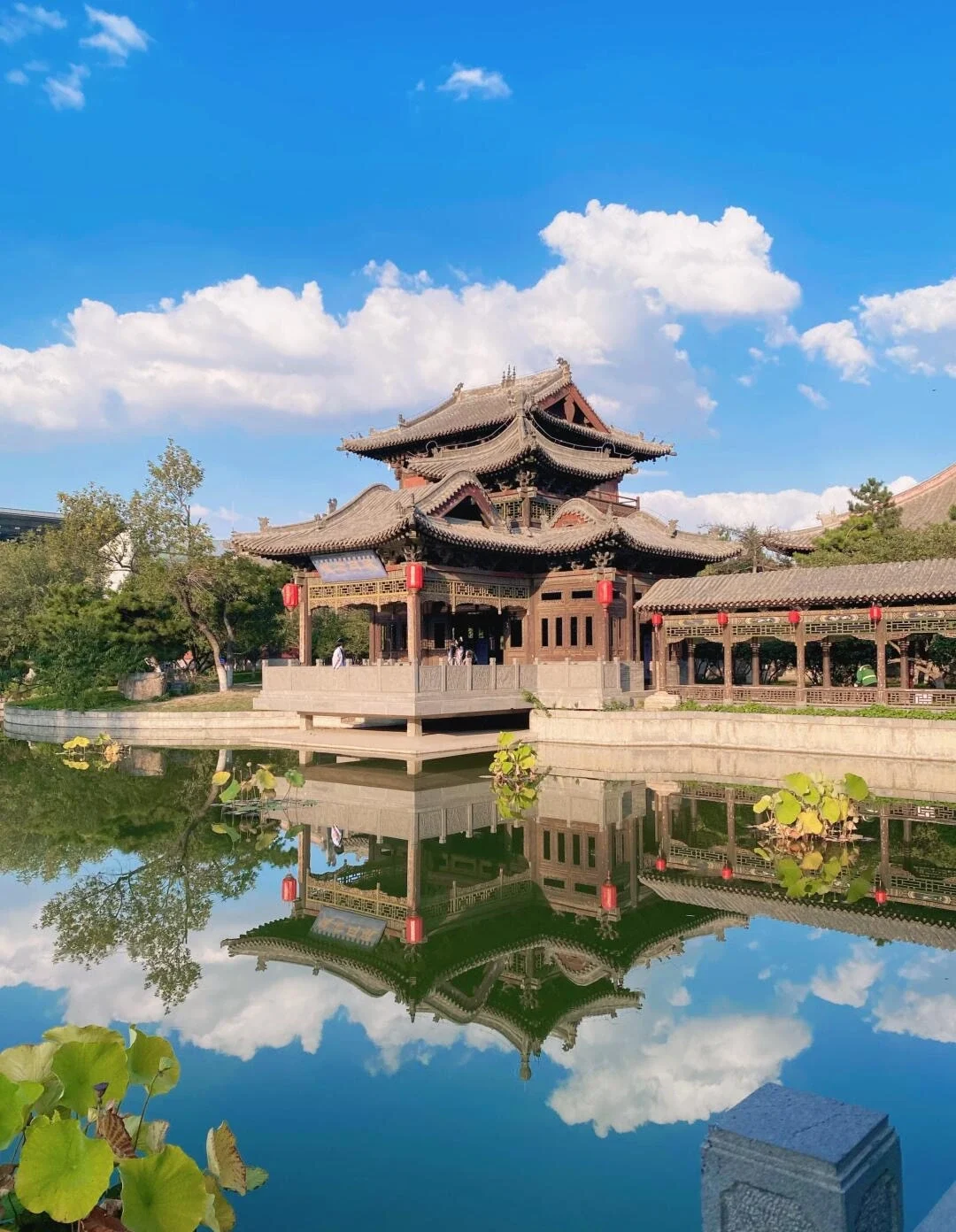
Autumn is usually the strongest overall season. The air is clearer, temperatures are more comfortable, and the city’s temple, wall, and old-town layers are easier to enjoy at a slower pace. This is also one of the best seasons for photography, especially if you want stronger light, cleaner skies, and a calmer atmosphere across both the city and the out-of-town heritage sites.
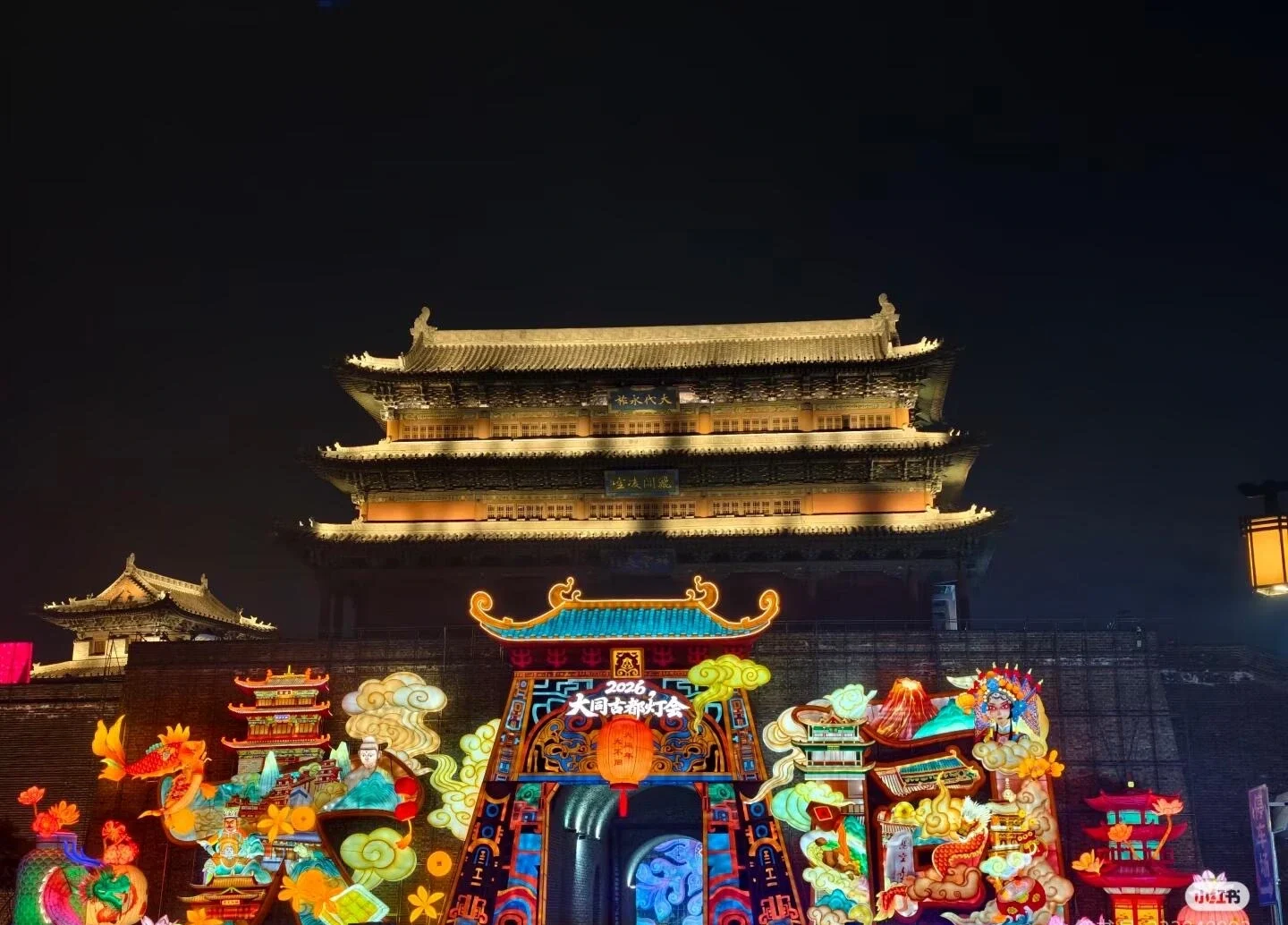
Winter is cold, and that needs to be taken seriously. But it is also more distinctive than many people expect. Snow around old temples, city walls, and wooden architecture can make the trip feel especially atmospheric, and the lower visitor numbers help a lot. The main downside is obvious: outdoor comfort drops sharply, and transport days to out-of-town sites feel less relaxed.

Datong is easier to reach than many first-time visitors expect. It works especially well as a North China cultural stop because it sits within practical high-speed rail range of Beijing and also connects reasonably well to wider Shanxi routes. For most travelers, rail is the smartest first choice, while flights are more secondary. If you are planning a broader route, see our China Transportation Guide for how trains and flights connect across regions.
From Beijing, high-speed rail is clearly the best option. Direct trains from Beijing North or Qinghe to Datong South usually take about 1.5 to 2.5 hours, which makes Datong realistic even as a short cultural side trip. Regular trains still exist, but they are much slower and make less sense unless timing or budget specifically favors them. Flying is not the main solution here, because the train is simpler, faster in practical terms, and better matched to a 1–2 day stop.
From other major cities, Datong is still very workable, but the logic changes slightly. High-speed rail links Datong South with places such as Taiyuan, Pingyao, Xi’an, Zhangjiakou, and wider Shanxi corridors, so it fits naturally into overland culture-focused routes. Flights do exist through Datong Yungang Airport, but for most domestic travelers they are more of a secondary convenience than the default first choice.
The best entry logic is simple: use Datong as a rail-based heritage stop. From Beijing, come by high-speed train. Within Shanxi, fold it into a broader route with Pingyao, Taiyuan, or other history-heavy destinations. That is where Datong feels strongest—not as a standalone transport puzzle, but as a clean and efficient addition to a North China or Shanxi itinerary.
Getting around Datong is one of the most important planning decisions for your trip. The key thing to understand is that major attractions are spread out, especially the top sites outside the city. While the city center itself is easy to move around, reaching places like the Hanging Temple or Yingxian Wooden Pagoda requires more deliberate transport planning.
| Route | Best way to travel | What to know |
|---|---|---|
| Station / airport ↔ city center | Taxi or ride-hailing | Around 20–30 minutes. Simple and reliable; best default option after arrival. |
| City center ↔ Yungang Grottoes | Taxi, ride-hailing, or bus | About 30 minutes. Buses exist but are slower; taxi or ride-hailing is much easier. |
| City center ↔ Hanging Temple | Private car / day driver | Around 1–1.5 hours. Public transport is possible but inconvenient; most visitors choose a car. |
| City center ↔ Yingxian Wooden Pagoda | Private car / day driver | Around 1.5–2 hours. Best combined with the Hanging Temple in one route day. |
| Ancient city ↔ Huayan / Shanhua / Nine Dragon Wall | Walking + short taxi rides | These can be grouped together easily; distances are short and manageable. |
In practice, the most efficient approach is to split your transport strategy. Use walking plus short taxi or ride-hailing trips for city-center sites, where attractions are close together. For outer sites, especially the Hanging Temple and Yingxian Wooden Pagoda, a private car or day driver is often the easiest and most time-efficient choice.
Public buses exist but are slow and inflexible. For most first-time visitors, combining short taxi rides in the city with one driver day for outer sites works best.
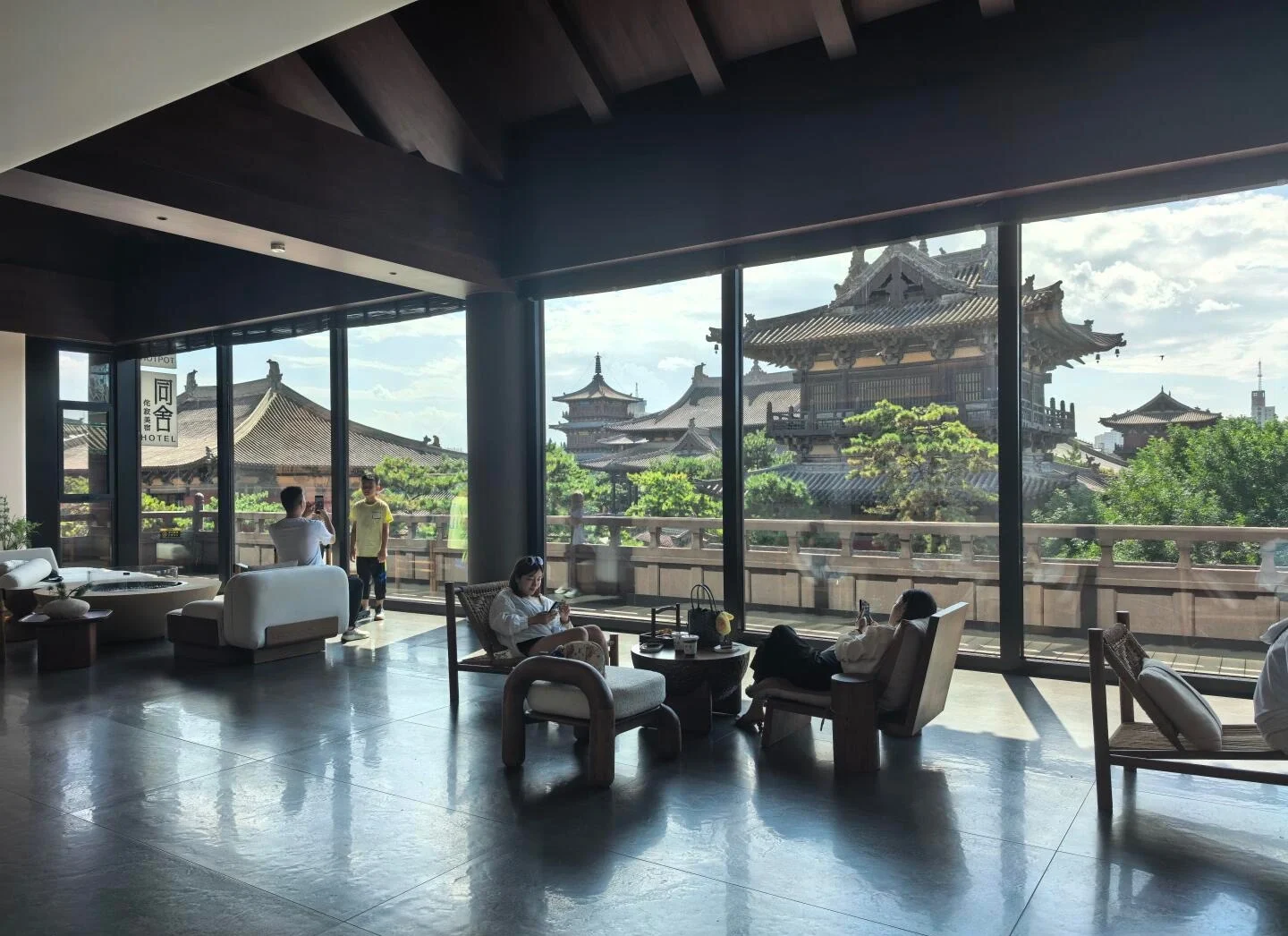
See also: Where to Stay in Datong

Food matters in Datong because it helps explain the city’s northern setting, dry climate, and practical everyday rhythm. Food is not the main reason to visit Datong, but it adds a more grounded, local layer to the experience. After caves, temples, and long drives between sights, the local table gives Datong a more lived-in side.
Datong’s food is shaped by northern Shanxi more than by refined banquet traditions. The overall profile is hearty, grain-based, and functional, with a strong presence of noodles, soups, lamb, and filling everyday dishes. Compared with cities where cuisine feels more delicate or more seafood-driven, Datong’s food feels drier-climate, colder-weather, and more sustaining. That is exactly why it fits the place so well.
Focus on everyday local staples rather than chasing a long checklist. One good bowl of sliced noodles, one colder or lighter local dish like Hunyuan liangfen, and one warming lamb-based meal will already give you a clear sense of the city’s food identity. This is a destination where simple, local, and filling usually works better than over-planned “must-eat” hunting.
Food works best as a supporting layer between major heritage stops. In a 1–2 day trip, use it to anchor your city-core time: eat in the Ancient City after Huayan Temple, Shanhua Temple, or the Nine Dragon Wall, or return for dinner after Yungang or the Hanging Temple. In other words, food is not the main reason to come to Datong, but it is one of the reasons the city feels complete once you are there.
Datong is generally not an expensive destination compared to many major China travel cities. Accommodation, food, and entrance tickets are all relatively reasonable. The main cost factor comes from transport to outer attractions, especially if you choose private car or driver services. For most travelers, the budget shifts depending on how you handle those out-of-town trips.
| Travel style | Daily cost (per person) | What it includes |
|---|---|---|
| Budget-ish | $40–70 | Basic hotel, simple local meals, public transport or shared rides, limited outer-site visits |
| Mid-range | $80–140 | Comfortable hotel, better meals, taxis/ride-hailing, 1–2 outer attractions with flexible transport |
| Comfortable + private car day trips | $150–250 | Good hotel, full meals, private car/driver for outer sites like Hanging Temple and Wooden Pagoda |
For most first-time visitors, a mid-range budget with one planned driver day is the most balanced way to experience Datong without overspending. For a broader budget breakdown, see our Cost to Travel in China guide.
For more preparation advice, see our China Travel Tips and What to Pack for China guides.

The Fire Dog corresponds to the years 1946, 2006, and 2066, with the Nayin of “Roof Fire.” In the Five Elements system

Find the best area to stay in Hefei for first-time trips, food walks, modern comfort, high-speed rail access, and airport stopovers.

Plan your Mount Huashan trip with the best hiking routes, Xi’an day trip transport, ticket costs, cable cars, and first-time visitor tips.

In Chinese astrology, the Fire Ox corresponds to those born in the years of 1937, 1997, 2057, and so on. It belongs to the Fire element in the Five Elements system.
Discover the 2006 Fire Dog zodiac meaning and 2026 forecast, including study, career, wealth, relationships, health, lucky elements, and practical advice.

The Chinese dragon (Loong) is a legendary symbol of power, luck, and prosperity in Chinese culture, representing control over water, weather, and harmony.


