


A UNESCO World Heritage site, it is renowned for being the birthplace of Chan Buddhism and martial arts, featuring ancient buildings and daily martial arts performances.

One of the oldest temples on Mount Song, known for its thousand-year-old ginkgo tree and traditional architecture, offering a panoramic view of Dengfeng city, especially stunning in autumn.

A historic academy from the Song Dynasty, famous for its ancient cypress and educational legacy, housing one of China’s oldest trees and designated as a World Heritage site.

The oldest existing brick pagoda in China, with a unique 15-story design, providing panoramic views of the surrounding mountains and showcasing Buddhist architectural art from the Northern Wei period.

A Taoist holy site with the largest temple complex in China, featuring ancient relics and structures that illustrate the religious culture of Mount Song, including the Tian Zhong Pavilion and Junji Hall.

A scenic waterfall located at the eastern foothills of Taishan Mountain, renowned for its majestic multi-level drops, particularly beautiful during the rainy season when it creates a "water curtain" effect.
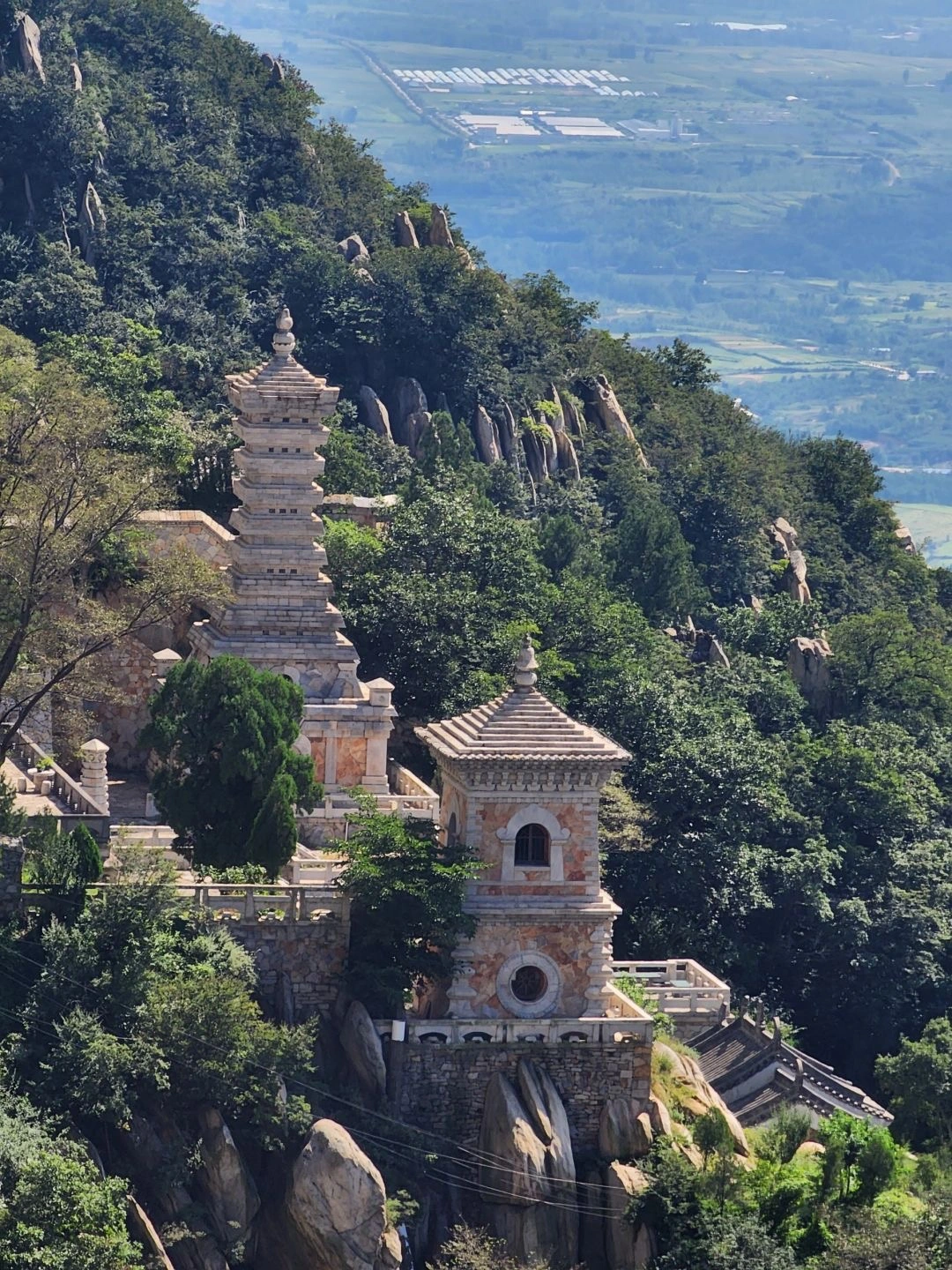
A famous site known for its steep mountain paths, offering breathtaking views and access to the Sanhuang Temple, honoring the three legendary emperors of Chinese mythology, connected by cable car to Shaolin Temple.

The oldest nunnery in China, originally founded by Princess Yongtai of the Northern Wei dynasty, featuring well-preserved Tang Dynasty pagodas and historical relics representing Buddhist female practices.

One of the "Three Que of Mount Song" built in the Eastern Han period, featuring intricate stone carvings depicting ancient Chinese social life, making it a key historical and cultural site.

An ancient astronomical site built by Guo Shoujing during the Yuan Dynasty, it remains one of the world’s oldest observatories, used for measuring the 24 solar terms and marking the evolution of Chinese astronomy.

The birthplace of Esoteric Buddhism in China, built during the Eastern Wei period and home to historical artifacts from the Tang Dynasty, including ancient stone carvings and grand trees surrounding the temple grounds.

An eco-tourism site featuring beautiful valleys and bamboo forests, offering activities like glass walkways and colorful slides, perfect for a family-friendly outing, especially in spring and autumn.

A cultural and eco-tourism project set at the southern foot of Mount Song, designed with tea gardens and art workshops, offering visitors the chance to enjoy traditional tea ceremonies and scenic painting.

A traditional village in northeastern Dengfeng, home to Ming and Qing architecture, featuring ancient kiln caves and a nearby reservoir, with a focus on preserving cultural heritage through workshops in traditional crafts.

An important structure within Shaolin Temple, built to honor the founder of Chan Buddhism, featuring sculptures of peonies and child figures, surrounded by ancient cypress trees planted by the founder himself.

An adventure sport site on the cliffs of Shaoshi Mountain, offering both beginner and challenging climbing routes, providing stunning views of Shaolin Temple and the surrounding mountainous landscape.


A local tea brand known for creative drinks made with fresh fruits and premium ingredients, featuring unique flavors like cucumber latte and beer malt iced tea.

A popular spot for traditional fried shaobing with a crispy exterior and soft interior, often served with tofu skewers and egg, topped with spicy chili oil.

Famous for its hearty and flavorful clay pot dishes, including beef and seaweed stew, and five-spice tofu, making it a go-to place for locals to enjoy comforting meals.

A beloved noodle shop offering stir-fried knife-cut noodles with meat and spicy chili, offering a satisfying, spicy, and savory flavor that's a favorite among spice lovers.

A traditional family-owned shop specializing in golden, crispy shaobing, served with egg, tofu skewers, or pickles, perfectly paired with spicy hot soup for a classic taste.

A breakfast hotspot serving the local specialty spicy soup with crispy fried dough sticks and savory green onion pancakes, offering an authentic and affordable start to the day.

Known for its “chong tang” technique, offering fresh, tender lamb in a rich, creamy broth, served with hot, hearty bread for a perfect winter meal.

A well-established restaurant offering delicious hui noodles with lamb bone broth, served with fresh vegetables and a variety of toppings, perfect for a flavorful meal.


A world-renowned martial arts system rooted in Chan Buddhism, comprising over 700 forms, known for its integration of martial arts and meditation, and a significant cultural symbol of China.
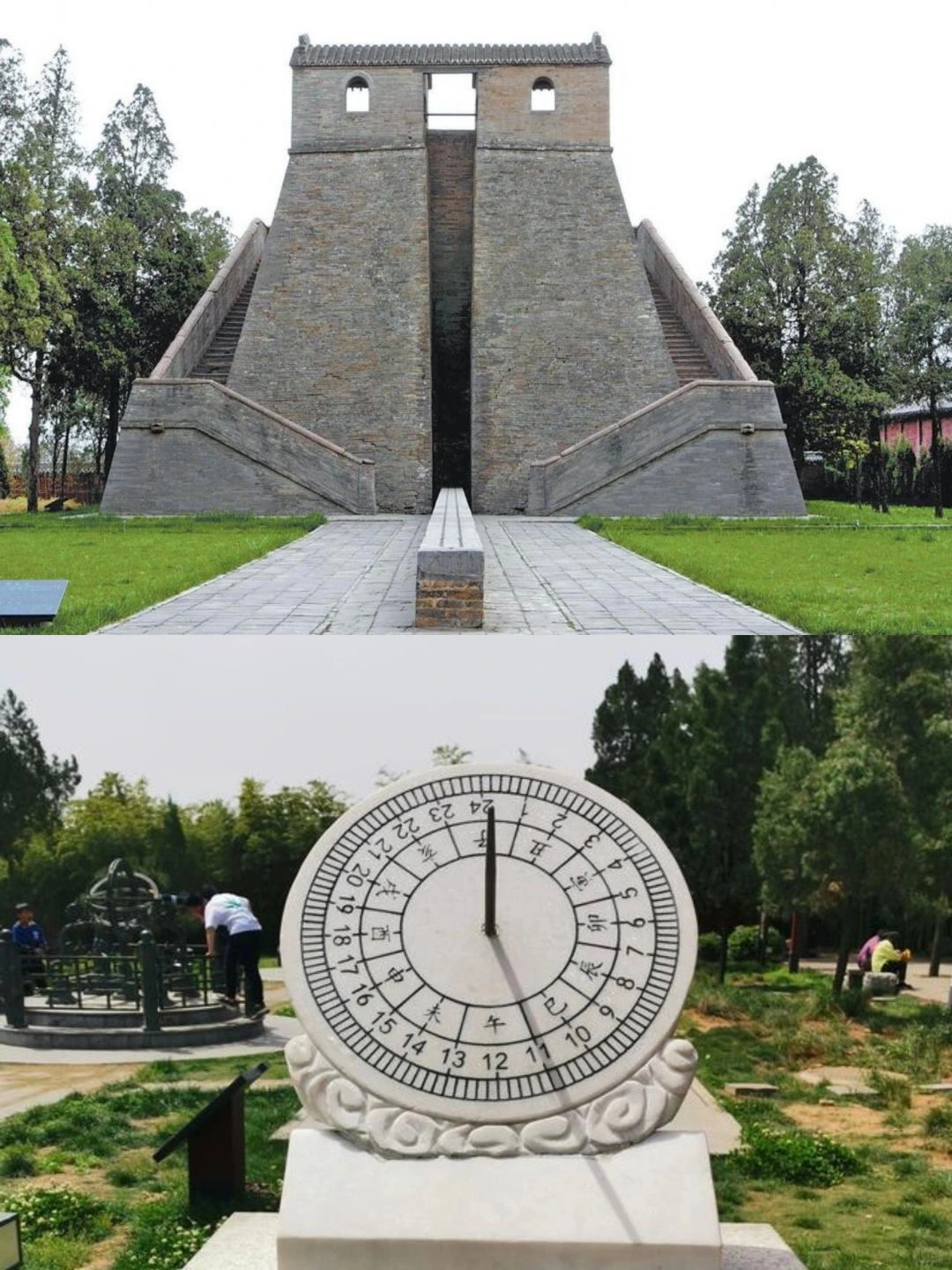
A scientific method for determining agricultural seasons based on solar movements, originating from the ancient observatory in Dengfeng, and included in UNESCO's intangible cultural heritage in 2016.

A traditional folk event held annually at Zhongyue Temple, blending religious rituals, opera, lion dances, and trade, originating from the Zhou Dynasty and celebrated since the Tang and Song dynasties.

A folk art technique originating in the Song Dynasty, involving pearwood carving and hand-printing vivid scenes depicting farming life and blessings, with bold colors and rough lines.

A folk dance art form known as "Lifting the Pavilion," where children dressed as characters from famous dramas are carried around on iron frames, showcasing a unique form of cultural performance.

A ceramic-making tradition dating back to the Tang and Song dynasties, renowned for its "pearl-ground engraving" technique, where black designs are etched into white porcelain, once used in the imperial court.

A traditional clay sculpting technique passed down by the Liu family in Dengfeng, using local yellow clay to create intricate and colorful folk characters and mythical figures, now a regional cultural treasure.

Ancient sword forging techniques from Songyang, featuring high-carbon steel folding and intricate designs, honoring the spirit of legendary swordsmiths, with both practical and collectible value.


Explore Dunhuang’s rich Buddhist culture, Silk Road heritage, unique desert landscapes, and historical relics like Mogao Caves, Crescent Moon Spring, and Yadan Landforms.

Explore Ürümqi, the vibrant gateway to China’s Silk Road, blending Uyghur culture, stunning landscapes, and bustling bazaars in a unique fusion.

Plan your first Henan trip with the best routes, top places, travel timing, transport tips, food highlights, and cost expectations.

Baijiu is a traditional Chinese spirit, typically distilled from fermented grains like sorghum, with a high alcohol content (40-60% ABV) and a distinct, pungent flavor.

Discover Harbin, China’s Ice City—famous for its stunning winter festivals, Russian architecture, and snow-filled adventures in a magical frozen landscape.

Plan your Lijiang trip with itinerary, tips, best time, and real pros & cons. Learn how to explore Yunnan from this key travel hub.


