
 Written by
Anthony

Dunhuang isn’t just a desert city—it’s where ancient civilizations met and flourished. As a vital hub on the Silk Road, it once connected the cultures of China, Central Asia, India, and beyond. Here, Buddhism entered China, while Chinese silk and art traveled westward. This blend of beliefs and traditions lives on in the UNESCO-listed Mogao Caves, where centuries-old murals still whisper Silk Road stories.

It’s also a place where nature and culture collide in stunning harmony. Imagine golden dunes rolling beside millennia-old cliffside grottoes. On one side: the vast, echoing sands of Mingsha Mountain and the crescent-shaped oasis of Yueya Spring. On the other: intricate murals and Buddhist sculptures preserved in cool cave temples. This balance of raw desert power and refined spiritual art is uniquely Dunhuang.
Timeless Murals: Step into the Mogao Caves and witness Buddhist frescoes depicting celestial beings, ancient musicians, and life along the Silk Road—like a time capsule painted on stone.
Desert Wonders: Climb the Singing Sand Dunes, where the grains hum underfoot, and visit Crescent Lake, a desert spring that has defied the sands for over a thousand years. At sunset, the landscape glows with surreal golden hues.
Living History: Walk the weathered ruins of Yumen Pass and Yangguan Pass, once the gateways to the West. These remote outposts recall Tang poems and the journeys of caravans and envoys venturing across deserts toward distant lands.
Dunhuang lies deep in China’s northwest Gobi Desert and experiences a classic continental climate—dry, sunny, and with large swings between day and night temperatures.

Comfortable Weather: Daytime highs hover around 15–25°C (59–77°F). It’s warm but not hot, and nights are cool but not freezing. A long-sleeve top with a light jacket is usually enough.
Scenic Highlights: Reeds begin to turn green around Crescent Lake, and the desert air is crisp and clear. Camel caravans sometimes cross the dunes against blue skies and budding greenery—like a living Silk Road painting.
Less Crowded: Before the summer rush, the Mogao Caves are quieter, giving you more time to enjoy the murals and guided tours without long waits.
Travel Tip: Expect occasional sandstorms in late April. Check forecasts and bring a light mask or scarf—minor inconveniences for an otherwise ideal season.

Crisp & Clear: With temperatures between 12–24°C (54–75°F), the weather is even more stable than spring. Skies are almost always blue—ideal for photos.
Stunning Sunsets: The sand dunes of Mingsha Mountain turn golden-red at dusk, and Crescent Lake shimmers with warm reflections. It’s a photographer’s dream.
Cultural Bonus: September often hosts the Silk Road International Cultural Expo, featuring local performances, crafts, and exhibitions in the city center.
Travel Tip: This is peak season. Mogao Cave tickets and boutique hotels sell out fast—book at least 1–2 months in advance to avoid last-minute stress.
These periods bring harsh conditions that can seriously impact your experience. Unless you’re seeking a climate challenge, they’re best skipped.
Extreme Heat: Midday temperatures soar above 40°C (104°F), and desert sand can hit 60°C (140°F). It’s hard to explore or even walk outside without overheating.
Overcrowding: Summer holidays bring student groups and families. Expect long lines at Mogao Caves and camel rides that require hours of waiting.
Travel Tip: If you must visit during this time, plan outings at dawn and dusk, stay hydrated, and avoid midday sun.
Biting Cold: Temperatures dip to -10°C (14°F) with strong desert winds. The dry air stings your skin, and outdoor activities become physically tough.
Closed Sites & Activities: Sand freezes, camel rides pause, and remote sites like the Yadan Ghost City may shut down due to snow or high winds.
Travel Tip: While winter brings peace and few crowds to Mogao Caves, it’s hard to enjoy open-air highlights like desert sunsets or stargazing for long.
For a country-wide seasonal comparison, see Best & Worst Time to Visit China.
Dunhuang may sit in the heart of the Gobi Desert, but getting there—and exploring it—is easier than you think.
For a system-level overview of how to travel between cities and regions in China, see our China Transportation Guide.

Dunhuang Mogao International Airport (DXN) is just 13 km east of downtown. It connects with most major Chinese cities and some seasonal international routes.
Summer Season (late March to late October): Up to 22 routes, including frequent flights from Beijing (Capital & Daxing), Shanghai (Hongqiao & Pudong), Shenzhen, Chengdu, and more. Daily express shuttles run from Lanzhou (up to 9/day) and Xi’an (5+/day). There’s also a weekly charter flight from Hong Kong.
Winter Season (late October to late March): Fewer routes (around 10), but still covers key cities like Beijing, Shanghai, Xi’an, and Lanzhou.
Airport to city center:
Shuttle bus: 10 RMB, 20 mins, direct to downtown night market area.
Taxi: 30 RMB, 15–20 mins.
Public bus: 3 RMB, 500m walk from terminal—best for budget travelers.

Dunhuang Railway Station is 12 km east of town and offers both high-speed (D-class) and regular (K/T-class) trains to cities like Lanzhou, Xi’an, and Zhangye.
Popular routes:
D2749: Lanzhou West → Dunhuang (7h49m)
D2737: Xi’an North → Dunhuang (11h)
K9667: Lanzhou → Dunhuang (14h31m)
Station to city center:
Scenic shuttle: 5 RMB, runs 7:30–22:00, connects to Crescent Lake & downtown.
Public bus: Routes 1 & 2, 2 RMB, ~30 mins, last bus at 19:00.
Taxi: 25 RMB, ~15 mins.
For a full overview of routes, tickets, and rail travel tips, see China’s High-Speed Rail (HSR).

Dunhuang’s bus system is efficient, covering most city attractions and nearby scenic areas.
Route 3: Runs from city to Mingsha Mountain & Crescent Lake, stopping at Dunhuang Night Market, Museum, and Moon Spring Town. Runs until 22:00 in summer.
Route 12: Direct to Mogao Caves Digital Exhibition Center, 8 RMB, ~40 mins, hourly departures.
Scenic shuttle: Links Mogao Caves → Crescent Lake → downtown, every 20 minutes, 5 RMB.
Metered fare: Starts at 5 RMB.
Short rides (e.g., Night Market to Museum): 5–10 RMB
Downtown ↔ Crescent Lake: ~15 RMB
Downtown ↔ Mogao Caves: ~20 RMB
Availability: Easy to hail near attractions and major roads; runs past 22:00; also bookable via ride apps like DiDi.
Many top attractions require internal transport:
Mogao Caves: All visitors must first go to the Digital Exhibition Center, then board free shuttle buses (15 mins) to the cave complex.
Yadan Geopark: Includes a 60 RMB scenic shuttle with multiple scenic stops and live commentary.
Yumen Pass: Optional sightseeing bus (50 RMB) or camel ride (30 RMB). Buses leave on the hour and half-hour.
From ancient Buddhist caves to surreal desert landscapes, Dunhuang offers a rare blend of human artistry and natural wonder.

A UNESCO World Heritage Site, the Mogao Caves are the crown jewel of Dunhuang. Founded in 366 AD and expanded over ten dynasties, the site boasts 735 grottoes, 45,000 square meters of murals, and 2,415 painted sculptures, forming the world’s largest collection of Buddhist art.
Inside, you’ll find:
The “Flying Apsaras”, floating gracefully across cave walls
The “Nine-Color Deer Jataka”, a vivid tale of compassion
The famous “Reverse Pipa Dance”, showcasing Central Asian music and dance styles
Cave 96’s Nine-Story Tower, housing a 35.5-meter Maitreya Buddha
Cave 259’s Meditative Buddha, known for its serene “Eastern smile”
Tickets:
Regular entry: ¥238 (includes 8 open caves, 2 digital films, and round-trip shuttle)
Special caves: ¥150–200 each
Half-price discount in winter/spring; extra discounts for students, seniors 60–69; free for 70+
Opening Hours:
Peak season (Apr–Oct): 08:00–18:00
Off-season (Nov–Mar): 09:00–17:00
Book online 15 days in advance via “Mogao Caves Reservation” WeChat Mini Program

A surreal natural wonder, Mingsha Mountain (Echoing Sand Dunes) and Crescent Lake sit side by side in the desert, a rare oasis that’s survived over 2,000 years.
Climb at sunrise for golden dune views
Ride camels along sand ridges, evoking Silk Road caravans
Try sandboarding or desert buggy rides for adventure
Catch the sunset and watch Crescent Lake glow amber beneath the dunes
Stargazing here is unforgettable, with crystal-clear desert skies
Tickets:
¥110 (valid for multiple entries over 3 days); half-price in winter/spring
Hours: 08:00–19:30 (last entry by 19:30); may vary by season
Tips:
Enter ~2 hours before sunset. Wear anti-slip shoes and bring sunscreen. Camel rides cost ~¥100–150/person.

Once a frontier fortress of the Han Dynasty, Yumen Pass guarded the western entrance to China’s ancient empire. The site includes:
The “Little Square Fortress”, a well-preserved rammed-earth checkpoint
Sections of the Han Great Wall and beacon towers, with one tower still standing 3 meters high
The Hechang City ruins, remnants of a grain depot once vital to Silk Road logistics
Tickets: ¥40; half-price in winter/spring; same discounts as Mogao Caves
Hours: 08:00–19:00 (last tickets sold at 19:00)

Spanning 398 square kilometers, this alien-like landscape was carved by millennia of wind erosion. Iconic formations include:
“Golden Lion Welcomes Guests”
“Peacock Spreads Its Tail”
“West Sea Fleet”, resembling battleships in the desert
The eerie howling winds at night earned it the nickname “Devil’s City.” It’s a dream for photographers and geologists alike.
Tickets:
¥50 entry + ¥60 sightseeing bus (compulsory); half-price in winter/spring
Hours: 08:00–19:00 (summer extended to 20:30)
Safety Tips:
Dress warmly—wind and temperature drops are common. Stick to designated bus stops; do not walk off-route.

Immortalized by the Tang poem “At Yangguan Pass, no old friends remain”, this historic site captures the emotional essence of Silk Road partings.
Today, you can explore:
The Yangguan Museum, with exhibits on border life
Remains of the fortress walls and ancient tombs
A replica of ancient travel documents, showing how traders passed the frontier
Viewpoints that reveal stark contrasts between oasis greenery and desert vastness
Tickets: ¥50; half-price in winter/spring
Hours: 08:00–19:30 (last entry by 19:30)
Highlight:
Try the hands-on “Silk Road Travel Document” crafting workshop—a fun heritage experience!

This city-center museum is the perfect introduction (or conclusion) to your Dunhuang journey. Exhibits follow three main eras:
Han Dynasty Expansion
Cultural Fusion in the Wei–Jin–Northern Dynasties
Flourishing of the Sui-Tang Periods
Don’t miss:
Dunhuang Manuscript replicas
Mural and sculpture reproductions
Tang-era figurines and interactive Silk Road displays
Tickets: Free (reserve via “Dunhuang Museum” official WeChat)
Hours: 09:00–18:00 (last entry at 17:00); closed Mondays (open on holidays)
Tip: Visit first to understand Dunhuang’s history—or save it for the end to reflect on what you’ve seen.
Dunhuang’s cuisine blends ancient Silk Road traditions, frontier flavors, and hearty local ingredients.

A local intangible heritage, these golden noodles are handmade using alkali-rich grey water and are incredibly chewy. Topped with slow-braised donkey meat, shiitake mushroom gravy, and chili oil, it’s a flavor bomb with deep roots—this dish even appears in Mogao Cave murals!
Where to Try:
Daji Donkey Noodle House: Certified as a “Famous Chinese Snack,” popular with locals and celebrities alike. Rich broth, tender meat.
Shunzhang Noodles: Loved by locals for its freshly pulled noodles and secret chili sauce.

A symbol of cultural fusion along the Silk Road, this dish features lamb chunks slow-stewed until buttery soft, then layered with crispy flatbreads that soak up the broth. Comforting, rich, and perfect for sharing.
Where to Try:
Galiu Lamb Restaurant: Toasted flatbreads are stewed to perfection—crispy outside, soft inside.
Guohui Huyang Menbing: Flavorful lamb and thick, meaty soup. Great for groups.

This soul-warming breakfast classic uses 8-hour lamb bone broth, wide sweet-potato noodles, tender lamb, and fresh herbs. Fragrant, non-greasy, and deeply satisfying.
Where to Try:
Yang Lao Qi Mutton Soup (6:00–14:00): Over 30 years old, known for clean flavors and no gaminess.

A summer favorite, this dish features hand-pulled noodles topped with spicy oil, sliced cucumber, and a unique fermented celery juice broth. It’s tangy, spicy, refreshing—and an officially recognized cultural heritage dish.

Also known as Pao’er Yougao, these delicate sweets feature a crispy bubbled crust, stuffed with rose jam and crushed walnut. Sweet but not greasy, they date back to Tang imperial kitchens over 1,200 years ago.

Made with wild desert chives and juicy beef, these pan-fried buns explode with umami. Legend says similar ingredients were used in ancient Silk Road meals.
Where to Try:
Changluohou Beef Pie: The top pick at Shazhou Night Market. Crisp, flaky crust, made to order.
Anji Roast Pie: Generous fillings, extra juicy. Best paired with cold apricot juice.

A desert specialty, chunks of lamb are skewered on fragrant red willow branches and roasted over open coals. Smoky, charred, and spiced with cumin and chili—this is northwest China on a stick.
Where to Try:
Big Beard Lamb Ribs: A local favorite with huge portions. Lamb ribs are ¥90 per jin (~500g), with side dishes like naan and veggie pots.

These bright yellow translucent noodles are chilled, then tossed with chili oil, garlic paste, mustard, and vinegar for a tangy, spicy kick. A street food staple and perfect on hot nights.

Known locally as “liquid gold,” this sweet-sour drink is made from Li Guang apricot paste, slow-simmered for 8 hours. Amber-colored and cooling, it’s a perfect way to balance heavy foods.
Where to Try:
Liu Hong Xing: The most popular stand at Shazhou Night Market. Sells concentrated syrup for take-home.

Made from wild desert milkweed leaves, this caffeine-free tea helps cool the body and regulate blood pressure. It’s part of Dunhuang’s intangible cultural heritage and widely drunk by locals.
Dunhuang offers a wide range of accommodations—from vibrant city stays to peaceful desert escapes.
Best for first-time visitors, budget travelers, and food lovers
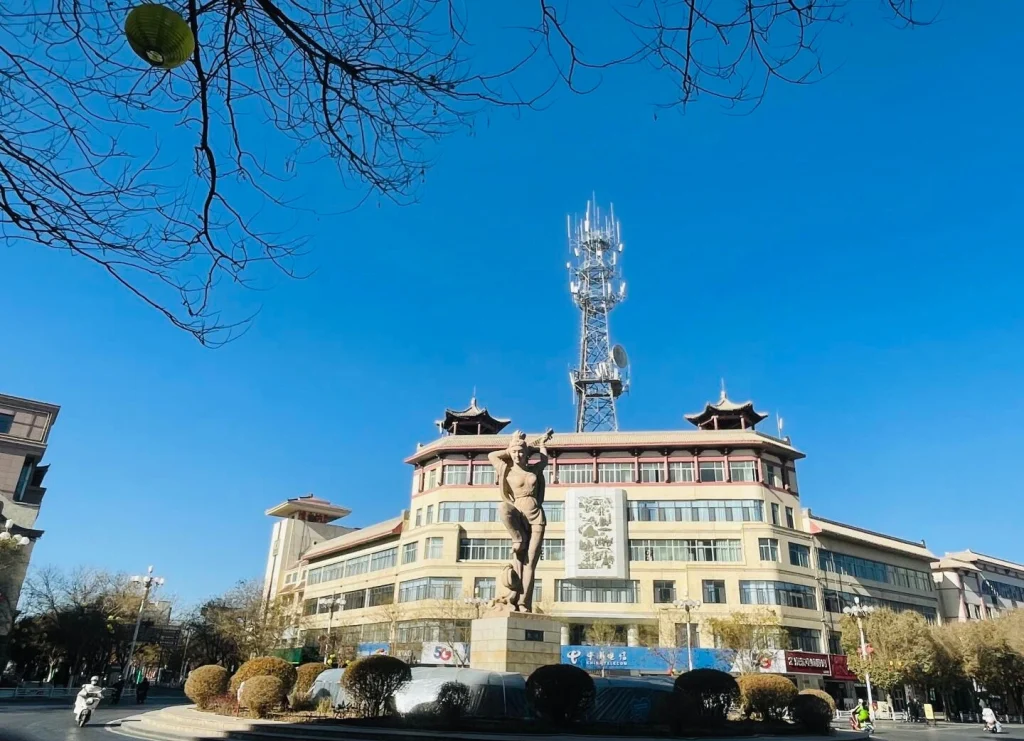
If you want convenience and lively street vibes, stay near Shazhou Night Market or Shazhou Bazaar.
Why stay here:
Top location: Just a 5–10 minute walk to Shazhou Night Market, where you can try famous local dishes like donkey noodles and red willow kebabs.
Easy transport: Only 1 km from Dunhuang Bus Station, with direct routes to Mogao Caves and Mingsha Mountain (fares around ¥3–5).
Plenty of options: From budget guesthouses to modern hotels, many offer free airport or station pickup.
Great value: Off-season prices (Nov–Mar) can be 50% cheaper than peak season. Example: Dunhuang Shanzhuang drops to ¥300/night vs ¥1,000+ in peak season.
Top picks:
Dunhuang Yunyihotel
Zhongzhou International Hotel
Best for nature lovers, photographers, and couples

Looking for a desert sunrise or a peaceful stargazing night? Stay within walking distance of Mingsha Mountain Scenic Area.
Why stay here:
Scenic access: Just a 10–15 minute walk to the park entrance. Perfect for early morning photography or quiet evening views.
Unique experiences:
Desert camping: Some guesthouses offer tent stays, bonfire parties, and sandboarding (e.g., Dunhuang Desert Walker Base).
Themed guesthouses: Designed with Dunhuang elements like flying apsaras murals and dome ceilings (e.g., Boman Sand Hidden Boutique Stay).
Bike-friendly: Rental stations nearby let you ride along the sand dunes or to Crescent Lake.
Things to note:
Prices are higher during peak months (Apr–Oct)—book scenic-view rooms at least a month in advance.
Desert nights can be chilly even in summer. Most stays offer heating or AC, but bring a windproof layer.
Best for culture seekers and early visitors to Mogao Caves

Want to beat the crowds and get the most out of your Mogao Caves visit? Stay near the Digital Exhibition Center, just a short distance from the main attraction.
Why stay here:
Save time: Only 1–2 km from the Digital Center, which is the mandatory starting point for visiting the caves. Great for morning bookings.
Quiet and restful: The area is calmer than the city center, with guesthouses nestled in peaceful surroundings—perfect for art lovers or those doing multi-day cave visits.
Added services: Some hosts offer free airport/train station pickup.
Top picks:
Dunhuang Yunjin Hotel
Yiqinxuan Guesthouse
Dunhuang isn’t just about murals and sand dunes—it’s a place where you can touch, create, and live Silk Road culture.
See also: Where to Stay in Dunhuang

Dunhuang’s intangible cultural heritage brings the Silk Road to life through everyday artistry. Several certified programs allow you to try centuries-old skills passed down through generations.
What you can try:
Folk Craft Workshops: Tie-dye scarves, painted silk fans, paper-cutting, rope weaving—offered regularly at Moon Crescent Town and Shazhou Night Market.
Traditional Techniques: At the Yangguan Heritage Base, try ancient woodblock printing and handmade paper under expert guidance.
Unique Dunhuang Crafts:
Wood relief painting and traditional winemaking at Mogao Craft Village, a popular study-tour base featuring a memorial hall of ancient artisans.
Dunhuang folk opera and calligraphy classes at the Dunhuang Cultural Center (open for public registration via “Dunhuang Fabu” WeChat).
Where to find these:
Fixed venues: Mogao Craft Village, Yangguan Heritage Base, Dunhuang Cultural Center
Mobile displays: Heritage stalls at Shazhou Night Market and Moon Crescent Town (open daily 9:00–21:00 in peak season)

Step into the shoes of ancient muralists and sculptors with in-depth art workshops led by Dunhuang’s official institutions.
Signature Experiences:
Mogao Craft Village Studio: Learn how to replicate murals and sculptures using original techniques like “Iron Line Drawing” (Northern Wei) and “Bump Painting” (Tang Dynasty). Mentors guide you from sketching to coloring.
Dunhuang Academy Workshops:
Make your own dome ceiling models or join the “Echoes of Dunhuang” hands-on series to explore artistic symbolism in donor portraits.
Every Wed/Fri at Cangjing Cave Exhibit Hall, you can grind mineral pigments like azurite or cinnabar and create your own Dunhuang color palette.

Certified cultural performances in Dunhuang blend art, history, and technology—turning ancient legends into modern, immersive experiences.
Top Shows Not to Miss:
“Sounds of Dunhuang”: The world’s first cave-based immersive musical. Inspired by Kucha musician Sujipo, it features ancient instruments, flying apsaras, and holographic effects that recreate a living mural around the audience.
“Encore Dunhuang”: Directed by Wang Chaoge, this walking drama lets you journey through the Silk Road, meeting characters like Zhang Qian and Chang Shuhong in interactive storylines. The final act “A Thousand Years in a Moment” is emotionally powerful.
“Thousand Hands, Thousand Eyes”: A visually moving stage production by the China Disabled Persons’ Art Troupe, based on Cave 3 murals. It reimagines the tale of Guanyin’s compassion with breathtaking choreography.
Bonus Tip: During the Silk Road (Dunhuang) International Cultural Expo, look for pop-up heritage shows at Shazhou Night Market and Mingsha Mountain, including opera and traditional music performances.

Dunhuang culture thrives not only in theaters and museums, but also in the streets, markets, and seasonal celebrations.
Cultural Immersions:
Reenact the Ancient Passport Ritual: At the Yangguan Ruins, make your own “Travel Permit” used on the frontier in Han times—a tribute to the phrase “Beyond Yangguan, no old friends.”
Night Market Traditions: Explore stalls selling camel bone carvings and hand-painted silk scarves—many run by official heritage artisans who will demo their craft on-site.
Festivals to Catch:
Silk Road (Dunhuang) Cultural Expo (held every September): See exhibits and performances from countries along the Belt and Road. Don’t miss the international forums and workshops.
Seasonal Heritage Events:
“Chinese New Year in Dunhuang” with village shows and heritage activities
“Yangguan Love Gathering” in summer, featuring ancient guqin performances in poetic settings
Souvenirs from Dunhuang aren’t just gifts—they’re living memories of the Silk Road. From handcrafted heritage items to local delicacies grown in the Gobi sun, each piece carries the soul of this ancient crossroads.

These items are rooted in Dunhuang’s intangible heritage—collectible, cultural, and often handmade by certified artisans.
Top Picks:
Night-Glowing Jade Cups: Made from Qilian black and green jade, these legendary cups are finely carved through 20+ steps. Thin as paper, luminous when filled with liquid, they’re both practical and poetic.
Silk Scarves & Brocade: Inspired by cave murals—flying apsaras, lotus ceilings, the Nine-Colored Deer—these scarves are crafted using traditional dyeing and weaving techniques, with some handmade in local heritage workshops.
Wood Reliefs & Stone-Pigment Paintings: Miniature “Mogao Caves” artworks carved from desert poplar wood or painted with mineral pigments in the style of ancient murals. Available at Mogao Craft Village.
Camel Figurines & Copper Ornaments: Camel sculptures made of Gobi camel hair or resin echo the Silk Road caravans. For something premium, check out the Zhu Bingren Copper x Dunhuang collab—featuring flying apsaras in bronze.
Where to Buy:
Authentic Heritage Studios: Mogao Craft Village, Yangguan Heritage Base (watch artisans at work)
Certified Markets: Dunhuang Night Market (“Dunhuang Ji” stalls), Crescent Moon Town Cultural Street (look for vendors with heritage badges)

For art lovers and design fans, Dunhuang’s official cultural merchandise blends history with creativity—and makes for unique, functional souvenirs.
Best Sellers:
Official Mogao Caves Merchandise:
Dunhuang Creative Hub (at the Digital Exhibition Center) offers metal bookmarks, ceiling puzzle sets, fridge magnets like the “Three Rabbits Sharing Ears” motif—all based on real cave paintings.
Don’t miss the Dunhuang Art Album, a collector’s treasure with full-cave records—available only on-site.
“Sounds of Dunhuang” Theater Souvenirs:
At the “Shangyuan Yaji” market near the theater exit, find limited-edition pieces like resin flying apsaras, Tang-style mystery boxes, or tea sets blending music and myth.
Stamps & Commemorative Coins:
Mail a Moon Spring postcard stamped with the official “Dunhuang Night Market” seal.
Use the vending machines at the Mogao Digital Center for mural-themed collectible coins.
Where to Buy:
Offline: Mogao Digital Exhibition Center, “Shangyuan Yaji” Theater Street, Dunhuang Museum Shop
Online: Dunhuang Academy’s official shop, “Dunhuang Tourism Group” authorized e-stores (some offer custom orders)

Dunhuang’s local products reflect its geography—sun-drenched, mineral-rich, and infused with Silk Road flavor. Most are protected under national origin labels.
Must-Try Delicacies:
Li Guang Apricot Products: A national geographic brand. While fresh apricots (late June–early July) are seasonal and perishable, try the sun-dried version (¥20–40 per jin) or apricot peel tea powder—best from Jinxingyuan Cooperative, traceable by QR code.
Luobuma Tea (Wild Apocynum): A Gobi wellness drink sourced from Dunhuang’s West Lake wetlands. Said to support healthy blood pressure, it’s available loose or in tea bags (¥80–150 per jin).
Dunhuang Raisins: Grown in one of China’s largest grape regions, varieties include seedless white, Black Beauty, and fragrant princess grapes. Naturally sun-dried without additives (¥15–40 per jin).
Mingshan Red Dates & Goji Berries: Sweet and fleshy, red dates are great raw or in soups. Dunhuang’s goji berries rank among China’s finest, and the unique goji-leaf tea offers a Gobi twist.
Where to Buy:
Trusted Stores: Long-standing shops like Huangbao Dunhuang Specialty Store, Dunhuang Luobuma Shop, all with origin-labeled products.
Certified Markets: Local produce zones at Dunhuang Night Market and Shazhou Dry Goods Market (look for the “Geographical Indication” or “Ganwei” brand labels)
Three days in Dunhuang offer a perfect blend of ancient art, desert wonders, and Silk Road nostalgia.
Theme: Begin your Dunhuang journey with a deep dive into Buddhist art and local flavors.

Morning – Explore the Mogao Caves
08:00–08:30: Arrive at the Digital Exhibition Center. Exchange your ticket with your passport or ID (30 minutes early required).
08:30–09:10: Watch two introductory films — A Thousand Years of Mogao (history) and Dreaming of Dunhuang (immersive dome film).
09:30–12:00: Take the shuttle to the cave site and join a guided tour of 8–12 caves (season-dependent). Key highlights:
Cave 96: The towering Nine-Story Maitreya Buddha
Cave 17: Site of the famous Library Cave
Cave 257: The “Nine-Colored Deer” mural
📌 Photography is prohibited. Speak softly inside the caves.
Optional: On-site upgrades available for “Special Caves” like Cave 45 (Eastern Venus Bodhisattva) and Cave 220 (Medicine Buddha mural), ¥150–200 per cave.
Afternoon – Dunhuang Museum
13:30–15:30: Visit Dunhuang Museum (free with WeChat reservation). Learn how Silk Road history ties into the Mogao Caves.
Don’t miss:
Tang dynasty figurines, mural replicas
The “Dancing Musicians Brick” and multimedia exhibits
Tip: Rent an audio guide (¥20) for deeper understanding
Evening – Shazhou Night Market
18:30–21:00: Dive into local street life at Shazhou Night Market:
Try specialties like Donkey Noodles, Camel Steak Pie, and iced Apricot Peel Juice
Explore the “Dunhuang Ji” craft stalls: camel bone carvings, mural bookmarks, wood reliefs
Visit the themed post office to send postcards with a custom “Dunhuang Night Market” stamp
Theme: Witness the harmony of sand and spring, then trace the poetic solitude of Silk Road outposts.

Morning – Mingsha Sand Dunes & Crescent Lake
06:30–07:00: For sunrise seekers, arrive early to see golden dunes glowing under the morning light (¥110, valid for 3 days).
09:00–11:00: Activities include:
Camel rides along the ridge (¥100–150)
Sand sliding (¥20/ride)
Soak in the natural wonder of an oasis spring nestled in a desert crescent
🌞 Avoid midday heat by leaving before noon
Afternoon – Yangguan Pass
13:30–14:30: Take a car (~1 hour drive, ¥50 entry). Once a vital Silk Road checkpoint, Yangguan inspired the poem “No old friends west of Yangguan.”
14:30–16:30: Visit the museum for Silk Road travel documents, try your hand at making a Tang-style travel pass, then climb the watchtower to overlook the desert-oasis divide.
Evening – Optional Theater Experience
20:00–21:30: Watch “Encore Dunhuang”, a powerful immersive play (from ¥298). Walk through live historical sets featuring Zhang Qian, Chang Shuhong, and the Library Cave’s legend.
Tip: Book at least a week in advance
Theme: A full-day road trip westward—through imperial fortresses and wind-sculpted landscapes.

All Day – West Line Adventure (Charter Car Required)
🚗 No public transport available. 5-seater car costs ¥400–450/day
08:00: Depart Dunhuang via G215 highway.
09:30–11:00: Visit Yumen Pass (90 km away).
Explore the square adobe fortress (Xiaofangpancheng)
Spot remnants of Han dynasty beacon towers and the Great Wall
11:00–13:00: Head to Yardang National Geopark (100 km away)
Ride the sightseeing bus through “Lion Welcoming Guests,” “Fleet of the Western Sea,” and other bizarre rock formations
Hear how wind erosion carved these shapes over millions of years
Sunset offers the best light for photography
🍱 Tip: Bring your own snacks like dried apricots or raisins—limited food options in the desert
16:00: Return to Dunhuang city. Before departing:
Browse Shazhou Market for local treats like Luobuma tea and suoyang root powder
Or pack and rest at your hotel before heading to the airport/train
| Category | Budget Option (¥800–1200) | Comfort Option (¥1500–2000) | Premium Option (¥2500–3500) |
|---|---|---|---|
| Accommodation | – Hostel dorm: ¥60–80/night – Budget hotel: ¥150–200/night – Total: ~¥300–400 (off-season: ¥200) | – Mid-range hotel: ¥300–500/night – Scenic guesthouse: ¥400–600/night – Total: ~¥600–1200 | – 5-star hotel: ¥800–1500/night – Desert tent: ¥1200–2000/night – Total: ~¥1600–4000 |
| Tickets | – Mogao emergency ticket: ¥100 – Crescent Spring: ¥110 – Yumen + Yadan combo: ¥90 – Yangguan: ¥50 – Total: ~¥350 (combo ticket ¥188 in off-season) | – Mogao A ticket: ¥238 – 1 Special Cave: ¥150–200 – Show: ¥298 – Total: ~¥686–736 | – Mogao A + 2 Special Caves: ¥538 – VIP Show: ¥588 – Yadan Jeep tour: ¥100 – Total: ~¥1126–1226 |
| Transport | – Bus/e-scooter: ¥10/day – West line carpool: ¥120–150 – Total: ~¥150–200 | – Private car for West Line: ¥400–450 – City taxi: ¥50/day – Total: ~¥100–250/person | – Business car (GL8): ¥600–800 – Private transfers: ¥100/day – Total: ~¥175–450/person |
| Food & Drinks | – Breakfast: ¥5–10 – Main meals: ¥20–30/meal – Street food: ¥30–50 – Total: ~¥200–300 | – Breakfast: ¥20–30 – Meals: ¥50–80/meal – Specialty dishes: ¥58+ – Total: ~¥300–500 | – Breakfast: ¥50–80 – Meals: ¥100–200/meal – Custom meals: ¥1200/whole lamb – Total: ~¥500–1000 |
| Activities & Souvenirs | – Camel ride: ¥80–100 – Souvenirs: ¥50–100 – Total: ~¥150–200 | – Sandboarding: ¥20 – Museum workshop: ¥80 – Total: ~¥100–150 | – Mural painting class: ¥300 – Desert helicopter: ¥880 – Total: ~¥1180 |
| Estimated Total | ¥800–1200 (10–30% cheaper off-season) | ¥1500–2000 (15–25% cheaper off-season) | ¥2500–3500 (15–30% cheaper off-season) |
For a broader cost comparison across destinations, see Cost of Travel in China.
Book Early: Reserve Mogao Caves A-Tickets 30 days in advance on the official website. In peak seasons (April–May, September–October), daily limits apply. Shows like Encore Dunhuang should be booked 1 week ahead—VIP seats sell out fast.
Bring ID & Discount Cards: Students, teachers, and seniors (60+) can enjoy half-price entry.
Know Off-Peak Benefits: From November to March, many sites offer 50% off. Mogao Caves open up to 12 cave visits and crowds are minimal for a better experience.
Choose Trusted Drivers for West Line Tours: Avoid suspicious “¥300 per car” tour traps. Book through your hotel (¥400–450 for a 5-seat car with driver/gas). Best shared among 2–4 travelers.
Mind the Mogao Shuttle Times: Only 4 buses run daily (7:00, 9:00, 11:00, 13:00). Arrive 10 minutes early. Missed it? A taxi ride costs about ¥30 round-trip.
Don’t Drive to Crescent Spring: Parking is far from the entrance. A taxi from downtown (¥15) is more convenient. Entry is valid for 3 days—remember to scan your fingerprint for re-entry.
Follow Rules in Mogao Caves: No photos inside caves to protect ancient murals. Buy Special Cave tickets on-site (cash only, ¥150–200), and confirm time slots early to avoid long lines.
Best Times for Mingsha Sand Dunes: Go at sunrise (6:30–7:00) or 2 hours before sunset to avoid the 40°C midday heat. Choose camels at the back of the line for a smoother ride. Bargaining is expected in off-season.
Don’t Wander in Yadan: Stay on the official shuttle (¥70) — off-limits areas may contain quicksand. Sunset is beautiful, but be sure to return by 7:00 PM. Desert nights fall quickly.
Skip Tourist Traps at Night Market: Avoid trendy food stalls. Outer-ring vendors offer cheaper, tastier options (e.g., roast buns ¥5, apricot juice ¥5). Try “Da Ji” for donkey noodles and “Yang Lao Qi” for lamb soup.
Choose Local Snacks Wisely: Pick dried apricots and raisins with Geographical Indication tags—no sulfur smell! Dry goods at Shazhou Night Market are 30% cheaper than scenic areas.
Don’t Overbuy Souvenirs: Basic luminous cups cost ¥200–500; fancy ones exceed ¥1000. For cultural gifts, shop at “Dunhuang Creative Studio” for licensed mural-based designs.
Desert Survival Kit: Bring SPF50+ sunscreen (apply fully), sand-proof mask, high-top shoes to keep sand out, and face mist—Dunhuang’s dry air (20% humidity) can crack skin fast.
Stock Up for West Line Trips: Bring at least 2 bottles of water and snacks like bread or dried fruit. Avoid walking under the sun at noon—heatstroke risk is high.
Respect Desert Plants: Species like sand onions and camel thorn are protected. Stepping on or picking them is strictly prohibited and may lead to fines.
For first-time visitors planning a wider China trip, see China Travel Tips: The Best Guide You Can Find.

Zhangye is world-renowned for its Colorful Danxia Landform, a stunning fusion of layered sandstone cliffs and vivid mineral hues. Named one of the “Top 10 Geological Wonders” by National Geographic, the landscape transforms under sunrise or sunset into a painter’s palette of red, orange, green, and yellow—perfect for photographers and aerial tours via helicopter or hot air balloon.
Cultural Highlights:
Giant Buddha Temple (Dafo Si): Once a royal Western Xia temple, it houses Asia’s largest indoor reclining clay Buddha (34.5m long) and rare Ming Dynasty scriptures. Kublai Khan is said to have been born here.
Mati Temple (Horse Hoof Temple): A sacred Buddhist grotto complex carved into cliff faces since the Northern Wei Dynasty, famous for its dramatic cliffside walkways known as the “33 Heavens.”
Travel Tips:
Distance from Dunhuang: ~600 km
Recommended Transport: High-speed train (~3 hours) or private car (~6–7 hours)
Best Time to Visit: April–May for fewer crowds, or October for crisp air and rich colors

Home to the westernmost point of the Ming Great Wall, Jiayuguan marks the legendary gateway of the Silk Road. The Jiayuguan Pass Fortress, nicknamed “The First and Greatest Pass Under Heaven,” boasts layered walls and towers overlooking the vast Gobi Desert and Qilian Mountains.
Must-Sees:
Overhanging Great Wall (Xuanbi): A steep 200m section built at a 45° angle into the cliff, dubbed the “Badaling of the West.” Hiking here offers dramatic views and a sense of ancient border defense.
Fantawild Silk Road Theme Park: A high-tech amusement park themed around Silk Road culture with immersive shows like Silk Road Adventures and Dunhuang Treasures—great for families and young travelers.
Travel Tips:
Distance from Dunhuang: ~380 km
Recommended Transport: High-speed train (~2.5 hours) or private car (~4 hours)
Bonus Stop: Visit the striking “Son of the Earth” sculpture in Guazhou for a modern desert-art fusion.

Lanzhou, capital of Gansu, is known as the “Pearl of the Yellow River.” The river flows right through the city, linking a string of cultural sites along its scenic embankments.
Highlights:
Zhongshan Bridge: Dubbed the “First Bridge of the Yellow River,” this century-old iron bridge glows under night lights—perfect for photos.
Mother River Statue: One of China’s most beautiful urban sculptures, symbolizing the Yellow River’s nurturing spirit and deep cultural legacy.
Sheepskin Rafting: Ride ancient “rafts” once used by Silk Road traders—thrilling and historic.
Food to Try:
Lanzhou Beef Noodles: Famous for the “Five Colors”—clear broth, white radish, red chili oil, green scallions, and yellow hand-pulled noodles. Top picks: Mazilu or Wumule Gray Ash Noodles.
Hand-Grasped Mutton: Tender lamb served boiled or braised with garlic and salt.
Cultural Sites:
Gansu Provincial Museum: See the legendary “Flying Horse of Gansu” (Eastern Han bronze), plus Silk Road exhibits and ancient artifacts.
White Pagoda Hill Park: Climb for sweeping views of Lanzhou and the Yellow River’s curve.
Travel Tips:
Distance from Dunhuang: ~1100 km
Recommended Transport: High-speed train (6.5 hours) or flight (1.5 hours)
Stay Time: Reserve 1–2 full days to explore the Yellow River culture and northwest street life.
To explore how these nearby destinations fit into a wider China itinerary, see Best Places & Cities to Visit in China.
For a broader understanding of regional routes, travel styles, and how Dunhuang connects with other parts of the country, you can also refer to our China Travel Guide.


Discover the rich flavors of Anhui cuisine, featuring traditional dishes like braised fish, bamboo shoots, and unique local specialties, rooted in centuries-old culinary traditions.

Explore Yunnan, a province in southwestern China, famous for its breathtaking landscapes, diverse ethnic cultures, unique cuisine, and ancient traditions that captivate all visitors.
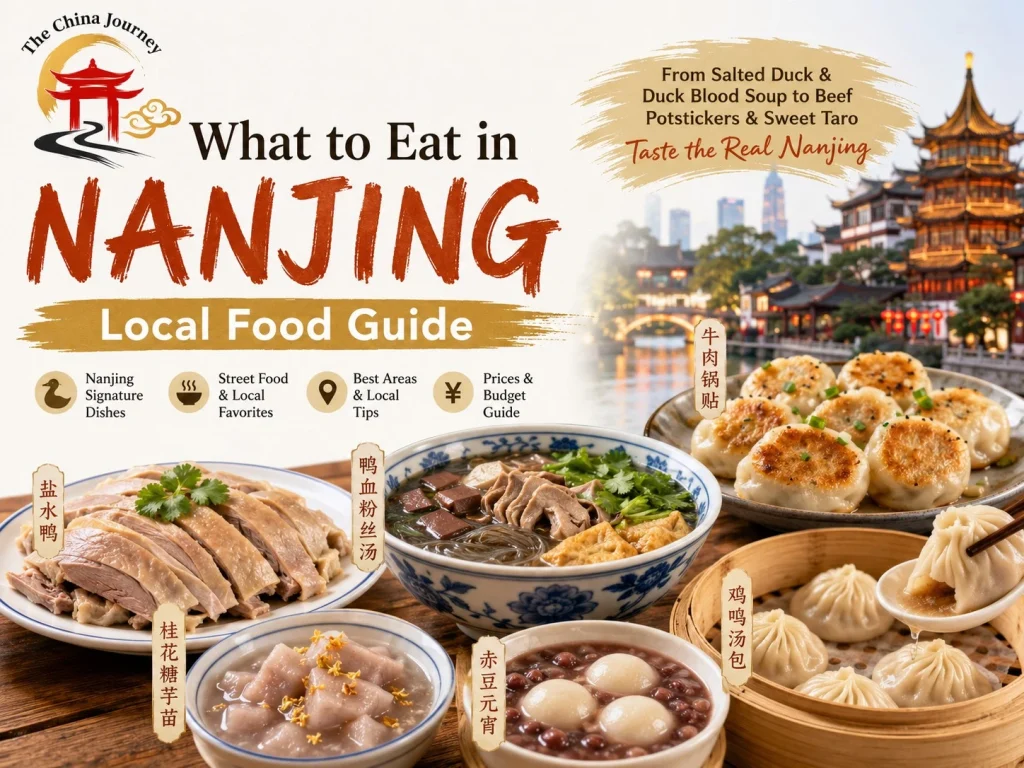
Discover what to eat in Nanjing, from salted duck and duck blood soup to beef potstickers, sweet snacks, prices, areas, and ordering tips.

Jiangnan, south of China’s Yangtze River, evokes the charm of canal towns, classic gardens and refined cuisine—a perfect blend of tradition and modernity for travellers.
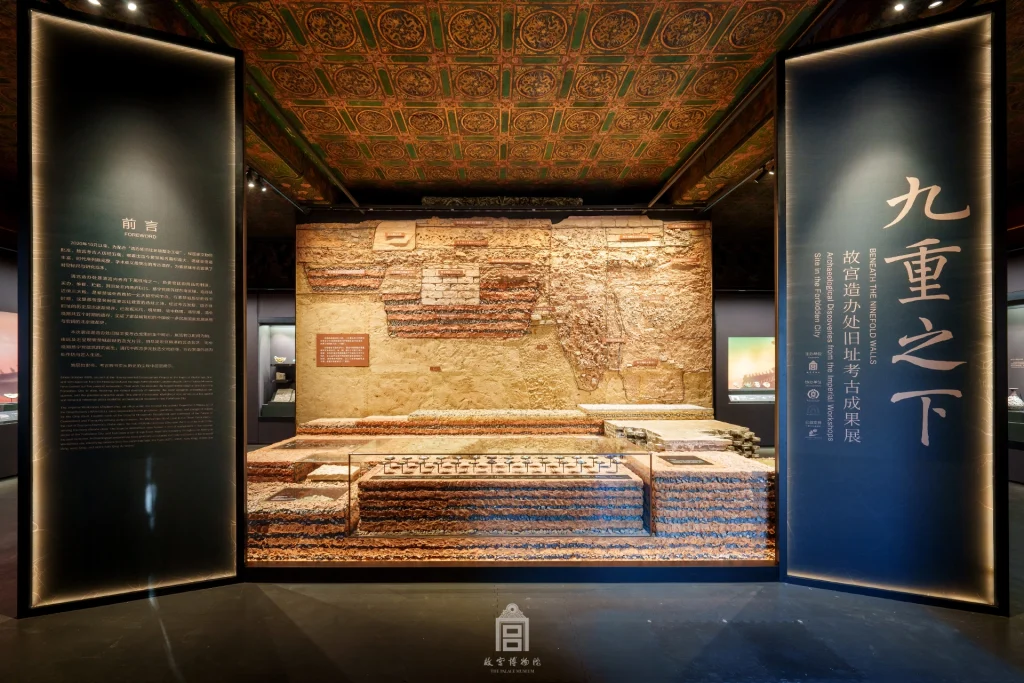
The Palace Museum in Beijing unveils “Beneath the Nine Layers,” showcasing major archaeological discoveries from the Imperial Workshops site.

Discover the authentic taste of Beijing Roast Duck with its crispy skin and tender meat, served with traditional pancakes, sweet bean sauce, and fresh vegetables.

Share your travel ideas, and we’ll help you plan a smooth, personalized trip across China.

Share your travel ideas, and we’ll help you plan a smooth, personalized trip across China.
We’re looking for experienced, part-time local guides to serve international travelers.
Requirements:
• Fluent in at least one foreign language
• 3–5 years guiding international visitors
• Able to operate in multiple regions in China
• Competitive and reasonable pricing
• Proven customer reviews or testimonials
• Professional, reliable, and responsive
• Flexible availability for custom trips
Hi there!
Just a quick heads-up — a helpful user named Volker let me know that some of the non-English content on this site may not be accurate.
This site is a one-person project I run part-time. I research and publish all the content myself, and the translations are currently done by machine (Google Translate). Balancing accuracy and accessibility across multiple languages is a real challenge.
If you spot any errors, I recommend switching to the English version using the button at the bottom left. I’ll continue working to improve the translations over time.
I truly appreciate your understanding. And if you have any suggestions, feel free to leave a comment — it means a lot to me.
— Anthony 2025.6.18


