Written by
Anthony
Did you know the right plant in the right spot can do more than just brighten your space? In Feng Shui, plants are living energy tools. They help balance your home’s qi (life force), invite good luck, and even improve your health and mood.
Whether you’re hoping to boost your career, attract love, or simply make your home feel more peaceful, Feng Shui plants offer natural and powerful support. And don’t worry—you don’t need to be a Feng Shui expert to start. In this guide, we’ll walk you through the basics, step by step, with insights from a real Chinese Feng Shui master.
Feng Shui isn’t just about where you put your furniture—it’s also about the energy your plants bring into the space. Plants are living, breathing carriers of sheng qi—that’s “vital life energy” in Chinese. When placed well, they can lift your mood, improve air flow, and create a more balanced environment.
Plants release oxygen and purify the air, but in Feng Shui, they do even more. They bring in living energy that helps qi move gently and positively through your home. A well-placed plant can literally “breathe life” into a space that feels stuck or dull.
In Feng Shui, everything relates to the Five Elements—Wood, Fire, Earth, Metal, and Water.
Here’s how plants connect:
Green leaves = Wood energy (growth, kindness, creativity)
Ceramic pots = Earth (stability, grounding)
Metal pots = Metal (clarity, focus)
Water propagation = Water (flow, wisdom)
Mixing these elements in the right way helps balance your space.
Bamboo: Stands for strength, flexibility, and rising success
Money Tree: Its round, shiny leaves look like coins and symbolize wealth
Round leaves: Attract abundance and harmony
Sharp or spiky leaves: Reflect harsh energy away from you (but use carefully indoors)
Feng Shui is all about balance—and plants are one of the easiest ways to bring the Five Elements into your home. But not all plants are created equal. Some boost wealth, others protect you from bad energy, and many do both!
Each plant carries the energy of one or more elements. Placing the right plant in the right spot helps balance your space—and your life.
Wood (growth, vitality):
Lucky Bamboo – strong yet flexible, great for new beginnings
Fire (passion, motivation):
Anthurium – its red heart-shaped flowers spark love and energy
Earth (stability, nourishment):
Succulents – low-maintenance, grounding energy
Water (flow, wisdom):
Lotus – spiritual growth and inner peace
Sometimes it’s less about the element and more about what the plant does in your space.
Wealth Attractors:
Jade Plant – thick round leaves shaped like coins
Protection & Deflection:
Cactus – deflects sha qi (harsh energy); best used on balconies or outside
Iron Tree – known to protect homes and boost resilience
Air Purifiers:
Pothos – trails gracefully while filtering toxins
Where you place your Feng Shui plants matters just as much as which ones you choose. In 2025, Flying Star Feng Shui gives us special clues about which areas in your home need support—and which plants work best in each.
Let’s look at three key directions and what energies they bring this year:
Southeast (Peach Blossom/Romance Star):
This area boosts relationships and social luck.
👉 Best plant: Peace Lily to enhance gentle connections
🚫 Avoid: Cactus or spiky plants—they may damage trust and harmony
Every room in your home serves a different function—and your plants should match the energy you want to build there.
Entryway:
First impressions matter!
👉 Best plant: Boxwood or Lucky Bamboo for grounding, welcoming energy
🚫 Avoid: Anything thorny—no cacti or roses near the door
Even with good intentions, some plants can do more harm than good—especially if placed in the wrong spot. Let’s go over the most common Feng Shui plant mistakes, and simple ways to fix them.
Cactus and Roses:
Sharp leaves and thorns send out “cutting qi,” which can stir up conflict or stress. These are better suited for outdoor spaces like balconies or gardens.
Overgrown Vines:
Long, trailing vines like pothos or ivy may look lush, but if they spread too far horizontally, they trap energy and create a feeling of heaviness indoors.
Wilted or Dying Plants:
These send weak or “sick” energy into your space. Always remove or replace them as soon as they start to fade.
House Center (Tai Chi):
This is the energy heart of your home—plants here can block qi circulation. Best to keep it clear or use open décor like crystals or lights instead.
Northwest Corner:
This area represents Metal energy. Too many green or leafy plants (Wood) can weaken it. Limit greenery here and consider white flowers or metal planters instead.
Love your cactus? No problem:
Place it on a balcony or near a window, and pair it with a blue crystal to calm the sharp energy.
Want ivy indoors?
Choose hanging ivy and guide it to grow upward, not across shelves or walls. This encourages upward energy and prevents qi stagnation.
Got a weak plant?
Don’t feel bad—just move it to a “recovery spot” with sunlight and fresh air. Replace it indoors with a fresh one to keep energy strong.
In Feng Shui, there’s no one-size-fits-all solution. The best plant for you depends on your zodiac sign, your personal energy (or birth chart), and even the season.
Each Chinese zodiac has its own energy. Pairing plants with your sign helps support balance and luck.
Tiger or Rabbit (Wood signs):
Place a Money Tree in the East to boost natural vitality and career growth.
Snake or Horse (Fire signs):
Add Anthurium in the South to spark passion, courage, and personal momentum.
Tip: Always use healthy, thriving plants—your sign’s luck doesn’t respond well to wilted leaves!
Not sure about your full birth chart? A simple way to start is by observing what element you feel missing in your life.
If you need more Water energy:
Use hydroponic bamboo or water lilies in the North area of your home.
If you need more Wood energy:
Choose leafy green plants in wooden pots, and place them in the East to grow opportunities and support decision-making.
Bonus: Add ceramic pebbles or crystals to ground the energy.
Your space (and your mood) change with the seasons—so should your plants!
In Summer:
Use cool-toned or blue-hued plants like the Blue Star Fern to calm fiery summer energy.
In Winter:
Add warm-colored flowers like Azaleas or red Chrysanthemums to bring warmth and cheer to darker days.
New to Feng Shui? Don’t worry—you don’t need to know everything right away. With a few smart moves and the right plants, you can feel the energy shift in your home. Here’s a simple plan to get started:
Use a compass app
Find the main directions (North, South, East, West) in your home. It helps you place each plant in the right zone for energy flow.
Clear the clutter
Plants can’t work their magic if they’re surrounded by mess. Keep their space clean so qi (energy) can move freely.
Follow the Flying Stars
Each year, Flying Star Feng Shui tells us which corners are lucky. Adjust your plant placements to match the 2025 chart.
Want fast results? Try these powerful plant + crystal combos:
Southwest Wealth Corner
→ Red Anthurium + Yellow Citrine = stable income and strong financial luck.
Southeast Romance Corner
→ Peace Lily + Rose Quartz = better relationships, more charm, and a peaceful heart.
Blend ancient wisdom with modern tech:
Red smart lighting in the East
Boosts celebration energy and helps activate the “Joy Star” zone.
Gold-colored air purifier
Enhances the Metal element, supporting focus, protection, and clarity—perfect for offices and bedrooms.
Feng Shui plants are living energy tools—and like all living things, they need regular care. A little attention goes a long way in keeping both your greenery and your home’s energy strong.
Wipe down leaves on the 1st and 15th lunar days
These dates align with natural energy shifts in the month. Cleaning your plants helps refresh qi (life force) and keeps their aura bright.
Move wilting plants to the balcony or a healing corner
Let them soak in natural light and recover. Never leave sick plants inside—they can drag down the room’s energy.
Stack good vibes in key areas with combos that work together:
West Study or Office
→ Place 4 stalks of Lucky Bamboo + a brass pagoda for clear thinking and academic luck.
Entryway Setup
→ Add a red welcome mat + a boxwood plant to protect your home and invite good fortune in.
Feng Shui isn’t about being strict—it’s about flow and balance.
Small apartments?
Use a Peace Lily instead of a big palm. It brings harmony without crowding your space.
Open kitchens?
Add a glass divider and a pot of Pothos to soften the clash between Fire (stove) and Water (sink).
When it comes to Feng Shui plants, more isn’t always better—and not every leafy friend belongs inside your home.
It’s a common myth that filling your space with plants will automatically boost energy.
In truth, indoor plant coverage should stay under 20%.
Too many plants can crowd qi and create chaotic energy, especially in smaller rooms.
While artificial plants might look good, they don’t carry sheng qi (living energy).
Even worse, they can trap stagnant energy and become visual clutter. If you love the look, limit them to decor-only zones, not energy centers.
A wilting or diseased plant can subconsciously make people feel uneasy.
It emits “declining energy”—especially harmful in bedrooms or near entryways.
Solution? Remove or relocate, and replace it with a healthy one as soon as possible.
You’re not alone! Aloe and cacti are popular—but in Feng Shui, their sharp leaves are considered “cutting qi.”
Only place them on balconies or outdoor spaces, far from where people gather or sleep. To soften the effect, pair with a blue crystal or round-leaved plant.
Feng Shui plants aren’t just about adding greenery—they’re a living way to align your space with balance, health, and intention.
Revisit plant placements every season to keep up with annual energy shifts like the Flying Stars. A quarterly refresh keeps your space flowing and your goals aligned.
Blend modern style with ancient wisdom. Love minimalist or Scandinavian decor? No problem. Just choose sleek pots, tidy arrangements, and let natural textures shine through.
You don’t need to be a Feng Shui expert to feel the benefits. With thoughtful placement and a little heart, your home can become a true sanctuary of peace, focus, and flow.

The Year of the Horse, the seventh sign in the Chinese zodiac, corresponding to the Earthly Branch “Wu” (午), is a symbol of strength, speed, and loyalty.

A structured 2026 forecast for people born in 1954, detailing career, wealth, relationships, health, lucky elements, and guidance for navigating a Ben Ming Nian.

Tibetan opera, a UNESCO Intangible Cultural Heritage, blends dance, music, and vibrant costumes, showcasing centuries-old traditions from the Tibetan plateau.
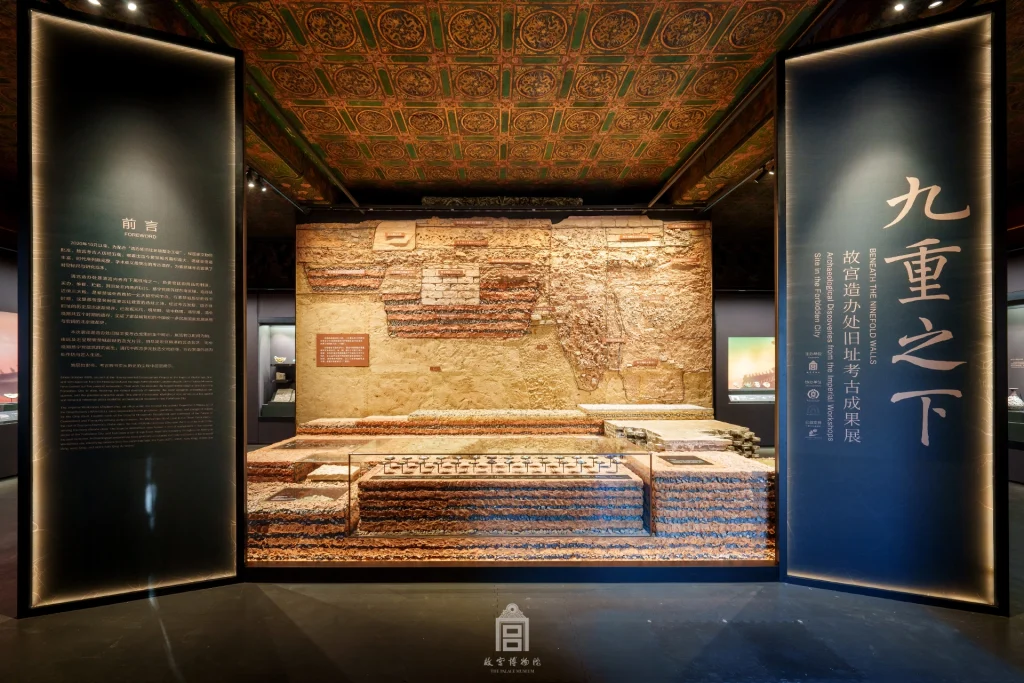
The Palace Museum in Beijing unveils “Beneath the Nine Layers,” showcasing major archaeological discoveries from the Imperial Workshops site.

No, the Great Wall is not visible to the naked eye from space due to its narrow width and natural coloring that blends into the landscape.

Find top Nanjing hotels with real local reviews. From budget to luxury, family, pet-friendly, river view, and historical stays near top attractions.
Share your travel ideas, and we’ll help you plan a smooth, personalized trip across China.
We’re looking for experienced, part-time local guides to serve international travelers.
Requirements:
• Fluent in at least one foreign language
• 3–5 years guiding international visitors
• Able to operate in multiple regions in China
• Competitive and reasonable pricing
• Proven customer reviews or testimonials
• Professional, reliable, and responsive
• Flexible availability for custom trips
Hi there!
Just a quick heads-up — a helpful user named Volker let me know that some of the non-English content on this site may not be accurate.
This site is a one-person project I run part-time. I research and publish all the content myself, and the translations are currently done by machine (Google Translate). Balancing accuracy and accessibility across multiple languages is a real challenge.
If you spot any errors, I recommend switching to the English version using the button at the bottom left. I’ll continue working to improve the translations over time.
I truly appreciate your understanding. And if you have any suggestions, feel free to leave a comment — it means a lot to me.
— Anthony 2025.6.18