

Hefei is best understood as a provincial-capital stop within a wider Anhui trip, not a city built around one blockbuster sight. Its value comes less from dense landmark-hopping and more from using it as a cultural entry point through Bao Gong stories, an Anhui-wide museum view, relaxed city parks and lakes, and one possible old-town extension.
This guide helps you decide whether Hefei is worth your time, how many days to stay, what to prioritize, and how to place it properly within an Anhui route. For most first-time visitors, the goal is not to “do everything” in Hefei, but to use the city clearly and well.
Field | Quick Take |
|---|---|
Chinese name | Hefei (合肥) |
Province role | Capital of Anhui and the province’s main political, cultural, and transport center |
Best first-time role | A practical Anhui entry city and cultural primer, not the province’s strongest visual destination |
Best known for | Bao Gong culture, Anhui Museum, city parks and lakes, and easy regional connections |
Best trip length | 2 days is the safest first-trip length; 1 day is possible; 3 days is flexible |
Best time to visit | Spring and autumn are the most comfortable overall |
Best for | Travelers who want a low-pressure city stop with culture, museums, and easy onward travel |
Travel style | Arrive by air or rail, stay central, then combine culture, museum time, city walking, and one add-on |

Hefei sits in central Anhui and serves as the province’s capital and main transport hub. For travelers, it matters less as a stand-alone visual destination and more as a practical gateway into a wider Anhui route. It is easy to enter by air or high-speed rail, easy to use for a 1–2 day stop, and easy to connect onward to places like Huangshan, Jiuhuashan, and Nanjing.
Visit Hefei if you want a clear cultural entry point into Anhui rather than jumping straight into the province’s bigger scenic stops.
The Bao Gong cultural layer gives the city one of its clearest reasons to visit and helps it feel distinct within an Anhui itinerary.
Anhui Museum adds real value because it gives you a fast provincial overview before moving on to villages, mountains, or Buddhist sites elsewhere.
Hefei works well for travelers who want city walking, parks, and lake areas as a lighter break between heavier travel days.
It is a strong first stop because the city is easier, calmer, and less demanding than many destination-first routes.
Hefei fits especially well before or after Huangshan and Jiuhuashan, where it helps the wider Anhui route feel more balanced.
If you have extra time, Hefei works best with one selective add-on—usually Sanhe Ancient Town or a lakeside extension—rather than trying to stretch the city into a heavier destination.

Hefei works best as a low-pressure Anhui entry point rather than a blockbuster destination. It suits travelers who want a manageable 1–2 day cultural stop built around museums, city parks, and a few focused historical layers.
Good fit for…
Travelers visiting Anhui for the first time who want an easy, low-threshold starting point before heading deeper into the province.
People interested in Bao Gong, local history, museums, and city walking rather than only chasing scenic highlights.
Visitors who like 1–2 day cultural city stays that feel manageable, structured, and not overpacked.
Travelers building a wider route through Huangshan, Jiuhuashan, or Nanjing and needing a practical stop that still has cultural value.
People who want to understand Anhui more clearly before moving on to its mountains, old villages, and Buddhist sites.
Maybe not ideal if…
You only want Anhui’s strongest visual landscapes and plan to spend nearly all your time on mountain or village scenery.
You mainly want the densest concentration of old villages, dramatic viewpoints, and high-impact photo stops.
You are not interested in provincial-capital life, museums, or using a city to understand a wider region.

This is Hefei’s city-identity core and the strongest reason most first-time visitors come.
Worth doing because it gives the city a clear historical anchor through Bao Gong’s legacy, memorial spaces, and the broader justice-and-integrity culture attached to his name.
Best for travelers interested in Chinese history, famous historical figures, and symbolic local identity.
In your route, this is the first layer to protect. If time is tight, keep this and cut lower-priority city add-ons before cutting Bao Gong-related stops.
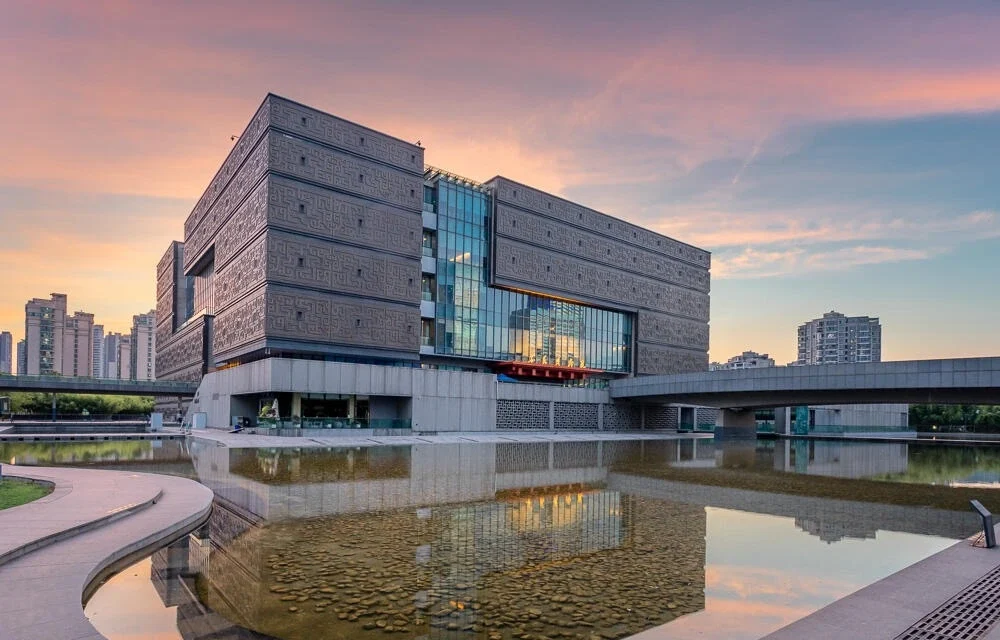
This is Hefei’s provincial-understanding core and one of the city’s highest-value stops.
Worth doing because it helps you understand Anhui as a whole rather than only Hefei itself, which makes the rest of your route through Huangshan, ancient villages, or other cities more meaningful.
Best for travelers who like museums, regional history, and structured cultural context.
In your route, this is the best indoor anchor after Bao Gong. If you only choose one museum in Hefei, this should be it.

Sanhe is Hefei’s strongest extension and the clearest way to add an old-town layer without leaving the wider city orbit.
Worth doing because it gives you a more traditional waterside setting and a change of rhythm from the provincial-capital feel of central Hefei.
Best for travelers who want a classic old-town add-on but do not want to redesign the whole trip around southern Anhui villages.
In your route, this is the best extension once the city core is covered. If time is short, keep it optional.
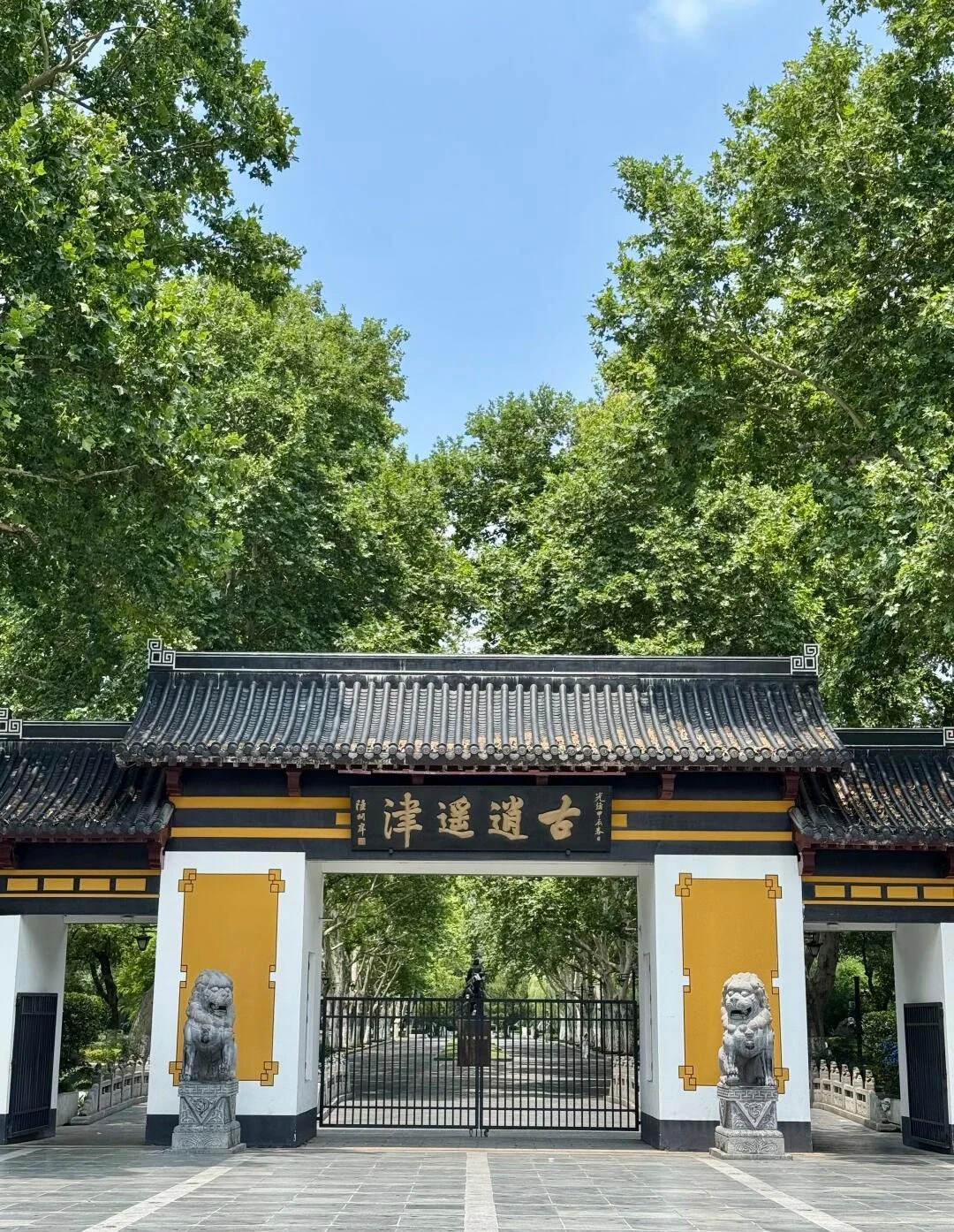
This is one of the best ways to feel Hefei’s city rhythm rather than just its named attractions.
Worth doing because it adds everyday life, public-space atmosphere, and a slower walking layer that matches the city’s pace well.
Best for travelers who like parks, local routines, and lighter sightseeing between museums and historical sites.
In your route, this is a city-rhythm layer, not a headline stop. If time is limited, use it as a short add-on rather than a major half-day block.

Swan Lake is the clearest expression of modern Hefei and helps balance the city’s older historical side.
Worth doing because it shows Hefei as a contemporary provincial capital, with wider boulevards, newer skyline views, and a more polished urban-lake setting.
Best for travelers who like city walking, evening views, and seeing both historic and modern sides of a destination.
In your route, this is a secondary city-rhythm layer. Add it after Bao Gong and the museum, not before them.
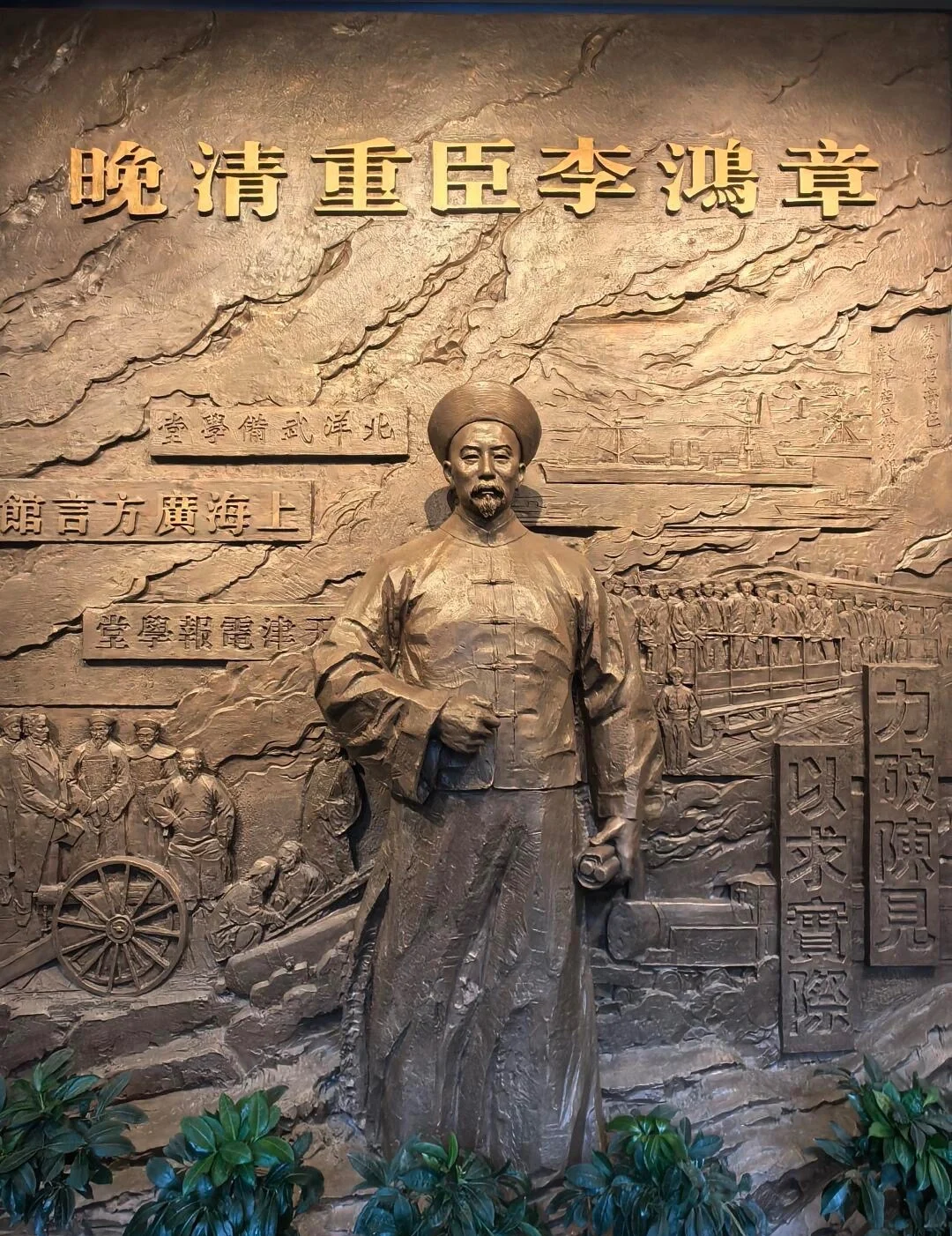
This is Hefei’s best secondary history layer after Bao Gong.
Worth doing because it adds another historical figure and gives the city more depth beyond one symbolic cultural identity.
Best for travelers who already know they enjoy late Qing history, political figures, or historic residences more than general sightseeing.
In your route, this is a focused cultural add-on rather than a city-defining anchor. If your Hefei stay is short, it ranks below Bao Gong and Anhui Museum, but above weaker filler stops.

Chaohu is optional, but it can work if you want one broader landscape layer beyond the city.
Worth doing because it gives Hefei a looser lakeside extension and makes sense for travelers who want a more open-air, less urban half day or day trip.
Best for visitors with 3 days or more, or those who prefer regional spacing over dense city sightseeing.
In your route, this is an outer extension, not part of the core first-trip structure. Cut it first if your time is limited.

Hefei works best when you keep the structure focused. This is not a city that rewards trying to see everything. For most first-time visitors, the goal is to cover the cultural core, add a provincial-understanding layer, and then decide whether to finish with a city-leisure stop or one outward extension.
1 day: Enough only for the core city layer. Focus on the Bao Gong cultural layer, add Anhui Museum, and finish with a short city-walking stop such as Xiaoyaojin Park or the Swan Lake area. This gives you a clear first impression, but it is still a compressed version of Hefei.
2 days: This is the most mature first-trip structure. You can cover Bao Gong culture properly, add the provincial overview through Anhui Museum, and still have room for one city-rhythm or extension layer such as Sanhe Ancient Town, Swan Lake, or Li Hongzhang Former Residence.
3 days: Best if you want to add one outer extension without rushing. This is when Sanhe Ancient Town or a Chaohu-side outing makes more sense, while still keeping the city core intact.
Longer stays: Longer stays usually make more sense as part of a broader Anhui route rather than as a much deeper Hefei-only trip. At that point, Hefei works more as a base, connector, or entry city for the province.
For most first-time visitors, 2 days is the clearest answer. If you are building a wider national route, it also helps to decide How Long to Spend in China before fixing the Anhui segment.

Who it’s for
Travelers with limited time who want a clear first look at Hefei without trying to turn it into a larger regional trip.
Route logic
Keep everything inside the city and protect the two most important layers first: city identity and provincial understanding. Use the last part of the day for one lighter city stop rather than trying to force an outer extension.
Main stops
Bao Gong cultural layer → Anhui Museum → Xiaoyaojin Park or Swan Lake
Why this itinerary works
This structure gives you the clearest short version of Hefei. Bao Gong provides the city’s strongest identity layer, while Anhui Museum explains why Hefei matters within the wider province. A park or lake stop at the end helps the city feel lived-in rather than purely historical. It is not a deep Hefei trip, but it is a coherent one. If you only have one day, this is the version that makes the city easiest to understand.

Who it’s for
Most first-time visitors who want the most balanced and reliable Hefei experience.
Route logic
Day 1 covers the cultural core. Day 2 adds one city-leisure or extension layer, depending on whether you prefer a more urban rhythm or a more traditional old-town add-on.
Main stops
Day 1: Bao Gong cultural layer → Anhui Museum → Xiaoyaojin Park
Day 2: Sanhe Ancient Town, or Swan Lake → Li Hongzhang Former Residence
Why this itinerary works
This is the most mature answer for Hefei because it protects the city’s real strengths without overstretching. You get the identity core, the provincial overview, and then one extra layer that fits your interests. Sanhe is the stronger choice if you want a classic extension; Swan Lake plus Li Hongzhang works better if you want to stay city-based. Two days gives Hefei enough space to feel intentional rather than just functional. For most first-time visitors, this is the best structure.

Who it’s for
Travelers who want a slower pace or want to add one outer extension without weakening the main city structure.
Route logic
Keep the 2-day core intact, then use the third day for a more relaxed extension rather than stuffing more minor city sights into the plan.
Main stops
Day 1: Bao Gong cultural layer → Anhui Museum
Day 2: Xiaoyaojin Park → Li Hongzhang Former Residence → Swan Lake
Day 3: Sanhe Ancient Town or Chaohu-side outing
Why this itinerary works
Three days works best when you do not treat it as an excuse to add every possible Hefei sight. Instead, it lets the city breathe. The first two days establish the core structure clearly, and the third day adds either a traditional-town extension or a broader lakeside layer. This is the version for travelers who like slower transitions, more walking, and less pressure. Hefei still is not a dense blockbuster destination, but with three days it becomes a more rounded Anhui entry city.

Who it’s for
Travelers using Hefei as the start, middle, or end of a broader Anhui route that may include Huangshan, Jiuhuashan, or other destinations.
Route logic
Use Hefei as a low-pressure cultural and transport anchor. Do not overbuild the city itself. Give it enough time to establish context, then move on to the higher-impact mountain, village, or Buddhist parts of the province.
Main stops
Day 1: Bao Gong cultural layer → Anhui Museum
Day 2: Optional city layer or Sanhe Ancient Town → continue to Huangshan, Jiuhuashan, or another Anhui destination
Why this itinerary works
Hefei is especially useful when you stop asking it to compete with Anhui’s most visually famous destinations. In a wider route, it works as a cultural preview, a museum-based overview, and a practical rail-connected gateway. That gives the rest of the province more meaning and makes the route easier to manage.
If you are mapping a larger national route as well, it helps to align this with How to Plan a China Trip before fixing the full itinerary.
Hefei works year-round, but it is not a city where every season feels equally easy. For most first-time visitors, spring and autumn are the safest choices because walking is more comfortable, museum-and-park combinations work well, and day trips to places like Sanhe Ancient Town feel easier to plan. For a broader national comparison, see Best Time to Visit China.
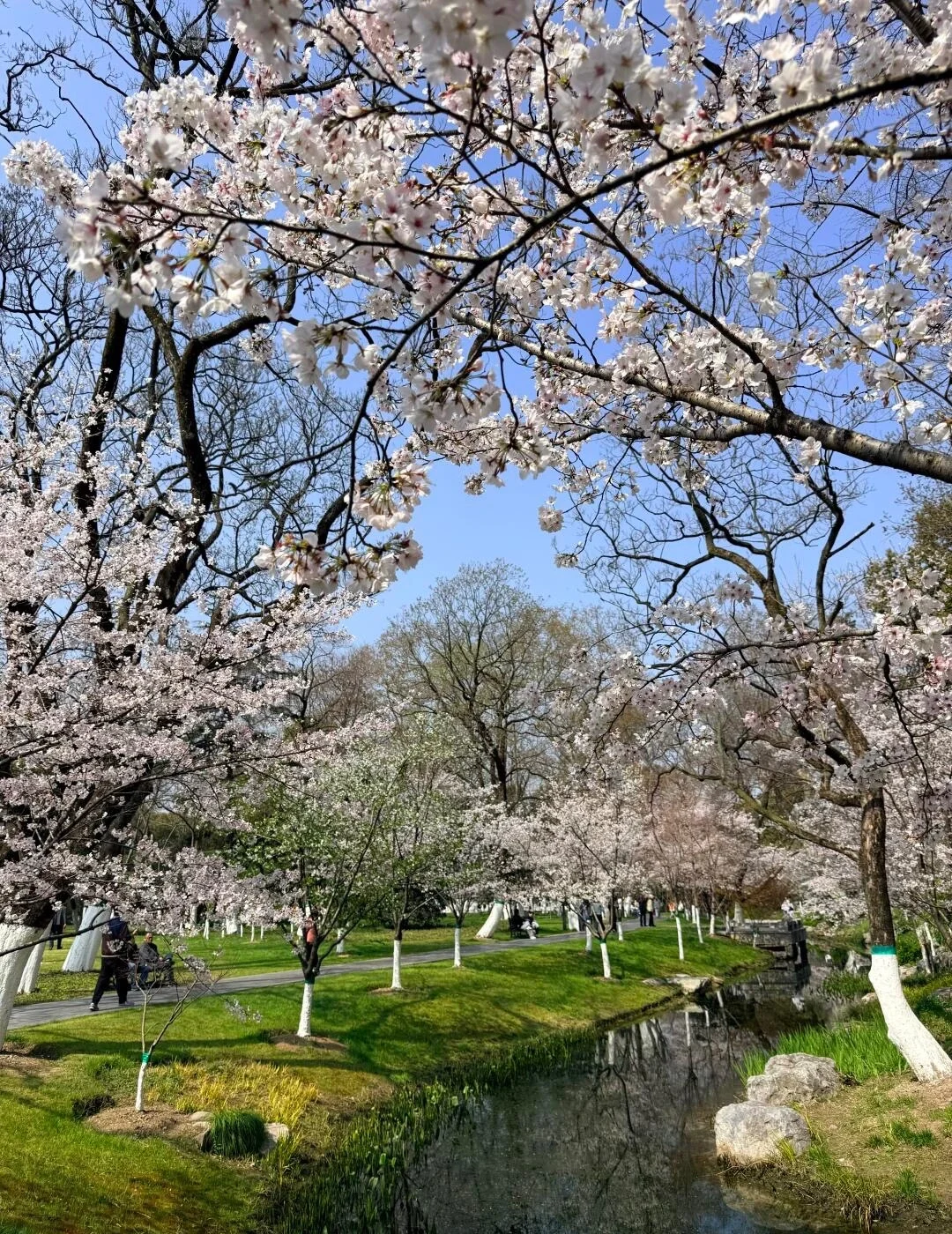
Spring is one of the best times to visit Hefei. Temperatures are usually mild, parks feel more active, and city walking becomes much easier than in summer. This is a very good season for combining the Bao Gong cultural layer, Anhui Museum, and one outdoor stop such as Xiaoyaojin Park. It also works well for Sanhe Ancient Town, where walking streets and canals feel more comfortable in cooler weather. The main tradeoff is that spring can bring some rain, so outdoor pacing is better when kept flexible.
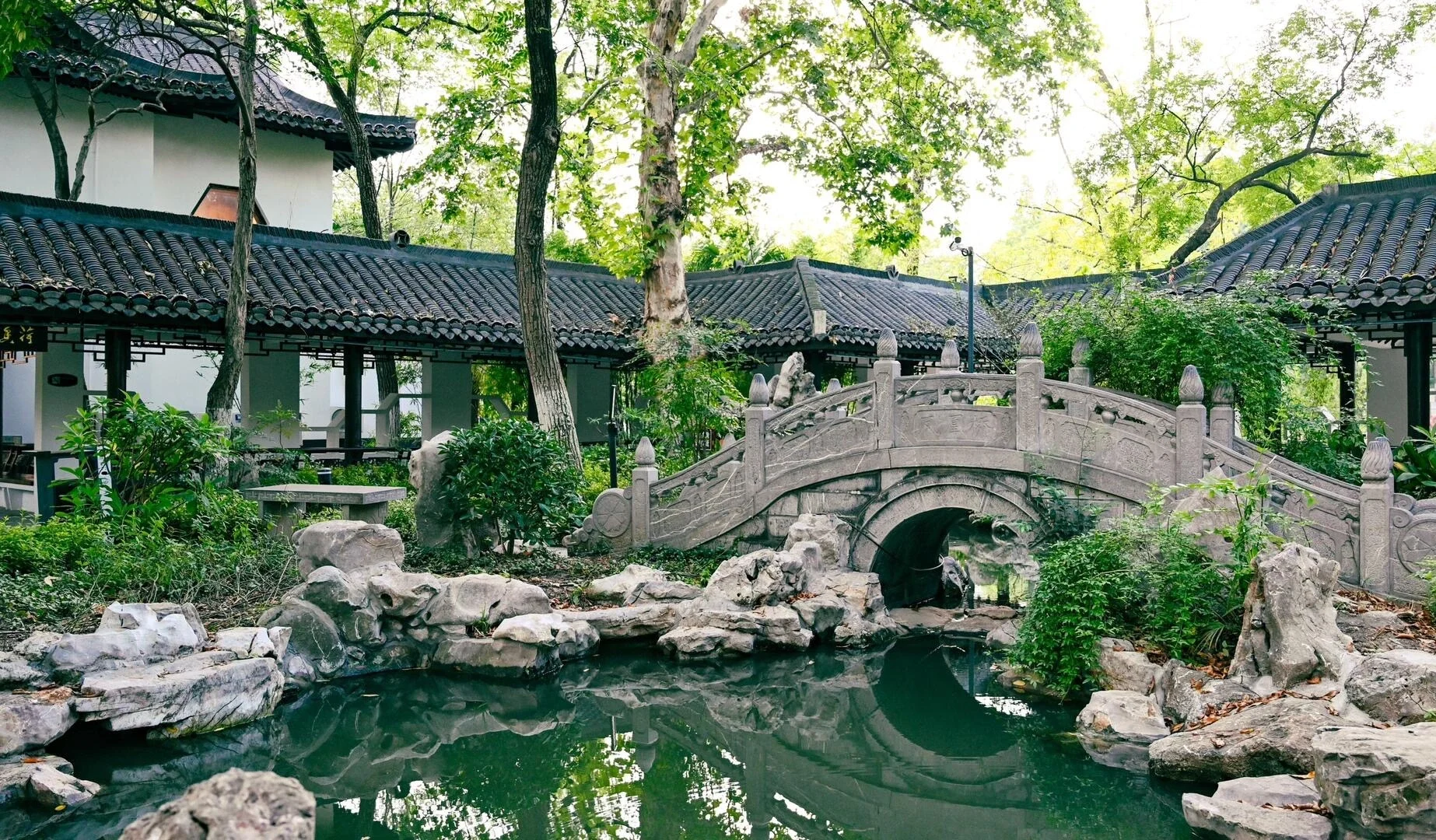
Summer is the hardest season for most visitors. Hefei becomes hot, humid, and slower in pace, and the plum-rain period plus later high heat can make long walking days tiring. City walking works best in the morning or evening, while museum days become more useful in the middle of the day. Ancient-town extensions are still possible, but less comfortable. Lakeside areas such as Swan Lake work better as short evening stops than long daytime outings.

Autumn is usually the strongest all-round answer. The air is clearer, temperatures are more manageable, and both city walking and old-town extensions feel easier to enjoy. This is a very good season for building a balanced Hefei trip with cultural stops, one museum block, and one outdoor or extension layer. If you want Hefei at its easiest and most readable, autumn is usually the safest choice.

Winter is workable, but it can feel cold and damp. Hefei is still usable for museums, cultural sites, and shorter city routes, but long outdoor wandering is less pleasant than in spring or autumn. Sanhe and lakeside stops remain possible, though they usually feel quieter and less comfortable. Winter works best for travelers who do not mind lower temperatures and want a calmer, lower-pressure city trip.
Spring and autumn are usually the safest first-trip seasons.
Summer is the weakest season for long walking because of humidity, plum rain, and heat.
Winter is possible, but colder and damper than many visitors expect.
City walking is strongest in spring and autumn.
Museum days work in every season, but become especially useful in summer and winter.
Sanhe Ancient Town is easiest in spring and autumn.
Lakeside pacing around Swan Lake or Chaohu works best outside the hottest months.
Hefei is the capital of Anhui and one of the province’s main transport nodes, so getting in is usually straightforward. Both air and high-speed rail are practical, and the city connects especially well with East China and the wider Anhui route. For a broader overview, see China Transportation Guide.

Hefei Xinqiao International Airport makes sense if you are arriving from farther parts of China or if Hefei is your first stop in Anhui. Flying is practical for longer domestic routes and can work well if you want to enter the province quickly before continuing onward by rail. From the airport, you can reach the city by metro, airport bus, taxi, or ride-hailing, depending on your arrival time and luggage.

For many travelers, rail is the cleaner option. Hefei connects strongly with major nearby cities such as Shanghai and Nanjing, and it also links well with Huangshan and other Anhui destinations. This makes it especially useful for travelers already moving through East China. High-speed rail is often the most predictable and efficient way to use Hefei as a route anchor.
Hefei works well as the start, end, or middle of a wider Anhui trip. It is easy to enter, easy to leave, and well placed for onward travel to Huangshan, Jiuhuashan, and nearby major cities such as Nanjing and Shanghai. For first-time visitors, that makes Hefei less of a destination you must force, and more of a flexible regional gateway that can also support a worthwhile 1–2 day stop.
Hefei is relatively easy to move around once you separate the city core from the outer extensions. Inside the city, metro, taxis, and short walks cover most needs well. The historic-cultural core can be linked fairly efficiently, while places like Sanhe Ancient Town and Chaohu need separate planning.
Route | Best way to travel | What to know |
|---|---|---|
Airport / rail station ↔ city center | Metro, taxi / ride-hailing | Both work well. Metro is budget-friendly; taxis are easier with luggage or late arrivals. |
City center ↔ Bao Gong layer | Metro, taxi, walking in parts | This is one of the easiest core-city cultural clusters and can be fitted into a central day smoothly. |
City center ↔ Anhui Museum | Metro, taxi / ride-hailing | Very manageable from the main city districts and easy to combine with other city stops. |
City center ↔ Swan Lake | Metro, taxi / ride-hailing | Swan Lake is one of the simplest modern-city outings and works well as a half-day or evening stop. |
City center ↔ Sanhe Ancient Town | Bus, taxi / ride-hailing, private car | This is not a casual city hop. It needs a dedicated half-day or day plan, especially if using public transport. |
City center ↔ Chaohu / farther add-ons | Rail + transfer, bus, private car | Outer add-ons need separate planning and should not be treated like city-core stops. |
Inside Hefei itself, the main rule is simple: use metro and taxis for clean cross-city moves, then walk when clusters make sense. Core stops such as the Bao Gong layer, central commercial streets, and some city parks can be linked efficiently. Farther places like Sanhe Ancient Town and Chaohu are better treated as stand-alone extensions rather than something to squeeze into a packed city day.
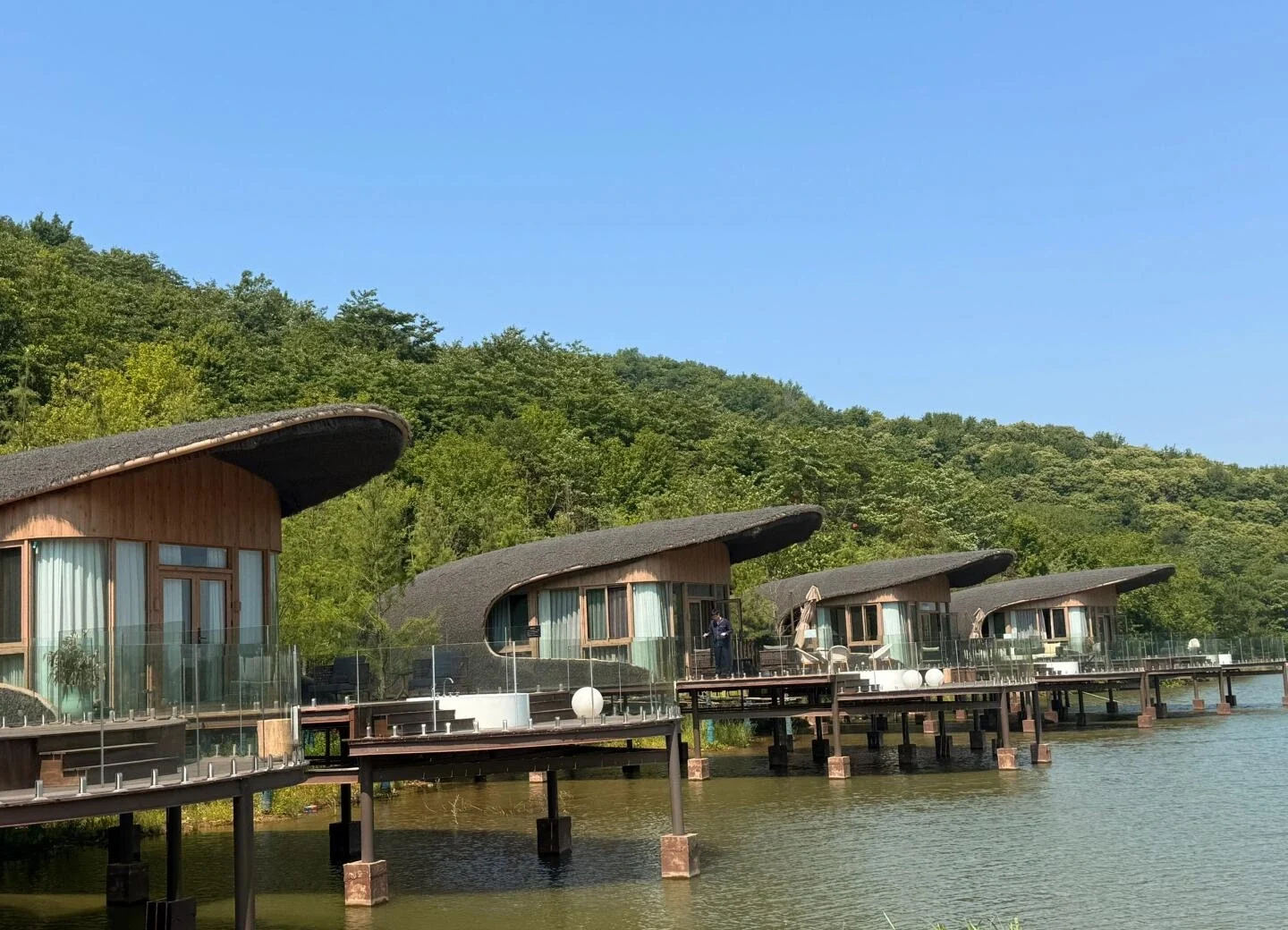
Stay in the city center if… this is your first Hefei trip and you want the safest overall base. Central Hefei gives you the easiest access to the Bao Gong layer, older commercial streets, food options, and convenient metro movement. For most first-time visitors, this is the most balanced choice because it keeps the trip simple and efficient.
Stay near Baohe / old-core areas if… you want stronger access to the city’s historical side and prefer a slightly more local-feeling base. This area works well for travelers who want Bao Gong sites, older streets, and easier links to the traditional city center rather than a more modern business-district stay.
Stay near Swan Lake if… comfort, newer hotels, wider roads, and a more modern city atmosphere matter more to you than old-core convenience. This area is better for travelers who prefer a polished, business-friendly environment and do not mind taking the metro or a taxi to reach Hefei’s main historical layers.
Stay near the transport hub only if… Hefei is mainly a practical stop and you have an early train, a late arrival, or a tight onward connection. This is a functional choice, not the strongest travel-experience choice. It saves time, but it is usually weaker for atmosphere, food exploration, and city pacing.
Stay near Sanhe only if… your trip is intentionally built around a slower ancient-town extension and you want one night away from the city. For most first-time visitors, this is not the best main base. It works better as a selective add-on stay than as your default Hefei hotel location.
Stay in Hefei as part of an Anhui route if… you want a stable urban base before continuing to Huangshan, Jiuhuashan, or Nanjing. In that case, staying central is still the best answer because it makes arrival, short sightseeing, and onward transport much easier without turning Hefei into a complicated stop.
See also: Where to Stay in Hefei
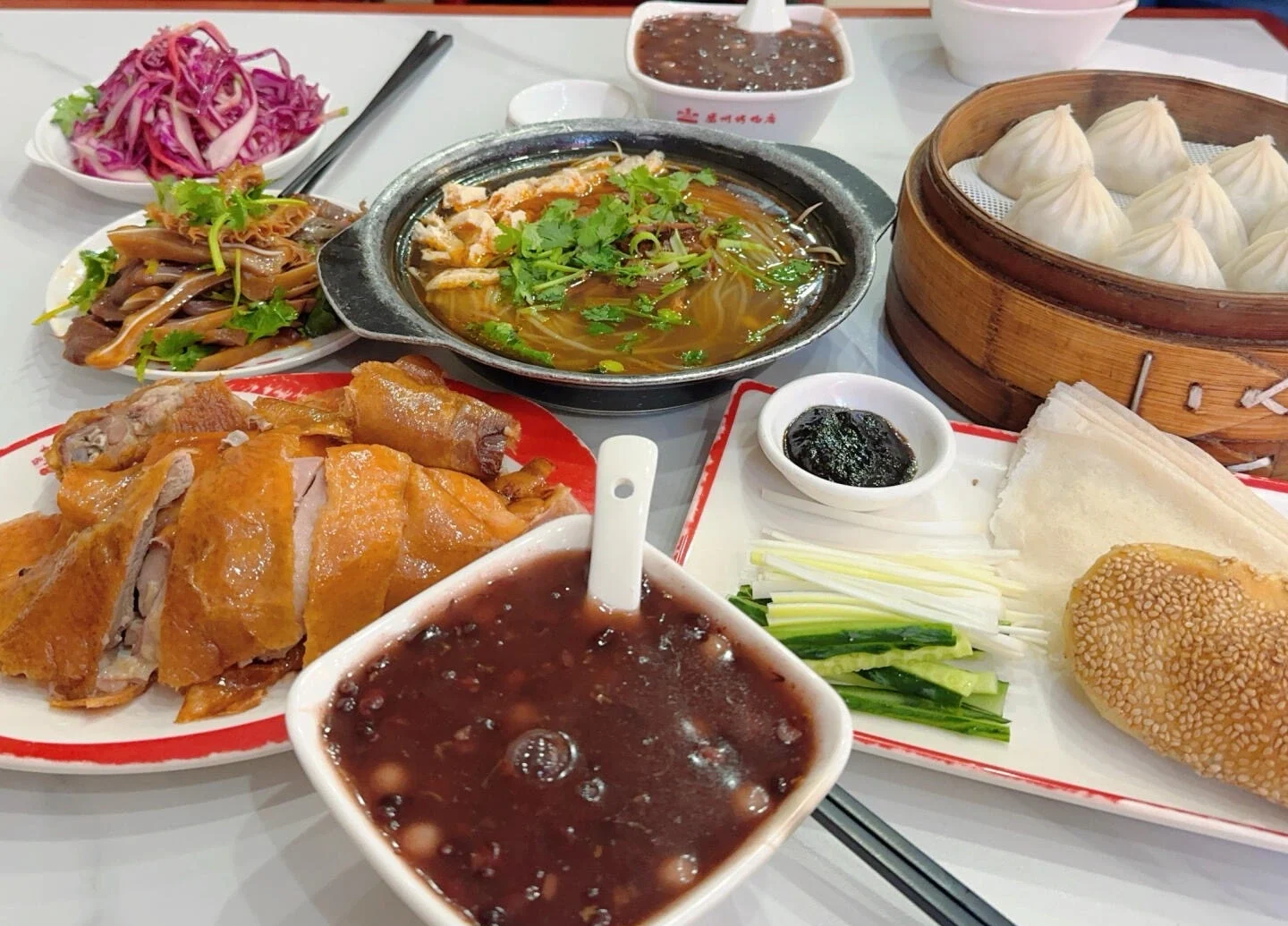
Food is not the main reason to choose Hefei, but it adds real value to the trip. Hefei works best as a practical place to sample Anhui flavors in an accessible, lower-pressure setting rather than as the province’s deepest food destination.
Luzhou Roast Duck (庐州烤鸭) — worth trying because it is one of Hefei’s clearest city-linked dishes; savory, aromatic, and less internationally familiar than Beijing duck; good for travelers who want something local but still approachable.
Li Hongzhang Hotchpotch (李鸿章大杂烩) — worth trying for its historical association and banquet-style character; rich, mixed, and layered rather than light or minimalist; best for visitors who want a stronger specialty dish with a story behind it.
Bao Gong fish (包公鱼) — worth trying because it links Hefei’s food layer with the city’s Bao Gong identity; usually savory and sauce-led; good for travelers who want a dish that feels specifically tied to Hefei.
Sanhe rice dumplings (三河米饺) and other local snacks — worth trying because they show the lighter everyday side of the local food scene; crisp, filling, and easy to fit into a walking day; good for snack-focused visitors.
Crayfish as a night-food layer — worth adding in season if you want a more urban evening food experience; lively, messy, and social rather than city-defining; better as a night-food extra than a core Hefei food priority.
Hefei is best understood as a practical Anhui flavor-sampling city. You can try representative local dishes here, but the city’s food experience is less about one pure culinary identity and more about giving you a usable mix of Hefei dishes, city snacks, and broader Anhui restaurant access.
This matters a lot. Hefei is useful for tasting Anhui flavors, but it is not the same as experiencing full Huizhou-style food in southern Anhui. If you go deeper into places linked to old Huizhou culture, the food often feels more rooted, more locally specific, and more tied to mountain ingredients and traditional village cooking. Hefei is easier and broader, but sometimes less distinctive.
Focus on one city-linked dish, one historical or culture-linked dish, and one snack-style layer. That gives you a clearer Hefei food experience than trying to chase a long checklist. In practical terms, a good structure is Luzhou Roast Duck or Bao Gong fish for one main meal, Li Hongzhang Hotchpotch if you want a stronger specialty meal, and Sanhe rice dumplings or similar snacks as the lighter local layer.
Hefei is generally an easy city to budget for. The core experience here—Bao Gong culture, museums, city walking, and everyday food—is not expensive by China city standards. Costs rise mainly when you add outer extensions such as Sanhe Ancient Town, Chaohu, or private transport. Compared with a more destination-led place like Huangshan, Hefei is usually easier to control on a day-to-day budget. For a broader national reference, see Cost to Travel in China.
Travel style | Typical daily cost (per person) | What it usually includes |
|---|---|---|
Budget-ish city stay | RMB 300–500 | Simple hotel, local meals, metro + short taxis, core city sights |
Mid-range classic stay | RMB 500–900 | Comfortable hotel, stronger food mix, easy city transport, Bao Gong layer + museum + one extra city layer |
Comfortable city stay with add-on | RMB 900–1,500+ | Better hotel, more taxis, stronger dining, plus Sanhe / Chaohu extension or private car use |
Hefei city itself is good value, especially if you focus on the core urban layers and use metro plus short taxi rides.
The main city experience is easy to keep affordable because museums, parks, and city walking do not require heavy spending.
Adding Sanhe, Chaohu, or other outer layers raises the budget through transport, extra meals, and possible ticket costs.
Private car use or custom day trips are the main reasons the cost rises quickly.
Compared with Huangshan-style destinations, Hefei is much easier to manage without paying for scenic-area transfers, mountain hotels, or higher-ticket route logistics.
Overall, Hefei works best as a moderate-cost city stop where you can keep spending controlled, then selectively upgrade only if you add comfort or outer extensions.
Do not approach Hefei as a blockbuster destination. It works better as a provincial-capital culture stop than as a high-impact sightseeing city.
Decide early whether Hefei is a short stop or your Anhui entry city. That choice changes how much time you should give it and whether you should add outer layers.
If you only have 1–2 days, stay selective. Focus on the Bao Gong layer, Anhui Museum, and one city-rhythm layer instead of trying to cover everything.
Do not force Sanhe Ancient Town and Chaohu into the same short stay. Each works better when given separate time and proper pacing.
Treat Sanhe as the strongest classic extension and Chaohu as a looser lakeside add-on. They are not interchangeable, and neither should be squeezed into a half-day without planning.
In summer, expect heat, humidity, and the East China rainy period. Walking comfort drops fast, so leave museums or indoor stops for the hottest or wettest parts of the day.
Hotel location matters a lot. For most first-time visitors, staying central is the safest choice because it makes the Bao Gong layer, food, and city transport much easier.
Think in high-speed rail terms when planning Anhui. Hefei works especially well when paired smoothly with Huangshan, Jiuhuashan, or Nanjing rather than treated as an isolated destination.
Pack for mixed urban travel: comfortable walking shoes, a light outer layer for air-conditioning, sun protection, and a compact umbrella are the most useful basics.
If Hefei is part of a wider trip, it also helps to review broader China Travel Tips and think ahead about What to Pack for China before finalizing your route.


Tsinghua University is one of China’s top institutions, renowned for its academic excellence, rich history, and commitment to fostering global talent in various fields.

Check 1963 Water Rabbit dates, Gui-Mao element layers, personality and compatibility, plus traditional 2026 and 2027 horoscope outlooks and cultural limits.

Hong Kong competes separately in the Olympics due to its unique “one country, two systems” status and IOC recognition. Learn how it works.

Explore Dunhuang’s rich Buddhist culture, Silk Road heritage, unique desert landscapes, and historical relics like Mogao Caves, Crescent Moon Spring, and Yadan Landforms.

Peking is the old name for China’s capital. Today, Beijing is the official name used worldwide in maps, media, and government documents.

Find the best area to stay in Lhasa for first-time trips, old-town walks, quiet rest, high-altitude comfort, and practical rail transit stays.


