Learn how to get around Wuhan by metro, taxi, bus, ferry, bike, and walking, with costs, transport tips, and smooth route advice.
In This Guide
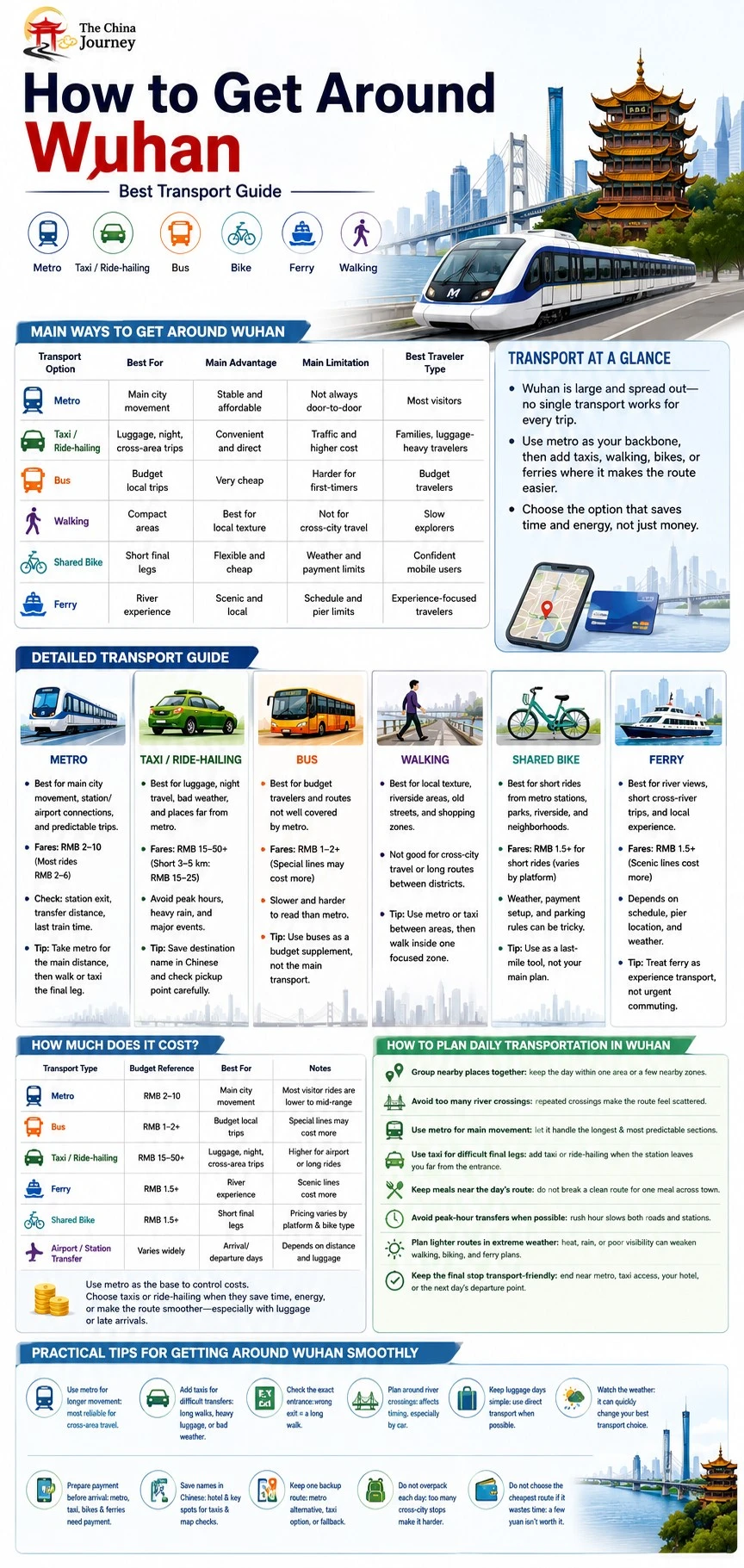
Quick Answer: What Is the Best Way to Get Around Wuhan?
Wuhan (武汉) is too spread out for one transport method. Based on my own Wuhan travel experience, the best approach is to use metro for the main distance, then add taxis, walking, bikes, or ferries only when they make the route easier.
Best overall strategy: Metro backbone + taxi support + short local walking.
Best for most visitors: Metro.
Best for luggage or late-night travel: Taxi or ride-hailing.
Best for short local movement: Walking or shared bike.
Best for experience: Ferry or riverside walking.
Biggest mistake to avoid: Using one transport type for every trip.
Main rule: Choose the option that saves time and energy, not just money.
Use this table as a quick filter before choosing your daily route. The detailed sections below explain when each option works best.
Transport Option
Best For
Main Advantage
Main Limitation
Best Traveler Type
Metro
Main city movement
Stable and affordable
Not always door-to-door
Most visitors
Taxi / ride-hailing
Luggage, night, cross-area trips
Convenient and direct
Traffic and higher cost
Families, luggage-heavy travelers
Bus
Budget local trips
Very cheap
Harder for first-timers
Budget travelers
Walking
Compact areas
Best for local texture
Not for cross-city travel
Slow explorers
Shared bike
Short final legs
Flexible and cheap
Weather and payment limits
Confident mobile users
Ferry
River experience
Scenic and local
Schedule and pier limits
Experience-focused travelers
Getting Around Wuhan by Metro
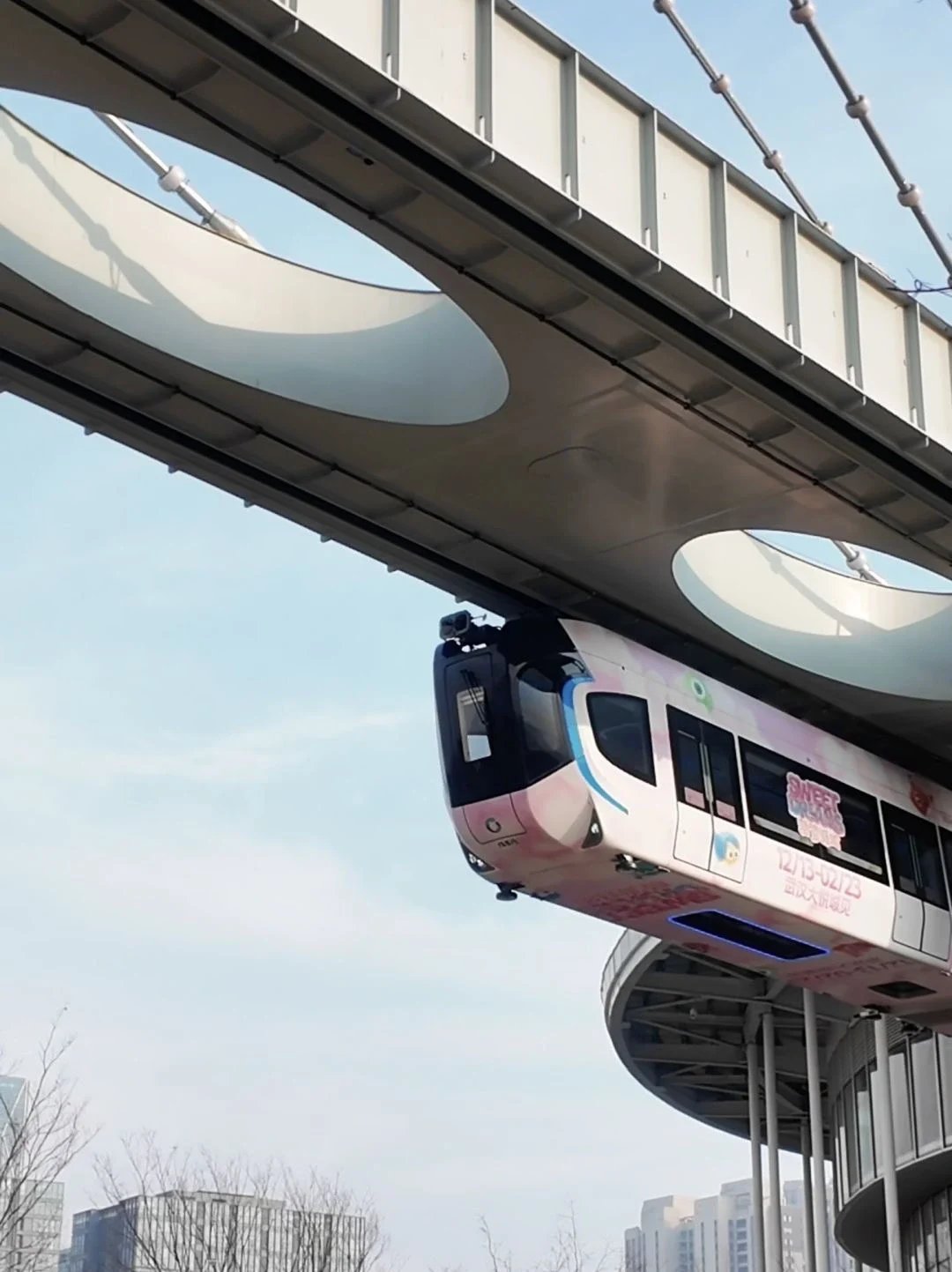
Wuhan Skytrain in Motion
Metro is the best backbone for most Wuhan trips. It connects major city areas, transport hubs, and common visitor zones while avoiding much of the road traffic. Still, the final exit, walking distance, and last train time matter.
Best for: Main city movement, cross-area trips, airport or station connections, and predictable travel days.
Why it works: Metro is stable, affordable, and easier than buses for most first-time visitors.
Cost reference: Fares usually start from RMB 2. Many visitor rides cost RMB 2–6, while long-distance rides can reach about RMB 10.
What to check before using it: Station exit, transfer distance, final walking route, and last train time.
Main limitation: Some places still need a long walk or short taxi ride after leaving the station.
Best use case: Take metro for the main distance, then walk or use taxi for the final leg.
Common mistake: Choosing the nearest station name without checking the real exit and walking route.
Getting Around Wuhan by Taxi or Ride-Hailing
Taxi and ride-hailing are best used as support transport. They are convenient when metro is awkward, but traffic, rain, rush hour, and river crossings can make travel time less predictable.
Best for: Luggage-heavy trips, late-night travel, family travel, bad weather, and places far from a metro station.
Why it works: It saves walking and transfer effort, especially when the metro route requires several changes or leaves you far from the final destination.
Cost reference: Taxi fares generally start around RMB 10, then rise by distance and time. Short 3–5 km rides may cost about RMB 15–25. Cross-area or cross-river trips often cost around RMB 30–50, depending on traffic.
When to avoid it: Avoid relying on cars during peak hours, heavy rain, major events, or when the metro route is clearly faster.
What affects cost: Distance, traffic, waiting time, demand, weather, route choice, and platform pricing.
What to prepare: Save your destination name in Chinese and check the pickup point carefully, especially near malls, stations, and scenic areas.
Practical note: For most visitors, taxi or ride-hailing is most useful when paired with metro, not used as the only transport all day.
Getting Around Wuhan by Bus
Buses in Wuhan are cheap and widely available, but they are not the easiest main transport for most first-time visitors. They work better if you can read map apps, understand stops, and have more time. For most international tourists, metro plus taxi is usually simpler.
Best for: Budget travelers, slower local trips, and routes not well covered by metro.
Main advantage: Buses are very affordable and cover many local streets.
Cost reference: Regular bus fares are usually around RMB 1–2. Tourist or special lines may cost more, and discounts or operations can change.
Main limitation: Buses are slower, easier to misread, and more affected by traffic than metro.
Better avoided if: You are short on time, carrying luggage, traveling late, or uncomfortable navigating Chinese bus stops.
Practical note: Use buses as a budget supplement, not the backbone of a first-time Wuhan trip.
Walking in Wuhan: When It Works and When It Does Not
Wuhan is too large for an all-walking itinerary. Walking works best inside compact neighborhoods, riverside areas, old streets, and commercial zones. Heat, rain, road crossings, and river geography can make short-looking routes feel longer.
Best for: Local texture, short links, riverside areas, shopping streets, and compact sightseeing zones.
Not good for: Cross-city travel, cross-river movement, airport or station transfers, and long routes between districts.
Practical walking strategy: Use metro or taxi between areas, then walk inside one focused zone.
Common mistake: Trusting map distance without checking exits, crossings, weather, and pedestrian access.
Getting Around Wuhan by Bike or Shared Bike
Shared bikes are useful for short final legs when the weather and road conditions are comfortable. They are not a strong full-day transport choice for most visitors.
Best for: Short rides from metro stations, riverside areas, parks, and compact neighborhoods.
Main advantage: Flexible and cheap for short distances when walking feels slightly too far.
Cost reference: Shared bike rides can start around RMB 1.5 for a short ride. Pricing varies by platform, time, location, and bike type. Some scenic-area or higher-end bikes may cost more.
Main limitation: Payment setup, bike availability, road conditions, and parking rules can create friction for visitors.
Better avoided if: You have luggage, poor weather, low phone battery, unfamiliar roads, or no working mobile payment.
Practical note: Use shared bikes as a last-mile tool, not as your main Wuhan transport plan.
Getting Around Wuhan by Ferry or River Crossing
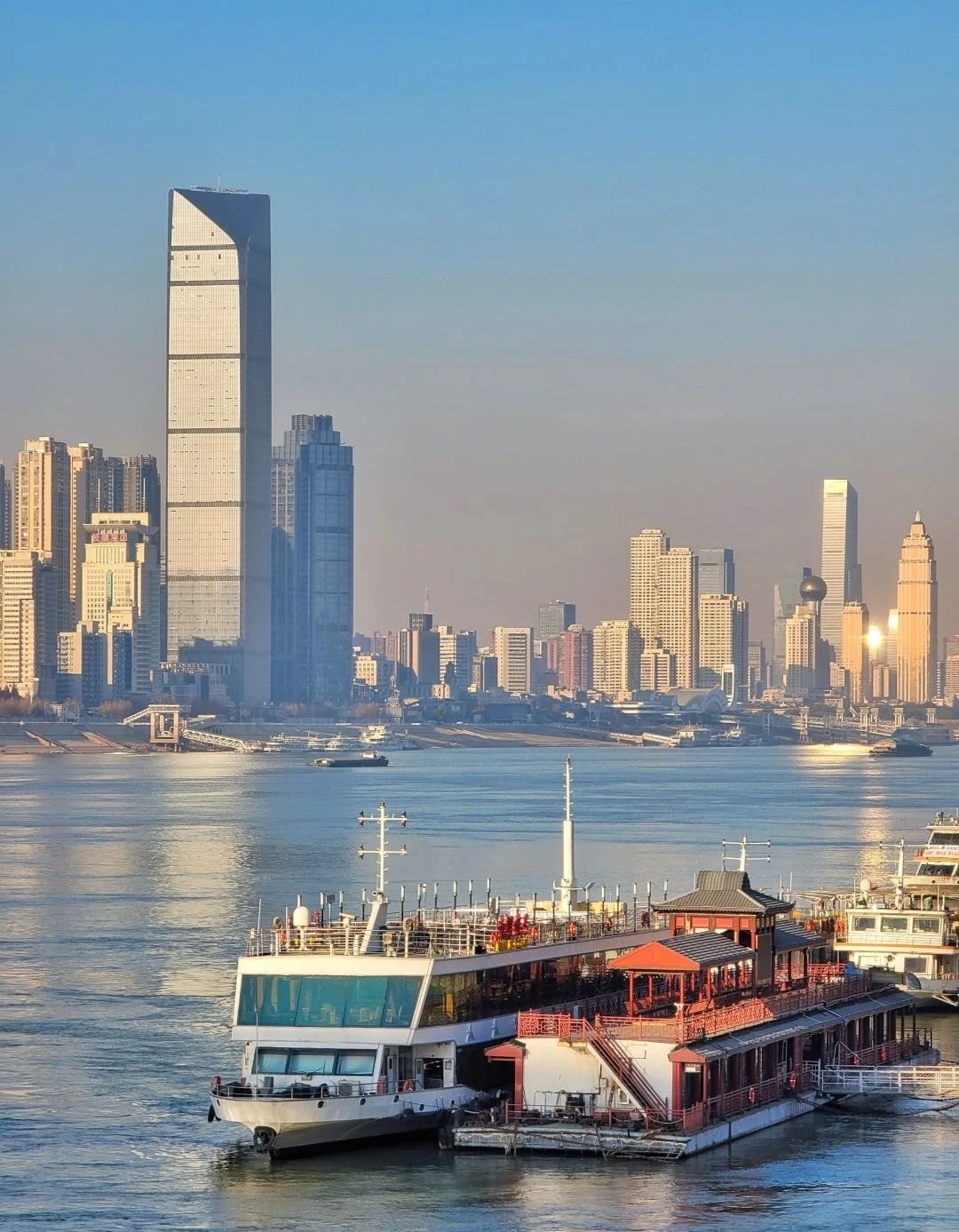
Yangtze River Ferry
Because Wuhan is shaped by its rivers, ferry rides can add real local flavor to a trip. They are best when the pier location and schedule already fit your day.
Best for: River views, slower travel, short cross-river experiences, and travelers who want a more local feel.
Why it is worth considering: A ferry can turn a simple transfer into part of the trip. From my experience, the low-cost ordinary ferry is one of Wuhan’s better-value transport experiences when the route fits your day.
Cost reference: Ordinary ferry routes may start around RMB 1.5. Scenic or sightseeing ferry options cost more, and prices can vary by route and season.
Main limitation: Ferries depend on schedules, pier locations, weather, and walking distance before and after the ride.
Better avoided if: You are in a hurry, carrying heavy luggage, traveling in bad weather, or far from the pier.
Practical note: Treat ferry as experience transport, not urgent commuting.
How Much Does Getting Around Wuhan Cost?
Wuhan city transport is generally affordable. Metro and buses are the cheapest base, while taxis and ride-hailing cost more but can save time, walking, and transfer effort. Prices vary by distance, time, route, weather, platform rules, and special services.
Transport Type
Budget Reference
Best For
Notes
Metro
RMB 2–10
Main city movement
Most visitor rides are lower to mid-range
Bus
RMB 1–2+
Budget local trips
Special lines may cost more
Taxi / ride-hailing
RMB 15–50+
Luggage, night, cross-area trips
Higher for airport or long rides
Ferry
RMB 1.5+
River experience
Scenic lines cost more
Shared bike
RMB 1.5+
Short final legs
Pricing varies by platform and bike type
Airport / station transfer
Varies widely
Arrival/departure days
Depends on distance and luggage
Most visitors can control costs by using metro as the base and taxis only when useful. Do not save small money if it wastes time, energy, or route flow. With luggage, late arrival, or several travelers, taxi or ride-hailing can be better value.
How to Plan Daily Transportation in Wuhan
From my own Wuhan trips, the smoothest days usually start with route shape, not transport type. I build each day around one logical area, use metro for the main distance, and add taxis, walking, or bikes only where they reduce friction.
Group nearby places together: Keep the day within one area or a few nearby zones.
Avoid too many river crossings: Repeated crossings make the route feel scattered.
Use metro for main movement: Let it handle the longest and most predictable sections.
Use taxi for difficult final legs: Add taxi or ride-hailing when the station leaves you far from the entrance.
Keep meals near the day’s route: Do not break a clean route for one meal across town.
Avoid peak-hour transfers when possible: Rush hour can slow both roads and station movement.
Plan lighter routes in extreme weather: Heat, rain, or poor visibility can weaken walking, biking, and ferry plans.
Keep the final stop transport-friendly: End near metro, taxi access, your hotel, or the next day’s departure point.
Practical Tips for Getting Around Wuhan Smoothly
Based on my own Wuhan travel experience, the easiest days use metro as the backbone, then add taxis, walking, ferries, or shared bikes only where they make the route smoother.
Use metro for longer movement: It is the most reliable choice for cross-area travel.
Add taxis for difficult transfers: Use them when the final walk is long, luggage is heavy, or weather is poor.
Check the exact entrance: A nearby metro station can still mean a long walk if you choose the wrong exit.
Plan around river crossings: Crossing the Yangtze or Han River can affect timing, especially by car.
Keep luggage days simple: On arrival and departure days, use direct transport when possible.
Watch the weather: Heat, rain, and strong sun can quickly change whether walking, biking, or ferry rides still make sense.
Prepare payment before arrival: Make sure your payment method works for metro, taxi, bikes, and ferry before you need it.
Save names in Chinese: Keep your hotel and key destinations in Chinese for taxis, ride-hailing, and map checks.
Keep one backup route: Have a metro alternative, taxi option, or simpler fallback if traffic, rain, or fatigue changes the day.
Do not overpack each day: Too many cross-city stops make Wuhan feel harder than it is.
Do not choose the cheapest route if it wastes time: Saving a few yuan is not worth a tiring transfer.
FAQ About Getting Around Wuhan
Is Wuhan easy to get around for tourists?
Yes, if you combine transport well. Metro covers many main movements, while taxis or ride-hailing help with luggage, late arrivals, bad weather, and places far from stations. Do not plan Wuhan as a walking-only city.
Is the Wuhan metro enough for sightseeing?
Metro is enough for many main routes, but not every destination is right beside a station. Expect to add walking, a short taxi ride, or a shared bike for the final leg.
Should I use taxis or ride-hailing in Wuhan?
Yes, for cross-area trips, luggage, late-night travel, family travel, poor weather, or difficult transfers. During rush hour, check whether metro is faster before choosing a car.
Can tourists use buses in Wuhan?
Yes, but buses are better for travelers who can read map apps and have extra time. First-time visitors usually find metro plus taxi or ride-hailing easier.
Is Wuhan walkable?
Only in selected areas. Walking works well inside compact neighborhoods, riverside zones, shopping streets, and old streets, but not for cross-city or cross-river travel. Use metro or taxi between larger areas.
Final Thoughts: What Is the Best Way to Get Around Wuhan?
The best way to get around Wuhan is a mixed approach: metro for the main distance, taxi or ride-hailing for difficult gaps, and walking, bikes, or ferries where they improve the day.
Do not choose transport only by price. A good route should save time, protect your energy, and keep each day moving smoothly.
I’m Anthony, the founder and editor of The China Journey.
I create practical, experience-based guides covering travel, food, and culture across China, with a focus on helping international travelers make clear planning decisions.
A detailed and structured 2026 forecast for individuals born in 1996, covering career, wealth, relationships, health, and practical guidance for balanced progress.
A structured and clear 2026 forecast for people born in 2012, covering academics, relationships, health, wealth habits, and guidance for balanced personal growth.
A cup of coffee in Beijing typically costs between ¥10 and ¥100 (US$1.40–$14), depending on where you buy it, the type of coffee, and the overall experience.
Plan Your China Trip with Our Experts
Share your travel ideas, and we’ll help you plan a smooth, personalized trip across China.
Plan Your China Trip with Our Experts
Share your travel ideas, and we’ll help you plan a smooth, personalized trip across China.
Work with Us as a Local Guide in China
We’re looking for experienced, part-time local guides to serve international travelers.
Requirements:
• Fluent in at least one foreign language • 3–5 years guiding international visitors • Able to operate in multiple regions in China • Competitive and reasonable pricing • Proven customer reviews or testimonials • Professional, reliable, and responsive • Flexible availability for custom trips
Just a quick heads-up — a helpful user named Volker let me know that some of the non-English content on this site may not be accurate.
This site is a one-person project I run part-time. I research and publish all the content myself, and the translations are currently done by machine (Google Translate). Balancing accuracy and accessibility across multiple languages is a real challenge.
If you spot any errors, I recommend switching to the English version using the button at the bottom left. I’ll continue working to improve the translations over time.
I truly appreciate your understanding. And if you have any suggestions, feel free to leave a comment — it means a lot to me.