
Visiting the Great Wall from Beijing is not just about getting there. Most travelers struggle with three key decisions: which section to choose, how to get there, and how much time to plan. This guide simplifies those choices so you can avoid confusion, reduce transport mistakes, and match the experience to your travel style.
Before you go, you need to decide:
Which section fits you best?
Compare Badaling, Mutianyu, Jinshanling, and Simatai based on crowd levels, scenery, hiking difficulty, and travel time.
How you want to travel?
Choose between public transport, high-speed train (Badaling only), direct tourist buses, or private car — balancing cost, flexibility, and stability.
How you want to spend your day?
Follow a half-day or full-day timeline based on your schedule, fitness level, and whether you’re traveling with kids, seniors, or focusing on photography.
Not all sections of the Great Wall offer the same experience. Distance from Beijing, crowd levels, hiking difficulty, and scenery vary significantly. Choosing the right section is the most important decision you’ll make.
| Section | Distance from Beijing | Crowd Level | Difficulty | Best For | Not Ideal For |
|---|---|---|---|---|---|
| Badaling | ~70 km | High | Easy–Moderate | First-time visitors, short trips, families | Travelers seeking quiet or wild scenery |
| Mutianyu | ~73 km | Moderate | Easy–Moderate | Most travelers, balanced experience | Ultra-budget or remote-seeking hikers |
| Jinshanling | ~130 km | Low | Moderate–Challenging | Photographers, hikers | Tight schedules, limited mobility |
| Simatai | ~140 km | Low–Moderate | Challenging | Night views, rugged scenery | Families with young kids, short visits |

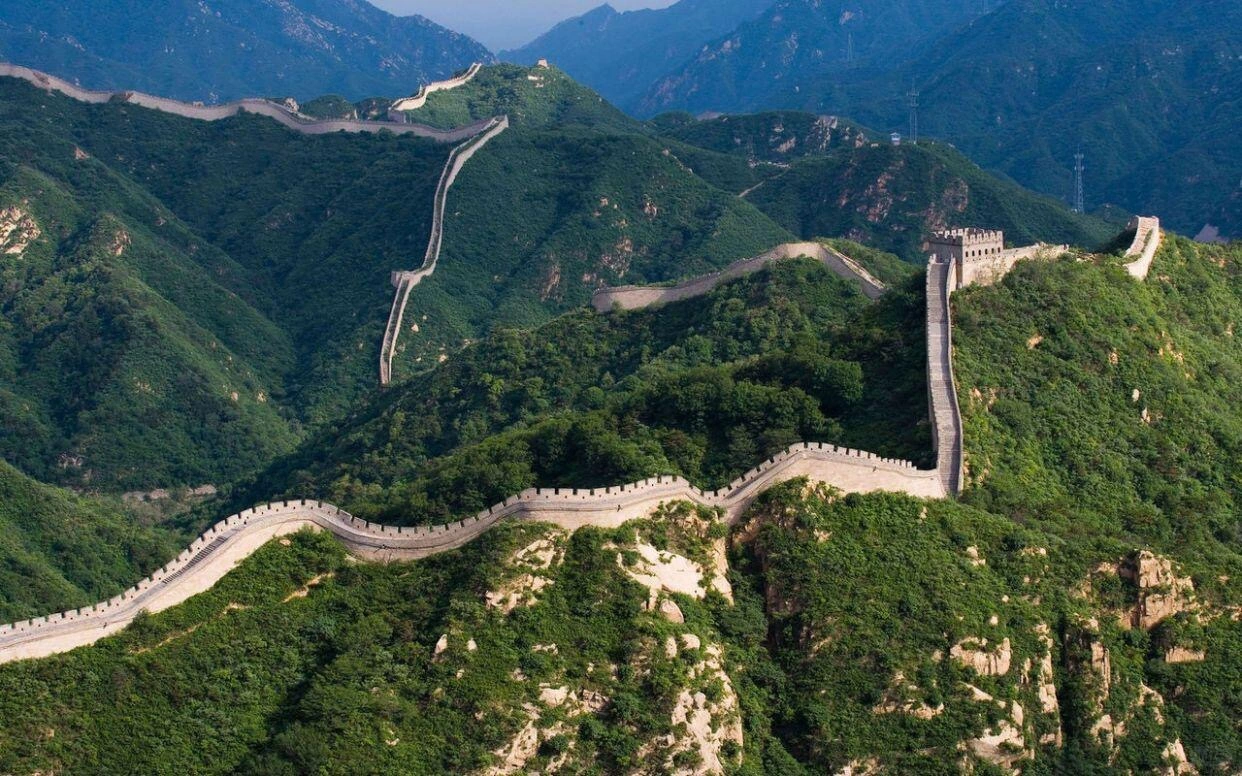
Badaling is the easiest section to reach from Beijing and has the most developed facilities. High-speed trains, buses, and tours all go directly here. It’s well restored and iconic — but also the most crowded, especially on weekends and holidays.
Best if: You want the fastest, most efficient visit.
Skip if: You want fewer tourists or a more rugged atmosphere.

Mutianyu offers a strong mix of scenery, manageable hiking, and relatively lighter crowds compared to Badaling. It’s surrounded by forested hills and has good infrastructure, including cable cars and a toboggan ride down.
Best if: You want beautiful views without extreme hiking.
Often the safest choice for most travelers.

Jinshanling is farther from Beijing but much quieter. It preserves a more original, less-commercial feel and is known for dramatic ridgelines and sunrise or sunset photography.
Best if: You enjoy hiking and want fewer people in your photos.
Trade-off: Longer travel time and fewer facilities.
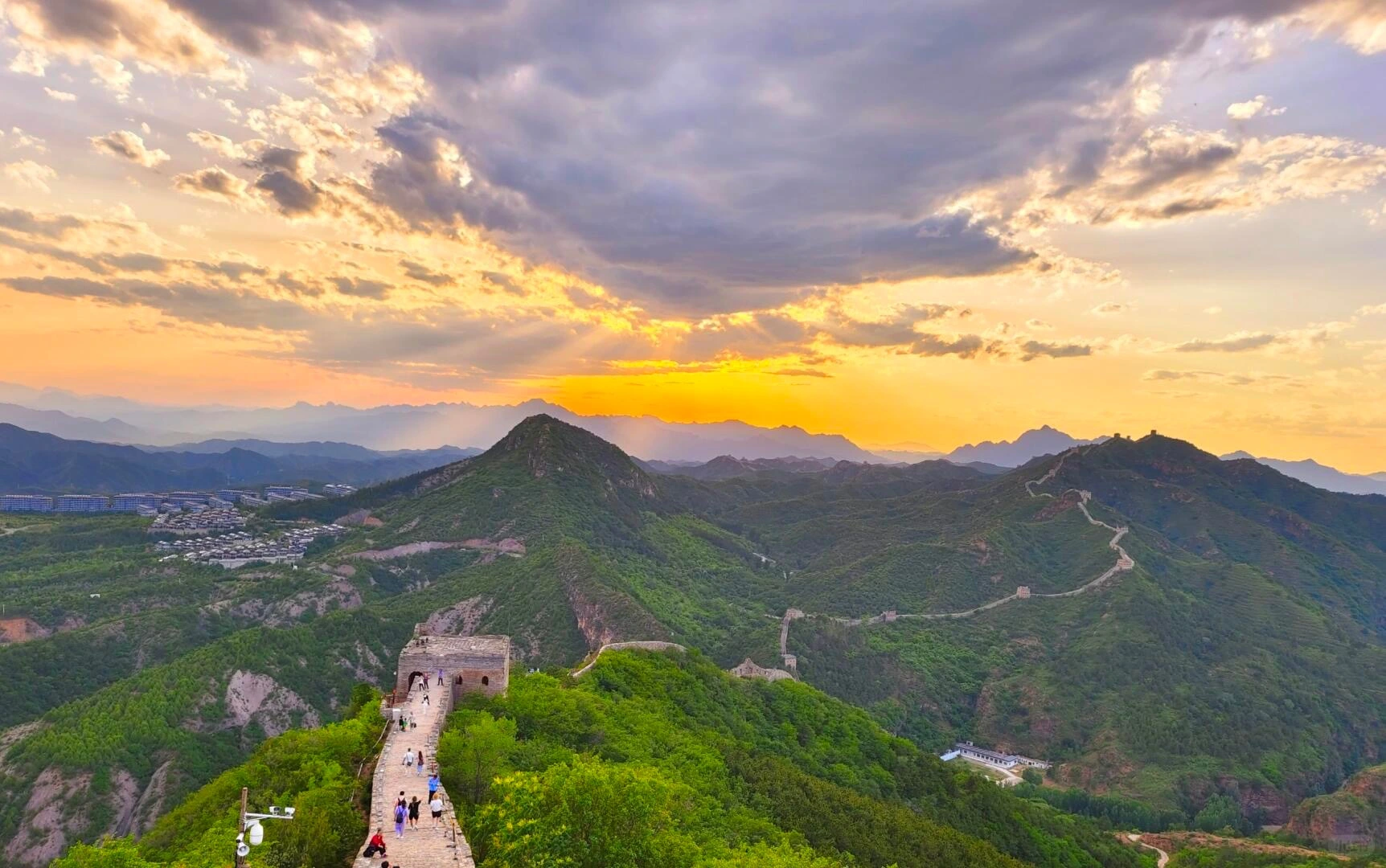
Simatai is steeper and more rugged, with sections left closer to their original structure. It’s also known for its night visit option and proximity to Gubei Water Town.
Best if: You want a distinctive experience or evening visit.
Not ideal if: You’re short on time or traveling with seniors.
If you’re unsure and just want the most balanced option, Mutianyu is the safest overall choice.
After choosing your section, the next decision is transportation. Travel time from central Beijing typically ranges from 1.5 to 3 hours one way, depending on destination and method. Below is a practical comparison to help you match comfort, cost, and reliability.
| Method | Door-to-Door Time | Stability (Traffic/Weather) | Difficulty | Best For | Key Transfer Points |
|---|---|---|---|---|---|
| Public Transport (Subway + Bus) | 2.5–3.5 hrs | Moderate | Medium | Budget travelers | City subway hub → local bus |
| High-Speed Train (Badaling only) | 1.5–2.5 hrs | High | Low | Short trips, efficiency | Beijing North / Qinghe → Badaling Station |
| Direct Tourist Bus | 2–3 hrs | Moderate | Low | First-time visitors | Fixed city pickup → park entrance |
| Private Car / Ride Service | 1.5–3 hrs | Moderate–High | Low | Families, flexibility | Hotel pickup → park entrance |
This is the cheapest option but involves transfers.
Best for: Budget travelers with flexible schedules.
Not ideal for: Families with children, tight itineraries, or those unfamiliar with Beijing transit.

The high-speed train to Badaling is the most time-efficient and predictable option.
This allows a true half-day Great Wall visit.
Best for: Travelers who want efficiency and reliability.
Limit: Only available for Badaling.

Tourist buses operate from central Beijing pickup points and go directly to the entrance.
Best for: First-time visitors who prefer simplicity.
Trade-off: Less flexible return schedule.
A private driver or ride-hailing service offers door-to-door service.
Traffic can increase travel time on weekends, especially in peak seasons.
Best for: Families, small groups, photography-focused trips.
Choose based on your time budget first — then cost and comfort.
Once you’ve chosen the section and transport, the final decision is how long to spend at the Great Wall. Most travelers either plan a half-day efficient visit or a full-day slower experience. The right choice depends on travel time, fitness level, and your photography or hiking goals.
Total time needed: 4–6 hours round trip
Best transport: High-speed train
Best for: Tight schedules, first-time visitors, families
Suggested Timeline
Execution Logic
Total time needed: 6–9 hours
Best for: Scenic pacing, photography, hiking enthusiasts
Suggested Timeline
Execution Logic
For most international travelers with one free day in Beijing, a full-day visit to Mutianyu offers the best balance of scenery, comfort, and crowd control.

If you’re planning a Great Wall day trip from Beijing, timing affects both comfort and crowd levels.
Best overall months: April–May and September–October.
These months offer mild temperatures (10–25°C / 50–77°F), clearer skies, and better visibility for photos.
Best time of day: Enter before 9:00 AM or after 4:00 PM.
Crowds peak between 10:00 AM and 2:00 PM, especially at Badaling.
Avoid if possible:
Autumn (late September to mid-October) offers the best foliage and visibility, but it is also the busiest season.
For a detailed seasonal breakdown and monthly weather patterns, see our full Best & Worst Time to Visit China.
All major Great Wall sections near Beijing — Badaling, Mutianyu, Jinshanling, and Simatai — require advance reservation. Walk-in ticket purchase is increasingly unreliable, especially during peak seasons.
Before your visit, confirm the following:
For a step-by-step ticket booking guide and official reservation links, refer to our complete Great Wall travel guide.
These quick tips help you avoid common mistakes and make your Great Wall day trip smoother.
For broader advice on transport, safety, mobile payments, and common travel mistakes across China, see our complete China travel tips guide.


