

Before planning your visit, it helps to understand a few essential facts about Huangshan (the Yellow Mountains). Located in southern Anhui Province, this famous mountain range is recognized worldwide for its dramatic granite peaks, ancient pine trees, and breathtaking cloud seas. The scenic area covers more than 160 square kilometers and has been protected as a UNESCO World Cultural and Natural Heritage Site since 1990.
Key Info | Details |
|---|---|
Location | Huangshan Scenic Area, Huangshan City, eastern China |
Province | Anhui Province |
UNESCO Status | World Cultural and Natural Heritage Site (1990) |
Highest Peak | Lianhua Peak (1,864.8 m / 6,118 ft) |
Area | About 160.6 km² scenic area |
Suggested Stay | 2–3 days recommended |
Entrance Fee | Seasonal pricing; advance reservation usually required |

The Yellow Mountains (Huangshan) are one of China’s most celebrated mountain landscapes, known for both their extraordinary natural scenery and deep cultural influence. For centuries, the mountain has inspired poets, painters, and travelers, and today it remains one of the country’s most famous natural landmarks.
Several key factors explain why Huangshan is so famous:
One of the reasons the Yellow Mountains (Huangshan) are so famous is their legendary “Four Natural Wonders.” These natural features—ancient pine trees, unusual granite rocks, seas of clouds, and hot springs—define the mountain’s unique scenery and have fascinated travelers for centuries. Together they create the dreamlike landscape that has inspired Chinese poetry, painting, and photography.

The ancient pine trees of Huangshan are perhaps the most recognizable symbol of the mountain. Unlike ordinary trees, many of these pines grow directly from cracks in the granite cliffs, clinging to bare rock with remarkable resilience. Their twisted trunks and spreading branches have been shaped by centuries of wind, snow, and mountain weather.
The most famous example is the Welcoming Guest Pine, located near Yuping Pavilion. Believed to be more than 800 years old, this tree stretches its branches outward as if greeting arriving visitors. Because of its distinctive shape, the Welcoming Guest Pine has become an iconic symbol of Huangshan and is often seen in photographs, paintings, and Chinese cultural imagery.

Huangshan’s dramatic landscape is also defined by its strange and imaginative rock formations. Formed through millions of years of geological erosion, these granite boulders often resemble animals, people, or mythical figures.
One of the best-known examples is Monkey Watching the Sea, a rock formation on Lion Peak that looks like a monkey sitting quietly while gazing out over the rolling cloud sea below. Another famous landmark is Flying-Over Rock, a massive boulder perched precariously on a cliff edge. Despite appearing unstable, the rock has balanced in place for centuries and remains one of Huangshan’s most photographed natural wonders.

The Sea of Clouds is one of the most magical experiences in Huangshan. When mist fills the valleys below the peaks, the mountains appear like islands floating above a white ocean of clouds, creating a surreal and dreamlike scene.
This phenomenon occurs most often in spring and autumn, particularly after rainy or snowy weather. Early morning around sunrise is the best time to witness it. Popular viewing spots include Bright Summit, Lion Peak, and Begin-to-Believe Peak, where wide viewpoints allow visitors to look out over the cloud-covered valleys.

At the foot of Huangshan lies a famous natural hot spring area in Tangkou Town. The mineral-rich water maintains a temperature of around 42°C (108°F) year-round and has long been associated with relaxation and health benefits.
After a long day of hiking the mountain’s steep stone steps, many visitors choose to soak in the hot springs to ease tired muscles. Surrounded by forested hills and mountain scenery, the hot spring area provides a peaceful way to end a Huangshan adventure.
The Huangshan Scenic Area is vast, with dozens of peaks connected by stone stairways and mountain trails. Most visitors explore the mountain through three main regions: the Front Mountain (Yuping Area), the Back Mountain (Beihai Area), and the West Sea Grand Canyon.
Each area offers a different landscape—from steep granite peaks to peaceful pine forests and dramatic canyon views.

The Front Mountain is the most iconic part of Huangshan and home to several of its most famous landmarks. This area features dramatic cliffs, legendary pine trees, and some of the highest peaks in the entire mountain range.
Highlights
Note: Lianhua Peak and Tiandu Peak usually open in alternating years, so it’s important to check their status before visiting.

The Back Mountain is known for its elegant scenery, unusual pine trees, and excellent viewpoints. Compared with the steep Front Mountain, the hiking routes here are generally more gradual and comfortable.
Highlights
This area is particularly popular with photographers thanks to its open viewpoints and picturesque landscapes.
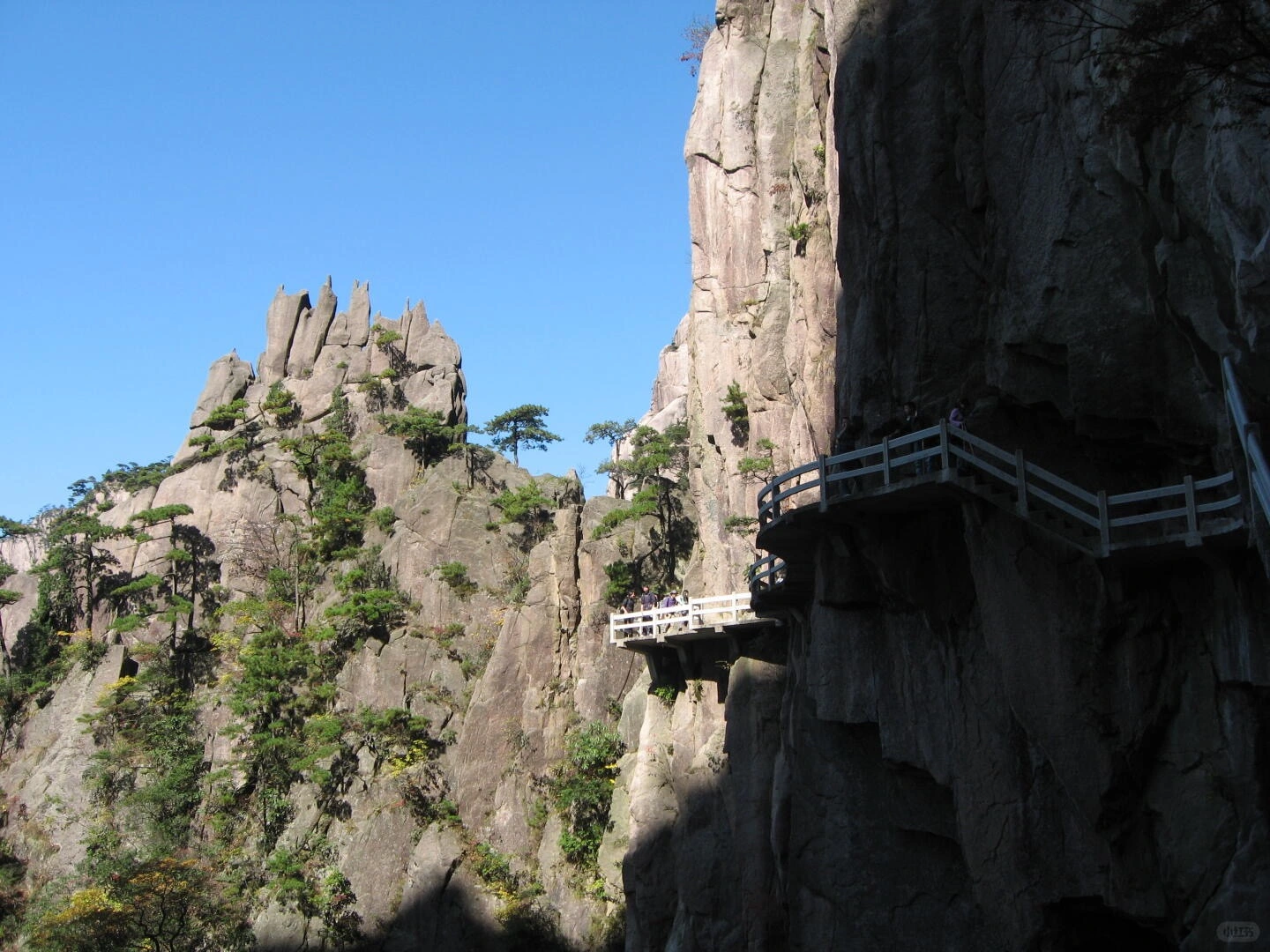
The West Sea Grand Canyon (Xihai Grand Canyon) is often considered the most spectacular hiking area in Huangshan. Deep valleys, towering cliffs, and winding trails create some of the mountain’s most dramatic scenery.
Highlights
The hike involves long staircases and steep descents, making it one of the most adventurous routes in Huangshan. Visitors who prefer an easier option can take the Xihai monorail shuttle, which shortens part of the canyon hike while still offering impressive views.

Huangshan offers far more than scenic views. The mountain is famous for immersive experiences such as sunrise watching, hiking dramatic canyon trails, and photographing surreal cloud landscapes. Most visitors spend their time exploring viewpoints, walking stone stairways between peaks, and discovering the natural beauty that has inspired Chinese painters and poets for centuries. The following activities are some of the most memorable things to do during a visit.
Watch the Sunrise
Sunrise is one of the most magical experiences in Huangshan. Popular viewpoints include Guangming Peak, Lion Peak, and Beginning-to-Believe Peak. Arriving early allows you to watch the sun slowly rise above the mountain ridges while the clouds below glow with golden light.
See the Sea of Clouds
Huangshan’s famous sea of clouds often appears after rain or during humid seasons. When the clouds fill the valleys, the granite peaks rise above them like islands in a white ocean, creating one of the most iconic landscapes in China.
Hike the West Sea Grand Canyon
Hiking through the West Sea Grand Canyon is one of the most spectacular adventures in the park. Cliffside walkways and steep staircases reveal dramatic canyon views and constantly changing scenery.
Enjoy Mountain Photography
Huangshan is considered one of China’s best destinations for landscape photography. The combination of ancient pine trees, strange granite rocks, and shifting clouds creates endless opportunities for stunning photos, especially during early morning and sunset.
The ideal length of stay in Huangshan depends on how deeply you want to explore the mountain. While it’s possible to see the highlights in a single day, spending more time allows you to experience sunrise, sea of clouds, and multiple scenic areas.

A one-day visit is suitable for travelers with limited time. Most visitors take a cable car to the Front Mountain (Yuping Area) to see famous sights such as the Welcoming Guest Pine and nearby peaks. While this itinerary is efficient, it can feel rushed and usually does not allow enough time to experience sunrise, sunset, or the sea of clouds.
A two-day trip is the most recommended option for most travelers. On the first day, explore the Front Mountain and stay overnight on the mountain. The next morning, watch the sunrise and continue to the Back Mountain (Beihai Area) or West Sea Grand Canyon. This itinerary offers a balanced experience of Huangshan’s most famous landscapes.
A three-day trip is ideal for photography enthusiasts and slow travelers. With more time, you can explore additional viewpoints, wait for the best light conditions, and hike deeper into scenic areas such as the West Sea Grand Canyon. You may also visit nearby ancient villages like Hongcun or Xidi after descending the mountain.
For most travelers, a 2–3 day itinerary provides the best Huangshan experience. Staying overnight on the mountain allows you to see the famous sunrise, sea of clouds, and sunset views, which are often considered the highlights of the trip.

Start your journey by entering the Huangshan Scenic Area and taking a cable car to the Front Mountain (Yuping Area), one of the most famous parts of the mountain.
Typical highlights include:
Welcoming Guest Pine – the iconic symbol of Huangshan
Lianhua Peak or Tiandu Peak – two of the most famous peaks on the mountain
Guangming Peak – a central viewpoint with wide mountain panoramas
In the evening, watch the sunset over the granite peaks and stay overnight at a hotel near the summit.
Wake up early to watch the sunrise, one of the most unforgettable experiences in Huangshan.
After breakfast, explore the Back Mountain (Beihai Area), known for scenic viewpoints and ancient pine trees.
Key stops often include:
Begin-to-Believe Peak – famous for dramatic pine trees growing from cliffs
Lion Peak – one of the best locations for viewing the sea of clouds
West Sea Grand Canyon – Huangshan’s most spectacular hiking area
In the afternoon, either continue hiking or take a cable car down the mountain.
On the final day, you can enjoy a slower pace and explore attractions near the mountain.
Popular options include:
Huangshan Hot Springs – relax in mineral-rich hot springs after hiking
Hongcun Village – a UNESCO-listed village famous for its picturesque Huizhou architecture
Xidi Village – another historic village with well-preserved Ming and Qing dynasty houses
These nearby destinations offer a deeper look at traditional Anhui culture and countryside scenery.
Huangshan is beautiful throughout the year, but each season offers a different landscape and travel experience. Weather, visibility, and crowd levels can vary significantly, so choosing the right season depends on what you want to see.
12
Spring is one of the best times to visit Huangshan. Temperatures are mild, usually between 10–25°C, and the mountains become lush with fresh greenery and blooming flowers. Morning mist and humidity often create the famous sea of clouds, making spring a great season for scenic views and photography.
Summer is warm but pleasant on the mountain because of the higher elevation. Temperatures can reach 25–35°C in nearby cities, but the mountain air remains cooler. Huangshan becomes a popular summer escape, although occasional rain showers and larger tourist crowds are common during this season.
Autumn is widely considered the best season to visit Huangshan. The weather is cool and comfortable, visibility is excellent, and the mountains are covered with colorful autumn foliage. Clear skies make this season ideal for hiking and photography, especially after the National Day holiday crowds pass.
Winter transforms Huangshan into a quiet and dramatic landscape. Snow-covered peaks, frozen pine trees, and occasional rime ice formations create a unique scenery rarely seen in other seasons. Visitor numbers are much lower, offering a peaceful travel experience, although some trails may close during heavy snow.
Huangshan is well connected to major Chinese cities by high-speed rail, flights, and highways. Most visitors arrive through Huangshan North Railway Station or Huangshan Tunxi International Airport, then continue to the scenic area near Tangkou Town, the main gateway to the Yellow Mountains.

The fastest and most convenient way to reach Huangshan is by high-speed train. Trains arrive at Huangshan North Railway Station, which is about 50 km from the scenic area. From the station, visitors can take a tourist shuttle bus directly to Tangkou Town or the park entrance. The journey usually takes about one hour.
Huangshan is also accessible by air via Huangshan Tunxi International Airport. The airport is about 7 km from Huangshan City (Tunxi) and around 1 hour by car from the scenic area. Flights connect Huangshan with several major Chinese cities, including Beijing, Shanghai, and Guangzhou.
Traveling from Shanghai is very convenient. The high-speed train takes about 2–3 hours to Huangshan North Station. This makes Huangshan a popular short getaway from the city.
From Hangzhou, the high-speed train takes about 1.5 hours, making it one of the easiest starting points for visiting Huangshan. Driving from Hangzhou to the scenic area takes around 3–4 hours.
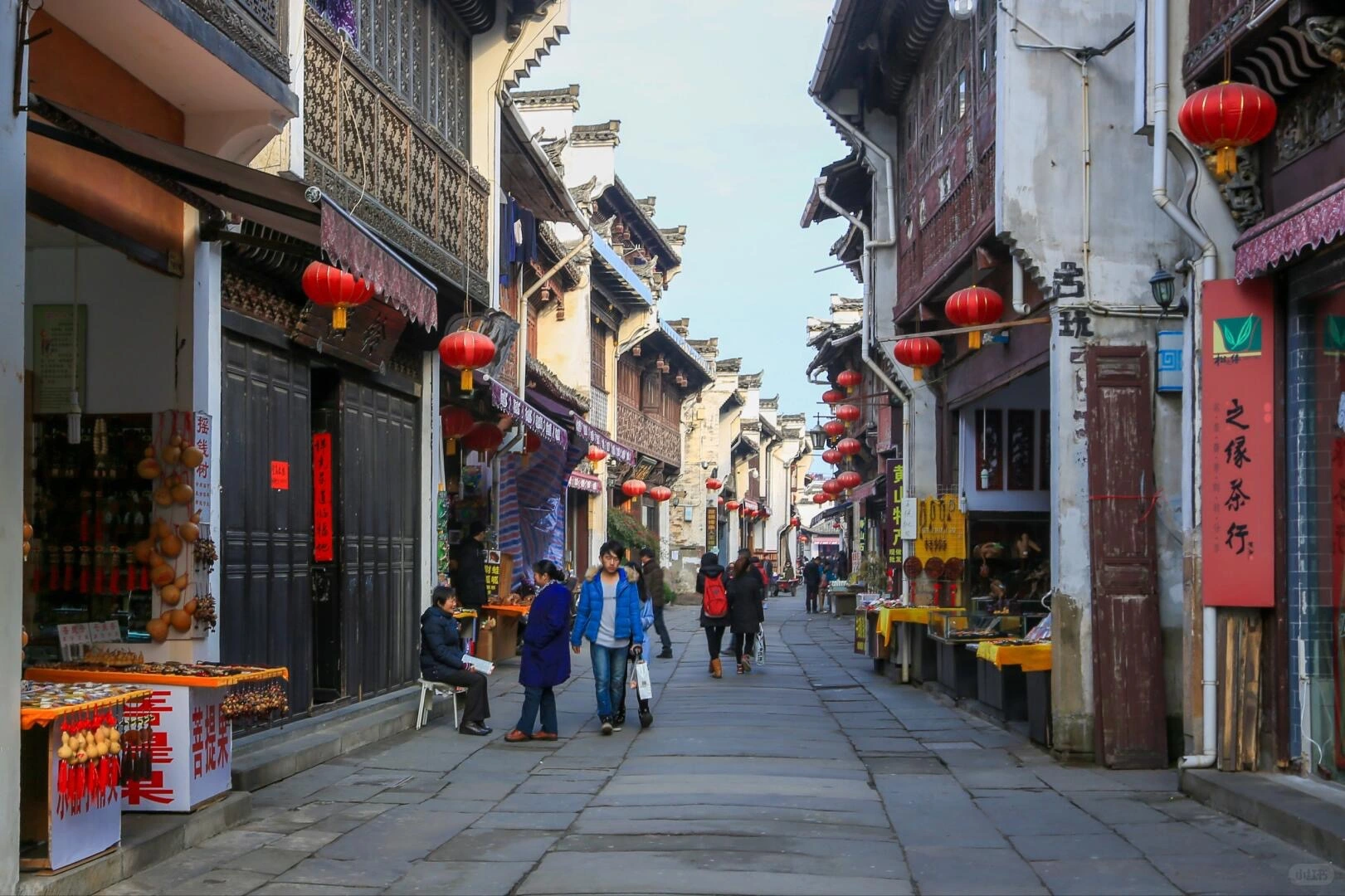
Choosing where to stay depends on your travel plan and whether you want to experience sunrise and sunset on the mountain. Most visitors choose between staying in Huangshan City, Tangkou Town at the foot of the mountain, or hotels on the mountain summit.
Staying in Huangshan City, especially the Tunxi area, offers the most hotel options and generally lower prices. The city is about one hour from the Huangshan Scenic Area, making it a good choice for travelers on a budget or those who want to explore local attractions like Tunxi Old Street and regional Anhui cuisine.
Tangkou Town, located near the southern entrance of the scenic area, is the most convenient place to stay for many visitors. Hotels here are close to shuttle bus stations and park entrances, making it easy to start hiking early in the morning. Many hotels also provide helpful services for visiting the mountain.
Staying at a mountain-top hotel is the best option if you want to watch the famous sunrise and sea of clouds. Hotels near Guangming Peak or the Beihai area allow easy access to major viewpoints, but rooms are limited and usually require advance booking.
The Yellow Mountains are surrounded by several cultural and natural attractions that are worth exploring after your hike. Many travelers combine their Huangshan trip with visits to nearby ancient villages, historic towns, and scenic valleys, offering a deeper look into Anhui’s landscape and Huizhou culture.
Hongcun (宏村)
About one hour from Huangshan, Hongcun is one of the most famous ancient villages in China and a UNESCO World Heritage Site. The village is known for its well-preserved Huizhou architecture, white-walled houses, and peaceful ponds such as Moon Pond and South Lake. Its picturesque scenery has inspired many Chinese landscape paintings.

Xidi (西递)
Located near Hongcun, Xidi is another historic village famous for its Ming and Qing dynasty residences. The village is especially known for its intricate wood carvings, brick carvings, and stone decorations, reflecting the wealth and culture of Huizhou merchants in ancient China. Compared with Hongcun, Xidi is usually quieter and more relaxed.

Tunxi (屯溪)
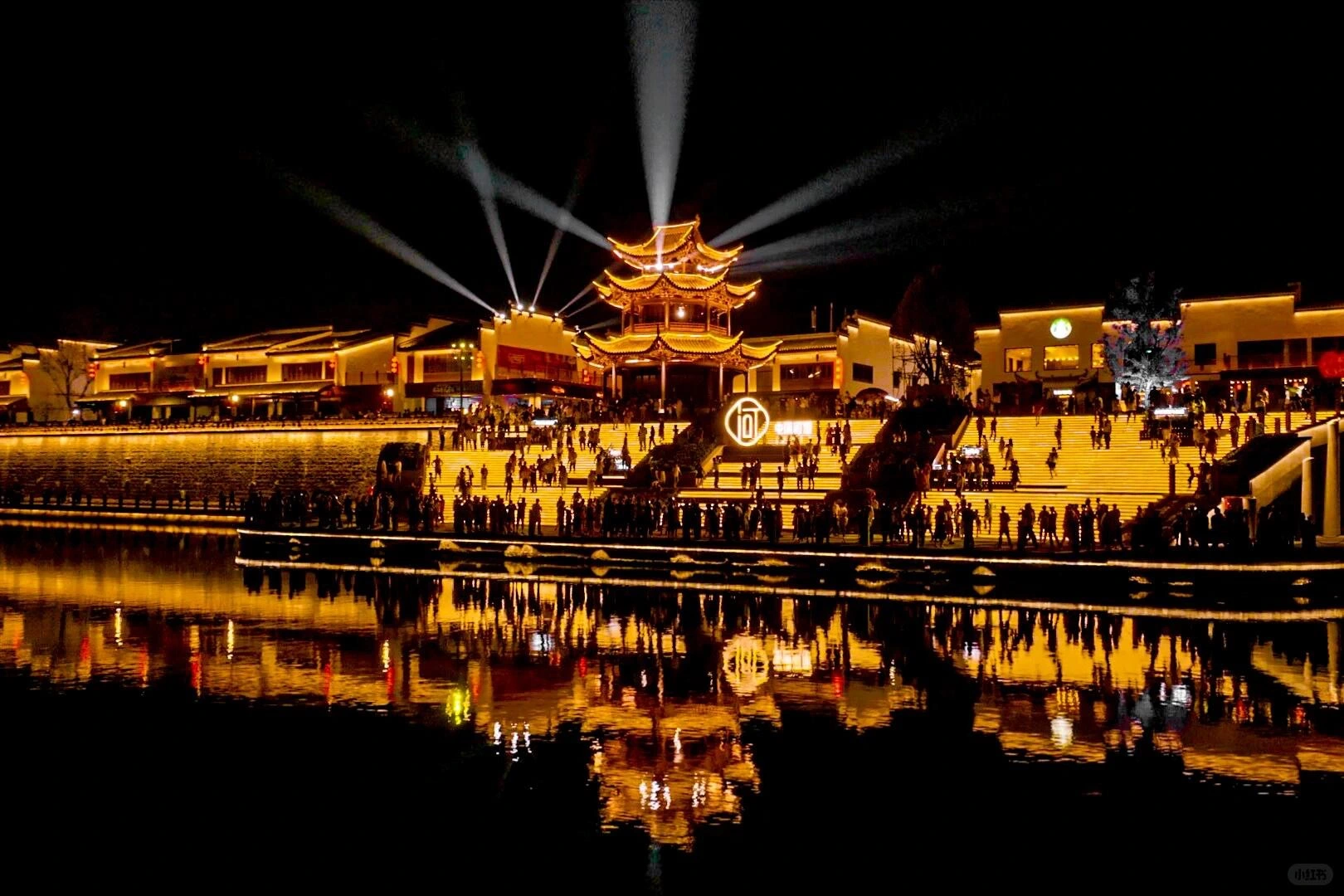
Tunxi is the historic center of Huangshan City and home to the well-known Tunxi Old Street, a traditional street lined with shops, teahouses, and local restaurants. Visitors can try regional dishes such as stinky mandarin fish and buy local crafts like Huizhou ink sticks and inkstones.
Emerald Valley (翡翠谷)
Also known as the Lovers’ Valley, Emerald Valley lies about 30 minutes from Huangshan Scenic Area. Clear streams, waterfalls, and emerald-colored pools create a peaceful natural landscape, making it a pleasant place for light hiking and relaxation after exploring the mountains.


Visiting Huangshan is an unforgettable experience, but proper preparation can make your trip much smoother. The mountain terrain, changing weather, and popular tourist seasons mean it’s helpful to plan ahead before arriving.
Wear comfortable hiking shoes with good grip, as many trails consist of steep stone steps. Bring a light jacket, because temperatures on the mountain can be 5–8°C cooler than at the base. A rain jacket, sunscreen, and small backpack are also recommended.
Weather
Mountain weather can change quickly. Mornings may be clear while clouds or mist appear later in the day. Checking the forecast before your trip is helpful, but conditions can still vary. Rainy days followed by sunshine often create the famous sea of clouds.
Queues
Huangshan is very popular, especially during spring, autumn, and national holidays. Arriving early in the morning helps avoid long lines at cable cars and entrances. Booking tickets online in advance can also save time.
Hotel Booking
If you plan to stay on the mountain, reserve your hotel at least 1–2 months in advance, especially during peak seasons. Hotels at the foot of the mountain or in Huangshan City usually offer more options and flexible booking.
Here are some common questions travelers ask when planning a Huangshan trip.


Find the best area to stay in Changchun for first-time trips, food, city sightseeing, modern comfort, and practical rail stopovers.

Anhui, a birthplace of ancient Chinese civilization, is known for its rich culture, including Taoism, Anhui opera, and traditional villages like Hongcun and Xidi, a UNESCO World Heritage site.

Climbing Mount Tai typically takes between 3 to 8 hours, depending on the route, pace, and whether you hike, take a cable car, or combine both.

Mandarin is the main language in Beijing, but locals also speak the Beijing dialect. Learn how language reflects the city’s culture and history.

Explore Beijing’s top attractions, historical sites, and hidden gems. Your ultimate travel guide to China’s vibrant capital city.

Find the best area to stay in Weihai for first-time trips, sea views, food, family travel, and practical station stopovers.


