

| Field | Quick Take |
|---|---|
| Chinese name | Jade Dragon Snow Mountain (玉龙雪山) |
| Location | North of Lijiang, around 15–20 km from Lijiang Old Town |
| Scenic area type | Snow mountain, glacier, alpine valley, meadow, and lake scenery |
| Main experience | Cable cars, high-altitude views, Blue Moon Valley, mountain scenery |
| Highest visitor altitude | Around 4,506 m by cable car, with walking platforms reaching around 4,680 m |
| Best visit length | One full day for most first-time visitors |
| Booking needed | Yes, especially for major cable car tickets |
| Main costs | Entrance, shuttle, cable cars, oxygen, warm clothing, transport |
| Main challenge | Altitude, weather, tickets, queues, cold, and visibility |

Jade Dragon Snow Mountain is worth visiting for most first-time Lijiang travelers who want a real mountain day, not just an easy scenic stop. The experience depends heavily on visibility, ticket planning, and altitude tolerance.
You are visiting Lijiang for the first time and want its most famous natural landmark.
You want snow mountain views, glacier scenery, alpine lakes, meadows, or high-altitude landscapes.
You can accept an early start, transfers, queues, and higher costs than a normal city attraction.
You are willing to book key tickets in advance.
Your body can handle altitude, or you are open to a lower-altitude route.
The weather gives you a real chance of clear mountain views.
You are highly sensitive to altitude or have health concerns.
You only want an easy old-town day with cafés and simple logistics.
You do not want reservations, cable car choices, shuttles, or timed tickets.
The forecast shows steady rain, heavy fog, or poor visibility.
Your budget is tight.
Your group cannot handle long outdoor days, cold weather, or altitude changes.
Jade Dragon Snow Mountain is not a one-ticket attraction. Costs usually include the entrance ticket, scenic transport, and your chosen cable car or add-on. The details below follow 2026 reference information, but check the official Lijiang Tourism Group platform before booking.
| Item | What It Covers | Cost / Rule | Booking Needed? | Notes |
|---|---|---|---|---|
| Entrance ticket | Basic mountain entrance fee for the Jade Dragon Snow Mountain scenic area | RMB 100 per person | No, usually available on site | Required for all inner areas. Discounts may apply with valid documents. |
| Entrance + sightseeing train combo | Entrance ticket plus scenic sightseeing train transport | One-way RMB 120 / round-trip RMB 130 | No, usually available on site | Better value than buying entrance and scenic transport separately. Connects the main visitor areas. |
| Glacier Park cable car + scenic transport package | Access to Glacier Park at about 4,506 m, the core high-altitude experience | RMB 140 per person | Yes, book 1–3 days in advance | The hardest ticket to get. Daily numbers are limited, and scenic transport is included. |
| Spruce Meadow cable car + scenic transport package | Access to Spruce Meadow at about 3,240 m | RMB 60 per person | Recommended, especially in peak season | A lower-altitude alternative if you cannot get the Glacier Park ticket or want a gentler route. Scenic transport is included. |
| Impression Lijiang show | Large outdoor performance directed by Zhang Yimou | RMB 280 per person | Recommended | Located near Ganhaizi. Add it only if timing and interest fit your route. |
| Snow mountain comfort package | Winter coat rental + 1L oxygen bottle | RMB 68 per set | No, usually available on site | Useful for basic warmth and oxygen support. Decide based on your clothing, health, and route. |
Opening hours: The scenic area usually operates from 07:00 to 18:00. Cable cars often run around 07:30 to 16:00, but times vary by route.
Official booking channel: Use the official Lijiang Tourism Group (丽江旅游集团) mini-program or platform for real-name booking.
Ticket release time: Tickets are usually released 1–3 days in advance at 20:00. Check the current rule before your trip.
Real-name booking: Chinese visitors usually use a mainland ID card. Foreign visitors can use a passport, but online verification may not always work smoothly.
Peak-season ticket pressure: During summer holidays, National Day, Spring Festival, and other peaks, Glacier Park cable car tickets can sell out within minutes.
On-site purchase risk: Basic entrance tickets may be available on site, but do not rely on same-day Glacier Park cable car tickets.
Combo ticket value: Combo tickets can save money only if they match your plan.
Final check: Prices, packages, hours, release times, and rules can change. Confirm the latest details on the official booking page.
Jade Dragon Snow Mountain has several visitor areas, but a first trip does not need all of them. Choose by tickets, weather, altitude tolerance, pace, and travel group.
| Area / Experience | Best For | Time Needed | Difficulty / Altitude | Booking Needed? | First-Time Priority |
|---|---|---|---|---|---|
| Glacier Park | Core snow mountain and glacier experience | 3–4 hours or more with queues | High altitude, around 4,506–4,680 m | Yes, hardest to get | High if healthy and tickets are available |
| Blue Moon Valley | Easy scenery, photography, lower-altitude visit | 1.5–2.5 hours | Lower difficulty, around 3,000 m | No separate cable car needed | Very high for most visitors |
| Spruce Meadow | Forest, meadow, snow mountain views, easier route | 2–3 hours | Moderate altitude, easier than Glacier Park | Recommended in peak season | High as a backup or lighter option |
| Yak Meadow | Wider meadow views, slower nature experience | 3–4 hours or more | Moderate-high altitude, more time needed | Check current rules | Medium; better with enough time |
| Add-on show / performance | Culture and staged outdoor experience | Around 1.5 hours | Low physical difficulty | Recommended | Optional, based on interest |
| Transfer / viewpoint areas | Transit, photos, route connection | Short stops | Low difficulty | Usually no separate focus | Useful but not a main reason to visit |
Glacier Park is the most dramatic experience for many visitors. Choose it if you want the main cable car and the closest snow mountain view.
It suits healthy travelers with the right ticket. Allow at least 3–4 hours for shuttles, queues, walking, photos, and descent. The main limit is altitude: above 4,500 meters, even fit travelers can feel short of breath or lightheaded. Go slowly and do not force the highest platform.
Blue Moon Valley is the easiest and most reliable area. It offers blue water, mountain backgrounds, light walking, and strong photo value without high-altitude pressure.
It suits almost every first-time visitor, especially families, older travelers, and photographers. Allow 1.5–2.5 hours. The main limit is crowding at popular photo spots. If you keep only one lower-altitude area, choose this.
Spruce Meadow is a strong alternative if you cannot get the main high-altitude ticket or want an easier day. It offers forest, meadow, and snow mountain views with less pressure than Glacier Park.
It suits first-time visitors, families, and slower travelers. Plan 2–3 hours with transport, cable car, walking, and photos. Its value is balance: lower altitude, scenic views, and a calmer rhythm. The trade-off is no close-up glacier view.
Yak Meadow suits travelers who want wider meadow views and a slower visit. It can feel more spacious, especially for photography.
Do not add it casually to a full day. It needs more time than many first-time visitors expect, and the altitude is higher than the easiest areas. Choose it only with a steady pace and clear interest in open meadow scenery.
A major show or performance can work if you want staged outdoor culture and have enough time. It is optional, not required.
The main issue is timing. If your day already includes a high-altitude cable car, shuttles, queues, and Blue Moon Valley, a show can feel tight. Add it only if time and interest make sense.
Some areas mainly work as transfer points, viewpoints, or route connectors. They can be useful for photos, shuttle changes, or short breaks, but they are not major destinations.
Use them to support the main route. If the day is crowded or tight, keep moving toward your main experience.
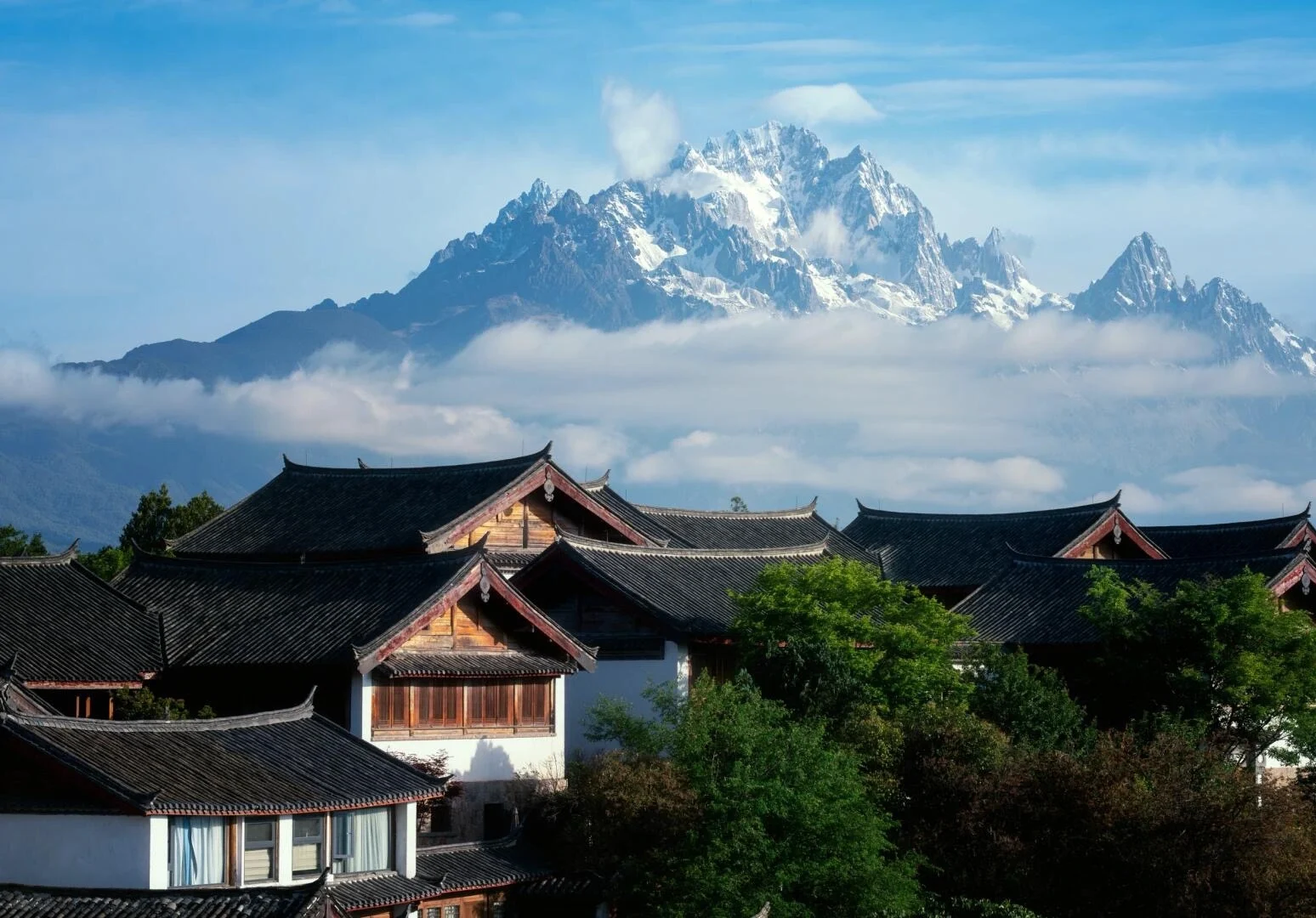
Jade Dragon Snow Mountain is best treated as a full-day trip because transport, ticket checks, shuttles, queues, walking, weather, and altitude all add time.
Half day: Possible, but weak. It usually means one easy area and no main high-altitude experience.
One full day: Best for most first-time visitors. It fits one main experience and one easier area.
One day with add-ons: Possible, but tight. Add-ons require an early start and good timing.
Two separate visits: Usually unnecessary for ordinary sightseeing.
Not recommended: Do not try to cover every cable car area, valley, viewpoint, show, and photo stop in one day.
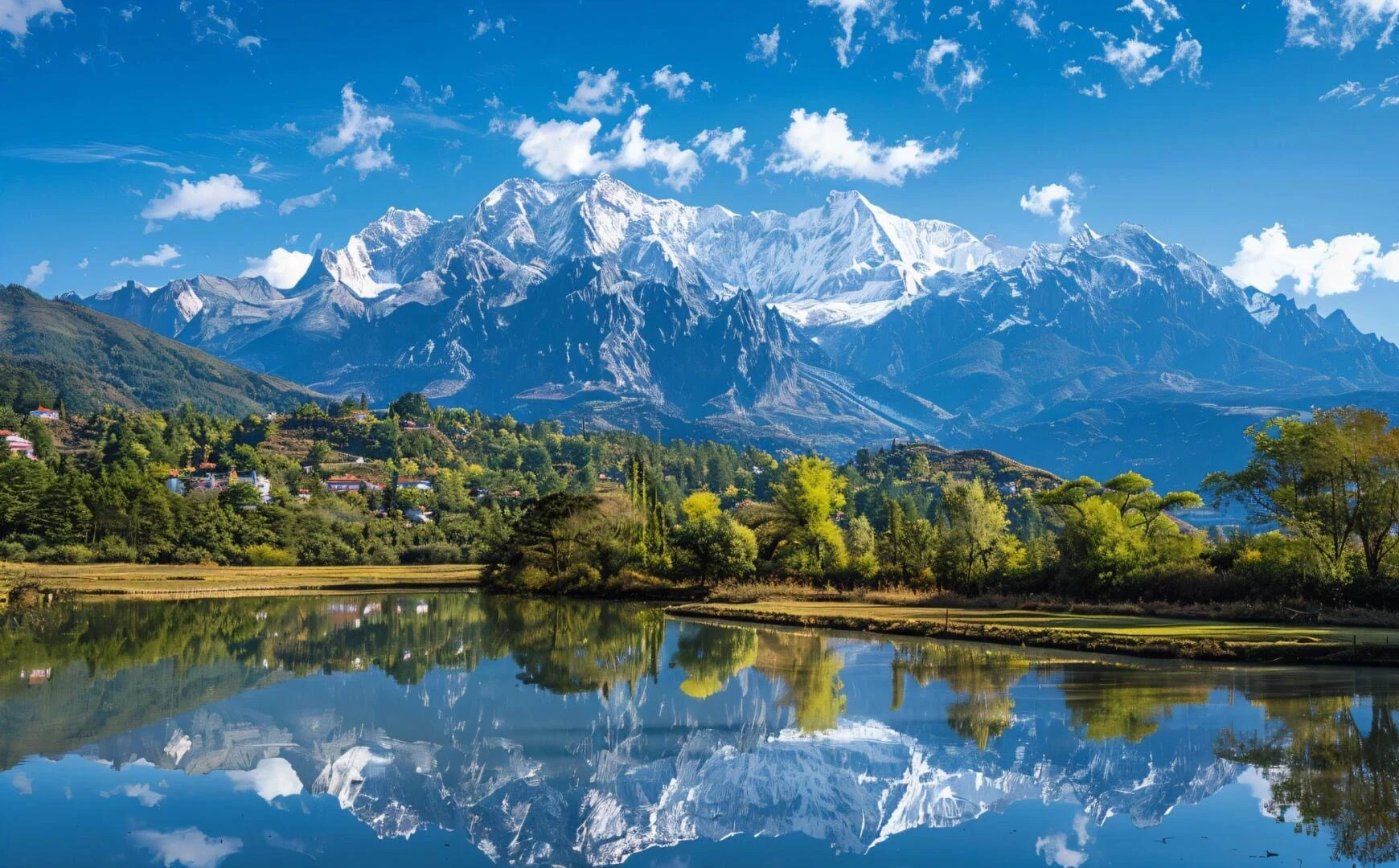
Build your itinerary around your ticket, weather, altitude tolerance, and pace. For most visitors, one main experience plus one easier area is enough.
Who it’s for: First-time visitors in good condition with the main high-altitude cable car ticket.
Route logic: Put the highest and most weather-sensitive part first. Use the afternoon for a lower, easier scenic area.
Main structure: Start early from Lijiang, complete the main high-altitude cable car experience, then descend to a lower-intensity lake, valley, or scenic area.
Why this route works: Your body is fresher in the morning, visibility may be better, and the afternoon feels easier.
Main risk: This route depends on ticket availability, weather, and altitude response. If any fail, switch to an easier route.
Who it’s for: Travelers worried about altitude, families, older visitors, or anyone without the main high-altitude cable car ticket.
Route logic: Choose lower-altitude or lower-intensity areas with mountain views, forest or meadow scenery, and photo value.
Main structure: Start from Lijiang, choose one easier cable car or lower-altitude area, then pair it with a lake, valley, or easy walking area.
Why this route works: It gives you a real Jade Dragon Snow Mountain experience without forcing the highest altitude.
Main risk: You miss the most dramatic glacier-style experience.
Who it’s for: Travelers with very limited time or only a light interest.
Route logic: Do not include a high-altitude cable car and multiple areas. Choose one easy, high-value area.
Main structure: Travel from Lijiang, focus on one lower-intensity area, walk lightly, and return.
Why this route works: It keeps expectations realistic. A half-day visit can be beautiful, but it is not the full mountain experience.
Main risk: The value can feel low after transport time, entrance costs, ticket checks, and queues.
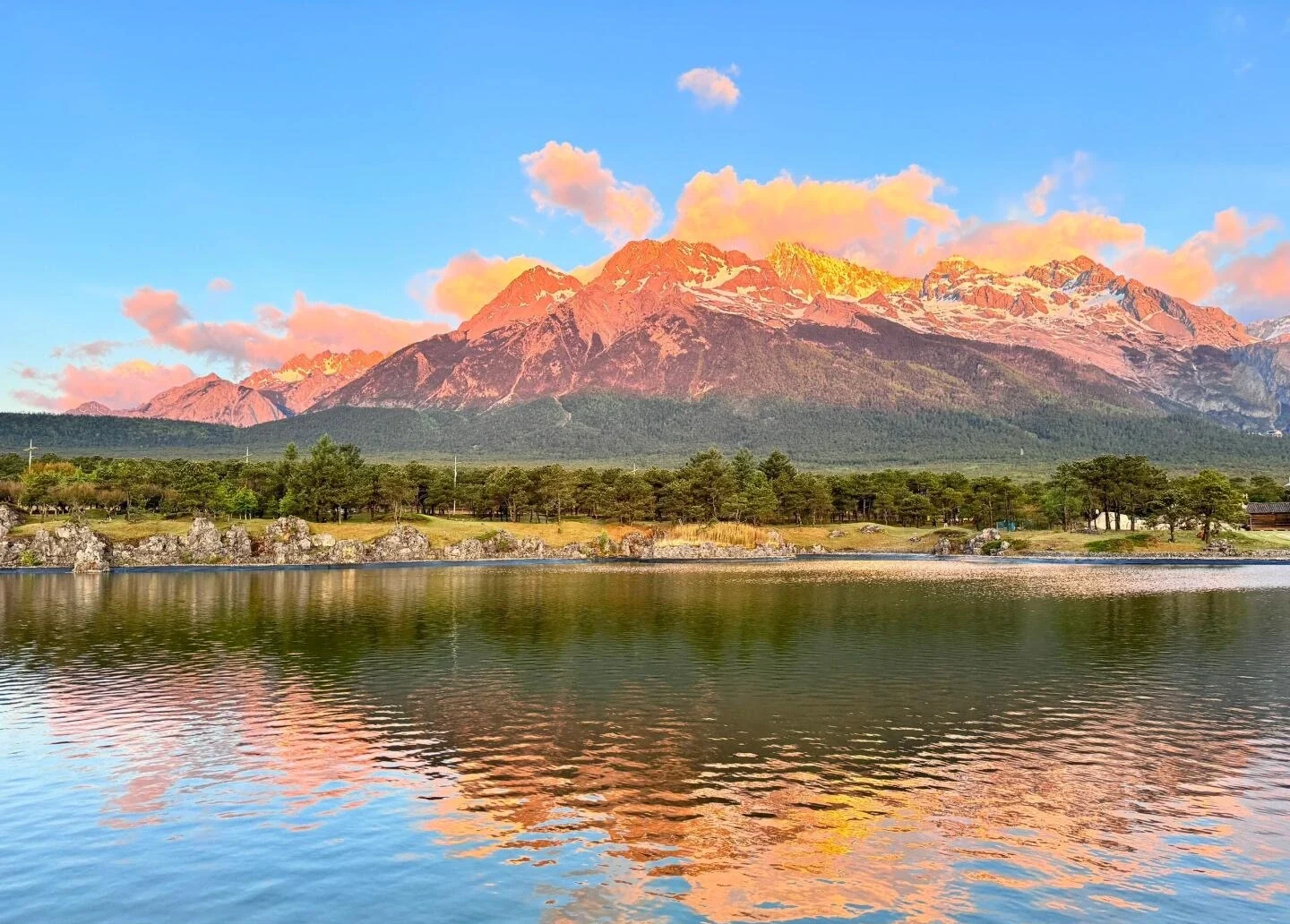
The best time to visit Jade Dragon Snow Mountain depends on visibility, snow scenery, rain, crowds, and ticket pressure. A clear day matters more than a perfect season.
The best overall period is usually from late October to May, when clearer mountain views are more likely. Late autumn and spring often offer the best balance of visibility, weather, and comfort, though higher areas still need warm clothing.
The strongest snow scenery usually appears from December to March. The mountain looks more dramatic, but wind, low temperatures, and icy sections can make the visit harder. Prepare carefully and do not treat it like a mild Lijiang city walk.
June to September is the hardest period for visibility. Rain, clouds, and fog can block the mountain, and cable cars may be affected. Lower areas, lake scenery, green vegetation, and misty views can still be worthwhile, but keep the plan flexible.
National Day, Spring Festival, summer holidays, and busy weekends bring harder ticket booking, longer queues, higher costs, and less flexibility. With family or older visitors, avoid overloading the day.
Best overall: Late October to May, outside major holidays.
Best for snow scenery: December to March.
Best for visibility: Drier months, especially late autumn, winter, and spring.
Best for fewer crowds: Non-holiday weekdays.
Hardest period: June to September and major domestic holidays.
Book early if: You travel during holidays, winter snow-viewing periods, or good-weather weekends.
Altitude is one of the biggest practical issues here. Lijiang Old Town is around 2,400 meters, while the highest visitor platforms reach around 4,680 meters. Treat the high areas seriously.
Take the altitude seriously: High areas can cause shortness of breath, headache, fast heartbeat, dizziness, fatigue, or nausea, even if you are young or fit.
Move slowly after going higher: Walk gently after the cable car or shuttle. Avoid running, jumping, or rushing uphill for photos.
Oxygen can help, but it is not a guarantee: In Lijiang, your reference price is RMB 20–30 per bottle, often cheaper than inside the scenic area. Oxygen can ease discomfort, but it does not remove altitude risk.
Dress warmly: Cold wind can make discomfort worse. Higher viewpoints can be near freezing or below, so bring or rent a proper warm outer layer.
Know when to stop: If you feel strong headache, vomiting, chest tightness, serious breathing difficulty, confusion, or worsening symptoms, stop going higher and move lower.
Be careful with children and older travelers: Young children, older visitors, pregnant travelers, and people with heart, lung, or serious chronic conditions should be more cautious. For medical concerns, consult a doctor before the trip.
Do not force the highest area: If your body feels wrong, choose a lower-altitude area and keep the day safe.
| Item | Why You Need It | Notes |
|---|---|---|
| Warm layer | The mountain can be much colder than Lijiang city, especially at higher viewpoints. | A down jacket, fleece, or windproof outer layer works best. |
| Comfortable pants | Cold wind and long transfers can make light pants uncomfortable. | Warm outdoor pants, lined sports pants, or thermal leggings work better than thin jeans. |
| Non-slip shoes | Walkways can be wet, icy, crowded, or uneven. | Wear sneakers with good grip or light hiking shoes. Avoid slippery fashion shoes. |
| Hat / scarf / gloves | Your head, neck, and hands get cold quickly at altitude. | Small items help a lot on exposed platforms. |
| Sunglasses | High-altitude sunlight and snow reflection can be strong. | They reduce glare and make walking and photography easier. |
| Sunscreen | UV exposure is strong at high elevation, even when the air feels cold. | Apply before entering and reapply during long outdoor time. |
| Oxygen bottle | Useful if you plan to visit higher areas or worry about discomfort. | Buy in Lijiang or inside the scenic area. City prices are usually lower. |
| Water and snacks | Transfers, queues, and walking can take longer than expected. | Bring water, chocolate, nuts, or simple energy snacks. |
| ID / passport | Tickets, shuttles, and cable car access may require identity checks. | Foreign visitors should carry the original passport. |
| Power bank | Cold weather drains phone batteries faster, and you will likely use your phone for tickets, maps, and photos. | Keep your phone warm and fully charge devices before leaving Lijiang. |
| Rain gear | Mountain weather can change quickly. | A light raincoat is easier than an umbrella in wind or crowds. |
| Personal medicine | Long travel time, altitude, cold, and motion can trigger discomfort. | Bring your normal medicine. Consult a doctor before the trip if needed. |
| Camera / phone storage | The scenery is photo-heavy, especially on clear days. | Clear storage before the trip and bring backup power. |
Most travelers visit from Lijiang Old Town, Shuhe, or Baisha. Choose transport by budget, group size, ticket time, language comfort, and return flexibility.
| Transport | Best For | Rough Time | Rough Cost | Pros | Cons |
|---|---|---|---|---|---|
| Scenic area shuttle bus | Budget travelers and independent visitors | About 1 hour one way | About RMB 20 per person one way | Cheap if you are near the departure point. | Fixed stops and schedules. Less flexible for early starts or late returns. |
| Taxi / ride-hailing | 2–4 travelers who want convenience | About 40–60 minutes one way | About RMB 80–120 per car one way | Door-to-door and faster than finding a bus stop. | Return rides can be harder during peak afternoon times. |
| Private car | Families, small groups, photographers, and travelers who want control | Flexible full-day use | About RMB 300–500 per day per car | Most flexible for early departure, luggage, route changes, and return planning. | Costs more and depends on a reliable driver. |
| One-day tour | Visitors who want help with tickets, transport, and timing | Full day | Often from RMB 400–600 per person | Easier if you do not want to handle Chinese booking or transport details. | Fixed route. Low-price tours may include shopping stops or rushed schedules. |
| Self-driving | Travelers familiar with Chinese roads and parking | About 40–60 minutes one way | Fuel + parking | Flexible timing and route control. | You still need scenic shuttles inside. Parking can be stressful in peak season. |
No matter how you arrive, you normally switch to official scenic transport inside the area. Plan your return before going up the mountain, especially if you rely on buses or ride-hailing.
Book the key cable car before building your route: Do not plan the day first, then discover the main ticket is sold out. Confirm your ticket type, time slot, passport or ID details, and meeting point before leaving Lijiang.
Start earlier than feels necessary: Traffic, ticket checks, shuttles, queues, and walking take time. An early start gives you room to adjust.
Check mountain weather, not only Lijiang weather: Lijiang city can be sunny while the mountain is cloudy or foggy. If visibility looks poor, choose a route that still works.
Carry your original passport or ID: Keep your document easy to reach for ticket, shuttle, or cable car checks.
Prepare oxygen and warmth before going higher: Buy or rent what you need before the highest part of the trip.
Move slowly after reaching higher altitude: Pause, breathe, and walk gently. Do not rush uphill for photos.
Do not dress like you are staying in Lijiang city: Thin jackets, fashion shoes, and no gloves can make the mountain uncomfortable fast.
Do not try to cover every area in one day: One main experience plus one easier scenic area is usually enough.
Plan your return before you go up the mountain: Afternoon return periods can be busy. Know your return time clearly.
Be careful with very cheap tours: Low-price tours may include shopping stops, unclear ticket types, rushed timing, or hidden costs.
Only buy add-ons that fit your route: Oxygen, warm clothing, shows, photo services, and extra transport are not necessary for everyone.
Choose a lighter route for children or older travelers: A healthy adult route can be too long, cold, or high for them.
Keep photography flexible: Clouds move fast. If the view opens, take your photos.
Keep a backup plan: If the highest area is unavailable or the weather turns bad, choose a lower-altitude scenic area.


China is slightly larger than the US by land area (9.6M vs 9.37M km²), but total area varies depending on whether water bodies are included.

Discover the rich heritage of Cantonese opera through vibrant performances, traditional costumes, and iconic musical instruments.

Plan your first Jiangxi trip with the best routes, top places, timing, transport tips, and practical ideas for Jingdezhen, Wuyuan, and Jiangxi’s mountain lines.

Discover Chinese Buddhism — a fusion of Indian teachings and Chinese philosophy. Explore its temples, art, rituals, and living heritage across China.

Discover the 1977 Fire Snake zodiac meaning and 2026 forecast, including personality, career, wealth, love, health, lucky elements, and practical advice.

Learn how to get to Yunnan by plane, train, bus, or car, choose the best arrival city, and plan smoother transfers across the province.


