
 Written by
Anthony
Hidden among misty peaks on the northwest side of West Lake, Lingyin Temple is far more than an ancient Buddhist site — it’s one of China’s most revered Zen (Chan) monasteries and a living symbol of harmony between nature and spirituality. Founded in 326 AD during the Eastern Jin Dynasty, the temple stands beneath Feilai Feng (“Flying Peak”), surrounded by lush forests, stone carvings, and the rhythmic sound of temple bells.
Known as one of the “Five Mountains and Ten Temples” of Chinese Chan Buddhism, Lingyin has nurtured generations of monks and artists, preserving timeless legends — including stories of the eccentric monk Ji Gong — and masterpieces of Buddhist sculpture that date back more than a thousand years.

For travelers, Lingyin offers more than sightseeing: it’s a journey into China’s Zen culture and its philosophy of harmony between heaven, humanity, and nature. You can wander beneath ancient cypresses, watch devotees light incense, taste vegetarian temple cuisine, or simply sit in silence as morning chants echo through the valley.
Chinese name: 灵隐寺 (pinyin: Língyǐn Sì)
English name: Lingyin Temple
Address: No. 1 Fayun Alley, Lingyin Road, Xihu District, Hangzhou, Zhejiang, China
Distance from West Lake core: ~5 km from main sites like Broken Bridge and Leifeng Pagoda
Year-round: 06:30 – 18:15 (Summer)/17.45 (Winter)
Feilai Feng Scenic Area: ¥45 per person (required for entry to the temple)
Lingyin Temple incense voucher: ¥30 per person (additional; required to enter temple grounds)
Total basic entry cost: ¥75 per adult; Free from December 1, 2025
Lingyin Temple was founded in 326 AD during the Eastern Jin Dynasty by the Indian monk Huili. Upon arriving in Hangzhou, Huili was struck by the dramatic peaks of Feilai Feng, which reminded him of the sacred Vulture Peak in India. He named the temple “Lingyin”, meaning “the retreat of the soul” or “where immortals hide,” marking it as the oldest and most renowned Buddhist temple in Hangzhou.

Through the centuries, Lingyin Temple evolved into a major Zen (Chan) Buddhist center:
Tang Dynasty: With the rise of Chan Buddhism, Lingyin grew in importance, receiving imperial patronage from emperors like Tang Taizong. The temple expanded to include “nine towers, eighteen pavilions, and seventy-two halls,” becoming one of China’s most prestigious monastic complexes.
Song Dynasty: The legendary monk Ji Gong (Master Daoji) practiced here. Known for his eccentric yet compassionate deeds, his story—“meat and wine pass through the body, but Buddha remains in the heart”—became part of Chinese folk culture. A Ji Gong Hall still honors him today.
Modern Era: After restoration efforts in the 1950s, Lingyin was designated a National Key Cultural Heritage Site in 1982. In 2000, it became part of the UNESCO-listed West Lake Cultural Landscape, preserving its legacy as a spiritual and artistic treasure for all humanity.
Whether you’re arriving by plane, high-speed train, or traveling within the city, here’s a practical guide to help you reach the temple with ease.

By Shuttle Bus + Bus:
Take the airport shuttle bus Wulinmen Line (¥20, runs every 30 min, ~1 hr) → get off at Wulinmen Station → transfer to Bus No. 7 to Lingyin Temple Station (~30 min) → 5-min walk to the temple entrance.
By Metro + Bus:
Take Metro Line 1 → get off at Longxiangqiao Station → transfer to Bus No. 7 → arrive at Lingyin Temple Station. Total time ~1.5 hours.
By Taxi/Ride-Hailing:
About 40–60 minutes, depending on traffic. Fare: ¥150–¥200. Use Didi (English version available).

Hangzhou East Railway Station:
By Metro + Bus: Take Metro Line 1 → Longxiangqiao Station → transfer to Bus No. 7 or 27. Total time ~40 minutes.
By Taxi: Around 25 minutes, fare ¥50.
Hangzhou Railway Station (City center):
By Direct Bus: Take Bus No. 7 or 27 directly to Lingyin Temple Station. ~30 minutes, ¥2.
By Taxi: ~20 minutes, fare ¥30.
By Car
Navigate to “Lingyin Temple Parking Lot”. From city center: ~30 minutes via Tiemushan Road.
Parking: ¥20/day. Arrive before 8:30 AM during peak season to avoid congestion.
By Bus (Recommended):
Take Bus 7, 27, 87, or 1314 to Lingyin Temple Station. The number “1314” is popular with couples, meaning “forever” in Chinese.
Fare: ¥2, supports Alipay/WeChat “Hangzhou Bus QR Code”. Some buses have English stop announcements.
By Taxi / Ride-Hailing:
City fare ranges from ¥20–¥50 depending on distance. Use Didi with English interface to avoid scams or detours.
By Shared Bike / E-Bike:
From West Lake areas (e.g., Broken Bridge or Su Causeway), ride 5 km via Beishan Street and Lingyin Road.
Bikes: ¥1/30 min; E-bikes: ¥5/30 min. Scenic and relaxing route.
From Feilai Peak ticket office to Lingyin Temple gate is about 1 km:
On Foot: ~15 minutes along a scenic trail by Cold Spring Creek and ancient stone carvings.
By Shuttle: ¥10 per person, single trip. Recommended for elderly or those with mobility issues.
Timing your visit right can transform your trip from a typical sightseeing stop into a serene, spiritual experience. Here’s when to go for the best atmosphere:

Spring is the most recommended season. Cherry and peach blossoms bloom around West Lake, and the lush greenery of Feilai Peak awakens after winter. Morning mists and the gentle murmur of Cold Spring Creek create a dreamlike Zen setting.
Don’t miss the Buddha Bathing Festival in April, commemorating the birth of the Buddha—you can join in the sacred bathing ceremony.

Cooler weather (15–25°C), golden ginkgo leaves, and blooming sweet osmanthus (Hangzhou is called “City of Osmanthus”) make autumn another ideal time.
As the Mid-Autumn Festival approaches, the temple becomes a magical place to admire the moon, where serenity meets tradition.
Major holidays like Chinese New Year (late Jan/Feb) and National Day (Oct 1–7): Expect heavy crowds and long queues.
Lunar 1st and 15th each month: Popular pilgrimage days with more incense visitors—come another time for a quieter experience.
For a broader seasonal overview across the country, see Best & Worst Time to Visit China.
The red-walled entrance bears the name “Lingyin Temple”, inscribed by Emperor Kangxi himself. A poetic couplet on both sides welcomes visitors with Zen wit.
Tips: This is a prime photo spot—arrive early to avoid crowds and enjoy the morning mist.

This first main hall houses a cheerful Maitreya Buddha at the front and a fierce Skanda (Weituo) at the back. The Four Heavenly Kings flank the hall, representing favorable seasons and weather.
Look up for detailed wood carvings of flying deities and Buddhist tales—showcasing the finest Jiangnan craftsmanship.
Tips: No photos allowed inside. Maintain silence and feel free to offer a respectful gesture of prayer.

The centerpiece of Lingyin, this 33.6-meter-high hall features a 19.6-meter-tall gilded Shakyamuni Buddha carved from camphor wood—one of China’s largest wooden Buddha statues.
The surrounding Five Hundred Arhats Murals and the “Buddha Light Shines Everywhere” plaque (by Emperor Qianlong) add deep historical and artistic value.
Tips: No photography inside due to fragile murals. Burning 3 incense sticks outside is encouraged (symbolizing Buddha, Dharma, and Sangha).

Dedicated to the Medicine Buddha (center), flanked by the Sunlight and Moonlight Bodhisattvas—together known as the “Three Saints of Medicine.” The hall is a popular place to pray for health and longevity.
Tips: Read the engraved Medicine Sutra outside and silently make a wish for loved ones’ well-being.

This unique hall honors Ji Gong, the eccentric monk known for his humor and compassion. His statue, with tattered robes and a fan, is surrounded by stories and relics from his legendary life.
Tips: Don’t miss the inscription:
“Meat and wine pass through the intestines,
But the Buddha remains in the heart.”
It reflects Ji Gong’s unorthodox yet deeply spiritual path.

Home to precious copies of the Tripitaka, this two-level pavilion also exhibits ancient Buddhist artifacts and scriptures. Outside, the stone engraving “Tea and Zen, One Flavor” captures the essence of Chan Buddhism.
Tips: Only selected areas are open to the public. No touching the exhibits. Ideal for quiet reflection.

Towering 168 meters, Feilai Peak is famed for over 345 Buddhist stone carvings dating from the 10th to 14th centuries—earning it the nickname “Open-Air Buddhist Art Museum of the South.”
Must-See Carvings:
Laughing Maitreya (Song Dynasty): The largest statue at 5.3m, belly exposed and full of joy.
Water-Moon Guanyin (Yuan Dynasty): Graceful and serene, located beside Cold Spring Creek.
Three Western Saints: Amitabha, Guanyin, and Mahasthamaprapta—icons of Pure Land Buddhism.
Visitor Info:
Tickets: ¥45 (Feilai Peak) + ¥30 incense voucher for temple entry. Student and senior discounts apply.
Route: Start from Lingyin Temple → walk along the creek to Feilai Peak entrance → tour clockwise (main carvings are on the east side).
Tips: No touching sculptures. Early morning or late afternoon provides ideal lighting for photos.

A quieter sister temple west of Lingyin, featuring peaceful courtyards, fiery red maple trees in autumn, and a charming Zen teahouse overlooking West Lake.
Tips: Included in the Feilai Peak ticket. Just 10 minutes’ walk from Lingyin. Ideal for tea and reflection.

Located north of Feilai Peak, this lesser-known temple offers a panoramic view of West Lake from the Guanhai Pavilion. You can also join seasonal tea-picking and making workshops.
Tips: ¥8 entry. 20-minute walk from Lingyin, best visited in the afternoon for sunset views.

Known collectively as “Tianzhu Three Temples”, these line Lingyin Road in sequence:
Upper Tianzhu (Faxi Temple): Famous for its vibrant yellow walls and photogenic gates.
Middle Tianzhu (Fajing Temple): A peaceful Chan temple.
Lower Tianzhu (Fajing Temple): China’s only active nunnery, serene and lesser-visited.
Tips: Faxi Temple: ¥10 entry. Others are free. Take Bus 103 from Lingyin (5 min ride). A great half-day extension for Zen lovers.
At Lingyin Temple, spiritual exploration goes beyond sightseeing. For those seeking peace, introspection, or a deeper understanding of Chinese Buddhism, these immersive cultural activities offer a rare glimpse into monastic life and Chan (Zen) practice.

Time:
Morning Chanting: 5:30–7:00 AM
Evening Chanting: 5:00–6:30 PM
Experience: Observe monks as they recite sutras, chant Buddha’s name, and strike ceremonial bells in a serene, rhythmic atmosphere. These daily rituals create a profound sense of calm and spiritual energy.
How to Join: Free observation is available by advanced registration at the temple reception (Ketan Hall).
Tips:
Wear respectful attire (long pants and sleeves).
Remain silent and do not take photos.
After morning chanting, visitors may have a chance to chat with monks about Zen practice—with English interpretation available.

Program Includes:
Morning chanting participation
Seated meditation (Zazen)
Sutra copying
Vegetarian lunch (sushi-style Zen meal)
Buddhist philosophy talk (with English guidance)
How to Join: Register via the official Lingyin Temple WeChat account at least one week in advance.
Fee: ¥200 per person (includes all meals and materials).
Ideal for: Visitors seeking mindfulness, silence, and a genuine monastic experience—no prior meditation experience required.

Commemorates the birth of Shakyamuni Buddha. Visitors can pour fragrant water over a baby Buddha statue, symbolizing the cleansing of worries and renewal of the heart. Free souvenirs such as prayer beads or sutras are often distributed.
Marks the Buddha’s enlightenment. Lingyin Temple serves free bowls of “Laba porridge”—a warm blend of glutinous rice, red beans, lotus seeds, and dried fruits—offering blessings of peace and good fortune.
Held on three special lunar dates:
Birth: 2nd Month, 19th Day
Enlightenment: 6th Month, 19th Day
Ordination: 9th Month, 19th Day
The temple hosts flower offerings, incense rituals, and prayer services to honor the Bodhisattva of Compassion. It’s a powerful day to experience the spiritual devotion of Chinese Buddhists.
The temple and its surroundings offer a range of Buddhist vegetarian dishes rooted in harmony, simplicity, and local Hangzhou flavors.

Luohan Zhai (Arhat Stew)
A hearty medley of mushrooms (shiitake, king oyster, wood ear), vegetables (carrot, broccoli), and tofu simmered in rich broth. This is the temple’s signature dish, packed with nutrition and flavor.
Vegetarian “Goose”
Tofu skin wraps stuffed with shiitake mushrooms and bamboo shoots, braised and sliced to mimic the texture of meat. Dip in soy sauce—surprisingly savory.
Vegetarian Ham
A smoked tofu-based “ham” with a chewy bite and umami flavor. Enjoy it solo or stir-fried with greens.
Zen Tea Tofu
Soft tofu infused with Lingyin’s own Zen tea, offering a light, floral flavor that embodies the temple’s “tea and Zen as one” philosophy.
Osmanthus Cake
A local Hangzhou dessert made with glutinous rice flour and fragrant osmanthus blossoms—sweet, floral, and not too heavy. A perfect end to your meal.

Lingyin Temple Canteen (On-site)
💰 ¥60–80/person
Enjoy a buffet-style vegetarian meal in the peaceful temple dining hall. Dishes include Luohan Zhai, vegetarian goose, seasonal vegetables, and desserts.
⏰ Hours: Lunch 11:00–13:00 | Dinner 17:00–19:00
Fuchuan Tea House (Yongfu Temple, West of Lingyin)
💰 ¥100–150/person
Try set menus pairing Zen tea with vegetarian delights like osmanthus cake, tea tofu, and meatless “shrimp.” Sit on the open-air terrace with stunning mountain views—a peaceful escape.
Faxi Vegetarian Restaurant (Fa Xi Temple, Upper Tianzhu)
💰 ¥50–70/person
A favorite among locals. Try the vegetarian chicken and stir-fried seasonal greens—affordable and flavorful.

Scallion Pancake Wrap (Cong Bao Hui)
A crispy flatbread wrap filled with fried dough sticks and scallions, seared on a griddle with sweet soy paste. Savory and addictive.
💰 ¥5 each | Sold at stalls near the temple gate.
Victory Cake (Dingsheng Gao)
Soft rectangular rice cakes filled with sweet red bean paste. Light and chewy, perfect as a souvenir snack.
💰 ¥10 per box | Available at local stores like Zhiweiguan near the temple.
West Lake Lotus Root Starch Soup (Xihu Oufen)
A warm dessert made from lotus root starch, served with osmanthus syrup. Silky, floral, and nourishing.
💰 ¥15 per bowl | Try it at teahouses inside the temple grounds.
Dragon Well Tea “Shrimp” (Vegetarian)
A creative, plant-based version of Hangzhou’s classic dish, made with tofu-based shrimp sautéed with local Longjing tea leaves.
🍽 Recommended at Fuchuan Tea House for a true Hangzhou-meets-Zen experience.
Experience Zen serenity and scenic splendor in one perfect day
Looking for a day in Hangzhou that blends ancient Buddhist culture with postcard-worthy lake views? This one-day itinerary takes you from the tranquil halls of Lingyin Temple in the morning to the iconic shores of West Lake in the afternoon—offering a rich mix of spiritual reflection, natural beauty, and cultural highlights.

From West Lake: Take Bus No. 7 (2 RMB, WeChat/Alipay QR scan) – 30 minutes
From downtown: Take Metro Line 1 to Longxiangqiao, then transfer to Bus 7 – 40 minutes
Why so early? Arrive before tour groups. The morning mist, temple bells, and quiet atmosphere make for a serene, spiritual start.
Ticket info: Feilai Peak ¥45 + Temple ¥30
Suggested route:
Feilai Peak ticket gate → stroll 15 min along Cold Spring Creek
Pass ancient Buddhist stone carvings (some over 1,000 years old)
Enter Lingyin Temple via the main gate
Visit the Hall of Heavenly Kings, Mahavira Hall, Medicine Buddha Hall, and Ji Gong Hall
Tips:
Free incense (3 sticks) available at the Grand Hall—observe etiquette (quiet prayer, no shouting or high incense)
Don’t miss the Laughing Maitreya carving from the Song Dynasty
English signs available; audio guide rental (¥30) or English-guided group (¥150/hour, reserve ahead)
Option 1: Temple Vegetarian Meal
Where: Lingyin Temple Canteen or Fuchuan Tea House (Yongfu Temple)
Must-tries: Luohan Stew, Vegetarian Goose, Osmanthus Cake
Vibe: Quiet garden setting, tea aroma, Buddhist “mindful eating” philosophy
Budget: ¥60–80/person
Option 2: Classic Hangzhou Cuisine
Where: Lou Wai Lou (Gushan Road, near West Lake)
Must-tries: West Lake Vinegar Fish, Scallion Pancake Wrap, Dongpo Pork
English-friendly, supports WeChat/Alipay
Budget: ¥150/person
Bus Route: Bus 7 to “Duanqiao Canxue” stop (30 min)
Taxi Option: ¥30, 15 minutes
Scenic walk: From the stop, walk 5 min along tree-lined Beishan Road
Stop 1: Broken Bridge to Bai Causeway (1 hour walk)
Snap photos at Broken Bridge — a classic West Lake view, great in both sun and fog
Stroll Bai Causeway lined with willows and lake views — peaceful and poetic
Stop 2: Boat Ride to Three Pools Mirroring the Moon (1.5 hours)
Board at Zhongshan Pier or Broken Bridge Pier
Round-trip + island entry: ¥60 (scan to pay)
Highlights:
Island walk (30 min)
Take photos of the famous stone pagodas from the ¥1 bill
Optional: Audio guide in English (¥10)
Tip: Return boat stops at Leifeng Pagoda Pier — no need to backtrack!
Stop 3: Leifeng Pagoda (30 minutes)
Take elevator up this rebuilt historic tower
Panoramic views of the lake and surrounding scenery
Entrance: ¥40, half price with student ID
See wood carvings of the White Snake legend inside
Walk south along the Su Causeway or visit Viewing Fish at Flower Pond
Watch the sunset glow ripple across the lake—a perfect, romantic end
Return:
To downtown: Bus 4 or 31 to Longxiangqiao → Metro/taxi
To Lingyin area: Bus 7 (40 min) or taxi (¥50, 25 min)
Optional Dinner: Grab some snacks at Zhiweiguan near the lake—like Scallion Pancake Wrap, Victory Cake, or Lotus Root Starch Dessert (around ¥50/person)
Whether you’re searching for spiritual keepsakes or tasty gifts to bring home, Lingyin Temple and its surrounding area offer a rich selection of Buddhist-themed items, traditional snacks, and creative cultural souvenirs.

Bodhi or Wooden Prayer Beads (¥50–200 per strand):
Available in the official cultural shops inside Lingyin Temple, these prayer beads symbolize peace, mindfulness, and blessings. A perfect token of your spiritual journey.
Buddhist Postcards & Bookmarks (¥50–100):
Tastefully designed with temple motifs, scriptures, or calligraphy—ideal for collectors or thoughtful gifts.
Miniature Buddha Statues & Ji Gong Figurines:
Decorative keepsakes sold in the temple’s official gift shops. These finely crafted items carry both spiritual and artistic significance.

West Lake Lotus Root Starch (藕粉) (¥15–25 per box):
A sweet, healthful dessert ingredient, best enjoyed hot with osmanthus syrup. Find it at Zhiweiguan stores near the temple.
Dingsheng Cake (定胜糕) (¥10 per box):
Made of glutinous rice with red bean paste, these soft, mildly sweet treats are a beloved Hangzhou snack. Look for them at old-style street stalls outside the temple gate.
Longjing (Dragon Well) Tea (¥200–500 per 500g):
A prized green tea from the Hangzhou hills, known for its delicate aroma and rich cultural legacy. Available at reputable tea shops near Lingyin or West Lake.
Lingyin Temple and its surrounding monasteries are full of aesthetic corners, mystical morning light, and Zen-inspired backdrops—perfect for capturing peaceful, poetic moments.

Main Gate (Shanmen) at Dawn
Capture the full view of the mountain gate shrouded in morning mist—peaceful and majestic.
Red Walls & Ancient Trees by the Grand Hall (Daxiong Baodian)
A classic temple photo with rich tones and ancient atmosphere.
Maitreya Buddha at Feilai Peak
The smiling Buddha carved in stone becomes especially photogenic in early morning fog.
Maple Leaves at Yongfu Temple
A seasonal favorite—autumn reds against temple roofs make postcard-perfect frames.
West Lake View from Taoguang Temple
A hidden gem—panoramic shots of the lake with temple eaves in the foreground.
Yellow Wall of Fahai Lecture Temple
The vibrant mustard-yellow wall is popular on Instagram, especially with a pop of red robes or fallen leaves.
Best Time to Shoot:
Morning (7:00–9:00 AM) – soft mist, cool tones, fewer crowds.
Golden Hour (4:00–6:00 PM) – warm light, red walls glowing, dramatic contrast.
No photos inside temple halls—respect sacred spaces and religious rituals.
Do not photograph monks without explicit permission.
No flash allowed, as it can damage ancient artworks.
Tripods and drones are strictly prohibited within temple grounds.
Make your Lingyin Temple journey smooth and respectful with these essential tips—covering everything from visas to etiquette and safety.
Tourist Visa (L Visa):
Apply in advance at your local Chinese consulate. You’ll need a confirmed travel itinerary and hotel booking.
If entering China through another city (e.g., Shanghai or Beijing), ensure your visa remains valid for your time in Hangzhou.
Required Documents:
Original passport is mandatory for temple entry and hotel check-ins.
Ticket Booking: Lingyin Temple accepts “Passport + Reservation Code” for entry. Book ahead on the official platform.
Take a photo of your passport as a backup on your phone.
Essentials (All Seasons):
Passport, smartphone (with Google Translate or WeChat), portable charger
Comfortable walking shoes (for temple paths and Feilai Peak trails)
Lightweight backpack for your day trip
Spring & Summer (Mar–Aug):
Light jacket, umbrella (frequent rain), sunblock, mosquito repellent
Avoid short skirts or tank tops in temple areas
Autumn & Winter (Sep–Feb):
Warm layers, scarf, gloves—temperatures can drop near freezing
Camera recommended in autumn for golden ginkgo photos
Extras:
Modest clothing (long pants, covered shoulders)
Reusable water bottle (free refill stations inside)
Small cash amount (some food stalls accept cash only)
Digestive medicine (vegetarian meals may be light for some)
Dress Code:
Wear long pants and covered tops. Avoid shorts, sleeveless shirts, flip-flops. Remove hats and sunglasses inside halls.
Behavior:
No loud voices or running. Don’t touch statues, murals, or carvings.
Monks should be addressed respectfully as “Shifu” (Master). Avoid personal questions.
Offering Incense:
Use only 3 sticks (symbolizing Buddha, Dharma, Sangha)
Gently place in the burner outside the main hall
Don’t toss incense, burn oversized ones, or cross incense burners
Donations:
Voluntary at merit boxes (any amount is fine). Please donate quietly and respectfully.
Door Thresholds:
Never step on them—it symbolizes stepping on the shoulders of Buddha. Walk through the sides.
When to Go:
Visit early on weekdays. Avoid national holidays and the 1st/15th of each lunar month (crowds and long lines).
Getting Around:
Use DiDi app in English to book taxis. Don’t take unlicensed cars near the entrance.
Facilities:
Free drinking water, clean restrooms with English signs available. No lockers—carry valuables with you.
Weather Readiness:
Rain: Watch out for slippery paths
Summer: Bring mosquito repellent
Winter: Bundle up, especially in open temple courtyards
Language Help:
Some monks and volunteers speak basic English. You can also download Buddhist vocabulary beforehand.
Official guides offer English tours (approx. ¥150/hour with booking).
Emergency Contact:
Lingyin Temple Tourist Info Line: +86-571-87968665 (English service available)
For first-time visitors to China, see China Travel Tips for essential planning advice.
After your spiritual journey at Lingyin Temple, take time to discover three other must-visit destinations in Hangzhou—each offering a unique blend of culture, nature, and immersive experience.
China’s First National Wetland Park – A Hidden Water Village Gem

Escape the city bustle and step into a tranquil world of waterways, reed mazes, and poetic mist. Xixi is a paradise for slow travelers, nature lovers, and tea culture enthusiasts.
Why Visit
Rowboat through the reed maze: Cruise on a hand-rowed wooden boat (¥100/hr), listening to folk songs while gliding through lotus ponds and hidden streams.
Tea & heritage: Visit the 16th-century Hong Clan Ancestral Hall, then sip Dragon Well tea at a riverside teahouse with Zen vibes.
Birdwatching haven: From Nov to March, flocks of herons and wild ducks make this their home. Spot them from the Birdwatching Pavilion with binoculars.
Step Back 1,000 Years into Song Dynasty Glory

A theatrical wonderland blending ancient streets, live shows, and cultural immersion. Songcheng recreates the grandeur of Hangzhou’s Southern Song capital—fun for all ages.
Why Visit
“Romance of the Song Dynasty” Show: A world-class performance (2–3 times daily) using dance, holograms, and stunts to bring history alive—think Yue Fei and the Legend of the White Snake.
Street eats & craft workshops: Taste traditional snacks like Dingsheng Cake, try woodblock printing, or make your own oil-paper umbrella.
Night lights & projections: Stroll lantern-lit rivers while watching live-action plays with light shows along the water.
5,000 Years of Chinese Civilization Revealed

A UNESCO World Heritage Site and archaeological wonder, Liangzhu tells the story of ancient urban planning, spiritual rituals, and jade craftsmanship from a forgotten kingdom.
Why Visit
Kings’ tombs & jade treasures: Explore the Fanshan Royal Cemetery and see famed relics like the King of Cong and Jade Axe, representing ancient ritual hierarchies.
Modern art meets history: Snap photos at the Liangzhu Culture Center, designed by Tadao Ando, where minimalist concrete meets grassy lawns.
Walk the palace mound: Climb Mojiao Hill, an ancient manmade platform offering a bird’s-eye view of the city ruins.
To discover how Hangzhou compares with other destinations nationwide, see Best Places & Cities to Visit in China.


Explore Shenzhen, a city renowned for its technological innovation, rich cultural heritage, stunning landscapes, and exciting dining scene. Discover Shenzhen’s unique attractions and vibrant culture.

Yes, most Terracotta Soldiers are hollow in the torso for firing and handling, while heads and limbs are solid for detail carving and strength.

Yes, it snows in many parts of China, especially in the north and mountains. Learn where and when to expect snow across the country.
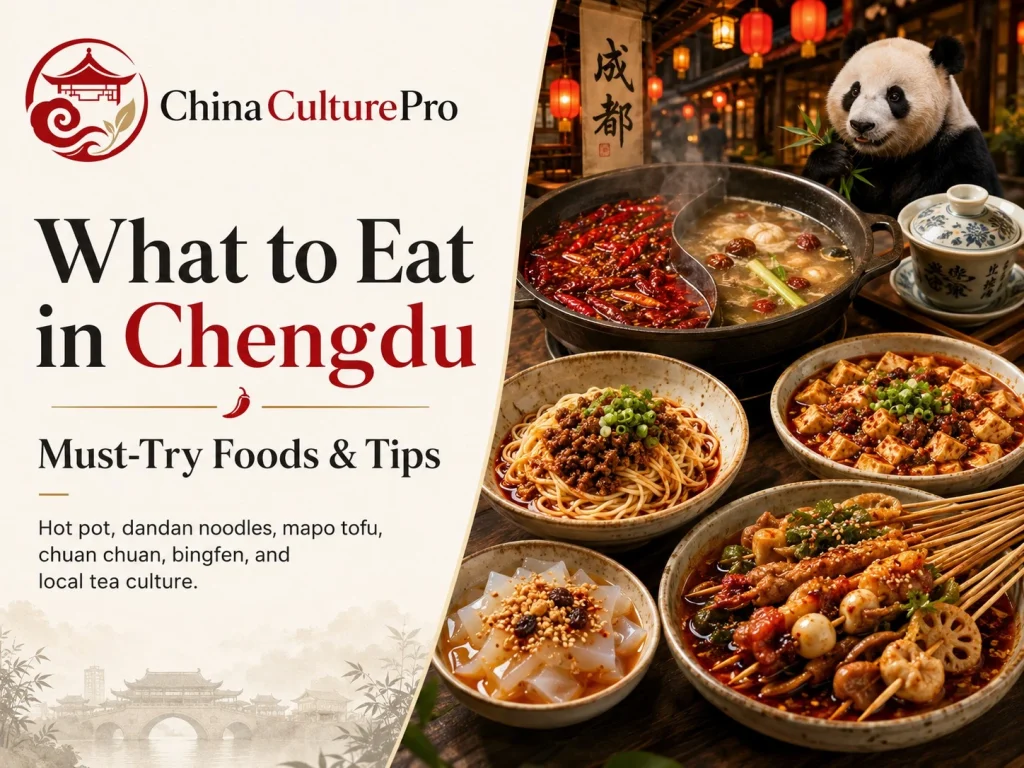
Discover what to eat in Chengdu, from hot pot and dandan noodles to rabbit head and bingfen, with spice, ordering, budget, and food-safety tips for your trip.

Zongzi is traditionally eaten hot to enhance the sticky rice’s soft texture and release its aroma. Cold zongzi exists but is less common.
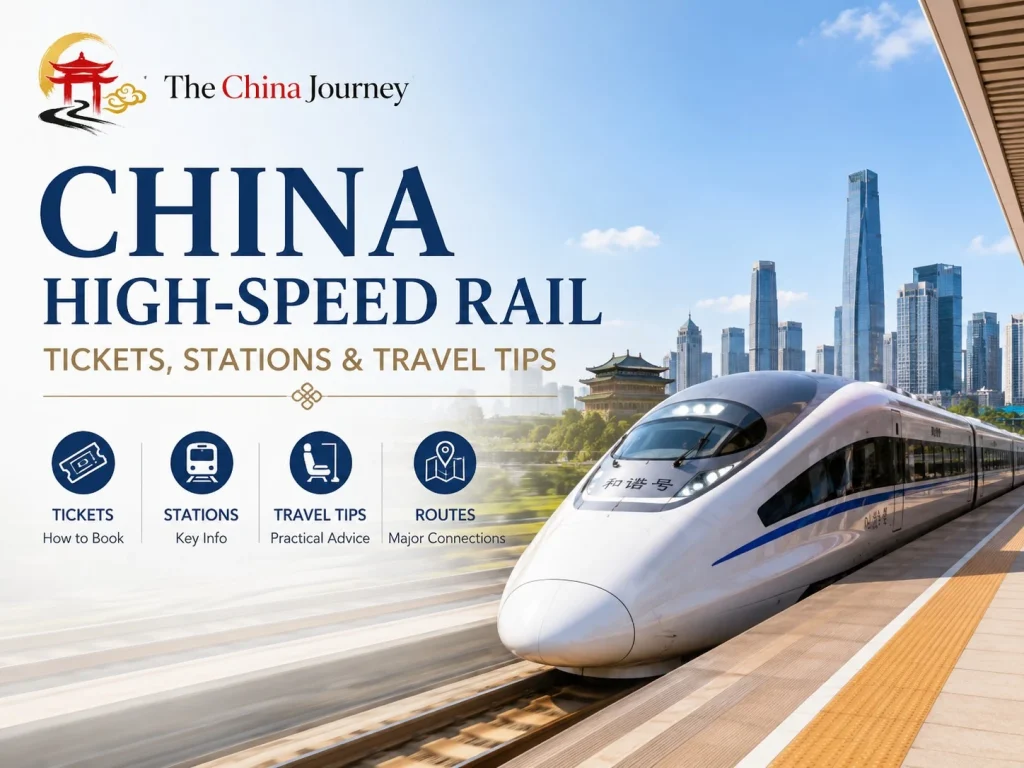
Discover everything about China’s high-speed rail: routes, trains, tickets, and tips for foreign travelers. A complete 2025–2026 guide to China HSR.

Share your travel ideas, and we’ll help you plan a smooth, personalized trip across China.

Share your travel ideas, and we’ll help you plan a smooth, personalized trip across China.
We’re looking for experienced, part-time local guides to serve international travelers.
Requirements:
• Fluent in at least one foreign language
• 3–5 years guiding international visitors
• Able to operate in multiple regions in China
• Competitive and reasonable pricing
• Proven customer reviews or testimonials
• Professional, reliable, and responsive
• Flexible availability for custom trips
Hi there!
Just a quick heads-up — a helpful user named Volker let me know that some of the non-English content on this site may not be accurate.
This site is a one-person project I run part-time. I research and publish all the content myself, and the translations are currently done by machine (Google Translate). Balancing accuracy and accessibility across multiple languages is a real challenge.
If you spot any errors, I recommend switching to the English version using the button at the bottom left. I’ll continue working to improve the translations over time.
I truly appreciate your understanding. And if you have any suggestions, feel free to leave a comment — it means a lot to me.
— Anthony 2025.6.18


