

Nanning is not one of China’s major classic sightseeing cities. It works better as a base, a gateway, and a low-pressure provincial-capital stop. Its real strengths are greenery, food, city comfort, Guangxi route value, and practical access toward Vietnam rather than dense landmark tourism inside the city itself.
This guide helps you decide whether Nanning is worth adding to your route, how many days to stay, what to prioritize in the city, and how to use it well within a wider Guangxi or cross-border trip.
| Field | Quick take |
|---|---|
| Chinese name | Nanning (南宁) |
| Province role | The capital of Guangxi and the region’s main political, transport, and urban center |
| Best first-time role | A gateway city for wider Guangxi travel and a practical base for cross-border routes |
| Best known for | Green urban environment, easy city comfort, local food, and route value more than major standalone sights |
| Best trip length | 1–2 days for the city only; 3–5 days if using it as a base |
| Best time to visit | Autumn first, then winter or spring depending on route and weather tolerance |
| Best for | Guangxi first-timers, low-pressure city travelers, food-focused visitors, and regional route planners |
| Easy pairings | Detian Waterfall, Mingshi Scenic Area, Bama, and Vietnam-bound routes |

Nanning is in southern Guangxi and works as one of the region’s easiest transport entry points. It makes the most sense when used as both a city stop and a wider travel organizer.

For most travelers, Nanning makes more sense as a useful base than as a major standalone destination. That is the clearest answer. For the right traveler, 1–2 nights in the city still makes sense, especially if you want a softer provincial-capital stop before or after wider Guangxi travel.
Worth staying for…
Better mainly as a gateway if…

Nanning works best when your travel style matches what the city actually offers. It is not a landmark-heavy classic city break. It is better for travelers who value route structure, easier pacing, food, and regional usefulness rather than nonstop headline sightseeing.
Good fit for…
Maybe not ideal if…

This is the city core and the clearest first stop in Nanning. It matters because it shows why the city feels greener, slower, and more comfortable than many other provincial capitals. It is best for first-time visitors, families, and travelers who want one strong outdoor landmark without leaving the city. In the trip, it usually belongs on Day 1, ideally in the morning or late afternoon. If time is short, keep this. It is the last city stop you should cut because it carries the strongest Nanning-specific value.

This is the Guangxi cultural overview layer and one of the most useful stops if Nanning is part of a wider regional trip. It matters because it gives first-time visitors a clearer understanding of Guangxi’s ethnic, cultural, and regional identity before moving on to the countryside or border areas. It is best for museum travelers, first-time Guangxi visitors, and route planners. In the trip, it fits well on the same day as Qingxiu Mountain or as a lighter afternoon stop. If time is short, keep it if you want province-level context; cut it before Qingxiu Mountain if your priority is outdoor city experience.

This is the relaxed city layer and one of the easiest ways to feel Nanning’s everyday rhythm. It matters because the city is not mainly about big-ticket attractions; part of its value is comfort, greenery, and low-pressure urban life. It is best for travelers who enjoy walking, people-watching, and quieter city time between bigger route segments. In the trip, it works well as a morning walk, sunset stop, or lighter second-day activity. If time is short, cut this before Qingxiu Mountain and the museum, but keep it if your trip is more about city mood than sightseeing checklist.

This is the local-life layer and one of the strongest reasons to spend at least one evening in Nanning. It matters because food is one of the city’s clearest strengths, and this is where the trip starts to feel lived-in rather than purely functional. It is best for food-focused travelers, first-time visitors, and anyone who wants a stronger sense of local energy at night. In the trip, it belongs in the evening, ideally after a lighter daytime schedule. If time is short, keep at least one proper night food stop, even if you cut other smaller city activities.

This is the secondary city-texture layer. It matters because it adds a little more historic atmosphere and walking interest to a city whose value is not built around dense headline attractions. It is best for travelers who like slower strolling, local-style commercial streets, and a more layered urban feel beyond parks and museums. In the trip, it works well before dinner or as part of an evening city walk. If time is short, cut this before Qingxiu Mountain, the museum, and the food layer. It is worth adding, but it is not a core reason to come to Nanning.

This is a family-only optional stop rather than a standard first-time priority. It matters mainly if you are traveling with children and want something easy, familiar, and lower-pressure between bigger route days. It is best for family travelers who need a flexible half-day activity and are not trying to maximize Guangxi culture or route structure. In the trip, it fits as a half-day city activity rather than something to build the trip around. If time is short, cut this immediately unless you are traveling with kids and specifically want a zoo-based stop.

This is not one single attraction, but a useful way to make Nanning feel better used. It matters because the city often works best through one simple block of everyday travel: a café break, a mall stop, a riverfront walk, or a slower local meal rather than another formal sight. It is best for travelers who want a softer city break and do not need every hour filled with named attractions. In the trip, this usually fits on Day 2 or before departure. If time is short, keep this only if your route needs breathing room; otherwise cut it for higher-priority regional travel.

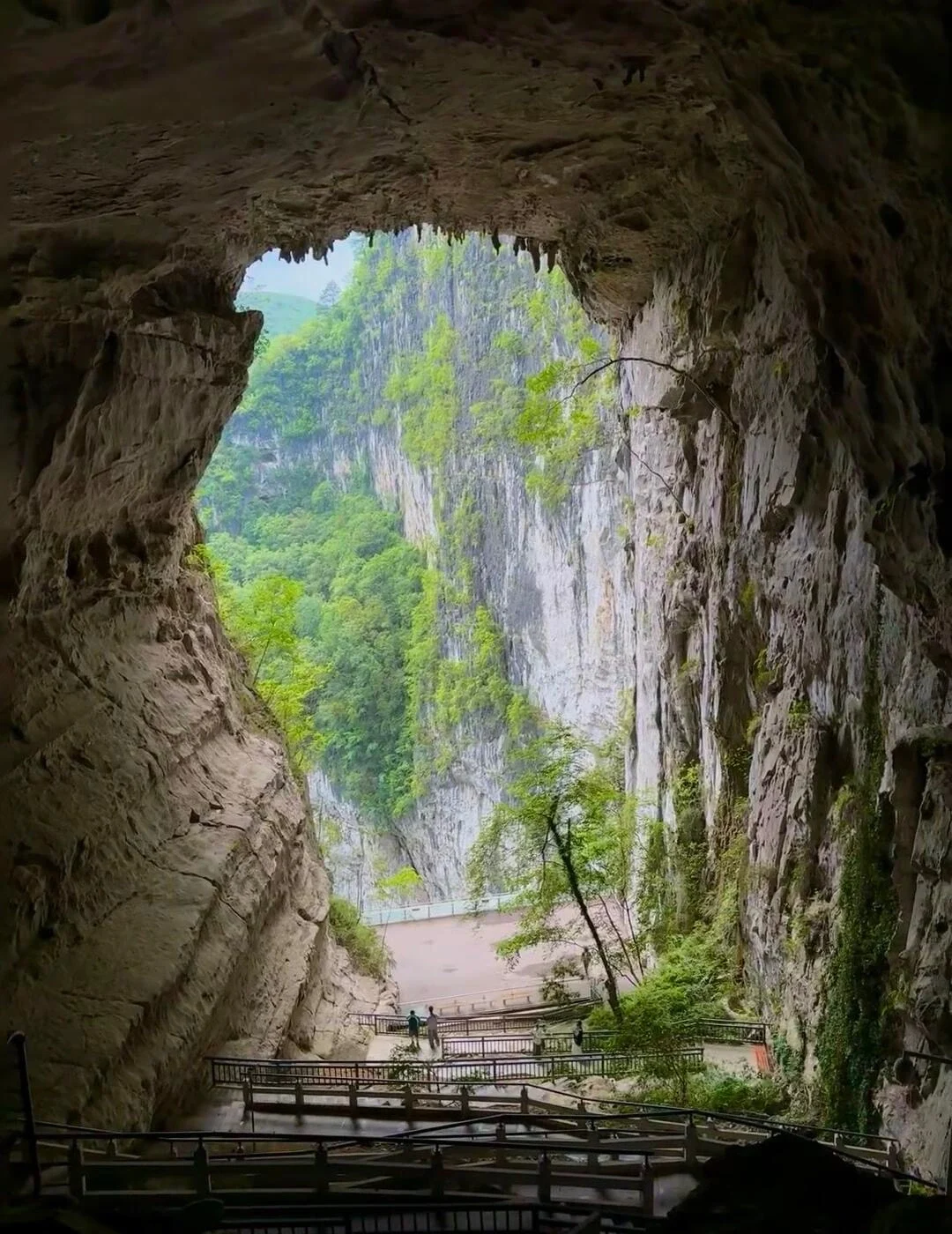
This is the strongest classic trip from Nanning and the clearest reason many travelers use the city as a base. It is a major transnational waterfall on the China–Vietnam border and one of the most visually impressive natural sights in the region. From Nanning, the trip usually takes around 3.5–4 hours each way by road, so it works best as an overnight route or a very long day trip only if your timing is tight. It suits first-time Guangxi travelers, photographers, and scenery-first visitors. Yes, it is worth it. If you are building a Nanning-based route, this is the highest-priority surrounding destination.

Mingshi is the softer, slower, more atmospheric partner to Detian rather than a substitute for it. It is a karst rural landscape of river, fields, village scenery, and calm mountain backdrops, often described as a more relaxed Little Guilin type of experience. It is usually paired with Detian because it sits in the same wider southwestern Guangxi travel zone and makes much more sense as part of an overnight route than as a rushed out-and-back. It suits couples, photographers, and travelers who want scenery with less intensity. Yes, it is worth adding if you want the Nanning route to feel more complete and less one-note.

Tongling is the stronger adventure and light-hiking option in a Nanning-based southwestern Guangxi route. It is a canyon-and-waterfall landscape with a more active, terrain-based experience than Mingshi, and it adds variety if you do not want your trip to be only about viewpoints and village scenery. From Nanning, it is too far and too scattered to feel efficient as a casual city day trip, so it works best when combined with Detian and nearby areas over 2–3 days. It suits active travelers, nature lovers, and people who want something more dynamic. Yes, it is worth it for the right travel style, but not for everyone.

Bama is the most human-interest-driven option around Nanning rather than the most visually dramatic one. It is known for longevity culture, cave environments, and wellness-themed rural travel, which makes it quite different from the Detian–Mingshi line. The distance from Nanning is longer and the logic is less efficient for a quick first trip, so it usually makes more sense only if you are specifically interested in health culture, slower county-level travel, or a different side of Guangxi. It suits deeper travelers more than checklist visitors. It can be worth it, but only if your interest is genuinely aligned with what Bama offers.

This is the most geology-heavy and route-demanding option around Nanning. It is a dramatic sinkhole landscape and one of the region’s more specialized natural wonders, but it is not the easiest fit for a standard first-time Guangxi trip because the travel time is long and the route is less forgiving. It suits geology-focused travelers, deeper explorers, and people who want something more unusual than the mainstream Detian route. It is worth it for serious nature or landscape travelers, but not as a default add-on. For most first-time visitors, it ranks below Detian and Mingshi in route efficiency.
Nanning works best when you match the stay length to its real role. This is usually not a city that needs many sightseeing days on its own. The right answer depends on whether you want only the city, or whether you are using it as a base for wider Guangxi or Vietnam-linked travel.
It also helps to decide How Long to Spend in China before fixing the Guangxi part of your wider route.

Who it’s for
Travelers with limited time who still want a useful first look at Nanning rather than treating it as only a transport stop.
Route logic
Keep the day focused on city essentials only: one strong outdoor core, one lighter overview or relaxed city layer, and one evening food stop. Do not try to force outer Guangxi into the same day.
Main stops
Qingxiu Mountain, then either Guangxi Museum of Nationalities or Nanhu Park depending on whether you want more culture or more relaxation, followed by a proper night food stop in the evening.
Why this itinerary works
This is the cleanest one-day structure because it shows what Nanning does best without pretending the city is landmark-heavy. You get the green-city core, one secondary city layer, and a proper local-food ending. It keeps the day useful, realistic, and low-pressure. For one day, that matters more than trying to squeeze in too many scattered stops and ending with a city that feels thinner than it really is.

Who it’s for
Most first-time visitors who want the most mature city answer and do not want the stop to feel either rushed or underused.
Route logic
Day 1 covers the city’s strongest identity. Day 2 adds Guangxi context and a slower local-life layer, which is important because Nanning is better as a comfortable provincial-capital stop than as a checklist city.
Main stops
Day 1: Qingxiu Mountain, then the Zhongshan Road night food layer.
Day 2: Guangxi Museum of Nationalities, Nanhu Park, and Three Streets and Two Lanes, with room for a slower café stop, local walk, or flexible evening.
Why this itinerary works
This is the strongest city-only structure because it balances greenery, regional culture, relaxed urban space, and food. It gives Nanning enough time to feel intentional without forcing more city sightseeing than the destination can really support. For most first-time travelers who are not rushing straight onward, 2 days is the best answer because it makes the city feel complete rather than purely functional.

Who it’s for
Travelers who want to use Nanning properly as a base rather than only as a city break.
Route logic
Use one day for the city itself, then shift quickly into the strongest nearby classic route. The key is not “more Nanning,” but “Nanning plus the right regional extension.”
Main stops
Day 1: Qingxiu Mountain, one lighter city layer, and a proper night food stop.
Day 2: Depart for the Detian–Mingshi line.
Day 3: Continue that nearby route and return, or structure it as a smoother overnight loop depending on transport style and pace.
Why this itinerary works
This is where Nanning starts to make the most practical sense. You get enough of the city to understand its identity, then use its biggest strength: route access. The Detian–Mingshi combination gives the scenic payoff that many city-only Nanning plans cannot provide. For first-time Guangxi travelers, this is often the most useful format because it combines urban comfort with one of the region’s strongest nearby landscape routes.

Who it’s for
Travelers building a wider Guangxi plan or using Nanning as a practical step inside a Vietnam-linked route.
Route logic
Treat Nanning as the organizer, not the star attraction. Arrive, use the city for one short but useful stop, then continue outward with clearer route efficiency.
Main stops
Inside the city, keep the structure tight: Qingxiu Mountain, one food layer, and maybe one Guangxi overview stop. After that, move onward toward places such as Detian, Mingshi, Bama, or your Vietnam connection depending on the larger plan.
Why this itinerary works
Nanning is especially strong when it plays a support role inside a bigger route. It gives you an easy entry point, a comfortable provincial-capital pause, useful food and city life, and efficient onward logic. That is where its value becomes highest. For many travelers, Nanning is not the place with the biggest headline payoff, but it is the city that makes the wider route work better.
If you are shaping a bigger route as well, it helps to align this with How to Plan a China Trip.
Nanning can work in more than one season, but the right choice depends less on temperature alone and more on how you want to use the city: as a relaxed city stop, a food-focused base, or the starting point for wider Guangxi or Vietnam-linked travel. For a broader seasonal comparison, see Best Time to Visit China.
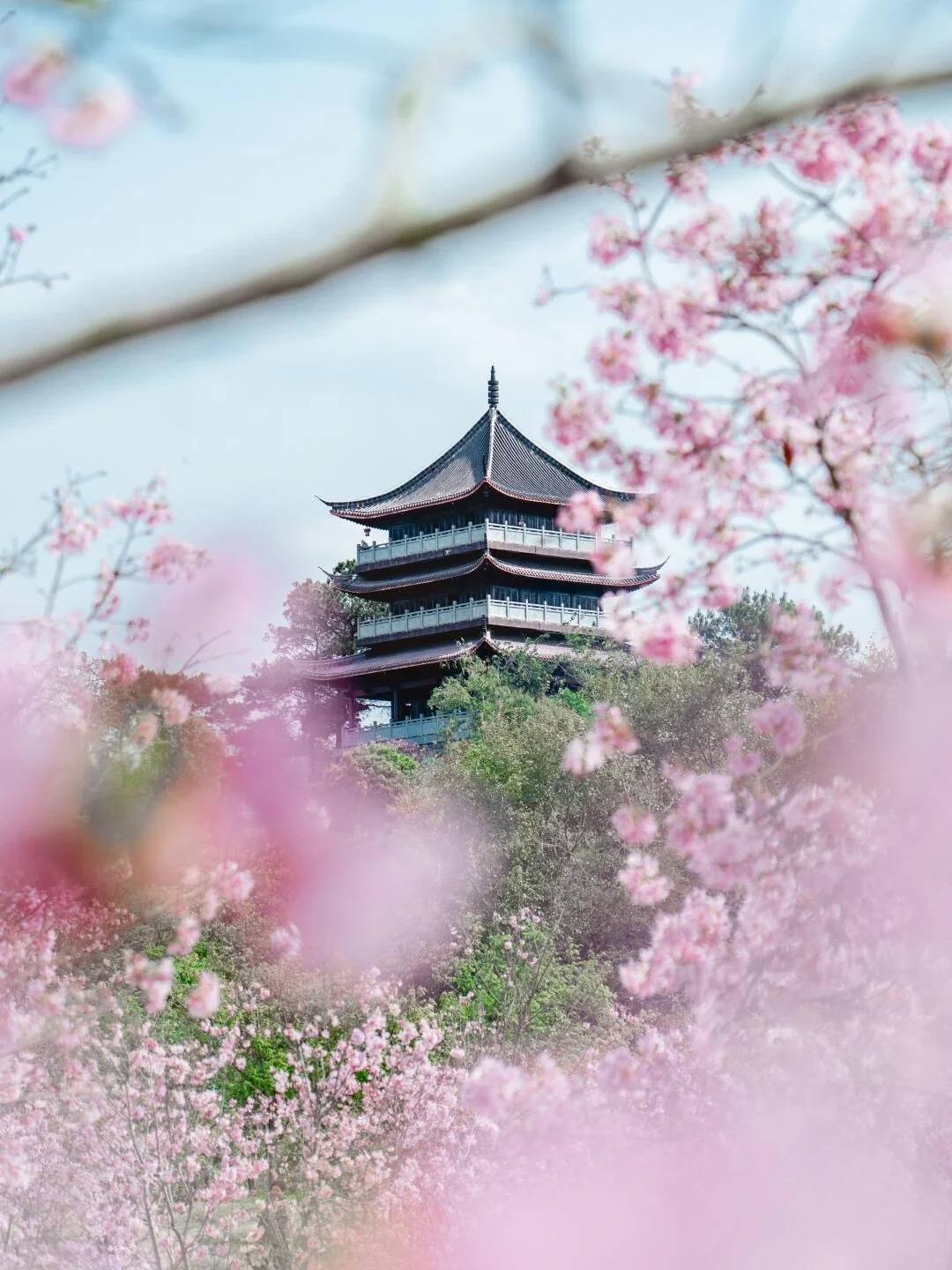
Spring is workable and often pleasant in theory, but in practice it can be wetter than many first-time visitors expect. That matters because Nanning is a city where comfort comes from walking, park time, and easy movement rather than headline indoor sightseeing alone. The city still works well in spring, especially for food exploration and lighter urban days, but route planning should stay flexible. If you are building in nearby day trips, keep an eye on rain and road conditions rather than assuming every day will feel clean and easy.

Summer is the hardest season for most travelers. The issue is not just heat, but the combination of heat and humidity, which makes city walking slower and more tiring than the map suggests. Food still works well, especially in the evening, but daytime sightseeing can feel draining. This is also the season when outer trips become more demanding, because even strong scenic routes are less comfortable if you spend too long in transit or outdoors. Summer is usable, but it is usually not the smartest first-choice season.

Autumn is the strongest overall season and the safest first answer for most travelers. City comfort improves, walking becomes easier, and food exploration feels much more enjoyable because you are not constantly managing heat or rain. It is also the best season for using Nanning as a base, since nearby routes tend to feel smoother and more practical. If you want the city to feel relaxed and the surrounding travel logic to work well, autumn is usually the best time to come.
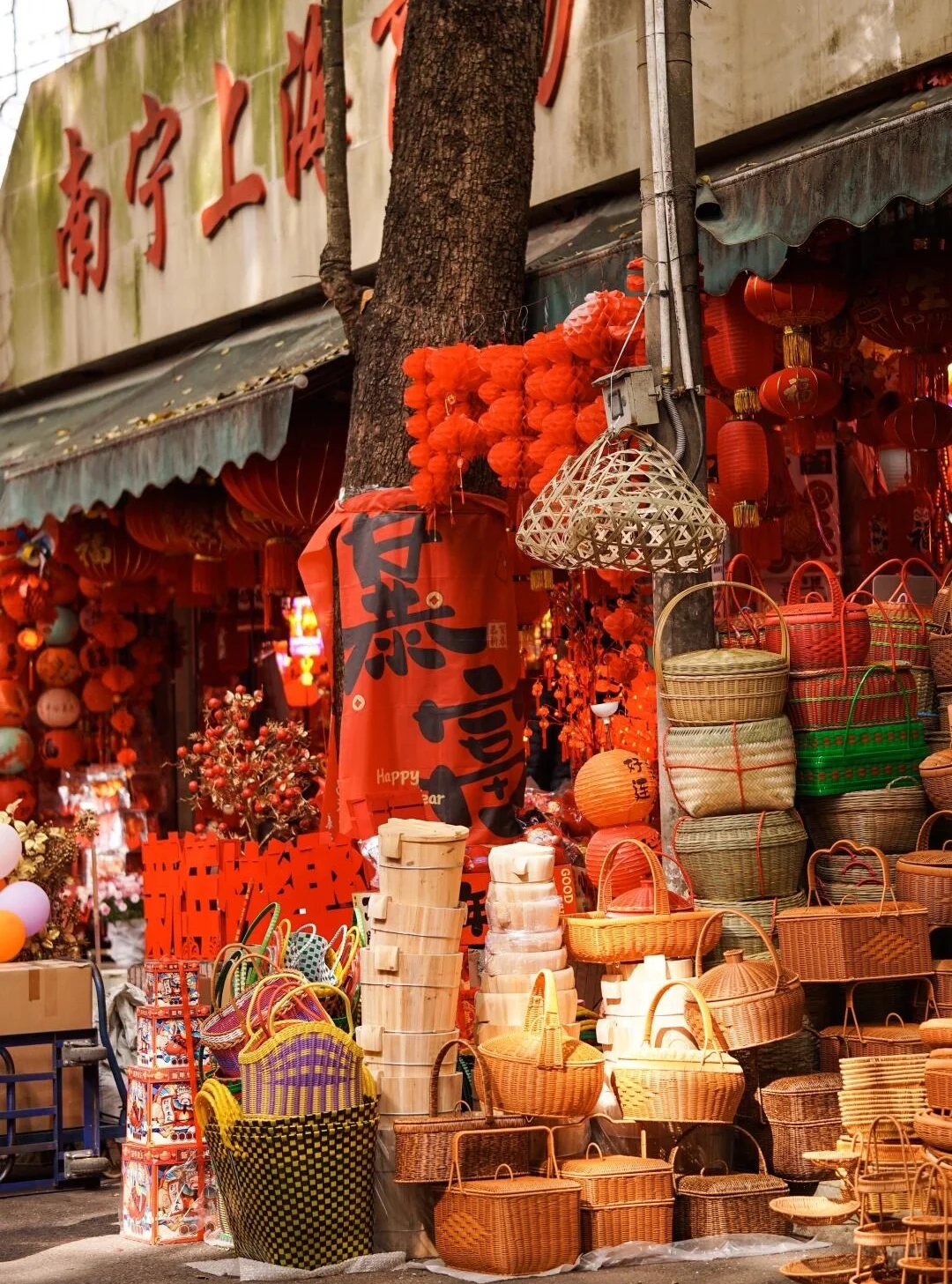
Winter is mild and very usable, especially compared with colder parts of China. This can make it a very good low-pressure season for travelers who value comfort over peak scenery. City walking is easier, the food layer feels stronger, and Nanning’s role as a calm base becomes clearer. It is not always visually dramatic, but it can be one of the easiest seasons for a relaxed city stop plus onward travel.
Nanning is easy to reach and makes practical sense as a travel entry point, which is one of the main reasons it matters more as a base than as a pure standalone city break. For a broader transport overview, see China Transportation Guide.

Flying into Nanning is straightforward, and the airport is especially useful if your wider plan involves Southeast Asia as well as southern China. This matters because Nanning is not just a Guangxi city stop; it also works as a regional connector. For travelers coming from farther away or linking multiple countries, air access makes the city an easy place to begin, pause, or reorganize a route.

High-speed rail matters a lot here. In practical trip planning, this is one of Nanning’s biggest strengths. The city is well connected inside Guangxi and also fits naturally into wider southern China routes, which makes it easy to use as a base without losing too much time in transit. If you are traveling deeper into Guangxi, rail is often the cleanest and most useful way to structure the trip.
Vietnam access is a major strategic strength and one of the clearest reasons Nanning stands out. Even if the city itself is not your final highlight, it works very well as a transition point for cross-border planning. That gives Nanning a role that many other provincial capitals do not have: it is not just easy to enter, but easy to use as a wider regional bridge.
Nanning is not difficult to handle independently. The city is manageable, the metro is useful, and taxis are easy, which is one reason it works well as a low-pressure provincial-capital stop rather than a stressful logistics city.
| Route | Best way | What to know |
|---|---|---|
| Airport / station ↔ city center | Metro, taxi, or ride-hailing | All are workable. Metro is good for cost control, while taxis are easier with luggage. |
| Core city sightseeing | Metro + short taxi rides | The metro is useful enough for most first-time visitors, especially when linking major city areas. |
| Parks, museum areas, food streets | Metro or ride-hailing | Distances are manageable, and switching between metro and car is usually easy. |
| Short urban hops | Taxi or ride-hailing | Convenient and usually simple enough not to overthink. Good when heat, rain, or timing matters. |
| Flexible local movement | Shared e-bikes | Useful for shorter distances if you are comfortable with them and want more local-style mobility. |
| Outer trips beyond the city | Tour, private car, or more deliberate planning | These need more planning than city sightseeing. Nanning is easy; the surrounding routes are where logistics matter more. |
The simple rule is this: city travel is manageable on your own, but outer trips usually need more deliberate transport planning than the city itself.
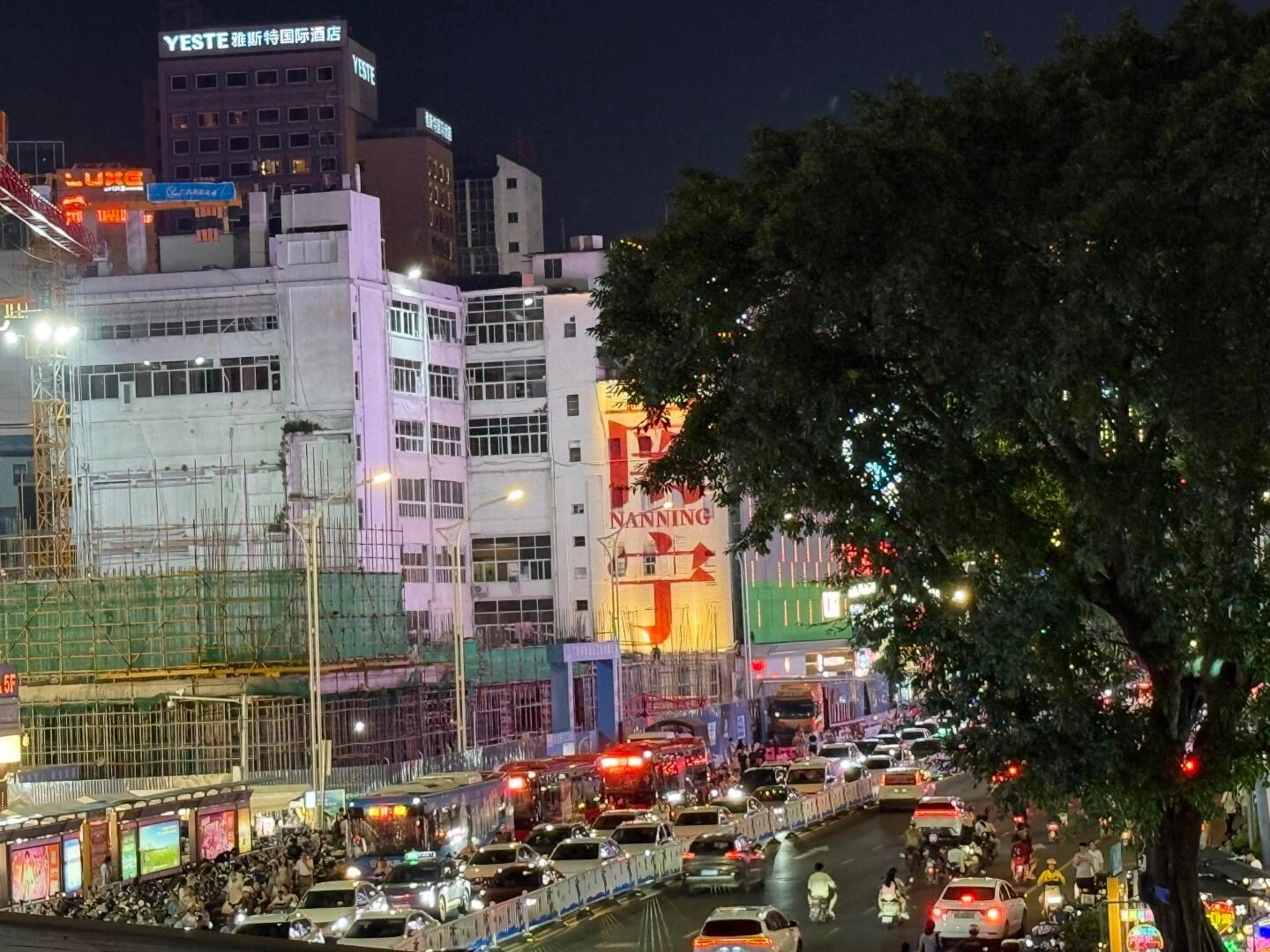
See also: Where to Stay in Nanning

Food is one of Nanning’s strongest travel layers and one of the clearest reasons the city feels worthwhile even when its sightseeing density is not especially high. Do not chase a perfect best-in-the-city list. Use meals to understand the city’s rhythm: breakfast for noodles, one proper local main dish, and night-market snacks for atmosphere.
The practical food rhythm is simple: start with a real local breakfast, fit one proper regional main dish into lunch or dinner, and let the night-market layer carry the evening atmosphere. That gives the city more shape than trying to “eat everything.”
Prioritize one strong bowl of laoyou rice noodles for breakfast, one proper lemon duck meal, and one relaxed night-food session with small snacks. That is enough to make food feel like a major strength of the trip without turning Nanning into a pure food mission.
Nanning is generally an affordable provincial capital, especially compared with China’s top-tier cities. Food, taxis, metro rides, and comfortable hotels are all fairly manageable, which makes it a practical place for both a short city stop and a wider Guangxi base. For a broader budget benchmark, see Cost to Travel in China.
| Travel style | Typical daily cost (per person) | What it usually includes |
|---|---|---|
| Budget city stop | RMB 220–380 | Simple hotel, metro and short taxi rides, local noodles and casual meals, parks, museums, and light city sightseeing |
| Mid-range classic Nanning trip | RMB 380–700 | Comfortable hotel, mixed metro and ride-hailing use, stronger food choices, Qingxiu Mountain, museum visits, and a relaxed 1–2 day city plan |
| Comfortable regional-base trip | RMB 700–1,200+ | Better hotel, frequent taxis, more flexible dining, smoother station or airport access, and room for easier regional travel planning |
Overall, Nanning is easy to keep within a reasonable budget unless you build the trip around longer regional extensions or more comfortable transport choices.
It also helps to review broader China Travel Tips and think ahead about What to Pack for China before finalizing the route.

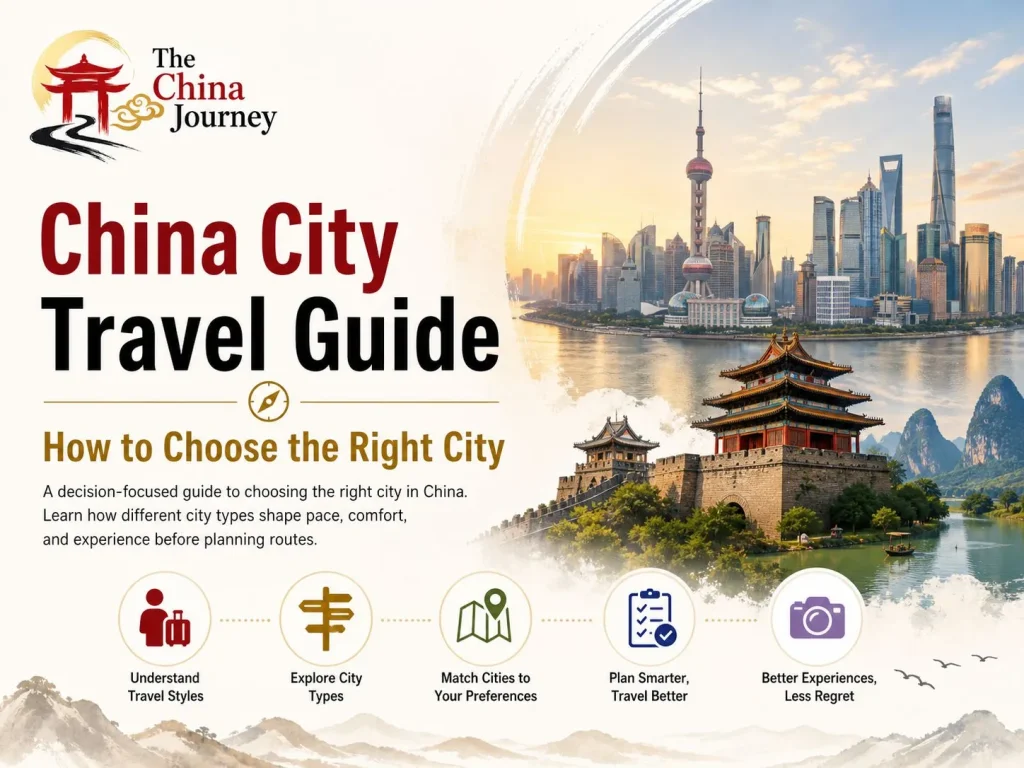
A decision-focused guide to choosing the right city in China. Learn how different city types shape pace, comfort, and experience before planning routes.

A complete guide to traveling in China by train, plane, metro, and car. Learn how to arrive, move between cities, and travel safely as a foreign visitor.
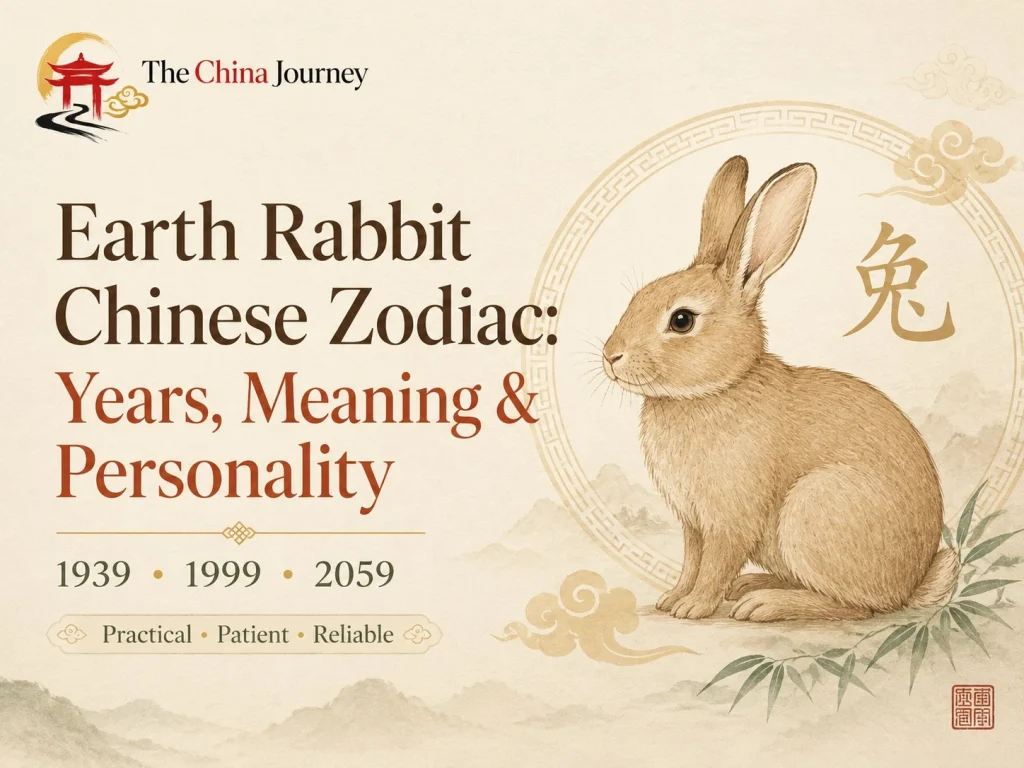
Learn Earth Rabbit years and exact dates, Ji-Mao meaning, City-Wall Earth Na Yin, personality traits, compatibility, and Five Element Rabbit differences.

Discover the ultimate Shanghai travel guide with must-visit attractions, practical tips, dining recommendations, and transportation advice for an unforgettable trip!

Explore the beauty of Chinese paper cutting, an ancient art form embodying rich cultural heritage, intricate designs, and symbolic meanings of prosperity.
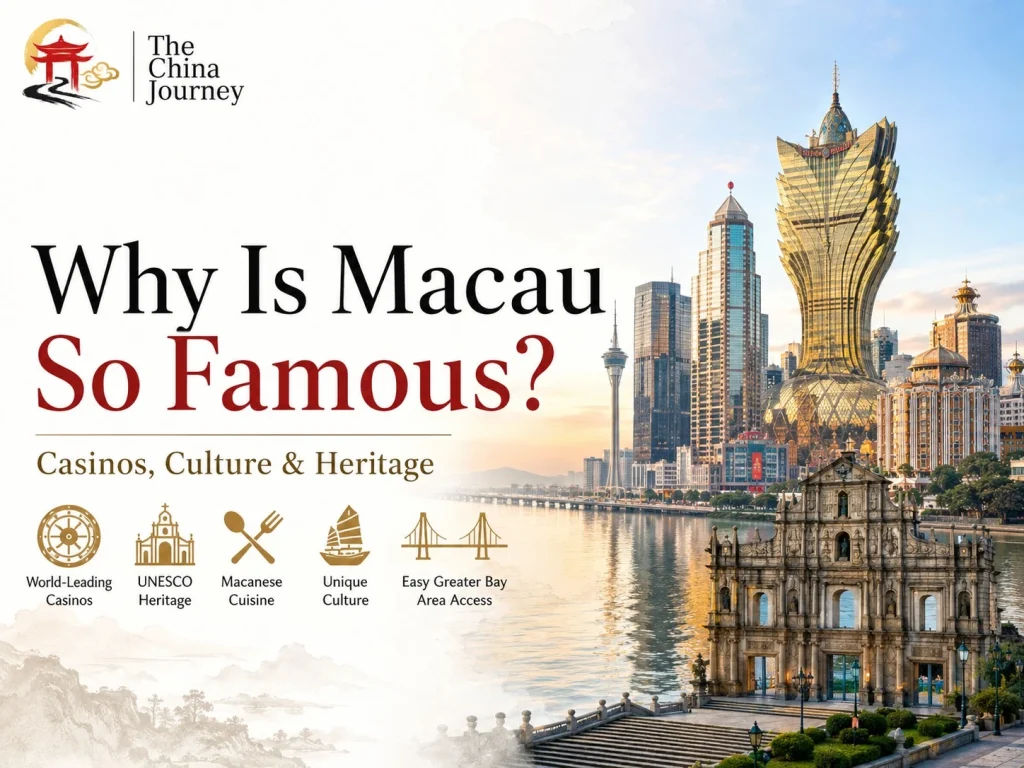
Macau is famous for world-leading casino resorts, Chinese-Portuguese culture, UNESCO heritage, Macanese food, and easy Greater Bay Area access.


