 Written by
Anthony
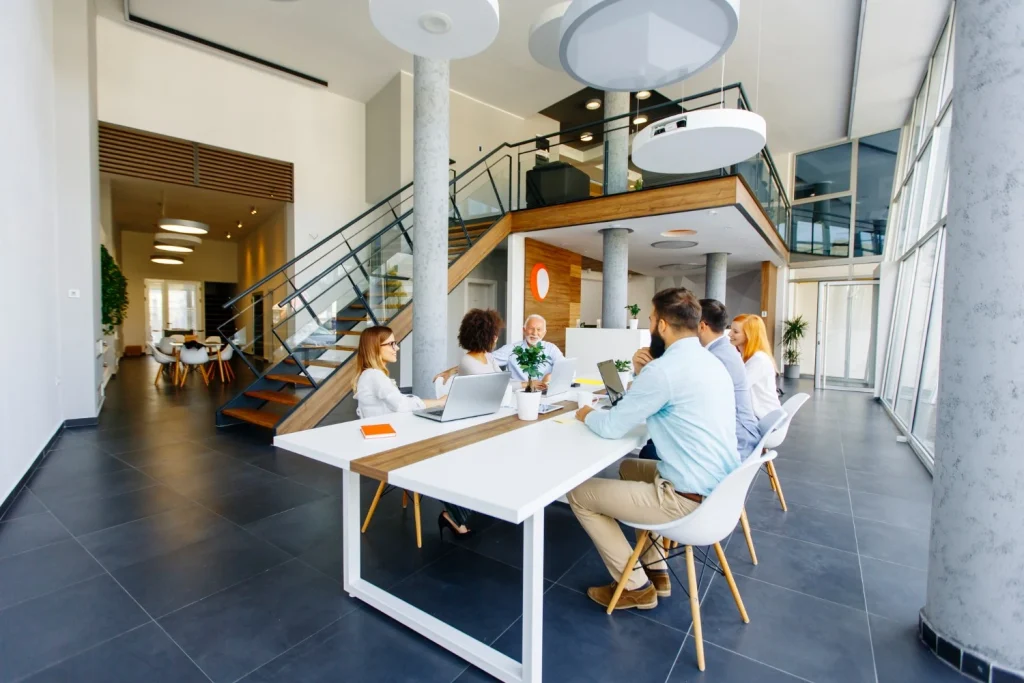
Did you know your office setup could be affecting your success? Feng Shui, the ancient Chinese art of energy balance, is more than just moving furniture—it’s about creating a space that supports focus, teamwork, and prosperity.
In a busy workplace, energy (or “qi”) flows through people, furniture, and even the air. When that energy gets blocked or imbalanced, it can lead to stress, poor communication, or missed opportunities. But when the flow is smooth and the environment is balanced, everything feels easier—decisions come faster, teamwork improves, and you feel more in control.

Some people think Feng Shui is just superstition. In truth, it’s closely tied to environmental psychology. It’s about understanding how space affects mood, behavior, and performance. With just a few smart changes, your office can become a more productive, inspiring place to work. Let’s explore how.
To create a thriving office, Feng Shui starts with three big ideas: the five elements, energy flow, and the balance of yin and yang.

In Feng Shui, everything belongs to one of five natural elements:
Wood: Plants, bookshelves, wooden desks
Fire: Lighting, electronics, red accents
Earth: Stone surfaces, pottery, earthy tones
Metal: Office chairs, frames, white or gray tones
Water: Blue or black decor, fountains, mirrors
Each element supports or weakens others. For example, too much metal in the Northwest can weaken leadership energy—an issue if your executive team sits there. The key is mixing the elements to keep things balanced. Add a plant (wood) or a soft rug (earth) if things feel off.
Energy—or qi—should move gently through your office. Avoid having a door open straight into a hallway or a desk. That creates a rush of energy that can stress people out or “leak” success.
Instead, use partitions, tall plants, or furniture to guide the energy gently and prevent it from escaping too fast.
Every workspace needs a mix of yang (active) and yin (calm) areas:
Yang: Desks, meeting zones, brainstorming areas
Yin: Lounge spaces, quiet rooms, break areas
Too much yang? People get tired or anxious. Too much yin? Motivation drops. Balance it with soft lighting in rest areas and brighter lights where work gets done. Use natural textures like wood or stone to soften high-energy areas.
Where things are placed in your office matters—a lot. Feng Shui uses the Bagua map, an energy grid, to guide how spaces influence success, relationships, and well-being.

Here’s how to make your office layout work with energy, not against it:
Northwest (Leadership Zone)
Perfect for executive offices. It supports authority and smart decision-making. Use neutral colors, metal elements, and keep the space clutter-free.
Southeast (Wealth & Growth Zone)
Place a jade plant, lucky bamboo, or small water fountain here. It attracts prosperity and fresh ideas.
East (Health & Creativity Zone)
Great for creative or R&D teams. Add wood textures and green decor to boost inspiration and energy.
Southwest (Relationships Zone)
Ideal for HR departments, client relationship teams, or meeting rooms. Use soft lighting, family or partnership photos, and earth tones.
Some spots are best left undisturbed—or treated with care:
Center of the office
This area represents the heart or health of your company. Placing restrooms or storage here can block good energy or cause tension.
West or Southwest for bathrooms
These are earth areas, and bathrooms bring in water—this creates a clash. Balance with plants or ceramic decor to harmonize.
Bad energy can rush in or escape through poor door placements. Be mindful of these:
Avoid:
Office door facing a bathroom, stairwell, or directly across from the boss’s office (conflict and instability)
Fixes to redirect energy:
Use tall indoor plants, curtains, screens, or crystal spheres near the entrance to soften sharp flow
Hang a mirror sideways, not facing doors, to reflect energy safely
Your desk isn’t just where you work—it’s where energy flows in and out. In Feng Shui, the desk is your power center, so placing it right can boost focus, confidence, and career growth.

This simple rule can change everything:
Sit facing the door, so you see opportunities coming.
But don’t sit directly in line with the door—that’s too much fast energy. Angle the desk or add a plant between.
Always keep your back against a solid wall or a tall cabinet. It gives symbolic “support” and makes you feel more secure.
Different roles, different directions:
Executives: Face North to build steady leadership and calm decision-making.
Employees: Face East for fresh ideas or South for more motivation and drive.
Avoid placing desks:
Under heavy beams (creates pressure)
In line with sharp door corners (cuts through energy)
Clutter blocks creativity and brings stress. Keep it clean:
No stacks of paper under the desk
Hide wires, chargers, and messy files inside closed storage
Use drawer organizers or baskets to group items by purpose
A clean desk helps qi (energy) flow smoothly—and helps you focus better too.
Good Feng Shui isn’t just about where your desk goes—your furniture, shelves, and even decor play a big role in how energy moves through your office.

Storage should support you, not overpower you. Here’s how:
Keep bookshelves or cabinets lower than your head when sitting. Too tall can feel heavy and stressful.
Place them on your right side when seated—this is the White Tiger position, which symbolizes support and protection in Feng Shui.
Make sure shelves are organized. Messy books = scattered thoughts.
A few simple items can shift energy in a big way:
Yellow crystal: Attracts prosperity and financial luck. Place it in the southeast or wealth corner.
Amethyst: Calms stress and builds team harmony. Great for conference rooms or near shared spaces.
Symbolic art:
A sailing ship moving into the room = success coming your way.
A mountain painting behind your chair = strong support.
Bamboo prints = steady growth.
Plants bring fresh qi and balance the five elements—just place them right:
Southeast (Wealth area): Try a money tree or jade plant to attract abundance.
West (Metal zone): Use white jasmine to soften harsh energy.
🚫 Avoid:
Cactus or spiky plants: These can trigger tension and conflict among coworkers.
Dried or dying plants: They block energy instead of helping it flow.
A well-decorated space doesn’t just look good—it feels good too.
The colors and materials you choose in your office aren’t just about style—they shape how energy flows and how people feel in the space.

Use color like a compass to energize different parts of your office:
East → Green (Wood): Boosts creativity and fresh ideas. Perfect for brainstorming zones.
South → Red accents (Fire): Sparks motivation and energy. Use in moderation—think a red lamp or artwork.
West/Northwest → White or Gold (Metal): Helps focus and productivity. Ideal for workstations and admin zones.
North → Blue or Black (Water): Supports calm thinking and good communication. Great for meeting or writing areas.
Tip: Stick to 2–3 main colors in a room to keep things balanced and avoid visual chaos.
Just like color, materials carry their own energy. Combine them with intention:
Wooden desks + ceramic mugs or pots = stability and grounded creativity.
Metal chairs + soft rugs = productivity balanced with comfort.
Stone accents or bamboo organizers add natural grounding and keep things feeling calm.
Whenever possible, use natural over synthetic materials. Stone, wood, and cotton hold energy better and help the space feel alive and balanced.
Even a well-decorated office can have energy traps. The good news? Most are easy to fix once you know what to look for.

Your back faces the door
This can cause stress and a lack of support—both physically and emotionally.
Bathroom or stairwell faces the main entrance
This pulls good energy (and money!) right out the door.
Overhead beams or sharp corners above your desk
These create pressure and “cut” through focus and flow.
Too many mirrors reflecting each other
Creates an energy loop or “vortex” that can scatter your thoughts.
Add a high-backed chair or place a bookshelf behind your seat to create a feeling of support.
Use a screen, plant, or curtain to block the view of bathrooms or staircases from the entrance.
Place a round rug under your desk to soften sharp energy and create grounding.
Hang a Bagua mirror on the outside window if sharp poles or buildings point toward your space.
Rearrange furniture to avoid sitting directly under beams or ceiling fans—move slightly forward or shift diagonally.
Remember: Feng Shui doesn’t require a full remodel—small shifts can make a big difference.
Today’s offices look very different from the traditional cubicles of the past. Open layouts, tech tools, and minimalist vibes are the new normal. But guess what? Feng Shui can still thrive—just with a modern twi

Zone without walls: Use semi-walls, open shelves, or tall plants to define work areas while keeping energy flowing.
Balance the “Dragon” and “Tiger”: In Feng Shui, the left side (when facing outward) is the creative zone (Dragon), while the right side is the support zone (Tiger). Keep creative teams or brainstorming areas on the left, and financial/admin teams on the right.
Less clutter, more clarity: Minimalism isn’t just trendy—it supports better qi circulation and mental calm.
Choose items with meaning: Think beyond just looks. A sailing ship sculpture = progress. A bamboo frame = steady growth.
Clean air = clean energy: Smart air purifiers and ventilation systems keep the space fresh and qi-friendly.
Eco materials enhance earth energy: Try bamboo pens, cork boards, and water-based wall paints.
Smart lighting: Use warm LED lighting that adjusts with the time of day—great for both energy and productivity.
The future of Feng Shui isn’t stuck in the past—it adapts with you, your tech, and your team.
Working from home? Good news—Feng Shui works just as well (maybe even better) in a home office. The goal? Turn your workspace into a “power spot” where focus, clarity, and energy flow naturally.

Pick a dedicated space: Even a small corner works—just don’t use the kitchen table or couch.
Face the door: This puts you in control. Can’t do that? Place a mirror to reflect the entry or use a plant for grounding.
Anchor the area: A small crystal, lamp, or tall plant behind or beside your desk gives support and stability.
Turn on light before you sit: This “activates” the space and signals it’s time to focus.
Burn incense or play calming sounds: This helps clear stagnant qi and puts your mind in work mode.
Bedroom setup: Mixing sleep and work disrupts rest and productivity.
Facing the toilet, clutter, or sharp corners: These block focus and can drain your motivation.
Under beams or sloped ceilings: Use tall bookshelves or tapestries to soften heavy energy.
🌟 Your home office should energize you, not exhaust you. Small tweaks can turn even a tiny desk into a powerful place of success.
Don’t worry—you don’t need to be a Feng Shui master to bring good energy into your office. Just follow these simple steps to get started.

Find your directions: Use a free compass app to map out your office zones.
Declutter your space: Clear out broken tech, tangled cords, and papers you never use. Energy gets stuck in mess!
Boost wealth energy: Place a crystal, jade plant, or mini fountain in the Southeast corner of your workspace.
Green it up: Add plants near corners or between desks to calm sharp energy.
Support yourself: Use a chair with a strong back—no more sitting with your back to open space.
Personalize with your birth chart: Find out your Chinese Zodiac or Five Element type. Then, match colors or shapes in your décor.
Flow with the seasons: Refresh your layout in spring, summer, fall, and winter to align with nature’s shifting qi.
Yes! Choose art or objects that symbolize motion, growth, or inspiration (like birds, mountains, or waves) to energize the space and encourage upward momentum.


Explore the Longmen Grottoes, a UNESCO World Heritage site featuring thousands of intricate Buddhist statues and carvings along the Yi River.

Discover the origins and cultural impact of China’s major religions—Buddhism, Taoism, Islam, Catholicism, and Protestantism—across history.

Daily spending in Beijing ranges from around ¥300 to over ¥1,500 (US$40–$210), depending on your travel style.
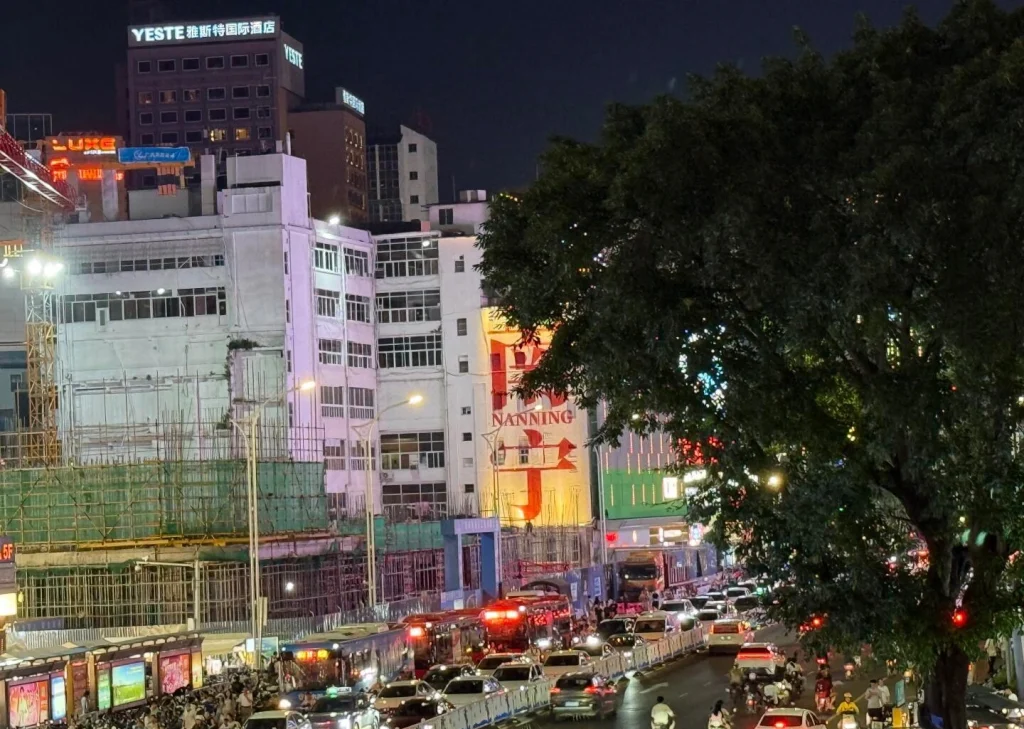
Find the best area to stay in Nanning for first-time trips, food streets, old-town walks, modern comfort, and practical rail or airport stopovers.

Plan 3 days in Xi’an with realistic routes for the Terracotta Army, City Wall, Muslim Quarter, Shaanxi History Museum and Big Wild Goose Pagoda.

No, the Terracotta Warriors are not buried people. They are life-sized clay statues made to replace human sacrifices in Emperor Qin’s tomb.

Share your travel ideas, and we’ll help you plan a smooth, personalized trip across China.

Share your travel ideas, and we’ll help you plan a smooth, personalized trip across China.
We’re looking for experienced, part-time local guides to serve international travelers.
Requirements:
• Fluent in at least one foreign language
• 3–5 years guiding international visitors
• Able to operate in multiple regions in China
• Competitive and reasonable pricing
• Proven customer reviews or testimonials
• Professional, reliable, and responsive
• Flexible availability for custom trips
Hi there!
Just a quick heads-up — a helpful user named Volker let me know that some of the non-English content on this site may not be accurate.
This site is a one-person project I run part-time. I research and publish all the content myself, and the translations are currently done by machine (Google Translate). Balancing accuracy and accessibility across multiple languages is a real challenge.
If you spot any errors, I recommend switching to the English version using the button at the bottom left. I’ll continue working to improve the translations over time.
I truly appreciate your understanding. And if you have any suggestions, feel free to leave a comment — it means a lot to me.
— Anthony 2025.6.18


