
 Written by
Anthony
Sitting high on Red Hill above the city of Lhasa, the Potala Palace is one of the most striking sights in the world — a vast complex of white walls, red halls, and golden roofs glowing under the Tibetan sun. Its silhouette alone tells you that this is not just a building, but a symbol of Tibetan identity.
More than a postcard landmark, the Potala Palace stands at the crossroads of history, faith, and art. It is a UNESCO World Heritage Site, a sacred center of Tibetan Buddhism, and a living witness to the rise of the ancient Tubo Kingdom. Inside its towering structure are centuries of murals, scriptures, relics, and stories that shaped Tibetan culture.
Name: Potala Palace (布达拉宫)
Location: Red Hill, Chengguan District, Lhasa, Tibet Autonomous Region, China
Altitude: Approximately 3,650 meters (11,975 feet) above sea level
Construction History: Originally built in the 7th century during the reign of Tibetan King Songtsen Gampo; expanded into its current scale in the 17th century under the Fifth Dalai Lama.
High Season (May 1 – October 31): Open from 9:00 AM to 3:40 PM (last entry)
Low Season (November 1 – April 30): Open from 9:30 AM to 3:20 PM (last entry)
Closed on Mondays
| Season | Route | Full Price | Discount Price |
|---|---|---|---|
| High Season (May–Oct) | Route 1 | ¥200 | ¥100 |
| Route 2 | ¥100 | ¥50 | |
| Low Season (Nov–Apr) | All Routes | ¥100 | ¥50 |
Note:
Route 1 includes core areas like the White Palace and Red Palace.
Discount tickets are available for eligible groups (students, seniors, etc.) with valid ID.

The Potala Palace traces its origins back to the 7th century, when Tibetan King Songtsen Gampo commissioned its construction to welcome his bride, Princess Wencheng of the Tang Dynasty. What began as a modest structure on Red Hill gradually evolved—especially during the reign of the Fifth Dalai Lama in the 17th century—into the grand palace complex we see today.
Over the centuries, the palace has transformed in function and meaning: from the royal residence of the ancient Tibetan kingdom, to the political and religious heart of Tibet under the theocratic rule of the Dalai Lamas, and now a UNESCO World Heritage Site and spiritual symbol of the Tibetan people.

The Potala Palace is one of the most sacred pilgrimage sites for followers of the Gelug school of Tibetan Buddhism (also known as the Yellow Hat sect). Inside, it enshrines thousands of gilded statues, sacred scriptures, and ritual objects.
Its most revered relics include the jeweled stupas (chorten) of the Fifth to Thirteenth Dalai Lamas—lavishly adorned with gold, silver, and precious gems—as well as exquisitely detailed thangkas and ancient hand-copied sutras. Together, they make the palace not just a religious center, but a vast cultural and artistic treasure trove.

This is the golden window for visiting Potala Palace. The morning light is soft, enhancing the contrast between the red and white walls without harsh glare—ideal for photography. Tour crowds are thinner before noon, offering a quieter experience inside the halls.
Mild temperatures (5–20°C), clear skies, and richer oxygen levels make this the most comfortable time, especially for first-time visitors to Tibet. Lush greenery and vivid skies provide a stunning backdrop for photos.
For a broader, country-wide seasonal overview, see Best & Worst Time to Visit China.
Potala Palace sits in the heart of Lhasa and is easily accessible from both the airport and train station. Here are the most convenient ways to reach it:
Airport Shuttle Bus – Line 3
Fare: ¥30
Travel Time: About 1.5 hours
Frequency: Every 30 minutes (operates 7:00 AM – 6:00 PM)
Convenient for budget travelers with moderate luggage.
Didi (App-based Ride Service)
Fare: ¥150–¥200
Travel Time: Around 1 hour
Best for comfort, speed, or group travelers.
Public Bus
Routes: No. 14 or Tourist Line 101
Travel Time: 30–50 minutes depending on traffic
Very affordable and connects directly to downtown Lhasa.
Didi Ride Service
Fare: ¥20–¥30
Travel Time: Around 15 minutes
Ideal for travelers with luggage or limited time.
Potala Palace is built into the slope of Red Hill in Lhasa, rising from the base to the summit with a height of 117 meters and covering 360,000 square meters. Its design reflects the Tibetan cosmological concept of a mandala, blending administrative, religious, and residential functions into a unified structure. As the pinnacle of Tibetan architectural artistry, the palace is divided into three distinct sections:

Located on the eastern side, the White Palace—with its iconic whitewashed walls—once served as the residence and political center of the Dalai Lamas. Key areas include the grand Eastern Hall, used for major state ceremonies, and the Sunshine Palace, the Dalai Lama’s private living quarters, known for its constant natural light and refined Tibetan décor.
The palace’s balconies and corridors offer sweeping views of Lhasa, making them ideal for appreciating the cityscape from above.

Centrally located and distinguished by its deep red walls, the Red Palace is dedicated entirely to religious practice. It contains numerous chapels, scripture halls, and the ornate stupas of past Dalai Lamas. Lavishly adorned with gold and precious stones, these stupas stand as profound symbols of Tibetan Buddhist devotion.
Other sacred spaces—such as the Three Realms Hall and Chiming Hall—are richly decorated with murals, sculptures, and religious texts, embodying the spiritual legacy preserved within the palace walls.

At the foot of the palace lies Snow City, the former service quarter. It once housed:
The Tibetan army’s command center,
A mint for the local government during the Qing dynasty,
Large granaries.
Parts of this area are now the Snow City Exhibition Hall, displaying scenes from historical Tibetan life. Nearby, Dragon King Pond Park behind the palace features a scenic artificial lake—lush in summer, frozen in winter, and famed for mirror-like reflections of the palace.

Built from local granite with walls up to 5 meters thick. A timber-and-stone interlocking technique makes the structure highly resistant to seismic activity, showcasing traditional Tibetan engineering.
The Red Palace is crowned with 7 gold-plated copper roofs, each forged through multi-step processes. These glistening domes are a visual icon of Potala Palace and symbolize its religious sanctity.
Over 25,000 square meters of murals cover the palace, depicting Buddhist legends, historical events like Princess Wencheng’s arrival, and scenes of daily life. Painted with mineral pigments, the colors have remained vibrant for centuries—earning Potala Palace the nickname “Museum on the Wall.”
Rising layer by layer along the hillside, the palace forms a stair-step silhouette. This vertical structure maximizes the natural slope while enhancing the palace’s grandeur, embodying the Tibetan belief in harmony between humanity and nature.
Beyond its grand façade, Potala Palace is a living treasury of Tibetan Buddhism, housing sacred relics, intricate murals, and rare scriptures. Every hall and artifact within carries deep spiritual and historical meaning. Here are the essential highlights not to miss:

This hall houses Potala Palace’s most sacred object—the life-size 12-year-old Shakyamuni statue, brought to Tibet by Princess Wencheng. Entirely gilded and studded with gemstones, it is one of the two most venerated statues in Tibet. The hall features the Qing Emperor Qianlong’s inscribed plaque “Yonglian Chudi” and elaborately painted beams and carved pillars.
One of the largest halls in the palace (~680 m²), this was the site for major ceremonies such as the Dalai Lama’s enthronement and wedding rites. Sixteen massive pillars, wrapped in ornate carpets, support the roof. Murals along the walls depict key historical scenes like the 5th Dalai Lama meeting Emperor Shunzhi, conveying the solemn authority of theocratic rule.
A repository of sacred texts and thangka paintings, this hall features a gilded bronze statue of Padmasambhava surrounded by hundreds of smaller Buddhas. It also preserves thousands of scriptures, including gold- and silver-inked editions of the Kangyur and Tengyur, crucial to the study of Tibetan Buddhism.

Covering over 25,000 m², the palace murals illustrate religious stories (e.g., Buddha’s life), historic moments (e.g., Princess Wencheng’s arrival), and daily Tibetan life. Created with mineral pigments and animal glue, their colors remain vivid even after centuries. The Red Palace corridor murals, stretching hundreds of meters, serve as a visual archive of Tibetan history and culture.

Thousands of thangkas from the Ming and Qing dynasties are preserved here, often portraying Buddhas, bodhisattvas, and sacred tales. The thangka of the 5th Dalai Lama, woven with gold threads and adorned with pearls and agate, is among the most exquisite. Hung in harmony with murals and statues, these artworks enhance the palace’s spiritual ambiance.

Beyond statues and scriptures, the palace preserves numerous religious relics:
Robes of past Dalai Lamas, embroidered with gold thread and embedded with gems;
Ritual instruments like bells, conch shells, and vajras;
Offering vessels including gold butter lamps and jade bowls—each a masterwork of Tibetan craftsmanship.
The Stupa Halls in the Red Palace are among the most awe-inspiring spaces, housing the jeweled stupas of the Dalai Lamas from the 5th to the 13th (except the 6th).

Towering 14.85 meters, it’s the largest and most opulent, wrapped in 3,721 kg of gold and inlaid with tens of thousands of gems—pearls, turquoise, jade, sapphires. The golden flame-shaped jewel atop alone weighs over 200 grams. The plaque “Treasure of the World” hangs solemnly within.
Slightly shorter at 14 meters, made with 1,880 kg of gold and embedded with even more gemstones. The centerpiece is a full ivory carving—an ultra-rare artifact symbolizing purity and wisdom.
The atmosphere here is serene and sacred, with the scent of butter lamps in the air and flickering lights illuminating the golden stupas—a profound experience of reverence and spiritual reflection.

The palace’s largest open platform, ideal for photographing the gold roofs of the Red Palace and the full spread of the White Palace against a bright blue sky.
One of the best spots for a bird’s-eye view of Lhasa—offering sweeping views of Jokhang Temple, Barkhor Street, and the Lhasa River.
Famous for mirror-like palace reflections. In summer, the lake is vibrant; in winter, its frozen surface captures the palace in crisp symmetry.
The spot featured on the 50 RMB banknote—perfect for capturing Potala’s full frontal view. Visit at sunrise or sunset for optimal light.
This streamlined route (approx. 2.5–3 hours) follows a non-repetitive path through Potala Palace’s most important areas. It connects key highlights efficiently while avoiding backtracking.

Show your reservation code + passport at the entrance.
Dress code: Shoulders and knees must be covered.
Prohibited items (e.g., lighters, drones, liquids) are not allowed past security.
Take a quick photo at the Stele Without Inscription, then follow the gentle stone-paved path uphill.
If you’re prone to altitude sickness, walk slowly and use the rest areas along the way.
A scenic pause between the White and Red Palaces.
Ideal spot to capture panoramic photos of Potala’s façade and the city of Lhasa below.
Visit the Eastern Assembly Hall, once the site of major political ceremonies.
View the Sunlight Halls (residence of the Dalai Lama) from outside.
Follow signage to pass through this section quickly and avoid congestion.
Focus your visit on the Stupa Halls and the Supreme Three Realms Hall—the spiritual heart of the palace.
Photography is strictly prohibited inside these sacred spaces.
Take time to absorb the artistic and religious atmosphere.
Follow the exit signs downhill, completing your visit at the palace base.
Stop by Dragon King Pond Park to capture the iconic reflection of Potala Palace in the lake—especially beautiful in the morning or at sunset.
This one-day itinerary follows a “religious and cultural” thread—starting from the grandeur of the Potala Palace, continuing to the spiritual center of Jokhang Temple, and ending in the everyday devotion of Barkhor Street. It’s the perfect blend of intensity and relaxation, ideal for first-time visitors seeking to understand the soul of Tibet.

Enter through the East Gate and begin your ascent via the hillside path (walk slowly to avoid altitude sickness). Pause at Deyangshar Square to take in sweeping views of Lhasa city.
Inside the palace, explore the East Assembly Hall in the White Palace, then move into the Red Palace to witness the awe-inspiring Stupa Halls and sacred Three Realms Hall.
Lunch Tip: After exiting, recharge with a bowl of Tibetan noodles or a light meal at nearby spots like Potala Canteen—affordable and authentic.

Getting There: Take a 10-minute taxi (~¥10) or enjoy a 30-minute walk through Lhasa’s Old Town
Jokhang Temple is considered the holiest site in Tibetan Buddhism. The main draw is the 12-year-old life-sized statue of Sakyamuni, said to be brought to Tibet by Princess Wencheng—the same origin as the statue in Potala Palace.
The temple is rich in sacred murals, butter lamps, and spiritual ambiance. Observe pilgrims prostrating at the entrance and consider climbing up to the Golden Roof for a photo capturing both Jokhang and the distant Potala Palace.

Exit Jokhang and enter Barkhor Street, the traditional pilgrimage route circling the temple. Join the locals in a clockwise walk—no need to rush, just follow the flow.
Along the way, spin prayer wheels, admire mani stone piles, and browse Tibetan shops selling thangka art, incense, and souvenirs.
Midway through, stop at a local tea house like the beloved Guangming Gangqiong Sweet Teahouse. Order a pot of sweet tea (~¥3, free refills), a plate of noodles or crispy potatoes, and relax in the Tibetan-style lounge chairs.
As dusk falls, Barkhor glows with golden light. The mingling of pilgrims and fading sun makes it a perfect scene for photos full of atmosphere and local life.
Before Arrival: Avoid intense exercise 1–2 weeks before entering Tibet. You may take Rhodiola (a natural supplement) 3 days in advance to help acclimate.
Upon Arrival: Lhasa sits at 3,650 m. On your first day, avoid showering or alcohol, drink plenty of water, move slowly. If you experience headaches or palpitations, seek medical help—Lhasa has hospitals with altitude clinics.
Sun Protection: Bring SPF50+ sunscreen, sunglasses, and a sun hat—UV rays are intense at high altitude.
Clothing: Light jacket or layers—day and night temperatures vary greatly.
For a complete packing checklist for different regions and seasons, see What to Pack for China.

Booking Platform: Use the “Potala Palace Ticketing System (布达拉宫票务预订系统)” WeChat Mini Program (foreign language available). Tickets release daily at 10:00 AM, 7 days in advance.
Foreign Visitors: Enter passport number and select the “foreign tourist” option. Tickets are limited—set a reminder to book early.
Entry Time: Stick to your assigned time slot. Entry closes 15 minutes after your time—no exceptions. Visit takes around 3 hours.
Dress Code: Tops must cover shoulders; pants/skirts must go below the knee. No shorts, mini skirts, or crop tops—or entry will be denied.
Behavior: No photos or videos inside halls (clearly marked). Do not touch statues or scriptures. Keep quiet. Do not cross prayer flags or mani stone piles.
Religious Etiquette: Smile or nod politely at monks; don’t photograph them casually. Walk clockwise when following pilgrims around religious sites.
For general planning advice and first-time travel guidance, see China Travel Tips.
Potala Palace, built in 631 AD by Songtsen Gampo, served as the political center during the Tubo Kingdom. It was rebuilt in 1645 by the Fifth Dalai Lama, becoming a symbol of Tibet’s religious and political unity.
The Potala Palace consists of the White Palace and the Red Palace. The White Palace was the residence of the Dalai Lamas and the administrative center, while the Red Palace is dedicated to religious activities and enshrines the Dalai Lamas’ stupas.
Potala Palace was inscribed as a UNESCO World Heritage Site in 1994. It is recognized for its unique architecture, cultural significance, and representation of Tibet’s history.
The palace combines Tibetan and Han architectural styles. Built on Red Hill, it features vibrant red and white walls, layered structures, and intricate details, symbolizing the Buddhist concept of the universe.
Since 1959, significant restoration efforts have been made, including large-scale renovations in 1988 and 2001. It was also designated a National Key Cultural Relic Protection Unit in 1961 to ensure its preservation.


Find what to eat in Changsha, from spicy Hunan dishes and rice noodles to street snacks, night food, prices, and ordering tips.

Discover lucky and unlucky numbers in China, their meanings, cultural origins, and how they affect gifts, business, phone numbers, and daily life.
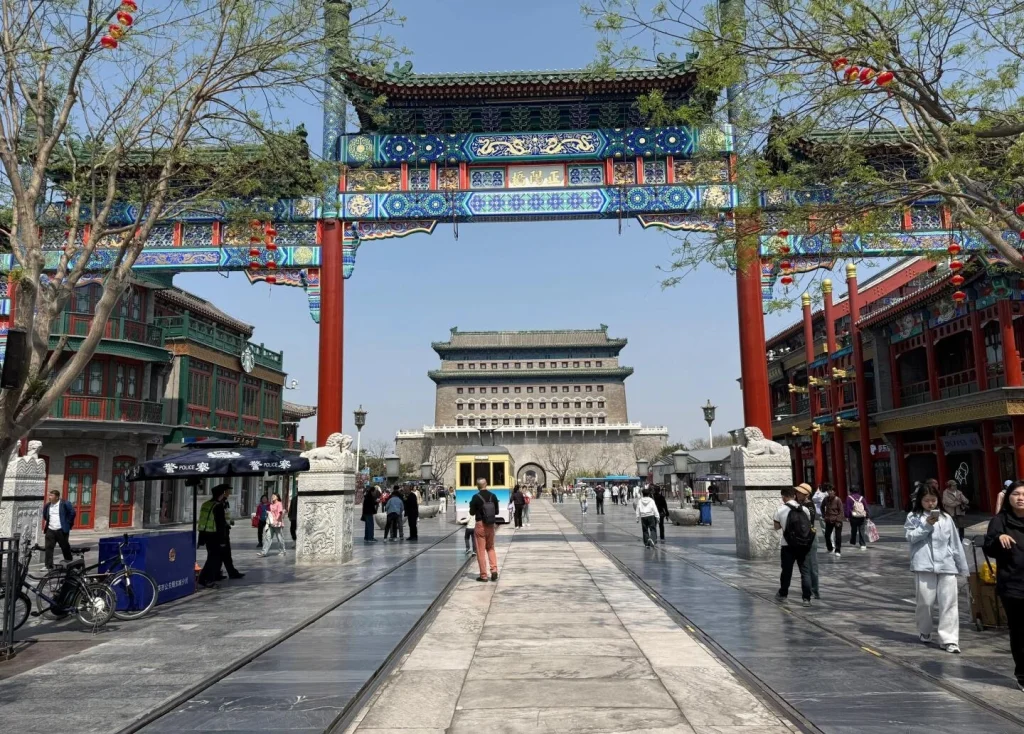
Discover Qianmen Street: a seamless blend of century‑old shops, vibrant snacks, and authentic Beijing charm. Plan your perfect 3–4 hour stroll through history!

In Chinese astrology, the Earth Ox corresponds to those born in the years of 1949, 2009, and so on. It belongs to the Earth element in the Five Elements system.

Learn how Chinese names work, including family-name order, character meanings, naming culture, common mistakes, and how to choose a good Chinese name.

Explore Tianjin, a city where ancient culture, modern marvels like the Tianjin Eye, and vibrant local life come together. Discover its rich heritage, scenic views, and unique attractions.

Share your travel ideas, and we’ll help you plan a smooth, personalized trip across China.

Share your travel ideas, and we’ll help you plan a smooth, personalized trip across China.
We’re looking for experienced, part-time local guides to serve international travelers.
Requirements:
• Fluent in at least one foreign language
• 3–5 years guiding international visitors
• Able to operate in multiple regions in China
• Competitive and reasonable pricing
• Proven customer reviews or testimonials
• Professional, reliable, and responsive
• Flexible availability for custom trips
Hi there!
Just a quick heads-up — a helpful user named Volker let me know that some of the non-English content on this site may not be accurate.
This site is a one-person project I run part-time. I research and publish all the content myself, and the translations are currently done by machine (Google Translate). Balancing accuracy and accessibility across multiple languages is a real challenge.
If you spot any errors, I recommend switching to the English version using the button at the bottom left. I’ll continue working to improve the translations over time.
I truly appreciate your understanding. And if you have any suggestions, feel free to leave a comment — it means a lot to me.
— Anthony 2025.6.18


