Shandong, Land of Qi and Lu, Hometown of Confucius

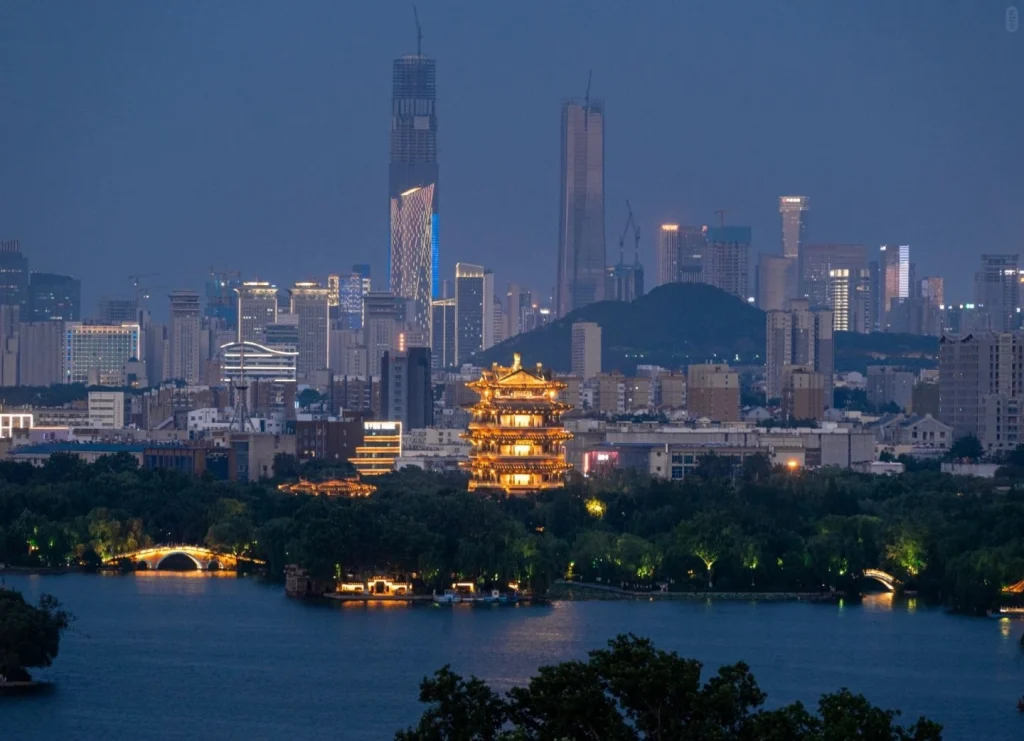
Night view of Jinan cityscape with illuminated Daming Lake and modern skyscrapers in the background - Shandong, Land of Qi and Lu, Hometown of Confucius 2026 - The China Journey - Shandong, Land of Qi and Lu, Hometown of Confucius 2026 - The China Journey
Explore Shandong, the Land of Qi and Lu, known as the Hometown of Confucius and Mencius, offering stunning coastal views, rich culture, and delicious cuisine.
Night view of Jinan cityscape with illuminated Daming Lake and modern skyscrapers in the background - Shandong, Land of Qi and Lu, Hometown of Confucius 2026 - The China Journey - Shandong, Land of Qi and Lu, Hometown of Confucius 2026 - The China Journey
Jinan Liberation Pavilion with traditional Chinese architecture surrounded by trees in early winter - Shandong, Land of Qi and Lu, Hometown of Confucius 2026 - The China Journey - Shandong, Land of Qi and Lu, Hometown of Confucius 2026 - The China Journey

About Shandong

Shandong Province, abbreviated as “Lu,” is a provincial-level administrative region of China with Jinan as its capital.

Located on the eastern coast and lower Yellow River, it includes both inland and peninsular areas.

The Shandong Peninsula extends into the Bohai and Yellow Seas, while the inland borders Hebei, Henan, Anhui, and Jiangsu.

Its land area covers 158,100 square kilometers, with adjacent sea areas nearly equal in size.

As of the end of 2024, Shandong had a population of 100.8 million across 16 prefecture-level cities.

The region features central mountains, western plains, and eastern hills, with a warm temperate monsoon climate.

Historically, Shandong was a core area of Shang culture and a major center of ancient Chinese civilization.

Today, it is known for its strong real economy, cultural heritage, and role as China’s first pilot zone for transport power.

If you want help choosing routes, trip length, and the best places to combine on a first visit, see our Shandong Travel Guide.

Cities in Shandong

A vibrant urban scene with colorful fountains and illuminated skyscrapers in Jinan at night - Shandong, Land of Qi and Lu, Hometown of Confucius 2026 - The China Journey - Shandong, Land of Qi and Lu, Hometown of Confucius 2026 - The China Journey

Jinan

Known as the "City of Springs," it boasts historical landmarks like Baotu Spring, Thousand Buddha Mountain, and Daming Lake, rich in cultural heritage.

Vivid night view of Qingdaos skyscrapers illuminated with colorful lights bustling pedestrian street below - Shandong, Land of Qi and Lu, Hometown of Confucius 2026 - The China Journey - Shandong, Land of Qi and Lu, Hometown of Confucius 2026 - The China Journey

Qingdao

A coastal city famous for its beaches, seafood, and Tsingtao beer, featuring landmarks like Zhanqiao Pier, May Fourth Square, and German-style architecture.

Yantai - Shandong, Land of Qi and Lu, Hometown of Confucius 2026 - The China Journey - Shandong, Land of Qi and Lu, Hometown of Confucius 2026 - The China Journey

Yantai

A port city famed for its fruits, seafood, and the legendary Penglai Pavilion, with scenic coastlines and a rich maritime culture.

Weifang - Shandong, Land of Qi and Lu, Hometown of Confucius 2026 - The China Journey - Shandong, Land of Qi and Lu, Hometown of Confucius 2026 - The China Journey

Weifang

The world’s kite capital, known for traditional woodblock prints, cultural heritage, and scenic spots like Shihu Garden, enriched with vibrant folk traditions.

Linyi - Shandong, Land of Qi and Lu, Hometown of Confucius 2026 - The China Journey - Shandong, Land of Qi and Lu, Hometown of Confucius 2026 - The China Journey

Linyi

A city of profound historical significance, featuring the Yimeng Mountains, Han Dynasty bamboo slips, and prominent sites for red tourism.

Jining - Shandong, Land of Qi and Lu, Hometown of Confucius 2026 - The China Journey - Shandong, Land of Qi and Lu, Hometown of Confucius 2026 - The China Journey

Jining

A cultural treasure trove, home to the Confucius Temple, Mansion, and Cemetery, along with attractions like Mount Liang and the Grand Canal.

Heze - Shandong, Land of Qi and Lu, Hometown of Confucius 2026 - The China Journey - Shandong, Land of Qi and Lu, Hometown of Confucius 2026 - The China Journey

Heze

Known as the "Peony Capital of China," it is famed for its lush peony gardens and significant historical and cultural heritage sites.

Zibo - Shandong, Land of Qi and Lu, Hometown of Confucius 2026 - The China Journey - Shandong, Land of Qi and Lu, Hometown of Confucius 2026 - The China Journey

Zibo

An ancient cultural hub and former Qi state capital, known for its Qi Culture Museum, historic Linzi ruins, and exquisite ceramics and folk art.

Dongying - Shandong, Land of Qi and Lu, Hometown of Confucius 2026 - The China Journey - Shandong, Land of Qi and Lu, Hometown of Confucius 2026 - The China Journey

Dongying

Located at the Yellow River estuary, celebrated for its wetlands, oil industry, and unique ecological landscapes, offering natural beauty and innovation.

Dezhou - Shandong, Land of Qi and Lu, Hometown of Confucius 2026 - The China Journey - Shandong, Land of Qi and Lu, Hometown of Confucius 2026 - The China Journey

Dezhou

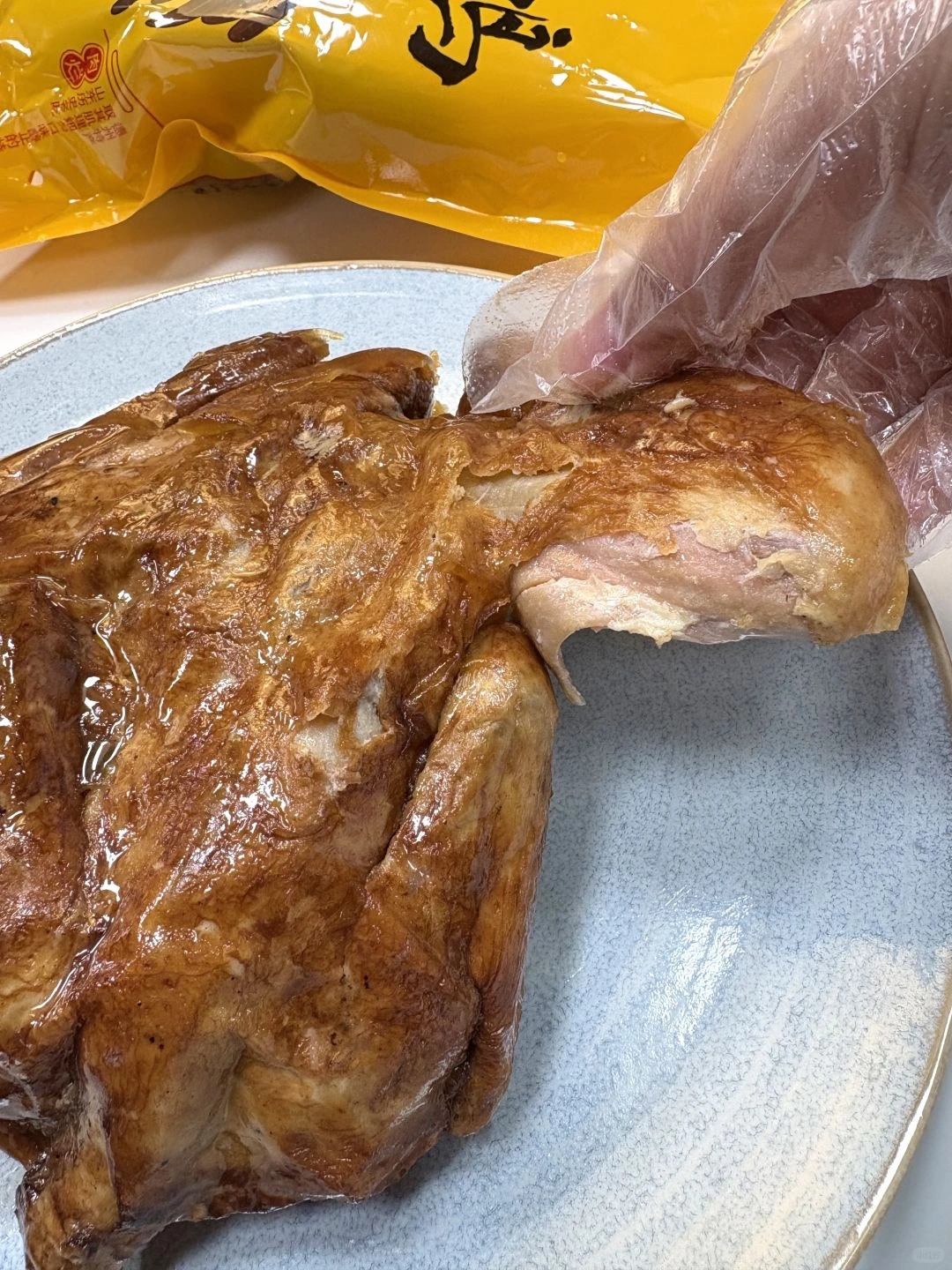
An important transportation hub, known as the "Gateway to Beijing," famous for culinary delights like Dezhou Braised Chicken and historical waterworks.

Weihai - Shandong, Land of Qi and Lu, Hometown of Confucius 2026 - The China Journey - Shandong, Land of Qi and Lu, Hometown of Confucius 2026 - The China Journey

Weihai

A clean and scenic coastal city, once a naval base during the Sino-Japanese War, featuring attractions like Liugong Island and fresh sea breezes.

Taian - Shandong, Land of Qi and Lu, Hometown of Confucius 2026 - The China Journey - Shandong, Land of Qi and Lu, Hometown of Confucius 2026 - The China Journey

Taian

Home to Mount Tai, a sacred peak with cultural relics like Dai Temple and the South Heavenly Gate, attracting visitors for its spiritual and historical significance.

Binzhou - Shandong, Land of Qi and Lu, Hometown of Confucius 2026 - The China Journey - Shandong, Land of Qi and Lu, Hometown of Confucius 2026 - The China Journey

Binzhou

Located along the Bohai Sea and Yellow River, it holds historical relics like Wei Family Manor and highlights its rich cultural and geographic legacy.

Liaocheng - Shandong, Land of Qi and Lu, Hometown of Confucius 2026 - The China Journey - Shandong, Land of Qi and Lu, Hometown of Confucius 2026 - The China Journey

Liaocheng

A canal city with picturesque Dongchang Lake and historical landmarks like Guangyue Tower, rich in cultural and scenic charm.

Rizhao - Shandong, Land of Qi and Lu, Hometown of Confucius 2026 - The China Journey - Shandong, Land of Qi and Lu, Hometown of Confucius 2026 - The China Journey

Rizhao

Renowned for its stunning beaches and solar culture, offering water sports and eco-tourism opportunities in a serene natural environment.

Zaozhuang - Shandong, Land of Qi and Lu, Hometown of Confucius 2026 - The China Journey - Shandong, Land of Qi and Lu, Hometown of Confucius 2026 - The China Journey

Zaozhuang

Renowned for its history and charm, home to the ancient Tai'erzhuang City, birthplace of Mozi, and the setting of significant wartime events.

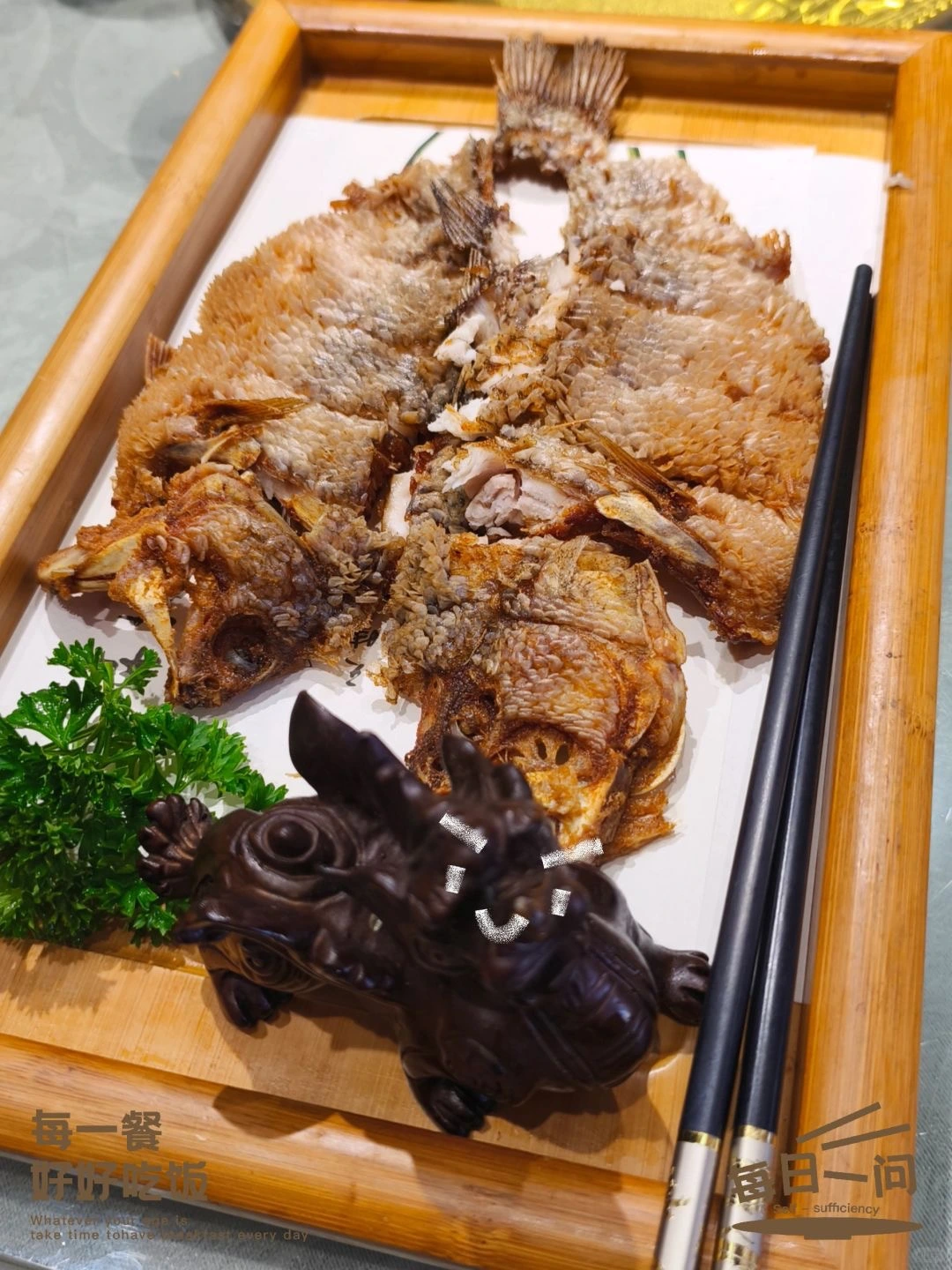
Traditional Shandong cuisine featuring vibrant dishes including fish crab and local specialties - Shandong, Land of Qi and Lu, Hometown of Confucius 2026 - The China Journey - Shandong, Land of Qi and Lu, Hometown of Confucius 2026 - The China Journey

Food Culture in Shandong

Shandong cuisine reflects the province’s rich natural resources, temperate climate, and deep cultural roots shaped by Confucianism and traditional Chinese medicine.

As one of China’s “Eight Culinary Traditions,” Shandong cuisine evolved over centuries, forming three distinctive branches: Jiaodong, Jinan, and Jining styles.

Renowned for its savory, crisp, and tender flavors, it emphasizes refined knife skills, diverse cooking techniques, and harmonious seasoning.

With a focus on health, balance, and innovation, Shandong cuisine continues to captivate taste buds worldwide.

An iconic view of Mount Tais Heavenly Gate showcasing traditional Chinese architecture surrounded by rugged mountain landscapes in Shandong - Shandong, Land of Qi and Lu, Hometown of Confucius 2026 - The China Journey - Shandong, Land of Qi and Lu, Hometown of Confucius 2026 - The China Journey

Scenery in Shandong

Shandong offers an exceptional blend of natural beauty and cultural heritage, making it a must-visit destination.

From the majestic Mount Tai, known as the “First of the Five Sacred Mountains,” to the coastal splendor of Mount Laoshan, the province boasts breathtaking landscapes.

Shandong’s cultural treasures, such as the Confucian heritage sites in Qufu and the ancient charm of Zhoucun Ancient Town, provide a window into China’s rich history.

With 15 5A-rated attractions and diverse tourism resources, Shandong promises unforgettable experiences for every traveler.

A colorful display of kites in various shapes and sizes soaring in the blue sky during the renowned Weifang Kite Festival - Shandong, Land of Qi and Lu, Hometown of Confucius 2026 - The China Journey - Shandong, Land of Qi and Lu, Hometown of Confucius 2026 - The China Journey

Intangible Cultural Heritage in Shandong

Shandong, a cultural powerhouse, is renowned for its rich intangible cultural heritage.

With 186 national-level projects, including traditional music, dance, opera, and crafts, it ranks second nationwide.

The province also boasts eight UNESCO-recognized “Intangible Cultural Heritage of Humanity” items, reflecting its global cultural significance.

From folk literature to traditional medicine, Shandong preserves and celebrates a diverse array of traditions, offering visitors a unique glimpse into China’s deep cultural roots.

Intangible Cultural Heritage in Shandong

Kite Making Techniques - Shandong, Land of Qi and Lu, Hometown of Confucius 2026 - The China Journey - Shandong, Land of Qi and Lu, Hometown of Confucius 2026 - The China Journey

Kite-Making Techniques

These handcrafted kites feature intricate designs and craftsmanship, embodying rich cultural heritage and vibrant creativity.

Glazed Pottery Firing Techniques - Shandong, Land of Qi and Lu, Hometown of Confucius 2026 - The China Journey - Shandong, Land of Qi and Lu, Hometown of Confucius 2026 - The China Journey

Glazed Pottery Firing Techniques

This ancient craft produces vibrant, artistic glazed pottery, requiring over 20 meticulous steps for completion.

Dezhou Pottery Firing Techniques - Shandong, Land of Qi and Lu, Hometown of Confucius 2026 - The China Journey - Shandong, Land of Qi and Lu, Hometown of Confucius 2026 - The China Journey

Dezhou Pottery Firing Techniques

Known for its durability and rustic charm, Dezhou pottery reflects deep local cultural traditions.

Lujin Weaving Techniques - Shandong, Land of Qi and Lu, Hometown of Confucius 2026 - The China Journey - Shandong, Land of Qi and Lu, Hometown of Confucius 2026 - The China Journey

Lujin Weaving Techniques

Handwoven textiles with geometric and floral patterns showcasing traditional craftsmanship and vibrant colors.

Silver Inlaid Lacquer Art - Shandong, Land of Qi and Lu, Hometown of Confucius 2026 - The China Journey - Shandong, Land of Qi and Lu, Hometown of Confucius 2026 - The China Journey

Silver-Inlaid Lacquer Art

This refined craft blends woodwork, silver inlay, and lacquer finishes for elegant and collectible creations.

Zhoucun Sesame Pancake Techniques - Shandong, Land of Qi and Lu, Hometown of Confucius 2026 - The China Journey - Shandong, Land of Qi and Lu, Hometown of Confucius 2026 - The China Journey

Zhoucun Sesame Pancake Techniques

Thin, crispy sesame pancakes crafted using traditional techniques with a rich, sweet, and savory flavor.

Confucius Mansion Cuisine Techniques - Shandong, Land of Qi and Lu, Hometown of Confucius 2026 - The China Journey - Shandong, Land of Qi and Lu, Hometown of Confucius 2026 - The China Journey

Confucius Mansion Cuisine Techniques

A sophisticated culinary art combining meticulous preparation, refined presentation, and historical significance.

Dezhou Braised Chicken Techniques - Shandong, Land of Qi and Lu, Hometown of Confucius 2026 - The China Journey - Shandong, Land of Qi and Lu, Hometown of Confucius 2026 - The China Journey

Dezhou Braised Chicken Techniques

Renowned for its tender, flavorful texture, this delicacy embodies traditional Chinese culinary mastery.

Traditional Tofu Making Techniques - Shandong, Land of Qi and Lu, Hometown of Confucius 2026 - The China Journey - Shandong, Land of Qi and Lu, Hometown of Confucius 2026 - The China Journey

Traditional Tofu-Making Techniques

This traditional method produces silky, nutritious tofu through multiple intricate processes.

Traditional Longkou Vermicelli Techniques - Shandong, Land of Qi and Lu, Hometown of Confucius 2026 - The China Journey - Shandong, Land of Qi and Lu, Hometown of Confucius 2026 - The China Journey

Traditional Longkou Vermicelli Techniques

Made from mung beans, these translucent, chewy noodles undergo an intricate crafting process.

Yangjiabu Woodblock New Year Painting - Shandong, Land of Qi and Lu, Hometown of Confucius 2026 - The China Journey - Shandong, Land of Qi and Lu, Hometown of Confucius 2026 - The China Journey

Yangjiabu Woodblock New Year Painting

Vibrant folk art featuring colorful woodblock prints of mythical figures, legends, and traditional scenes.

Dongchang Gourd Carving - Shandong, Land of Qi and Lu, Hometown of Confucius 2026 - The China Journey - Shandong, Land of Qi and Lu, Hometown of Confucius 2026 - The China Journey

Dongchang Gourd Carving

Exquisite gourd carvings with intricate designs showcasing myths, history, and nature in stunning detail.

Lu Embroidery - Shandong, Land of Qi and Lu, Hometown of Confucius 2026 - The China Journey - Shandong, Land of Qi and Lu, Hometown of Confucius 2026 - The China Journey

Lu Embroidery

A delicate embroidery style with vivid patterns and vibrant colors, showcasing local cultural artistry.

Cuju Ancient Football - Shandong, Land of Qi and Lu, Hometown of Confucius 2026 - The China Journey - Shandong, Land of Qi and Lu, Hometown of Confucius 2026 - The China Journey

Cuju - Ancient Football

An ancient soccer-like game combining entertainment, fitness, and military training, originating over 2,000 years ago.

Jinan Shadow Puppetry - Shandong, Land of Qi and Lu, Hometown of Confucius 2026 - The China Journey - Shandong, Land of Qi and Lu, Hometown of Confucius 2026 - The China Journey

Jinan Shadow Puppetry

Traditional shadow theater featuring intricately carved puppets and stories projected through light and screen.

Lü Opera - Shandong, Land of Qi and Lu, Hometown of Confucius 2026 - The China Journey - Shandong, Land of Qi and Lu, Hometown of Confucius 2026 - The China Journey

Lü Opera

A beloved local opera with melodious tunes and relatable themes, celebrating rural and family life in Shandong.

A picturesque scene of Qingdaos European inspired architecture along the coast with golden hour lighting and a lively waterfront atmosphere - Shandong, Land of Qi and Lu, Hometown of Confucius 2026 - The China Journey - Shandong, Land of Qi and Lu, Hometown of Confucius 2026 - The China Journey

The Origin of Shandong’s Name

Shandong’s name originates from its historical ties to the ancient states of Qi and Lu, earning it the nickname “Land of Qi and Lu.”

The term “Shandong” first appeared as an administrative region during the Jin Dynasty in 1168.

It became an official provincial name in the early Qing Dynasty, reflecting its rich historical and cultural heritage.

A scenic view of blooming pink peonies surrounding a statue highlighting Hezes status as Chinas Peony Capital - Shandong, Land of Qi and Lu, Hometown of Confucius 2026 - The China Journey - Shandong, Land of Qi and Lu, Hometown of Confucius 2026 - The China Journey

Shandong’s Provincial Flower

The provincial flower of Shandong is the peony, often called the “King of Flowers” and a symbol of wealth and prosperity.

Native to mountainous regions across China, peonies have been cultivated for over 2,000 years.

Shandong, particularly Heze, boasts a rich history of peony cultivation spanning 1,500 years.

Known as the “Peony Capital of China,” Heze cultivates 1,308 peony varieties across 48.6 million acres.

Each spring, from mid-April to early May, the vibrant blooms create breathtaking landscapes, making it a top attraction for flower enthusiasts.

A dazzling night scene of traditional Chinese lanterns pagodas and festive crowds celebrating the Lunar New Year - Shandong, Land of Qi and Lu, Hometown of Confucius 2026 - The China Journey - Shandong, Land of Qi and Lu, Hometown of Confucius 2026 - The China Journey

Shandong’s Traditional Customs

Shandong’s rich history has cultivated unique customs reflecting its cultural heritage. Early customs, such as totem worship and adulthood ceremonies, date back to the Neolithic era.

Prominent traditions include Sea Worship, where coastal communities honor sea gods for safety and prosperity, and Releasing River Lanterns during the Buddhist Ullambana Festival to appease spirits.

Celebrations like “Tianxi” mark a newborn’s arrival with red decorations and gift exchanges, while Laixi Longevity Celebrations commemorate elders with elaborate ceremonies starting at age 50.

These customs embody Shandong’s diversity and respect for tradition.

A vibrant capture of a traditional Shandong opera performer in colorful costume showcasing the rich cultural heritage of the region - Shandong, Land of Qi and Lu, Hometown of Confucius 2026 - The China Journey - Shandong, Land of Qi and Lu, Hometown of Confucius 2026 - The China Journey

Shandong’s Traditional Opera Culture

Shandong boasts a rich opera heritage with diverse styles like Lü Opera, Liuzi Opera, and Shandong Bangzi Opera, reflecting its historical depth.

Lü Opera, originating over 100 years ago from Shandong Qinshi storytelling, features iconic performances like Painting the Dragon’s Eyes and Borrowing the New Year.

Liuzi Opera, among China’s oldest operas, blends folk tunes and various regional styles, with masterpieces such as Zhao Jun Departs for the Frontier.

Shandong Bangzi Opera, developed from Shanxi and Shaanxi operas, showcases vibrant local adaptations like The Moon over the Sacred River.

These operas embody Shandong’s cultural vibrancy and artistic excellence.

A close up of an ancient bronze axe with intricate designs on display at the Shandong Museum reflecting the provinces historical artifacts - Shandong, Land of Qi and Lu, Hometown of Confucius 2026 - The China Journey - Shandong, Land of Qi and Lu, Hometown of Confucius 2026 - The China Journey

Key Historical Events in Shandong’s History

  • 500,000–10,000 Years Ago: Ancient human activities confirmed by fossils in Yiyuan.
  • 8,000–4,000 Years Ago: Cultures like Houli, Beixin, Dawenkou, and Longshan thrived in Shandong, marking shifts from matriarchal to patriarchal societies.
  • 21st Century BC: Shandong was controlled by Dongyi tribes during the Xia Dynasty.
  • Pre-Shang Period: Shandong was the activity center for the Shang tribe.
  • Western Zhou (1046–771 BC): Established Qi and Lu states, which significantly influenced Shandong’s cultural and economic development.
  • Qin Dynasty (221–206 BC): Introduced the county system, dividing Shandong into four counties.
  • Han Dynasty (202 BC–220 AD): Shandong became part of six provinces, highlighting its political and economic importance.
  • Sui Dynasty (581–618): Unified administrative regions and established counties and prefectures in Shandong.
  • Tang Dynasty (618–907): Introduced inspection districts; Shandong became part of Henan and Hebei.
  • Yuan Dynasty (1271–1368): Classified as the central region under direct administration of the Zhongshu province.
  • 1368: Establishment of Shandong as a province under the Ming Dynasty.
  • Qing Dynasty (1644–1912): Expanded administrative regions and maintained provincial status, setting a foundation for modern governance.
  • 1945: Post-war, Shandong reorganized with a focus on governance and reconstruction.
  • 1952: Territorial adjustments incorporated parts of Hebei and Henan into Shandong.
 
A 3D satellite map view of Shandong Province showcasing its geographic location and natural surroundings - Shandong, Land of Qi and Lu, Hometown of Confucius 2026 - The China Journey - Shandong, Land of Qi and Lu, Hometown of Confucius 2026 - The China Journey

Location of Shandong

Located east of the Taihang Mountains, Shandong lies in eastern China along the Yellow River’s lower reaches and the northern-central section of the Grand Canal.

It spans latitudes 34°25’–38°23’N and longitudes 114°36’–122°43’E, making it the northernmost province of East China.

Shandong’s geography includes the central peak of Mount Tai, the province’s highest mountain, and the Shandong Peninsula extending into the Yellow Sea.

It borders four provinces—Hebei, Henan, Anhui, and Jiangsu.

With a coastline of 3,504.74 kilometers and jurisdiction over 589 islands, Shandong oversees a maritime area of 46,500 square kilometers, facing the Bohai Strait and the Korean Peninsula across the sea.

Climate in Shandong - Shandong, Land of Qi and Lu, Hometown of Confucius 2026 - The China Journey - Shandong, Land of Qi and Lu, Hometown of Confucius 2026 - The China Journey

Climate in Shandong

Shandong experiences a temperate monsoon climate, characterized by mild weather and concentrated rainfall.

Summers are hot and rainy with southerly winds, while winters are cold and dry with northerly winds.

Spring brings variable weather with winds and minimal rain, and autumn is crisp and mild.

The annual average temperature hovers around 13°C, with January temperatures below 0°C and summer peaks exceeding 35°C in most regions.

Rainfall averages 600–750 mm annually, with higher precipitation in the south.

Shandong enjoys abundant sunshine, averaging 2,200–2,800 hours annually, making it an agriculturally rich and climatically diverse region.

 
A majestic oriental white stork standing gracefully on a serene wetland in the Yellow River Delta - Shandong, Land of Qi and Lu, Hometown of Confucius 2026 - The China Journey - Shandong, Land of Qi and Lu, Hometown of Confucius 2026 - The China Journey

Shandong’s Biodiversity

Shandong is home to rich biodiversity, including 558 terrestrial vertebrate species and 2,064 species of wild plants.

Key areas like the Yellow River Delta and Jiaozhou Bay host 471 bird species, such as red-crowned cranes and Oriental storks, accounting for over 30% of China’s bird species.

The province also boasts diverse flora, with 179 families of higher plants, including protected species like lady’s slipper orchids and Chinese licorice.

With 488 nature reserves and a robust wildlife monitoring system, Shandong actively safeguards its unique ecosystems and promotes ecological restoration.

A breathtaking aerial view of the Yellow River at sunset with golden hues painting the sky and water - Shandong, Land of Qi and Lu, Hometown of Confucius 2026 - The China Journey - Shandong, Land of Qi and Lu, Hometown of Confucius 2026 - The China Journey

Shandong’s Diverse Natural Resources

Shandong boasts extensive natural resources, including water, marine, wind, land, and mineral reserves.

Despite limited water resources per capita, the province relies on cross-basin transfers to sustain its needs.

Shandong’s marine resources include 589 islands, diverse marine life, and ample coastline for economic development.

Wind resources are abundant along the coast, with significant potential for wind energy projects.

Land resources encompass fertile farmlands, forests, wetlands, and urban spaces.

Additionally, Shandong is rich in minerals like gold, iron, and gypsum, hosting some of the largest reserves in China and supporting a thriving mining industry.

A bustling night scene featuring crowds enjoying a lively festival under streetlights in Shandong - Shandong, Land of Qi and Lu, Hometown of Confucius 2026 - The China Journey - Shandong, Land of Qi and Lu, Hometown of Confucius 2026 - The China Journey

Population of Shandong

As of the end of 2023, Shandong Province’s permanent population stood at 101.23 million.

The age distribution includes 18.52% aged 0–15, 57.86% aged 16–59, and 23.62% aged 60 and above, highlighting a significant aging population.

With an urbanization rate of 65.53%, Shandong has seen steady urban growth.

The province is home to 90.5 million ethnic Han people, alongside 905,000 residents from 56 minority groups, including Hui, Manchu, and Korean.

Shandong’s linguistic diversity features Jilu, Zhongyuan, and Jiaoliao Mandarin dialects, reflecting its rich cultural heritage and regional variety.

A stunning golden Buddha statue surrounded by lush green hills under a beautiful cloudy sky - Shandong, Land of Qi and Lu, Hometown of Confucius 2026 - The China Journey - Shandong, Land of Qi and Lu, Hometown of Confucius 2026 - The China Journey

Religious Beliefs in Shandong

Shandong is home to Buddhism, Taoism, Islam, Catholicism, and Protestantism, reflecting a diverse religious heritage.

Buddhism and Taoism boast over a millennium of history, with significant cultural landmarks across the province.

Islam expanded widely since the 13th century with the migration of Hui Muslims.

Catholicism and Protestantism gained traction in the 19th century after the Opium Wars.

By the end of 2022, Shandong had over 5,000 registered religious venues and clergy, with organizations ensuring freedom of belief and harmonious coexistence under legal frameworks.

Each religion contributes richly to Shandong’s spiritual and cultural fabric.

 
Vibrant city lights reflecting off the water highlighting Qingdaos modern skyline at night - Shandong, Land of Qi and Lu, Hometown of Confucius 2026 - The China Journey - Shandong, Land of Qi and Lu, Hometown of Confucius 2026 - The China Journey

Economy of Shandong

In 2023, Shandong’s GDP reached 9.2 trillion yuan, growing by 6.0%, ranking third nationally and first among northern provinces.

The economy was driven by agriculture (7.1%), industry (39.1%), and services (53.8%).

High-tech manufacturing grew by 5.6%, while equipment manufacturing rose by 9.7%. Modern services contributed 2.53 trillion yuan.

Residents’ average disposable income was 39,890 yuan, increasing by 6.2%.

Shandong achieved 3.05 trillion yuan in foreign trade in the first 11 months of 2024, showcasing robust economic growth and innovation.

The iconic front gate and administrative building of Shandong University under a clear blue sky - Shandong, Land of Qi and Lu, Hometown of Confucius 2026 - The China Journey - Shandong, Land of Qi and Lu, Hometown of Confucius 2026 - The China Journey

Education of Shandong

Shandong has made remarkable progress in higher education, boasting 36 institutions granting doctoral and master’s degrees and achieving a gross enrollment rate of 67%, surpassing the national average by 6.8%.

With over 1,300 graduate degree programs and 3,800 undergraduate programs, Shandong universities align closely with industry needs, especially in emerging sectors.

Prestigious universities like Shandong University and China Ocean University lead in research, with 20 disciplines ranked in the global top 0.1% by ESI.

The province emphasizes innovative talent cultivation, international collaboration, and comprehensive discipline development, supporting regional and national growth.

View of Jinan Yaoqiang International Airport with airplanes from Shandong Airlines and Xiamen Airlines parked at the terminal - Shandong, Land of Qi and Lu, Hometown of Confucius 2026 - The China Journey - Shandong, Land of Qi and Lu, Hometown of Confucius 2026 - The China Journey

Air Transportation in Shandong

In 2023, Shandong’s airports handled 55.8 million passengers, a 120.9% increase from 2022, and 534,000 tons of cargo, marking a 16.9% rise.

The province operates over 442 air routes, including 22 international routes, connecting more than 123 cities worldwide.

Highlights include Linyi Airport becoming the first international air gateway in a revolutionary old district and Yantai Airport excelling as a key cargo hub for South Korea and Japan.

Jinan and Yantai airports received awards for service excellence, while Heze Airport opened a fast export channel for fresh-cut flowers to Los Angeles.

Shandong’s airports rank among China’s top performers in safety and operational capacity.

A collage showcasing various high speed trains parked at Qingdao Railway Station a terminus style station in Shandong Province - Shandong, Land of Qi and Lu, Hometown of Confucius 2026 - The China Journey - Shandong, Land of Qi and Lu, Hometown of Confucius 2026 - The China Journey

Railway Network in Shandong

By mid-2023, Shandong’s railway network spanned 7,464 kilometers, with high-speed rail (HSR) accounting for 2,446 kilometers, establishing a robust rail network.

The province’s HSR mileage ranks among the top in China, supported by the completion of major projects like the Jinan-Zhengzhou and Laixi-Rongcheng lines.

Projects such as the Weifang-Suqian and Jinan-Zaozhuang lines are under construction, boosting Shandong’s total HSR mileage to 2,810 kilometers by year-end.

Upon completion, these railways will link the Jiaodong Peninsula with key economic zones like the Yangtze River Delta and Beijing–Tianjin–Hebei, fueling Shandong’s economic growth.

Large container ships and cranes at Qingdao Port a major hub for international shipping in Shandong Province - Shandong, Land of Qi and Lu, Hometown of Confucius 2026 - The China Journey - Shandong, Land of Qi and Lu, Hometown of Confucius 2026 - The China Journey

Waterway Transport in Shandong

In 2023, Shandong’s ports achieved a record cargo throughput of 1.71 billion tons and container volume of 41.32 million TEUs, ranking first and second globally, respectively.

With 32 new shipping routes, the total reached 345, alongside 41 inland ports and 91 rail-sea intermodal lines.

Key imports such as crude oil, iron ore, bauxite, and grain accounted for significant national shares.

Infrastructure investment totaled ¥29.2 billion, enhancing annual capacity by 81.87 million tons.

Expanding globally, Shandong established overseas companies and warehouses, bolstering international trade and supply chain solutions.

Cars driving through heavy snow on Qingyin Expressway in Qingdao Shandong Province with speed limit signs visible overhead - Shandong, Land of Qi and Lu, Hometown of Confucius 2026 - The China Journey - Shandong, Land of Qi and Lu, Hometown of Confucius 2026 - The China Journey

Road Transport in Shandong

In 2023, Shandong’s highway network expanded significantly, surpassing 8,400 kilometers of total expressway mileage.

Key projects included the completion of the Jinan Ring Expressway West Section, Jinan-Weifang, and Qinglan Expressway expansions.

Notably, the Jinan-Weifang Expressway became China’s first zero-carbon smart highway.

Shandong also launched 16 new highway construction projects, exceeding initial goals.

Highways with six or more lanes now exceed 3,000 kilometers, with over 1,100 kilometers of eight-lane expressways, solidifying Shandong’s position as a national leader in road infrastructure.

FAQs About Shandong

What is Shandong China known for?

Shandong is famous for Mount Tai, the Confucian heritage sites in Qufu (Temple, Mansion, and Cemetery of Confucius), Qingdao’s coastal scenery, and the ancient Zibo Zhoucun commercial town. It is also known for its rich culinary traditions, including Lu cuisine specialties like braised sea cucumber with scallions and “Jiuzhuan Dachang.” Additionally, Shandong excels in agriculture and industry, being a major producer of agricultural and industrial products.

The primary language spoken in Shandong is Mandarin Chinese. Shandong dialects belong to the Northern Chinese dialect group and are further divided into subgroups like Jilu Mandarin, Jiaoliao Mandarin, and Central Plains Mandarin, each with distinct phonetic, lexical, and grammatical features.


Shandong is not close to Shanghai. Located along China’s eastern coast, Shandong is north of Shanghai, which is situated at the Yangtze River’s estuary. The travel time between them varies depending on transportation, with high-speed trains taking approximately 4–6 hours.

In ancient times, Shandong was commonly referred to as “Qilu,” derived from the Qi and Lu states established during the Zhou dynasty. These two influential states left a significant cultural and historical legacy, making “Qilu” a synonym for Shandong that continues to be used today.

Shandong is renowned for its Lu cuisine, one of China’s four great culinary traditions. Signature dishes include braised sea cucumber with scallions and “Jiuzhuan Dachang” (stewed pork intestines). Shandong is also known for local snacks like Shandong pancakes, made with multigrain batter, and Zhoucun sesame flatbreads, which are paper-thin, crispy, and sweet.

Interesting Articles for You

WALDORF ASTORIA shanghai on the bund - Where to Stay in Shanghai 2026 - The China Journey - Shandong, Land of Qi and Lu, Hometown of Confucius 2026 - The China Journey
Travel Guide

Where to Stay in Shanghai

Explore Shanghai hotels with local insights. Budget to luxury stays with real reviews, locations, prices, and special family & pet-friendly picks.

Ruins of the Old Summer Palace, Beijing Remnants of Western style architecture in the Old Summer Palace (Yuanmingyuan), showcasing the grandeur and destruction under a clear sky. - Old Summer Palace (Yuanmingyuan) 2026 - The China Journey - Shandong, Land of Qi and Lu, Hometown of Confucius 2026 - The China Journey
Attraction

Old Summer Palace (Yuanmingyuan)

Yuanmingyuan, also known as the Old Summer Palace, is a former royal garden of the Qing Dynasty located at No. 28 Qinghua West Road, Haidian District, Beijing.

Statue of Qin Shi Huang, the First Emperor of China, at Qinhuangdao’s “Emperor Seeking Immortality” Scenic Area, symbolizing his quest for unity and eternal life - Qin Shi Huang – China’s First Emperor & His Legacy 2026 - The China Journey - Shandong, Land of Qi and Lu, Hometown of Confucius 2026 - The China Journey
History

Qin Shi Huang

Qin Shi Huang (259‑210 BCE) unified China in 221 BCE, created the emperor title, standardized script & measures, built the Great Wall and left both awe‑inspiring legacies and harsh rule.

Guangdong travel guide cover with Guangzhou skyline Canton Tower and China Journey logo - Guangdong Travel Guide: Best Cities, Food & Tips 2026 - The China Journey - Shandong, Land of Qi and Lu, Hometown of Confucius 2026 - The China Journey
Travel Guide

Guangdong Travel Guide

Explore Guangdong with this complete travel guide—best cities, food, culture, transport, itineraries, budgets, and practical tips for foreign travelers.

happy tourists exploring city map diverse travelers sitting in park checking map and planning urban sightseeing route - Shandong, Land of Qi and Lu, Hometown of Confucius 2026 - The China Journey

Plan Your China Trip with Our Experts

Share your travel ideas, and we’ll help you plan a smooth, personalized trip across China.

 
travelers planning route with map group of international tourists reading map outdoors with backpacks and guide - Shandong, Land of Qi and Lu, Hometown of Confucius 2026 - The China Journey
happy tourists exploring city map diverse travelers sitting in park checking map and planning urban sightseeing route - Shandong, Land of Qi and Lu, Hometown of Confucius 2026 - The China Journey

Work with Us as a Local Guide in China

travelers planning route with map group of international tourists reading map outdoors with backpacks and guide - Shandong, Land of Qi and Lu, Hometown of Confucius 2026 - The China Journey

We’re looking for experienced, part-time local guides to serve international travelers.

Requirements:

• Fluent in at least one foreign language
• 3–5 years guiding international visitors
• Able to operate in multiple regions in China
• Competitive and reasonable pricing
• Proven customer reviews or testimonials
• Professional, reliable, and responsive
• Flexible availability for custom trips

Hi there!

Just a quick heads-up — a helpful user named Volker let me know that some of the non-English content on this site may not be accurate.

This site is a one-person project I run part-time. I research and publish all the content myself, and the translations are currently done by machine (Google Translate). Balancing accuracy and accessibility across multiple languages is a real challenge.

If you spot any errors, I recommend switching to the English version using the button at the bottom left. I’ll continue working to improve the translations over time.

I truly appreciate your understanding. And if you have any suggestions, feel free to leave a comment — it means a lot to me.

— Anthony 2025.6.18

Xian long image for popup form - Shandong, Land of Qi and Lu, Hometown of Confucius 2026 - The China Journey

Planning a Trip to China?

Changzhou Skyline at Dusk The Changzhou skyline illuminated at dusk, with city lights reflecting on the water and buildings glowing in the evening light. - Shandong, Land of Qi and Lu, Hometown of Confucius 2026 - The China Journey
Do any of these sound familiar from your past trips?
Let our trusted partner travel agency handle the details.
👉 Get a custom plan within your budget and enjoy the best of China — stress-free.