Written by
Anthony
Sichuan Opera, or Chuanju, is a traditional Chinese opera popular in Sichuan, Chongqing, Yunnan, and Guizhou.
It combines five vocal styles: Gaoqiang, Kunqu, Huqin (Pihuang), Tanxi (Bangzi), and Sichuan folk Dengdiao.
Known for its vibrant face masks and unique roles like Sheng, Dan, Jing, Mo, and Chou, it showcases imaginative aesthetics and expressive performance techniques.
In 2006, it was recognized as a National Intangible Cultural Heritage of China.
The vocal styles of Sichuan Opera consist of Kunqiang, Gaoqiang, Huqin, Tanxi, and Dengdiao.
These styles blend influences from regions like Jiangsu, Shaanxi, and Sichuan, creating rich and diverse musical structures.
Gaoqiang, known for its unaccompanied singing, stands out as the most iconic form, reflecting local dialects and folk traditions.
Sichuan Opera features five key roles: Sheng (male), Dan (female), Jing (painted face), Mo (older male), and Chou (comic).
Each role has distinct performance techniques. Small roles like Xiaosheng, Xiaodan, and Xiaochou are especially vibrant, showcasing the opera’s creative and expressive artistry.
Costumes in Sichuan Opera reflect character roles and identities.
Intricate designs include robes, armor, and official attire, with colors symbolizing traits: yellow for royalty, red for courage, and black for integrity.
Costumes add visual storytelling, revealing a character’s status and emotions upon their entrance.
Makeup in Sichuan Opera uses vivid colors and intricate designs to highlight characters’ traits and emotions.
Red signifies loyalty, black indicates integrity, and white represents cunning.
The unique flexibility in face painting allows actors to tailor their designs for creativity and dramatic effect.
The music of Sichuan Opera uses over 20 instruments, including drums, gongs, erhu, and suona.
The small drum leads the orchestra, blending rhythm and melody seamlessly.
With 300+ drumbeats and tunes, the music amplifies dramatic moments and enhances emotional depth.
Sichuan Opera’s Gaoqiang style uses a rich variety of musical scores, structured with sections like initiation, main melody, and closing.
Known for unaccompanied singing, it integrates group harmonies and percussion, creating a compelling and layered auditory experience.
Face-changing is a signature Sichuan Opera technique.
Using methods like smearing, blowing powder, or peeling masks, actors rapidly transform their face designs to reflect emotional shifts.
This captivating art form adds dynamism and dramatic flair to performances.

This tragic story follows a young woman’s fight against injustice and her ultimate triumph over corrupt officials in ancient Hangzhou, showcasing Sichuan Opera’s emotional depth.

A mystical tale of love, betrayal, and divine intervention, where the White Snake battles societal norms and supernatural forces to protect her love and freedom.

Set during the Three Kingdoms period, this epic tale features the legendary battle between three sworn brothers and Lü Bu, blending valor and brotherhood.
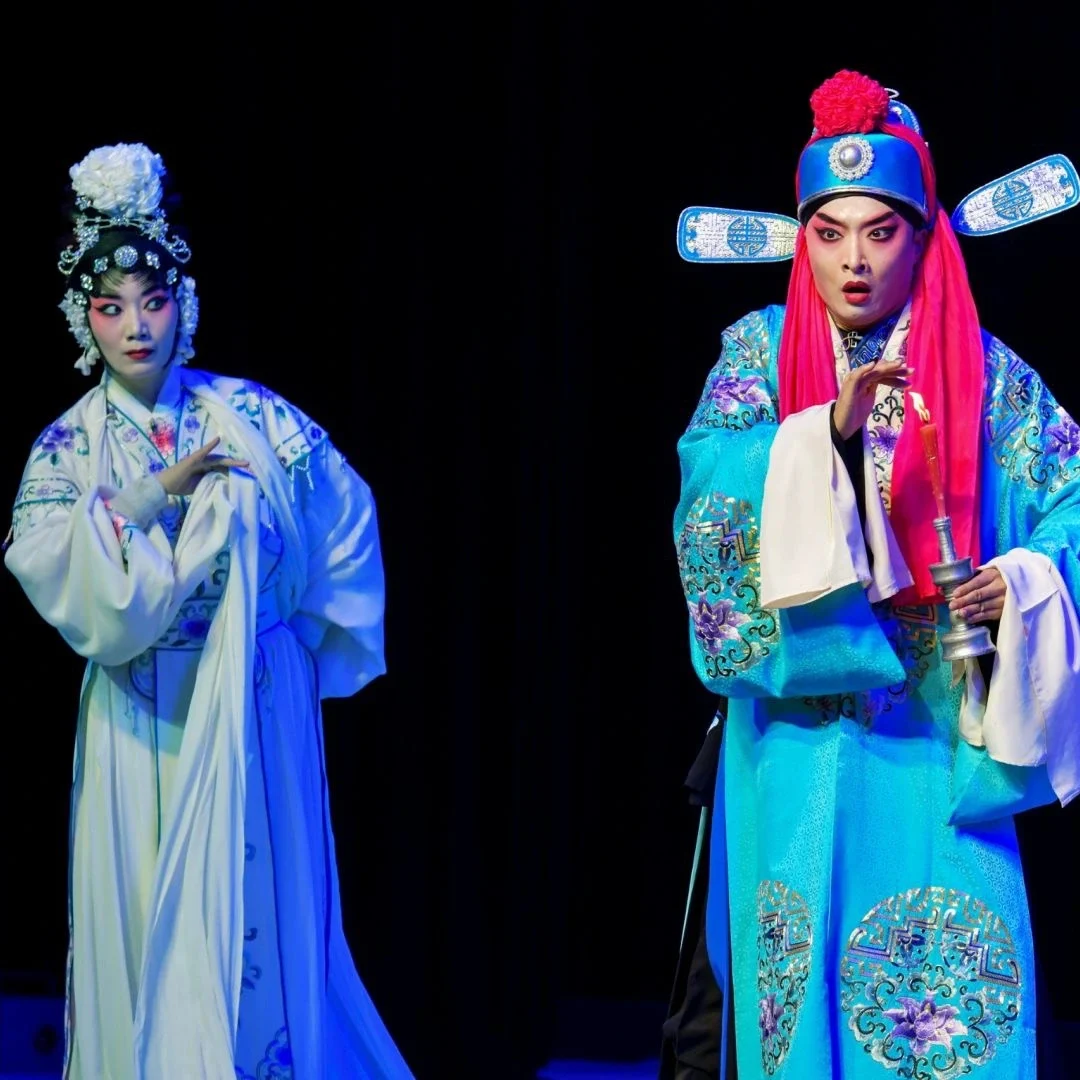
A tale of betrayal and retribution as a scholar faces guilt and haunting nightmares after abandoning his savior for wealth and status, ending in tragic justice.

This enchanting love story between a mortal scholar and a dragon princess unfolds in a fantastical underwater palace, emphasizing resilience and the triumph of love.
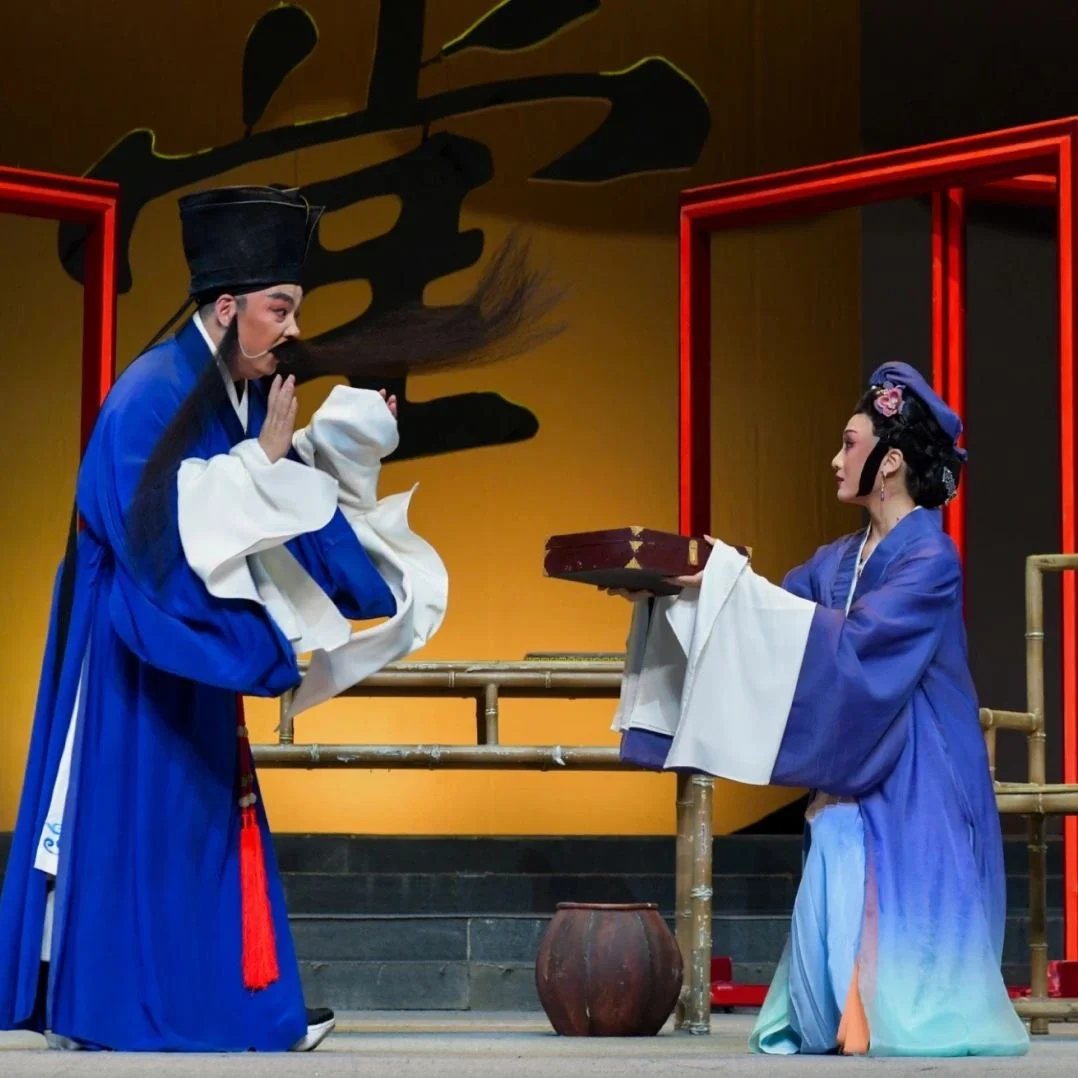
Through dream sequences, the life of Su Dongpo is celebrated, reflecting his resilience, optimism, and the pursuit of meaning amid life’s challenges and achievements.
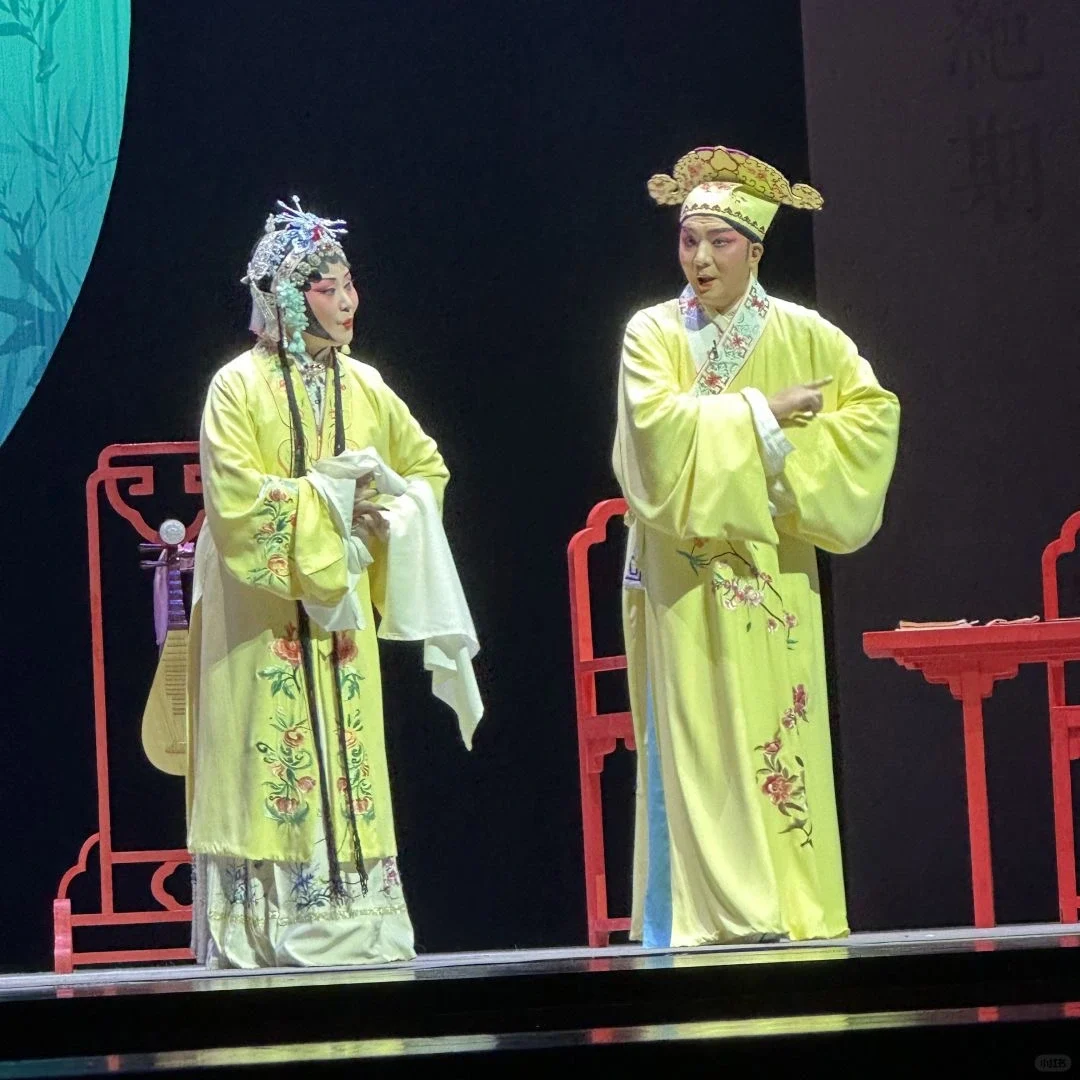
This poignant drama tells of a betrayed woman’s tragic end and her ghostly return to confront her unfaithful lover, embodying themes of love, betrayal, and justice.
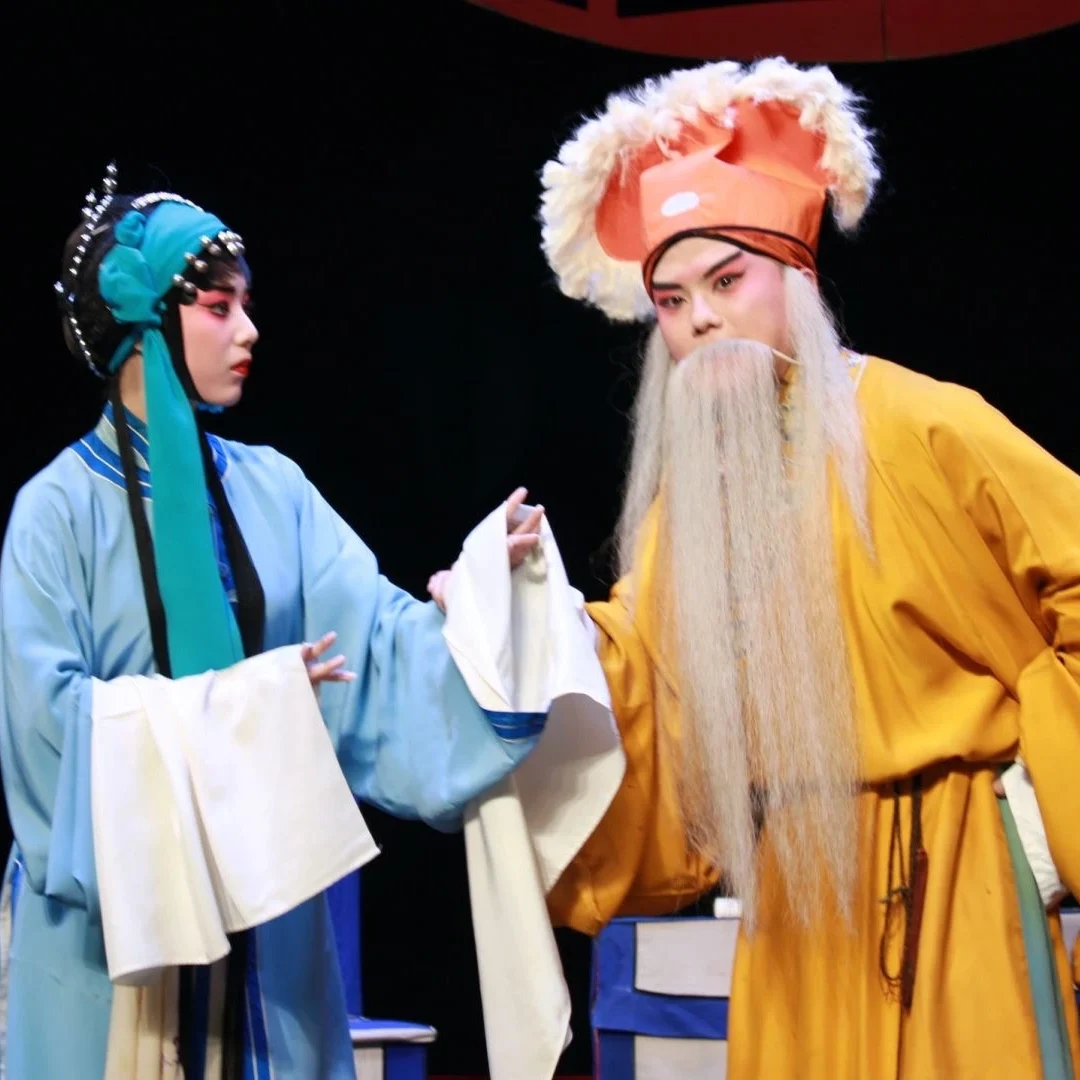
Combining humor and morality, this story reveals the misunderstandings of a father protecting his daughter, with a poignant commentary on justice and societal values.

A tale of vengeance as Wu Song seeks justice for his murdered brother, highlighting Sichuan Opera’s dramatic artistry and signature "water sleeve" techniques.
Sichuan Opera is distinct due to its blend of five different singing styles: Kunqu, Gaoqiang, Huqin, Tanxi, and Dengxi. It incorporates local dialects, vibrant performances, and signature techniques such as “face-changing” (变脸) and fire-breathing, which captivate audiences worldwide.
Sichuan Opera is most commonly performed in Chengdu, the capital of Sichuan province, as well as Chongqing, and parts of Yunnan and Guizhou provinces. The Shu Feng Ya Yun Teahouse in Chengdu is a popular venue for tourists to enjoy an authentic performance.
“Face-changing” (变脸) is a theatrical technique where actors change their masks almost instantaneously to reflect the characters’ emotions and inner thoughts. This visually stunning and mysterious art form is a signature feature of Sichuan Opera and amazes audiences around the world.
Sichuan Opera dates back to the Tang Dynasty (618–907 AD) and evolved over centuries. It has been a vital medium for storytelling and social commentary, with performances like “Liu Pi Ze Mai” highlighting historical and political themes. It was officially recognized as a national intangible cultural heritage in 2006.
Sichuan Opera features five main roles: Sheng (male), Dan (female), Jing (painted face), Chou (clown), and Mo (elderly male). Each role has specific costumes, such as the emperor’s yellow robes or warriors’ armor, and elaborate face painting to represent personality traits and social status.

Plan your Lijiang trip with itinerary, tips, best time, and real pros & cons. Learn how to explore Yunnan from this key travel hub.
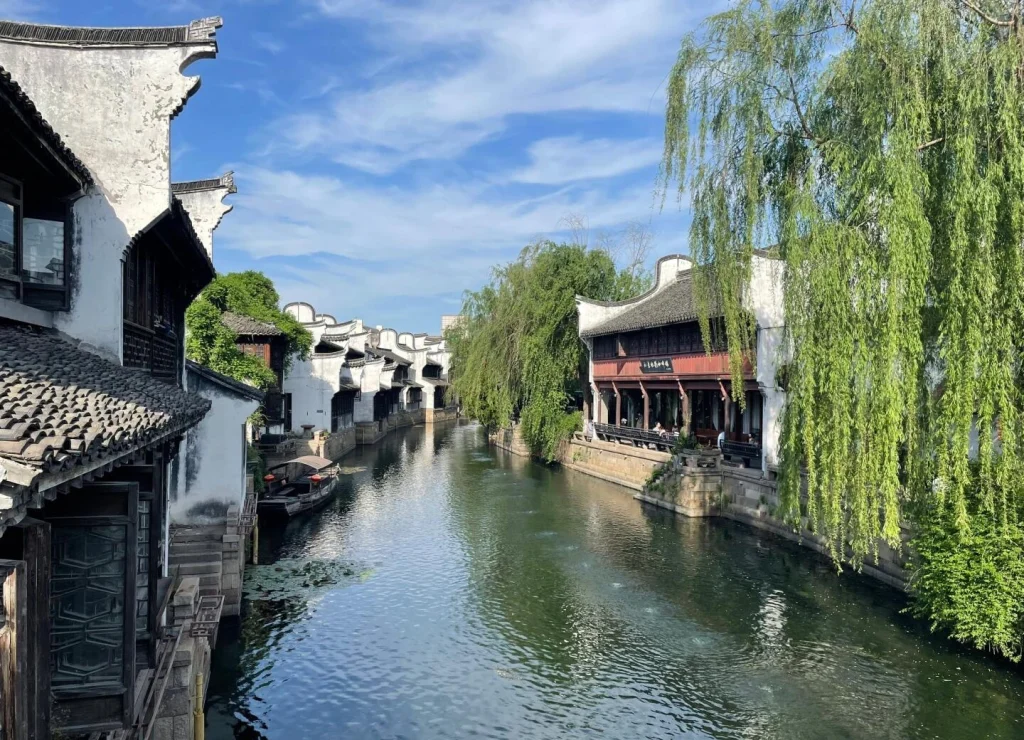
Find the best area to stay in Jiaxing for first-time visits, old-town walks, modern comfort, and practical high-speed-rail stopovers.

Plan 2 days in Wuhan with a practical first-time route, river views, culture, food, costs, transport tips, and what to skip.

Plan your first Hainan trip with the best beaches, routes, timing, transport, and practical ideas for Sanya, Haikou, and beyond.

Discover the 1993 Water Rooster zodiac meaning and 2026 forecast, including career, wealth, relationships, health, lucky elements, and practical advice.

Plan your first Guiyang trip with top things to do, food, where to stay, best time to visit, and smart 2–3 day Guizhou gateway itineraries.
Share your travel ideas, and we’ll help you plan a smooth, personalized trip across China.
We’re looking for experienced, part-time local guides to serve international travelers.
Requirements:
• Fluent in at least one foreign language
• 3–5 years guiding international visitors
• Able to operate in multiple regions in China
• Competitive and reasonable pricing
• Proven customer reviews or testimonials
• Professional, reliable, and responsive
• Flexible availability for custom trips
Hi there!
Just a quick heads-up — a helpful user named Volker let me know that some of the non-English content on this site may not be accurate.
This site is a one-person project I run part-time. I research and publish all the content myself, and the translations are currently done by machine (Google Translate). Balancing accuracy and accessibility across multiple languages is a real challenge.
If you spot any errors, I recommend switching to the English version using the button at the bottom left. I’ll continue working to improve the translations over time.
I truly appreciate your understanding. And if you have any suggestions, feel free to leave a comment — it means a lot to me.
— Anthony 2025.6.18