
 Written by
Anthony

Nestled in China’s Yangtze River Delta, just west of Shanghai, Suzhou is a city with over 2,500 years of rich history.
Once a thriving center of trade, culture, and art in ancient China, Suzhou has long been at the heart of the Jiangnan region’s cultural development.
It’s also home to the graceful Wu culture, known for its elegance, refinement, and deep historical roots.

Often called the “Venice of the East,” Suzhou is famous for its charming waterways, stone bridges, and peaceful canals that run through the city.
Here, life flows gently along the rivers, with traditional houses perched right by the water’s edge.
Suzhou is also known as the “City of Gardens.”
Its classical Chinese gardens—delicately designed with rocks, ponds, and pavilions—are some of the finest in the country and are even recognized as UNESCO World Heritage Sites.
To see how Suzhou compares with other top destinations nationwide, refer to Best Places & Cities to Visit in China.
Suzhou’s classical gardens are more than beautiful—they are a window into Chinese philosophy, art, and way of life.
Built with the idea of “man-made but as natural as heaven,” these gardens perfectly blend water, rocks, plants, and architecture.
Every turn reveals a new scene, and even the smallest space feels like a miniature landscape painting.
Known as “the finest gardens under heaven,” Suzhou’s garden design has deeply influenced Chinese aesthetics and inspired visitors for centuries.

As the largest classical garden in Suzhou and a UNESCO World Heritage Site since 1997, this 13-acre (52,000 m²) masterpiece is divided into eastern, central, and western sections.
The central area is the highlight, with large ponds, willow trees, and elegant pavilions like the Faraway Fragrance Hall and Lotus Breeze Pavilion.
The eastern area is bright and open, while the western part is more intimate, featuring intricately decorated spaces like the 36 Mandarin Duck Hall.

Another UNESCO-listed gem and one of China’s Four Great Gardens, the Lingering Garden spans about 23,300 m².
It stands out for its smart use of architecture and irregular layout.
Divided into four parts—east, west, central, and north—the garden uses courtyards, halls, and rockeries to create variety and harmony.
Don’t miss the rare Taihu rock formations and the peaceful Huanbi Mountain House.

If you love rock art, this garden is for you.
Famous for its maze-like rockeries made from Taihu stones, the formations resemble crouching lions, giving the garden its name.
Pathways twist through rocky tunnels and open onto beautiful spots like the Swallow’s Nest Pavilion and the True Delight Pavilion—ideal for curious explorers and kids alike.

Small but full of charm, this garden reflects the peaceful life of a scholar.
The name refers to a fisherman’s dream of simple living.
At its center lies a graceful pond, surrounded by delicate pavilions and winding corridors.
The Moon Comes with the Breeze Pavilion and the Washing Tassel Studio are especially beautiful in moonlight.
Evening visits often include traditional Suzhou music or Kunqu opera performances.

Suzhou’s oldest surviving garden, dating back to the Song Dynasty, was created by poet Su Shunqin. Its name comes from an ancient poem meaning “clear or muddy, the water remains a place to reflect.”
This garden feels more rustic, with wild rock formations and old trees, giving it a timeless, poetic vibe.
Don’t miss the Hall of 500 Worthies, which features stone carvings of historical Chinese figures.

Built by a local governor during the Qing Dynasty, this romantic garden was designed for a husband and wife to retire together.
The garden is split into east and west sections connected by a central residence.
The eastern garden features bold rockeries, while the west side is quieter, centered around the weaving room and book studio.
Spots like the Double Illumination Pavilion are perfect for couples looking to share a quiet moment.
Plan to spend 2–3 hours at each garden to explore fully without rushing.
For example, when visiting the Humble Administrator’s Garden, start at the east entrance to see Orchid Snow Hall, move into the central garden to enjoy Yuanxiang Hall and Lotus Breeze Pavilion, and end with the artistic west garden featuring the Thirty-Six Pairs Hall.
Take your time to soak in each detail—they’re worth it.

Known as the “No. 1 Sight in Suzhou,” Tiger Hill is a historic icon of the city.
Legend says that King Helü of Wu was buried here over 2,500 years ago, and a white tiger appeared on the hill after his burial—hence the name.
The Tiger Hill Pagoda, often called the “Leaning Tower of China,” has stood for over a thousand years and leans slightly yet firmly today.
Climb the tower for sweeping city views, and don’t miss other highlights like Sword Pool—rumored to hide the king’s tomb—and Thousand Men Rock, named for its size and flatness.

Dubbed the “Number One Water Town in China,” Zhouzhuang is surrounded by water, with narrow canals and ancient bridges weaving through the town.
Fourteen well-preserved stone bridges, including the iconic Twin Bridge and Fuan Bridge, date back to the Yuan, Ming, and Qing dynasties.
Elegant old mansions like the Shen House and Zhang House showcase the lifestyle of wealthy families from centuries past.
Hop on a traditional rowing boat, listen to boat songs in the soft Suzhou dialect, and glide through tranquil canals.
It’s best to stay overnight for a peaceful evening experience.

Famous for its “small bridges, flowing water, and residential charm,” Tongli offers a quieter, authentic water town experience.
The top highlight is the Retreat and Reflection Garden (Tuisi Yuan), a UNESCO-listed garden that blends nature and architecture beautifully.
Stroll past carved wood panels and arched bridges, and visit old homes like Jiayin Hall.
Don’t miss local snacks like crispy socks-bottom pastries and “scholar’s pork leg.”
One day is enough to explore Tongli leisurely.

Nicknamed “China’s No.1 Water Town,” Luzhi is rich in history and culture.
Its dense canal network is lined with over 40 stone bridges—people say you pass a bridge every few steps!
The Baosheng Temple houses lifelike Tang dynasty clay statues of arhats, offering a glimpse into ancient Buddhist art.
The old town streets are filled with Ming and Qing buildings, and you can try hands-on traditional crafts like Su embroidery and weaving.
Spend half a day to a full day soaking in the charm.

One of the best-preserved ancient streets in Suzhou, Pingjiang Road runs alongside the serene Pingjiang River.
On one side: classic white-walled homes with black-tile roofs; on the other: slow-moving boats and flowing water.
Along this charming lane, visit the Couple’s Retreat Garden, stop by local snack shops, or browse handmade crafts.
Try plum blossom cakes or begonia pastries for a true taste of Suzhou.

This historic street, dating back to the Tang Dynasty, stretches for 7 scenic li (around 3.5 kilometers).
At night, red lanterns glow along the canal, casting beautiful reflections on the water.
Landmarks like Yuhan Hall and old performance stages offer glimpses into the city’s cultural past.
Take a boat ride under the moonlight while listening to Suzhou Pingtan (storytelling and ballads)—a magical way to experience the city.

Parts of Suzhou’s ancient city walls still stand today.
Gates like Changmen and Panmen are well-preserved, with Panmen being the only remaining water-and-land gate in China.
Climb up for panoramic views of the old city layout.
Nearby alleys, such as Fengmen Hengjie, are full of local life—you’ll see fruit stands, noodle stalls, and morning markets.
These areas give you a real sense of how locals live in this historic city.

Designed by world-renowned architect I.M. Pei, Suzhou Museum blends classical Chinese garden aesthetics with sleek modern lines.
Its signature white walls and dark gray tiles echo traditional Suzhou style, while geometric shapes and open courtyards offer a refreshing contemporary twist.
Inside, you’ll find rich collections of Ming and Qing dynasty paintings, jade carvings, ceramics, bronze ware, and more.
Don’t miss the Zhong Wang Mansion within the museum grounds—once the residence of Li Xiucheng, a Taiping Rebellion king.
This historic building features intricate wood, brick, and stone carvings, and is recognized as a national cultural heritage site.

As the heartland of China’s silk industry, Suzhou is home to the Silk Museum, where centuries of silk-making heritage come to life.
Learn about the entire silk production process—from raising silkworms to weaving and dyeing—through interactive exhibits, real machinery, and live demonstrations.
Visitors can try hands-on activities like traditional tie-dye and see ancient looms in action.
The museum also sells exquisite silk scarves, clothing, and souvenirs—perfect for gifts or keepsakes.

Immortalized in the Tang poem “A Night Mooring by Maple Bridge” by Zhang Ji, Hanshan Temple is a peaceful Buddhist temple known for its poetic charm and ringing bell.
Its tranquil halls, including the Grand Buddha Hall and Sutra Pavilion, reflect classical elegance.
On New Year’s Eve, visitors flock to the temple to hear the symbolic midnight bell ring 108 times—believed to bring good luck and peace.
Don’t miss the Poetry Stele Corridor, where famous calligraphers have carved the temple’s iconic poem in various styles.
For a deeper dive into Suzhou’s heritage, check out:
Suzhou Folk Custom Museum – Explore local traditions such as weddings, festivals, and folk crafts through realistic scenes and antique displays.


The Beijing-Hangzhou Grand Canal, a UNESCO World Heritage Site, flows right through Suzhou and offers a unique way to explore the city’s historic charm.
Hop on a night canal cruise along the ancient waterways to see illuminated bridges, old city gates like Panmen and Xumen, and riverside neighborhoods come alive in golden light.
Lasting around one hour, the ride provides a tranquil break from the busy city, letting you admire Suzhou’s classic waterside architecture and timeless river culture in motion.
With cool breezes and reflections dancing on the water, it’s one of the most romantic ways to see the city.

Located in the Suzhou Industrial Park, Jinji Lake is a striking contrast to the city’s ancient gardens.
By night, skyscrapers surrounding the lake glow with colorful lights, mirrored perfectly on the lake’s surface.
Stroll along Moonlight Pier or the Lakeside Boulevard, where you can enjoy views of the modern skyline and iconic landmarks.
Don’t miss the Giant Ferris Wheel for a panoramic view of the cityscape.
On Friday and Saturday evenings, the Jinji Lake Musical Fountain Show brings the waterfront to life—jets of water dance in sync with music and lights, drawing both locals and tourists alike.
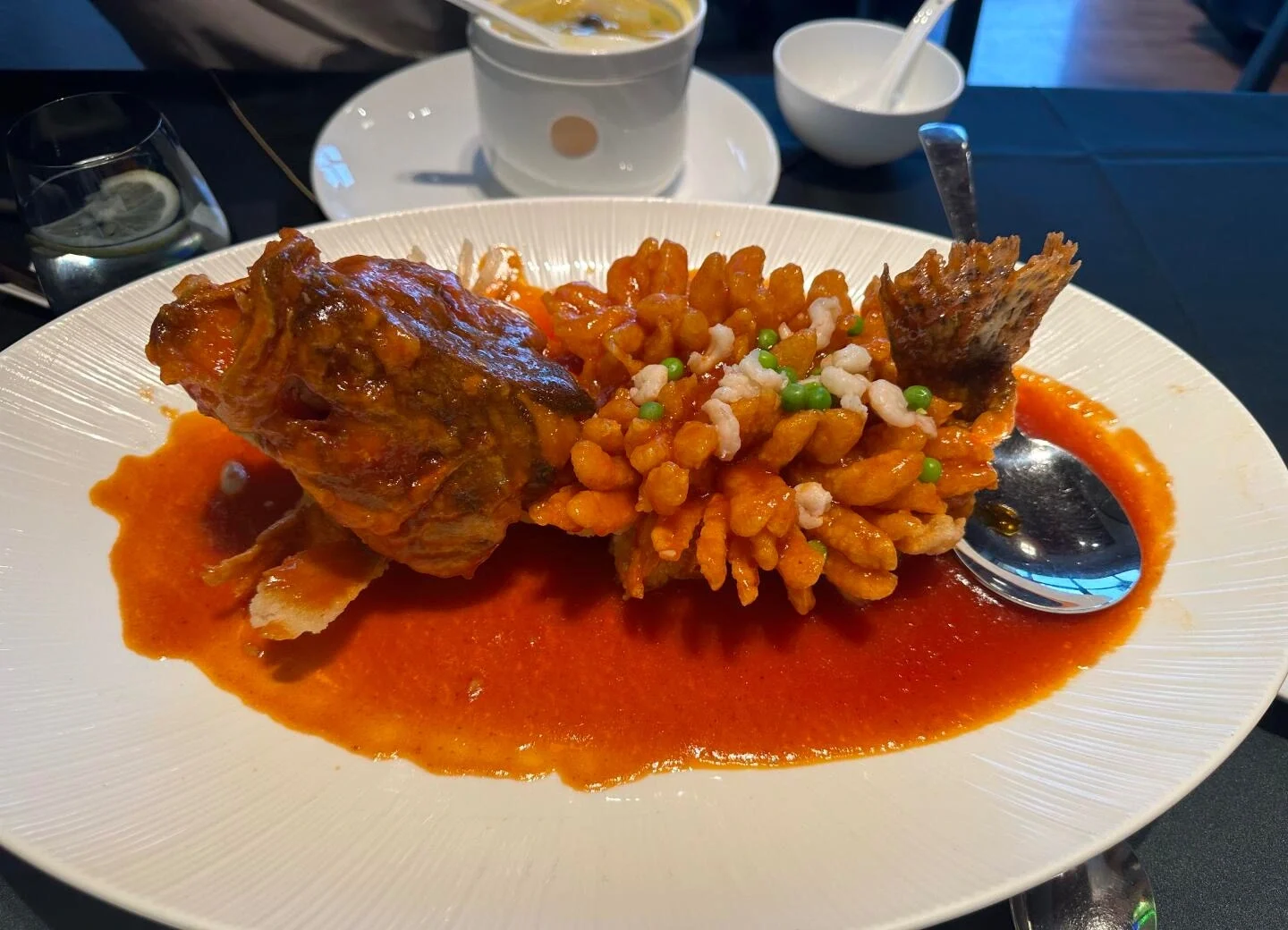
A Suzhou culinary icon, this dish features fresh mandarin fish intricately sliced to resemble a squirrel, deep-fried until golden, and topped with a tangy sweet-and-sour sauce.
The crispy skin and tender meat deliver both flavor and visual delight.

This trio of freshwater delicacies from Lake Tai includes white fish, silverfish, and white shrimp.
White fish is tender and best enjoyed steamed for pure flavor.
Silverfish is delicate, often cooked in egg dishes or soups.
White shrimp is firm and succulent, usually served boiled and dipped in vinegar.

A staple of Suzhou-style noodles.
Thin yet chewy noodles are served in a deep-red broth simmered from pork bones and eel bones.
Toppings may include braised pork or crispy fried fish, giving each bowl a rich and comforting flavor.

These crispy-bottomed buns are pan-fried to golden perfection, bursting with juicy meat filling.
Often sprinkled with sesame seeds and scallions, they’re a beloved Suzhou street snack perfect for breakfast or a light meal.

This sweet-and-savory dish features braised pork chunks resembling cherries.
Its glossy red color and melt-in-your-mouth texture make it both visually appealing and deliciously rich—an excellent representation of Suzhou’s refined cooking style.
See also: What to Eat in Suzhou
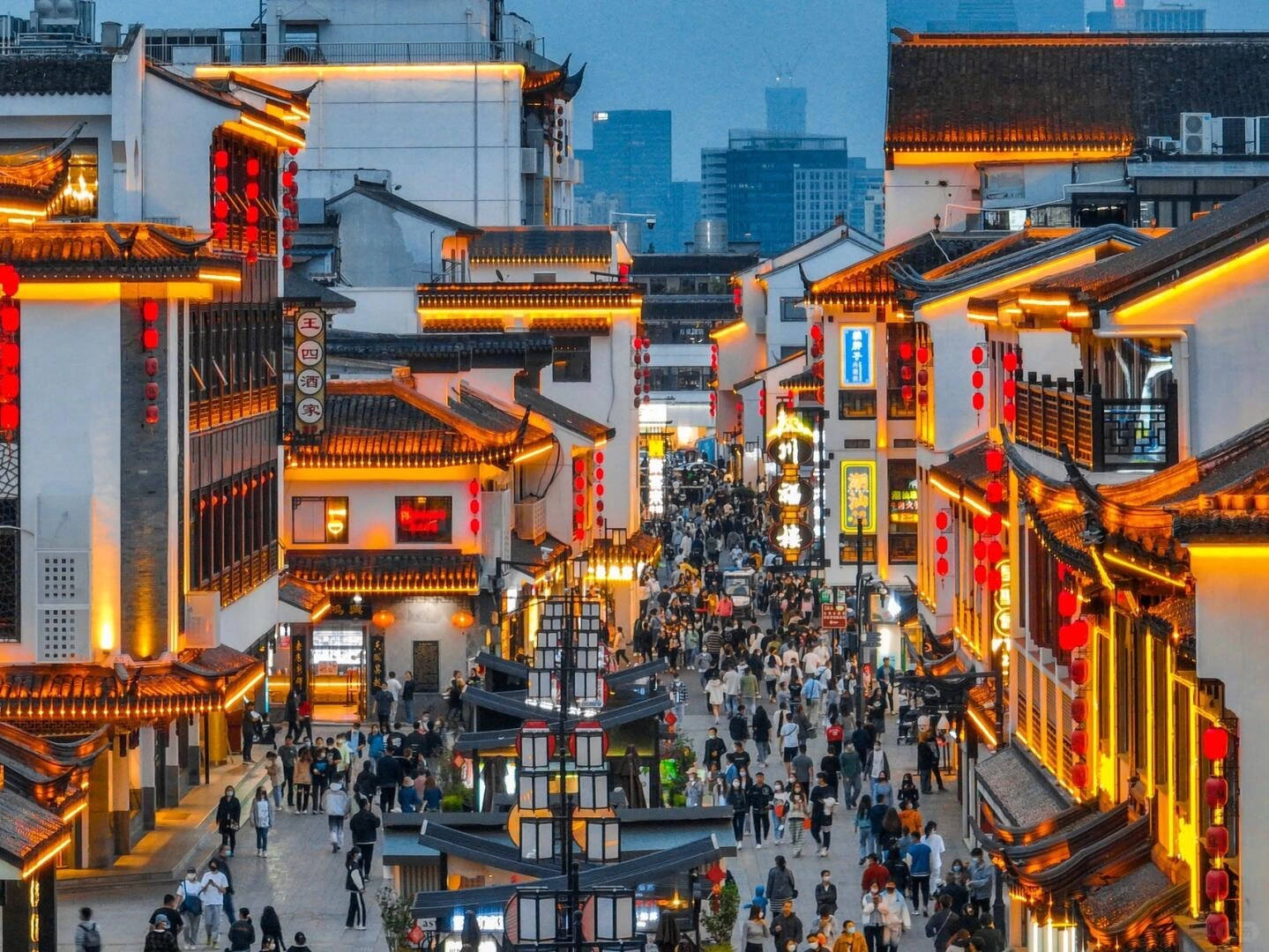
This central pedestrian street is the heart of Suzhou’s food scene.
Here, you’ll find time-honored restaurants like Songhelou and Deyuelou, where you can sample authentic Suzhou cuisine in elegant historic settings.
The area also boasts many street vendors offering local snacks like plum blossom cakes and Shengjian Bao.

For a quieter and more intimate dining experience, explore the charming lanes near Wangshi Garden (Master of the Nets Garden).
Small hidden restaurants and private kitchens here serve seasonal home-style Suzhou dishes in cozy courtyards.
It’s a great place to enjoy authentic flavors away from the crowds.

Hidden along the historic Pingjiang Road, this boutique hotel is housed in the former residence of Qing Dynasty scholar Pan Zuyin, a top-ranking official during the Guangxu era.
The hotel perfectly blends classical Suzhou garden aesthetics with modern amenities—think pavilions, rockeries, and tranquil ponds right outside your room.
Rooms are decorated with refined Chinese elegance, and some even include private courtyards or terraces.
With a top-rated breakfast, warm service, and walking access to highlights like the Humble Administrator’s Garden and Lion Grove Garden, it consistently earns stellar reviews—holding a 4.8+ score across travel platforms.
Guests praise it as a “charming retreat that captures the essence of Suzhou.”

Perched atop the Suzhou International Financial Center, Niccolo offers a sleek, luxurious stay with panoramic views of Jinji Lake and the Suzhou Industrial Park skyline.
Rooms are stylish and high-tech, equipped with premium bedding, smart controls, and floor-to-ceiling windows.
The hotel features several acclaimed restaurants and bars serving international cuisine, along with top-tier amenities like a spa and fitness center.
Located in the heart of SIP, with easy metro access, it’s perfect for both business and leisure travelers.
Guests rave about its breathtaking views and polished service, calling it an “ideal base to enjoy Suzhou’s contemporary urban charm.”
Average review score: 4.7.

Situated at the intersection of Pingjiang Road and Ganjiang Road, this heritage-style hotel immerses guests in authentic Suzhou culture.
Its design evokes old Jiangnan charm with whitewashed walls, wooden lattice windows, and a peaceful courtyard garden.
Rooms are cozy and thoughtfully decorated, showcasing Suzhou craftsmanship and traditional aesthetics.
The hotel regularly hosts cultural activities such as Kunqu Opera and Suzhou Pingtan performances, enriching the stay with local flavor.
With excellent access to public transport, nearby boutique shops, and eateries, it’s a favorite among culture-seeking travelers.
Average rating: 4.6+, with guests noting it’s “where comfort meets Suzhou’s poetic heritage.”
See also: Where to Stay in Suzhou

Suzhou boasts excellent connectivity, especially with nearby hubs like Shanghai.
Taking a high-speed train from Shanghai to Suzhou takes only about 30 minutes, with frequent departures throughout the day.
Upon arrival, Suzhou Railway Station and Suzhou North Station offer easy transfers via public buses or metro to major attractions—making it a seamless travel experience.

Suzhou’s public bus system is extensive and well-organized, connecting most parts of the city.
Tourist routes are designed to link popular landmarks and attractions, offering a scenic and affordable way to explore the city.
Bus signs and route maps are increasingly bilingual, making it tourist-friendly.

Cycling through Suzhou’s historic streets is a wonderful way to soak in its charm.
The city has a robust bike-sharing system, with plenty of docking stations near attractions, gardens, and neighborhoods.
Ride through tranquil lanes, cross stone bridges, and enjoy close-up views of whitewashed walls and tiled roofs typical of Jiangnan architecture.

For faster or more flexible travel, taxis and ride-hailing services (like Didi) are widely available and affordable.
Whether you’re traveling with family or in a group, this option offers direct and convenient access to any destination in the city.

Beyond the famous Shantang Street and Jinji Lake, Suzhou offers several enchanting spots for riverside strolls after dark.
The Ancient City Moat Walkway encircles the old town, with softly lit bridges and restored city walls reflecting in the water.
For a livelier vibe, head to Moonlight Dock Bar Street, where you can enjoy lakeside views with a drink in hand, taking in Suzhou’s mellow nightlife.

Held every Friday and Saturday evening, this spectacular light and fountain show takes place at Jinji Lake.
For the best view, arrive 30 minutes early and head to Lakeside Avenue or Moonlight Dock to secure a good spot.
The synchronized display of water, lights, and music offers a perfect nightcap to a busy day of sightseeing.

Recognized as the “ancestor of Chinese opera,” Kunqu originated in Suzhou.
You can watch elegant performances like The Peony Pavilion or The Palace of Eternal Life at venues such as the Suzhou Kunqu Opera Theatre or the Suzhou Culture and Arts Centre.
For a full experience, book in advance and consider wearing traditional attire for a more immersive feel.

Relax in a classic Suzhou teahouse along Pingjiang Road or Shantang Street, where you can sip Biluochun green tea, listen to Suzhou Pingtan (storytelling and ballads), and gaze out at quiet canals.
These teahouses offer a glimpse into the unhurried rhythm of local life.

The Jinji Lake greenway is perfect for family outings and casual walks.
Along the path, you’ll find playgrounds, waterfront decks, and scenic picnic areas.
The nearby Pingwang Lake in the newly developed Binhu New District offers a more tranquil escape, with flower fields in spring and golden rice paddies in autumn—great for leisurely strolls, birdwatching, or kite flying with kids.
For first-time visitors and general planning advice, see China Travel Tips: The Best Guide You Can Find.
Suzhou enjoys four distinct seasons, each offering unique travel experiences:
Spring (March–May): The most popular season for visiting Suzhou. Gardens like Humble Administrator’s Garden and Lion Grove Garden bloom with azaleas, crabapple blossoms, and more. The mild weather makes it ideal for strolling through historic streets and scenic spots.


Autumn (September–November): A great time for garden lovers. Chrysanthemum exhibitions in Lingering Garden and Humble Administrator’s Garden are in full swing. Maple leaves in Tianping Mountain begin to turn red, painting the hillsides in vibrant colors.

Winter (December–February): Quiet and charming, especially after snowfall. Gardens like Canglang Pavilion and Couple’s Garden Retreat take on a peaceful beauty. Don’t miss the New Year bell-ringing ceremony at Hanshan Temple, a traditional way to welcome good fortune.

For a broader, country-wide seasonal overview, see Best & Worst Time to Visit China.
Choose a classic route:
Morning: Visit Humble Administrator’s Garden for a taste of classical Suzhou beauty.
Lunch: Enjoy local dishes on Guanqian Street.
Afternoon: Explore the Suzhou Museum for its architecture and cultural treasures.
Evening: Stroll along Pingjiang Road, soak in the canal-side charm, and shop for souvenirs.
Alternatively:
Morning: Suzhou Museum
Afternoon: Tiger Hill
Evening: Take a boat ride along the Ancient Canal and admire the illuminated cityscape.
Day 1: Visit Humble Administrator’s Garden, Lion Grove Garden, and Suzhou Museum. In the evening, enjoy the night view along Shantang Street.
Day 2: Head out to Zhouzhuang Water Town for a full day of traditional riverside village life; stay overnight in a local inn.
Day 3: Spend the morning in Tongli Town, then return to Suzhou for an afternoon lakeside walk around Jinji Lake to enjoy the city’s modern skyline.
If you’re more interested in history and culture, dedicate a full day to visiting Hanshan Temple, Lingering Garden, and the Suzhou Folk Custom Museum.
To compare daily travel costs across different Chinese cities, see Cost of Travel in China.

Just 30 minutes away by high-speed train, Shanghai offers a stark contrast to Suzhou’s classical charm with its modern skyline and global energy.
The Bund: Stroll along this historic waterfront to admire colonial-era architecture on one side and futuristic skyscrapers in Lujiazui on the other, beautifully lit at night.
Shanghai Disneyland: A top pick for families and theme park lovers, it features thrilling rides, magical shows, and meet-and-greets with Disney characters.
Yuyuan Garden: A classical Jiangnan-style garden tucked in the heart of the city, featuring rockeries, koi ponds, and elegant pavilions.
Nanjing Road Pedestrian Street: Ideal for shopping, this bustling street also offers diverse street foods and modern shopping malls.

Often paired with Suzhou as “Heaven on Earth,” Hangzhou is reachable in 1–2 hours by train and equally steeped in beauty and culture.
West Lake: Famed for its tranquil scenery and poetic charm, visitors can walk or cycle along the Su Causeway or take a boat to Three Pools Mirroring the Moon.
Lingyin Temple: One of China’s most renowned Buddhist temples, nestled among serene hills and ancient stone carvings.
Xixi Wetland Park: A vast ecological reserve perfect for a boat tour through canals and ponds, surrounded by rich vegetation and seasonal flowers.

Only 30 minutes from Suzhou by high-speed rail, Wuxi offers lakeside beauty and spiritual sites.
Yuantouzhu (Turtle Head Isle): Extending into Taihu Lake, it is especially breathtaking in spring when cherry blossoms bloom across the peninsula.
Lingshan Grand Buddha: Standing 88 meters tall, this imposing bronze statue is a sacred site for spiritual reflection and Buddhist culture.
Nianhua Bay: A tranquil themed town inspired by Tang Dynasty aesthetics. Enjoy peaceful walks along streams, flower-lined paths, and evening lantern-lit strolls full of Zen ambiance.
If Suzhou is part of a longer multi-city trip across China, see the China Travel Guide for a nationwide overview of regions, routes, and travel styles.


Plan 3 days in Kunming with city walks, nature, culture, food, costs, flexible route options, and practical first-time travel tips.
Learn how to get around Yunnan by train, flight, bus, car, and transfer, with practical tips for smoother routes.

Plan your Macau trip with this complete guide. Explore UNESCO sites, casinos, food streets, and transport tips for a perfect 1–3 day itinerary.

Discover what to eat in Hangzhou, from West Lake fish and Dongpo pork to noodles, snacks, prices, areas, and ordering tips.

Learn the best ways to get to Wuhan by train, flight, bus, car, or transfer, with arrival tips for domestic and overseas travelers.

Enter your birth date to find your Chinese zodiac, Heavenly Stem, Earthly Branch, and element, plus a full 1900–2100 zodiac years chart for quick use.

Share your travel ideas, and we’ll help you plan a smooth, personalized trip across China.

Share your travel ideas, and we’ll help you plan a smooth, personalized trip across China.
We’re looking for experienced, part-time local guides to serve international travelers.
Requirements:
• Fluent in at least one foreign language
• 3–5 years guiding international visitors
• Able to operate in multiple regions in China
• Competitive and reasonable pricing
• Proven customer reviews or testimonials
• Professional, reliable, and responsive
• Flexible availability for custom trips
Hi there!
Just a quick heads-up — a helpful user named Volker let me know that some of the non-English content on this site may not be accurate.
This site is a one-person project I run part-time. I research and publish all the content myself, and the translations are currently done by machine (Google Translate). Balancing accuracy and accessibility across multiple languages is a real challenge.
If you spot any errors, I recommend switching to the English version using the button at the bottom left. I’ll continue working to improve the translations over time.
I truly appreciate your understanding. And if you have any suggestions, feel free to leave a comment — it means a lot to me.
— Anthony 2025.6.18


