Written by
Anthony
Written by
Anthony
Chinese cuisine is incredibly diverse, shaped by history, geography, and rich cultural traditions. In this article, I’ve selected 50 must-try Chinese dishes that span a wide range of culinary styles—including banquet classics, regional staples, popular snacks, festive foods, and bold flavors from ethnic and border regions. These dishes are not ranked; each has its own story and significance.
Of course, China has far more delicious dishes than I could include here. This list features just a portion of the country’s culinary highlights, and I hope to update it with even more in the future. I’d love to hear your thoughts—feel free to share what you consider a must-try Chinese dish in the comments!
For a practical first-time list, see 19 Most Popular Dishes
A celebrated Chinese dish originating from the Northern and Southern Dynasties, Peking Duck is considered the “No.1 Flavor of China.” It uses specially raised Pekin ducks and is roasted with fruitwood like jujube or pear wood to achieve crispy skin and tender meat.
Ingredients: Pekin duck, fruitwood, thin pancakes, sweet bean sauce, scallions, cucumber strips.
Cooking Method: The duck undergoes air inflation, skin scalding, sugar glazing, and air drying before being roasted in a hanging oven at a constant temperature.
Taste: Crispy skin with a light sweetness, juicy meat, enhanced by savory sauce and fresh toppings.
Features: Served sliced thin with no bones, wrapped in a pancake—an elegant ritual in Beijing cuisine.
Region: Beijing (notably Quanjude and Bianyifang).
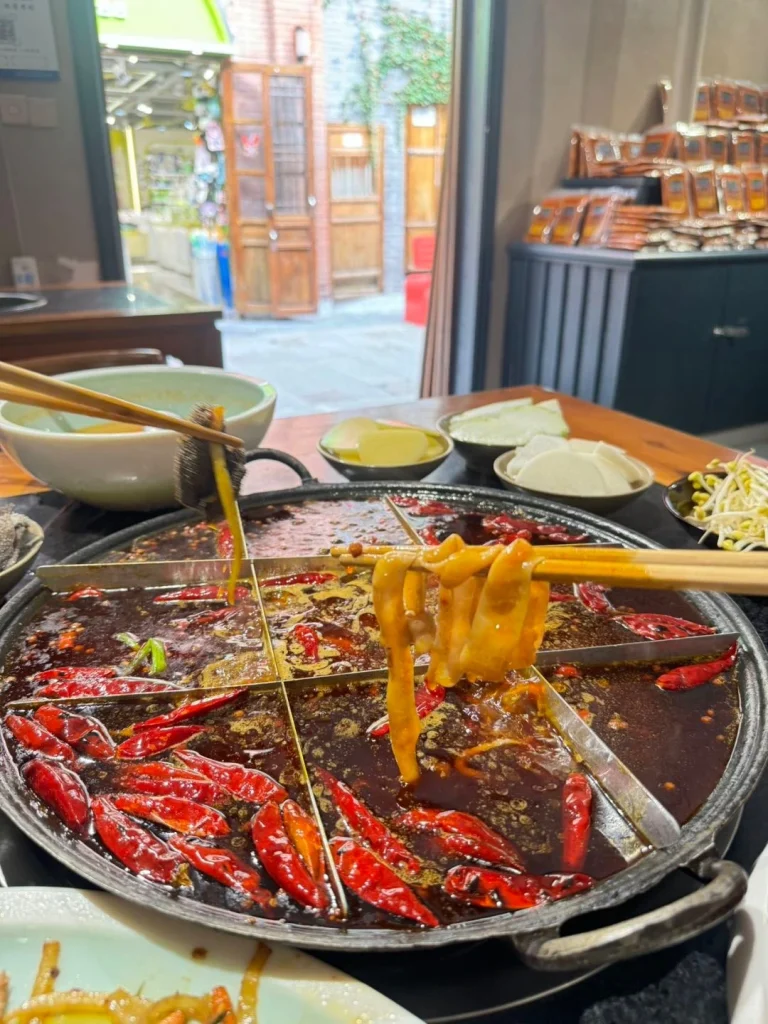
Originating in Sichuan and Chongqing during the late Ming dynasty, Sichuan hotpot features a rich, spicy beef tallow broth. It reflects southwestern China’s communal and bold food culture.
Ingredients: Beef tallow, chili, Sichuan peppercorns, fermented bean paste, tripe, duck gizzard, beef slices, spam, assorted vegetables.
Cooking Method: Broth is heated until boiling, and ingredients are dipped in briefly based on type (e.g., tripe: “seven up, eight down”).
Taste: Fiery, numbing, fragrant, with a thick, spicy broth and lingering umami finish.
Features: Nine-section pots separate cooking zones; sesame oil and garlic dips cool the heat.
Region: Chongqing (beef tallow style) and Chengdu (clear oil version).
A Fujian delicacy dating to the Qing Dynasty, the dish features 18 premium ingredients slow-simmered in a wine-sealed clay jar. Its name comes from its irresistible aroma: “Even a monk would leap over a wall.”
Ingredients: Abalone, sea cucumber, shark fin, fish maw, scallops, quail eggs, mushrooms, chicken, duck, pork bone.
Cooking Method: Each ingredient is prepared separately, layered in a clay pot, doused with Shaoxing wine and broth, sealed with lotus leaves, then simmered for hours.
Taste: Rich, thick soup packed with ocean and land flavors—savory, mellow, deeply aromatic.
Features: Complex and time-consuming, it showcases China’s imperial banquet culture.
A classic Hangzhou dish from the Song Dynasty era, it features steamed mandarin fish covered in a delicate sweet-and-sour glaze. It represents the “light and elegant” hallmark of Zhejiang cuisine.
Ingredients: Mandarin fish, sugar, vinegar, soy sauce, minced ginger, cornstarch.
Cooking Method: The fish is freshly steamed and topped with a sauce made from sugar, vinegar, and soy, thickened with starch.
Taste: Tender, smooth meat with a balance of sweet and tangy flavors and a hint of ginger.
Features: Timing is crucial for texture; sauce must be glossy and amber-clear.
Region: Hangzhou, Zhejiang (notable venues: Lou Wai Lou, Zhiweiguan).
Fact: Although this dish is really famous, most Chinese tourists said it is unpalatable.
A Shandong specialty dating to the Qing era, this dish features pork intestines cooked through nine steps. Known for its balanced fusion of five tastes, it showcases the refined techniques of Lu cuisine.
Ingredients: Pork intestines, scallion, garlic, soy sauce, vinegar, sugar, Sichuan peppercorns, star anise, cooking wine, cilantro.
Cooking Method: After thorough cleaning, the intestines are blanched, deep-fried, then simmered in sauces and finally glazed.
Taste: Soft and tender with sour, sweet, salty, bitter, and spicy notes in a layered sequence.
Features: Meticulous cleaning and precise seasoning highlight Shandong’s culinary depth.
Region: Jinan, Shandong.
One of the “Three Delicacies of the Yangtze,” this Jiangsu dish keeps the fish’s natural flavors intact by steaming it with its fat-rich scales. It’s a fine example of Su cuisine’s balanced and fresh style.
Ingredients: Yangtze shad, pork caul fat, ham, shiitake, ginger, scallions, rice wine.
Cooking Method: Whole fish is steamed with toppings like ham and mushrooms under high heat for 10–15 minutes.
Taste: Delicate, juicy flesh with savory ham notes and a clean broth.
Features: Steamed with scales to retain its natural oils and flavor.
Region: Yangtze River regions such as Jiangyin and Yangzhou, Jiangsu.
A bold and spicy Hunan dish using the large head of a bighead carp, topped with fresh chopped chili and fermented black beans. It’s a perfect example of the “one dish, one flavor” approach in Xiang cuisine.
Ingredients: Bighead fish head, fresh red chili, fermented black beans, ginger, garlic, soy sauce, cooking wine.
Cooking Method: The marinated fish head is steamed with chili and black beans, then doused with hot oil.
Taste: Moist, flaky fish drenched in a spicy, savory, slightly tangy sauce.
Features: Hand-chopped chili adds freshness; the bigger the head, the better the taste.
A Huizhou classic from the Ming–Qing era, this dish features fish fermented for several days, then fried and braised. Its smell is pungent, but the taste is famously addictive.
Ingredients: Mandarin fish, salt, garlic, chili, soy sauce, cooking wine, sugar.
Cooking Method: Fish is salt-fermented for up to a week, then cleaned, pan-fried, and simmered with spices.
Taste: Initially funky, then savory, tender, and rich with fermented depth.
Features: Controlled fermentation is key—neither raw nor rotten, just aromatic.
Region: Huangshan, Anhui (notably Shexian and Tunxi).
Despite its plain look, this Chengdu banquet dish involves an ultra-refined broth made from meats and seafood, and blanched napa hearts. It symbolizes Sichuan’s “light conquers heavy” philosophy.
Ingredients: Tender napa cabbage, old hen, duck, ham, dried scallops, pork, ginger.
Cooking Method: A clear broth is made via long simmering and purification. Cabbage is blanched, then steamed with the broth.
Taste: Delicate but rich, clean-tasting with a sweet umami finish.
Features: The broth is as clear as tea and rich as wine—deceptively simple but complex.
A signature Cantonese dish that emphasizes ingredient freshness. Three-Yellow Chicken is poached and chilled to retain juicy meat and crisp skin, served with ginger-scallion sauce.
Ingredients: Three-Yellow Chicken, ginger, scallions, salt, peanut oil.
Cooking Method: The chicken is gently poached until just done, then cooled in ice water and chopped into pieces.
Taste: Tender and juicy with crisp skin, enhanced by savory, aromatic dipping sauce.
Features: Focuses on original chicken flavor and precise heat control.
Lanzhou Beef Noodles, a renowned dish from northwest China, is one of the “Top Ten Noodles in China.” Known for its “clear soup, white radish, red chili oil, green cilantro, and yellow noodles,” this dish dates back over 200 years. It’s a staple breakfast for locals in Lanzhou.
Ingredients: Beef bones, beef, wheat flour, white radish, cilantro, garlic sprouts, chili powder.
Cooking Method: Beef bones and beef are simmered for hours to create a rich broth. Noodles are hand-pulled to various thicknesses and boiled before being served with broth, radish, cilantro, garlic sprouts, and chili oil.
Taste: A savory, rich broth with chewy noodles, complemented by the aromatic chili oil and a slight tang from the radish.
Features: Focuses on a perfect balance of ingredients, ensuring each bowl represents the epitome of noodles, meat, and broth.
Region: Lanzhou, Gansu (popular shops include “Ma Zi Lu” and “Jin Ding”).
Wuhan Hot Dry Noodles, a quintessential dish for breakfast (“Guozao”) in Wuhan, has been a local favorite since the 1930s. The noodles are parboiled and dried, giving them a firm texture before they are dressed in sesame paste and various toppings.
Ingredients: Alkaline noodles, sesame paste, pickled radish, sour beans, scallions, soy sauce, sesame oil.
Cooking Method: The noodles are boiled, then cooled and oiled to prevent sticking. Upon serving, the noodles are re-heated and mixed with sesame paste, pickled radish, and other seasonings.
Taste: Rich, savory sesame paste with a slightly spicy and tangy finish, balanced by the chewy noodles and crunchy radish.
Features: Served dry, this dish highlights the “dry, fragrant, and intense” essence of Wuhan street food.
Region: Wuhan, Hubei (local favorites include “Cai Lin Ji” and “Changqing Mai Xiang Yuan”).
Known as the “Chinese hamburger,” Xi’an Roujiamo has roots in the Warring States period. It comes in two variations: “La Zhi Rou” (pork) and “Lao Tongguan Rou” (crisp on the outside, soft on the inside). It’s a beloved snack in Xi’an and the Northwest.
Ingredients: Pork belly (or beef), flour, star anise, cinnamon, bay leaves, and other spices.
Cooking Method: The meat is braised for hours until tender, while the dough is baked into a round, hollow bread. The meat is chopped and stuffed inside the bread.
Taste: Tender, juicy meat with a savory, spiced flavor, paired with a fragrant, slightly crispy bread that complements the richness of the pork.
Features: The dish is an iconic symbol of Shaanxi cuisine, providing a satisfying, hearty meal in a convenient form.
Region: Xi’an, Shaanxi (notably from “Fan Ji La Zhi Roujiamo”).
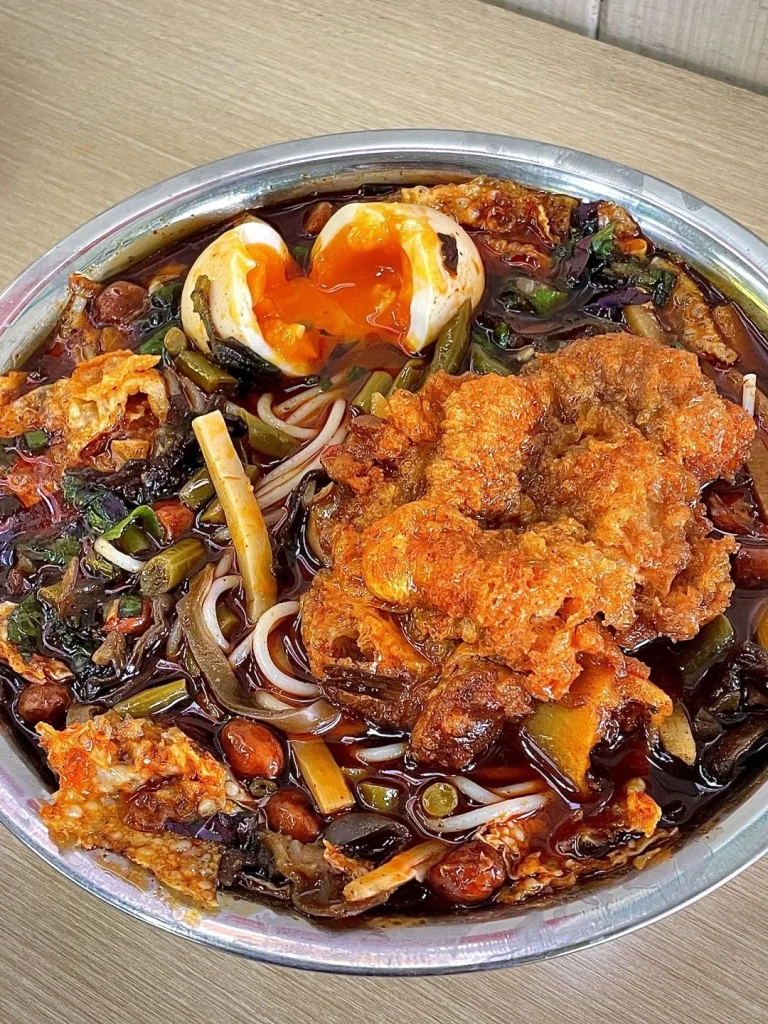
Liuzhou Luosifen is famous for its unique fermented bamboo shoots and pungent aroma, which has gained nationwide popularity. Originating from Liuzhou’s night markets in the 1970s, it was added to the national intangible cultural heritage list in 2021.
Ingredients: Fermented bamboo shoots, snail soup (made from snails and pork bones), rice noodles, pickled green beans, wood ear mushrooms, tofu skin, peanuts, and vinegar.
Cooking Method: Rice noodles are boiled and cooled, then topped with fermented bamboo shoots, snails, and other condiments, with hot soup poured over.
Taste: Rich, savory broth with a distinct sourness from the bamboo shoots, spicy heat, and a balance of textures from the noodles and toppings.
Features: The fermented bamboo shoots give this dish its signature “stinky” yet fragrant quality, making it a highly addictive snack.
Region: Liuzhou, Guangxi (famous spots include “Jubao Building” and “Aimin Luosifen”).
Guilin Rice Noodles have been a staple since the Qin Dynasty. This dish is famous for its “Lao Shui” (broth) and features two ways of preparation: “soup noodles” and “stir-fried noodles.” It’s a representation of Guangxi’s culinary heritage.
Ingredients: Rice noodles, pig or beef bone broth, crispy fried pork belly, marinated beef, pickled vegetables, pickled bamboo shoots, and cilantro.
Cooking Method: The noodles are boiled and served with either a rich pork bone broth or marinated beef. The toppings vary, often with crispy fried pork and pickled vegetables.
Taste: The broth is savory and herbal, complemented by the crispy pork and the sourness from the pickled vegetables.
Features: The dish is defined by its aromatic broth and layered flavors, with a balance between savory, sour, and crunchy elements.
Region: Guilin, Guangxi (local classics include “Chongshan Rice Noodles” and “Ri Tuo Rice Noodles”).
Chongqing Xiaomian, a street food staple, originates from the early 20th century. Known for its bold spiciness and aromatic flavor, it’s one of the best representations of Chongqing’s “Mala” (numbing-spicy) cuisine.
Ingredients: Alkaline noodles, pig or beef bone broth, pickled vegetables, minced meat, green vegetables, chili oil, Sichuan peppercorns.
Cooking Method: Noodles are boiled and topped with a hot, spicy broth made from chili oil, Sichuan peppercorns, and seasoning. Toppings include minced meat and vegetables.
Taste: Spicy, numbing, and savory, with a rich broth that blends the heat of chilies and the fragrant numbing sensation from peppercorns.
Features: “Small but strong” in flavor, it highlights Chongqing’s love for spicy and fragrant dishes.
Region: Chongqing (street-side vendors and local spots like “Huashi Wanzamian”).
Yanji Cold Noodles are a traditional dish from the Korean minority in Northeast China. Developed in the early 20th century, they’re celebrated for their refreshing, tangy flavor and are a popular summer dish.
Ingredients: Buckwheat noodles (or wheat noodles), beef or chicken broth, kimchi, beef slices, egg, apple slices, pear slices, cucumber strips.
Cooking Method: Noodles are boiled and chilled in cold water. A chilled, savory beef broth is poured over the noodles with fresh garnishes.
Taste: Refreshing, with a perfect balance of tangy and savory from the broth, and a subtle sweetness from the fruits.
Features: The dish has a ritual of “twisting” the noodles with chopsticks to cool them further, offering a playful and cooling experience.
Region: Yanji, Jilin (notably “Yuan Nai Nai Cold Noodles” and “He Ba Cold Noodles”).
Shanxi Daoxiao Noodles, famous for their unique “knife-shaved” noodles, trace their roots to the Yuan Dynasty. This iconic dish from the “land of noodles” is celebrated for its versatility and simplicity.
Ingredients: Wheat flour, pork or beef topping, tomato, eggplant, fried meat sauce.
Cooking Method: The dough is manually “shaved” with a curved knife into thin noodles that are boiled and served with various toppings like fried meat and vegetables.
Taste: Chewy, with a satisfying bite, and the savory sauce adds depth to the dish’s simple yet hearty flavors.
Features: The “shaving” technique requires skill, with uniform noodle size and texture being crucial for a perfect bowl.
Region: Shanxi (classic spots include “Dongfang Daoxiao Noodles” and “Taiyuan Noodle House”).
Originating in Shawan County, Xinjiang in the 1980s, Big Plate Chicken features tender chicken, potatoes, and wide noodles in a spicy, flavorful stew. It’s known for its large portions and bold flavors.
Ingredients: Three-Yellow Chicken, potatoes, green and red peppers, dried chili, Sichuan peppercorns, belt noodles.
Cooking Method: Chicken is stir-fried with chili and spices, then simmered with potatoes until tender. The dish is served with wide noodles to absorb the rich, spicy sauce.
Taste: Savory, spicy, with tender chicken and creamy potatoes, complemented by fragrant peppers and chili oil.
Features: Often served “two ways,” first as a chicken dish, then as noodle soup with the leftover broth.
Region: Shawan, Xinjiang (local restaurants like “Old Wolf Dapanji”).
Guoqiao Rice Noodles originated in the Qing Dynasty in Mengzi, Yunnan. The dish is named after the legend of a scholar’s wife crossing a bridge to deliver the meal. The dish involves a flavorful, aromatic broth and various fresh ingredients.
Ingredients: Chicken broth, sliced meat (pork or fish), quail eggs, tofu skin, vegetables, rice noodles.
Cooking Method: A hot broth is served with raw meat and vegetables, and rice noodles are added to absorb the heat. The meal is then mixed just before eating.
Taste: A rich, savory broth with tender meat, fresh vegetables, and smooth noodles that absorb all the flavors.
Features: The use of hot broth and oil layers helps preserve the meal’s aroma, offering a visually spectacular and flavorful experience.
Region: Mengzi and Kunming, Yunnan (notable spots include “Jian Xin Yuan” and “Qiao Xiang Yuan”).
Shanghai Xiaolongbao, also known as “small steamed buns,” is a classic Shanghai dim sum with a history of over 150 years, originating in the Tongzhi era. Famous for its thin skin, large filling, and rich soup inside, it is a popular breakfast or afternoon snack.
Ingredients: Wheat flour, pork shoulder, meat jelly, ginger, Shaoxing wine.
Cooking Method: The dough is rolled thin, filled with meat and meat jelly, then pleated into 16-18 folds. The dumplings are steamed in a bamboo basket for 8-10 minutes until the jelly turns into soup.
Taste: Juicy, tender filling with a rich broth that bursts in your mouth, paired with soft dough and a slight sweetness.
Features: The “open the window, sip the soup” method ensures you avoid burning your mouth while savoring the delicious broth.
Region: Shanghai (notably from Nanxiang Town and renowned restaurants like “Nanxiang Mantou Dian” and “Yuyuan Greenwave”).
A representative of Tianjin’s culinary culture, Goubuli Baozi has been around since 1858. Its name comes from the shop owner, Gao Guoyou, who was too busy to talk to customers, earning him the nickname “Gouzi” (Dog). The buns are known for their 18 evenly spaced folds and unique flavor.
Ingredients: Wheat flour, pork belly, scallions, ginger, secret seasoning.
Cooking Method: The dough is fermented, the filling is made from a three-part fatty pork mixture, and then the buns are steamed for 15 minutes.
Taste: Juicy, flavorful filling with a balanced savory taste. The bun has a rich wheat flavor with a soft, elastic texture.
Features: The bun’s distinct fold pattern and strict steaming process ensure it retains its shape and juices.
Region: Tianjin (Goubuli’s main store on Shandong Road and other chain outlets).
One of the “Four Kings” of Cantonese dim sum, Har Gow is renowned for its translucent skin and tender shrimp filling. Originating in Guangzhou in the early 20th century, it is an essential part of Cantonese tea culture.
Ingredients: Tapioca starch (for dough), fresh shrimp, pork, bamboo shoots, lard.
Cooking Method: Tapioca starch is mixed with hot water to form a dough, which is rolled thin. Shrimp is blanched and mixed with pork and bamboo shoots, then wrapped in the dough and steamed for 5-6 minutes.
Taste: Sweet, bouncy shrimp paired with the rich flavor of pork, with a slight crunch from bamboo shoots. The dough is soft and smooth.
Features: Delicate, bite-sized, and meticulously made with perfectly transparent skin.
Region: Guangzhou (traditional tea houses like “Taotao Ju” and “Dian Dou De”).
A beloved street food in Changsha, this dish has been around for over 300 years. Its distinctive “stinky” aroma comes from fermented tofu, which is deep-fried to a crispy golden brown and soaked in a secret spicy broth.
Ingredients: Yellow soybeans, fermented brine (made from mushrooms, winter bamboo shoots, and rice wine), chili oil, soy sauce, minced garlic.
Cooking Method: Tofu is fermented for 2-3 days, deep-fried until crispy, then drizzled with spicy chili oil and served with fresh cilantro and green onions.
Taste: Crunchy exterior with soft, flavorful tofu inside, complemented by the intense spicy and savory broth. The initial smell transforms into a rich, savory flavor.
Features: The fermentation process is key to achieving its signature flavor, making each piece aromatic and slightly pungent.
Region: Changsha, Hunan (popular stalls on “Huogongdian” and “Pojie Street”).
A famous snack from Chengdu, Zhong Shui Jiao (dumplings in red oil) has been a favorite since 1893. Unlike traditional dumplings, these are served dry, with a spicy, sweet, and fragrant red oil dressing.
Ingredients: Wheat flour, pork shoulder, red oil, minced garlic, soy sauce, Sichuan pepper.
Cooking Method: Dumplings are made from dough rolled into small wrappers, filled with pork, then boiled. Afterward, they are drenched in red chili oil, garlic paste, and soy sauce.
Taste: Spicy, fragrant red oil with a perfect balance of sweet, salty, and savory flavors. The dumplings are soft and juicy.
Features: The red oil is carefully prepared using vegetable oil and chili, creating a rich and flavorful coating.
Region: Chengdu, Sichuan (notable spots: “Zhongji Dumplings” and “Long Chao Shou”).
A classic Su cuisine dish, this fish is said to have been favored by Emperor Qianlong during his southern tours. The fish is battered, deep-fried, and topped with a sweet-and-sour sauce, creating a crispy, fluffy texture resembling a squirrel’s fur.
Ingredients: Mandarin fish, tomato paste, sugar, vinegar, pine nuts, peas.
Cooking Method: The fish is deboned, scored with a “herringbone” pattern, and deep-fried twice to achieve a crispy outer texture. The sauce is made from tomato paste, sugar, and vinegar.
Taste: Crispy on the outside with tender, juicy flesh inside. The sauce is perfectly balanced, neither too sweet nor too tangy.
Features: The fish is meticulously cut and fried, giving it a unique and visually striking appearance.
Region: Suzhou (classic restaurants: “Songhe Lou” and “Deyue Lou”).
A traditional Ningbo dessert, Tangyuan (also known as Yuanxiao) has been around for over 700 years. Made from water-ground glutinous rice flour, these sweet rice balls are stuffed with a black sesame and lard filling.
Ingredients: Glutinous rice, black sesame, pork lard, sugar.
Cooking Method: Glutinous rice is soaked, ground into a smooth dough, and filled with a mixture of crushed black sesame and lard. The balls are boiled until they float.
Taste: Chewy, smooth skin with a rich, sweet filling that bursts with the flavor of sesame and lard.
Features: The traditional “water-ground” technique gives the dough a silky texture. They are often paired with sweet osmanthus syrup for added fragrance.
Region: Ningbo, Zhejiang (classic spots include “Gangedu” and “Changqing Tangyuan”).
A classic Nanjing dish, Salted Duck is known for its tender meat and aromatic seasoning. It’s often made in late summer when osmanthus flowers bloom, adding a unique fragrance. The duck is salted and simmered, creating a savory, rich flavor.
Ingredients: Muddy duck, coarse salt, Sichuan peppercorns, star anise, ginger, scallions.
Cooking Method: The duck is salted and marinated, then simmered with various spices for several hours. It’s then allowed to cool, which helps retain moisture and flavor.
Taste: Tender and juicy, with a delicate, savory flavor from the salt and spices. The skin is smooth and fragrant, with a light, non-greasy finish.
Features: The duck is steamed in a special method to achieve a golden, tender texture.
Region: Nanjing, Jiangsu (local classics like “Guanghui Salted Duck” and “Xiaoshan”).
A classic Fujian coastal dish, the Oyster Omelet is made with fresh oysters and sweet potato flour, pan-fried to a crispy perfection and served with sweet and spicy sauce. It’s a popular snack in Xiamen’s night markets.
Ingredients: Oysters, sweet potato flour, eggs, lettuce, scallions, sweet chili sauce.
Cooking Method: Oysters are cleaned and mixed with sweet potato flour to form a batter, which is pan-fried with eggs and garnished with fresh vegetables. It’s served with a spicy sauce.
Taste: Juicy oysters with a crispy exterior, paired with a savory egg base and tangy sauce. The sweet chili sauce balances the dish’s richness.
Features: Fresh, juicy oysters are the heart of this dish, providing an oceanic flavor that blends with the crispy omelet.
Region: Xiamen, Fujian (local markets and “Zeng Cuo An” area).
A specialty of Harbin, this sausage is influenced by Russian sausage-making techniques. Red sausage has been a staple for over 100 years, with its rich, garlicky flavor and firm texture.
Ingredients: Pork (fat-to-lean ratio 3:7), garlic, black pepper, starch, sodium nitrite (for curing).
Cooking Method: Pork is marinated with spices, stuffed into casings, and then smoked, boiled, and steamed.
Taste: Firm, tender meat with a robust garlic and black pepper flavor, with a smoky, savory finish.
Features: It’s known for its Russian influence, offering a hearty, versatile sausage that can be eaten on its own or used in cooking.
Region: Harbin, Heilongjiang (local favorites from brands like “Qiu Lin Li Da Si”).
Dumplings are a central part of the North Chinese New Year feast, symbolizing wealth and prosperity. This 1,800-year-old tradition involves family members making dumplings together.
Ingredients: Wheat flour, pork/beef/lamb, vegetables (cabbage, chives, celery), ginger, seasonings.
Cooking Method: The dough is rolled into thin skins, filled with a meat and vegetable mixture, and folded into crescent shapes. Dumplings are boiled, steamed, or pan-fried (potstickers).
Taste: Chewy dough with a savory filling, often served with vinegar or garlic sauce.
Features: Dumplings are traditionally made on New Year’s Eve and eaten at dawn. Some regions hide coins or sweets inside for good luck.
Region: Northern China, especially Shandong, Northeast, and Henan.
Tangyuan, eaten during the Lantern Festival, symbolizes family unity. It has evolved from the Song Dynasty’s “floating round dumplings” to today’s sweet or savory varieties.
Ingredients: Glutinous rice flour, black sesame, peanut, sweet bean paste, pork lard.
Cooking Method: Southern Tangyuan is made by rolling glutinous rice flour into balls filled with sweet fillings. Northern “Yuanxiao” are rolled in rice flour and boiled until they float.
Taste: Chewy with a sweet filling (like black sesame or peanut) and a light, fragrant soup.
Features: Regional differences in preparation, with some areas practicing the custom of “stealing Tangyuan” for good luck.
Region: Southern China (Zhejiang, Guangdong) and Northern China (Beijing).
Qingtuan is a springtime treat made for the Qingming Festival. Its green color comes from mugwort juice, symbolizing renewal and spring.
Ingredients: Glutinous rice flour, mugwort, red bean paste, sesame, egg yolk, pork floss.
Cooking Method: Mugwort juice is mixed with rice flour to create the green skin, which is then filled with sweet or savory fillings and steamed for 8-10 minutes.
Taste: Chewy with a grassy aroma from mugwort. The filling is either sweet (like red bean paste) or savory (like egg yolk and pork floss).
Features: Symbolizing renewal, these dumplings are often served as offerings to ancestors.
Region: Zhejiang, Shanghai, Suzhou (notable spots: “Shenda Cheng” and “Zhiwei Guan”).
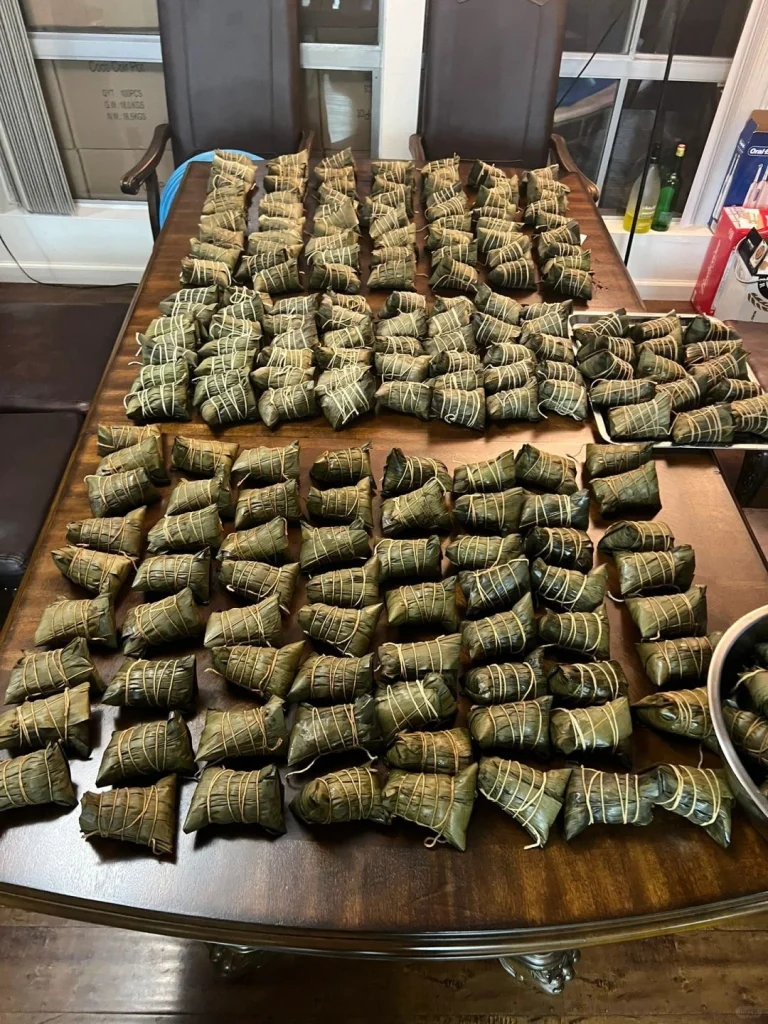
Zongzi is a traditional dish for the Dragon Boat Festival, enjoyed for over 2,300 years. It symbolizes the protection of Qu Yuan’s spirit and reflects both northern and southern culinary traditions.
Ingredients: Glutinous rice, bamboo leaves, fillings like pork, salted egg yolk, red bean paste.
Cooking Method: The rice is soaked, wrapped in leaves with fillings, and boiled for 2-3 hours.
Taste: Soft, sticky rice with either savory fillings (like pork or salted egg yolk) or sweet fillings (like red bean paste). The leaf adds a fragrant aroma.
Features: Regional variations with Southern Zongzi featuring savory pork, and Northern Zongzi often with sweet fillings. The leaf wrapping enhances flavor.
Region: Southern China (Jiaxing, Guangdong, Zhejiang) and Northern China (Beijing).
Mooncakes are the iconic treat of the Mid-Autumn Festival, symbolizing family reunion and the full moon. They date back to the Song Dynasty and come in many regional styles.
Ingredients: Pastry (Cantonese sugar crust, Su-style flaky crust, Beijing thick crust), fillings like lotus paste, red bean paste, salted egg yolk, nuts.
Cooking Method: Filled with sweet or savory paste and baked. Cantonese versions are smooth and golden, while Su-style is layered and crisp.
Taste: Rich and sweet with soft or crispy crusts. Fillings range from sweet lotus paste to savory egg yolk and nut blends.
Features: Mooncakes vary by region and are a symbol of unity. Popular flavors spark friendly rivalries, like “Lotus vs Five-Nut.”
Region: Guangzhou (Cantonese), Suzhou (Su style), Beijing (Beijing style), and beyond.
Laba Porridge is traditionally served during the Laba Festival, which marks the beginning of preparations for the Chinese New Year. The porridge, made with eight grains and beans, is believed to bring health and prosperity.
Ingredients: Glutinous rice, red beans, black beans, green beans, peanuts, dates, lotus seeds, longan.
Cooking Method: The ingredients are soaked, then boiled slowly for 1-2 hours until soft and thickened. Sugar is added to enhance sweetness.
Taste: A rich, dense mixture of beans and grains, with a balance of sweetness and nutty flavors. The texture is smooth and comforting.
Features: A traditional dish that signifies “new beginnings,” Laba Porridge is often shared among family and friends for good health and prosperity in the coming year.
Region: Nationwide, with specific regional variations (especially in Beijing, Hangzhou).
A signature Mongolian dish dating back to Genghis Khan’s era, Whole Roasted Lamb is slow-roasted over charcoal until golden and crispy, symbolizing hospitality and celebration.
Ingredients: Whole lamb, fruitwood charcoal, salt, cumin, chili powder, onions, ginger.
Cooking Method: The lamb is marinated for 2 hours, then roasted over low charcoal heat for 6–8 hours, with frequent basting until crisp and juicy.
Taste: Crispy skin with smoky, tender meat. Spices add rich, layered flavor.
Features: Served with ceremonial customs, often at large feasts. Head and tail are reserved for honored guests.
Region: Inner Mongolia (notably Hohhot and Xilin Gol League).
A traditional drink of the Tibetan Plateau, Butter Tea has been consumed for over a thousand years. Made with yak butter, brick tea, and salt, it is a daily energy booster that helps combat altitude sickness and provides much-needed calories in the harsh environment.
Ingredients: Yak butter, brick tea (or Pu’er tea), salt, water.
Cooking Method: Boil the brick tea for 30 minutes, then pour into a tea churn. Add the yak butter and salt, and vigorously churn for 20-30 minutes until it becomes a creamy, frothy beverage.
Taste: Rich, creamy, and salty, with the deep, earthy flavor of tea and a warming, comforting mouthfeel.
Features: The tea is served with the custom of “pouring more when it is one-third full,” showing hospitality. The traditional churn is intricately carved and a significant household item.
Region: Lhasa, Shigatse, Tibet (traditional tea houses like “Guangming Gongqiong” serve the best butter tea).
Xinjiang’s Hand-Pulled Pilaf, also known as “Polow,” is a national dish originating from the Silk Road. It combines lamb, carrots, raisins, and rice in a single, aromatic dish. Traditionally eaten by hand, it represents the bold and vibrant flavors of Xinjiang’s multi-ethnic culture.
Ingredients: Lamb leg (or beef), carrots, raisins, onions, cumin, rice, vegetable oil.
Cooking Method: Lamb is stir-fried with onions and spices, then steamed with rice, carrots, and raisins until the rice absorbs all the flavors.
Taste: Savory lamb with sweet notes from raisins. The rice is rich, aromatic, and full of flavor.
Features: Traditionally eaten by hand, this hearty dish is also available in vegetarian versions.
Region: Urumqi, Hetian, Xinjiang (local favorites include “Xinyuan Hand-Pulled Pilaf”).
A signature snack of Yunnan, Fresh Flower Cake originated during the Qing Dynasty. Made with edible rose petals, it celebrates Yunnan’s floral heritage and is a popular souvenir for tourists, blending sweetness with floral aroma.
Ingredients: Edible roses (Mok-red rose or Dianhong rose), wheat flour, lard, sugar, honey.
Cooking Method: Roses are cleaned, sweetened, and then mixed with wheat flour and lard to make the dough. The flower-filled dough is rolled, shaped, and baked at 15-20 minutes until golden brown and flaky.
Taste: Crisp and flaky pastry with a soft, sweet, and floral filling. The honey and sugar provide sweetness, while the fresh roses add a fragrant, delicate aroma.
Features: The traditional technique uses freshly picked petals, creating a natural, fragrant experience. New flavors like jasmine and chrysanthemum have also been introduced in modern variations.
Region: Kunming, Dali, Yunnan (bakeries like “Jia Hua Bing” offer the best flower cakes).
A classic dish of the Miao ethnic group, Sour Soup Fish originates from the southeastern mountain regions of Guizhou. Known for its distinctive sour broth, this dish is the epitome of the “sour culture” that defines Guizhou cuisine.
Ingredients: Sour soup (white or red fermented rice), rice fish (or carp), tomatoes, wood ginger, pickled chili, tofu, seasonal vegetables.
Cooking Method: The sour soup base is made by fermenting rice for 3-5 days, then boiled with fish and vegetables. Pickled chilies, ginger, and other spices are added to enhance the depth of flavor.
Taste: A complex, tangy soup with tender fish, savory depth from the soup, and a hint of spiciness from the chilies. The fish is delicate, and the soup is refreshing and cleansing.
Features: The “sour” element is the defining characteristic, and the dish is a social one, often enjoyed during large family gatherings and celebrations.
Region: Guizhou, Qiandongnan (restaurants like “Kuai Huo Lin” and “Lao Kai Li” are known for their sour soup fish).
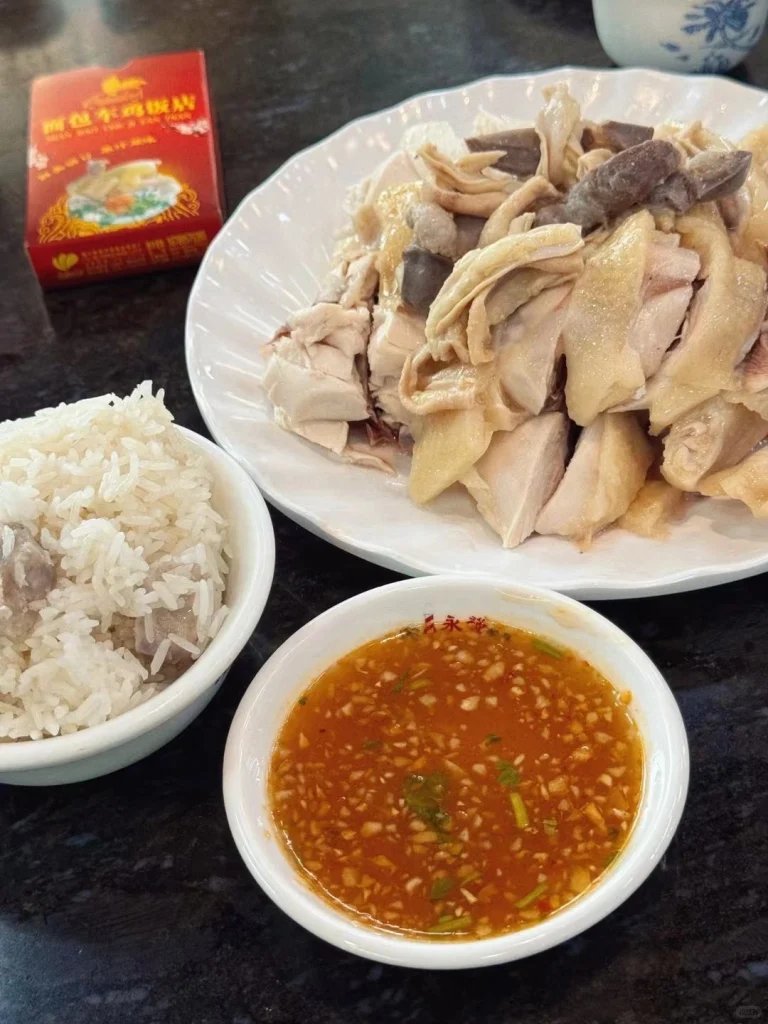
Hainan’s most famous dish, Wenchang Chicken, is renowned for its tender, flavorful meat, which comes from free-range chickens. Named after the Wenchang area, it’s traditionally served with coconut rice and a homemade dipping sauce.
Ingredients: Wenchang chicken (free-range), coconut, ginger, scallions, garlic, sour orange juice.
Cooking Method: The chicken is gently boiled with aromatics, then cooled in ice water to keep the skin firm. Served with coconut rice and dipping sauce.
Taste: Juicy, tender meat with crisp skin. Coconut rice adds sweetness, while the sauce is tangy and refreshing.
Features: Free-range chickens give the dish a clean, natural flavor. The chicken is served whole with its head facing the guest as a sign of respect.
Region: Wenchang, Hainan (known for its local dishes served at “Tian Ci Village” and “Nanyang Town”).
Chongqing La Zi Ji is a signature dish from the Sichuan-Chongqing region, known for its bold flavors and the unique way it’s eaten. It originated in the 1980s in Gele Mountain and is famous for its “find the chicken in a pile of chilies” style. This dish combines crispy chicken and a heavy amount of dry chili and Sichuan peppercorns, offering a spicy and numbing experience.
Ingredients: Free-range chicken, dried chili peppers, Sichuan peppercorns, ginger, garlic, cooking wine, starch, sesame seeds.
Cooking Method: Chicken is marinated and deep-fried, then stir-fried with chilies, peppercorns, and aromatics until fragrant.
Taste: Crispy, tender chicken with intense spicy and numbing flavor, plus a smoky aroma and slight sweetness.
Features: Visually striking with more chilies than chicken—diners “search” for the meat. Heat and aroma are carefully balanced.
Region: Chongqing (classic restaurants like “Lin Zhong Le” and “Lao Yao Spicy Chicken”).
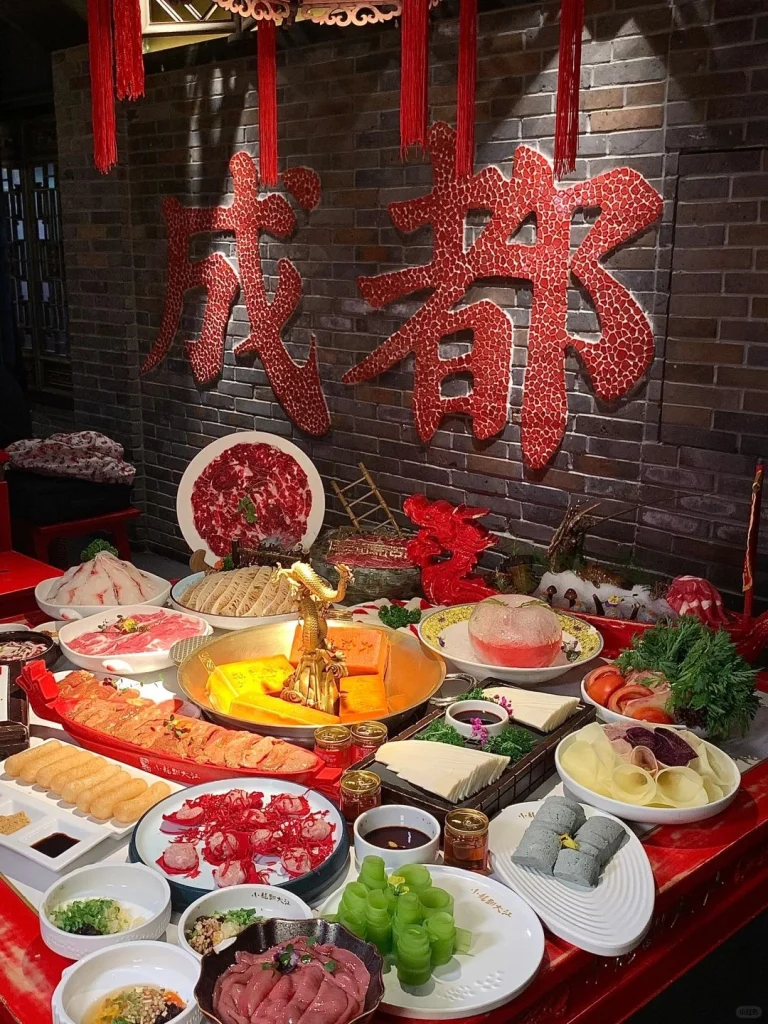
The Chaoshan Beef Hotpot is a cornerstone of Cantonese cuisine, especially popular in the Chaoshan region. Originating in the mid-20th century, this hotpot is known for its ultra-fresh beef and clean broth. Beef is served from the moment it’s slaughtered, ensuring unparalleled freshness.
Ingredients: Fresh beef (cut into various parts, including premium cuts like “tenderloin” and “beef tongue”), beef bone broth, peanut sauce, celery.
Cooking Method: Beef is thinly sliced and briefly dipped in simmering bone broth. Each cut is cooked for just a few seconds to preserve tenderness.
Taste: Tender, juicy beef with subtle sweetness from the broth. Peanut sauce adds nutty richness.
Features: Cuts are carefully sliced and served by type, with each requiring precise timing. Freshness is key to the experience.
Region: Guangdong, Shantou, Chaozhou (famous spots include “Baha Li” and “Guang Dong Beef Hotpot”).
Dongpo Pork is a classic dish from Jiangsu cuisine, named after the famous Song Dynasty poet and statesman Su Dongpo. The dish is slow-cooked using a combination of wine and soy sauce, resulting in melt-in-your-mouth pork that is both fatty and lean. It symbolizes the harmony of sweet and savory flavors in Jiangsu cooking.
Ingredients: Pork belly (with skin), Shaoxing wine, soy sauce, rock sugar, ginger, scallions.
Cooking Method: Blanched pork is simmered slowly in wine, soy sauce, and sugar until soft, then coated in a glossy sauce.
Taste: Melt-in-your-mouth pork with a sweet-savory balance and deep aroma from the wine.
Features: Known for its shiny glaze and tender texture, this dish represents Jiangsu cuisine’s refined slow-cooking techniques.
Region: Hangzhou, Zhejiang (restaurants like “Lou Wai Lou” are famous for their Dongpo Pork).
Tortoise Jelly, a unique and bold dish from Fujian’s Quanzhou Anhai Town, is made from “Tuo Sun,” a sea creature known as the “sea earthworm.” After boiling and extracting the gelatin, it’s chilled into a jelly, served with tangy condiments, and is one of the most daring food experiences in Fujian.
Ingredients: Tuo Sun (sea earthworm), clear water, soy sauce, vinegar, garlic, mustard, cilantro.
Cooking Method: Boiled to extract natural gelatin, the liquid is cooled into a jelly, sliced, and served cold with tangy condiments.
Taste: Mildly briny with a smooth, slippery texture. The sauce adds tang, heat, and freshness.
Features: A daring dish with a gelatinous bite, representing Fujian’s adventurous culinary spirit.
Region: Fujian, Quanzhou (local markets and eateries like “Bing Zheng Tang” serve the authentic version).
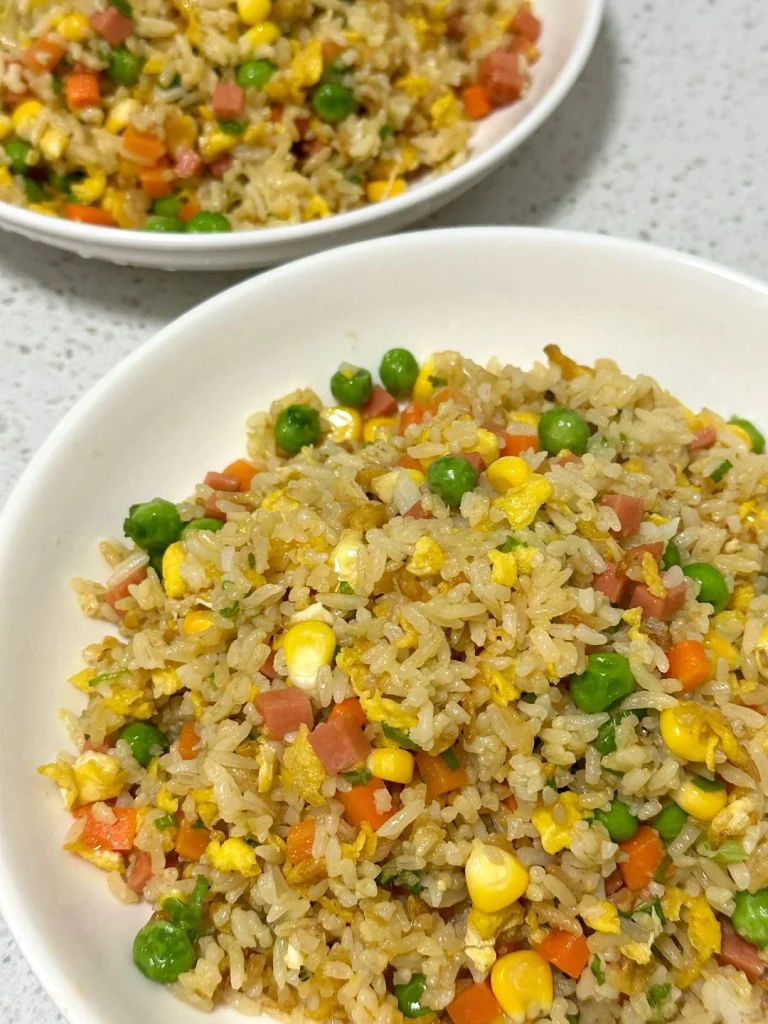
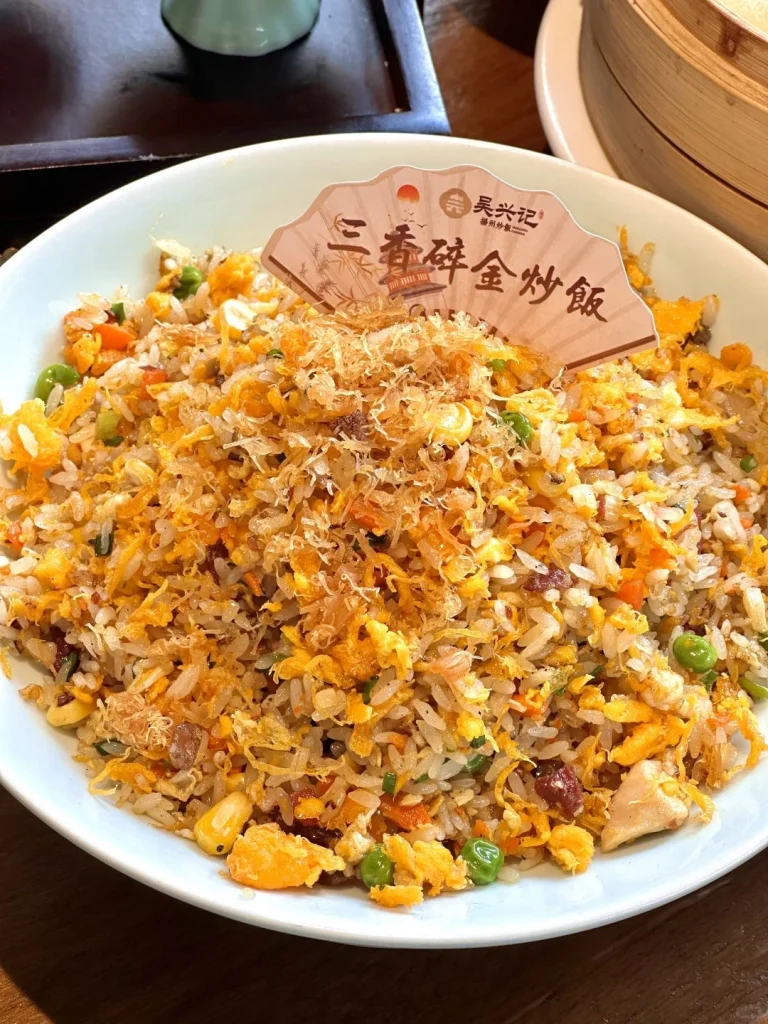
A classic dish from Jiangsu, Yangzhou Fried Rice originated during the Sui Dynasty and is known for its golden color and rich, balanced ingredients. It’s considered the “king of fried rice” in China.
Ingredients: Day-old rice, eggs, ham, shrimp, green peas, corn, carrots, scallions (optional advanced ingredients: dried scallops, abalone).
Cooking Method: Eggs are scrambled and cooked, then stir-fried with scallions, ham, shrimp, and vegetables. Day-old rice is added and quickly stir-fried to coat each grain with oil and egg. Seasoned with salt and a touch of soy sauce.
Taste: Savory and fragrant with a mix of crispy rice, fluffy eggs, sweet seafood, fresh vegetables, and salty ham. The bottom oil adds a smoky aroma.
Features: The key is to achieve separate, non-sticky grains, and the dish can be as simple or as elaborate as preferred. It reflects the craftsmanship of Yangzhou cuisine.
Region: Yangzhou, Jiangsu (traditional restaurants like “Fuchun Tea House” and “Yechun Tea House” serve authentic versions).
A classic dish in Shandong cuisine, Braised Sea Cucumber with Scallion blends the umami of sea cucumber with the sweet aroma of Zhangqiu scallions. It reflects the refined depth of Lu cuisine.
Ingredients: Sea cucumber, Zhangqiu scallions, ginger, chicken stock, soy sauce, oyster sauce, rock sugar, starch.
Cooking Method: Sea cucumbers are blanched. Scallions are fried until golden, then simmered with sea cucumbers in a rich sauce. Finished with scallion oil and thickened with starch.
Taste: Tender, bouncy sea cucumber infused with savory-sweet sauce. Scallions are soft and aromatic, adding depth.
Features: Uses premium scallions and carefully selected sea cucumber. A test of heat control and knife skill in traditional Lu cuisine.
Region: Shandong (notably Jinan and Yantai, at restaurants like Jufengde and Huibinlou).
A popular street snack in Xinjiang, also known as “Shamusa Baozi” in Uyghur, this dish is baked in a traditional nang pit, offering a crispy crust and juicy filling, showcasing the fiery essence of border cuisine.
Ingredients: Lamb (preferably lamb leg), onions, cumin, black pepper, salt, flour, yeast (or unleavened dough).
Cooking Method: The dough is rolled thin, filled with lamb, onions, and spices, then shaped and baked in a hot nang pit for 10-15 minutes until golden.
Taste: Crispy, slightly wheaty crust with tender lamb and a sweet onion balance. The cumin adds a spicy kick, while the steam carries the rich aroma.
Features: Baked at high heat, the nang pit seals in the flavor, with traditional pairing of Xinjiang brick tea to complement the richness.
Region: Urumqi, Kashgar, Xinjiang (notable spots like “Aini Roast Baozi” near the Grand Bazaar).
A traditional Cantonese dim sum from Xiguan, Cheung Fun features thin rice-flour sheets wrapped around fillings like shrimp or pork, drizzled with soy sauce or sesame paste.
Ingredients: Rice flour, corn starch, pork, shrimp, beef, eggs, scallions, soy sauce.
Cooking Method: The batter is steamed in a thin layer, topped with fillings, steamed again, and rolled into logs, served with soy sauce or sesame sauce.
Taste: Smooth, chewy rice skin, juicy fillings, and savory-sweet soy sauce. Best paired with Pu-erh tea.
Features: Two styles: “布拉肠” (denser) and “抽屉式” (thinner), requiring precise steaming for perfect texture.
Region: Guangzhou, Foshan (notable restaurants include “Yin Ji” and “Hua Hui”).


In Chinese astrology, the Water Tiger corresponds to those born in the years of 1902, 1962, 2022, and so on. It belongs to the Water element in the Five Elements system.

Chengde Mountain Resort, built in the Qing Dynasty, is China’s largest imperial garden, blending natural landscapes with traditional architecture. It was a summer retreat for emperors.

Discover Harbin, China’s Ice City—famous for its stunning winter festivals, Russian architecture, and snow-filled adventures in a magical frozen landscape.

Plan 5 days in Kunming with city walks, nature, lake views, local life, costs, route options, and practical first-time tips.

The Golden Dragon is associated with those born in the year of the Dragon under the Metal element, such as those born in 1940, 2000, or 2060.

The Chinese dragon is considered good — a symbol of rain, wisdom, power, and protection, unlike Western dragons which are often evil and destructive.
WhatsApp us

Share your travel ideas, and we’ll help you plan a smooth, personalized trip across China.

Share your travel ideas, and we’ll help you plan a smooth, personalized trip across China.
We’re looking for experienced, part-time local guides to serve international travelers.
Requirements:
• Fluent in at least one foreign language
• 3–5 years guiding international visitors
• Able to operate in multiple regions in China
• Competitive and reasonable pricing
• Proven customer reviews or testimonials
• Professional, reliable, and responsive
• Flexible availability for custom trips
Hi there!
Just a quick heads-up — a helpful user named Volker let me know that some of the non-English content on this site may not be accurate.
This site is a one-person project I run part-time. I research and publish all the content myself, and the translations are currently done by machine (Google Translate). Balancing accuracy and accessibility across multiple languages is a real challenge.
If you spot any errors, I recommend switching to the English version using the button at the bottom left. I’ll continue working to improve the translations over time.
I truly appreciate your understanding. And if you have any suggestions, feel free to leave a comment — it means a lot to me.
— Anthony 2025.6.18