Water Rooster
The Water Rooster corresponds to the years 1933, 1993, and 2053 (Nayin “Sword Edge Metal”). In the Five Elements system
Written by
Anthony
The Mid-Autumn Festival, also known as the Moon Festival, is a traditional Chinese holiday celebrated on the 15th day of the 8th lunar month.
Originating from ancient moon worship and harvest celebrations, it became widely recognized during the Tang and Song dynasties.
The festival is famous for customs such as moon gazing, eating mooncakes, and sharing stories of legends like Chang’e and her ascent to the moon.
Today, it symbolizes family reunion and longing for loved ones, making it a significant cultural heritage across East Asia.

Mooncakes symbolize family reunion and are traditionally shared with loved ones during the festival.

Mid-Autumn emphasizes the importance of family reunion, with people gathering to celebrate together.

People gather to admire the full moon, a tradition that dates back to the Tang dynasty.

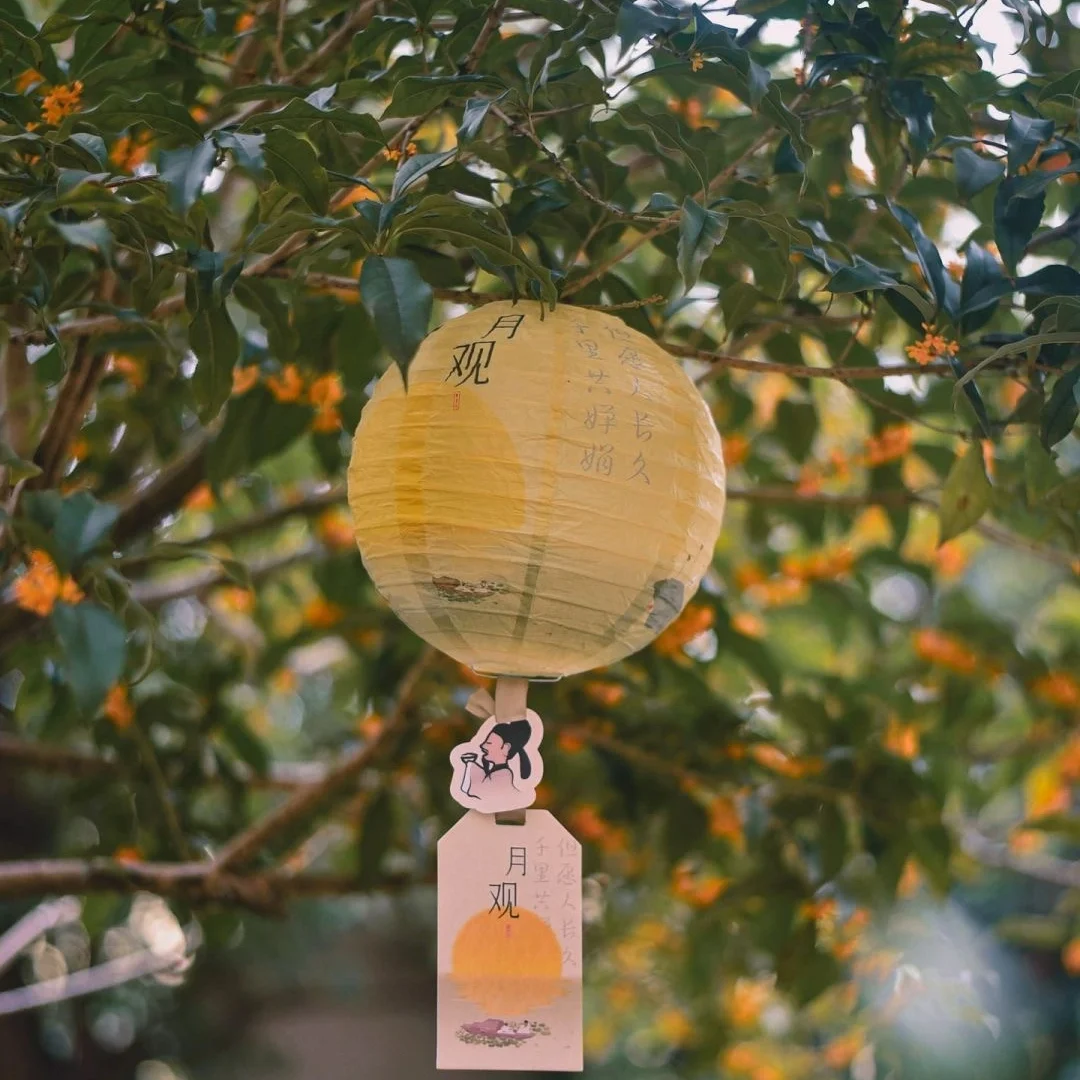
People enjoy solving riddles written on lanterns, a popular activity that often brings young couples together.

Children and families light small lanterns, sometimes setting them afloat on rivers as a playful tradition.

People drink osmanthus wine while enjoying the scent and sight of osmanthus flowers under the full moon.

An ancient tradition where people offer fruits and mooncakes to the moon goddess, seeking blessings.

A spectacular dragon dance tradition featuring a 70-meter-long dragon, performed with incense in Hong Kong.

Popular in Northern China, children play with "Rabbit God" figurines, originally linked to moon worship.
This famous legend tells the story of Chang’e, who ascended to the moon after consuming an elixir of immortality.
She stole the potion from her husband, Hou Yi, and as a result, floated to the moon where she now lives in the Moon Palace.
The story of Chang’e is often associated with the Mid-Autumn Festival, symbolizing longing and separation.
Wu Gang, a figure from Chinese mythology, was sentenced to chop down a magical laurel tree in the moon.
However, the tree regenerates with each cut, making his task eternal. This tale represents the idea of persistence and punishment.
It also adds mystical elements to the moon’s landscape and enriches the Mid-Autumn mythology.
The Jade Rabbit is said to accompany Chang’e in the Moon Palace, where it continuously pounds the ingredients for an elixir of immortality.
This myth is one of the oldest associated with the moon and has spread to other cultures, such as Japan, where the rabbit is believed to be pounding rice cakes.
The Jade Rabbit represents devotion and service.
The Mid-Autumn Festival originated from ancient worship of celestial phenomena and evolved from the autumn moon worship in early Chinese history.
The festival emphasizes family gatherings under the full moon, symbolizing unity. It’s a time when even married daughters traditionally return home to reunite.
Customs include moon worship, moon gazing, lantern displays, guessing riddles, eating mooncakes, and drinking osmanthus wine to celebrate family unity and harvest.
The festival began in the pre-Qin era, became widespread during the Han Dynasty, and was formalized in the Tang and Song Dynasties.
The festival symbolizes unity and serves as a cultural heritage that reflects harmony with nature, familial love, and gratitude for the harvest.

The Water Rooster corresponds to the years 1933, 1993, and 2053 (Nayin “Sword Edge Metal”). In the Five Elements system

In Chinese astrology, the Earth Rat corresponds to those born in the years of 1948, 2008, 2068, and so on. It belongs to the Earth element in the Five Elements system.

Plan your first Quanzhou trip with the best old-town route, top heritage sites, local food, stay tips, and a smart 2–3 day itinerary.

The Water Pig corresponds to the years 1923, 1983, and 2043, with the Nayin of “Great Ocean Water.” In the Five Elements system

Discover 12 fascinating facts about China’s Terracotta Warriors, from their accidental discovery to advanced craftsmanship, unique designs, and enduring global legacy.
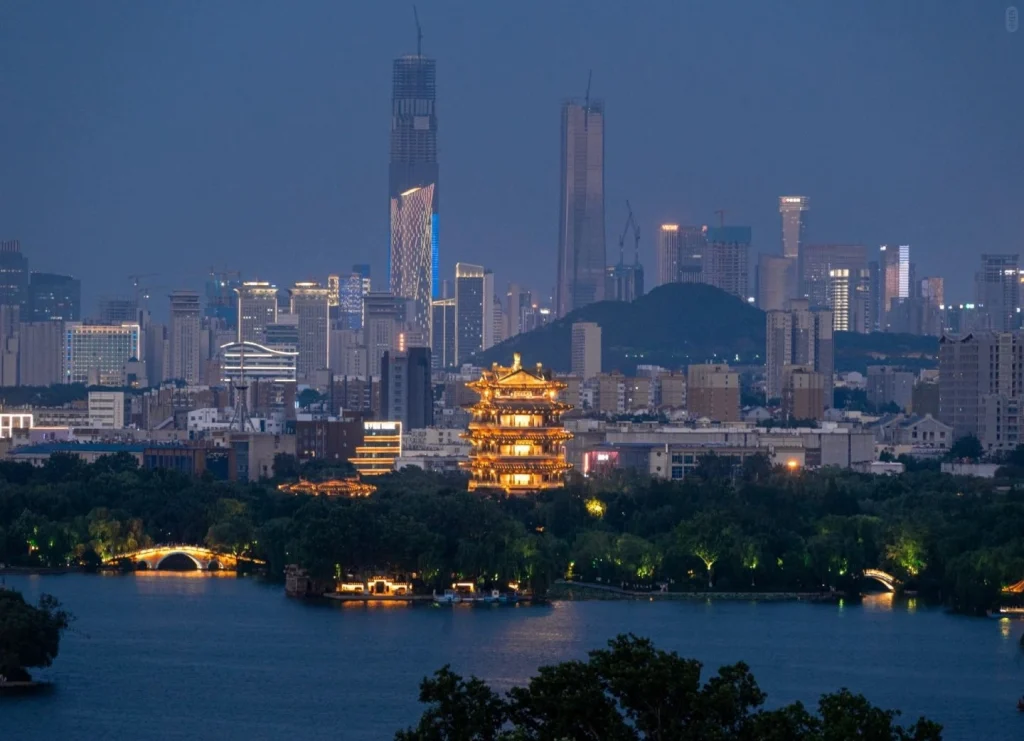
Explore Shandong, the Land of Qi and Lu, known as the Hometown of Confucius and Mencius, offering stunning coastal views, rich culture, and delicious cuisine.
WhatsApp us
Share your travel ideas, and we’ll help you plan a smooth, personalized trip across China.
We’re looking for experienced, part-time local guides to serve international travelers.
Requirements:
• Fluent in at least one foreign language
• 3–5 years guiding international visitors
• Able to operate in multiple regions in China
• Competitive and reasonable pricing
• Proven customer reviews or testimonials
• Professional, reliable, and responsive
• Flexible availability for custom trips
Hi there!
Just a quick heads-up — a helpful user named Volker let me know that some of the non-English content on this site may not be accurate.
This site is a one-person project I run part-time. I research and publish all the content myself, and the translations are currently done by machine (Google Translate). Balancing accuracy and accessibility across multiple languages is a real challenge.
If you spot any errors, I recommend switching to the English version using the button at the bottom left. I’ll continue working to improve the translations over time.
I truly appreciate your understanding. And if you have any suggestions, feel free to leave a comment — it means a lot to me.
— Anthony 2025.6.18