Written by
Anthony
Written by
Anthony
China is home to some of the most spectacular mountains in the world, each offering unique landscapes, cultural significance, and outdoor adventures.
From the iconic peaks of the Five Great Mountains to sacred Buddhist sites, these mountains hold deep historical and spiritual meaning for both locals and visitors.
Whether you’re seeking awe-inspiring views, challenging hikes, or a glimpse into ancient traditions, China’s mountains provide the perfect backdrop for exploration.
In this article, we’ll explore the top 10 must-visit mountains in China, each with its own story to tell, from the breathtaking sunrise at Mount Tai to the sacred trails of Mount Emei.
Join us as we uncover the beauty and heritage of these natural wonders.
Location: Tai’an, Shandong
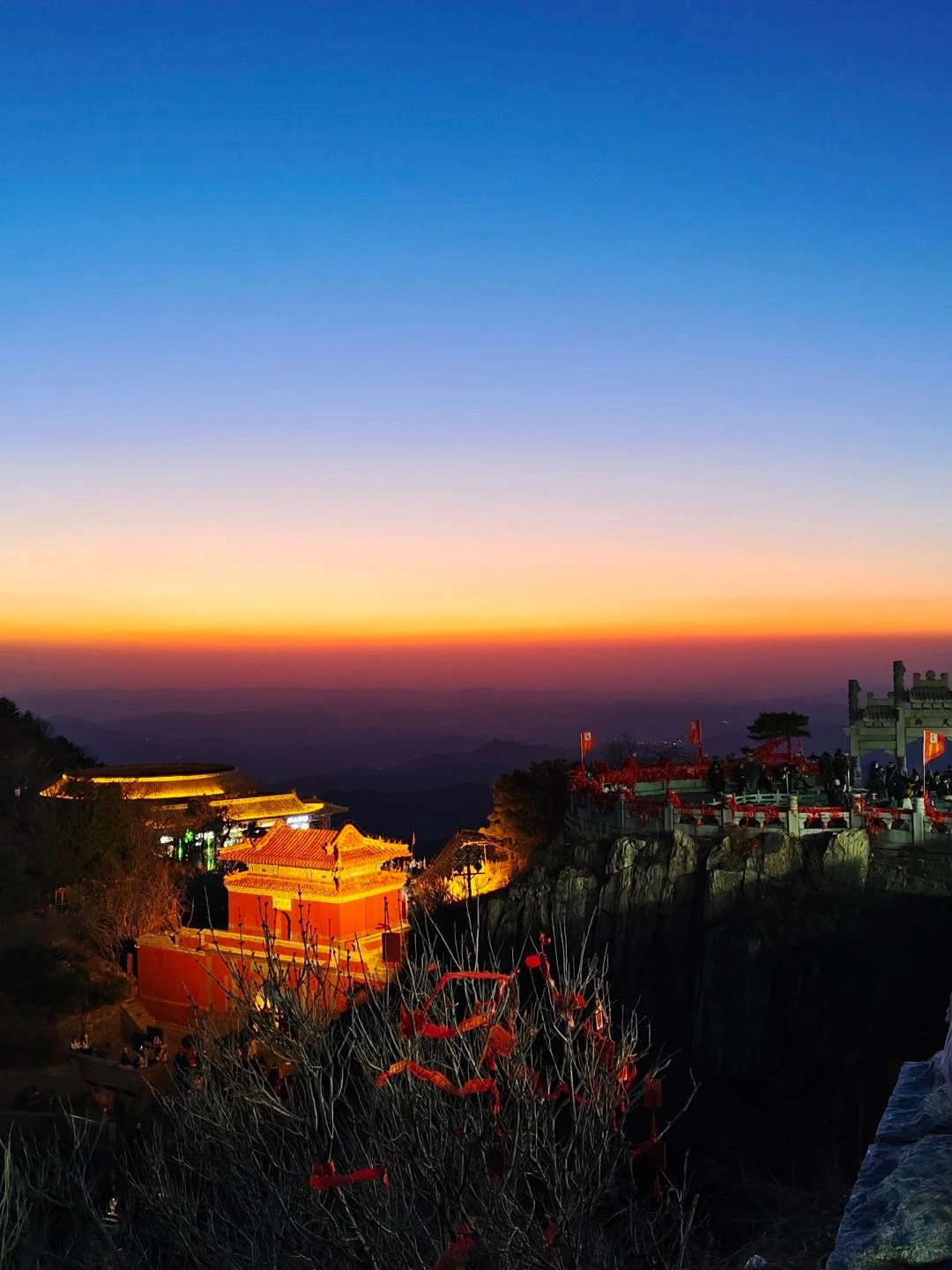
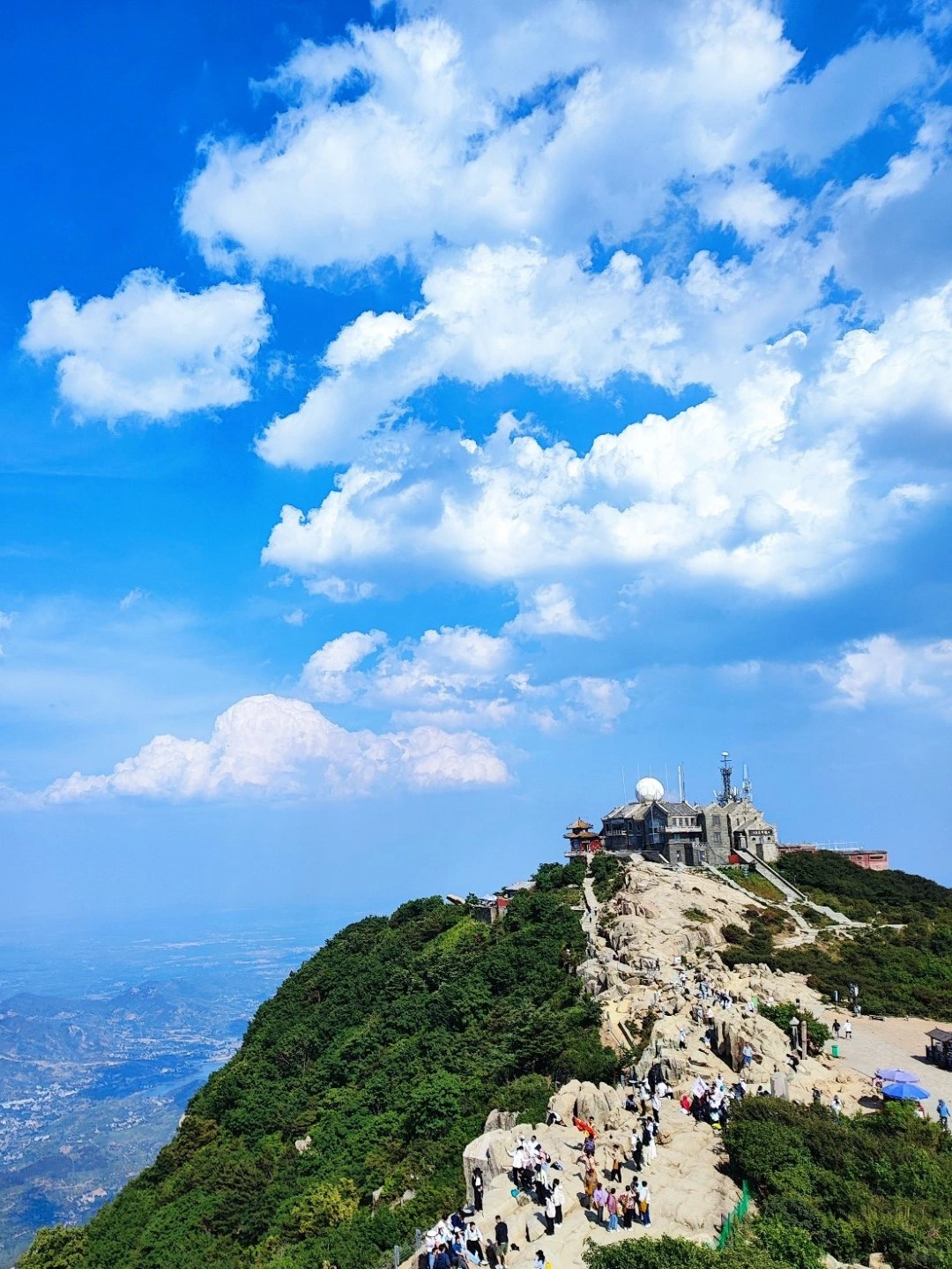
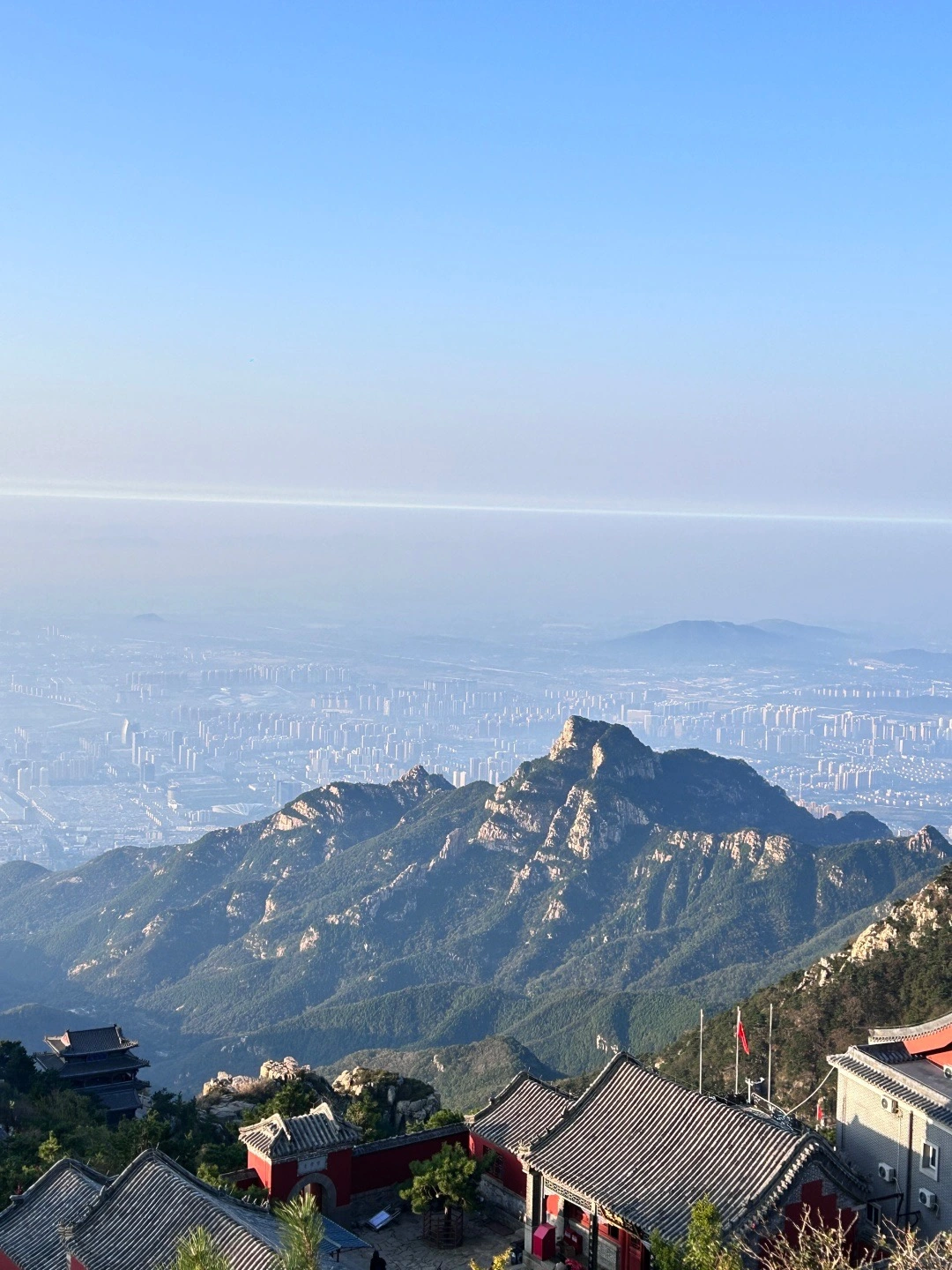
Mount Tai (Tai Shan), the “First of the Five Great Mountains,” is not just a mountain—it’s a symbol of spiritual and historical significance. As the site for emperors to perform sacred rites and the backdrop for centuries of poetry and philosophy, Tai Shan has been central to Chinese culture for millennia. It is said that climbing this mountain is like engaging in a dialogue with heaven and earth.
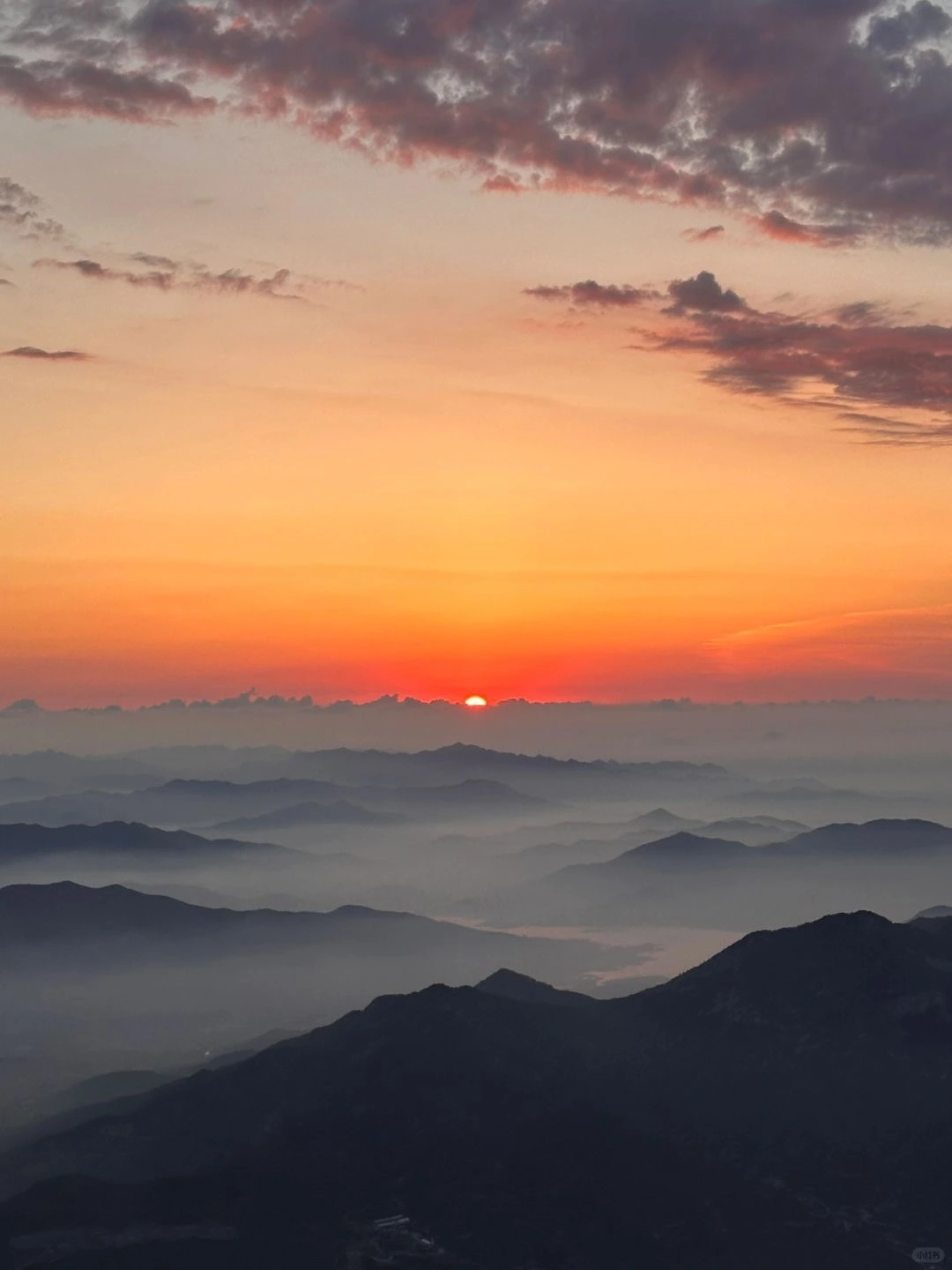
The must-do experiences here include a midnight hike along the Starry Sky Trail, where the moonlight bathes the thousand stone steps in silver, and a visit to Dai Temple, which houses over 2,000 ancient inscriptions. One of the most incredible views is at the summit, where you can watch the sunrise over the cloud sea or see the “Yellow River Golden Belt” when the sun shines on the distant river.
With over 2,200 years of inscriptions, Tai Shan is often called an “open-air calligraphy museum,” with some of the most famous works being from Emperor Xuanzong of the Tang dynasty. A visit to Tai Shan not only offers breathtaking natural beauty but also a deep connection to China’s rich history and culture.
Location: Huangshan, Anhui
Mount Huang (Huang Shan), a natural wonder shaped by millions of years of volcanic eruptions and glacial movements, is renowned for its steep peaks, ancient pines, and mist-covered landscapes. Known as a “paradise on Earth,” Huang Shan’s beauty is unmatched, inspiring poets and artists for centuries. The famous quote by Xu Xiake, “There is no mountain like Huang Shan,” captures its enchanting and dynamic essence.
The must-do experiences at Huang Shan include catching the first light at Bright Summit Peak, where the rising sun creates a golden aura over the peaks, and taking the iconic cable car through the West Sea Grand Canyon. For a unique experience, visit the Welcome Pine at sunrise when the pine needles shimmer with golden light. Huang Shan’s natural marvels, from the unique “Stone Pillars” to its famous “Sea of Clouds,” ensure every visit is unforgettable.
Huang Shan is a year-round destination, with each season offering distinct beauty. In spring, the rhododendrons bloom, while winter brings snow-covered pines, creating a stunning landscape to explore.
Location: Weinan, Shannxi
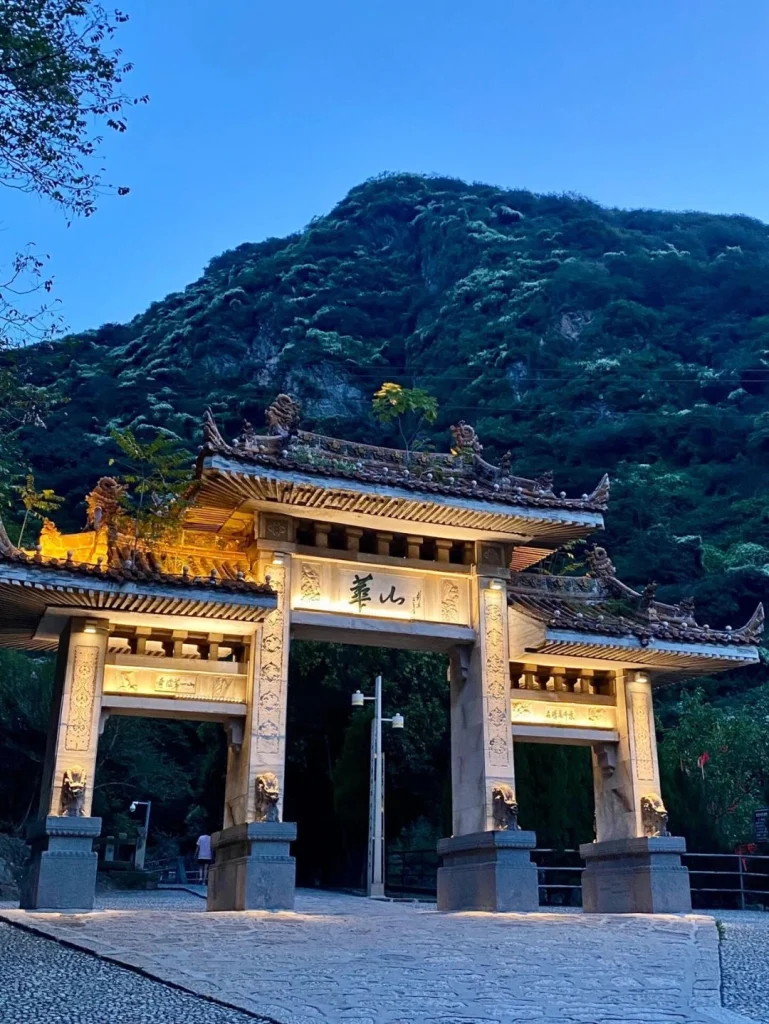
Mount Hua (Hua Shan), known as one of the most dangerous mountains in the world, is a challenge for those seeking adventure and courage. With its steep slopes and narrow paths, it is a place where both history and danger intertwine. The mountain is famous for its perilous cliffs, including the 30 cm-wide Long Sky Walkway and the 30° slanted Jintian Pagoda. It’s not only a Taoist sacred site but also the backdrop of legendary martial arts duels in Jin Yong’s novels.
The must-experience activities at Hua Shan include the challenging “Hua Shan Sword Fighting” hike, a 4-6 hour climb through steep stone steps, and walking the cliffside walkway with a safety harness. For an easier route, take the longest mountain cable car in Asia, offering breathtaking views as it soars through mist and cliffs.
Hua Shan’s rich history is deeply embedded in Taoist culture, with hidden caves like Quan Zhen Rock, where monks once meditated. The mountain teaches reverence for nature and courage, rewarding brave souls with stunning panoramic views.
Location: Leshan, Sichuan
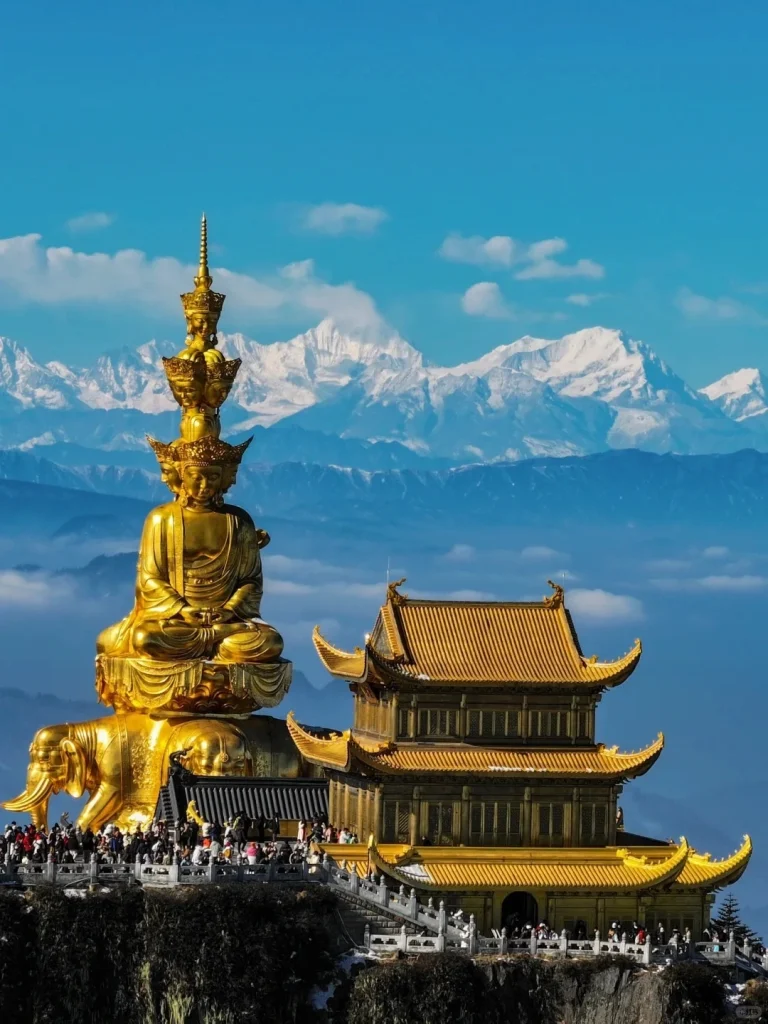
Mount Emei (Emei Shan), one of China’s four sacred Buddhist mountains, is a place where spirituality and nature beautifully converge. Known for its breathtaking landscapes, it is famous for its misty clouds, ancient trees, and serene Buddhist sites. The mountain offers a spiritual journey, with the grand golden statue of Puxian Bodhisattva at the summit serving as the heart of the mountain’s sacred ambiance.
Key experiences on Mount Emei include catching the “Buddha’s Light” at the Golden Summit, where the sun’s rays create a halo around visitors. The cable car ride through the misty West Sea Grand Canyon is an unforgettable adventure, offering stunning views of steep cliffs and lush forests. At the base, the giant ancient Ginkgo tree at Wannian Temple and the playful monkeys in the ecological area offer a mix of nature and wildlife, enhancing the mountain’s charm.
Mount Emei is known for its philosophical essence, where the changing landscape from subtropical forests at lower altitudes to snow-covered peaks above 3000 meters reflects the Buddhist concept of “impermanence.”
Location: Jiujiang, Jiangxi
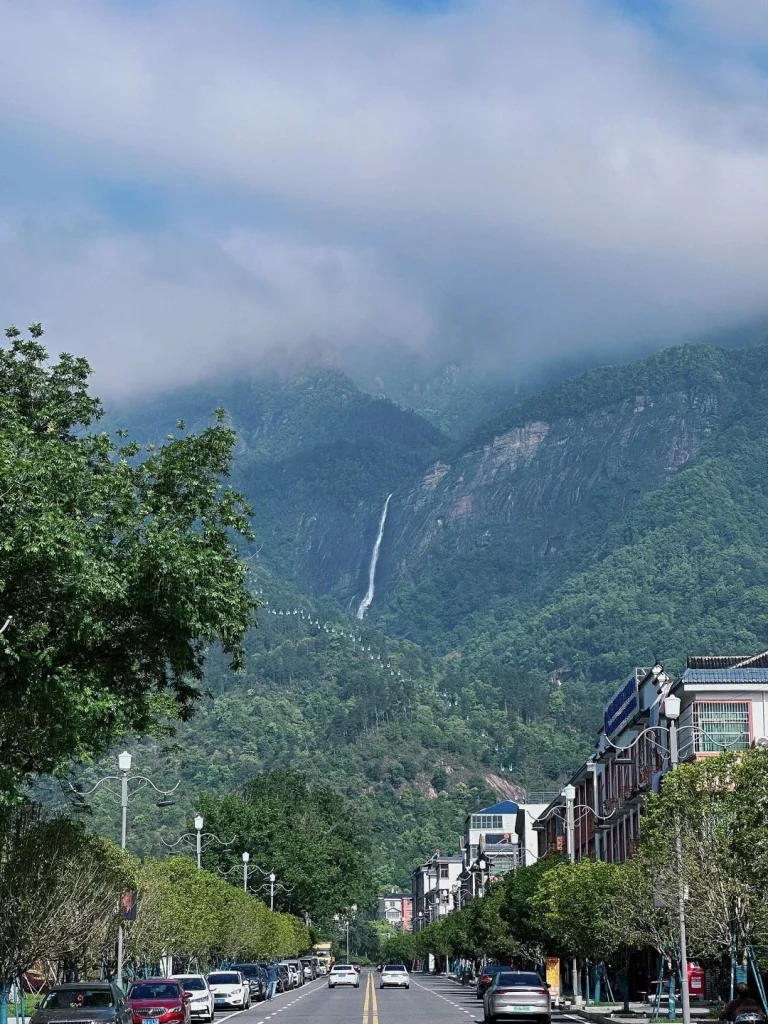
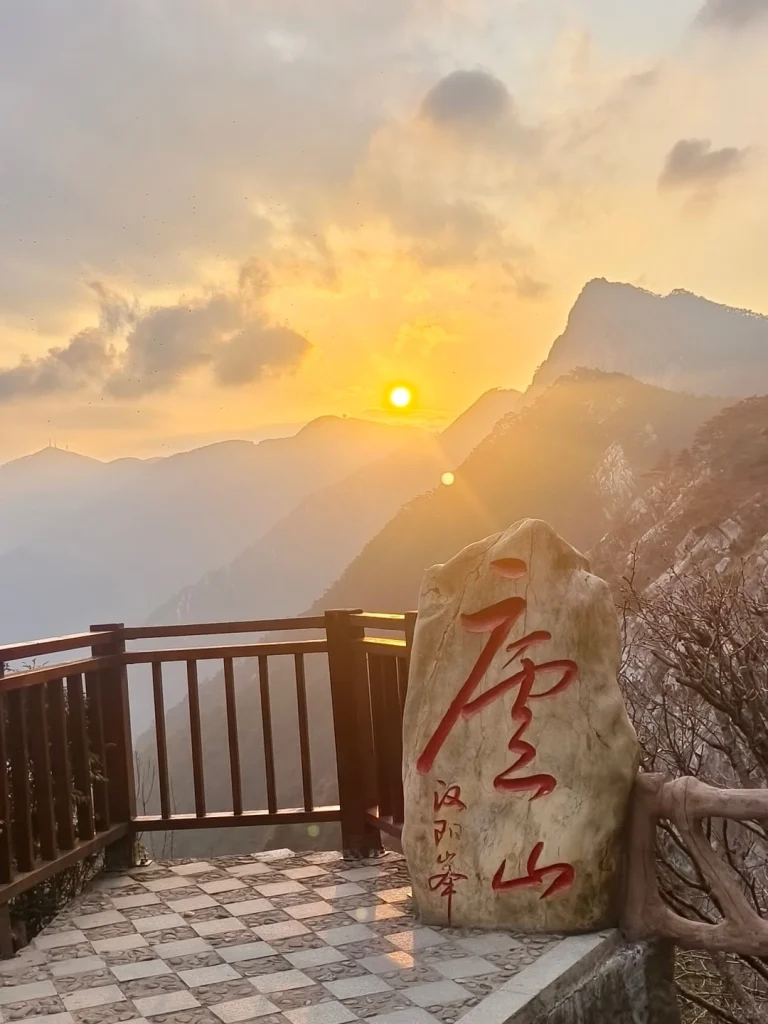
Mount Lu (Lushan) is a masterpiece crafted by nature and history. Known for its dramatic landscapes, the mountain is a mix of lush forests, tranquil lakes, and historical landmarks. Its charm lies in the fusion of natural beauty with cultural heritage, making it a fascinating destination for travelers.
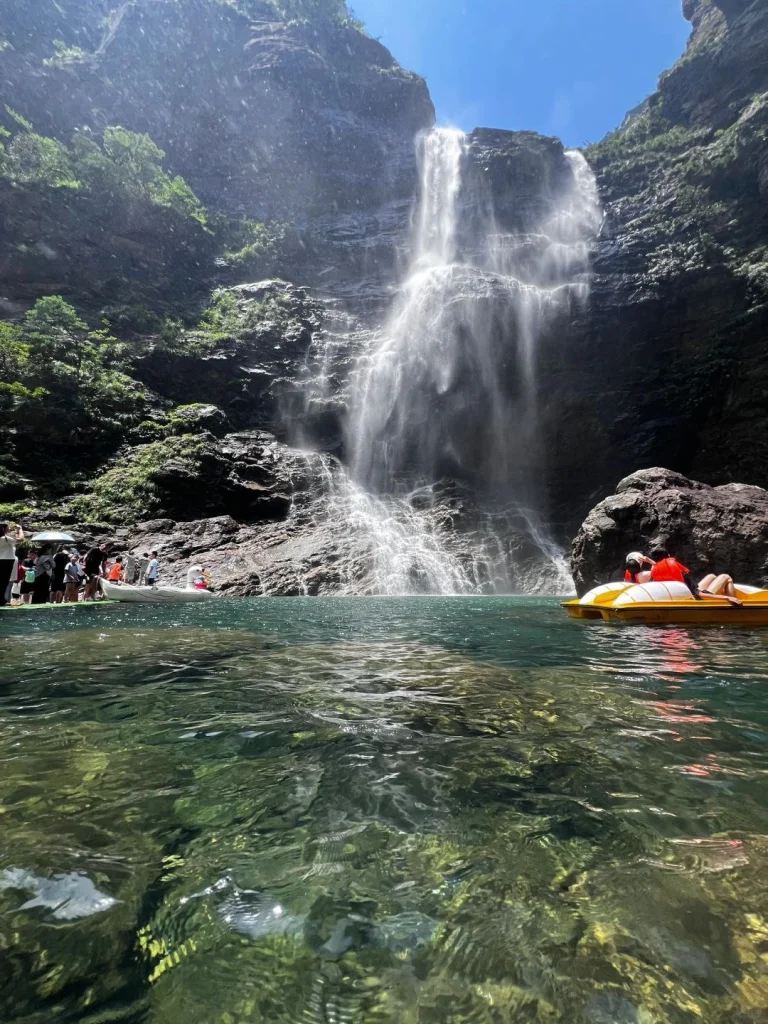
The must-do experiences on Mount Lu include catching the first light at Hanpo Pass, where the sunrise over the stunning landscape creates a breathtaking sight. The hike to the Three-Tiered Waterfall is an unforgettable adventure, offering scenic views of cascading water and lush greenery. The historical aspect of Mount Lu can be explored through visits to the ancient villas and the Lushan Conference site, which played an essential role in modern Chinese history.
Lushan’s beauty is enhanced by its rich cultural significance, from its role in ancient poetry to its historical connections with political events. Whether you’re hiking the mountain’s trails or exploring its cultural landmarks, Mount Lu offers an immersive experience in both nature and history.
Location: Shiyan, Hubei
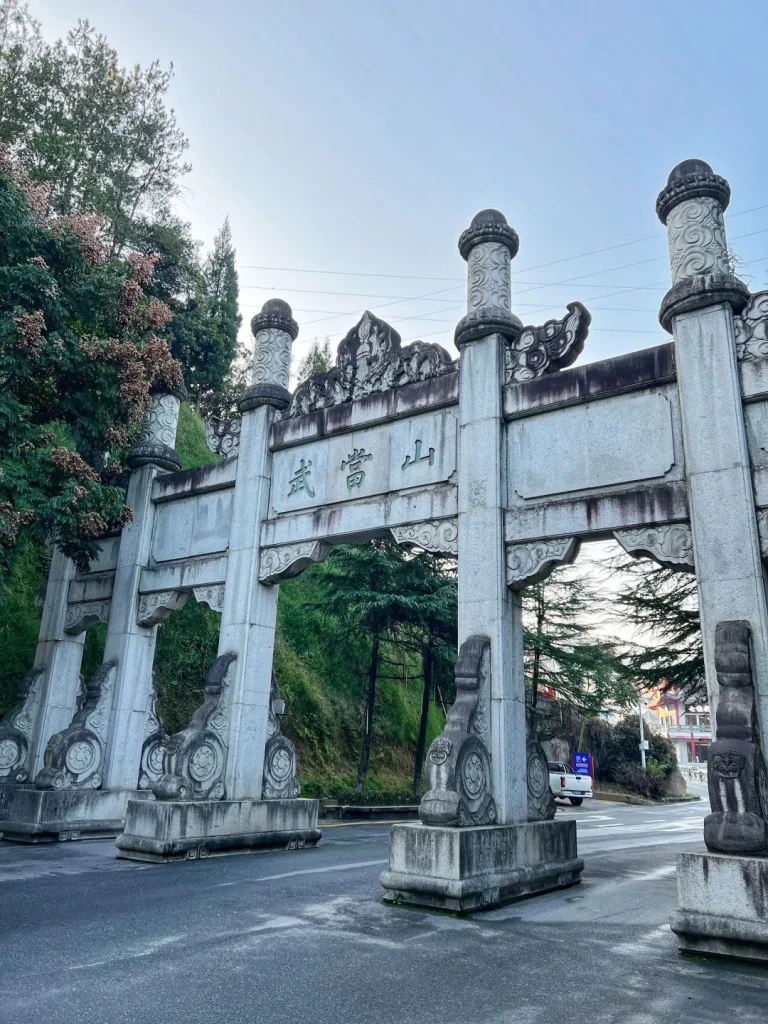
Mount Wudang (Wudang Shan), known for its profound Taoist heritage, is a mystical mountain where martial arts and philosophy converge. Famous for its Taoist temples, breathtaking landscapes, and rich cultural history, it attracts those seeking spiritual enlightenment and adventure.
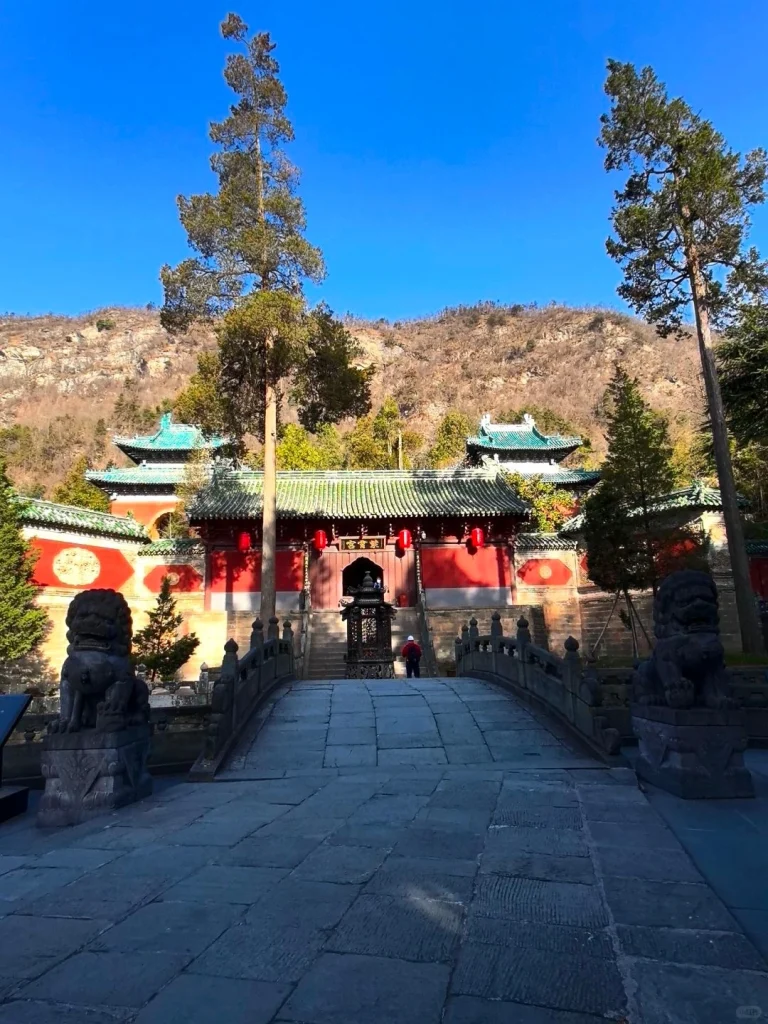
The must-experience activities include watching the sunrise from the Golden Summit, where the light reflects off the copper palace, and walking the Long Sky Plank Road, suspended above the steep cliffs. For martial arts enthusiasts, learning Tai Chi at the Wudang Martial Arts Academy offers a glimpse into the philosophy of balance and harmony. Visitors can also explore the ancient Taoist temples, such as the Purple Cloud Temple, and discover the mountain’s spiritual significance.
Wudang Mountain’s fusion of nature and Taoist philosophy creates a unique, peaceful environment. Its role as the birthplace of Tai Chi adds a layer of cultural depth, making it an essential destination for those seeking both nature and wisdom.
Location: Xinzhou, Shanxi
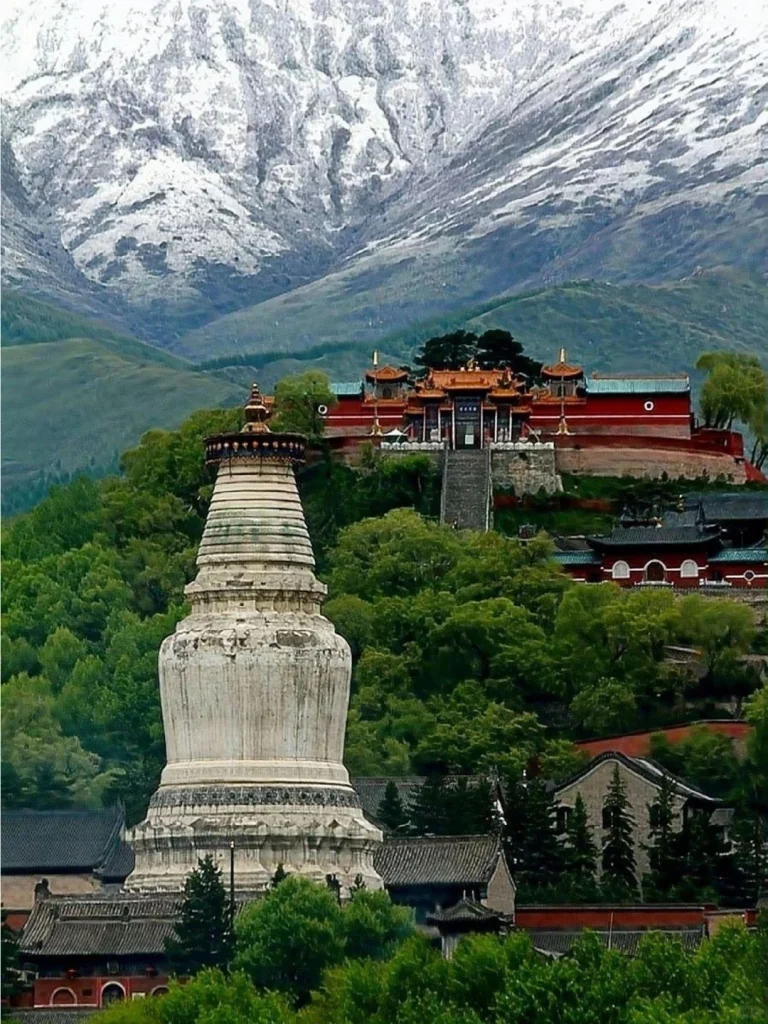
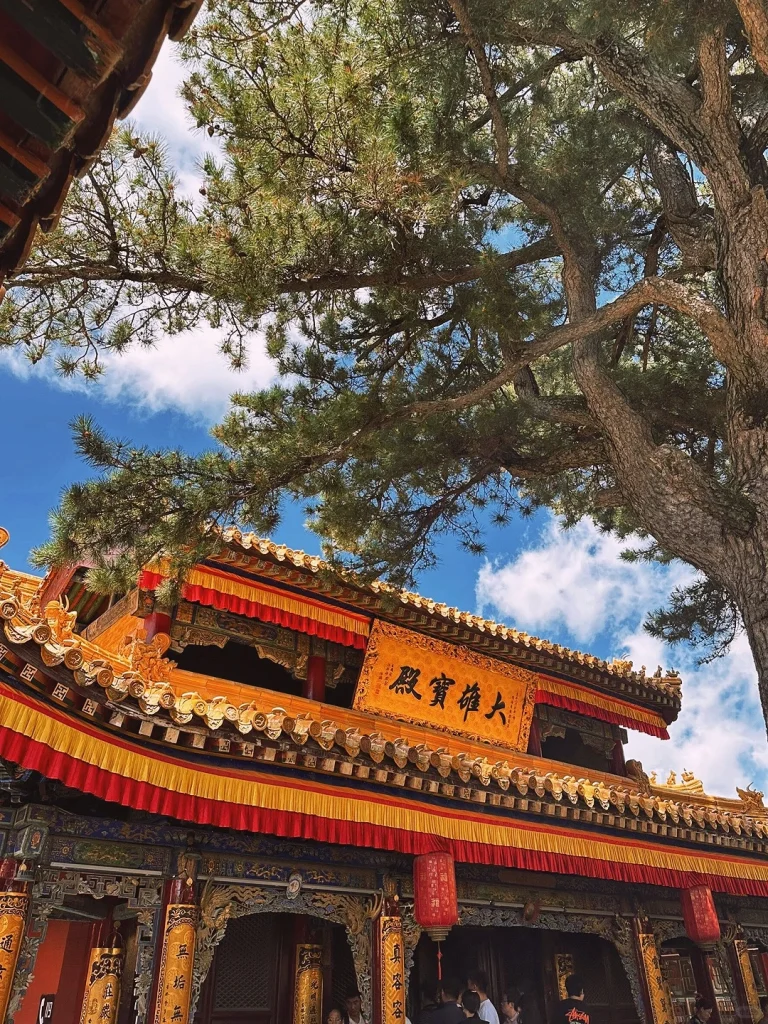
Mount Wutai (Wutai Shan), one of China’s most sacred Buddhist mountains, is a spiritual haven where wisdom and tranquility meet. Known for its five stunning peaks and 300+ temples, it is dedicated to the worship of Manjushri, the Bodhisattva of Wisdom. The mountain offers a unique blend of natural beauty and spiritual significance, with each of its temples serving as a place of reflection and enlightenment.
Must-do activities include watching the sunrise at East Peak, where the sun casts its first rays over the vast mountain range, and visiting the ancient White Pagoda, which houses sacred relics. For those seeking a deeper connection with the mountain’s wisdom, hiking the 1,080 steps up to Dai Luo Ding will offer a physical and spiritual journey. Visitors can also explore the stunning architectural wonders, including the Xiantong Temple and the Bodhisattva Hall, where intricate carvings tell stories of wisdom and virtue.
Mount Wutai offers a unique opportunity for spiritual growth, where each visit allows for a deeper understanding of Buddhist philosophy. Its serene environment and spiritual significance make it a must-visit destination for those seeking peace and enlightenment.
Location: Zhoushan, Zhejiang
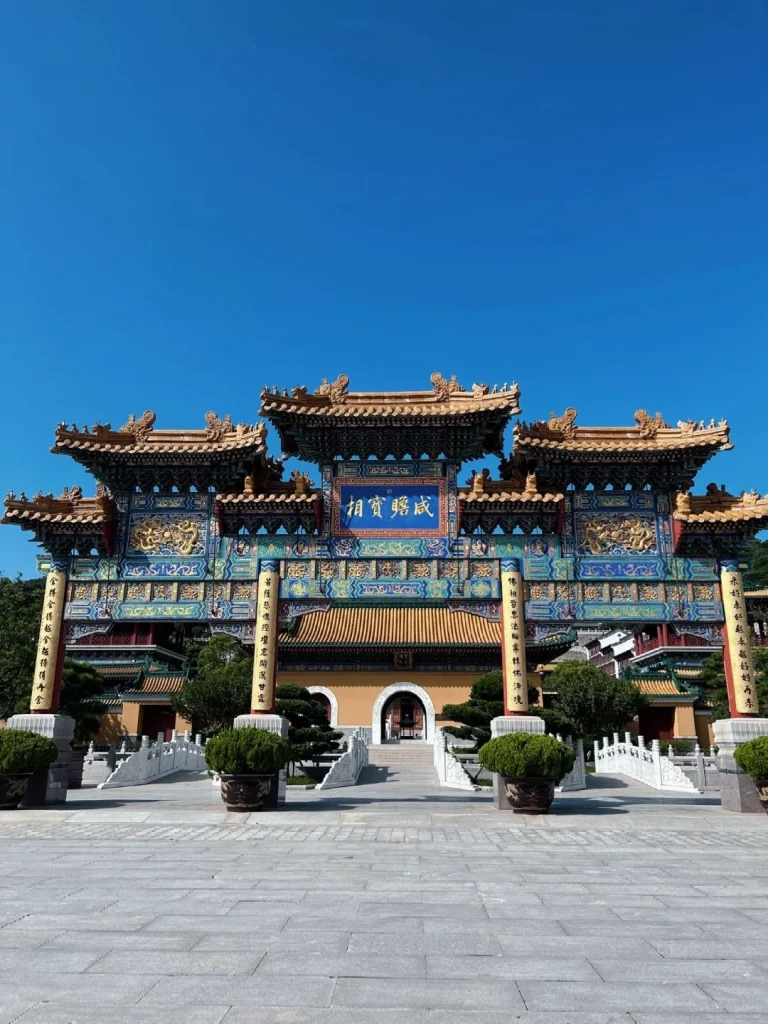
Mount Putuo (Putuo Shan), known as the “Buddhist Kingdom on the Sea,” is one of China’s four sacred Buddhist mountains. Located on a small island in the East China Sea, it is dedicated to the worship of Guanyin, the Bodhisattva of Compassion. The island is dotted with over 200 temples and pavilions, with the towering 33-meter-high statue of Guanyin at the South Sea offering a serene presence overlooking the ocean.
Visitors can experience the sunrise at the South Sea Guanyin Statue, where the first rays of light reflect off the golden figure. A boat trip to Luojia Mountain offers a view of the “Sleeping Buddha” in the sea, while the ancient Buddhist temples, such as Puji Temple, immerse visitors in the peaceful sounds of chanting monks. The island’s natural beauty and the serene atmosphere make it a place of spiritual renewal, where visitors can experience the intersection of nature and Buddhism.
Putuo Mountain is a sacred place that offers both spiritual solace and breathtaking beauty, making it a must-visit destination for those seeking peace and enlightenment.
Mount Wuyi (Wuyi Shan), located in the southeastern part of China, is a UNESCO World Heritage site famous for its stunning landscapes, tea culture, and rich history. The mountain, with its 36 towering peaks and 99 rock formations, is renowned for its “rock tea,” which grows in the mineral-rich soil of its cliffs. The famous Nine-Bend River (Jiuxi) offers a serene bamboo raft ride, immersing visitors in the natural beauty of the mountain, with steep cliffs and clear waters.
Key experiences include hiking the Tianyou Peak for a breathtaking sunrise and visiting the ancient tea plantations where the world-famous Da Hong Pao tea is grown. Wuyi Shan’s cultural significance also shines through its ancient temples and Taoist sites, which have been preserved for centuries. Visitors can explore the harmony between nature, culture, and history, experiencing the wisdom of “heaven and earth” that permeates the mountain’s spirit.
Wuyi Mountain’s beauty lies in its blend of natural grandeur and historical depth, making it a must-visit for travelers seeking both tranquility and adventure.
Location: Tongren, Guizhou
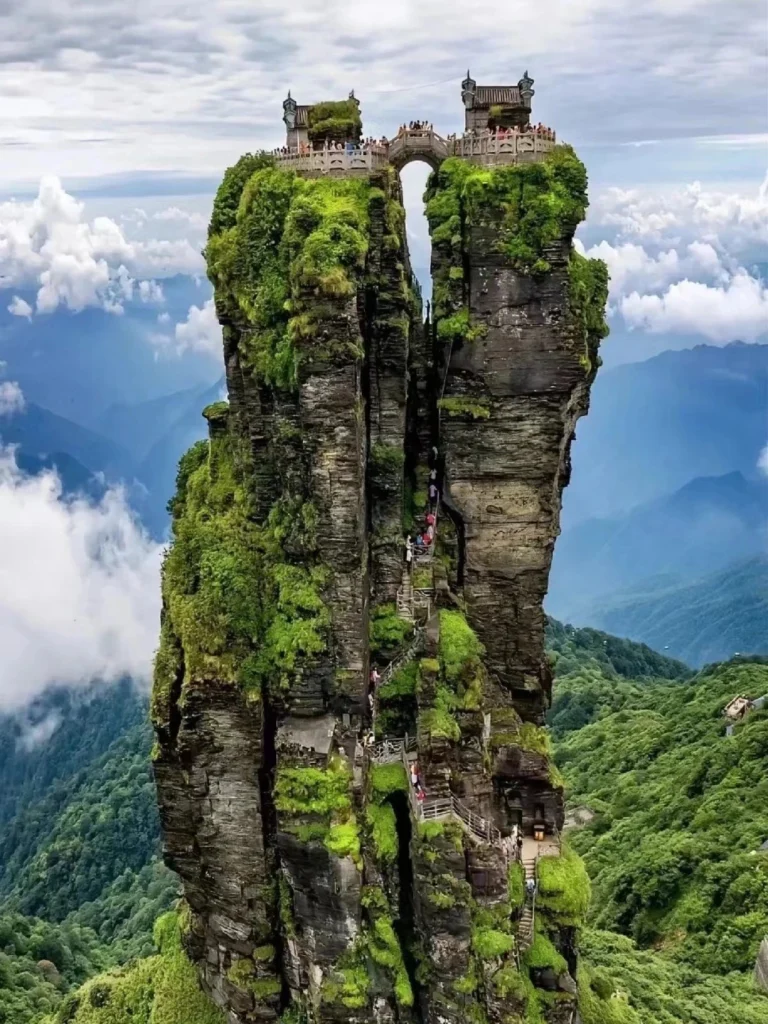
Mount Fanjing (Fanjing Shan), located in the Wuling Mountain range, is known as the “Sky City Above the Clouds.” This UNESCO World Heritage site stands at 2,572 meters and is celebrated for its breathtaking landscapes and profound religious significance. The mountain is home to the Fanjing Golden Summit and the “Mushroom Rock,” formed over millions of years, and is a spiritual hub dedicated to Maitreya Buddha.
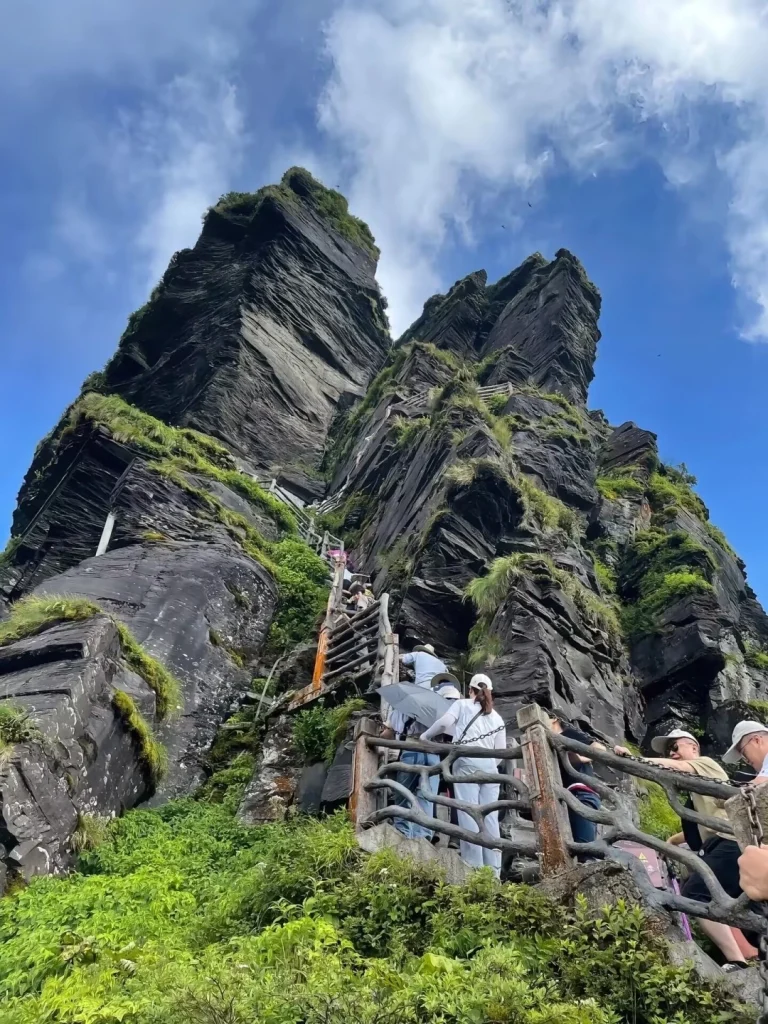
Visitors must experience the “Golden Summit” sunrise, where the sun’s rays light up the rock formations, and the hike through the pristine forest where the rare Guizhou golden monkeys roam. The “One-Line Sky,” a narrow gap between cliffs, provides a thrilling walk with incredible views, while the Fanjing Temple and the Maitreya Buddha statues create a deep connection with the divine.
Mount Fanjing offers a unique blend of natural beauty and religious significance, making it a must-visit destination for those seeking both adventure and spiritual enlightenment.
Shennongjia in Hubei is known for legends of wild men, rare white animals, strange weather, and unique geology, making it a mysterious scientific site.


China is almost cashless thanks to mobile payments. Learn when you still need cash and how foreigners can pay easily in China.

A gentle, structured 2026 forecast for children born in 2017, focusing on study progress, emotional balance, health, relationships, and practical guidance.

Explore Kunming, the vibrant City of Eternal Spring, known for its stunning landscapes, cultural heritage, and year-round mild climate.

Explore Tibet, the Roof of the World, with sacred sites like Potala Palace and Everest, rich Tibetan culture, unique festivals, ancient traditions, and stunning natural beauty.

Plan your first Jiaxing trip with the best water towns, South Lake, route logic, where to stay, and smart 2–3 day itinerary ideas.

A steady and supportive 2026 forecast for people born in 2003, covering career, wealth, relationships, health, and guidance for growth and confidence.
WhatsApp us

Share your travel ideas, and we’ll help you plan a smooth, personalized trip across China.

Share your travel ideas, and we’ll help you plan a smooth, personalized trip across China.
We’re looking for experienced, part-time local guides to serve international travelers.
Requirements:
• Fluent in at least one foreign language
• 3–5 years guiding international visitors
• Able to operate in multiple regions in China
• Competitive and reasonable pricing
• Proven customer reviews or testimonials
• Professional, reliable, and responsive
• Flexible availability for custom trips
Hi there!
Just a quick heads-up — a helpful user named Volker let me know that some of the non-English content on this site may not be accurate.
This site is a one-person project I run part-time. I research and publish all the content myself, and the translations are currently done by machine (Google Translate). Balancing accuracy and accessibility across multiple languages is a real challenge.
If you spot any errors, I recommend switching to the English version using the button at the bottom left. I’ll continue working to improve the translations over time.
I truly appreciate your understanding. And if you have any suggestions, feel free to leave a comment — it means a lot to me.
— Anthony 2025.6.18