

| Key Info | Details |
|---|---|
| Location | Eastern China, facing the Yellow Sea and Bohai Sea |
| Capital | Jinan |
| Best known for | Confucius culture, Mount Tai, Qingdao’s coast, Lu cuisine, and Tsingtao beer |
| Top gateway cities | Qingdao and Jinan |
| Best trip length | 4–8 days |
| Best for | Culture travelers, coastal vacationers, and first-time visitors to China |
| Top experiences | Climb Mount Tai, visit Confucius sites in Qufu, explore Qingdao, enjoy springs in Jinan, try seafood and Lu cuisine |
| Coastline / geography feature | Long coastline, broad plains, low hills, and famous mountains such as Mount Tai and Laoshan |
| Best seasons | Autumn (September–November) is best; spring (March–May) is also excellent |
| Travel style | Cultural discovery, coastal leisure, mountain hiking, and food-focused travel |
Shandong is one of the easiest Chinese provinces to understand as a travel destination: it combines sacred mountains, Confucian culture, relaxed coastal cities, and strong food experiences in one trip. For most first-time visitors, Qingdao and Jinan work best as the main gateways, while Qufu and Mount Tai add the province’s most iconic cultural depth.

Shandong is worth visiting because it gives you a fuller picture of China than many single-city trips can offer. It brings together early Chinese civilization, Confucius heritage, sacred mountain culture, relaxed coastal cities, and memorable food and drink in one province.
In a single trip, you can move from temple courtyards and historic ritual sites to seaside promenades, mountain trails, seafood dinners, and fresh beer. What makes Shandong especially appealing is that this variety still feels manageable for first-time visitors.
Why Shandong stands out:
In simple terms, Shandong is worth a dedicated trip because it brings together culture, landscape, coast, and food in a way that feels complete rather than fragmented.
For most first-time visitors, the core Shandong destinations are Qingdao, Mount Tai, Qufu, and Jinan. These four places give the clearest introduction to the province. Cities such as Yantai, Weihai, Zibo, and Weifang work better as extensions for longer trips.

Qingdao is Shandong’s best-known coastal city and the easiest place for many international travelers to start. It combines sea views, historic architecture, fresh seafood, and a relaxed urban atmosphere, making it one of the most balanced destinations in the province.

Mount Tai is one of the most important mountains in China and the strongest symbolic destination in Shandong. It is not just a scenic mountain, but a place deeply tied to imperial ritual, pilgrimage, and Chinese sacred mountain culture.

Qufu is the cultural heart of Shandong for anyone interested in Confucius and traditional Chinese thought. It is one of the best places in China to understand the roots of Confucian culture in a focused and memorable way.

Jinan adds a gentler and more local side to a Shandong trip. Known as the “Spring City,” it is valued for its famous springs, lakes, and slower city atmosphere rather than dramatic sightseeing alone.

Yantai and Weihai are ideal for travelers who want a quieter coastal extension beyond Qingdao. They offer a more relaxed Jiaodong Peninsula feel, with cleaner coastlines, slower rhythms, and strong seafood culture.

Zibo and Weifang work best as secondary picks on a longer Shandong trip. Zibo is especially attractive for food-focused travelers, while Weifang adds kite culture and a more folk-art angle to the province.

If this is your first Shandong trip, the easiest way to choose is to decide whether you care more about culture, coast, or a balanced mix of both. You do not need to see the whole province in one go. For most travelers, the best route is simply the one that matches your interests and trip length.
A simple way to choose:
For culture-first travelers: Jinan + Mount Tai + Qufu
This is the best route for understanding Shandong’s cultural core. Jinan adds springs and city life, Mount Tai adds sacred mountain culture, and Qufu gives you Confucius heritage.
Best for: history lovers, culture travelers, educational trips.
Best trip length: 4–5 days
For coast-and-city travelers: Qingdao + Yantai / Weihai
This route focuses on sea views, seafood, and a more relaxed pace. Qingdao is the main coastal highlight, while Yantai or Weihai adds a quieter seaside extension.
Best for: couples, summer travelers, relaxed vacations.
Best trip length: 4–6 days
For a balanced first trip: Qingdao + Qufu + Mount Tai + Jinan
This is the most recommended first-time route because it combines coast, culture, mountain scenery, and city atmosphere in one trip.
Best for: most first-time visitors.
Best trip length: 5–6 days
For a longer province trip: add Weifang / Zibo / Weihai
Add one more stop if you have extra time. Weifang works for folk culture, Zibo for food, and Weihai for a calmer coast.
Best for: repeat visitors, deeper exploration.
Best trip length: 7–8 days
In simple terms, choose the culture line for depth, the coast line for relaxation, and the balanced line for the best all-around first trip.

Four days is enough for a classic first trip if you focus on Shandong’s “Golden Triangle”: Qingdao + Mount Tai + Qufu. This works well for travelers who want to see the province’s best-known highlights without trying to cover too much. The pace is fairly efficient, but still realistic if you use high-speed rail well.
This is the best range for most first-time visitors. With 5–6 days, you can keep the classic route and add Jinan, or spend more time in Qingdao for Laoshan, beaches, and food. The trip feels more balanced, with less rushing between major stops and more time to enjoy each place properly.
Seven to eight days is ideal if you want both culture and coast in one trip. This gives you enough time for Qingdao + Jinan + Mount Tai + Qufu, plus an added coastal stop such as Yantai or Weihai. It is the best option for travelers who want a more complete picture of Shandong.
Stay longer if you enjoy slower travel, food experiences, photography, or deeper cultural visits. Travelers who want to combine major highlights with smaller coastal cities or secondary stops such as Zibo or Weifang will also benefit from a 7–8 day trip.

Core route: Qingdao + Mount Tai + Qufu
This is the best short route for first-time visitors who want Shandong’s most iconic highlights in one trip. It combines coastal scenery, sacred mountain culture, and Confucius heritage without adding too many stops.
Best for: first-time visitors, culture-and-scenery travelers, tight China itineraries
Pace: efficient but manageable, focused on major highlights

Core route: Jinan + Mount Tai + Qufu + Qingdao
This is the most balanced Shandong itinerary for most travelers. It adds Jinan to the classic route, giving you a better mix of inland city life, cultural depth, mountain experience, and coast.
Best for: most first-time travelers, visitors wanting both culture and variety
Pace: balanced, with enough time to enjoy each stop without rushing

Core route: Jinan + Mount Tai + Qufu + Qingdao + Weihai or Yantai
This route is best for travelers who want a broader view of the province. It keeps the core cultural line and adds a quieter coastal extension for a fuller Shandong experience.
Best for: slower travelers, deeper first trips, repeat visitors to China
Pace: relaxed and more immersive, with room for extra food and coastal time
In simple terms, choose 4 days for the highlights, 6 days for the best balance, and 8 days for a fuller province-wide trip.

Climb Mount Tai
Mount Tai is Shandong’s most iconic experience and one of the most important mountains in China. You can hike up for the full sense of achievement, take the cable car for a lighter visit, or stay overnight to catch sunrise.
Visit the Confucius sites in Qufu
Qufu is the cultural heart of Shandong. Visiting the Temple of Confucius, the Kong Family Mansion, and the Confucius Cemetery is one of the best ways to understand Confucian heritage and traditional Chinese values.
Drink fresh Tsingtao beer in Qingdao
Qingdao is not just about beaches. It is also the home of China’s most famous beer, and tasting fresh Tsingtao in the city adds a fun and very local layer to the trip.
Walk Shandong’s beaches and coastal districts
Qingdao, Yantai, and Weihai all offer different coastal moods. Some areas feel lively and urban, while others are slower and more relaxing, which makes Shandong’s coast easy to fit into many travel styles.
See springs and lakes in Jinan
Jinan gives Shandong a softer inland side. Baotu Spring, Daming Lake, and the city’s spring-fed atmosphere create a slower and more local urban experience.
Try seafood and Lu cuisine
Shandong is one of the best provinces in China for food-focused travelers. Fresh seafood, classic Lu cuisine, and local city specialties make eating part of the trip, not just a side activity.
Add festivals, kite culture, or Taoist mountain experiences
If you have more time, look beyond the core highlights. Weifang adds kite culture, Laoshan brings Taoist mountain scenery near the sea, and seasonal festivals can make a Shandong trip feel even more distinctive.

For most travelers, autumn is the best overall season, while spring is the best alternative. Summer works best for the coast, and winter is better for shorter city-based trips than for a full province-wide route.
Spring is one of the best times to visit Shandong, especially for Jinan, Qufu, and Mount Tai. The weather is usually mild, making it a good season for cultural trips, city walks, and mountain visits.
What to watch for: spring can be windy, and temperatures may vary quite a bit between day and night.
Summer is best for Qingdao, Yantai, Weihai, and other coastal trips. Sea breezes make the coast more comfortable, and this is the best season for beaches, seafood, and a slower seaside holiday.
What to watch for: inland areas can feel hot, and coastal cities are busier during peak summer weeks.
Autumn is the best overall time to visit Shandong. The weather is usually stable, the air is clearer, and both the cultural line and the coastal line work well, especially for Mount Tai, Qufu, and Jinan.
What to watch for: early October can be crowded because of the National Day holiday period.
Winter is possible, but it is better for shorter city-based trips than for a full province-wide route. Jinan, Qufu, and even Qingdao can still work well if you prefer fewer crowds and a quieter atmosphere.
What to watch for: cold weather and wind make winter less ideal for a broad Shandong itinerary.
If you are planning a wider China trip beyond Shandong, see our Best & Worst Time to Visit China guide for a broader seasonal overview.

For many international travelers, the easiest way to enter Shandong is by flying into Qingdao or Jinan. Qingdao works especially well if you want to start with the coast, while Jinan is more convenient for inland cultural routes such as Mount Tai and Qufu. Yantai can also work for some coastal trips, but Qingdao and Jinan are usually the strongest first-time gateways.
High-speed rail is one of the best ways to reach Shandong from elsewhere in China. The province connects well with major cities such as Beijing, Shanghai, Zhengzhou, and nearby parts of Jiangsu and Henan, making it easy to add Shandong to a broader China itinerary. Once you are in the province, rail remains the most useful way to move between major stops such as Qingdao, Jinan, Tai’an, and Qufu.
If this is your first Shandong trip, start with Qingdao if you care more about coast, seafood, and a relaxed city atmosphere. Start with Jinan if your route focuses more on Mount Tai, Qufu, and inland culture. In simple terms, Qingdao is the better coastal gateway, while Jinan is the better cultural gateway.
Shandong is especially easy to combine with Beijing, Shanghai, Henan, and other parts of eastern or northern China, which makes it a strong add-on province in a wider China itinerary.
For a broader look at trains, flights, and how travel works across the country, see our China Transportation Guide article.

Getting around Shandong is usually easier than first-time visitors expect. For most travelers, high-speed rail is the best way to move between the province’s main destinations, especially if you are following a classic cultural route or a coast-plus-city route. The core advantage of Shandong is not just that it has famous places, but that many of them connect efficiently by train.
If your route includes Qingdao, Jinan, Qufu, and Tai’an, high-speed rail should be your default choice. It is fast, predictable, and much easier than relying on long road transfers. This is what makes Shandong especially beginner-friendly for independent travelers.
The classic cultural line is built around Jinan → Tai’an → Qufu. These are among the easiest connections in the province, which makes them ideal for first-time visitors. If you want to combine coast and culture, Qingdao → Jinan is the main cross-province link, then Jinan → Tai’an → Qufu works naturally after that.
If you are doing a coastal route, think of Qingdao → Yantai → Weihai as one connected line. Qingdao is the main entry point, while Yantai and Weihai work well as quieter coastal extensions rather than stand-alone first stops.
| City Pair | High-Speed Rail Time (Reference) |
|---|---|
| Jinan → Tai’an | about 16-51 minutes |
| Tai’an → Qufu | about 20 minutes |
| Jinan → Qingdao | about 1-4 hours |
| Qingdao → Yantai | about 1-2.5 hours |
A private car makes more sense for families, small groups, or travelers doing slower coastal exploration. It is also useful for travelers who want flexibility around beach areas or smaller stops. But for the main Shandong route, train is usually better than road.

Qingdao is the best base for travelers who want coast, food, and a more relaxed city atmosphere. It has the widest range of hotels, from convenient city stays to higher-end seaside options, and works especially well at the start or end of a Shandong trip.
Best for: first-time visitors, couples, food travelers, coastal itineraries
Role in your trip: main base for the seaside part of a Shandong route, usually for 2–3 nights
Jinan is the most practical inland base for travelers focusing on Shandong’s cultural line. It is well connected by high-speed rail and works well with Mount Tai and Qufu, while also offering its own city sights.
Best for: culture travelers, rail-based itineraries, balanced first trips
Role in your trip: inland hub and easy transition point between major stops, usually for 1–2 nights
Tai’an is the best place to stay if Mount Tai is a major priority, especially if you want an early start or sunrise plan. Staying here reduces travel stress and makes the mountain visit much easier to organize.
Best for: hikers, sunrise travelers, Mount Tai-focused trips
Role in your trip: one-night practical base for the mountain section
Qufu is worth staying in if you want to explore the Confucius sites at a slower pace and avoid treating them as a rushed stop. It is quieter and more focused than larger cities.
Best for: history lovers, educational travel, slower culture trips
Role in your trip: short cultural stop, usually for one night
If your trip leans more toward seaside relaxation, adding Yantai or Weihai makes sense. These cities are quieter than Qingdao and work better for a slower coastal extension.
Best for: beach travelers, slower trips, travelers adding extra coast time
Role in your trip: secondary coastal stay after or instead of a longer Qingdao visit

Food is one of the best reasons to travel in Shandong. The province is famous for Lu cuisine, one of the major traditions in Chinese cooking, but the real appeal goes beyond labels. In practice, Shandong gives travelers a strong mix of northern Chinese classics, excellent seafood, local city specialties, and Qingdao’s beer culture. If you enjoy building trips around meals as much as landmarks, Shandong is one of the most rewarding provinces in China.
What to know about eating in Shandong:
What is Lu cuisine?
Lu cuisine, or Shandong cuisine, is one of China’s most influential regional styles. It is known for clear flavors, careful technique, rich broths, and a strong emphasis on freshness rather than heavy masking sauces.
Seafood
Coastal Shandong is especially strong for seafood. In places like Qingdao, Yantai, and Weihai, travelers can expect fish, shrimp, clams, squid, scallops, and seasonal crab to be major parts of the dining experience.
Tsingtao beer
Qingdao is the home of China’s most famous beer. Drinking fresh Tsingtao in the city adds a fun, local experience that fits naturally into a Shandong trip, especially with seafood by the coast.
A few signature dishes
Popular dishes include sweet and sour carp, braised sea cucumber, Dezhou braised chicken, seafood dumplings, and local barbecue in cities such as Zibo.
Where food matters most
Qingdao is best for beer and seafood, Jinan for classic inland Lu cuisine, and Yantai / Weihai for a quieter coastal seafood experience.
In simple terms, Shandong is a great province for travelers who want culture by day and memorable meals at night.
Shandong can offer good value compared with China’s biggest first-tier cities, especially if you travel by high-speed rail and stay in standard hotels.
For most first-time visitors, the main cost differences come from trip length, hotel choice, and whether the route includes Mount Tai and summer coastal stays. In general, a 4–6 day trip covering Qingdao, Jinan, Mount Tai, and Qufu is manageable at different budget levels.
| Budget Level | Estimated Daily Budget (per person) | Typical Style |
|---|---|---|
| Budget | RMB 300–450 | Simple hotels, second-class high-speed rail, local restaurants |
| Mid-range | RMB 600–900 | Comfortable hotels, fast intercity travel, better dining |
| Higher-end | RMB 1,200+ | Quality hotels, private transfers, premium dining and added comfort |
Budget travelers
Best for travelers using standard chain hotels, second-class rail tickets, city transit, and casual local restaurants. This level works well for efficient independent travel, but Mount Tai cable cars and some higher-end coastal stays may raise costs.
Mid-range travelers
Best for most first-time visitors. This usually includes comfortable hotels, convenient high-speed rail, taxis when needed, and a mix of local food and better-known restaurants. It gives the best balance between comfort and value.
Higher-end travelers
Best for travelers who want better hotels, more flexible transfers, and a smoother trip overall. This level is especially useful for couples, families, or travelers combining coastal leisure with cultural sites.
In simple terms, Shandong is not the cheapest province in China, but it offers strong value for a multi-stop trip with culture, coast, food, and convenient transport.
Choose the right entry city for your trip.
For most first-time visitors, Qingdao is the best entry point for a coast-focused route, while Jinan works better for a culture-first route linked to Mount Tai and Qufu.
Do not underestimate travel distances inside the province.
Shandong looks compact on a map, but it still takes planning to move between coastal and inland cities smoothly. A route with too many stops can feel rushed.
Match your route to the season.
In summer, the coastline usually works better for comfort and leisure. In spring and autumn, the inland culture line—especially Jinan, Mount Tai, and Qufu—often feels more balanced.
Avoid major holiday peaks when possible.
National holidays can bring heavy crowds, higher hotel prices, and slower travel between major sights. This matters even more at places like Mount Tai and Qingdao.
Pack for regional differences, not just one city.
Light layers work well in spring and autumn, while summer needs sun protection and breathable clothing. In winter, inland cities and mountain areas require much warmer gear.
Remember that Mount Tai and the coast can feel very different.
Even when coastal cities feel mild, Mount Tai can be much cooler and windier, especially early in the morning or near the summit.
Use high-speed rail whenever possible.
Solo travelers, first-time visitors, and anyone on a multi-city route should usually choose train over road travel. It is faster, simpler, and more reliable for Shandong’s core city pairs.
For broader planning advice, see our China travel tips guide.


A structured 2026 forecast for people born in 1985, covering career, wealth, relationships, health, lucky elements, and practical guidance for steady advancement.

Beijing covers about 16,410 square kilometers (6,335 sq mi) and is home to over 21.83 million people. Its massive scale reflects not only size, but also its national and global importance.
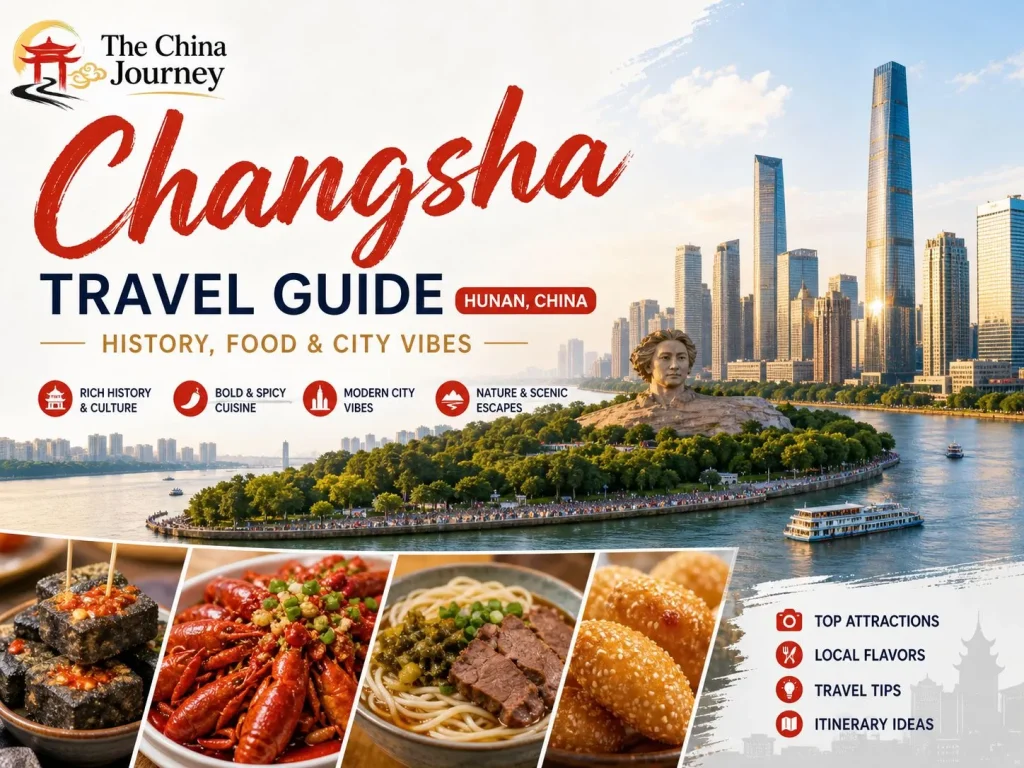
Discover Changsha, Hunan’s vibrant capital—rich in history, culture, spicy cuisine, and stunning natural beauty. Your ultimate travel guide starts here!

Liaoning, the birthplace of the Qing Dynasty, was home to two emperors, with historical landmarks like the Shenyang Imperial Palace showcasing its rich imperial heritage.

Plan your first Ningxia trip with the best routes, desert highlights, Western Xia sites, wine experiences, timing, transport, and practical tips.

Explore China’s top 10 stunning waterfalls—from hidden Tibetan gorges to cross-border cascades. A guide to epic landscapes and seasonal travel tips.


