Tibet, officially known as the Xizang Autonomous Region, is located in the southwestern part of China on the Qinghai-Tibet Plateau, often referred to as the “Roof of the World.”
It spans 1.2028 million square kilometers with an average elevation exceeding 4,000 meters.
As of 2023, the region has a population of 3.65 million people.
Tibet has a rich history, with the Tibetan people being an important part of the Chinese nation.
It was historically known as “Tubo” during the Tang and Song dynasties and was later referred to as “U-Tsang” during the Yuan and Ming dynasties.
Tibet was peacefully liberated in 1951, and the Tibet Autonomous Region was officially established in 1965.
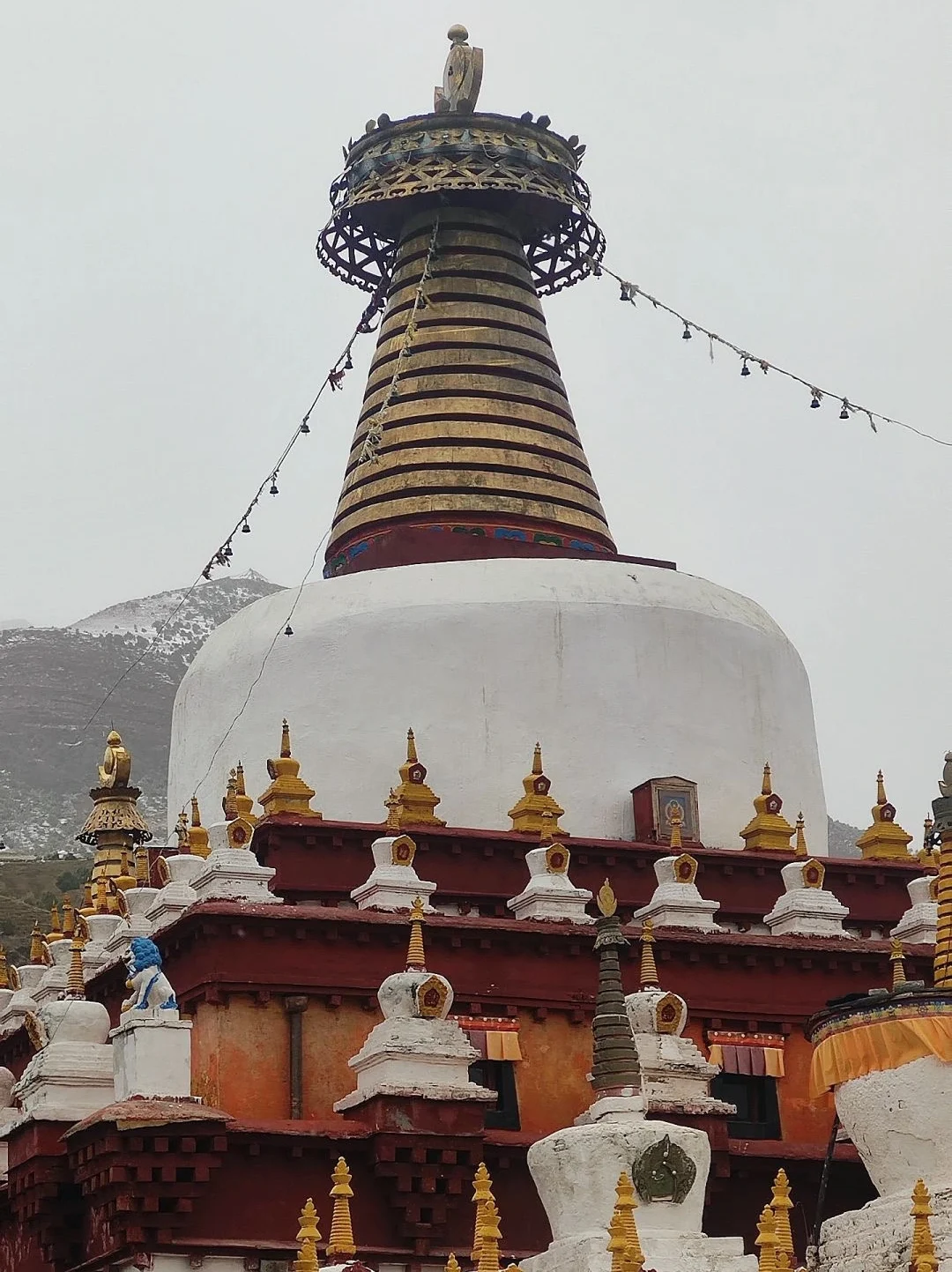
It is known for its breathtaking landscapes, including temples, palaces, and historical sites.
If you want help choosing routes, trip length, and the best places to combine on a first visit, see our Tibet Travel Guide.