

Urumqi is not the most conventionally beautiful city in China, and most travelers do not come here for the urban core alone. Its real value lies in its role as the main gateway to Xinjiang, with practical access to major landscapes, Silk Road routes, and regional culture.
This guide helps you decide whether Urumqi is worth your time, how many days to stay, what to prioritize, and how to use it well in a first Xinjiang itinerary without wasting days on the wrong stops.
Location: Northwest China, at the foot of the Tianshan Mountains
Geography: The world’s most remote major city, over 2,500 km from any ocean
Significance: Considered the geographic center of Asia
History: A key stop along the northern Silk Road
Today: The main transportation hub and gateway to Xinjiang
Urumqi (乌鲁木齐) is less about its city attractions and more about its role in shaping a Xinjiang journey. Most travelers pass through here not for the city itself, but for what it connects—Tianchi, Turpan, Kashgar, and beyond.

Urumqi is less about the city itself and more about what it unlocks across Xinjiang. Its value comes from access, context, and positioning—rather than standalone attractions.
The gateway to Xinjiang: Urumqi is the region’s main transport hub, connecting flights, trains, and overland routes. Almost all Xinjiang itineraries start or pass through here.
Easy access to Tianchi and the Tianshan Mountains: Within a short drive, you can reach alpine lakes, forests, and snow mountains, making it one of the easiest ways to experience Xinjiang’s natural landscapes early in your trip.
A concentrated view of ethnic diversity: Uyghur, Kazakh, Hui, and Han communities live here, offering a direct introduction to Xinjiang’s cultural mix.
A practical entry to Silk Road context: As part of the northern Silk Road corridor, Urumqi helps frame the region’s history before you explore deeper destinations.
A first taste of Silk Road food culture: Local food blends Chinese and Central Asian influences, making it one of the easiest ways to experience the region’s identity.

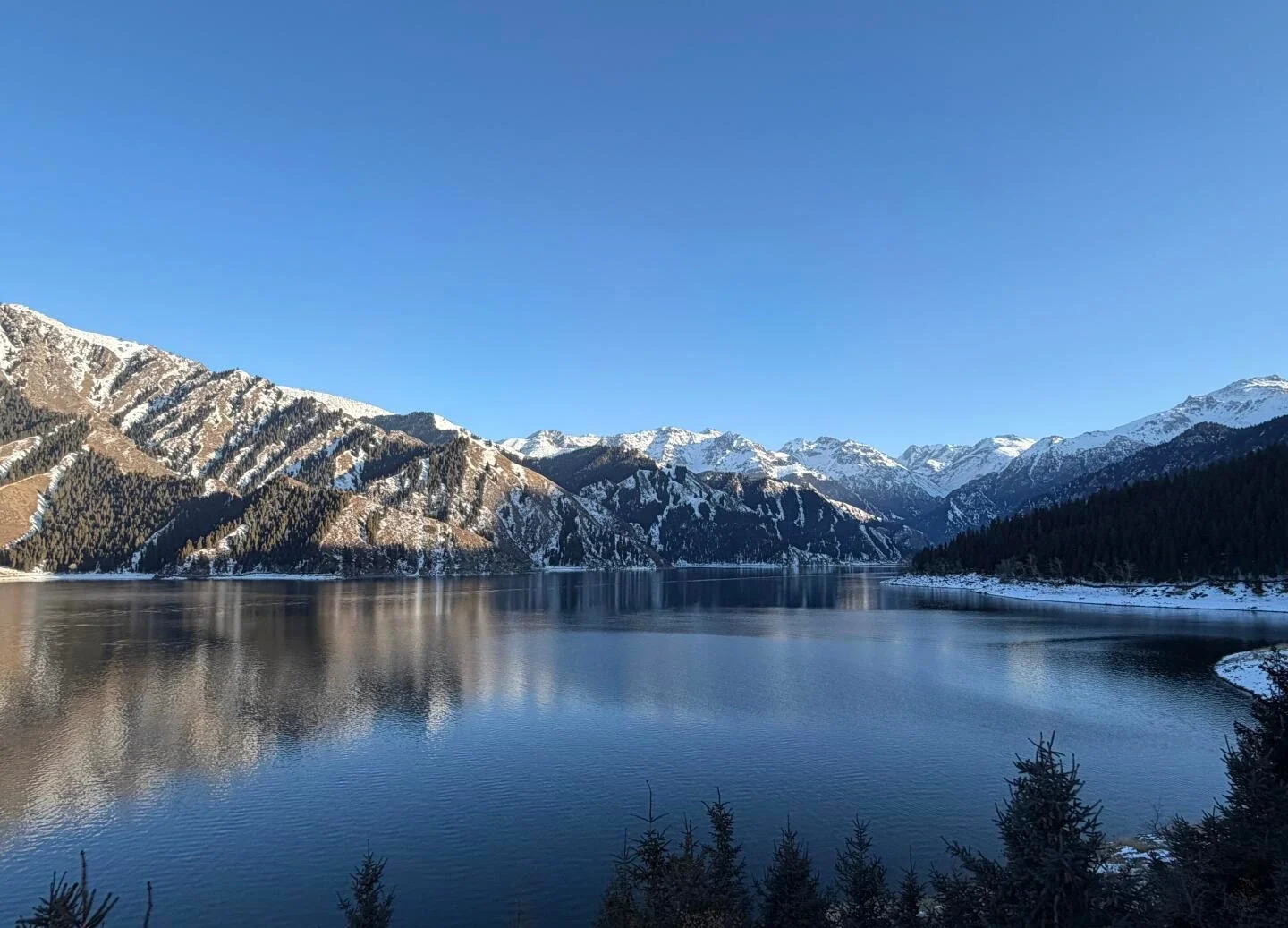
This is the clearest priority around Urumqi and the one experience that most justifies the stop. Set in the Tianshan range, it combines alpine lake, forest, and snow mountain scenery. For first-time visitors, this is usually the single most important excursion outside the city.

This is the most useful in-city stop because it gives structure to the rest of your Xinjiang trip. The museum matters not only for its famous ancient mummies, but because it helps explain the region’s Silk Road history, ethnic diversity, and cultural layers in one place.

The Grand Bazaar is more about atmosphere than deep sightseeing. It offers food, architecture, and local market energy in one place. It works best as a late afternoon or evening stop rather than a core destination.

Red Hill is a secondary city stop rather than a core Xinjiang reason to come, but it works well if you want a quick urban viewpoint and a calmer local layer. It matters because it gives you a simple overview of the city and helps break up a museum-and-market day with some open air and skyline views.
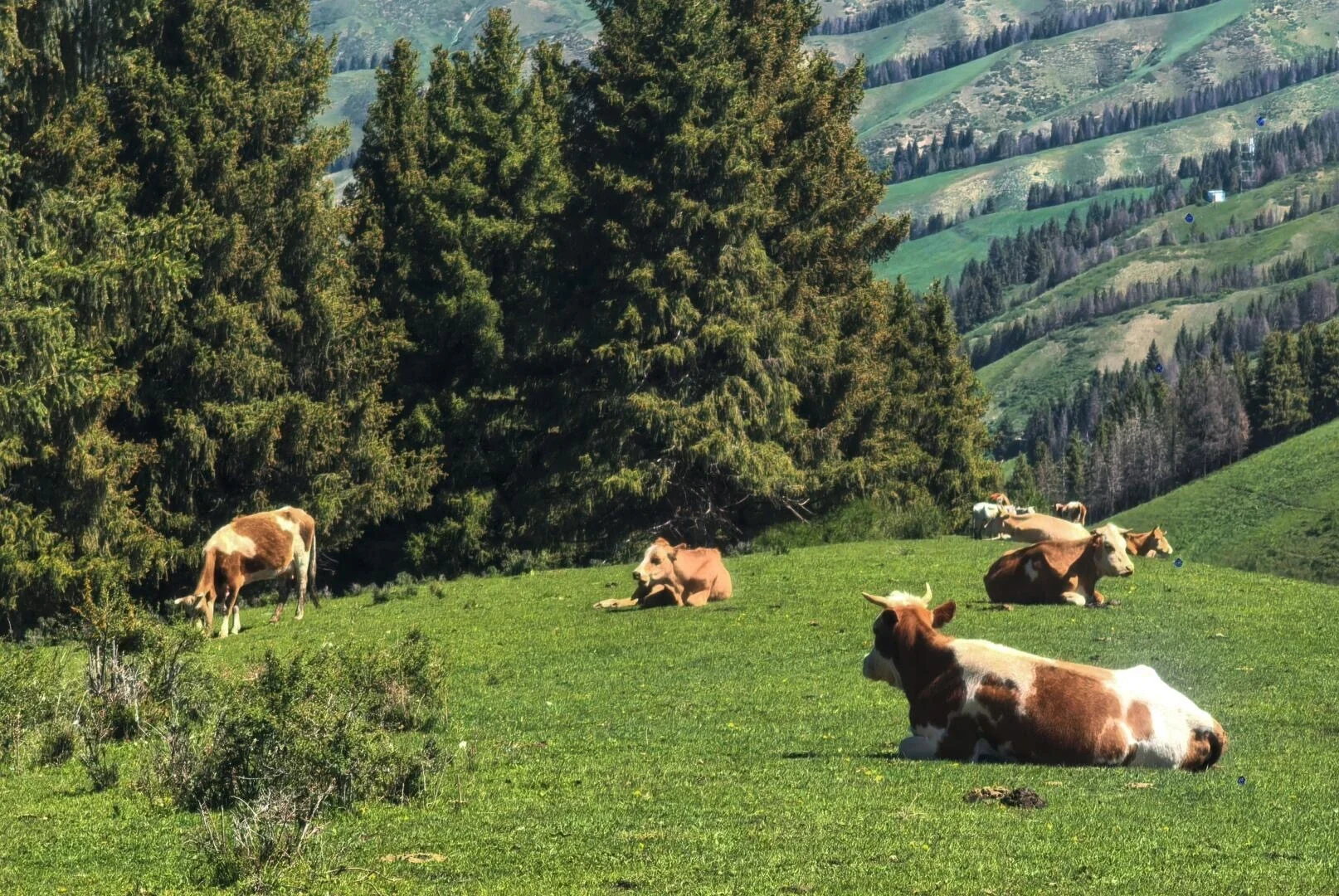
Nanshan is a useful extension if you want a grassland-and-mountain outing without going too far from the city. It matters because it shows another side of the Urumqi area: cooler air, open pasture landscapes, and a more relaxed outdoor rhythm than the city itself.
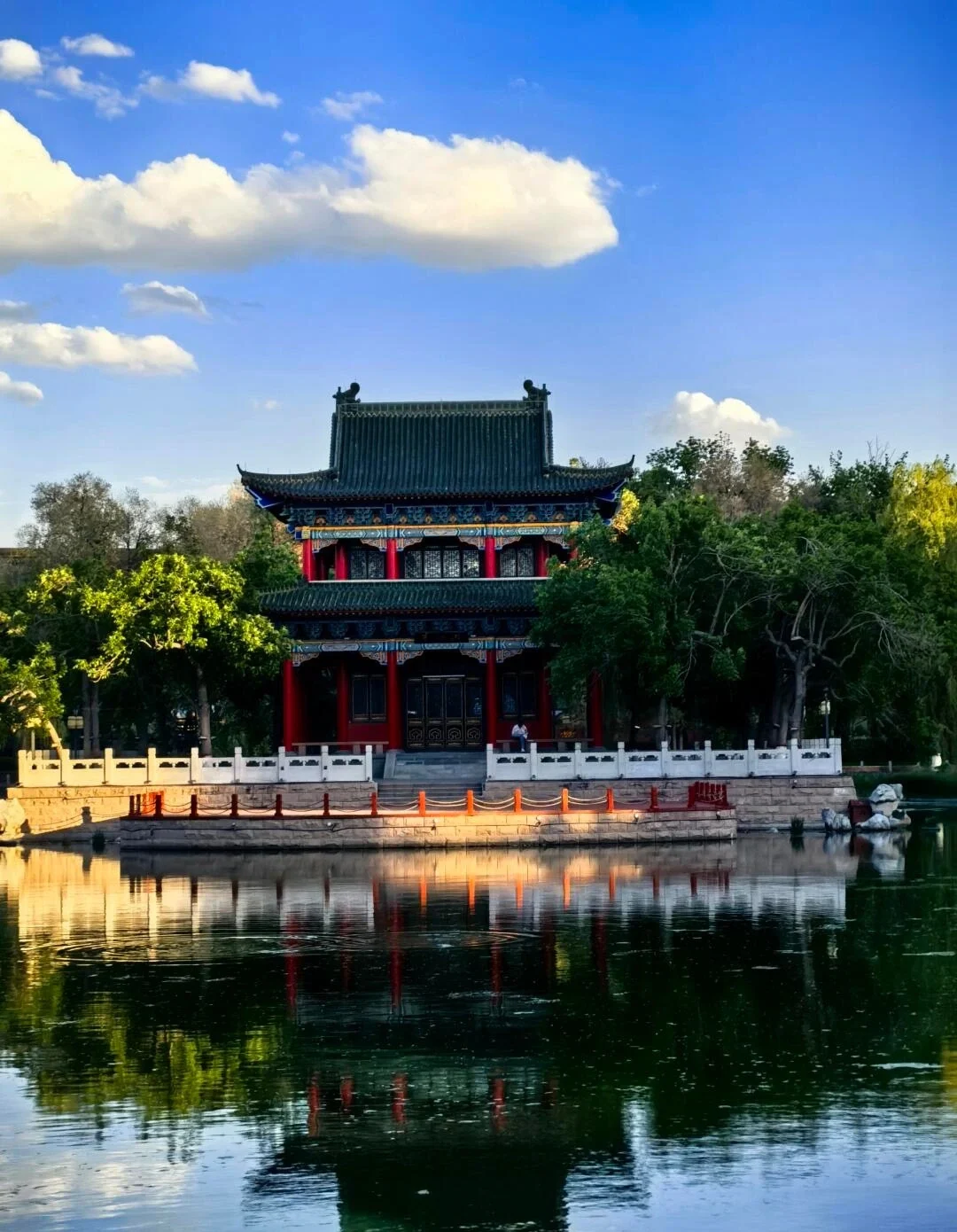
Parks and lighter city stops are best understood as fillers, not priorities. They matter mainly because they let you slow down, adjust to Xinjiang rhythm, and see more of ordinary urban life between bigger route days. For first-time visitors, they should stay below Heavenly Lake, the museum, and the Grand Bazaar in priority. In route terms, these work best when you have spare time before a train or flight, or when you want an easy local walk without committing to another major outing.
The overall rule is simple: Urumqi’s real highlights are outside the city, while the city itself works best as a gateway base with a few useful cultural stops.

How long you stay in Urumqi depends less on the city itself and more on how you plan to structure your Xinjiang trip. The city works best as a starting point, with time split between light urban exploration and nearby excursions.
1 day → transit stop
One day is enough if Urumqi is simply a gateway. You can visit the Xinjiang Regional Museum and the Grand Bazaar, get a basic sense of the region’s culture, and move on. This works well if your main focus is elsewhere, such as Turpan, Kashgar, or Ili.
2 days → recommended
Two days allows you to combine one full city day with one key excursion, usually Heavenly Lake. This creates a balanced introduction to both the cultural and natural sides of Xinjiang without rushing. For most travelers, 2 days is the safest choice, offering enough depth without slowing down the overall itinerary.
3 days → extended stay
Three days makes sense if you want a slower pace or an additional outing, such as Nanshan Pasture. This gives you more flexibility and recovery time, especially after long-distance travel, but should still be seen as an extension rather than a necessity.
Overall, Urumqi is usually a gateway base rather than the main destination.
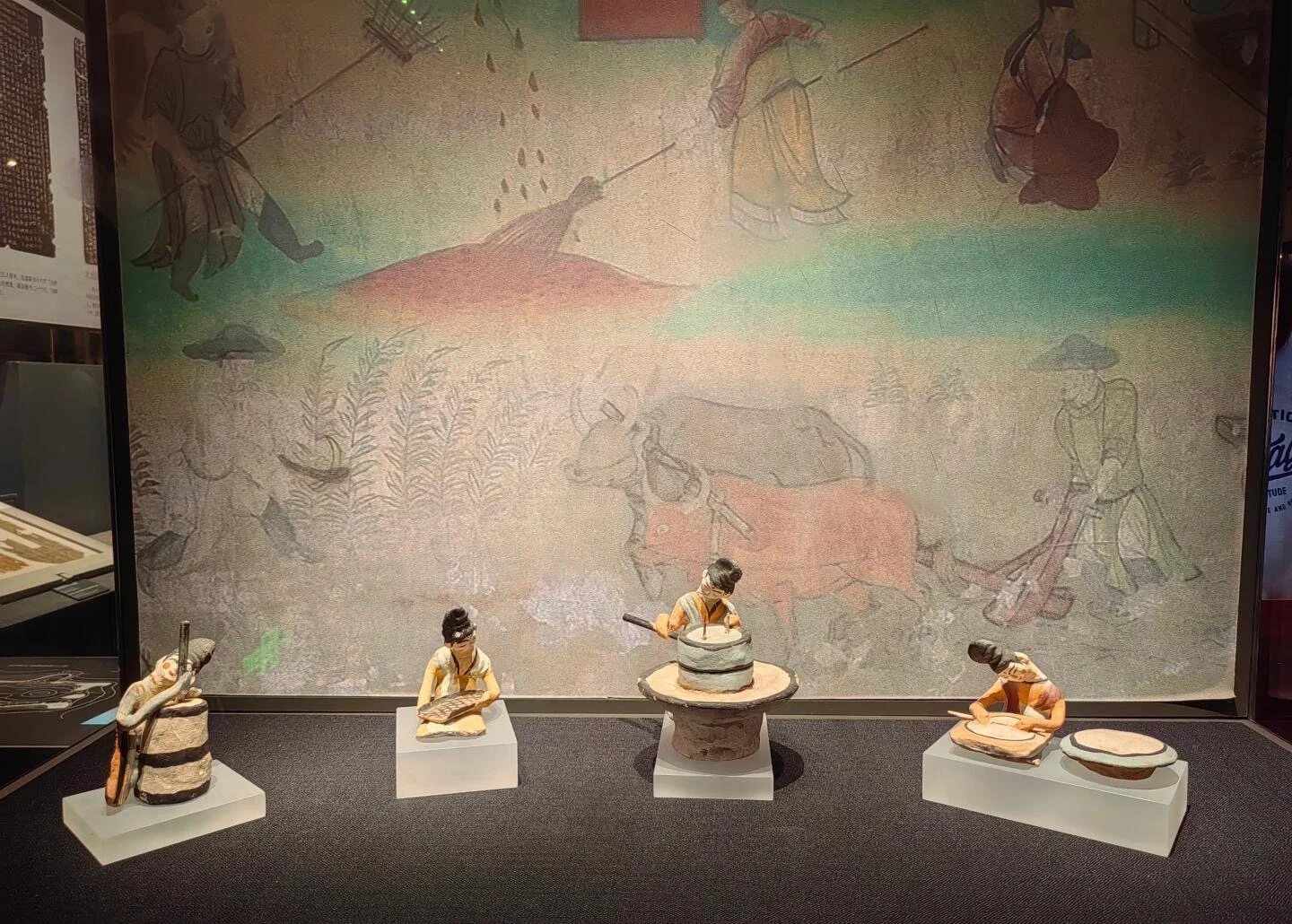
This itinerary is designed for transit travelers who want a compact but meaningful introduction without overcommitting time. The flow focuses entirely on the city, avoiding long-distance travel.
Start your day at the Xinjiang Regional Museum in the late morning. This sets the context for everything else you will see in Xinjiang. Around midday, have a simple local meal nearby, then move toward the Grand Bazaar in the afternoon.
The Bazaar works best later in the day, when it becomes more active and atmospheric. Spend 1–1.5 hours walking through, sampling food, and observing local life rather than trying to “see everything.” This route keeps movement linear and avoids backtracking across the city.
This is the most efficient and widely recommended structure, combining one city day with one key excursion. The pacing is balanced, and the flow is designed to separate urban and natural experiences.
Day 1 focuses on the city: Xinjiang Regional Museum → Grand Bazaar → optional sunset at Red Hill Park. The sequence moves naturally from cultural context to street-level experience, ending with a relaxed viewpoint if energy allows.
Day 2 is reserved entirely for Heavenly Lake: Leave early to avoid traffic and tour groups, spend around 3 hours at the lake, and return in the late afternoon. Keeping this as a dedicated day avoids rushing and eliminates unnecessary back-and-forth travel.

This route works well for first-time Xinjiang travelers who want both mountain scenery and Silk Road ruins in a short timeframe. The key is directional flow without backtracking.
Day 1: Arrive in Urumqi → light evening visit to the Grand Bazaar to adjust to local rhythm.
Day 2: Day trip to Heavenly Lake, returning to Urumqi in the evening.
Day 3: Travel from Urumqi to Turpan, continuing westward rather than returning. Visit sites like Flaming Mountains and local valleys in the afternoon.
Day 4: Explore Jiaohe Ancient City and nearby ruins, then continue onward or return depending on your broader route.
This structure keeps the route efficient and avoids backtracking.

Urumqi can be visited year-round, but the experience changes significantly by season. The key is to match your trip with nearby landscapes rather than the city itself.
Spring (April–June)
A stable and comfortable season with mild temperatures and fewer crowds. Good for combining city visits with Tianchi and early mountain scenery.
Summer (July–August)
The peak travel season, but still manageable compared with many North China cities. This is the best time for green landscapes, grasslands, and full-access mountain routes.
Autumn (September–October)
The most balanced season overall. Cooler air, clear skies, and better travel conditions make it one of the safest choices for most travelers.
Winter (November–March)
Cold and dry, but with a different appeal. Snow-covered landscapes around the Tianshan Mountains create a quieter and more atmospheric experience.
Spring and autumn are the most stable choices. Summer is fully workable and not overly harsh, while winter is cold but visually unique. Urumqi is generally dry, with noticeable day–night temperature differences year-round.
Urumqi is the main air and rail gateway to Xinjiang, so getting there is usually straightforward even though it is far from eastern China. For most travelers, the best choice depends on distance, budget, and how much time they want to spend in transit.

Flying is the fastest and most practical option for most first-time visitors, especially if you are coming from eastern or southern China. Urumqi has strong domestic air connections and is usually the easiest entry point into Xinjiang. If your goal is to maximize sightseeing time, flying is usually the smartest choice.
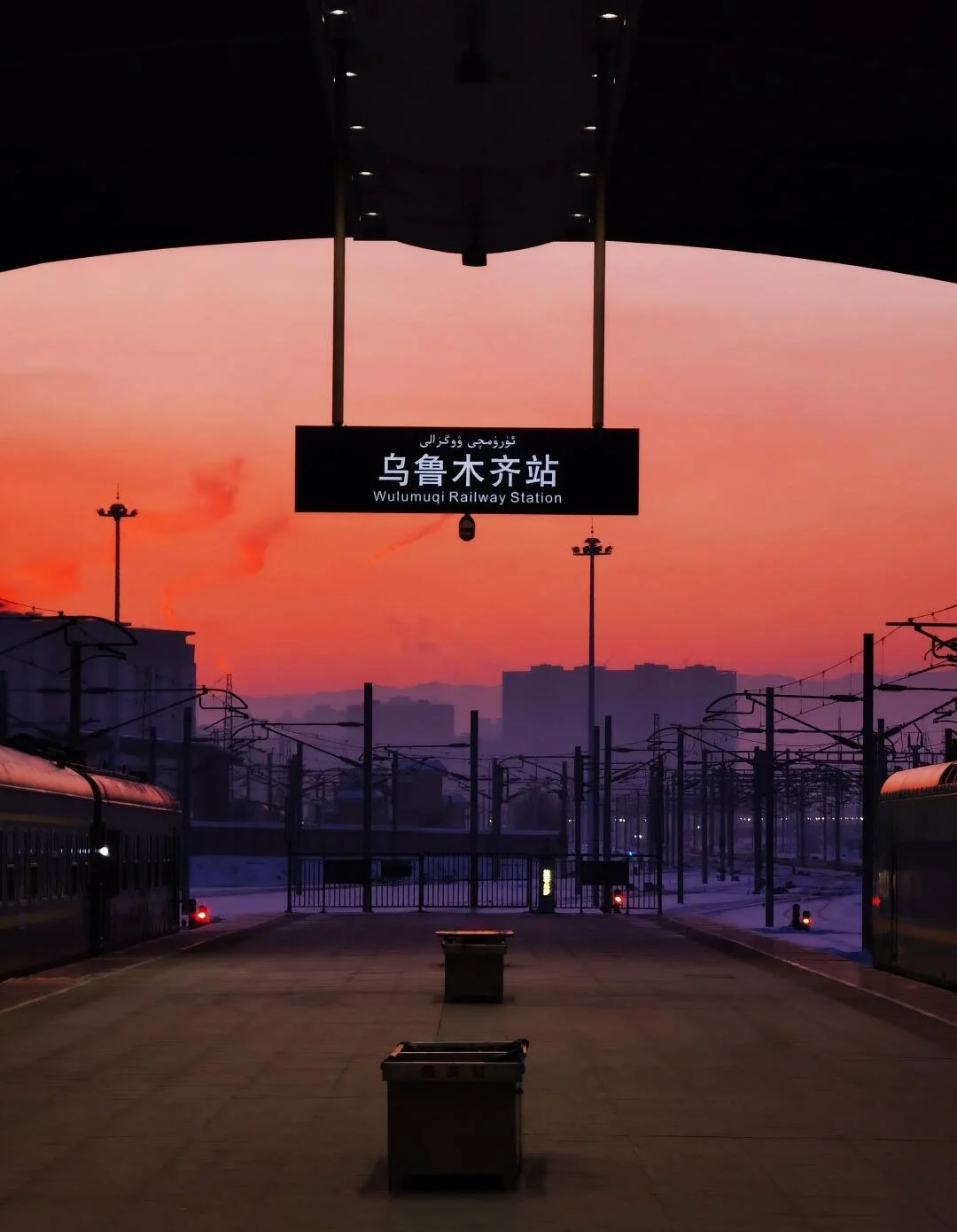
High-speed rail is a strong option from northwestern cities and nearby Silk Road stops. It works especially well if you are already traveling overland through places such as Lanzhou, Xining, or Turpan. For many travelers, this is the best balance between comfort, scenery, and cost.
Regular trains are the slower but more budget-friendly alternative. They make more sense for travelers who have time, enjoy long overland journeys, or want to experience Xinjiang as part of a larger rail route. They are not the most efficient option, but they can work well for slower, route-based travel.
For most first-time visitors, flying is the easiest entry choice, while rail works best for broader Silk Road or overland Xinjiang routes.
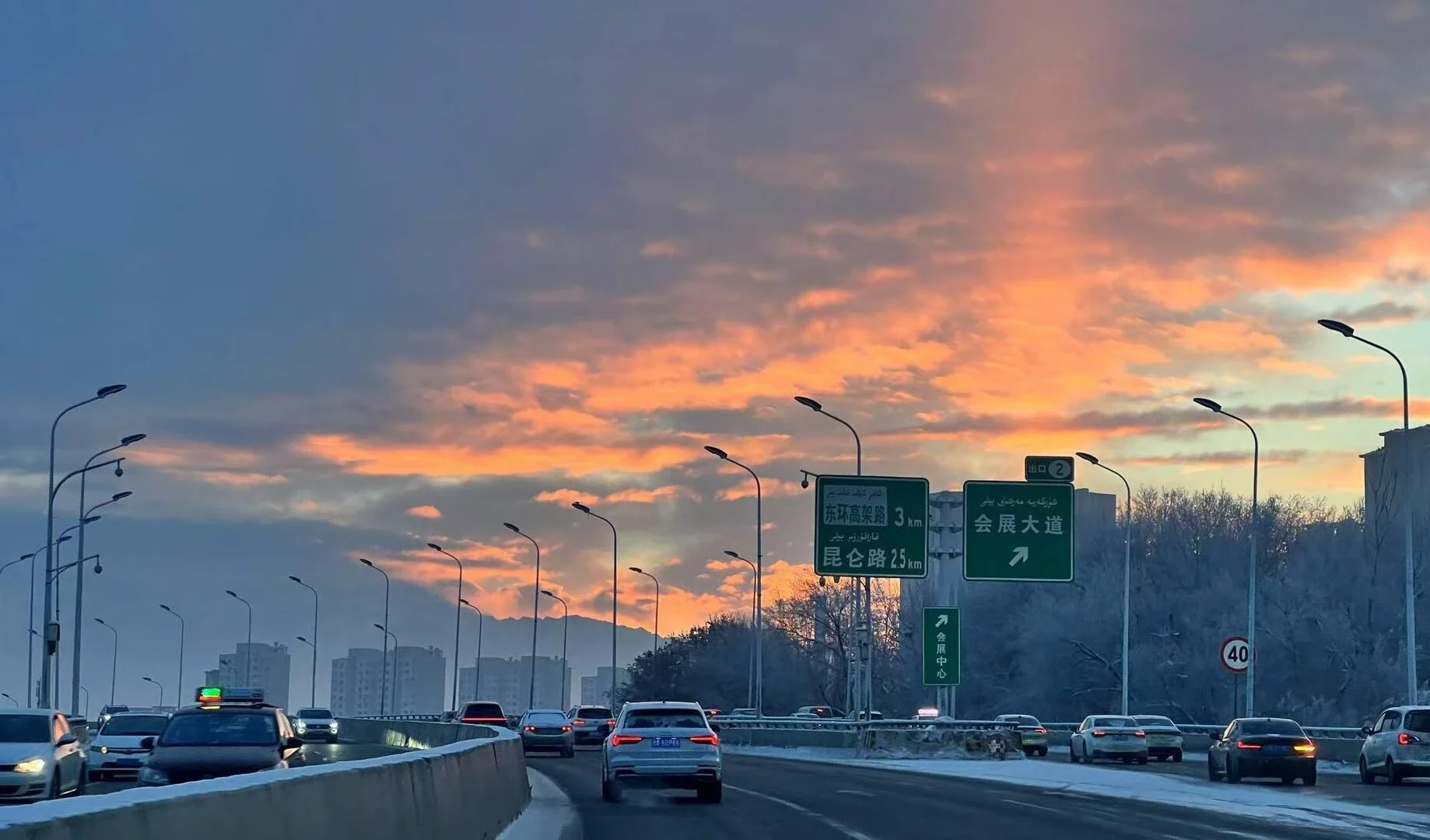
Getting around Urumqi is relatively easy within the city, but becomes more complex once you move beyond it. The key difference is that urban transport is convenient, while major highlights require planning.
Within the city, taxis and ride-hailing apps are the most practical way to move between attractions. Distances are not always walkable, and sites like the museum, Grand Bazaar, and parks are spread out. Public transport, including metro and buses, is available and affordable, but may take longer and require transfers.
For most visitors, short taxi rides keep the pace smooth and avoid unnecessary time loss. Urumqi is not a city designed for continuous walking, so planning point-to-point movement works best.
Once you leave the city, transport becomes the main challenge. Key destinations such as Heavenly Lake and Nanshan are located well outside urban areas, and public transport options are limited or time-consuming.
Private cars, drivers, or small group tours are the most efficient way to visit these places. They allow flexible timing, direct routes, and fewer logistical complications.
A private car improves the experience significantly: especially if you are short on time or traveling with others. It reduces waiting, avoids transfers, and makes the overall journey much smoother.
In practice, combine taxis for city travel with planned transport for day trips. Most visitors quickly find that private transport is the key to a smoother Xinjiang experience.

Food in Urumqi reflects Silk Road culture. It connects Central Asia, western China, and nomadic traditions into one shared system.
Nang (馕)
A baked flatbread that has been a staple since Silk Road caravan days. It is simple, portable, and deeply tied to daily life.
Laghman (拉条子)
Hand-pulled noodles stir-fried with lamb and vegetables. The texture and flavor show strong Central Asian influence.
Kebab (烤肉)
Skewered lamb grilled over charcoal with cumin and spices. This is the most visible street food and a core part of local identity.
Pilaf (抓饭)
Rice cooked with lamb, carrots, and onions. Hearty and filling, it reflects nomadic and trade-route cooking traditions.
Dairy (奶制品)
Yogurt, milk-based snacks, and other dairy products come from pastoral culture and are still widely consumed today.
Unlike most cities, Urumqi’s food is layered. Eating here is part of understanding the region, not just a side activity. For most visitors, food fits best as an evening experience after sightseeing, especially around the Grand Bazaar or other busy local dining areas.

Where you stay in Urumqi affects your trip more than the city itself, mainly because transport and day-trip logistics matter.
Stay near the city center if…
You want easy access to the museum, Grand Bazaar, and restaurants. This is the most practical choice for first-time visitors.
Stay near transport hubs if…
You are arriving late or leaving early. This works for efficiency, but not for overall travel experience.
Stay in newer districts if…
You prefer more modern hotels and quieter surroundings. Comfort is higher, but distances to attractions may increase.
Stay flexible if you plan day trips
Most key experiences are outside the city, so your hotel mainly serves as a base rather than a destination.
Best overall choice
For most first-time travelers, staying near the city center is the safest and most balanced option.
See also: Where to Stay in Urumqi
Urumqi is a mixed-cost destination. The city is affordable, but day trips increase costs quickly. In simple terms: city cheap, transport expensive.
| Travel style | Daily cost (per person) | What it usually includes |
|---|---|---|
| Budget-ish city stay | $40–70 | Simple hotel, local meals, metro/taxi, city sights only |
| Mid-range with 1 day trip | $80–140 | Better hotel, comfortable meals, one major day trip, mixed transport |
| Comfortable with private car | $140–230+ | Stronger hotel, better dining, private day-trip transport, more flexibility |
Accommodation, local food, and basic transport in Urumqi are relatively manageable. You can eat well without spending much, and city attractions such as the museum, parks, and bazaar do not require a very high daily budget.
The main cost pressure comes from getting outside the city. Places like Heavenly Lake and Nanshan require longer transfers, and that changes the budget much more than city sightseeing does. Even when attractions themselves are reasonable, transport can become the biggest line item.
The best cost-saving move is shared transport. A shared car or shared day-trip arrangement improves the math a lot, especially for couples or small groups. Solo travelers feel the transport cost most sharply, while 2–4 people can spread it out and make private or semi-private trips much better value.
For most first-time visitors, the most balanced setup is a moderate city budget plus one well-planned day trip.
Carry your passport at all times
You may need it at hotels, transport hubs, and some attractions.
Expect frequent security checks
Security screening is part of daily travel in Urumqi. You will encounter it at malls, stations, and major sites. It is generally efficient, but allow extra time in your schedule.
English is limited
Outside hotels and a few key locations, English is not widely spoken. A translation app and basic phrases will make a big difference, especially for transport and ordering food.
Adjust to the time difference in daily rhythm
Although the official time is Beijing time, local life runs later. Expect later sunrises, later dinners, and attractions staying open into the evening.
Do not treat Urumqi as a walkable city
Attractions are spread out, and distances are larger than they appear on a map. Plan point-to-point transport rather than trying to walk between sites.
Plan day trips in advance
Key highlights are outside the city, so transport (private car, shared ride, or tour) should be arranged ahead of time to avoid last-minute complications.
Start early for major sights
For places like Heavenly Lake, leaving early helps avoid crowds and traffic, and gives you a more relaxed experience overall.
Stay hydrated and prepare for dry air
The climate is dry, with noticeable day–night temperature differences. Bring moisturizer, drink more water, and dress in layers.
Choose your hotel location carefully
Staying in a convenient area reduces daily travel time. A well-located hotel can make your itinerary much smoother and more efficient.
Respect local rules and photography etiquette
Avoid photographing security personnel or sensitive facilities. Follow posted rules at attractions, especially in cultural or museum settings, to prevent issues.


Discover Jiangsu, a land of Wu charm and Han elegance, with scenic lakes, rich culture, historic treasures, and renowned local delicacies.

A clear and structured 2026 forecast for people born in 1956, covering career, wealth, relationships, health, and guidance for balance and steady well-being.

Plan your first Anhui trip with the best routes, top places, timing, transport tips, and smart ways to combine Huangshan, Hui villages, and Jiuhua Mountain.

Plan your first Jinan trip with spring-city highlights, best routes, food, travel tips, and smart ideas for 1–3 days in Shandong.

Yes. Most baijiu is stronger than vodka in alcohol content and taste, with richer aromas and more intense drinking sensations.

A structured 2026 forecast for people born in 1976, covering career, wealth, relationships, health, and practical advice for steady growth and balanced progress.


