What to Eat in Harbin: Local Food Guide

What to Eat in Harbin infographic Guobaorou iron pot stew red sausage lieba bread kvass frozen fruit collage - What to Eat in Harbin: Local Food Guide 2026 - The China Journey - What to Eat in Harbin: Local Food Guide 2026 - The China Journey
Discover what to eat in Harbin, from Guobaorou and red sausage to hot stews, Russian-style snacks, street food, and winter eating tips.
What to Eat in Harbin infographic Guobaorou iron pot stew red sausage lieba bread kvass frozen fruit collage - What to Eat in Harbin: Local Food Guide 2026 - The China Journey - What to Eat in Harbin: Local Food Guide 2026 - The China Journey

In This Guide

Quick Answer: What Should You Eat in Harbin?

If you are deciding what to eat in Harbin (哈尔滨), do not build your whole plan around candied fruit, red sausage, and Russian-style bread. The real food experience is a mix of Northeastern Chinese food, also called Dongbei cuisine (东北菜), hot stews, dumplings, barbecue, Russian-influenced snacks, and winter comfort food. For a first trip, focus on one proper local meal, a few walking snacks, one Russian-style flavor, and one warm dish or barbecue meal.

  • Best first meal: A Dongbei meal with one classic dish, one hot dish, and a staple food.
  • Best classic dish: Guobaorou or another representative Dongbei dish.
  • Best winter comfort food: Iron pot stew or suancai-based hot dishes.
  • Best Russian-influenced food: Red sausage, big lieba bread, kvass, or a Russian-style restaurant dish.
  • Best walking snack: Madieer ice cream, grilled red sausage, candied fruit, or fried cake.
  • Best for groups: Iron pot stew, shared Dongbei dishes, barbecue, or dumplings.
  • Main thing to avoid: Replacing real meals with Central Street snacks or ordering too much because portions are large.

What Does Harbin Food Taste Like?

Harbin food is hearty Northeastern cooking: large portions, direct flavors, and dishes that are salty, savory, sauy, and filling. It also has a clear Russian-influenced side through sausage, bread, kvass, beer, and old-style Western restaurants.
  • Big portions: Dishes are often larger than first-time visitors expect.
  • Salty and sauce-based: Soy sauce, bean paste, garlic, and rich stews appear often.
  • Sour and warming: Pickled cabbage, or suancai (酸菜), and hot soups are important in winter.
  • Good with staples: Rice, dumplings, noodles, steamed buns, and corn cakes matter.
  • Russian-influenced: Sausage, bread, kvass, beer, and old-style Western restaurants are part of the city.
  • Cold-weather friendly: Stews, hot pots, barbecue, and warm snacks feel especially right in winter.

Best Local Foods to Try in Harbin

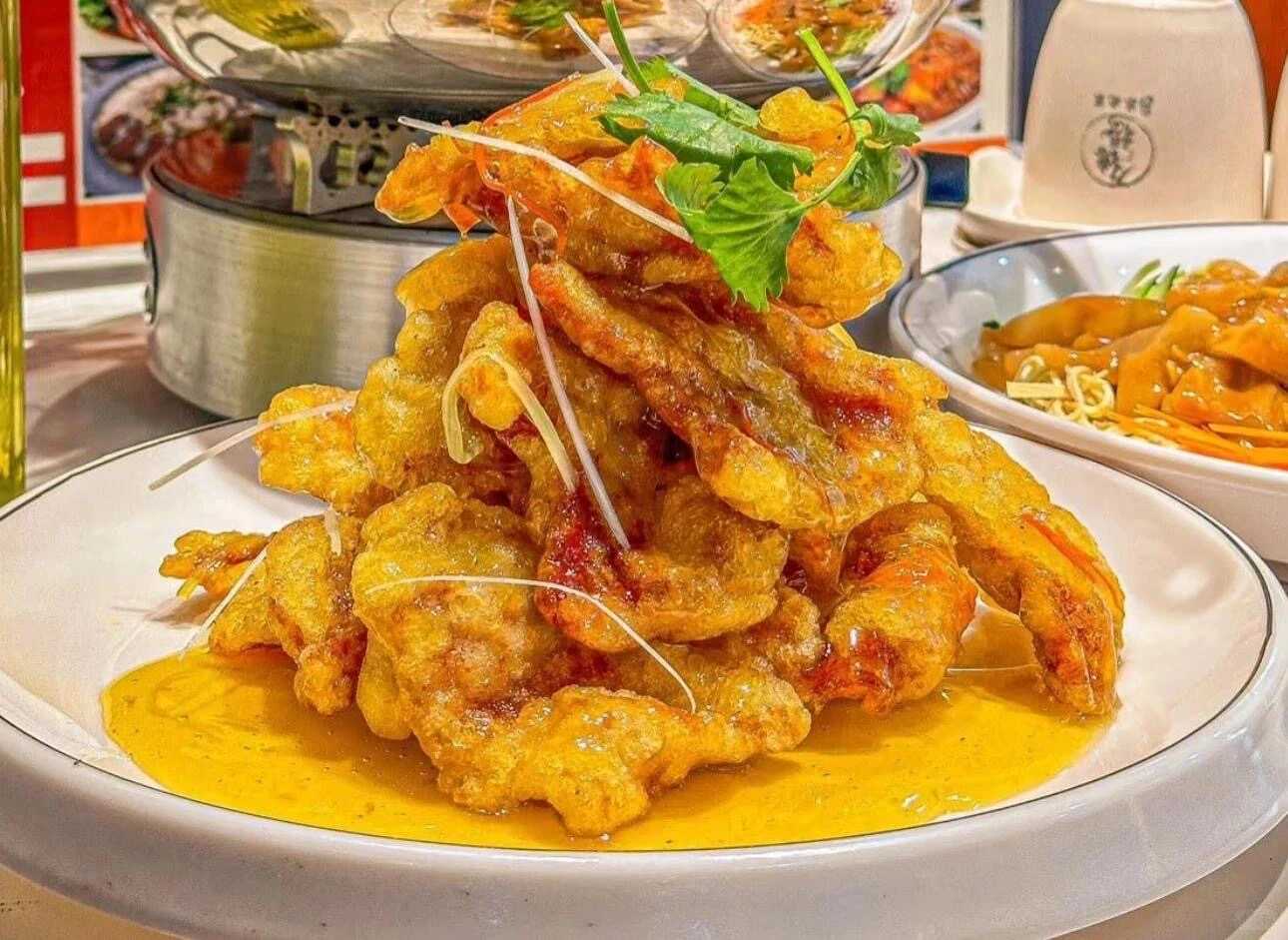
Guobaorou: The Crispy Sweet-Sour Dongbei Classic

Close up of Harbin style sweet and sour pork dish Guobaorou on plate - What to Eat in Harbin: Local Food Guide 2026 - The China Journey
Harbin style sweet and sour pork Guobaorou

Guobaorou (锅包肉) is one of Harbin’s most famous dishes. Thin pork tenderloin slices are coated, deep-fried until crisp, then tossed in sweet-sour sauce. Old-style versions taste sharper and more vinegar-forward, while newer versions may be sweeter.

  • What it tastes like: Crisp outside, tender inside, sweet, sour, and appetizing.
  • Common styles: Old-style sweet-vinegar sauce or a newer, slightly sweeter version.
  • Best for: First-time visitors, people new to Dongbei food, and travelers who like fried sweet-sour dishes.
  • Not ideal for: People who dislike sweet-sour flavors or avoid fried food.
  • Rough price: About RMB 38–68 per dish.

Order it on a first Harbin trip, but eat it hot. You do not need to chase one “most authentic” restaurant for it.

Iron Pot Stew: The Best Winter Sharing Meal

Iron Pot Stew Northeast China Hearty braised meat and vegetables cooked in large iron pot with corn buns around edge - What to Eat in Harbin: Local Food Guide 2026 - The China Journey
Iron Pot Stew Northeast China

Iron Pot Stew (铁锅炖) is a classic cold-weather Northeast meal. Goose, ribs, fish, or other meats are stewed with potatoes, green beans, corn, and vegetables in a large iron pot. Many restaurants add corn cakes (玉米饼) or steamed rolls around the edge.

  • What it tastes like: Hot, rich, saucy, hearty, and deeply warming.
  • Common styles: Goose stew, rib stew, fish stew, chicken stew, and mixed vegetable stews.
  • Best for: Groups, winter travelers, and anyone who wants a big shared Dongbei meal.
  • Not ideal for: Solo travelers, rushed meals, or people who prefer very light food.
  • Rough price: About RMB 128–198 per pot; often around RMB 60–80 per person when shared.

This is more about warmth and atmosphere than fine dining. It works best for 3–4 people or more, especially after a cold outdoor day.
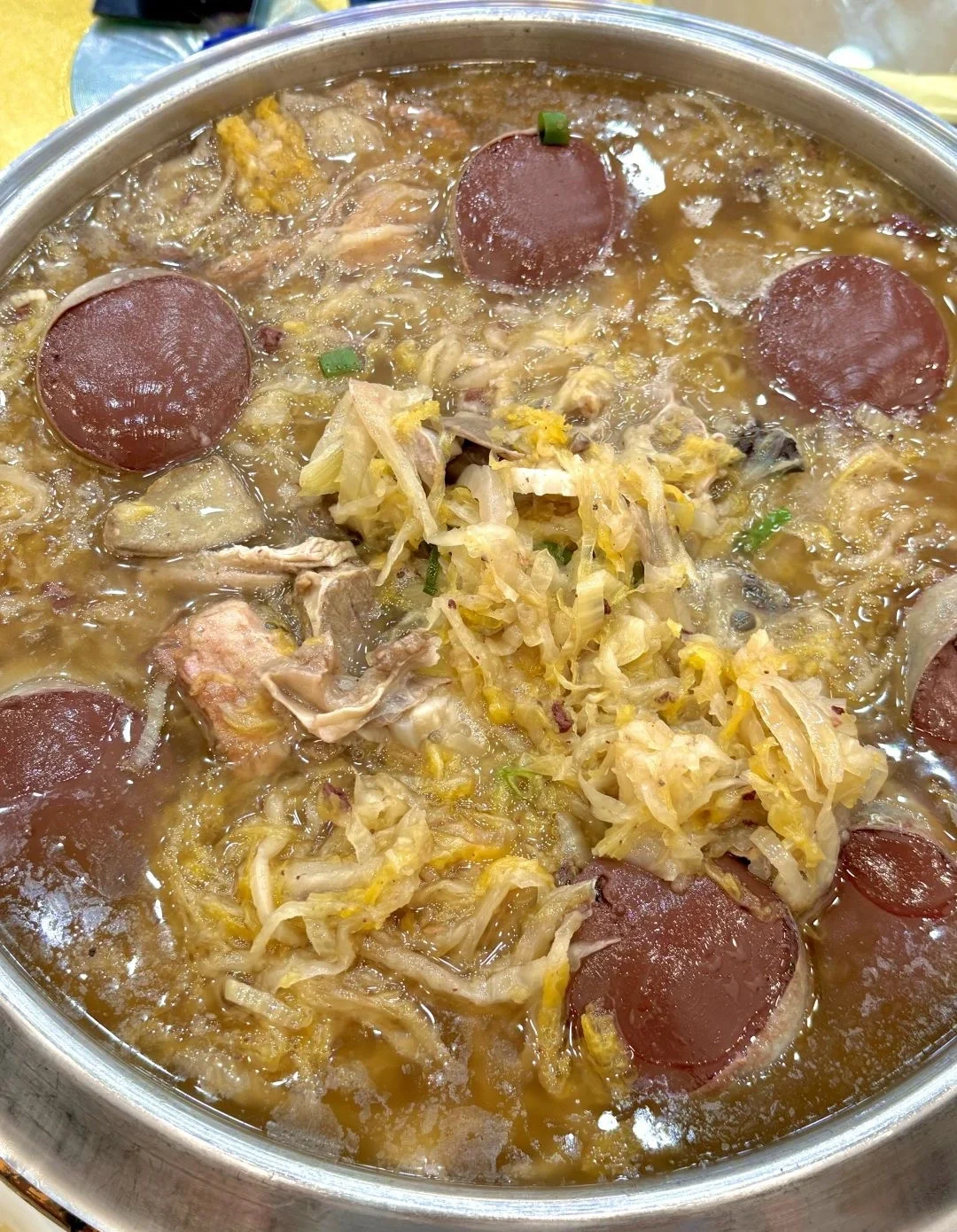
Suancai Pork and Blood Sausage Stew: A Rustic Winter Dish

shazhu cai - What to Eat in Harbin: Local Food Guide 2026 - The China Journey
shazhu cai

Suancai Pork and Blood Sausage Stew (杀猪菜) comes from Northeast rural winter cooking. The classic mix includes pickled cabbage, pork belly, blood sausage, and sometimes glass noodles or frozen tofu. It is rustic, hot, and very local.

  • What it tastes like: Sour, savory, warming, meaty, and rich without feeling as heavy as it looks.
  • Common ingredients: Pickled cabbage, pork belly, blood sausage, glass noodles, and frozen tofu.
  • Best for: Travelers who like sour cabbage, hot stews, and local farmhouse-style food.
  • Not ideal for: People who avoid blood sausage, fatty pork, or strong rustic flavors.
  • Rough price: About RMB 78–128 for a medium pot.

This is very local but not for everyone. Try a smaller portion or share it if you are unsure.
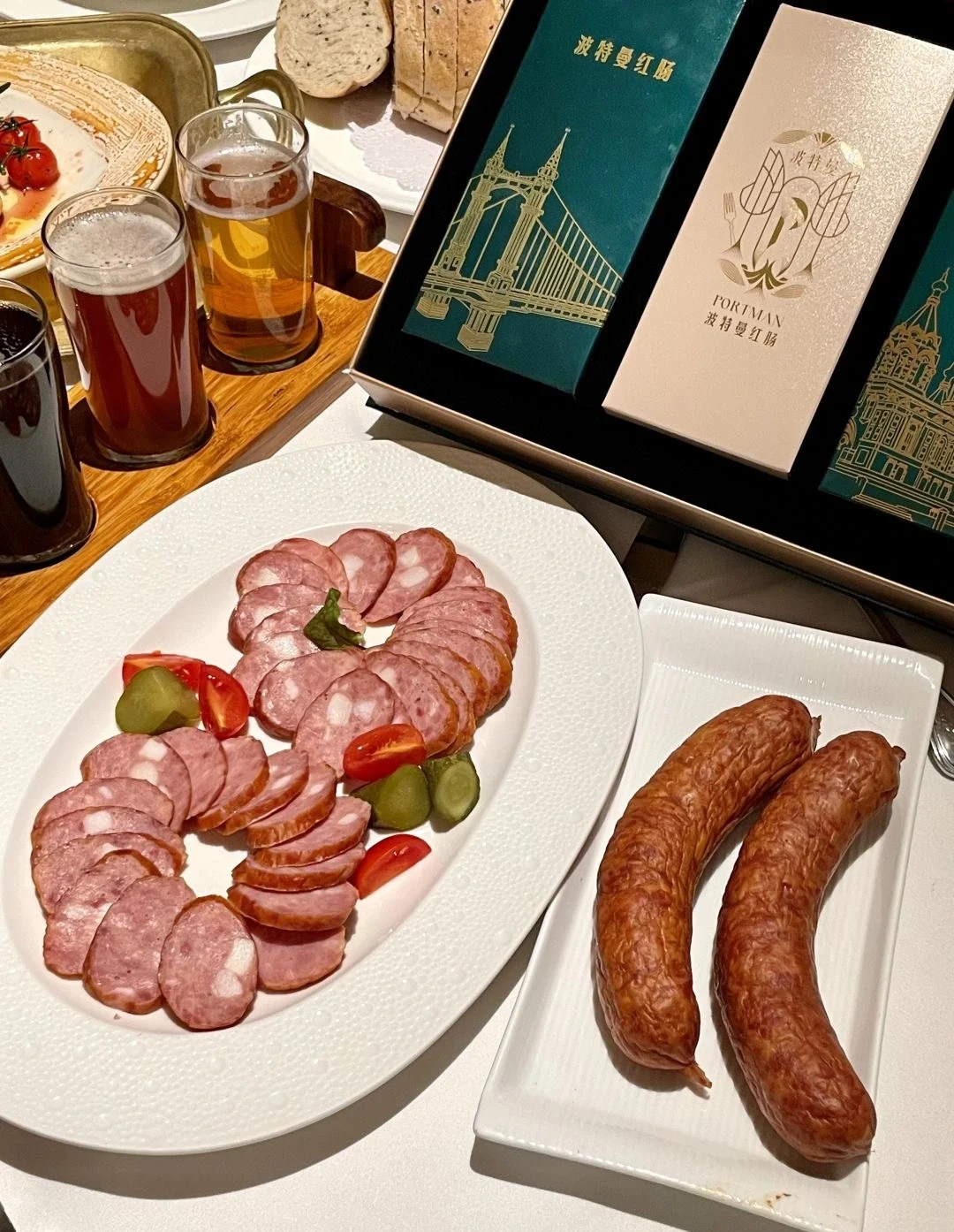
Harbin Red Sausage: The City’s Most Famous Edible Souvenir

Red Sausage - What to Eat in Harbin: Local Food Guide 2026 - The China Journey
Red Sausage

Harbin Red Sausage (哈尔滨红肠) is the city’s most famous food souvenir. It has Eastern European and Russian-style roots but has become fully local to Harbin.

  • What it tastes like: Smoky, garlicky, salty, firm, and slightly chewy.
  • Common styles: Cold slices, pan-fried sausage, sausage with bread, or vacuum-packed gift boxes.
  • Best for: Travelers who want an easy snack, souvenir, or Russian-influenced Harbin flavor.
  • Not ideal for: People who dislike garlic, smoky meat, or processed sausage.
  • Rough price: Loose sausage about RMB 30–50 per jin; gift boxes cost more.

Qiulin, Haroulian, and Shangwei are well-known names, but most visitors only need a convenient, reputable shop.

Big Lieba Bread: A Russian-Style Food Landmark

Qiulin Bread Dalieba Making Technique - What to Eat in Harbin: Local Food Guide 2026 - The China Journey
Qiulin Bread Dalieba Making Technique

Big Lieba Bread (大列巴) is Harbin’s best-known Russian-style bread. It is large, heavy, and very different from soft sweet bread, with a firm crust and fermented wheat aroma.

  • What it tastes like: Firm, wheaty, mildly sour, and much less sweet than normal bakery bread.
  • Common styles: Whole loaves, sliced pieces, small portions, or souvenir-style packaged bread.
  • Best for: Travelers interested in Russian influence, hard bread, and edible souvenirs.
  • Not ideal for: People expecting soft sweet bread, travelers with weak teeth, or solo travelers who cannot finish a large loaf.
  • Rough price: About RMB 30–50 for a full loaf.

This is more of a culture-and-souvenir food than a crowd-pleasing snack. Try a small piece before buying a full loaf.
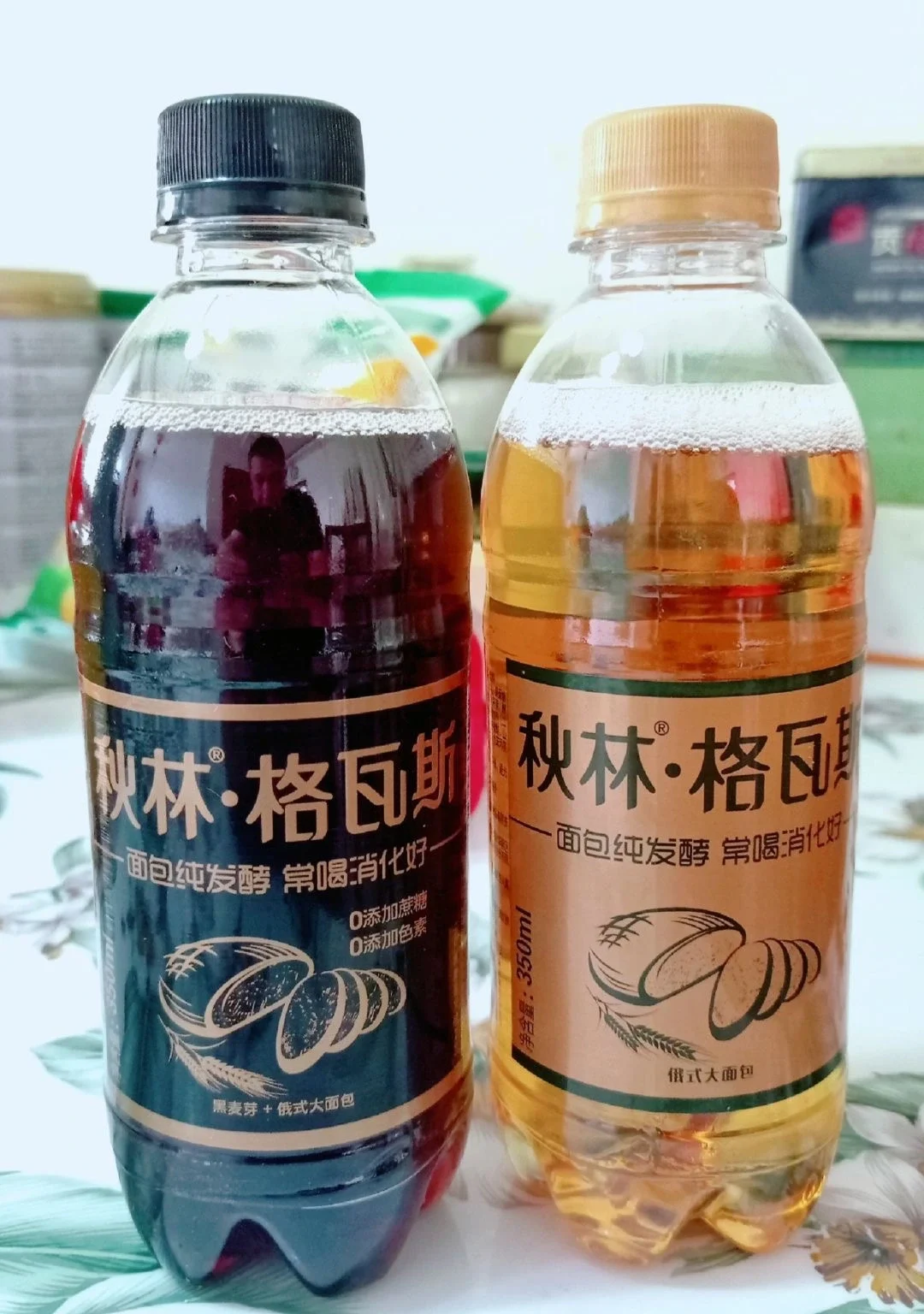
Kvass: A Light Fermented Bread Drink

Qiulin Kvass - What to Eat in Harbin: Local Food Guide 2026 - The China Journey
Qiulin Kvass

Kvass (格瓦斯) is a lightly fermented drink made from bread. It is usually very low in alcohol or close to non-alcoholic, with a fizzy, sweet-sour taste and a clear bread-like aroma.

  • What it tastes like: Fizzy, lightly sour, mildly sweet, malty, and bread-like.
  • Common styles: Bottled kvass or fresher draft-style cups.
  • Best for: Travelers who want a local drink, or something to cut through sausage, barbecue, or heavy meat dishes.
  • Not ideal for: People who dislike fermented drinks, bubbles, or malty flavors.
  • Rough price: Bottled kvass about RMB 5–8; draft-style cups about RMB 12–18.

This is worth trying once, especially with red sausage or barbecue, but treat it as a small tasting experience.

Frozen Pears and Frozen Persimmons: A Winter-Only Food Experience

Frozen Pears - What to Eat in Harbin: Local Food Guide 2026 - The China Journey
Frozen Pears

Frozen Pears (冻梨) and Frozen Persimmons (冻柿子) are classic Northeast winter foods. The fruit is frozen outdoors, then thawed in cold water before eating. Do not bite into it when it is still rock hard.

  • What it tastes like: Icy, juicy, sweet, soft after thawing, and refreshing after heavy food.
  • Common styles: Whole frozen pears, frozen persimmons, and market-style winter fruit stalls.
  • Best for: Winter visitors, curious eaters, and travelers who want a light finish after oily or salty meals.
  • Not ideal for: People who are sensitive to cold food, have a weak stomach, or have sensitive teeth.
  • Rough price: About RMB 5–10 per jin; often around RMB 2–5 each.

This is more fun than essential. Try it as a winter food memory, not as something you need to hunt down.

Harbin Barbecue: The Late-Night Local Food Scene

Harbin Barbecue Grilled skewers cold dishes and bayberries at a local restaurant - What to Eat in Harbin: Local Food Guide 2026 - The China Journey
Harbin Barbecue

Harbin Barbecue (哈尔滨烧烤) is one of the best ways to feel the city’s local night-food culture. Meat skewers, tendon, fatty cuts, tripe pots, grilled vegetables, and grilled bread slices (烤面包片) are common.

  • What it tastes like: Charcoal-smoky, savory, cumin-heavy, sometimes spicy, and good with beer.
  • Common styles: Beef and lamb skewers, tendon, fatty meat, tripe pot, grilled bread, and cold side dishes.
  • Best for: Night-food lovers, groups of friends, and travelers who want local atmosphere.
  • Not ideal for: People sensitive to smoke, very strict hygiene expectations, or travelers who dislike late meals.
  • Rough price: About RMB 70–120 per person, depending on meat and drinks.

This feels more local than many Central Street snacks. A busy neighborhood barbecue shop can be better than a viral one.

Snacks, Breakfast, and Light Bites

Best Breakfast Before a Cold Day

Breakfast in Harbin should be hot, fast, and practical, especially before Ice and Snow World, Central Street, Saint Sophia Cathedral, or another outdoor stop.

Good choices include:

  • Tofu pudding (豆腐脑): Warm, soft, and easy to eat.
  • Soy milk and fried dough sticks: A simple northern breakfast pair.
  • Buns: Filling, cheap, and easy to buy near hotels or markets.
  • Wontons: Good when you want soup and warmth.
  • Noodles: Better before a long walking day.
  • Porridge: Mild and safe for children or sensitive stomachs.
  • Fried cake (油炸糕): A sweet fried breakfast snack, best eaten hot.

Do not spend too long chasing a viral breakfast shop unless it fits your route.

Snacks Worth Trying If You See Them

Harbin snacks work best as walking-route extras, not meal replacements. Central Street snacks have strong atmosphere, but prices and queues can be higher.

  • Madieer Ice Cream (马迭尔冰棍): A classic Central Street experience, especially memorable in winter.
  • Grilled red sausage: Smoky, hot, and easy to eat while walking.
  • Chimney bread (烟囱面包): A photogenic baked snack, often sold plain or with ice cream.
  • Candied fruit (冰糖葫芦): Crunchy, sweet, and good in cold weather.
  • Roasted sweet potatoes: Warm, simple, and useful on freezing days.
  • Daoli Food Market (道里菜市场): Good for trying several small local snacks in one area.

Try them when you pass them, but do not turn the whole day into snack hunting. Outdoor food cools quickly in winter, so eat hot snacks right away.

Light Food After a Long Outdoor Day

After hours outside in Harbin, you do not always need barbecue or a huge stew. A bowl of hot soup, dumplings, wontons, noodles, or a simple casserole can feel better.

Good lighter choices include hot noodles, hot pot-style casseroles, malatang (麻辣烫), malaban (麻辣拌), simple soups, and porridge. If lunch was heavy, keep dinner warm but lighter.

Is Harbin’s Russian-Style Food Worth Trying?

Harbin’s Russian-style food is worth trying as part of the city’s history and food identity, especially around Central Street (中央大街). Many restaurants are localized today, so the goal is not perfect Moscow-style cooking. For most travelers, one or two Russian-influenced tastes are enough.

  • Best easy choices: Harbin red sausage, big lieba bread, and kvass.
  • Best restaurant-style choices: Borscht (红菜汤), braised beef in a pot (罐焖牛肉), baked mixed dairy or meat dishes, and Russian-style set meals.
  • Best for atmosphere: Old restaurants around Central
  • Street, especially if you want architecture and a slower meal.
  • What to lower expectations for: Absolute authenticity, value for money, and tourist-area pricing.
  • Who should try it: Travelers interested in Harbin history, old buildings, Russian influence, and food culture.
  • Who can skip it: Travelers short on time who mainly want Dongbei food, stews, barbecue, and local snacks.

Try Russian-style food once, but do not plan every meal around it. Harbin food works best when you combine one Russian-influenced taste with Dongbei food and winter stews.

Where to Eat in Harbin

Where you eat in Harbin depends on your route, winter comfort, and how local you want the meal to feel. Central Street is easiest for snacks, Daoli and Daowai are better for old local food, malls are safer for families, and barbecue areas are better for night food.

AreaBest ForWhat You Can FindRecommended Restaurants & RatingsMain AdvantageWhat to Watch For
Central Street and Nearby AreasFirst-time visitors, short stays, easy walking routes, and classic tourist foodTourist snacks, Russian-style restaurants, red sausage, big lieba bread, Madieer ice cream, Dongbei restaurantsLaochujia / 老厨家:4.7/5
Boteman Western Restaurant / 波特曼西餐厅:4.6/5
Very central, easy to combine with sightseeing, strong atmosphere, many choices in one areaTourist-heavy, long queues, higher prices, and some sit-down meals may be less local than old-district restaurants
Daoli District (道里区) / Daowai District (道外区)Travelers who want older, more local, better-value foodOld Dongbei restaurants, buns, barbecue, halal dishes, cooked meats, local snacksZhangbaopu / 张包铺:4.3/5
Laorenyi Halal Restaurant / 老仁义·清真菜:4.6/5
More local flavor, stronger old-city atmosphere, often better valueSimpler settings, more Chinese-only menus, less convenient than Central Street
Malls and Scenic-Area AreasFamilies, older travelers, children, and visitors who want warmth and comfortChain Dongbei restaurants, branded dining, fast meals, mall restaurants, family-friendly choicesJiuzhuan Xiaomo / 九转小磨:4.7/5
Jiangjun Steak / 将军牛排:4.7/5
Warm indoor setting, clearer menus, stable service, easier for families in winterLess local atmosphere, higher prices, and possible waiting during meal times
Night Markets and Barbecue AreasNight-food lovers, barbecue fans, groups, and travelers who want local nightlifeBarbecue, skewers, beer, malatang, small snacks, late-night mealsJingangshan Barbecue / 金刚山烧烤:4.5/5
Kekouxiang Skewer Restaurant / 可口香串店:4.8/5
Strong night-food atmosphere and more local daily-life energySmoky, noisy, late hours, winter transport back to your hotel needs planning

Should You Follow Restaurant Recommendations?

Ratings and food lists are useful, but Harbin has many tourist-heavy areas. A famous restaurant may be good, but it is not always worth a long winter queue.

Before choosing, check:

  • Recent food photos
  • Negative reviews
  • Queue time
  • Portion size
  • Whether the restaurant is tourist-heavy
  • Whether it fits your route
  • Whether you need a warm indoor place in winter
  • Whether the dish is actually local or just viral

Old brands are good for classic dishes, but local restaurants may be better for everyday Dongbei food. In winter, indoor comfort matters as much as rating.

How to Plan Your Meals in Harbin

If you only have one proper meal: Choose one Dongbei sit-down meal. A good order is guobaorou, one hot dish or stew, and one vegetable or staple food. Groups can choose iron pot stew, but should leave time for cooking.

If you have two or three meals: Use the first meal for Dongbei food, the second for Russian-influenced snacks or Central Street food, and the third for barbecue, dumplings, or another warm simple meal. Rotate instead of repeating heavy dishes.

If you visit in winter: Start with a hot breakfast. After outdoor attractions, choose soup, stew, dumplings, casseroles, or noodles before more cold snacks. Madieer ice cream and frozen pears are fun, but keep them small.

If you travel alone or with a small group: Do not order large pots or too many Dongbei dishes at once. Solo travelers should choose dumplings, noodles, snacks, set meals, or half portions. Two people can start with one meat dish, one vegetable, and one staple food.

Ordering Tips and Food Mistakes to Avoid

  • Do not order too much. Dongbei portions are large, so two people can start with one meat dish, one vegetable, and one staple food.
  • Ask if half portions (半份) are available. Some local restaurants may offer smaller portions, especially for popular dishes.
  • Iron pot stew takes time and works better for groups. It is not the best choice if you are alone, rushed, or only mildly hungry.
  • Ask about old-style guobaorou (老式锅包肉) and new-style guobaorou (新式锅包肉) if the restaurant offers both. Old-style versions are sharper and more vinegar-forward, while newer versions may be sweeter.
  • Eat crispy fried dishes hot. Guobaorou and fried snacks lose their best texture once they cool down.
  • Ask for less salt (少盐) or less oil (少油) if needed. Harbin food is not usually very spicy, but it can be salty, saucy, and heavy.
  • Confirm prices before ordering market-price fish, meat, barbecue, large pots, or anything sold by weight. Ask whether the price is per portion, per jin, per pot, or per person.
  • Be careful with blood sausage, fatty pork, offal, and very heavy stews if you have dietary limits or a sensitive stomach.
  • Winter queues matter. Do not wait outdoors too long for one viral snack.
  • Russian-style food in Harbin is often localized. Try it as part of the city’s history, but do not expect Moscow-level authenticity.
  • International travelers should check customs rules before buying red sausage, meat products, fresh food, or refrigerated items.

How Much Does Food Cost in Harbin?

These are rough 2026 references, not fixed prices. Costs change by season, restaurant type, portion size, location, and tourist-area demand. Central Street, old-brand restaurants, Russian-style restaurants, iron pot stew places, and popular barbecue shops usually cost more than neighborhood meals.

Food or Meal TypeRough 2026 PriceNotes
Local breakfastRMB 10–20 per personBuns, porridge, tofu pudding
Small snacks or drinksRMB 5–30 eachIce cream, sausage, kvass, fried cake
GuobaorouRMB 38–68Shared dish
Suancai pork stewRMB 78–128Better shared
Iron pot stewRMB 128–198 per potGood for groups
Red sausageRMB 30–50 per jinGift boxes cost more
Big lieba breadRMB 30–50 eachLarge and filling
Barbecue mealRMB 70–120 per personDepends on meat and drinks
Regular local mealRMB 60–100 per personDongbei restaurant
Russian-style restaurantRMB 80–150 per personMore expensive near Central Street
Central Street snacksRMB 50–100 per personEasy to overspend while walking

Breakfast, snacks, noodles, and dumplings are usually affordable. Iron pot stew, barbecue, Russian-style restaurants, Central Street snacks, and viral restaurants raise the budget faster. Dongbei portions are large, so ordering less is often better value. Central Street prices are usually higher than residential-area restaurants.

What Should Different Travelers Eat?

  • First-time visitors: One Dongbei meal, one Russian-influenced snack or drink, a few Central Street snacks, and one hot winter dish are enough. Do not try every famous Harbin food in one trip.
  • Winter travelers: Focus on hot foods such as stews, dumplings, soups, casseroles, and barbecue. Try cold snacks like Madieer ice cream, frozen pears, and frozen persimmons in small amounts.
  • Families, older travelers, and children: Choose warm indoor restaurants, dumplings, guobaorou, soups, mild vegetable dishes, and simple staple foods. Avoid too many oily stews or heavy meat dishes in one day.
  • Solo travelers: Avoid large pots unless you can share. Choose dumplings, noodles, snacks, set meals, or restaurants with half portions.
  • Travelers with sensitive stomachs: Choose soups, dumplings, noodles, vegetables, and lighter dishes. Be careful with fatty pork, blood sausage, barbecue, cold frozen fruit, and heavy stews.
  • Russian-style food lovers: Try red sausage, big lieba bread, kvass, and one old-style restaurant meal, but keep expectations realistic.
  • Food souvenir shoppers: Consider red sausage, bread, kvass, packaged snacks, or Russian-style sweets. Check customs rules before carrying meat, cooked food, fresh food, or refrigerated items across borders.

FAQ About Harbin Food

 
What is the most famous food in Harbin?

Guobaorou and red sausage are the most famous Harbin foods for many visitors. Iron pot stew and Madieer ice cream are strong travel experiences, especially in winter. Big lieba bread and kvass show the city’s Russian-style influence.


Overall, Harbin food is not very spicy. The main flavors are salty, savory, sour, sweet-sour, smoky, and warming. Spicy food exists in barbecue, malatang, malaban, and some modern restaurants, but chili is not the main identity.


Yes, but treat it as a cultural experience. Red sausage, big lieba bread, kvass, and one old-style restaurant meal are enough for most travelers. Do not expect fully authentic Russian cuisine.


Central Street is the most convenient area for snacks, Russian-style food, and atmosphere. Daoli and Daowai old districts are better for more local food. Malls are better for comfort in winter, while barbecue areas are better for night food.


Local breakfasts, snacks, dumplings, noodles, and simple meals are usually affordable. Iron pot stew, barbecue, Russian-style restaurants, Central Street snacks, and tourist-area restaurants cost more. Large portions are good value if shared.

Watch for large portions, salty or oily dishes, blood sausage, fatty pork, cold winter snacks, tourist-area pricing, long winter queues, and meat souvenir customs rules. Use translation apps and picture menus when ingredients, portion size, or pricing are unclear.


Final Thoughts: How to Eat Well in Harbin

Eating well in Harbin is not about finishing the longest food list. The real value is in hearty Dongbei meals, winter comfort food, Russian influence, Central Street snacks, and smoky night barbecue. Good Harbin food does not need to be delicate, but it should feel warm, filling, and full of city character.

For a first trip, choose by season, group size, budget, taste, and stomach comfort instead of chasing every famous food. Harbin tastes best when the meal feels practical, generous, and warm in the middle of the ice and snow.

Interesting Articles for You

The Great Wall stretching over lush green mountains under a clear blue sky showcasing its historical grandeur - Great Wall, Witness to China's Millennia of Change 2026 - The China Journey - What to Eat in Harbin: Local Food Guide 2026 - The China Journey
Attraction

Great Wall of China

Discover the Great Wall of China: its history, cultural significance, top sections to visit, and nearby attractions.

map of the great wall of china - How Long Is the Great Wall of China? 2026 - The China Journey - What to Eat in Harbin: Local Food Guide 2026 - The China Journey
FAQs

How Long Is the Great Wall of China?

The Great Wall stretches over 21,000 km across China, built across centuries by different dynasties. Learn the history and facts behind its full length.

happy tourists exploring city map diverse travelers sitting in park checking map and planning urban sightseeing route - What to Eat in Harbin: Local Food Guide 2026 - The China Journey

Plan Your China Trip with Our Experts

Share your travel ideas, and we’ll help you plan a smooth, personalized trip across China.

 
travelers planning route with map group of international tourists reading map outdoors with backpacks and guide - What to Eat in Harbin: Local Food Guide 2026 - The China Journey
happy tourists exploring city map diverse travelers sitting in park checking map and planning urban sightseeing route - What to Eat in Harbin: Local Food Guide 2026 - The China Journey

Work with Us as a Local Guide in China

travelers planning route with map group of international tourists reading map outdoors with backpacks and guide - What to Eat in Harbin: Local Food Guide 2026 - The China Journey

We’re looking for experienced, part-time local guides to serve international travelers.

Requirements:

• Fluent in at least one foreign language
• 3–5 years guiding international visitors
• Able to operate in multiple regions in China
• Competitive and reasonable pricing
• Proven customer reviews or testimonials
• Professional, reliable, and responsive
• Flexible availability for custom trips

Hi there!

Just a quick heads-up — a helpful user named Volker let me know that some of the non-English content on this site may not be accurate.

This site is a one-person project I run part-time. I research and publish all the content myself, and the translations are currently done by machine (Google Translate). Balancing accuracy and accessibility across multiple languages is a real challenge.

If you spot any errors, I recommend switching to the English version using the button at the bottom left. I’ll continue working to improve the translations over time.

I truly appreciate your understanding. And if you have any suggestions, feel free to leave a comment — it means a lot to me.

— Anthony 2025.6.18

Xian long image for popup form - What to Eat in Harbin: Local Food Guide 2026 - The China Journey

Planning a Trip to China?

Changzhou Skyline at Dusk The Changzhou skyline illuminated at dusk, with city lights reflecting on the water and buildings glowing in the evening light. - What to Eat in Harbin: Local Food Guide 2026 - The China Journey
Do any of these sound familiar from your past trips?
Let our trusted partner travel agency handle the details.
👉 Get a custom plan within your budget and enjoy the best of China — stress-free.