
Hong Kong is not the kind of city where any hotel “near downtown” will do. The real difference is how well the area fits your trip—sightseeing, shopping, quieter rest, or pure transport logic. For first-time visitors, area choice comes before hotel choice. This guide shows which area fits which travel style and which hotels are most worth prioritizing.
This guide starts with area choice, then narrows down the hotels that work best in real trips.
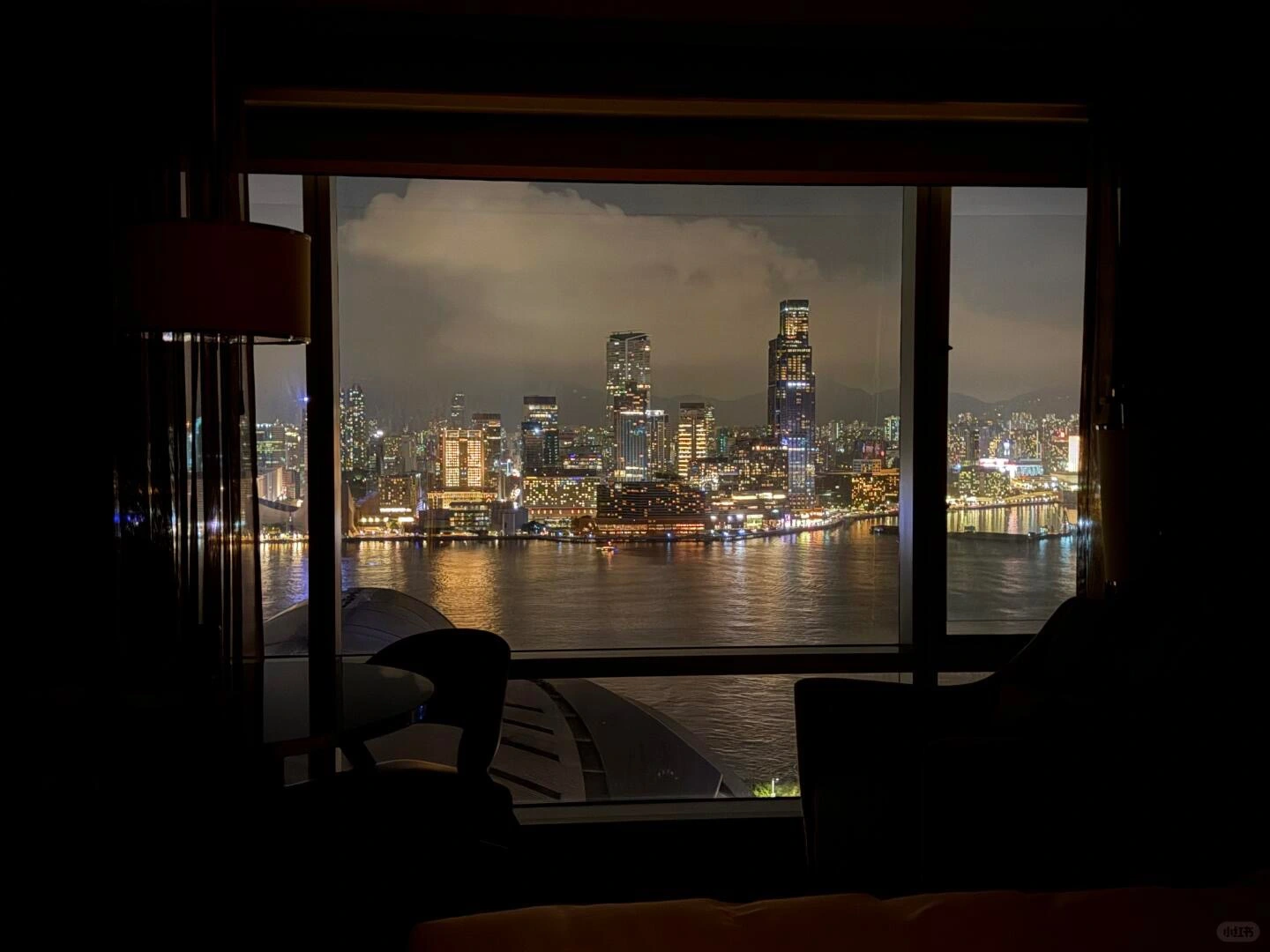
For most first-time visitors, this is still the safest base in Hong Kong. It gives the strongest balance of classic sightseeing, harbour access, MTR convenience, food, and daily practicality.
It is more useful than Disney-, airport-, or outer-district stays for a normal first trip, but it is not always quiet or strong on room value. Some hotels are older, busy stretches can be noisy, and rooms often feel small for the price. Even so, it remains the clearest default answer for most first-time visitors.
A classic core-Kowloon stay with one of the safest balances of location, convenience, and first-trip usefulness.
Best for: first-time visitors, short stays, and travelers who want the safest all-around base in the heart of Tsim Sha Tsui
Rating: 4.6/5
Price range: about HKD 1,000–1,800 per night
Pros: standout location near the harbour, ferry, and MTR; very strong day-to-day convenience; practical for classic sightseeing; easier first-trip logic than many more stylish but less efficient options
Cons: rooms can feel small; some facilities show age; busy surroundings can feel crowded
Verdict: the safest all-around pick here if you want proven location logic and a low-risk first Hong Kong base
A better-value core stay for travelers who want strong Kowloon convenience without paying the highest Tsim Sha Tsui rates.
Best for: practical travelers, couples, and visitors who want better value while staying close to the main tourist belt
Rating: 4.5/5
Price range: about HKD 900–1,500 per night
Pros: useful location between Tsim Sha Tsui and Jordan; easier price-performance than many harbour-front names; practical for food, MTR, and city movement; often feels like a smarter spend than flashier nearby hotels
Cons: still not cheap by broader Asia standards; some rooms feel dated; less premium atmosphere than stronger flagship hotels
Verdict: the better-value pick here if you want central Hong Kong convenience at a more manageable price point
A stronger premium and fuller-service choice for travelers who want a more polished stay in the middle of the action.
Best for: comfort-seekers, shoppers, couples, and visitors who want a stronger premium stay without giving up location
Rating: 4.7/5
Price range: about HKD 2,200–3,500 per night
Pros: stronger service and hardware than many standard core-Kowloon hotels; excellent shopping logic; polished overall stay feel; better fit for travelers who want the hotel itself to feel more special
Cons: expensive; some base rooms are still not large; premium pricing does not remove the density of the district outside
Verdict: the stronger premium-and-comfort pick here if you want classic Hong Kong location with a more refined hotel experience

This side works better for stronger city energy, shopping, dining, and Hong Kong Island atmosphere than for best-value first-trip efficiency. It suits travelers who care more about Central, tram rides, skyline feel, and an upscale city experience.
The tradeoff is clear. Prices are usually higher, rooms can still be small, and some stretches are less comfortable with luggage. This is a strong city-upgrade alternative, not the default answer for every first-time visitor.
A polished island-core stay with one of the safest balances of urban feel, comfort, and location logic on this side of the harbour.
Best for: city lovers, couples, and travelers who want the safest all-around stay in Hong Kong Island’s core districts
Rating: 4.7/5
Price range: about HKD 1,800–2,800 per night
Pros: stronger Hong Kong Island atmosphere than many Kowloon stays; polished design and service; useful for Wan Chai, Central access, and evening city energy; good fit for travelers who want a more urban-upgrade stay
Cons: pricing is usually higher than comparable Kowloon practicality stays; rooms may still feel compact; not the strongest choice if value is the top priority
Verdict: the safest all-around pick here if you want a more polished island-core stay with strong city feel
A better-value island-core choice for travelers who want Hong Kong Island energy without moving into top-tier pricing.
Best for: practical travelers, shoppers, and visitors who want better value on the island side
Rating: 4.5/5
Price range: about HKD 900–1,500 per night
Pros: useful access to Wan Chai and Causeway Bay; more realistic pricing than many Central-area hotels; practical for shopping and city movement; easier entry point into the island-core experience
Cons: location logic is good rather than perfect; room size still reflects Hong Kong norms; not as elevated as stronger premium hotels
Verdict: the better-value pick here if you want island-side energy without paying flagship-hotel prices
A stronger premium, skyline, and fuller-service choice for travelers who want the most elevated version of the island-core stay.
Best for: luxury travelers, business travelers, special trips, and visitors who want a stronger premium or skyline-led stay
Rating: 4.8/5
Price range: about HKD 4,000–7,000 per night
Pros: top-tier service and hardware; outstanding skyline and harbour upside; exceptional dining and full-service comfort; stronger fit for travelers who want the hotel to be a major part of the trip
Cons: very expensive; less relevant if your trip is mostly about simple sightseeing efficiency; pricing places it outside most normal first-trip budgets
Verdict: the stronger premium-and-skyline pick here if you want a flagship Hong Kong Island stay with very few compromises
Crowne Plaza Hong Kong Causeway Bay(香港铜锣湾皇冠假日酒店)
A workable backup if your first choices are full and you still want a reliable island-core stay with strong shopping and transport logic.
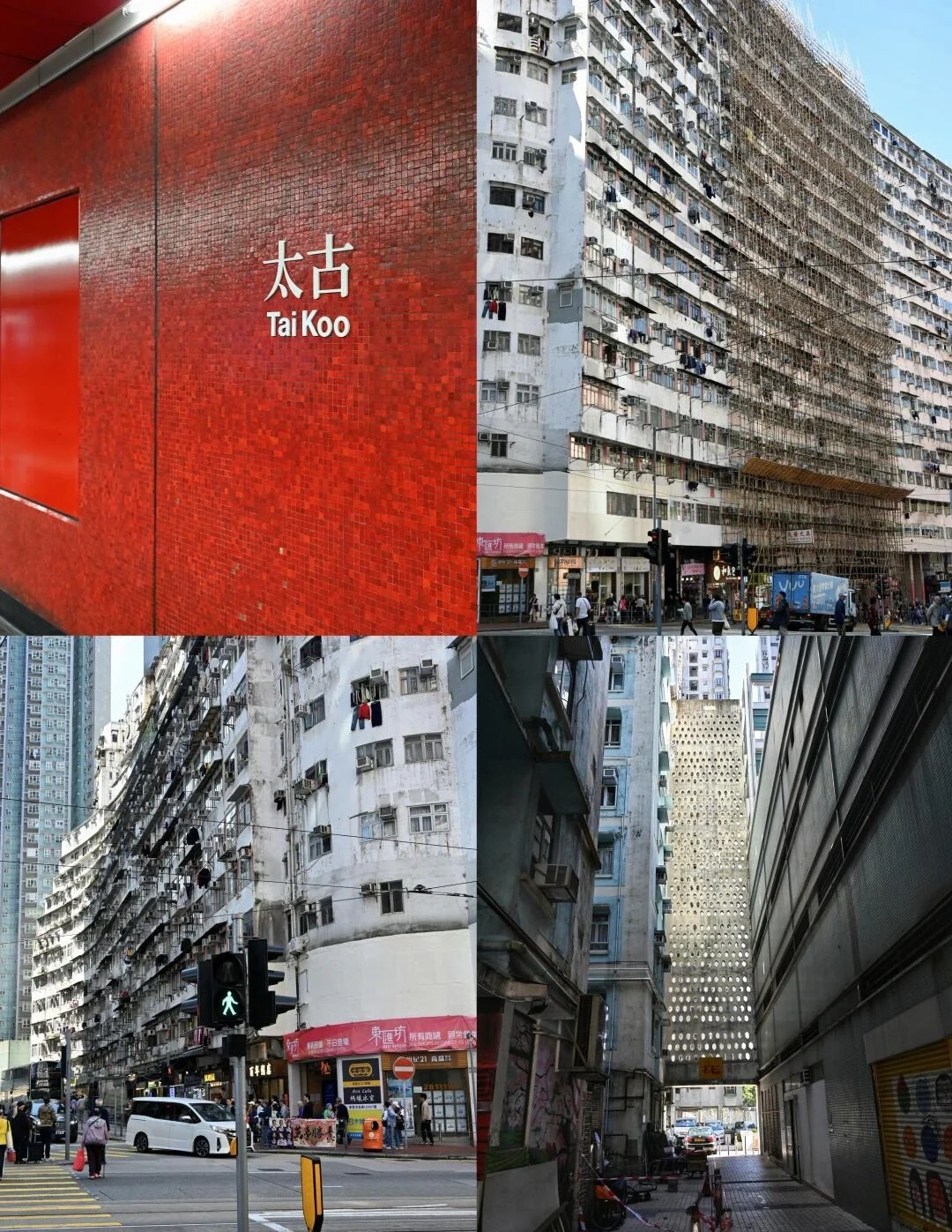
This side works better for quieter rest, newer-feeling rooms, and steadier overall stay quality. It is a stronger fit for families, longer stays, and comfort-first travelers who care more about the hotel itself than about sleeping inside the busiest tourist belt.
The tradeoff is clear: room value is often better here, but classic Hong Kong atmosphere is weaker. It is less suitable for easy walk-out sightseeing, and some parts feel quieter and more local at night than many first-time visitors expect.
A reliable east-side stay with one of the safest balances of comfort, views, and practical quality in this quieter belt.
Best for: families, comfort-first travelers, and visitors who want the safest all-around stay in Hong Kong East
Rating: 4.6/5
Price range: about HKD 1,200–2,000 per night
Pros: stronger room comfort and hotel facilities than many crowded core-district stays; useful harbour-view upside; calmer surroundings; better fit for travelers who want a steadier sleep-and-recover base
Cons: less immediate tourist-belt atmosphere; daily sightseeing usually starts with transport rather than a walk-out experience; some rates rise fast on stronger dates
Verdict: the safest all-around pick here if you want quieter comfort and a more stable overall stay
A better-value branded choice for travelers who want newer-feeling rooms and stronger room-for-money on the east side.
Best for: practical comfort-seekers, couples, and visitors who want a better-value branded stay outside the busiest core
Rating: 4.6/5
Price range: about HKD 1,000–1,700 per night
Pros: better room value than many Tsim Sha Tsui or Central stays; newer-feeling setup; practical MTR logic; good fit for travelers who care about rest, views, and cleaner hotel standards
Cons: less classic visitor-core energy; still requires daily transport for many major sights; can feel more functional than iconic
Verdict: the better-value branded pick here if you want stronger comfort and room value without going too far out
A stronger premium and family-led choice for travelers who want fuller-service comfort and more breathing room than the usual central stay.
Best for: families, longer stays, premium travelers, and visitors who want a stronger full-service east-side base
Rating: 4.7/5
Price range: about HKD 1,800–3,000 per night
Pros: stronger room comfort and facilities; better fit for family travel than many compact central hotels; polished overall stay feel; useful when the hotel itself matters more than just location
Cons: premium pricing; less walk-out access to classic tourist streets; weaker fit if the goal is maximum first-trip efficiency
Verdict: the stronger premium-and-family pick here if you want a calmer, more spacious, fuller-service Hong Kong stay

This side works better for Disney timing, airport departures, high-speed rail, and short practical stays than for normal sightseeing. It is useful for late arrivals, early departures, one-night stopovers, or Disney-led itineraries.
It is not a real sightseeing base for most Hong Kong trips. Function comes first, experience comes second, and choosing it for a normal first Hong Kong trip usually means wasting too much time on transport.
A reliable special-purpose stay with one of the safest balances of Disney convenience, full-service comfort, and itinerary fit for park-led trips.
Best for: Disney families, park-led itineraries, and visitors who want the safest all-around stay for a Disney-focused trip
Rating: 4.7/5
Price range: about HKD 2,500–4,500 per night
Pros: strongest Disney timing logic; immersive resort feel; useful for families who want to reduce transport friction around the park; better fit than city hotels for true Disney-first trips
Cons: expensive; weak for normal Hong Kong sightseeing logic; only makes real sense when Disney is the main point
Verdict: the safest all-around pick here if Disney timing and park experience are the real priority
A stable mid-range practical choice for travelers who want airport-side convenience without paying top transfer-hotel rates.
Best for: airport stopovers, practical travelers, and visitors who want a mid-range stable chain pick near airport logic
Rating: 4.5/5
Price range: about HKD 900–1,400 per night
Pros: useful airport timing; stable international-brand standards; practical for late arrivals or early departures; easier choice for short functional stays
Cons: weak city-sightseeing logic; less Hong Kong atmosphere; limited value if the trip is not actually airport-led
Verdict: the mid-range stable chain pick here if airport convenience matters more than city-base efficiency
Best for: strict-budget travelers, one-night stopovers, and visitors who want the best low-budget practical stay near a major transport node
Rating: around 4.4–4.6/5 depending on property
Price range: about HKD 600–1,000 per night
Pros: lower entry price; useful for simple overnight logic; easier on budget than stronger branded options; practical when the trip is really about a train, flight, or short stop
Cons: very limited sightseeing value; weaker location logic for almost everything else; comfort and room size can still be underwhelming
Verdict: the best low-budget practical pick here if transport timing is the main concern and you only need a workable overnight
Start by deciding whether your trip is mainly about first-time sightseeing, shopping and city energy, quieter comfort, or Disney, airport, or rail convenience.
Do not treat staying in Hong Kong as one single experience.
Kowloon’s core is better for first-time balance and classic city logic.
Hong Kong Island’s core is better for stronger urban energy and shopping-led stays.
The quieter eastern side is better for room comfort and steadier rest.
Disney-, airport-, and rail-side stays are practical rather than memorable.
If you stay only 1–2 nights, the wrong area can clearly reduce efficiency.
If you want both city energy and better rest, decide which one is your base and which one is secondary.
Area choice usually matters more than tiny review-score differences.
Travel style | Best area | Why | Watch out for |
|---|---|---|---|
First-time visitors | Tsim Sha Tsui / Jordan / Yau Ma Tei | Best overall balance of sightseeing, MTR convenience, food, and daily efficiency | Rooms can be small and some stretches are noisy |
Classic Hong Kong atmosphere seekers | Tsim Sha Tsui / Jordan / Yau Ma Tei | Strongest mix of harbour energy, dense streets, and classic city movement | Crowds and weaker room-for-money |
Shopping and evening-walk travelers | Central / Wan Chai / Causeway Bay / Hong Kong Island Core | Best for shopping, tram rides, night energy, and urban-core feel | Higher prices and smaller rooms |
Quieter comfort seekers | North Point / Quarry Bay / Tai Koo / Hong Kong East Comfort Belt | Better rest, steadier room quality, and more breathing room | Less walk-out sightseeing convenience |
Families | North Point / Quarry Bay / Tai Koo / Hong Kong East Comfort Belt | Better room value, calmer surroundings, and easier family stay logic | You usually need more transport for the main sights |
Business travelers | Central / Wan Chai / Causeway Bay / Hong Kong Island Core | Strongest business location logic, polished hotels, and city access | Expensive and not always spacious |
Disney travelers | Disney / Tung Chung / Airport / West Kowloon / Practical Transit Logic | Best when the trip is built around Disney timing and convenience | Weak base for normal city sightseeing |
Airport / rail stopovers | Disney / Tung Chung / Airport / West Kowloon / Practical Transit Logic | Best for early departures, late arrivals, and simple overnight use | Little tourism value |
Budget travelers | Tsim Sha Tsui / Jordan / Yau Ma Tei | Best chance to stay central without losing too much efficiency | Need to screen carefully for size, age, and noise |
Avoid outer districts and cheap suburban stays chosen mainly for price. A lower room rate often turns into longer commutes, weaker food access, and a more tiring trip rhythm.
Do not use airport-side or Disney-side hotels as normal sightseeing bases unless those are the real reason for staying there.
Avoid areas with weak MTR convenience, awkward station access, or tiring walking routes, especially if you travel with luggage.
Be cautious with very old low-cost stays repeatedly criticized for tiny rooms, weak soundproofing, poor air conditioning, odor, or misleading location claims.
Skip places that look cheaper but make dinner, evening walks, and normal city movement harder than they need to be.
These places are not necessarily bad. They are usually just the wrong fit for most first-time Hong Kong visitors focused on sightseeing, food, walking, and easy daily movement.
Budget level | Typical nightly range | What to expect | Best-fit areas |
|---|---|---|---|
Budget | HKD 500–900 | Usually small rooms, older buildings, simpler facilities, or less ideal locations. This range can still work, but you need to screen carefully for real room size, noise, and access. | Yau Ma Tei, Jordan, parts of North Point, some outer but still connected areas |
Mid-range | HKD 900–1,500 | The most practical range for most travelers. You can usually get a workable location, reliable standards, and a stay that feels efficient enough for a normal Hong Kong trip. | Jordan, Yau Ma Tei, Tsim Sha Tsui, parts of Wan Chai, North Point, Quarry Bay |
Upper-mid / Comfort | HKD 1,500–2,500 | Better service, stronger brands, better-maintained rooms, and a more comfortable overall stay. This is where room quality and smoother day-to-day experience usually improve clearly. | Tsim Sha Tsui, Central-adjacent areas, Wan Chai, Causeway Bay, Hong Kong East comfort belt |
Luxury | HKD 2,500+ | Prime-core hotels, stronger branded properties, fuller-service stays, and the best chance of harbour views, better facilities, and stronger overall comfort. | Tsim Sha Tsui waterfront, Central, Admiralty, Causeway Bay, selected premium Hong Kong East stays |
Hong Kong is usually expensive by broader China standards, and the real price gap often comes from area, branding, weekends, holidays, views, and how close you stay to the main visitor core. For most travelers, a mid-range budget is already enough for a practical and workable stay. Prime core locations, stronger branded hotels, and harbour-view rooms carry obvious premiums, and room size is part of the value equation here and should never be ignored. For a broader travel spending benchmark, see Cost to Travel in China.
Lock the area first, then compare hotels inside it. In Hong Kong, the right base usually matters more than a slightly higher score in the wrong district.
Do not rely only on labels like “near MTR” or “near city center.” Check the real map position and the real walking route.
Make sure the route from the station to the hotel is flat, simple, and luggage-friendly.
In busy core districts, check room size, building age, air conditioning, street noise, and elevator conditions.
For nightlife-heavy areas, decide whether the energy is really worth the noise.
Quieter areas are fine for comfort, but decide whether the extra commuting is worth it for your trip style.
Disney-, airport-, or rail-side stays are fine for transport logic, but they are usually much weaker for normal sightseeing.
Dinner access, breakfast convenience, late-return convenience, and nearby convenience stores directly affect stay value.
Families should check room size, luggage space, elevators, and nearby food, not just ratings.
Transport convenience is not just about distance. It is also about whether the route really works well.
In recent reviews, focus on noise, room size, cleanliness, air conditioning, elevators, real MTR access, and whether the location is truly practical.
Book early for weekends, holidays, shopping peaks, and major event dates.
It also helps to review broader China Travel Tips before locking in your stay.


Explore Fuzhou, a city where ancient culture meets natural beauty. From historical sites like Three Lanes and Seven Alleys to stunning coastal views, Fuzhou offers unforgettable experiences.
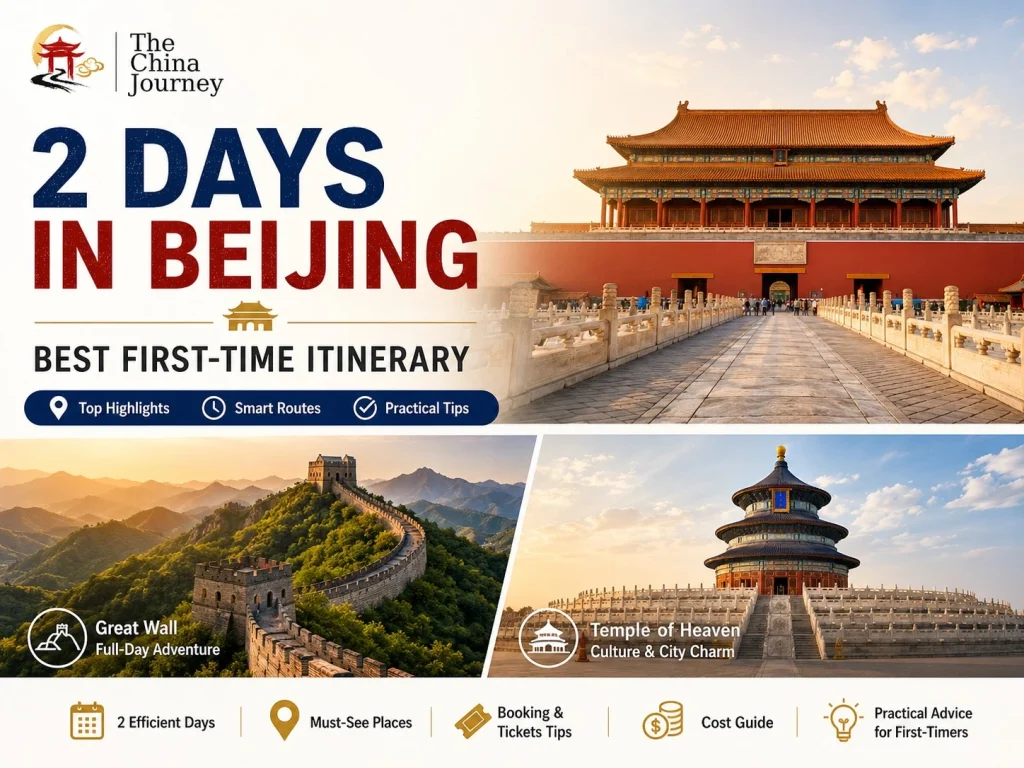
Plan 2 days in Beijing with the Forbidden City, Great Wall options, costs, route trade-offs, booking tips, and a safe short itinerary.

Changzhou, a vibrant city in Jiangsu, blends rich history, cultural heritage, and modern innovation, offering scenic spots, ancient architecture, and unique culinary experiences.
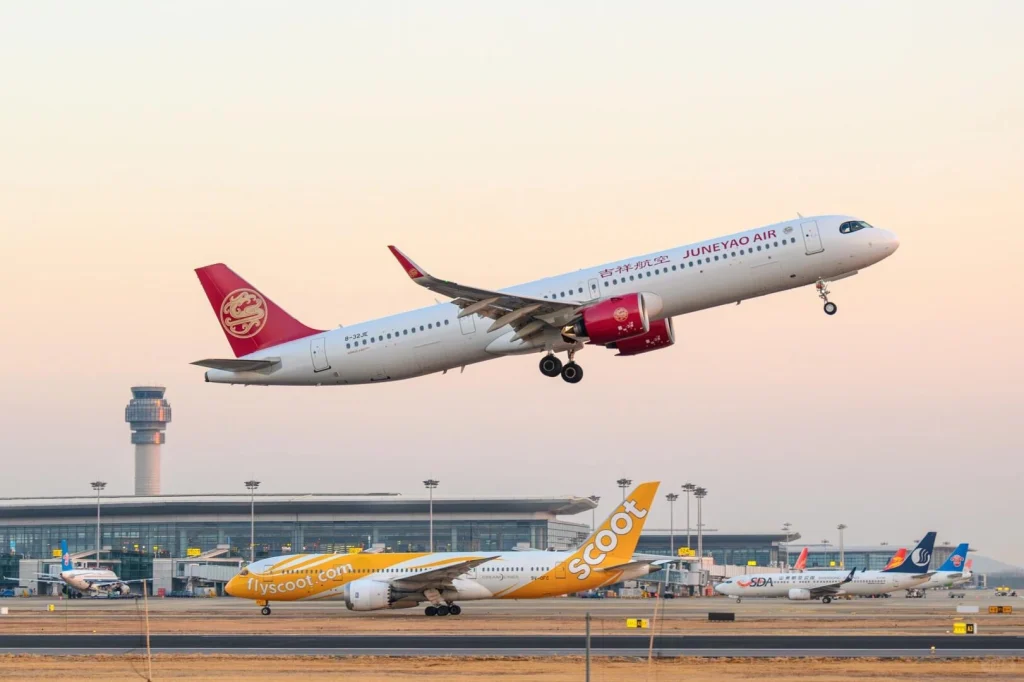
A complete guide to traveling in China by train, plane, metro, and car. Learn how to arrive, move between cities, and travel safely as a foreign visitor.

Plan Zhangjiajie National Forest Park with realistic one- and two-day routes, entrance advice, ticket prices, transport, weather and practical tips.
Understand Wuxing (Five Elements), including Wood, Fire, Earth, Metal and Water, its generating and controlling cycles, history, meanings and birth elements.


