
Macau is not the kind of place where any hotel “near downtown” is enough. Staying in the peninsula core, around Taipa Village, inside Cotai, or near border, airport, or ferry nodes can lead to very different trips.
The real difference is sightseeing access, walkability, food convenience, and whether the base fits classic sightseeing, local atmosphere, resort stays, or only transit. For first-time visitors, area choice comes before hotel choice. This guide shows which area fits which travel style and which hotels are most worth prioritizing.
This guide starts with area choice, then narrows down the hotels that work best in real trips.

For most first-time visitors, this is still the safest place to stay in Macau. It gives the strongest mix of classic sightseeing, old-town walking, food access, and practical day-to-day movement.
It is more useful than Cotai or transit-side stays for a normal first trip, but it is not always the quietest or newest part of the city. Some hotels are older, busy central streets can be noisy, and rooms can feel smaller than in resort areas. Even so, this remains the clearest default answer.
A proven all-around peninsula stay with one of the safest balances of location, old-city access, and first-trip usefulness.
Best for: first-time visitors, classic sightseeing trips, and travelers who want the safest all-around base in the peninsula core
Rating: 4.7/5
Price range: about RMB 700–1,200 per night
Pros: very useful central position; easy reach for Senado Square and the broader old city; strong Macau identity; practical for travelers who want classic location logic without giving up too much hotel comfort
Cons: some parts of the property feel older than newer resort hotels; central surroundings can feel busy; room style may feel more traditional than modern
Verdict: the safest all-around pick here if you want classic Macau location logic and a low-risk first-trip base
A better-value branded stay for travelers who want strong peninsula convenience without paying for heavier luxury positioning.
Best for: practical travelers, couples, and short stays that need better value with reliable standards
Rating: 4.7/5
Price range: about RMB 400–700 per night
Pros: strong brand consistency; useful access to the central peninsula; easier price-performance than many older classic hotels; good fit for travelers who want a simpler, cleaner decision
Cons: less distinctive than older Macau landmark hotels; room size is still limited by Macau norms; not the most atmospheric option in the district
Verdict: the better-value pick here if you want dependable peninsula convenience at a more manageable price
A stronger premium and comfort-led choice for travelers who want fuller-service quality while staying on the peninsula side.
Best for: comfort-seekers, couples, and visitors who want a stronger premium or fuller-service stay near the historic core
Rating: 4.7/5
Price range: about RMB 900–1,500 per night
Pros: more polished room comfort than many older peninsula hotels; stronger full-service feel; useful for travelers who want the peninsula’s location advantages with a more upscale hotel experience; better fit for slower, more comfortable stays
Cons: more expensive than practical mid-range options; still not as large-roomed as major Cotai resorts; some first-time visitors may prefer to stay even closer to the old-street core
Verdict: the stronger premium-and-comfort pick here if you want a more refined peninsula stay without shifting fully into resort logic
Macau Metropole Hotel(澳门京都酒店) A workable backup if your first choices are full and you still want practical old-city access with straightforward peninsula convenience.

This side works better for slower food walks, Taipa atmosphere, and a more relaxed local-feeling stay than for maximum first-trip efficiency. It is a stronger fit for travelers who care about Taipa Village, Rua do Cunha, and local snacks more than nonstop cross-district movement.
The tradeoff is clear. It is better for food and local mood than for peninsula-heavy sightseeing, and hotel choice is narrower than in Cotai. This makes it a balanced alternative, not the default answer for every first-time visitor.
A polished Taipa-side stay with one of the safest balances of comfort, atmosphere, and useful location logic in this part of Macau.
Best for: couples, comfort-first travelers, and visitors who want the safest all-around stay near Taipa Village
Rating: 4.8/5
Price range: about RMB 800–1,800 per night
Pros: stronger room quality than many small local options; calmer feel than the busiest Macau core; good fit for travelers who want Taipa access without giving up too much comfort; useful for slower Macau stays with a more polished edge
Cons: not as walk-out convenient for peninsula sightseeing; more expensive than simpler Taipa stays; less integrated-entertainment value than major Cotai resorts
Verdict: the safest all-around pick here if you want Taipa atmosphere with stronger hotel quality and a lower-risk stay
A better-value Taipa choice for travelers who want a practical location and easier pricing without leaving this side of Macau.
Best for: budget-aware travelers, food-focused stays, and visitors who want better value near Taipa’s local-life zone
Rating: 4.5/5
Price range: about RMB 400–800 per night
Pros: easier price level than stronger premium Taipa hotels; useful access to local food streets and the broader Taipa side; practical for travelers who care more about area fit than hotel prestige; often a more realistic choice for balanced Macau trips
Cons: hotel age can be more obvious; room feel is less polished than stronger premium properties; not the strongest option if hotel experience itself is a major priority
Verdict: the better-value pick here if you want Taipa’s food-and-local-life logic without paying premium-stay pricing
A stronger comfort-led pick for travelers who want better hotel hardware while keeping Taipa and nearby resort areas reasonably accessible.
Best for: premium travelers, couples, and visitors who want a stronger comfort-oriented stay with easier access to Taipa and Cotai
Rating: 4.8/5
Price range: about RMB 1,200–2,000 per night
Pros: stronger room comfort and service ceiling; better fit for travelers who want the stay itself to feel more special; useful compromise between Taipa mood and resort-grade hotel quality; steadier choice for travelers who want fewer hotel tradeoffs
Cons: less local-feeling than smaller Taipa stays; clearly more expensive; can pull the stay slightly away from the simpler old-Taipa atmosphere that attracts people here
Verdict: the stronger premium-and-comfort pick here if you want Taipa access with a more polished and lower-compromise hotel experience
Inn Hotel Macau / similar practical Taipa option(澳门骏龙酒店 / 同类氹仔实用型酒店) A workable backup if your first choices are full and you still want Taipa’s more relaxed food-and-street logic with practical day-to-day convenience.

This side works better for integrated resort stays, family trips, entertainment, and hotel-led itineraries than for classic old-town sightseeing. It is strongest for travelers who care more about shopping, pools, large-scale convenience, and resort time.
The tradeoff is obvious. It is weaker for classic Macau character and old-town walkability. Resort hotels can be expensive, and internal walking distances can still be long. This is the right answer when you want the hotel to be a major part of the trip.
A classic all-around Cotai stay with one of the safest balances of resort convenience, room size, and first-trip resort logic.
Best for: first-time resort stays, family trips, and travelers who want the safest all-around base in Cotai
Rating: 4.8/5
Price range: about RMB 1,200–2,500 per night
Pros: large rooms by Macau standards; strong integrated-resort convenience; useful for shopping, dining, and entertainment without leaving the complex; practical for travelers who want a big-name Macau resort experience with low decision risk
Cons: prices rise fast on weekends and holidays; resort scale can feel tiring; weaker fit if your real goal is old-town-heavy sightseeing
Verdict: the safest all-around pick here if you want a classic Cotai resort stay with strong room comfort and all-in-one convenience
A better-value branded resort stay for travelers who want Cotai convenience without moving into the highest premium tier.
Best for: practical resort travelers, couples, and visitors who want better value inside the Cotai zone
Rating: 4.7/5
Price range: about RMB 1,000–2,000 per night
Pros: easier entry point into the Cotai resort experience; useful access to shopping, dining, and entertainment; good fit for travelers who want branded resort logic without paying top-tier prices; strong photo and atmosphere appeal
Cons: rooms may feel less impressive than the strongest premium Cotai options; still not cheap; resort convenience does not solve the longer distance to classic peninsula sights
Verdict: the better-value branded pick here if you want a more manageable Cotai resort stay without giving up the core integrated-hotel experience
A stronger premium and family-led choice for travelers who want fuller-service facilities and a more complete resort stay.
Best for: families, premium travelers, and visitors who want a stronger full-service or entertainment-led stay in Cotai
Rating: 4.8/5
Price range: about RMB 1,500–2,500+ per night
Pros: stronger family and resort facilities; better fit for travelers who want the hotel to be a major part of the trip; polished overall stay feel; useful for longer leisure stays that revolve around pools, shopping, dining, and on-site entertainment
Cons: premium pricing; resort scale can add a lot of walking; less relevant if your main goal is efficient historic-core sightseeing
Verdict: the stronger premium-and-family pick here if you want a fuller, more upscale Cotai resort stay with very few on-site compromises
Studio City Macau / similar backup resort option(澳门新濠影汇 / 同类路氹备选度假酒店) A workable backup if your first choices are full and you still want integrated-resort logic with strong entertainment convenience and stable large-hotel standards.
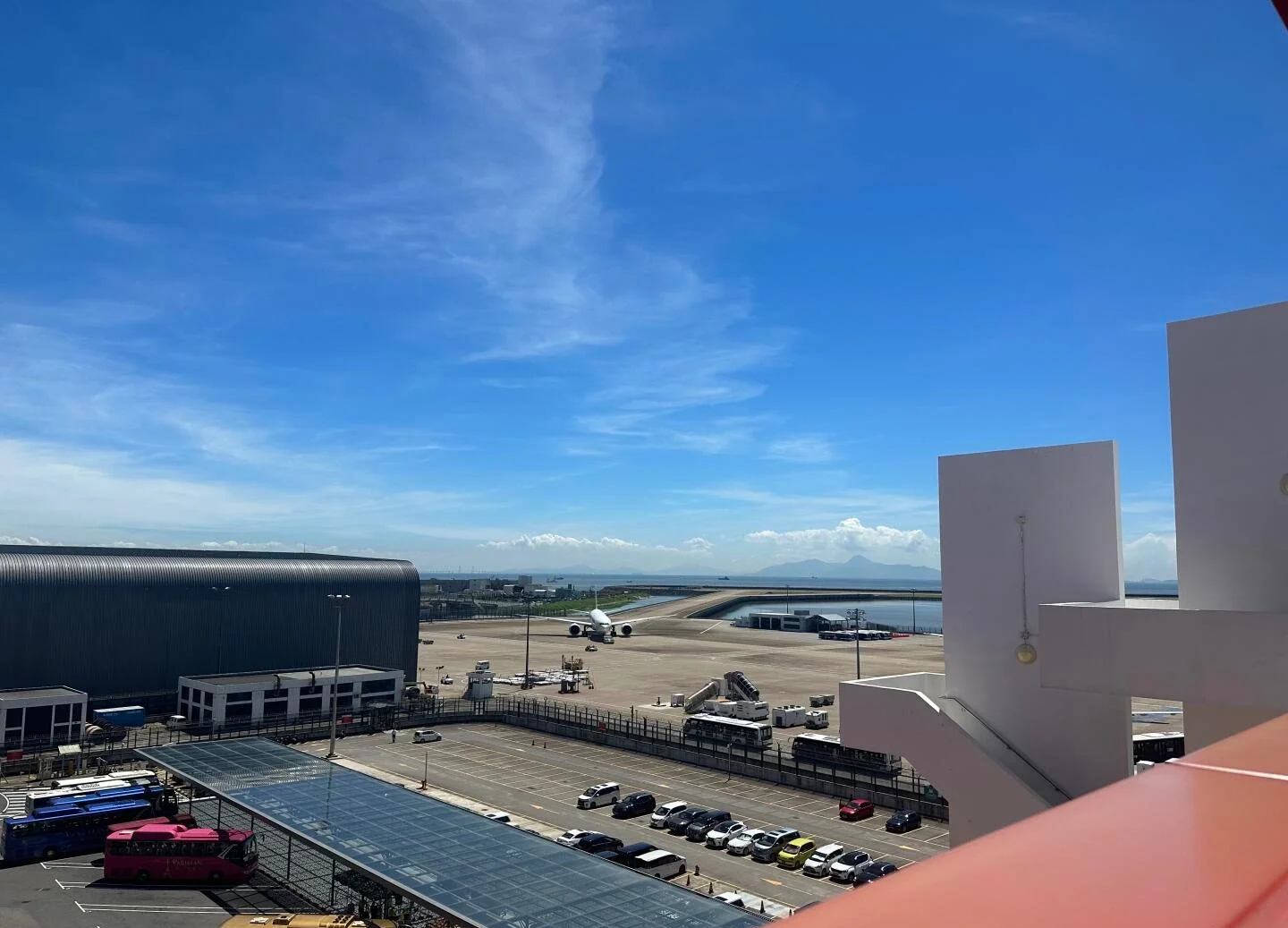
This side works better for border, ferry, or airport timing than for normal sightseeing. It is mainly useful for late arrivals, early departures, and one-night stopovers.
It is not a real sightseeing base for most Macau trips. Function comes first, experience comes second, and choosing it for a normal first trip usually adds too much pure transport time.
A reliable transit-side stay with one of the safest balances of airport convenience and straightforward overnight practicality in Macau.
Best for: airport stopovers, late arrivals, early departures, and travelers who want the safest all-around stay for airport logic
Rating: 4.5/5
Price range: about RMB 400–700 per night
Pros: standout airport timing convenience; practical for simple transit use; easier overnight logic than moving into the city for a short gap; useful when transport timing matters more than atmosphere
Cons: almost no sightseeing value; weak fit for real Macau exploration; surroundings remain function-first rather than destination-led
Verdict: the safest all-around pick here if airport timing is the real reason and you still want a more comfortable overnight stay
A steadier mid-range practical choice for travelers who want a cleaner, simpler stopover near a border or transport node.
Best for: practical travelers, short stopovers, and visitors who want a mid-range stable chain-style pick near border logic
Rating: 4.4/5
Price range: about RMB 300–500 per night
Pros: practical transport-node access; lower decision risk than many very small stopover properties; useful for simple overnight stays tied to border or ferry timing; easier on budget than stronger premium hotels
Cons: standard function-first feel; weak Macau atmosphere; limited value beyond transport convenience
Verdict: the mid-range stable chain pick here if you want simple transport convenience with fewer surprises and a more manageable price
A low-budget practical stopover for travelers who mainly need the cheapest workable bed near a transport node.
Best for: strict-budget travelers, one-night stopovers, and visitors who want the best low-budget practical stay near border or ferry logic
Rating: around 4.3–4.5/5 depending on property
Price range: about RMB 250–450 per night
Pros: lower entry price; useful for very short overnight needs; practical when the trip is really about arrival or departure timing; easier on budget than bigger branded properties
Cons: basic setup; little tourism value; comfort and room quality can vary more
Verdict: the best low-budget practical pick here if transport timing is the main concern and you only need a workable overnight
Rio Hotel Macau / similar transit-convenience backup(澳门利澳酒店 / 同类交通导向备选酒店) A workable backup if your first transit choices are full and you still want a straightforward transport-led overnight with easier location logic.
Do not treat staying in Macau as one single experience.
The peninsula, Taipa, Cotai, and transit-side areas create very different trip rhythms.
Macau Peninsula works best for first-time balance, landmarks, walkability, and food access.
Taipa Village makes more sense for slower streets, snack stops, and a more local-feeling base.
Cotai fits travelers who care more about the hotel itself, especially for family travel, entertainment, shopping, and resort convenience.
Border-, ferry-, or airport-side stays are practical rather than memorable.
If you stay only 1–2 nights, the wrong area can clearly reduce efficiency.
If you want both classic atmosphere and better hotel comfort, decide which is the base and which is secondary.
Area choice usually matters more than tiny review-score differences.
Travel style | Best area | Why | Watch out for |
|---|---|---|---|
First-time visitors | Macau Peninsula / Senado Square / Ruins of St. Paul’s / Central Historic Core | Best overall balance of sightseeing, food, walkability, and practical movement | Some hotels are older and central streets can be noisy |
Classic Macau atmosphere seekers | Macau Peninsula / Senado Square / Ruins of St. Paul’s / Central Historic Core | Strongest old-city character and easiest access to the classic historic core | Rooms can feel smaller and the district can be crowded |
Food and old-town-walk travelers | Taipa Village / Rua do Cunha / Old Taipa Balance Belt | Best for slower food walks, snack stops, and a more local small-scale feel | Weaker for peninsula-heavy sightseeing efficiency |
Resort-stay travelers | Cotai Strip / Integrated Resort Zone / Resort-Stay Upgrade Belt | Best for large hotels, shopping, entertainment, and hotel-led itineraries | Distances inside resort zones can still be long |
Families | Cotai Strip / Integrated Resort Zone / Resort-Stay Upgrade Belt | Strongest fit for pools, entertainment, larger hotel setups, and easier family logistics | Less classic Macau atmosphere and weaker historic-core walkability |
Luxury / leisure travelers | Cotai Strip / Integrated Resort Zone / Resort-Stay Upgrade Belt | Best concentration of premium hotels, fuller facilities, and resort-style comfort | Premium pricing is common |
Airport / border / ferry stopovers | Border / Ferry / Airport / Practical Transit Logic | Best for late arrivals, early departures, and short functional stays | Very weak sightseeing value |
Budget travelers | Macau Peninsula / Senado Square / Ruins of St. Paul’s / Central Historic Core | Best chance to stay efficient without adding too much transport friction | Need to screen carefully for room size, age, and noise |
Avoid outer areas and cheap outer stays chosen mainly for price. The savings often disappear in extra transfers, weaker food access, and a more tiring daily rhythm.
Do not use airport- or border-side stays as sightseeing bases unless transport timing is the real reason. They work for arrival and departure logic, not for a normal first Macau trip.
Avoid awkward areas that look acceptable on the map but are weak for walking and inefficient for moving across districts.
Be cautious with very old low-cost stays repeatedly criticized for tiny rooms, weak air conditioning, noise, odor, or misleading location claims.
Skip places that seem cheaper but make dinner, evening walks, and normal day-to-day movement harder than they need to be.
Be especially careful with resort-edge locations that look central on the map but still create long internal walking distances before you even start the rest of your day.
These places are not necessarily bad. They are usually just the wrong fit for most first-time Macau visitors focused on sightseeing, food, walking, and easy daily movement.
Budget level | Typical nightly range | What to expect | Best-fit areas |
|---|---|---|---|
Budget | RMB 400–700 | Usually older hotels, simpler facilities, or less polished rooms. This range can still work, but you need to screen carefully for real room size, noise, and location logic. | Macau Peninsula value stays, some Taipa options, border-side overnights |
Mid-range | RMB 700–1,200 | The most practical range for most travelers. You can usually get a workable location, reliable standards, and a stay that supports a normal Macau trip without major frustration. | Macau Peninsula core, Taipa Village, selected Cotai deals |
Upper-mid / Comfort | RMB 1,200–2,000 | Better-maintained rooms, stronger service, better branding, and a smoother overall stay. This is often where comfort improves clearly. | Better peninsula hotels, stronger Taipa stays, entry-level Cotai resorts |
Luxury | RMB 2,000+ | Large branded hotels, fuller facilities, stronger views, and the best chance of a more memorable resort or flagship stay. | Cotai integrated resorts, premium peninsula hotels, landmark-adjacent stays |
Macau is not usually cheap, and weekends can shift prices sharply. The real gap usually comes from area, branding, weekends, holidays, views, and whether the stay sits inside a major integrated resort. For most travelers, a mid-range budget is already enough for a practical and workable stay. Prime core locations, stronger branded hotels, and resort-view or landmark-adjacent rooms can carry obvious premiums, and room size is part of the value equation in Macau and should not be ignored. For a broader travel spending benchmark, see Cost to Travel in China.
Do not rely only on labels like “near the historic center” or “near Cotai.” Check the real map position, whether the walking route is simple and luggage-friendly, and whether the walk to the main sights is truly practical.
For resort-heavy areas, decide whether the integrated-hotel experience is really worth giving up easier old-town access.
Cotai is fine for comfort and large hotels, but decide honestly whether the extra cross-district movement fits your trip style.
Border-, airport-, or ferry-side stays are fine for transport logic, but they are usually much weaker for sightseeing.
Dinner access, breakfast convenience, nearby convenience stores, and easy late returns directly affect how smooth the stay feels.
Families should check room size, luggage space, elevators, and nearby food, not just ratings and official photos.
Transport convenience is not just about distance. In recent reviews, focus on whether the route still works well once you account for crossings, walking time, transfers, shuttle usefulness, room size, noise, air conditioning, cleanliness, and whether the location is truly practical.
Book early for weekends, holidays, concerts, and major event dates. Macau pricing can move fast once demand rises.
It also helps to review broader China Travel Tips before locking in your stay.


Discover smart visa strategies for China in 2025, including visa-free, transit, regional policies, and application tips for hassle-free travel.

Mooncakes taste sweet or savory, depending on the filling. Traditional types use lotus seed paste, egg yolk, nuts, or red bean. New versions include lava custard or chocolate.

A structured 2026 forecast for people born in 1950, detailing career, wealth, relationships, health guidance, lucky elements, and strategies for a calm, steady year.

A clear and structured 2026 forecast for people born in 2009, highlighting academic luck, personal growth, relationships, health, and key strategies for steady progress.

Shanghai and Hong Kong are 1,227 km apart. Learn the distance, travel options, and tips for flying, taking the train, or driving between the cities.
Find the best area to stay in Zhangjiajie for Forest Park, Tianmen Mountain, city stays, and stopovers, with practical hotel picks and real traveler logic.


