 Written by
Anthony

Wuhan, the capital of Hubei Province, sits where the mighty Yangtze and Han Rivers meet, naturally dividing the city into three distinct areas—Wuchang, Hankou, and Hanyang.
Often called the “River City” and praised as the “Thoroughfare of Nine Provinces,” Wuhan serves as a key transport and economic hub at the heart of central China.
With a strategic location along the Yangtze River Economic Belt, it bridges eastern, central, and southwestern China.

Rich in both heritage and energy, Wuhan’s story stretches from the ancient Panlongcheng ruins of the Shang Dynasty to its pivotal role in the 1911 Revolution.
Landmarks like Yellow Crane Tower and the Wuchang Uprising Memorial echo its historical depth, while over 80 universities, including Wuhan University and Huazhong University of Science and Technology, infuse the city with youthful vibrancy.
Add to that spring cherry blossoms, lakeside strolls, and sizzling street food, and Wuhan becomes a destination that blends culture, history, and local flavor.

Wuhan’s spring is famously marked by its cherry blossoms.
Early blooms around March 10 and late blossoms through early April transform Wuhan University’s Luojia Hill into a floral wonder, with its red-brick walls and cherry trees forming a postcard-perfect scene.
At East Lake Cherry Blossom Park, over 3,000 trees bloom beside traditional torii gates, and a romantic night light show runs from 6–10 PM.
With pleasant temperatures around 10–20°C and moderate humidity, it’s ideal for flower viewing, cycling by East Lake, or catching fields of rapeseed flowers along the Yangtze. Just beware of occasional cold snaps—pack a light jacket.

As the summer heat fades, autumn brings crisp air and vibrant colors to Wuhan.
With average temperatures between 15–25°C and low humidity, it’s the best time for outdoor sightseeing—like climbing Yellow Crane Tower or cruising the Yangtze.
Watch East Lake’s water cypresses turn red in mid-October, or stroll Ma’anshan Park’s golden ginkgo avenue by late October.
Festivals like National Day light shows at Hankou River Beach and Mid-Autumn street fairs on Hubu Alley add cultural charm to the season.
The mild UV and cool evening breeze make it perfect for all-day exploration.
For a country-wide seasonal comparison, see Best & Worst Time to Visit China.
For Wuhan-specific seasonal advice, see Best Time to Visit Wuhan. For a country-wide seasonal comparison, see Best & Worst Time to Visit China.
This destination is well connected within China’s national transport network, making arrival and onward travel straightforward.
For a system-level overview of how to travel between cities and regions in China, see our China Transportation Guide.

Wuhan Tianhe International Airport (WUH) is a major aviation hub in Central China, with over 180 domestic and international routes and an annual passenger volume exceeding 40 million.
Metro: Line 2 connects the airport directly to downtown. It takes ~45 minutes to Hankou Station or ~60 minutes to Jianghan Road.
Airport Buses: Frequent routes link to major districts like Wuchang (Fujia Po Bus Station) and Hanyang (Guiyuan Temple).
Taxi / Ride-hailing: Around ~30 min to Hankou, ~50 min to Wuchang. Designated pick-up zones are available.

Wuhan’s rail system connects all corners of China via three major stations:
Wuhan Station (East Wuchang): High-speed hub for Beijing, Shanghai, and Guangzhou. Known for its iconic “Galaxy Dome” ceiling. Direct access via Metro Line 4; 10-min walk to Happy Valley theme park.
Hankou Station (Jianghan District): Serves both regular and high-speed trains, especially toward Zhengzhou and Xi’an. Convenient transfers via Metro Lines 2 and 10.
Wuchang Station (South Wuchang): Primarily conventional trains. Near Yellow Crane Tower and Hubu Alley; direct bus routes like #578 reach key tourist spots.
For a full overview of routes, tickets, and stations nationwide, see China’s High-Speed Rail (HSR).

Wuhan’s ferry system offers a scenic, nostalgic way to cross the rivers:
Wuhan Port (Hankou) ↔ Zhonghua Road Port (Wuchang): Classic route. Daytime views of Yangtze bridges; nighttime cruises like ZhiYin retro cruise recreate 1930s port life.
Qingchuan Port (Hanyang) ↔ Yellow Crane Tower Port (Wuchang): 15-minute ride ideal for connecting sights like Guiyuan Temple, Qingchuan Pavilion, and Yellow Crane Tower.
Local Tip: Take the 7:00 AM commuter ferry to enjoy morning mist over the river, or ride at sunset for golden hour reflections—a budget-friendly, poetic experience.
See also: How to Get to Wuhan

Metro: Wuhan operates 11 lines covering 90% of tourist sites including Yellow Crane Tower, East Lake, and Jianghan Road. Notable lines:
Line 4: Crosses the Yangtze—catch river views from the train
Line 8: Runs along East Lake, great for reaching Moshan Scenic Area
Buses: Dense coverage. Tourist-friendly routes like #402 offer open-top views of East Lake, Yellow Crane Tower, and pedestrian zones. Note: Suburban buses may end early (~7 PM).
Taxis & Ride-hailing: Base fare ¥10 (3 km), then ¥2/km. Cross-town rides (e.g., Hankou to Wuchang) cost ¥30–50.
For payment methods, mobile wallets, and cards, see How to Pay in China.
Bikes & E-scooters: Perfect for exploring old streets like Tanhualin or Lihuangpi Road.
See also: How to Get Around Wuhan

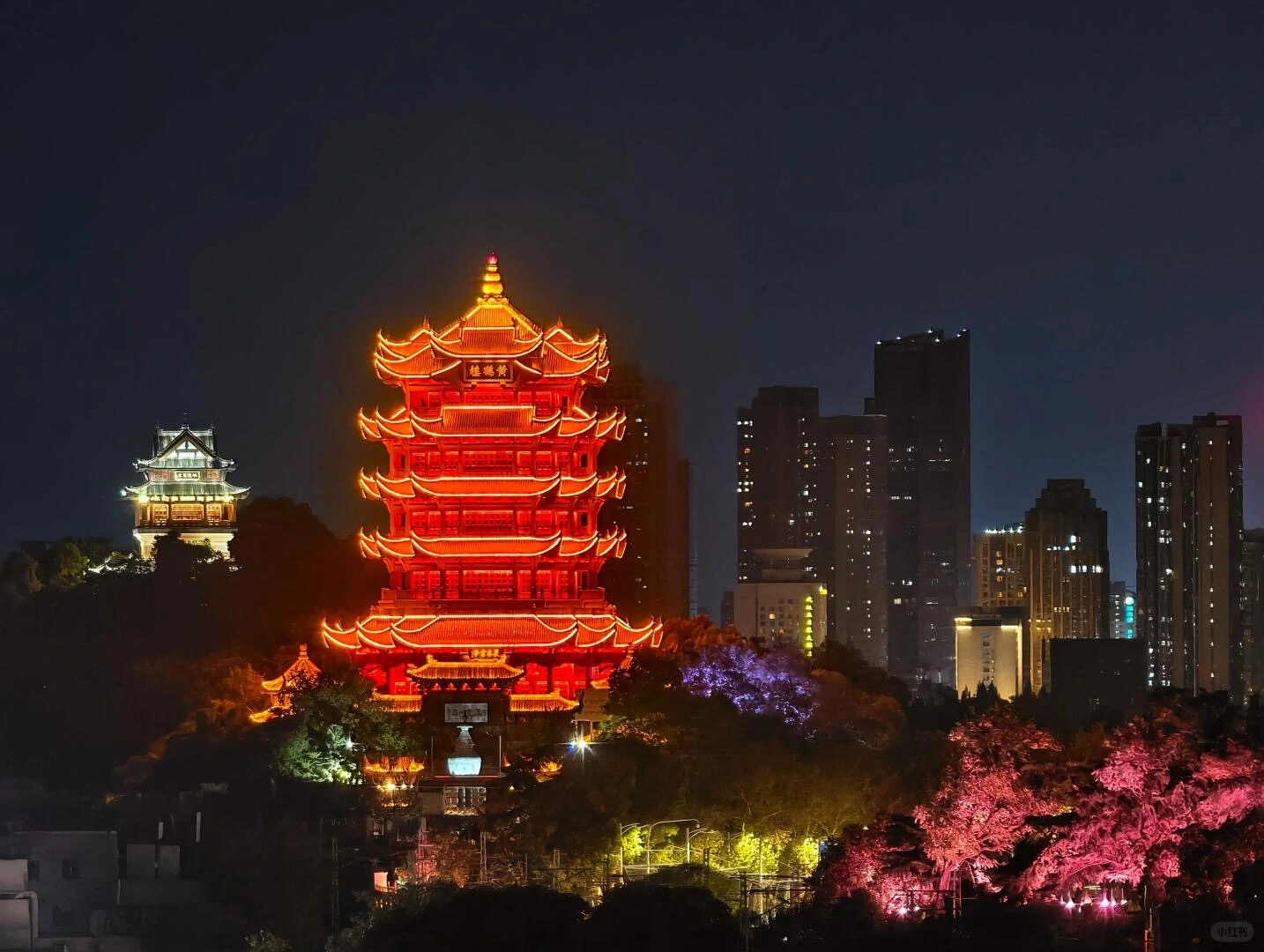
Perched atop Snake Hill in Wuchang, Yellow Crane Tower—dubbed “The First Tower Under Heaven”—is Wuhan’s iconic landmark.
Originally built during the Three Kingdoms era, the current structure dates to 1985.
From the summit, you’ll enjoy sweeping views of where the Yangtze and Han rivers meet, as well as the sprawling cityscape of Wuhan’s three districts.
Inside, the cultural exhibition hall showcases the tower’s long history through artifacts, models, and multimedia displays.

Located on Cuiwei Road in Hanyang, Guiyuan Temple was established in 1658.
Its grand architecture features intricate carvings, soaring eaves, and the solemn Mahavira Hall.
The highlight is the Hall of 500 Arhats—housing lifelike statues crafted over nine years by artisans from Huangpi.
Each statue bears a unique expression, offering both artistic richness and spiritual symbolism.
Many visitors come simply to “count the Arhats” for blessing.

Also known as Boya Platform, this scenic spot sits on Turtle Hill’s western slope beside Moon Lake.
Legend has it that the master musician Bo Ya and his confidant Zhong Ziqi met here, and upon Ziqi’s death, Bo Ya smashed his guqin forever.
The site features a statue of Bo Ya and ancient stone inscriptions, some by luminaries like Su Shi and Mi Fu.
The architecture, elegant gardens, and winding paths evoke the subtle charm of Jiangnan aesthetics.

One of China’s first-class museums, it offers a deep dive into Chu culture.
Its crown jewel is the Zenghouyi Chime Bells, discovered in 1978—65 bronze bells spanning over five octaves, still playable today and occasionally performed for visitors (advance booking required).
Another must-see: the Sword of Goujian, over two millennia old yet razor-sharp, with exquisite patterning.

Stroll along the Hankou Bund to admire European-style architecture and catch the chiming of Jianghan Customs House’s clock at the top of each hour.
Just nearby, Han Street blends nostalgic Republican-era buildings with modern boutiques, bars, and restaurants.
By night, the area lights up beautifully, creating a vibrant backdrop for nightlife, shopping, and dining.

Tucked away at No. 74 Huangpu Road, Gude Temple is a rare fusion of Mahayana, Theravada, and Tibetan Buddhist styles.
Founded in the late Qing Dynasty and expanded in the early 20th century, its architecture mixes Indian, Gothic, Greek, Islamic, and Burmese elements—most notably a nine-dome pagoda.
Designated a national cultural heritage site in 2013 and rated AAAAA in 2016, it’s an architectural marvel worth exploring.
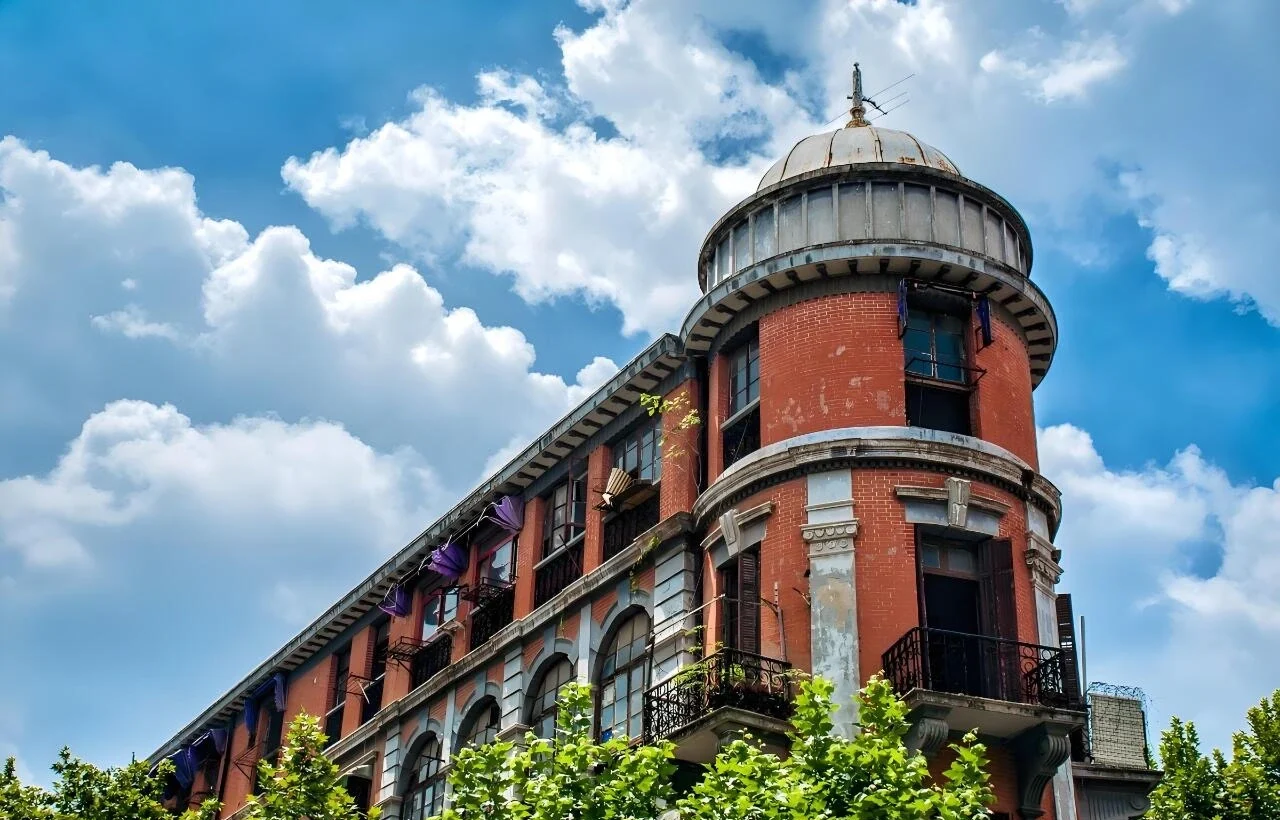
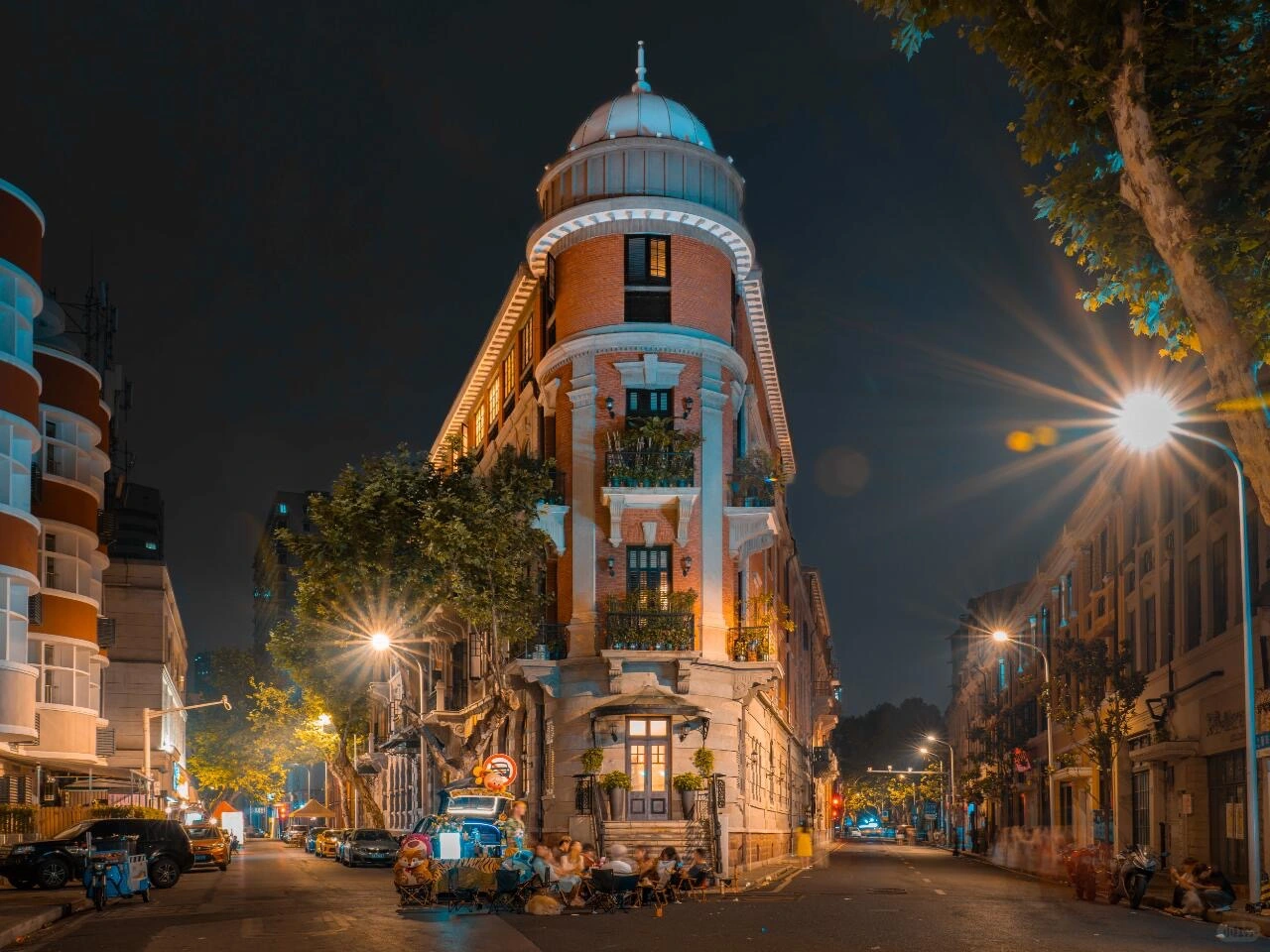
Previously known as “Yima Street,” this 604 m-long stretch was renamed in 1925 after former president Li Yuanhong.
It features 17 European-style buildings from the concession era, including former banks and churches.
Today, it’s a charming cultural hub filled with cafés, galleries, and boutiques, and recognized in 2023 as a national-level leisure tourism street.
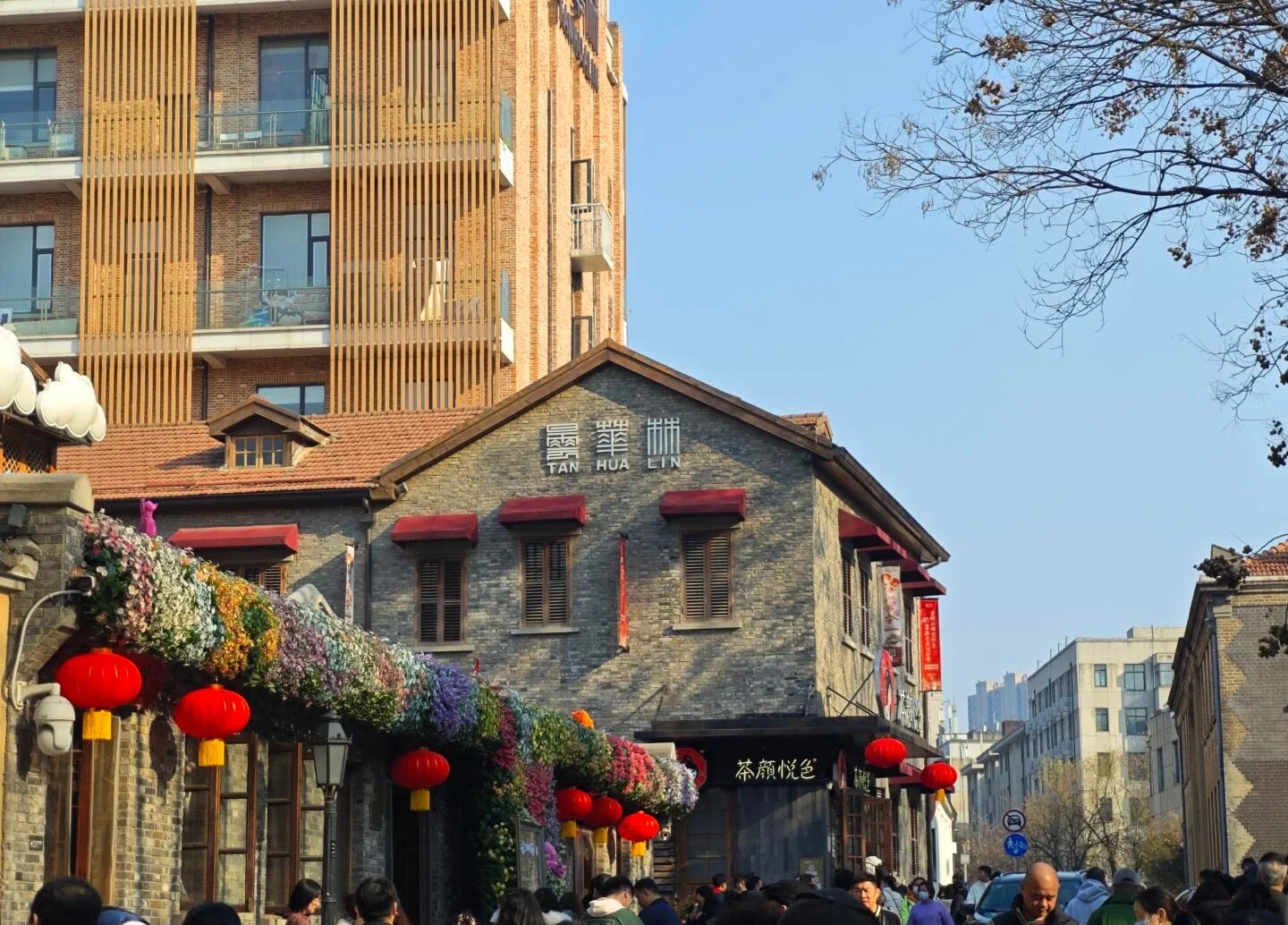
Nestled between Yanzhishan and Crab Island in Wuchang, Tanhualin is steeped in history—from Ming and Qing administrative roots to modern-era foreign schools and churches.
Its quiet streets and old homes, including a former Swedish mission and hospital, now host creative shops and craft studios—perfect for literary souls seeking urban tranquility.

At the southern foothills of Hongshan, Baotong Temple is one of Wuhan’s four major Buddhist sites.
Dating back to the Liu Song dynasty, it features a grand Mahavira Hall and the 45.6 m-tall Hongshan Pagoda, still accessible via steep stone stairs.
Ancient trees and a sacred atmosphere make it a serene retreat with panoramic city views.

Located just northeast of Dadongmen, this temple honors Daoist master Qiu Chuji of the Quanzhen school.
Highlights include the Lingguan Hall, Taiqing Hall, and Qizhen Hall, all adorned with vibrant carvings and eaves.
Visitors can also observe ancient scrolls and steles—this site offers a window into China’s Daoist spiritual legacy.

Spanning 33 sq km, East Lake is China’s largest urban lake, divided into six scenic areas.
At Moshan, explore recreated Chu city structures and climb Chutian Terrace for bird’s-eye views of the lake.
Luoyan’s wetlands and reeds offer intimate, peaceful moments, while the 102 km Greenway is ideal for cycling or strolling.

Choose between daytime or evening cruises.
Day tours offer clear views of scenery and landmarks like Turtle Hill Tower and Qingchuan Pavilion.
Night cruises illuminate bridges like the Yangtze and Yingwuzhou bridges, plus city skyline lights.
The “Two Rivers Night Cruise” often features Chu-themed performances, including live chime bells and folk dances.

Beyond academia, Wuhan University is a must-see tourist hotspot.
Its blend of Western and Chinese-style architecture is a visual treat, especially during cherry blossom season when the pink blossoms and red walls create a romantic scene.
Don’t miss cultural sites like the Humanities Museum and Wanlin Art Museum, set among serene spots like Jianhu Lake and Luojia Mountain.

This culturally rich museum offers exhibits like “Ancient Wuhan” and “Modernizing Wuhan,” featuring bronze vessels from the Panlongcheng site and artifacts showcasing the city’s commercial vibrancy during the Ming and Qing dynasties—ideal for deeper historical understanding.

Home to over 4,000 plant species organized into themed areas such as medicinal plants, aquatic flora, and seasonal flower exhibitions (tulips in spring, lotuses in summer, chrysanthemums in autumn, plums in winter).
Guided botany tours are available for families.

Blending “Chu spirit” and flourishing greenery, this park features pavilions, arched bridges, walking trails, and seasonal flower shows.
A highlight of the 2025 World Garden Expo, it’s a modern garden space ideal for leisurely strolls.

This contemporary art space hosts rotating exhibitions in painting, sculpture, photography, and more.
It also offers lectures, workshops, and interactive events, making it a vibrant hub for creative culture.

Wuhan University Cherry Blossom Festival (mid-March to early April) transforms the Luojia Hill campus into a pink wonderland.
Early and late cherry blossoms bloom around the red-brick Old Dormitory and Sakura Avenue.
For fewer crowds, visit before 7 am or after 5 pm. Free timed reservations via the official WeChat account are required.
Don’t miss the nearby Li Siguang Museum and Sakura Castle.

East Lake Sakura Garden features over 3,000 trees, including standout varieties like Somei Yoshino and Kanzan.
Japanese-style torii gates and lanterns create a themed ambiance.
Night viewing (6–10 pm) offers a dreamlike experience under illuminated blossoms.
Food stalls sell Japanese snacks like takoyaki and sake.
Best Walking Trails
East Lake Greenway (6 km “Lake Road”): Ideal for casual hikes, with wildflower fields in spring and redwoods in autumn. Scenic stops and rest areas along the route.


Boat Rides
East Lake Cruise (Chuhe–Han Street Line): 1-hour scenic route linking Tingtao Pier, Moshan, and Luoyan with shopping hubs. Combo tickets available.

“Captain No. 9” Night Cruise: Titanic-themed vessel cruising past illuminated bridges and landmarks like Yellow Crane Tower. Includes Chu opera shows and a Yangtze seafood buffet (booking required).

Jiqing Street Night Market: Old-school street food meets live suona and erhu performances. Order spicy crayfish with cold beer and enjoy traditional tunes like “Dragon Boat Melody.”

“Eye of East Lake” Ferris Wheel: At Moshan, East Lake—49.9 m tall with transparent cabins. A full circle takes 13:14 mins (symbolizing “forever”). The pink-lit wheel is a romantic night photo spot.


Chu Opera: Catch classics like The Heavenly Match at Wuhan Chu Theatre. The expressive vocals and ornate costumes (featuring traditional Chu embroidery) are best enjoyed up close—book front-row seats early.

Folk Crafts in Action:
Huqing Street: Custom zodiac figurines from “Mianren Peng”
Tanhualin: Learn basic Han embroidery stitches at “Hanxiu Workshop”
Jiqing Street: “Sugar Painting Zhang” crafts edible art of Wuhan icons like Yellow Crane Tower using caramel threads

Wuhan’s breakfast king.
Alkaline noodles are blanched, cooled, and tossed in a rich sesame paste blend (made from both black and white sesame), with crunchy pickled veggies and a hit of chili oil. Chewy, creamy, tangy, and fiery in one bite.

Wuhan’s summer night ritual from May to September. Try three classics:
Spicy Braised: bold and numbing
Garlic Steamed: savory and aromatic
Plain Steamed: sweet and briny
Perfect with beer and friends on a breezy patio.

Locally sourced from Liangzi Lake, this delicacy is best enjoyed steamed with ginger, scallions, and hot oil. Mild, tender, and pure—no muddy taste, just river-to-table goodness.

Wuhan’s go-to snack.
Zhou Hei Ya: sweet-spicy vacuum-packed version, ideal as a souvenir
Jingwu Duck Neck: made fresh daily, intensely spicy with bold flavors. The Jingwu Road flagship is open late into the night.
See also: What to Eat in Wuhan

A time-honored breakfast street near former government offices with over 70 stalls.
Must-tries:
Li’s Fish Noodle Soup: creamy broth made from fish bones, best before 10 am
Xu’s Soup Noodles: spicy and warming
Lao Qian’s Bean Sheets: thin mung bean crepes stir-fried with sausage and mushrooms—crispy, savory, fragrant.
Jiqing Street: The soul of 1990s Wuhan dapaidang (open-air restaurants) now lives on as a “living heritage” street. Order spicy crayfish, grilled oysters, and sip cold beer while listening to live folk or pop.


Lao Tong Cheng (Zhongshan Ave): Famous for its “Dou Pi” (sticky rice with savory meat fillings wrapped in egg crepes, pan-fried until golden). Go before 8 am—sells out fast.


Wuhan’s bustling commercial heart, Hankou is home to Jianghan Road Pedestrian Street and numerous malls.
With Hankou Railway Station and metro lines 2 & 7 nearby, it’s ideal for shopping, business, and easy citywide access.
Don’t miss the riverside promenade and its nightly light show against historic European-style buildings.
Nestled beside East Lake and Wuhan University, Wuchang offers scenic beauty and rich scholarly culture.
In spring, the campus cherry blossoms are unforgettable.
The area also hosts Chu River & Han Street’s shops and restaurants. Wuchang Station and Line 2 make getting around simple.
Perfect for history buffs, Hanyang sits close to Guiyuan Temple and the Ancient Zither Terrace.
Stay here for easy visits to Qingchuan Pavilion and riverside parks with views of the Yingwuzhou Yangtze Bridge.
Catch trains or metro at Lanjiang Road Station for quick connections to the rest of the city.

Perched on the Bund, Marco Polo Wuhan offers panoramic Yangtze River views and is steps from Jianghan Road’s shops and bars.
Spacious river-view suites, an indoor heated pool, and a riverfront fitness center make it an excellent pick for both business and leisure travelers.

Overlooking East Lake, Wanda Reign combines luxury with local heritage.
Just minutes from the Hubei Provincial Museum and Wuhan University, its elegant rooms, indoor pool, and top-notch service let you unwind after exploring cherry-blossomed shores or ancient pagodas.

Set on Hanyang’s riverbank, this Hilton offers glittering cityscape views framed by the Yangtze and a direct line of sight to Yellow Crane Tower at night.
Modern river-view rooms, an indoor pool, and easy access to Lanjiang Road Metro Station ensure a comfortable, convenient stay.
See also: Where to Stay in Wuhan
Morning
Yellow Crane Tower: Start at 8:30 with a panoramic view of the Yangtze River, followed by a stroll through Yue Fei Plaza and the 1911 Revolution Museum.
Transport: Take a 20-minute taxi or Metro Line 5 → 4 to East Lake.
Afternoon
East Lake & Moshan Scenic Area: Ride a sightseeing cart to Chutian Platform, then walk to the flower gardens.
Bike the Greenway: Rent a bike from Moshan North Gate and ride through scenic lake trails to Tingtao.
Bonus: Ride the East Lake Eye Ferris Wheel for romantic lake views.
Evening
Hubu Alley Street Food Crawl: Try hot dry noodles, fish soup rice noodles, and fried buns.
Yangtze River Night Ferry & Light Show: Take a ferry to Hankou Bund and enjoy a riverfront light show and evening stroll.

Morning: Explore Yellow Crane Tower and enjoy steamed Wuchang Fish at Lake King Restaurant.
Afternoon: Visit Hubei Provincial Museum to see the Zenghouyi Bells and hear live chime performances.
Evening: Dine on spicy crayfish at Jiqing Street, with street music and a lively night market vibe.

Morning: Explore Luoyan Scenic Area, then take a boat to Moshan. Visit Wuhan University for cherry blossoms or architecture.
Afternoon: Stroll Chu River Han Street, visit bookstores, theaters, and shop for local snacks like duck neck.
Evening: Catch a folk show at Han Street Theater, then enjoy a night ride along East Lake’s scenic bike path.

Morning: Visit Guiyuan Temple and Guqin Terrace for spiritual vibes and scenic views.
Afternoon: Cruise the Yangtze on the nostalgic Zhiyin Steamer, with interactive performances in 1930s style.
Evening: Relax at Hanyang Riverfront Park and photograph the illuminated Yingwuzhou Bridge.

Morning: Take an early high-speed train to Wudang. Visit Taizi Slope and Purple Cloud Palace.
Afternoon: Take a cable car to the Golden Summit, offering stunning views and Daoist serenity.
Evening: Return to Wuhan and finish with a hearty meal of lotus root soup and steamed pork.
Not sure how long to stay? Read our guide on how many days to spend in Wuhan to compare 1, 2, 3, 5, and 7-day trip options.
See also:
| Category | Budget | Comfort | Premium | Notes |
|---|---|---|---|---|
| Accommodation (1 night) | ¥150–200($23–31) | ¥350–500($54–77) | ¥900–1500($138–231) | Budget: basic hotels near major attractions or metro linesComfort: well-located mid-range hotelsPremium: luxury hotels with full services |
| Food (2 days) | ¥120–180($18–28) | ¥250–350($38–54) | ¥600–900($92–138) | Budget: street food & local snacksComfort: sit-down Hubei cuisine restaurantsPremium: fine dining or river-view restaurants |
| Local Transport (2 days) | ¥40–60($6–9) | ¥80–120($12–18) | ¥200–300($31–46) | Budget: metro, bus, ferryComfort: ride-hailing + metroPremium: private car with driver |
| Attractions & Tickets | ¥83–113($13–17) | ¥150–190($23–29) | ¥280–380($43–58) | Core attractions only for budgetOptional night cruise or guided visits for higher tiers |
| Shopping & Extras | ¥30–50($5–8) | ¥80–120($12–18) | ¥200–300($31–46) | Snacks, souvenirs, small gifts |
| Estimated Total | ¥423–603($65–93) | ¥910–1280($140–197) | ¥2180–3380($335–520) | Per person, excluding flights or high-speed rail to Wuhan |
Seasonal impact: During peak periods (cherry blossom season in March–April, summer holidays, and National Day in October), accommodation prices may rise by 20–50%. Booking 1–2 months ahead is strongly recommended.
Cost control tips: Many highlights such as East Lake Greenway, major pedestrian streets, and museums are free, helping keep budgets flexible.
Payments: Mobile payments (Alipay and WeChat Pay) are widely accepted, including by taxis and small shops. Carry a small amount of cash for convenience.
Overall value: Wuhan offers strong value for short stays—comfortable travel is achievable without luxury-level spending.
To compare daily travel costs across different Chinese cities, see Cost of Travel in China.

Discover the ancient cliffs of Chibi (Red Cliff), where Zhou Yu once faced Cao Cao.
Stroll among weathered stone inscriptions, heroic statues, and gusty winds atop “Baifeng Terrace,” and imagine the fabled “Borrowing of the East Wind.”
Then head to Tiantangzhai National Forest Park, where mist-clad peaks, rushing streams, and miles of shaded trails invite hikers to lose—and find—themselves in nature’s grandeur.

Nicknamed “China’s Hot Spring City,” Xianning boasts therapeutic waters and mountain escapes.
At Country Garden Phoenix Hot Springs, soak in herbal pools, splash through the family-friendly water park, or relax in private cottages.
Nearby Jiugong Mountain offers summer respite with cool forest hikes and winter thrills on its ski slopes, making it an all-season haven for chill-out or adrenaline.

In Guanyin Lake Eco-Resort, glide across crystal waters framed by lush hills, then wander lakeside paths alive with seasonal blooms and fiery autumn foliage.
Dive into legend at Dongyong Park, where the love story of Dong Yong and the Seventh Fairy unfolds amid pavilions, ancient locust trees, and serene courtyards—an enchanting blend of romance and regional culture.


Discover why Shanghai stands out in China—its unique history, global culture, modern vibe, and how it became China’s most international city.

Check the 2001 Metal Snake’s exact dates, Xin-Si element layers, traits, compatibility, lucky signs, and traditional 2026–2027 outlooks with clear limits.

Discover smart visa strategies for China in 2025, including visa-free, transit, regional policies, and application tips for hassle-free travel.

A warm, steady 2026 forecast for people born in 1949, covering career, wealth, relationships, health, and practical guidance for a stable, fulfilling year.

Tian’anmen Square, located in the Dongcheng District of Beijing, is the world’s largest urban square, measuring 880 meters in length and 500 meters in width.

Explore China’s top 10 stunning waterfalls—from hidden Tibetan gorges to cross-border cascades. A guide to epic landscapes and seasonal travel tips.

Share your travel ideas, and we’ll help you plan a smooth, personalized trip across China.

Share your travel ideas, and we’ll help you plan a smooth, personalized trip across China.
We’re looking for experienced, part-time local guides to serve international travelers.
Requirements:
• Fluent in at least one foreign language
• 3–5 years guiding international visitors
• Able to operate in multiple regions in China
• Competitive and reasonable pricing
• Proven customer reviews or testimonials
• Professional, reliable, and responsive
• Flexible availability for custom trips
Hi there!
Just a quick heads-up — a helpful user named Volker let me know that some of the non-English content on this site may not be accurate.
This site is a one-person project I run part-time. I research and publish all the content myself, and the translations are currently done by machine (Google Translate). Balancing accuracy and accessibility across multiple languages is a real challenge.
If you spot any errors, I recommend switching to the English version using the button at the bottom left. I’ll continue working to improve the translations over time.
I truly appreciate your understanding. And if you have any suggestions, feel free to leave a comment — it means a lot to me.
— Anthony 2025.6.18


