


Known for the massive bronze Buddha statue, the area also features unique attractions blending Buddhist culture with modern art, creating a serene and sacred atmosphere.

This retreat offers a perfect combination of Tang and Song dynasty architectural styles, with enchanting night lights, creating a tranquil, meditative experience in a picturesque environment.

Famous for its stunning cherry blossoms in spring, this scenic spot by Taihu Lake offers breathtaking natural beauty and historical landmarks, making it a must-visit for nature lovers.

An "open-air museum" with a mix of historical relics and scenic beauty, including the Second Spring and the ancient Hui Mountain Temple, providing a relaxing yet culturally rich experience.

This ancient town, filled with Ming and Qing dynasty architecture, offers visitors a step back in time with its charming streets, bridges, and local crafts, embodying the essence of Jiangnan.

A historical street that blends classical architecture with vibrant modern culture, featuring shops, restaurants, and lively nightlife, showcasing the unique charm of Jiangnan cities.

With European-style replicas of famous landmarks like the Arc de Triomphe, this park provides the perfect setting for leisurely strolls, photography, and enjoying the natural surroundings.

A historic Buddhist temple located in a bustling area, offering visitors a peaceful atmosphere to explore the traditional architecture and enjoy the surrounding vibrant district.

A cultural site built for the filming of "Three Kingdoms," it offers grand architecture, live performances, and a chance to experience ancient China’s history and culture.

A classic Jiangnan water town, featuring ancient riverside architecture, and offering enchanting views of the lights reflecting off the water, especially at night.

Known for its scenic beauty and historic sites like Hui Mountain Temple, this mountain offers great hiking opportunities and a peaceful escape from the city.

A traditional Jiangnan garden with elegant pavilions and scenic water features, providing a tranquil retreat where visitors can enjoy the beauty of classical landscaping.

Founded in 1912, this garden features over 3,000 plum trees, creating a peaceful environment with spectacular views of Mount Long and a variety of plum blossoms.

Once a bustling commercial and cultural center, it now serves as a place to explore Wuxi’s heritage, featuring a blend of shopping, dining, and cultural activities.

Built in 1516 to commemorate scholar Shao Bao, this academy offers a calm atmosphere with classical pavilions, bridges, and rich cultural heritage.

A comprehensive museum that showcases Wuxi’s history and culture through diverse exhibits, offering visitors insight into the city’s development from ancient times to the present.


A crispy, golden pancake made with flour and eggs, offering a fragrant combination of wheat and egg flavors with a soft interior.

These dumplings feature a delicate, thin skin, a generous filling, and savory broth that bursts out when bitten, offering a deliciously rich taste.

Made with glutinous rice flour and filled with savory or sweet fillings like fresh meat or red bean paste, it’s crispy on the bottom and soft on top.

Tender taro cooked with brown sugar, creating a sweet, fragrant dish with a silky, melt-in-your-mouth texture enhanced by osmanthus scent.

Tofu skin stuffed with seasoned ground pork and simmered, absorbing the delicious juices, creating a tender, juicy bite with a savory, satisfying flavor.

Thin, silky noodles with a smooth texture and a delicious, clear broth, often served with egg, shredded meat, and vegetables for added flavor.

Crispy on the outside and tender on the inside, this fried eel is coated in a rich, sweet-savory sauce, making it a crispy, flavorful treat.

Silverfish are coated in batter and deep-fried to golden perfection, offering a crispy exterior while preserving their tender, delicate interior.

The “Three Whites” consist of white fish, silver fish, and white shrimp, each prepared in a simple yet flavorful manner, highlighting their fresh, natural taste.

Fresh Taihu crabs marinated in local wine and spices, giving the crab meat a tender texture and unique, aromatic flavor.

A crispy, multi-layered pastry filled with sweet fillings like red bean paste, offering a rich, aromatic flavor that’s both sweet and savory.

These spareribs are cooked to tender perfection, with a glossy red appearance and a balanced sweet and savory flavor that’s a Wuxi favorite.

Smooth, delicate tofu served with savory condiments like soy sauce, pickled vegetables, shrimp, and green onions, creating a rich, umami-filled dish.

A flavorful soup made with tofu, duck blood, and wood ear mushrooms, offering a tangy, spicy taste with a rich variety of textures and flavors.

Shredded radish mixed with flour, fried into a crispy cake, offering a savory taste with a subtle spicy kick and the refreshing flavor of radish.

Shaped like a horse’s hoof, this crispy pastry comes in both sweet and savory varieties, offering a crunchy texture and delicious, contrasting flavors.


Originating in the Qing Dynasty, this traditional art form combines local folk tunes with elements from other operas, offering a distinctive style of music and performance full of emotion.

This traditional craft, dating back to the Tang Dynasty, involves intricate carving on bamboo, creating delicate designs with layers and depth, showcasing elegance and natural beauty.

This folk art has over 400 years of history, producing vibrant, colorful figurines that reflect traditional themes, with finely crafted detailed expressions and exaggerated shapes in its fine variety.

A unique embroidery technique from the Ming and Qing dynasties, known for its meticulous needlework, elegant colors, and ability to create complex designs on small canvases.

Originating in the Song Dynasty, this pottery art is renowned for its unique clay, which enhances flavor retention, producing exquisite teapots with elegant lines and practical use.

A 2,000-year-old festival honoring the ancient hero Taibo, featuring dragon and lion dances, boat races, and various traditional performances, celebrated every year on the ninth day of the first lunar month.

This pottery, starting in the Ming Dynasty, is characterized by the use of the "flower-piling" technique, creating colorful and bold pieces like large jars and flower pots.

This folk art dates back to the Han Dynasty, with intricate, flowing lines carved into paper to create beautiful, lifelike designs of flowers, animals, and local scenes.

Dating back to the Shang Dynasty, this ancient craft is known for its jade-like glaze and simple, elegant shapes, showcasing the refined beauty of Eastern aesthetics in pottery.

A culinary tradition developed during the Ming and Qing dynasties, emphasizing fresh, seasonal ingredients with a sweet flavor, and careful attention to harmony in color, aroma, and taste.

Originating from boat-based dining on Taihu Lake, this cuisine highlights fresh fish and seasonal ingredients, offering finely prepared dishes that blend seamlessly with the surrounding water scenery.

A long-standing cultural event centered in the ancient Huishan town, featuring rituals, blessings, traditional performances, and activities such as dragon dances and clay figurine exhibitions.


Explore the breathtaking beauty of the Yangtze River’s Three Gorges, a scenic marvel blending natural landscapes, rich history, and cultural heritage.

A structured 2026 forecast for people born in 1974, covering career, wealth, relationships, health, and practical guidance for balanced progress.

A clear and structured 2026 forecast for people born in 1955, covering career, wealth, relationships, health, and guidance for a peaceful and steady year.
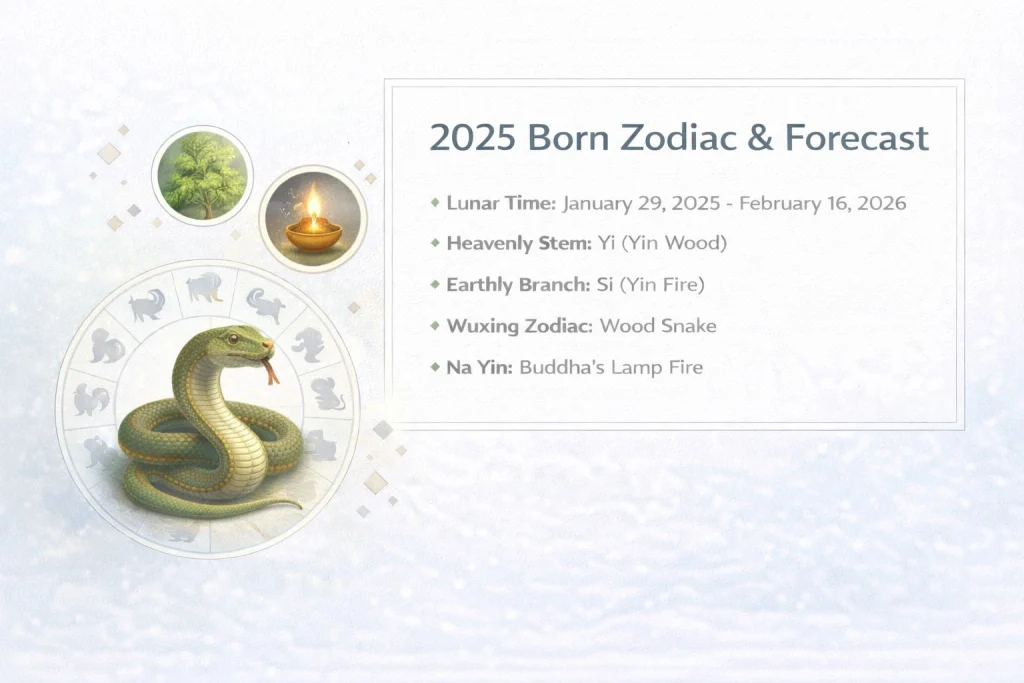
A gentle and supportive 2026 forecast for children born in 2025, outlining learning, relationships, health, lucky elements, and guidance for confidence and growth.

Enter your birth date to find your Chinese zodiac, Heavenly Stem, Earthly Branch, and element, plus a full 1900–2100 zodiac years chart for quick use.
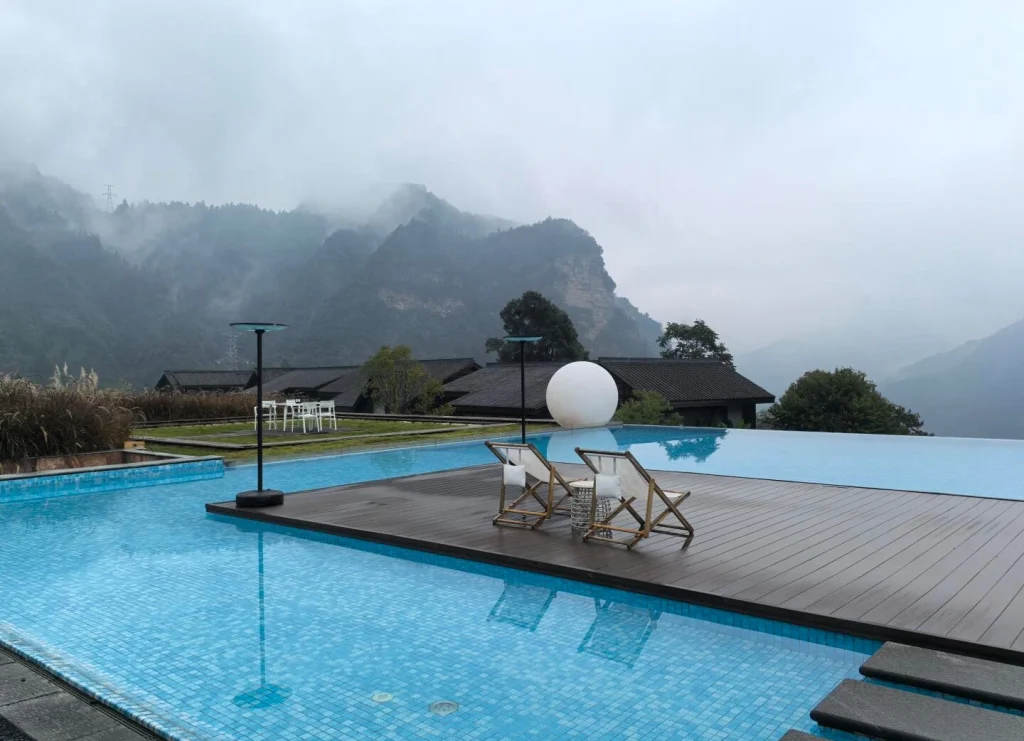
Find the best area to stay in Zhangjiajie for Forest Park, Tianmen Mountain, city stays, and stopovers, with practical hotel picks and real traveler logic.


