

Use this quick table for the basic planning facts most travelers care about.
| Key Info | Details |
|---|---|
| Chinese name | Xinjiang (新疆, Xīnjiāng) |
| Best first-time gateways | Urumqi and Kashgar |
| Best known for | Grasslands, alpine lakes, desert oases, Silk Road cities, Pamir scenery, and distinctive regional food |
| Best trip length | 3–5 days for a short trip, 7–9 days for one main route, 10–14 days for a deeper journey |
| Best time to visit | Spring and autumn overall; summer for northern Xinjiang |
| Best for | Nature lovers, photographers, Silk Road travelers, and road-trip style journeys |
| Travel style | Long-distance travel, scenic road trips, culture-focused exploration, and mixed nature-history routes |

Xinjiang is worth visiting because it offers one of the most distinctive travel experiences in China. This is not a classic route built around major eastern cities or short transfers between famous sights. Instead, Xinjiang feels bigger, more remote, and more immersive, with a stronger sense of distance, regional contrast, and frontier atmosphere than almost anywhere else in the country.
Strong frontier character – Xinjiang is one of the best places in China for travelers who want a real sense of space and remoteness.
Silk Road and oasis cities – Places such as Kashgar add human depth, market culture, and a long Silk Road atmosphere that feels very different from eastern China.
Northern Xinjiang scenery – Grasslands, lakes, forests, snow mountains, and scenic roads make the north especially rewarding for nature-focused trips.
Southern Xinjiang identity – The south stands out more for oasis settlements, cultural texture, and a stronger historical atmosphere.
Distinctive food – Xinjiang is one of the most appealing regions in China for travelers who care about memorable local food.
Very different from classic China routes – If you want something beyond the usual Beijing–Xi’an–Shanghai pattern, Xinjiang offers a much more unusual and immersive journey.
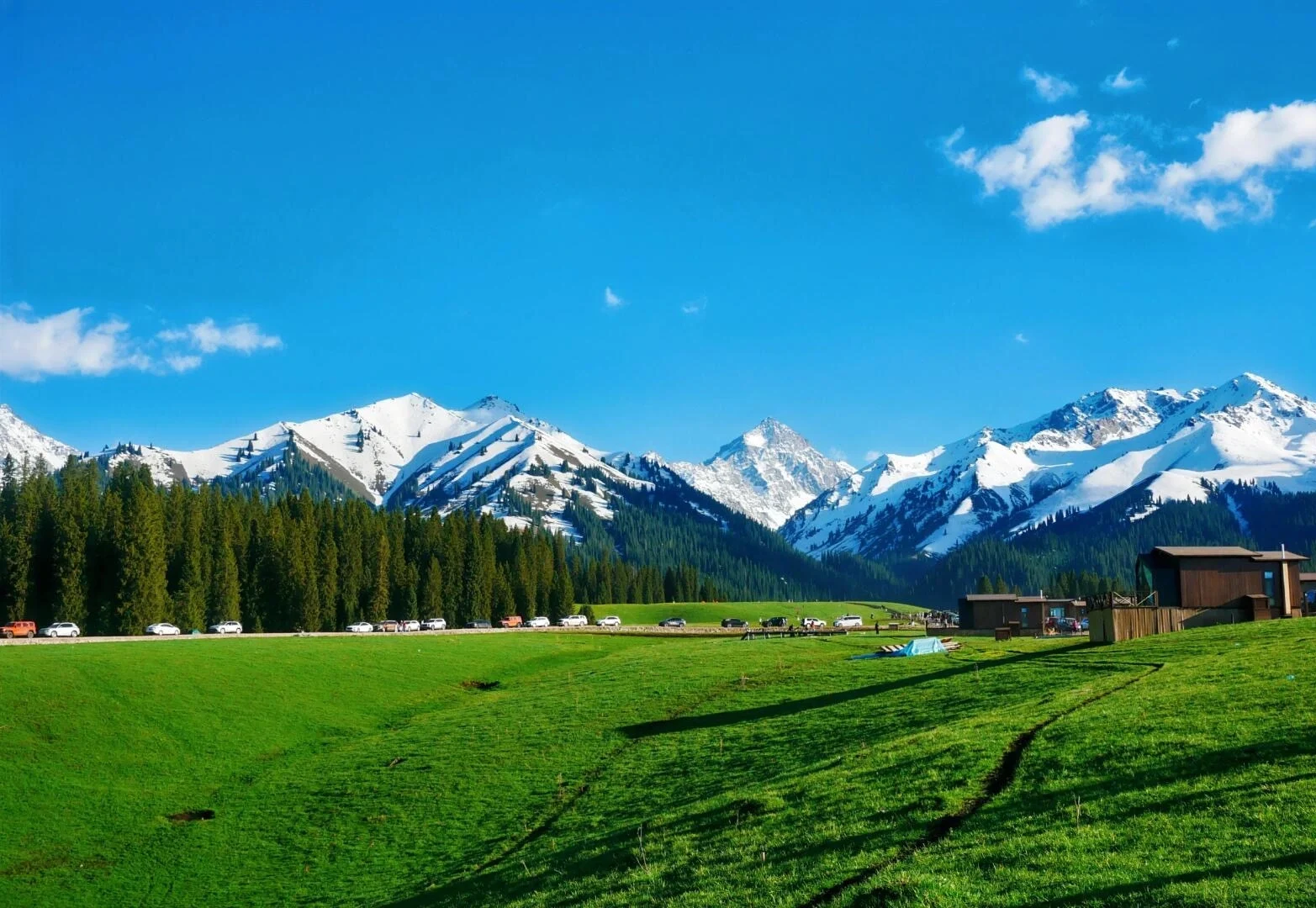
Xinjiang makes much more sense once you stop thinking of it as a single destination. For most travelers, the most important decision is not which attractions to list, but which part of Xinjiang to focus on. That matters far more here than in many other parts of China, because each region has a very different travel feel, landscape pattern, and route logic.
Northern Xinjiang is the strongest choice for travelers who want nature first. This is the side of grasslands, alpine lakes, forests, snow mountains, and some of the region’s most scenic road journeys. Places such as Ili, Sayram Lake, Nalati, Kanas, and Hemu fit this pattern best. If you picture Xinjiang as a place of open landscapes, summer grasslands, and big photographic scenery, you are probably thinking of the north.
Travel feel: Scenic roads, big landscapes, lakes, grasslands, and mountain views.
Best for: Nature lovers, photographers, road-trip travelers, and first-time visitors who want scenery over history.
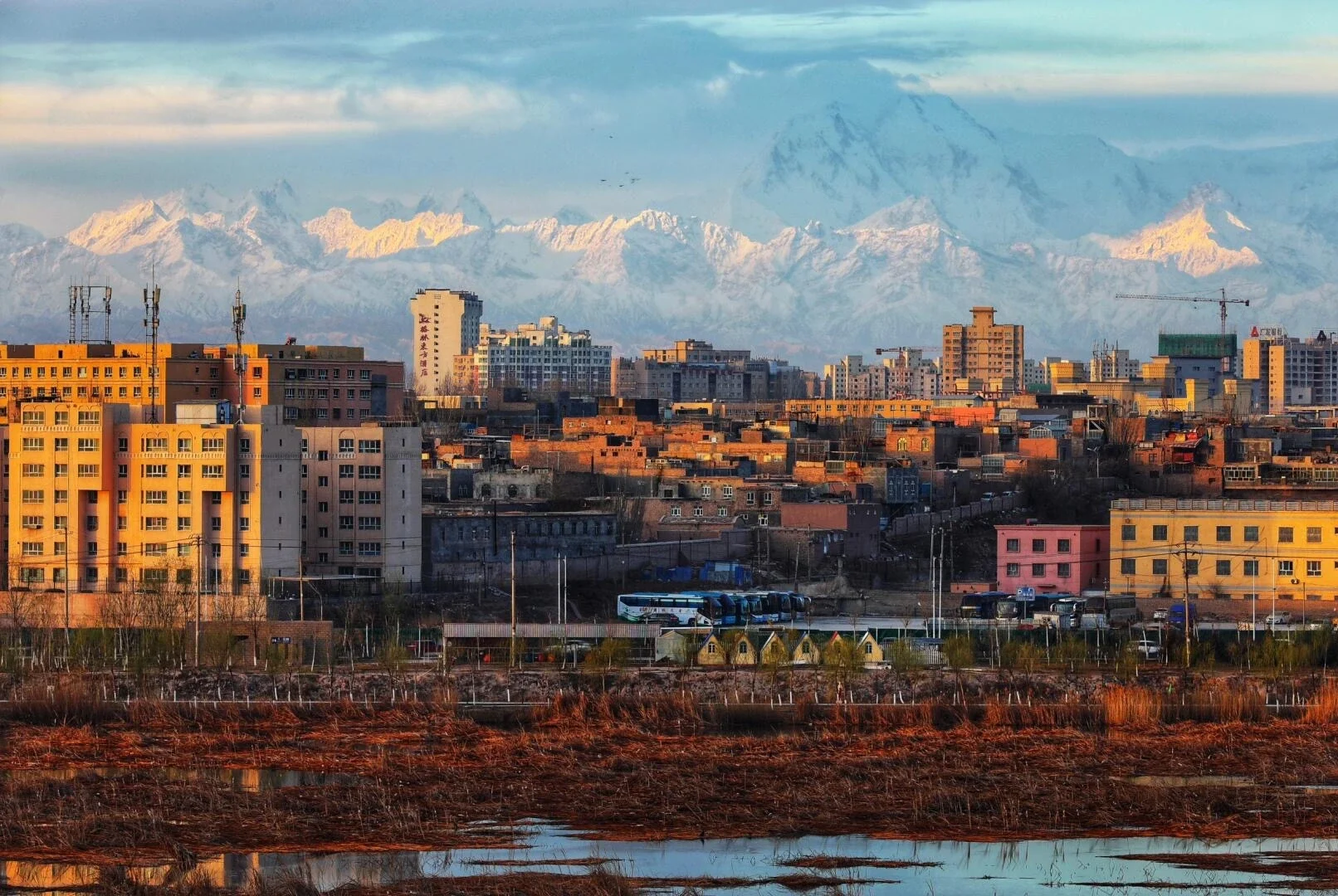
Southern Xinjiang is the more culture-heavy and Silk Road-oriented side of the region. This is where Kashgar, oasis towns, desert-edge settlements, and longer historical layers become much more important. The appeal is not only in individual sights, but in the overall atmosphere of markets, old urban fabric, caravan-route geography, and a stronger human sense of place. If you want Xinjiang to feel more historical, cultural, and distinctive, the south is often the better first choice.
Travel feel: Oasis cities, desert-edge routes, Silk Road depth, and stronger historical texture.
Best for: Travelers interested in Kashgar, local culture, history, food, and regional contrast.
Eastern Xinjiang is the easiest area to add if you have limited time or want a shorter first trip. Turpan works especially well because it is more accessible from Urumqi and gives you a strong introduction to Xinjiang’s Silk Road and dry-land landscape character without requiring a huge regional loop.
Travel feel: Desert-edge cities, Silk Road ruins, dry landscapes, and easier logistics.
Best for: Short trips, first-time visitors, and travelers who want a practical Xinjiang sampler.
The far west is the most intense and distinctive side of a Xinjiang trip. Starting from Kashgar and extending toward the Pamir region and the Karakoram Highway, this route adds high-altitude scenery, borderland atmosphere, alpine lakes, and a much stronger frontier feeling. It is one of the most memorable parts of Xinjiang, but also one that works best once you are ready for a deeper and more route-driven travel experience.
Travel feel: High plateau roads, dramatic mountain scenery, alpine lakes, and strong frontier character.
Best for: Deeper trips, photography, road journeys, and travelers who want the most powerful western Xinjiang extension.
The best places to visit in Xinjiang depend heavily on your route. Some work well on a short first trip, while others only make sense once you have more time. In most cases, it is better to choose a few strong stops that fit one clear line than to force too many distant places into the same itinerary.
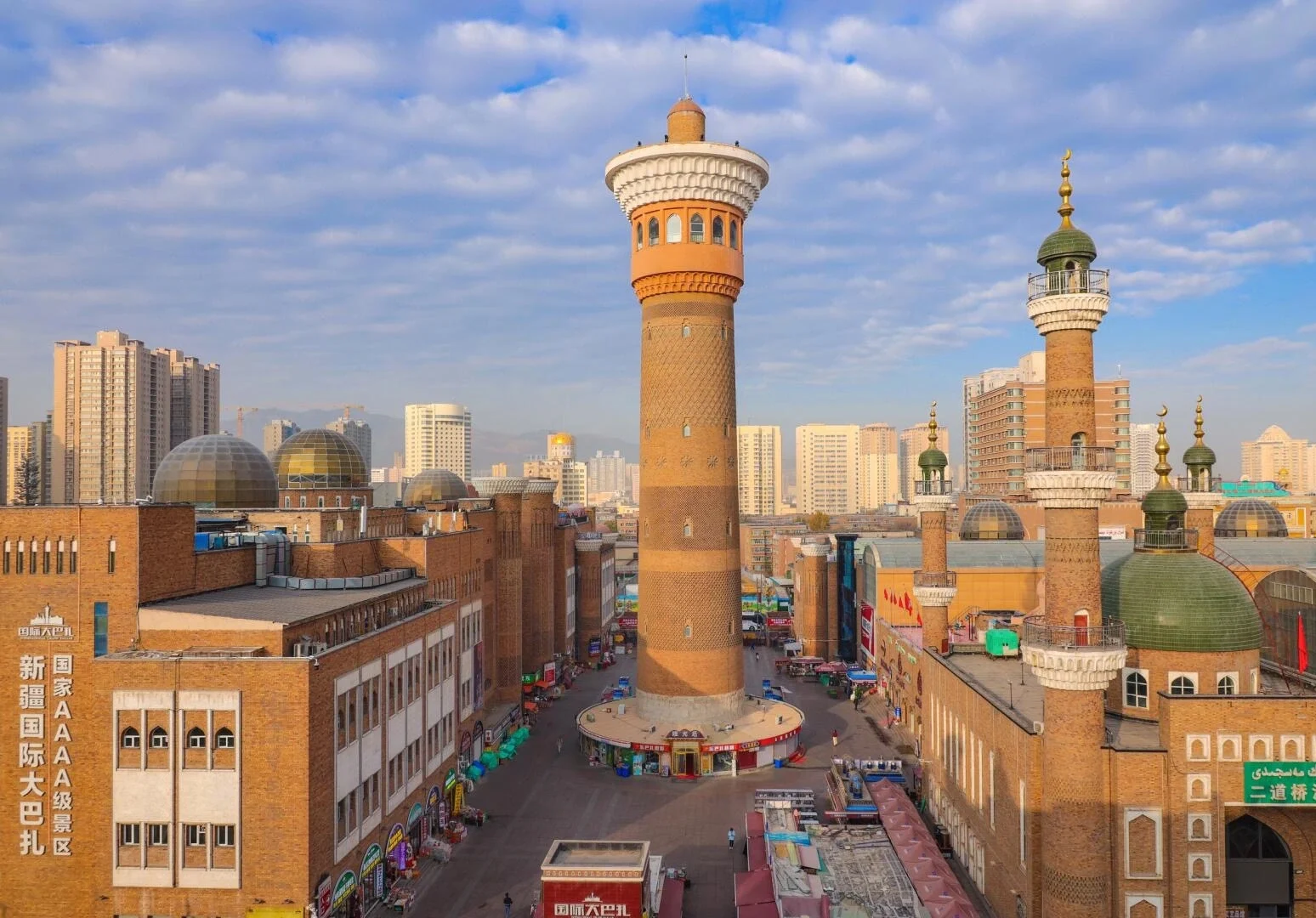
Urumqi is the main gateway for most first-time visitors and the most practical place to organize a Xinjiang trip. It is not usually the emotional highlight of the region, but it plays an important role as a transport hub and starting point. It suits travelers who want the simplest entry into Xinjiang or need a short stop before moving onward. In planning terms, Urumqi works best as a base, transit city, or short introduction rather than a destination that needs many days.
Why go: Best gateway and easiest route organizer.
Best for: Short-trip travelers and practical first stops.
Route role: Main hub for northern and eastern Xinjiang.

Turpan is one of the best short-trip destinations in Xinjiang because it combines Silk Road history, oasis culture, and striking dry-land scenery without requiring a huge regional loop. It is especially useful for travelers with limited time who still want a strong Xinjiang feel. Turpan works well as a first extension from Urumqi or as part of a shorter east-focused route.
Why go: Silk Road ruins, desert-edge landscapes, and easy access.
Best for: Short trips and first-time visitors.
Route role: Best short extension from Urumqi.
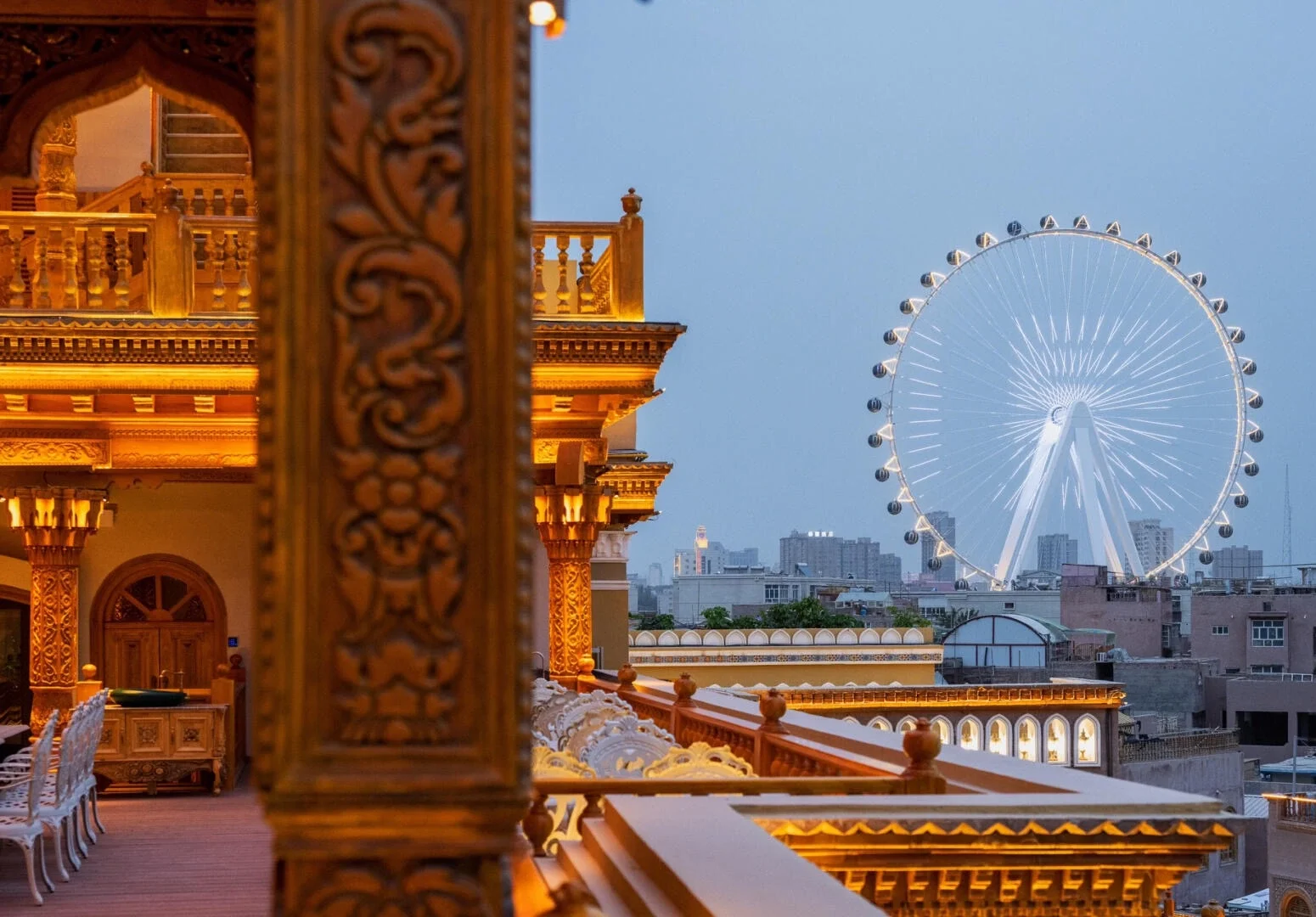
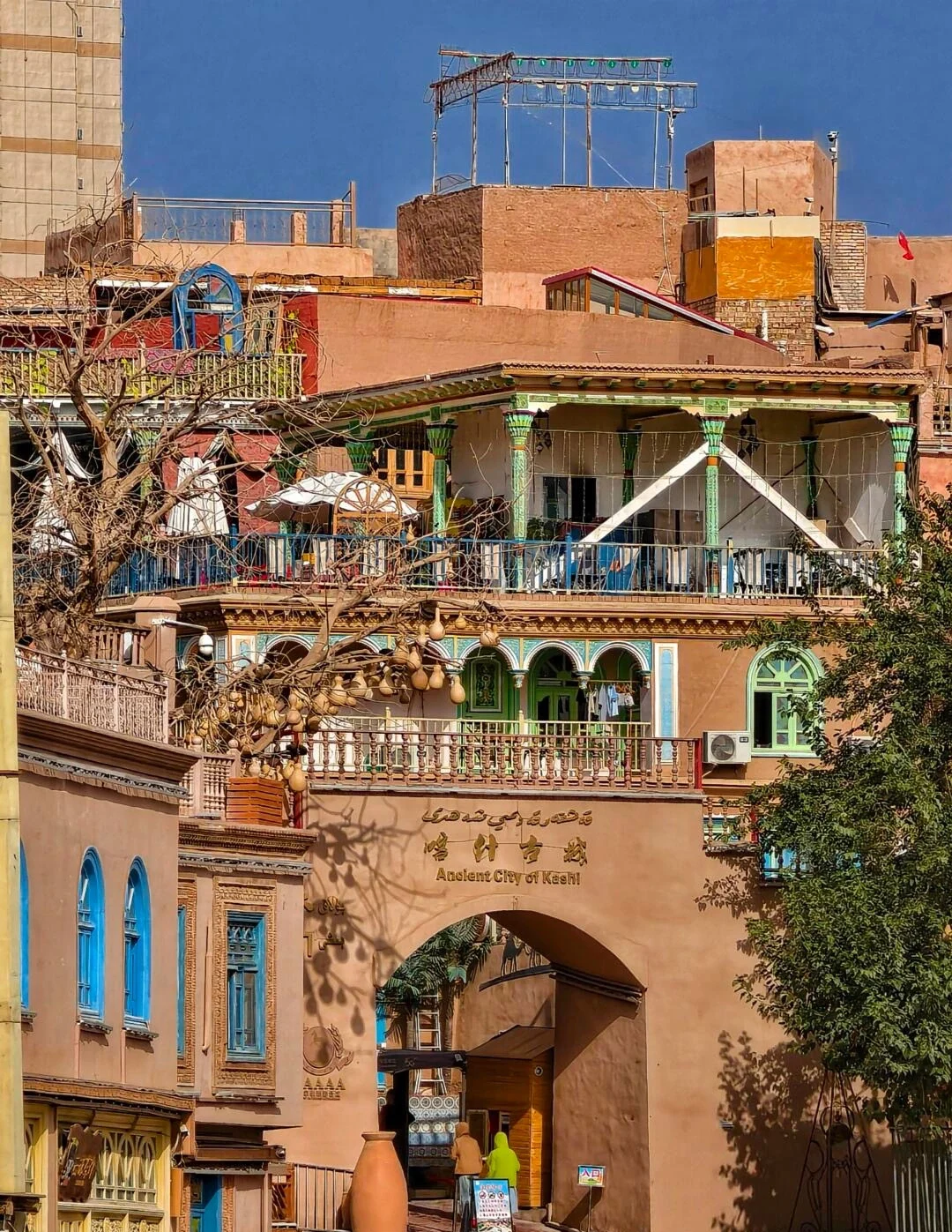
Kashgar is one of the strongest human-centered destinations in Xinjiang and one of the best places to understand the region’s cultural depth. The appeal is not only in individual sights, but in the overall atmosphere of streets, markets, food, and western frontier identity. It is especially rewarding for travelers who care more about history, city texture, and Silk Road atmosphere than about mountain scenery alone.
Why go: Strongest cultural identity and old Silk Road atmosphere.
Best for: History lovers, food travelers, and culture-focused trips.
Route role: Core base for southern and far western Xinjiang.
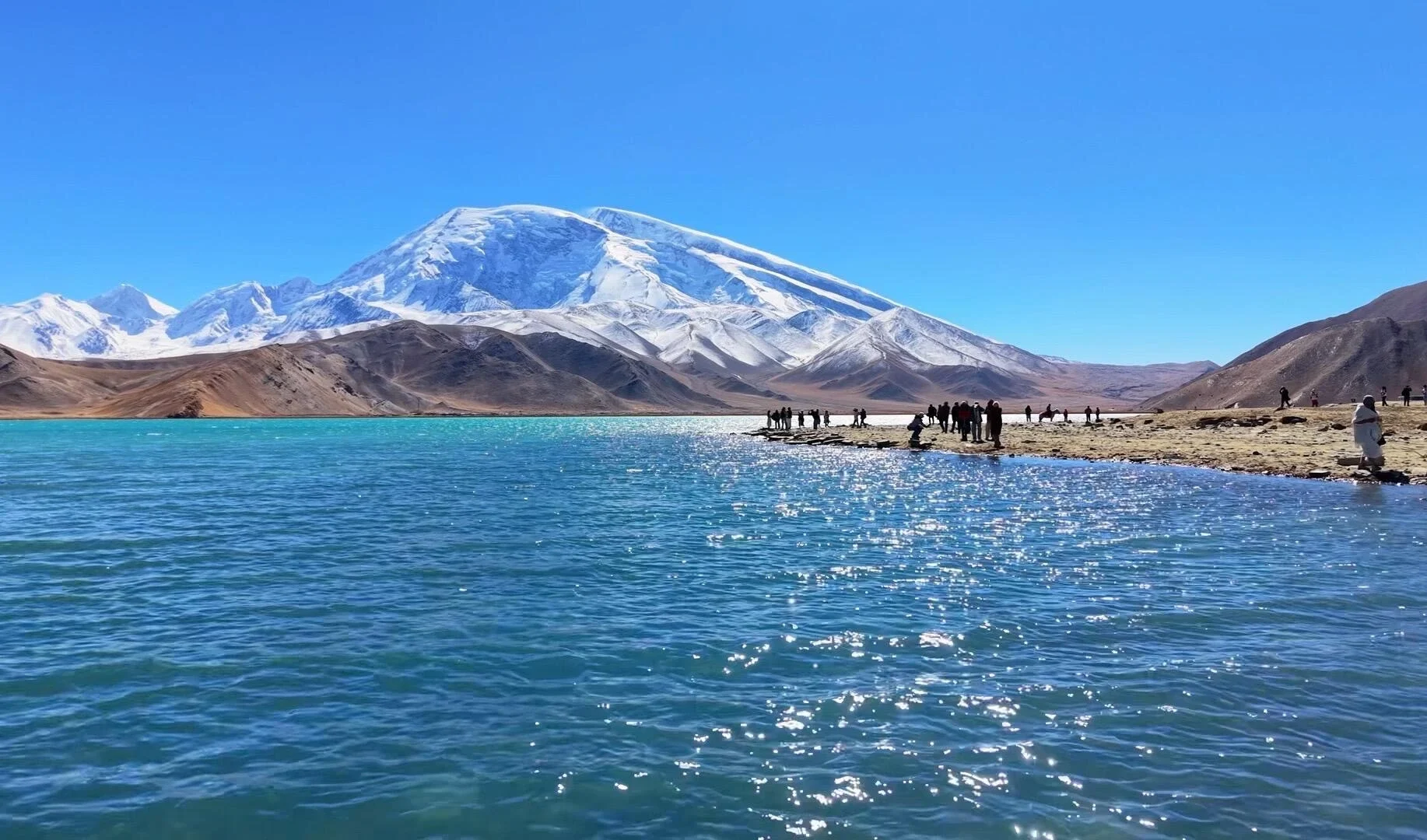
This is one of the most dramatic route-based experiences in Xinjiang rather than a single-stop destination. The real appeal is the road itself, with high mountains, open plateau scenery, alpine lakes, and a strong sense of remoteness. It suits travelers who want one of Xinjiang’s most intense scenic extensions and are willing to spend extra time for it. This is not essential for every first-time trip, but it is one of the most memorable options if you go deep into the west.
Why go: High-altitude scenery and one of Xinjiang’s most powerful road journeys.
Best for: Photography, deeper trips, and mountain-focused travelers.
Route role: Strong far-west extension from Kashgar.

Ili is one of the best choices for travelers who want the greener, softer, and more scenic side of Xinjiang. This is a natural core for northern routes, especially in the warmer seasons, when meadows, valleys, and mountain roads become the main attraction. Ili works best for travelers who want landscapes first and are happy to build their trip around a broader northern arc rather than a single landmark.
Why go: Big scenic variety and one of the strongest nature regions in Xinjiang.
Best for: Nature lovers, photographers, and scenic road trips.
Route role: Main natural core of a northern Xinjiang route.

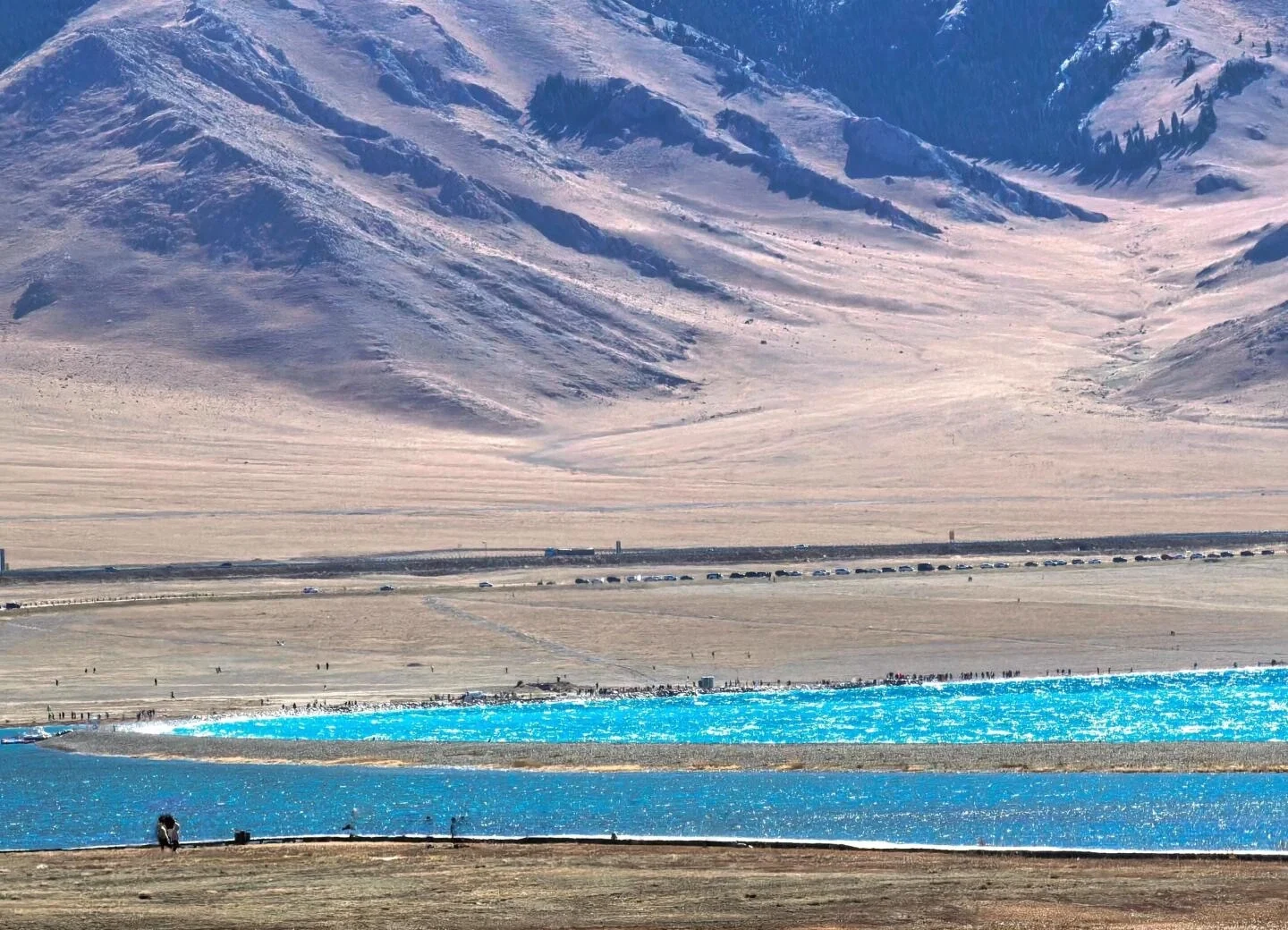
Sayram Lake is one of the easiest and most rewarding northern Xinjiang highlights to add to a first trip. It offers a strong lake-and-mountain experience without needing the longer commitment required by places farther north. It is especially good for travelers who want an iconic natural stop that fits smoothly into a northwestern route. In many itineraries, it works best as part of the Ili direction rather than as a standalone destination.
Why go: Clear lake scenery, open landscapes, and strong visual impact.
Best for: First-time visitors, photographers, and scenic drives.
Route role: Classic natural stop on the Ili side.

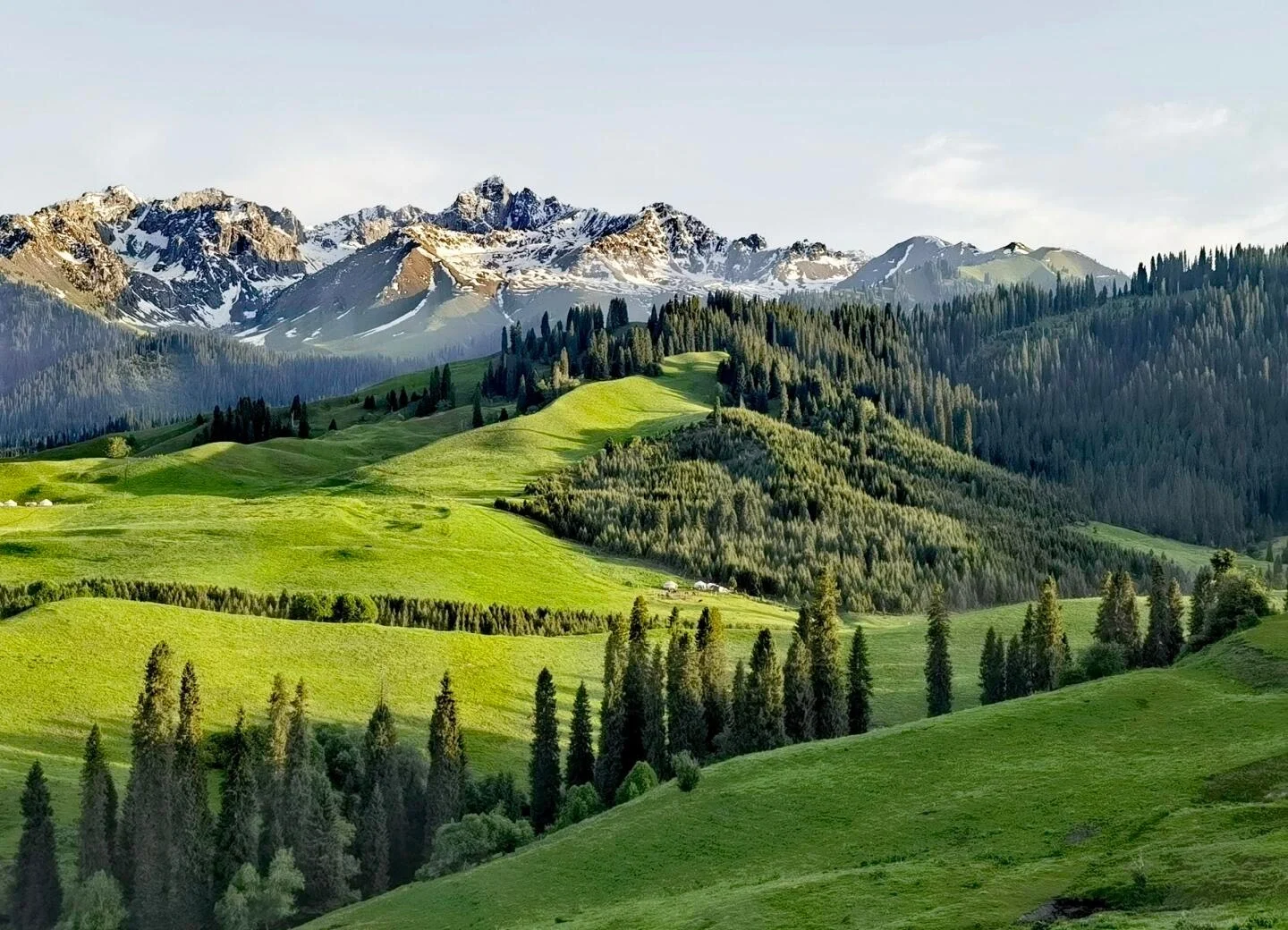
Nalati and the broader grassland zone represent the classic northern Xinjiang image many travelers have in mind: open meadows, horses, distant mountains, and summer pasture landscapes. This area is especially attractive for travelers who want a softer, greener, more pastoral side of Xinjiang. It is best visited as part of an Ili-focused route rather than forced into a short all-region itinerary.
Why go: Classic grassland scenery and a more pastoral travel mood.
Best for: Summer travelers, families, photographers, and nature-first routes.
Route role: Key landscape stop within the Ili region.

Kanas and Hemu are among the most visually famous destinations in northern Xinjiang, especially for travelers drawn to lakes, forests, village scenery, and autumn color. They are highly rewarding, but they also require more commitment in time, distance, and budget than some first-time visitors expect. These are better for travelers with a longer northern route rather than for those trying to sample all of Xinjiang quickly.
Why go: Some of the most photogenic scenery in Xinjiang.
Best for: Photography, autumn trips, and deeper northern routes.
Route role: Premium northern extension, not the easiest short-trip choice.
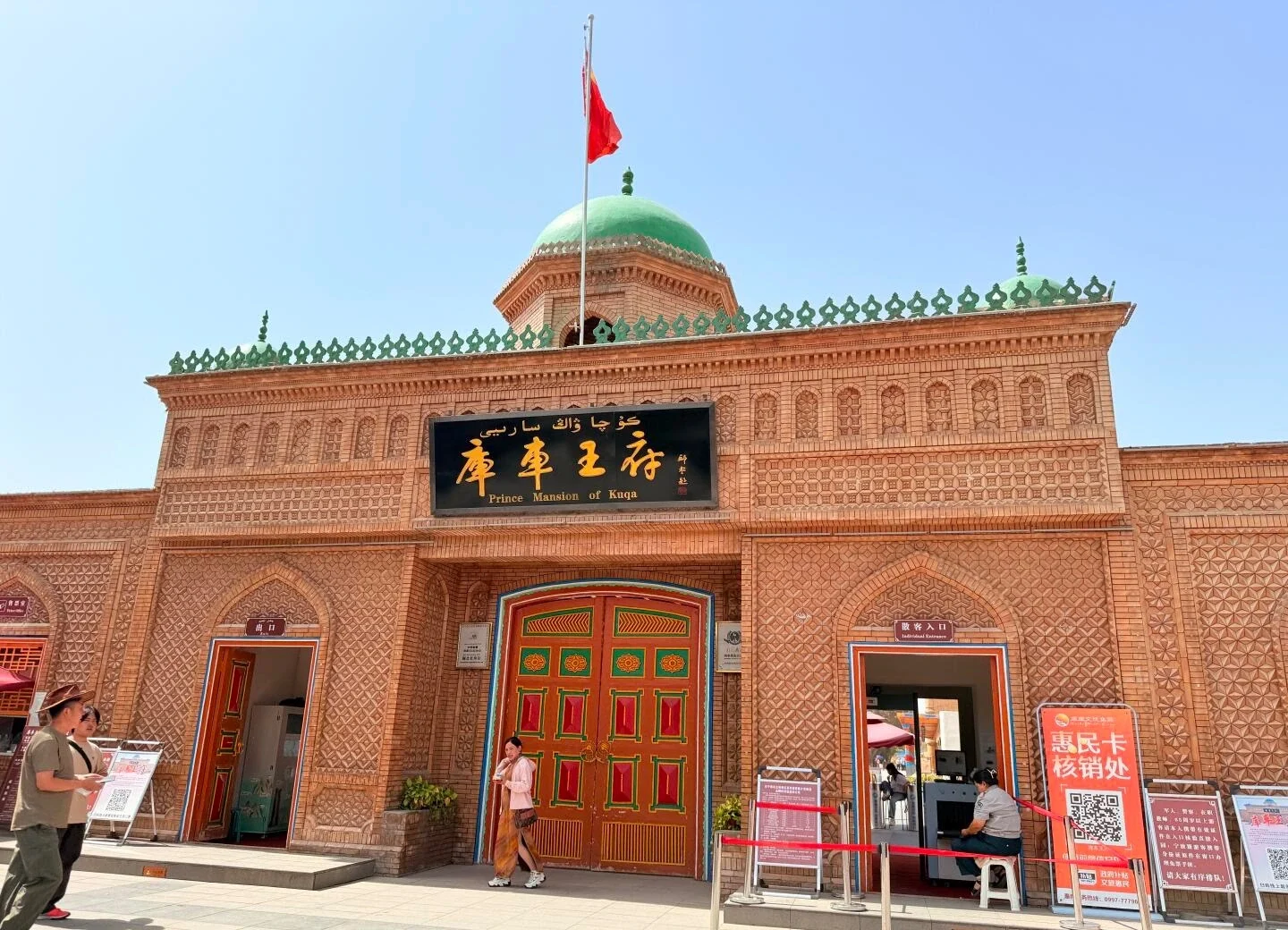
Kuqa is one of the best stops for travelers who want southern Xinjiang to feel more layered and historical, not just centered on Kashgar. It adds Silk Road depth, older cultural context, and a different landscape rhythm, especially when paired with the dramatic canyon scenery nearby. This is a strong choice for travelers building a fuller southern route and wanting a mix of history and geology.
Why go: Silk Road depth with a dramatic natural add-on.
Best for: History travelers, photographers, and southern-route explorers.
Route role: Strong cultural-natural stop in a southern Xinjiang itinerary.
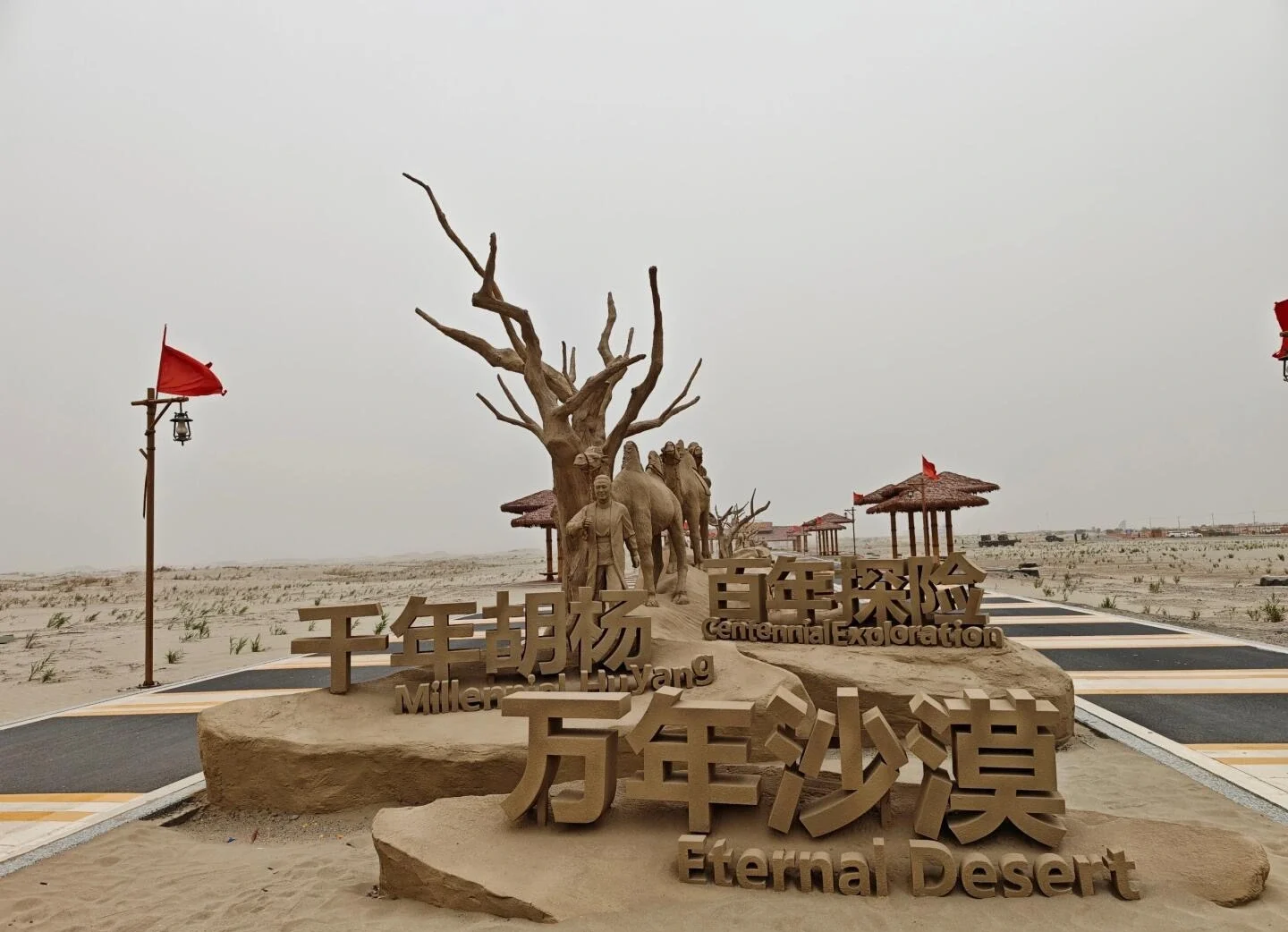
The Taklamakan Desert is not a simple sightseeing stop but a route experience for travelers who want scale, remoteness, and a stronger sense of Xinjiang’s vast interior. It is best for long trips and travelers who understand that the attraction is the crossing itself rather than a single famous site. This is one of the least suitable choices for short first trips, but one of the most memorable for longer, route-driven journeys.
Why go: Vast desert scale and one of Xinjiang’s most powerful long-distance travel experiences.
Best for: Road-trip travelers, long itineraries, and people drawn to extreme landscapes.
Route role: Deep-route experience rather than an easy first-stop highlight.
How many days you need in Xinjiang depends less on how many attractions interest you and more on how much distance you can realistically handle. The biggest mistake is treating Xinjiang like a normal province and trying to combine too many far-apart places in one trip.
3–5 days: Best for travelers with limited time who want only a short introduction to Xinjiang. At this length, it is smarter to stay around Urumqi and add Turpan or another short extension rather than forcing a longer regional route. This works well for first-time visitors who want a practical sampler without heavy travel days.
7–9 days: Best for most first-time visitors who want one clear main line. This is usually enough for either a northern Xinjiang nature route or a southern Xinjiang culture route, but not both. It suits travelers who want a stronger sense of place without turning the trip into a constant transfer schedule.
10–14 days: Best for travelers who want a deeper first Xinjiang trip. At this length, you can build a more complete route with stronger internal variety, such as a deeper northern line or a fuller southern route with a major extension. This is the most realistic range for a classic first deep trip.
Longer than 2 weeks: Best for travelers who truly want to combine north and south in one journey. This is when Xinjiang starts to feel broad rather than rushed, and when multi-region itineraries become much more realistic.
These first-time Xinjiang itineraries work best when you choose one clear route and build around it. In Xinjiang, route logic matters more than attraction count, and the best trip is usually the one that matches your time, interests, and tolerance for distance.

Who it’s for: Travelers with limited time who still want a meaningful first look at Xinjiang without turning the trip into constant transit.
Route logic: Stay around Urumqi and add Turpan as the strongest short extension.
Main stops: Urumqi, Turpan, Silk Road ruins, dry-land landscapes, city museums or bazaars.
This is the best short Xinjiang itinerary because it keeps the route practical. Urumqi works as the main gateway, while Turpan adds a clear sense of oasis culture, Silk Road history, and desert-edge scenery without requiring a huge regional loop. It is much smarter than trying to force Kashgar, Ili, or Kanas into a five-day trip. For first-time visitors with limited time, this is the cleanest and most manageable introduction.

Who it’s for: Most first-time visitors who want one strong regional experience rather than a rushed overview.
Route logic: Choose either a northern Xinjiang nature route or a southern Xinjiang culture route.
Main stops:
North option: Urumqi, Sayram Lake, Ili, Nalati or another grassland zone.
South option: Urumqi, Kuqa, Kashgar, selected Silk Road and market-focused stops.
This itinerary works because it respects Xinjiang’s size. In eight days, you can build one satisfying main line, but not two. The northern version is better for travelers who want grasslands, lakes, scenic roads, and open landscapes. The southern version is better for travelers who care more about Silk Road cities, market culture, oasis settlements, and historical texture. Either way, the key is depth over coverage. This is the strongest choice for travelers who want a real Xinjiang trip without committing to a very long journey.
Who it’s for: Travelers with enough time for a deeper first trip who want a more complete experience within one main direction.
Route logic: Build a fuller northern route or a fuller southern route, with one major extension.
Main stops:
North option: Urumqi, Sayram Lake, Ili, Nalati, Kanas and Hemu.
South option: Urumqi, Kuqa, Kashgar, Karakoram Highway, Karakul Lake, Tashkurgan.
This is the most realistic range for a classic first deep trip to Xinjiang. At this length, the route stops feeling like a sampler and starts feeling immersive. The northern version gives you the best chance to combine lake scenery, grasslands, forests, and high-value scenic roads in one coherent trip. The southern version gives you a stronger human and historical journey, especially once you extend from Kashgar toward the Pamir side. This is the point where Xinjiang becomes truly memorable, because you have enough time to let one region unfold properly instead of constantly moving too fast.
Who it’s for: Travelers with plenty of time who want a broader and more ambitious first trip.
Route logic: Combine two major zones, but still keep the route structured rather than trying to cover everything.
Main stops: Urumqi, Turpan, one northern Xinjiang segment or one southern Xinjiang segment, plus Kashgar and the Pamir side if your route allows.
A two-week trip gives you the first real chance to combine more than one side of Xinjiang without making the journey feel completely rushed. Even so, it is still better treated as a selective overview than a total Xinjiang checklist. If you want to include Kashgar, the Pamir side, Turpan, and a substantial northern segment in the same trip, time pressure rises quickly.
Xinjiang is not just about reaching famous places. The best trips usually come from combining big landscapes, long-distance movement, local food, and one or two well-chosen regional experiences instead of trying to check off too many names.
Explore the old-city atmosphere in Kashgar
Walk the lanes, browse small workshops, and spend time in the street life rather than treating Kashgar as only a photo stop.
Drive or ride along a major scenic road
Xinjiang is one of the best places in China for route-based travel, where the road itself becomes part of the experience.
See desert and oasis landscapes in the same trip
One of Xinjiang’s most memorable contrasts is how quickly the scenery can shift from dry open terrain to lived-in oasis settlements.
Visit Silk Road ruins around Turpan or Kuqa
These are some of the best places to feel the older trade-route and desert-city history that shaped the region.
Experience a high-mountain lake route
Lakes such as Sayram Lake or the Karakul side of the far west add some of Xinjiang’s most rewarding open-sky scenery.
Stay longer in one scenic region instead of rushing
Xinjiang usually rewards slower regional travel more than fast checklist-style itineraries.
Take Xinjiang food seriously
Meals here are not a side detail. Bread, noodles, grilled meat, rice dishes, fruit, and market snacks are a real part of the trip.
Visit at least one bazaar or market
A good market visit adds texture, rhythm, and everyday atmosphere in a way that museums and viewpoints cannot.
Choose one strong extension based on your interests
Go to the Pamir side for high-altitude scenery, Ili for greener northern landscapes, or Kanas for a deeper northern photography route.
Let one route define the trip
Xinjiang works best when you accept that one clear line—northern, southern, eastern, or far western—usually creates a better experience than trying to force everything into one journey.
There is no single best time to visit Xinjiang. The right season depends heavily on which part of the region you want to see. A trip focused on Ili, Kanas, or Altay follows a different seasonal logic from one centered on Kashgar, Turpan, or the Pamir side. That is why Xinjiang is better planned by region and travel style than by one simple “best month” answer. For a broader seasonal overview across the country, see our Best Time to Visit China guide.

Spring is generally a good season for travelers who want a less crowded trip and more comfortable temperatures in many lower-elevation areas. It works especially well for parts of southern Xinjiang and for shorter Silk Road-oriented routes around Turpan before the hottest weather arrives. It can also be rewarding in Ili during blossom season. But spring is not equally ideal everywhere, and some higher or more remote northern routes still feel early.
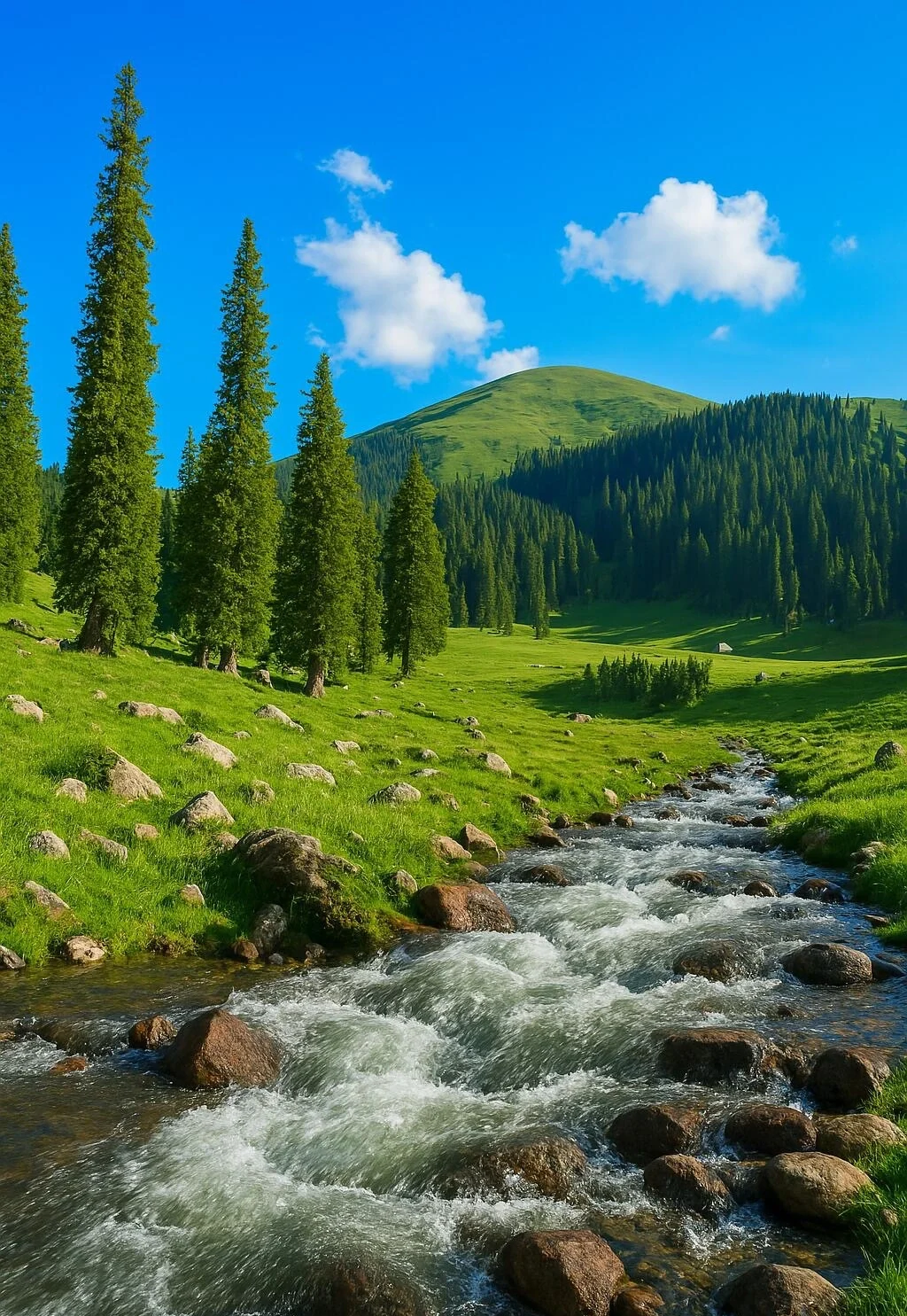
Summer is the best season for many classic northern Xinjiang routes. This is when grasslands, lake regions, and mountain landscapes around Ili and other northern scenic areas look their fullest and greenest. If you are coming mainly for open landscapes, scenic roads, and pasture scenery, summer is often the strongest choice. But the same season can be much harder in southern and eastern Xinjiang. Places such as Turpan can become intensely hot, and some desert-edge routes feel far more demanding.
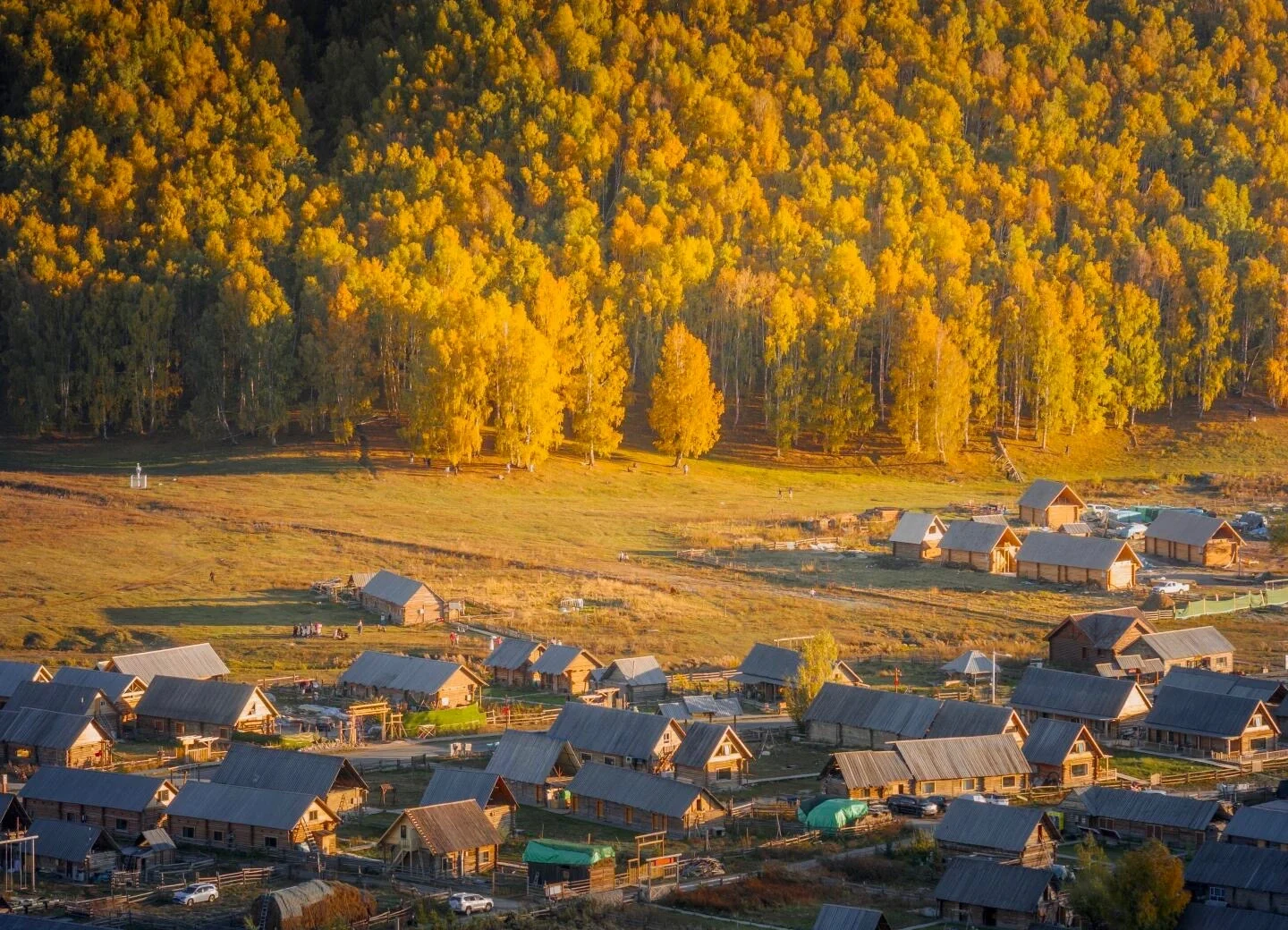
Autumn is one of the strongest overall seasons for Xinjiang and often the best choice for travelers who want broad flexibility. It works well for both natural scenery and long-distance route planning, and it is especially attractive for photography. Northern areas such as Kanas and Altay become more visually dramatic, while southern cities such as Kashgar usually feel more comfortable than in summer. If you want one season that suits the region broadly without being equally perfect for every subregion, autumn is usually the safest answer.
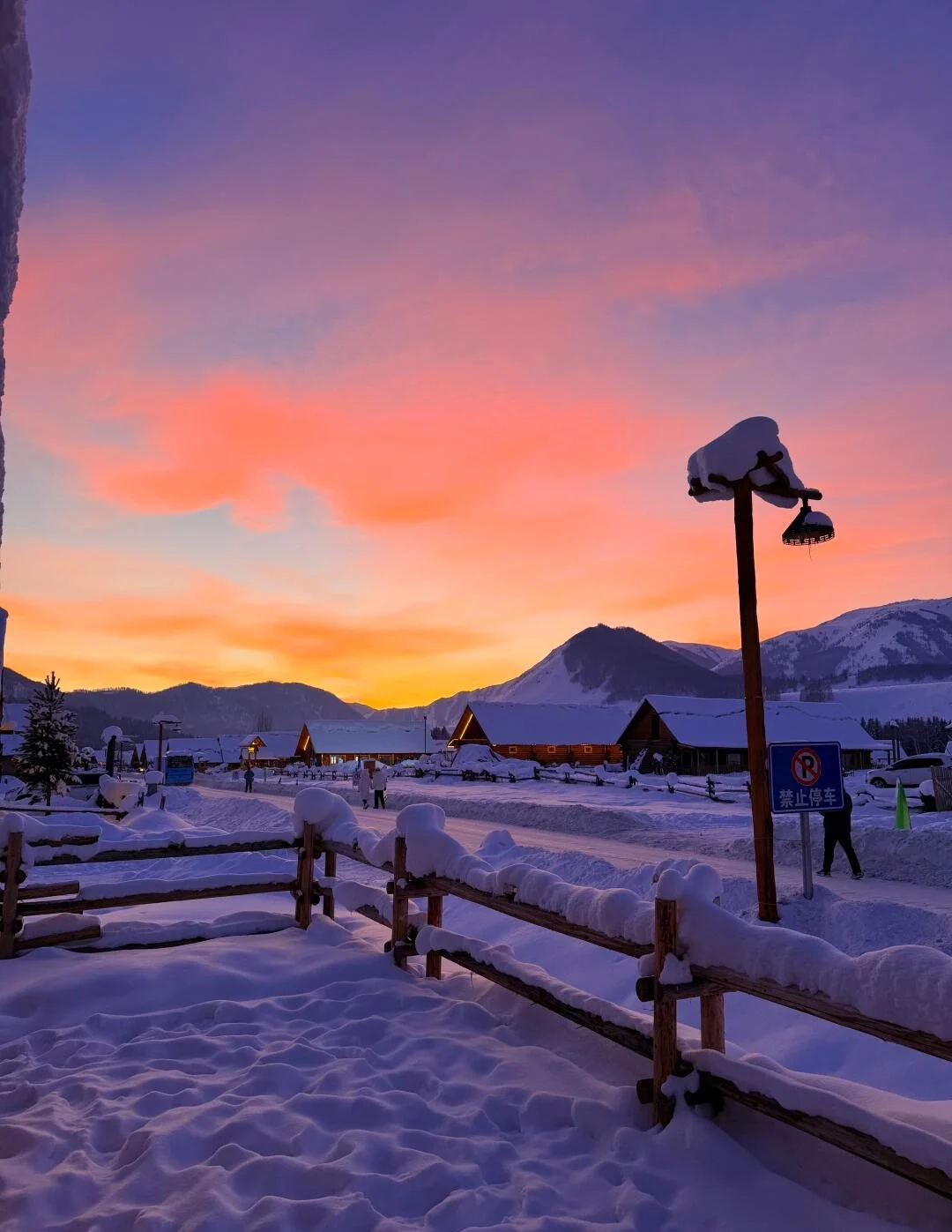
Winter only makes sense for specific interests, not for a general first trip. It can be excellent for snow scenery, ski-focused travel, and deep off-season experiences in places such as Altay. It can also appeal to travelers who want fewer crowds and do not mind limited services or colder conditions. But winter is not a one-size-fits-all season in Xinjiang. A winter trip to Altay, Kashgar, and Turpan can feel completely different in both comfort and experience.
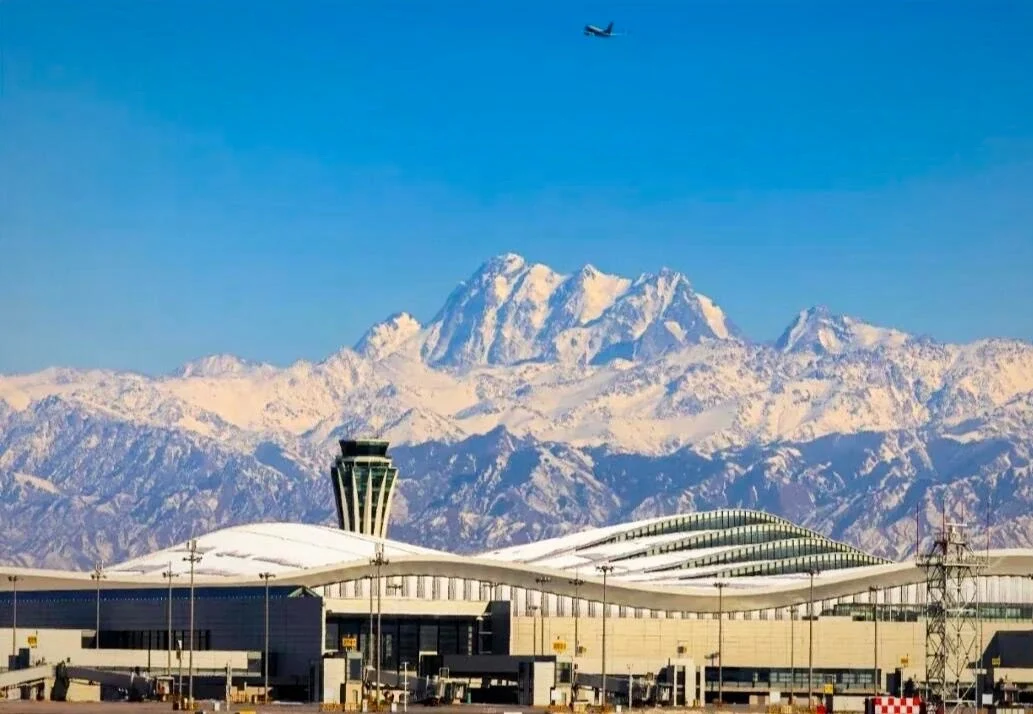
Getting to Xinjiang is usually straightforward in planning terms, but the long distances mean your entry point matters more than in many other parts of China. For most first-time visitors, the real choice is not whether Xinjiang is reachable, but where to start and whether flying or long-distance rail makes more sense for the route you want.
For most travelers, flying is the most practical way to enter Xinjiang. Urumqi is the main gateway by far, with the strongest flight network and the easiest onward access to northern, eastern, and multi-region routes. Kashgar is also an important air entry point, but it works better for travelers already committed to a southern or far western itinerary. If you are coming from major cities such as Beijing, Shanghai, Chengdu, or Xi’an, flying is usually the most realistic option.
Xinjiang can also be reached by train, including long-distance rail connections from major Chinese cities. This can work for travelers with more time, a stronger interest in overland travel, or a route already built around western China. In practical terms, though, rail usually makes more sense as part of a broader mainland journey than as the default way to enter Xinjiang. For most first-time visitors, the sheer distance makes flying more efficient.
For a broader look at trains, flights, and long-distance travel across the country, see our China Transportation Guide.
Urumqi is the best gateway for most first-time travelers. It is the region’s main transport hub, the easiest place to organize onward travel, and the most flexible start for short and mid-length routes. Kashgar is the better entry point only if your itinerary is clearly focused on southern Xinjiang or the Pamir side. For most visitors, flying into Urumqi and building the trip from there is the cleanest plan.
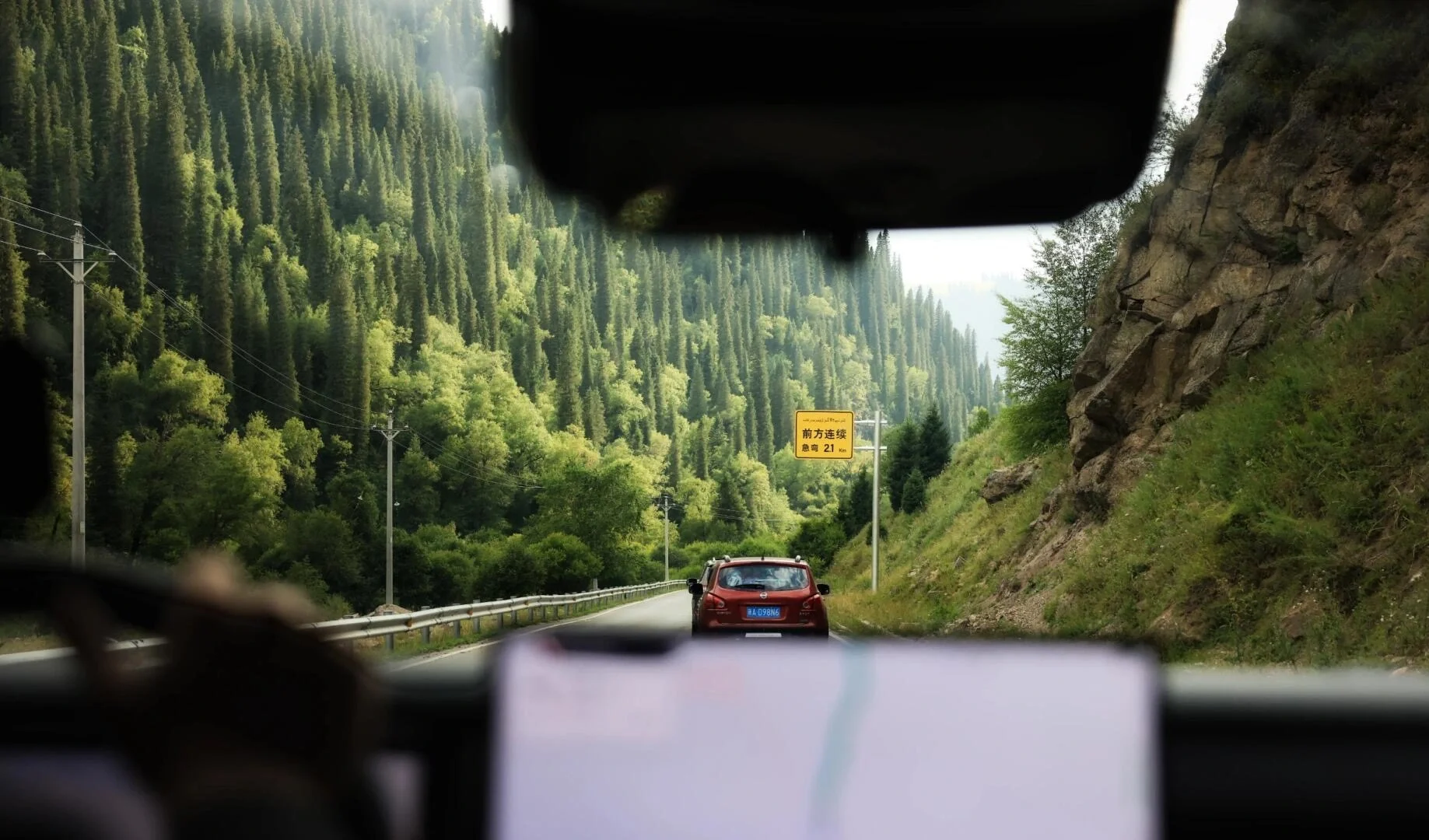
The main challenge of traveling in Xinjiang is not the transport itself, but the distance between places. That is why route logic matters more here than in many other parts of China. The best trip is usually built around one clear line, not around trying to jump cheaply between too many far-apart places.
Urumqi is the organizing center for many first-time routes, especially if you are traveling in northern or eastern Xinjiang or building a shorter multi-stop trip. Kashgar works better as a starting point for southern Xinjiang or the Pamir side, where it is much more practical than routing everything back through Urumqi. In most cases, Xinjiang works best when you choose one core direction and travel outward from the right hub.
Flying is the most useful option when you are crossing big regional gaps, such as Urumqi to Kashgar, or when your trip is short and you need to protect time. In Xinjiang, domestic flights can save you a large amount of overland travel, especially if your route combines far-separated areas. Flying is not always the most scenic option, but it is often the most realistic one for long internal jumps.
Trains work best as city-to-city connections where the route is already established and you are not trying to reach remote scenic areas directly. They can be useful between larger hubs or for more budget-aware travelers who still want a structured route. But trains are not the answer to everything in Xinjiang, because many of the region’s best landscapes are not reached most efficiently by rail alone.
A private driver or self-drive option becomes much more useful once your route includes scenic zones, flexible stopping points, or road-based travel. This is especially true in northern Xinjiang and on routes where the journey itself is part of the attraction. It also becomes more practical when public transport would force awkward timing or extra backtracking.
| Route Type | Best Transport Choice |
|---|---|
| Urumqi to another major hub | Flight or train |
| Urumqi to Turpan | Train or self-drive |
| Southern Xinjiang / Pamir side | Kashgar-based private car or driver |
| Scenic northern routes | Self-drive or private driver |
Trying to save money by jumping between too many distant points can easily waste time and reduce the quality of the trip. In Xinjiang, a cleaner route is usually the smarter choice.
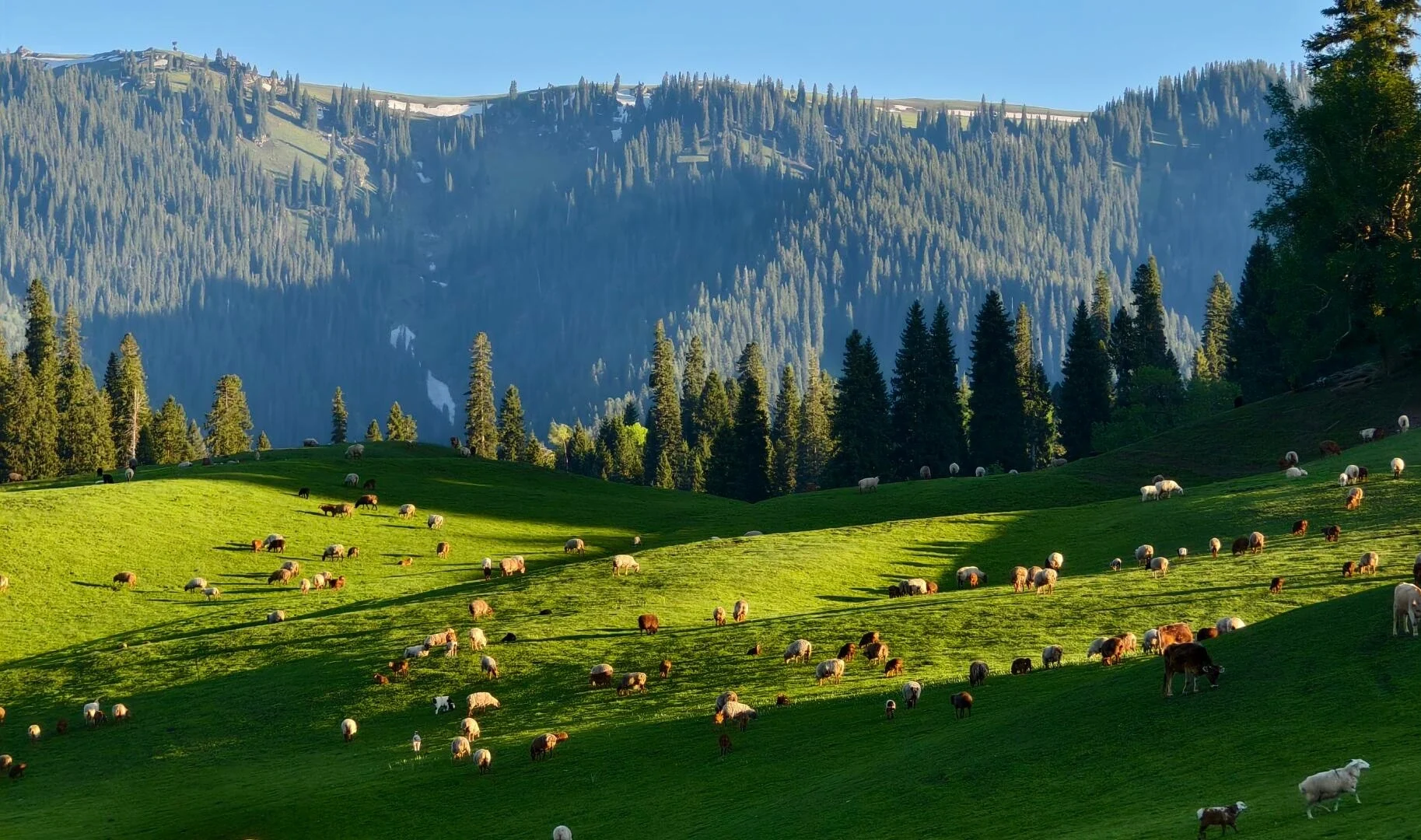
Xinjiang depends more on route organization than many other parts of China. The distances are long, the strongest experiences are often spread across large areas, and the way you move can change the entire quality of the trip. The best choice depends on your travel style, time, and comfort with long-distance planning.
Independent travel works best for travelers who are comfortable planning longer routes, using trains or flights between major hubs, and keeping the trip focused. It suits people who prefer flexibility, are happy to move more slowly, and do not need to reach every scenic stop. This is most realistic for shorter routes around major cities or for travelers who build the trip around a few urban and historical nodes rather than a wide scenic loop.
A road trip works best for travelers who want freedom, photography stops, and a stronger sense of journey between places. It is especially appealing in northern Xinjiang, where lakes, grasslands, and scenic roads are part of the experience. This option suits confident drivers, couples, small groups, and travelers who enjoy long overland travel. It becomes less ideal if you dislike uncertainty, long driving days, or route changes caused by weather or road conditions.
A private driver or organized route is often the easiest choice for first-time visitors who want a smoother trip without managing every transfer themselves. It works especially well for southern Xinjiang, the Pamir side, or longer scenic routes where timing and local route knowledge matter more. This option suits travelers who value efficiency, want fewer planning headaches, or are working with limited time. It is usually the least stressful way to handle a region where route structure matters more than attraction count.

In Xinjiang, where you stay should follow your route, not just the hotel map. This is not a normal city-break destination where one base works for everything. Urumqi and Kashgar are the two most useful hubs, while scenic-area stays only make sense when they clearly improve the route.
Stay in Urumqi if you are building a short trip, organizing a northern or eastern Xinjiang route, or simply need the easiest arrival and departure point. Urumqi works best as a practical base for transit, short extensions, and route setup rather than as a place that needs many sightseeing days. It is the smartest choice for most first-time visitors who want easier transport, more hotel options, and a cleaner overall structure.
Stay in Kashgar if your trip is clearly focused on southern Xinjiang or the far western side of the region. It is the best cultural base in the south and the most logical starting point for routes toward the Pamir side. Kashgar makes more sense than Urumqi when the heart of your trip is old-city atmosphere, southern routes, and western extensions rather than a broader multi-region circuit.
Stay in Turpan if you are doing a short eastern Xinjiang segment and want to avoid returning immediately after a day trip. This works well for travelers who want a slower Silk Road-oriented stop with easier access to local sites and less rushing. Turpan is not usually a long-stay base, but it can be a useful one- or two-night stop in a shorter route.
Stay in scenic areas only if your itinerary clearly benefits from it, such as sunrise plans, photography timing, or avoiding long same-day returns. This is most useful in deeper northern routes or more committed nature itineraries. Scenic-area stays can improve the experience, but they are rarely the best default choice. For many first-time travelers, they make more sense as carefully chosen extensions rather than the main accommodation strategy.
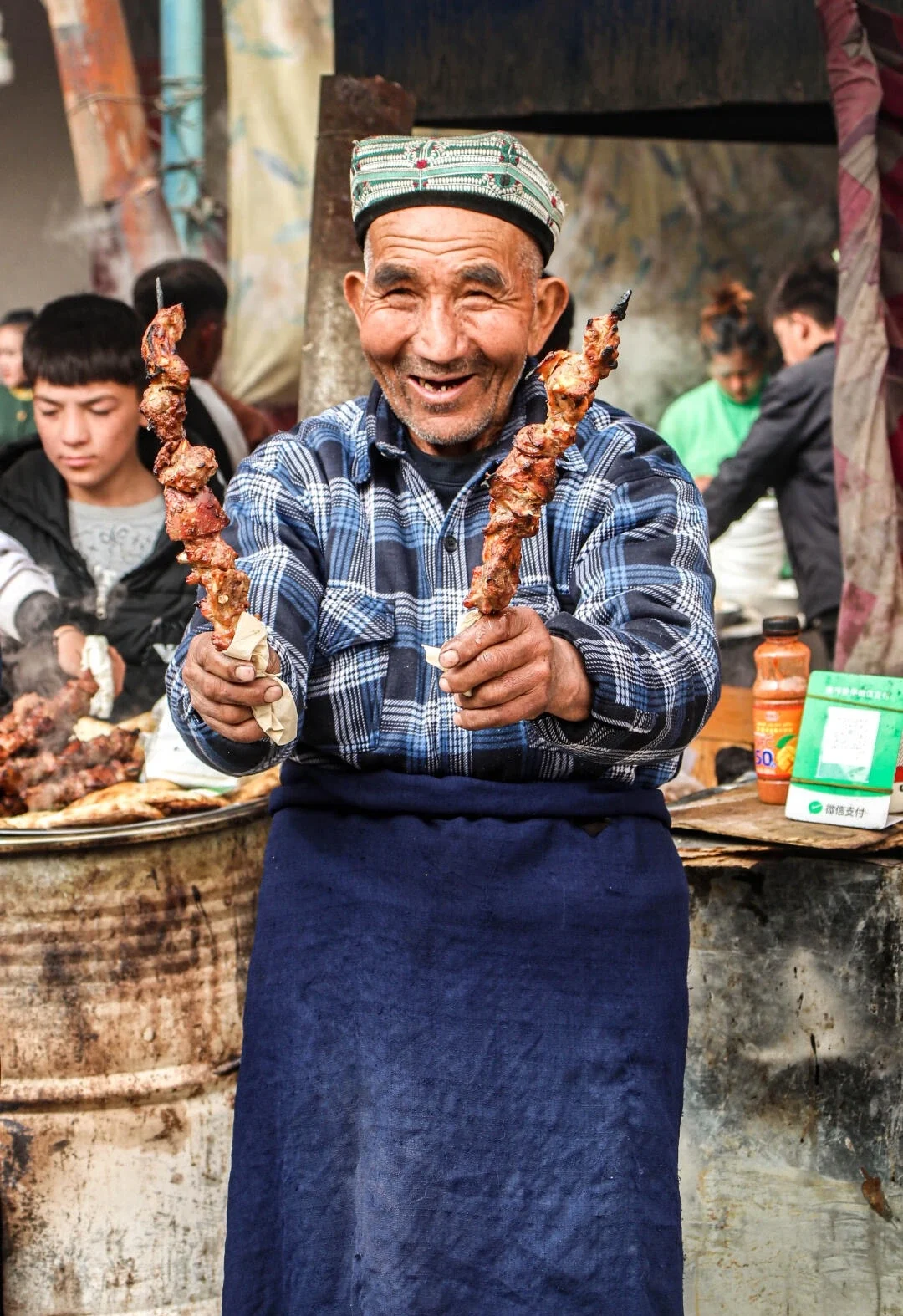
Xinjiang is one of the most rewarding food regions in China, but it does not feel like a typical Chinese dining experience. The food is generally heavier, more meat-focused, more bread-and-noodle-based, and often shaped by Central Asian, Muslim, and overland Silk Road influences. If you enjoy grilled meat, wheat-based staples, bold seasoning, and meals with real regional identity, Xinjiang is especially memorable.
Lamb skewers / kebabs(烤羊肉串)
These are one of the most recognizable foods in Xinjiang and one of the easiest places to start. They are usually smoky, savory, and heavily seasoned with cumin, making them especially appealing for travelers who like grilled meat and street-food energy.
Polo / pilaf(抓饭)
This rice dish is one of the most satisfying full meals in Xinjiang. It is usually rich, filling, and built around rice, meat, carrots, and oil, with a comforting rather than delicate flavor profile. It is a strong choice for travelers who want something hearty and distinctly regional.
Laghman / hand-pulled noodles(拉条子)
These noodles are a good introduction to the everyday wheat-based food culture of the region. They are chewy, substantial, and often served with meat and vegetables in a way that feels closer to Central Asian noodle traditions than to lighter eastern Chinese noodle dishes.
Nan(馕)
Nan is one of the most visible everyday foods in Xinjiang and worth trying even on a casual stop. It is simple, portable, and closely tied to local eating habits, making it a good choice for travelers who want to notice the rhythm of daily food life rather than just restaurant specialties.
Dapanji(大盘鸡)
Dapanji is one of the most famous larger-format dishes in the region. It is bold, rich, and best shared, with a more generous, communal feel than many individual meals. It suits travelers who enjoy strong flavors and want a more substantial sit-down meal.
Samsa(烤包子)
Samsa is one of the best snack-style foods to try in Xinjiang. It is usually crisp outside, savory inside, and easy to eat on the move. This is a good option for travelers who want something quick but still clearly local.
Yogurt, fruit, and dried fruit
These are an important part of the Xinjiang food experience, not just side items. They add freshness and contrast to the region’s richer main dishes and are especially rewarding for travelers who want a broader sense of local produce and everyday eating.
In general, Xinjiang food feels more robust, bread- and meat-centered, and more Central Asian in character than the food in much of eastern China. That difference is part of what makes eating here so memorable.
Xinjiang is not always expensive in daily life. In many places, food and basic accommodation are more manageable than first-time visitors expect. What usually raises the cost is not everyday spending, but distance: long internal movement, private drivers, scenic-area stays, peak-season routes, and trying to cover too much in one trip. For a broader budget overview across the country, see our Cost to Travel China guide.
| Budget Level | Approx. Daily Cost (per person) | What It Usually Covers |
|---|---|---|
| Budget | RMB 400–600 | Simple hotel or hostel, basic meals, public transport, and a focused short route |
| Mid-range | RMB 800–1,200 | Comfortable hotel, a mix of trains or short private transfers, better dining, and smoother logistics |
| Comfortable | RMB 1,500+ | Higher-end stays, private driver or car, more flexible routing, and a more relaxed overall pace |
In practical terms, Xinjiang gets expensive when you add mileage, not necessarily when you sit down to eat. Northern Xinjiang nature routes can become much more expensive in peak season, especially when you include scenic-area accommodation, long road days, and high-demand places such as Kanas or major grassland zones. Southern Xinjiang culture routes and more city-based itineraries can sometimes be easier to control on budget, especially if you keep the route focused and avoid too many remote extensions.
For most travelers, the smartest way to manage cost is to choose one strong route, avoid over-ambitious regional jumping, and understand that convenience in Xinjiang often costs more than the daily basics.
Do not try to cover too much.
Xinjiang is too large for a rushed checklist-style trip. For most first-time visitors, choosing one main route is far smarter than trying to force north, south, and far west into the same short itinerary.
Prioritize region selection before attraction selection.
In Xinjiang, deciding between northern, southern, eastern, or far western routes matters more than making a long list of places you hope to see.
Expect frequent security checks and plan with patience.
This is part of the travel reality in Xinjiang. Build some flexibility into your day and keep your documents accessible so routine checks feel less disruptive.
Stay flexible with photography, documents, and daily timing.
Conditions, access, and route rhythm can change, especially on longer scenic lines. Keep digital and paper copies of key documents and avoid overloading the schedule.
Bring a translation app.
English support can be limited outside major hotels, airports, and the most tourism-oriented areas. This matters even more once you leave the main hubs.
Respect local culture, religion, and food customs.
Xinjiang is culturally distinct, and travelers should approach food, markets, dress, and photography with more awareness than they might in some other parts of China.
Do not assume Xinjiang follows the same daily rhythm as eastern China.
The local feel of time is different, and meals, activity hours, and day-to-day pacing can feel later than what many travelers are used to in eastern Chinese cities.
Book popular natural areas early in peak season.
Scenic regions in northern Xinjiang can become expensive and accommodation can tighten quickly during the busiest travel windows, especially on major nature routes.
Dry climate and strong sun matter more than many visitors expect.
Sun protection, water, lip balm, and an extra layer for changing temperatures can make a big difference, even when the day starts comfortably.
Let the route shape the trip, not just the destination list.
Xinjiang rewards travelers who think in lines and regions, not just individual sights. A cleaner route usually creates a better experience than a longer wishlist.
For a broader set of first-time planning advice, see our China Travel Tips guide.
Xinjiang is strongest for nature and culture travelers, but it is also highly rewarding for food-focused visitors who care about regional flavor more than formal dining. The best fit depends on what kind of trip you want to build.
Xinjiang is one of the strongest nature regions in China. Northern Xinjiang is especially rewarding for travelers who want grasslands, lakes, snow mountains, forests, scenic roads, and long photographic landscapes. If wide-open scenery and route-based travel matter more to you than cities, Xinjiang should be high on your list.
Xinjiang is also exceptionally strong for culture-focused travel, especially in the south. Kashgar, Kuqa, and Turpan all add different layers of Silk Road history, oasis-city life, and regional identity. If you are interested in old trade routes, market culture, historical texture, and travel that feels very different from eastern China, Xinjiang is a major destination.
Xinjiang is very worthwhile for food travelers, but it is not mainly a fine-dining destination. The real appeal is regional character: grilled meat, bread, rice dishes, noodles, dairy, fruit, and market food that feel tied to place and route. It is best for travelers who enjoy local flavor, strong identity, and eating as part of the journey rather than as a luxury category.


China saw 16.34 million border crossings during the National Day and Mid-Autumn holidays in 2025, up 11.5% year-on-year.

Discover what to eat in Yunnan, from rice noodles and mushrooms to local dishes, snacks, food costs, safety tips, and regional flavors.

Discover China’s major festivals and holidays—Spring Festival, Mid-Autumn, ethnic celebrations, and modern holidays—your guide to culture and travel timing.

Traditional Chinese calligraphy with elegant, flowing brushstrokes, showcasing precise technique and artistic expression.

Plan 5 days in Yunnan with a Dali–Lijiang route, daily schedule, transport, stays, food, costs, and practical travel tips.

Discover the best of Dalian with our full travel guide—explore beaches, seafood, history, transport tips, and top attractions for all travelers.


