

Field | Quick Take |
|---|---|
Chinese name | Xishuangbanna Dai Autonomous Prefecture (西双版纳傣族自治州) |
Main base | Jinghong (景洪) |
Province role | Yunnan’s tropical, Dai-culture, rainforest destination |
Best known for | Rainforest, Dai culture, night markets, elephants, tropical plants |
Best trip length | 3–4 days |
Best time to visit | November to April for drier weather |
Best for | Culture travelers, food lovers, families, winter sun trips |
Travel style | Relaxed sightseeing, food, light nature, cultural experiences |
Main challenge | Heat, humidity, spread-out sights, peak-season prices |
Xishuangbanna is not a compact walking city. Most travelers use Jinghong as the base, then visit cultural sights, night markets, rainforest areas, and farther attractions by car, shuttle, or tour.
Xishuangbanna is a strong choice if you want a warmer, more tropical side of Yunnan. Still, it is not right for every traveler.

Plan Xishuangbanna in layers, not like a compact old-town destination: city base, nearby culture, nature day trips, and deeper extensions.
Choose Xishuangbanna sights by travel style, not popularity alone. A good first trip mixes city atmosphere, Dai culture, tropical plants, rainforest scenery, animal experiences, and optional deeper stops.
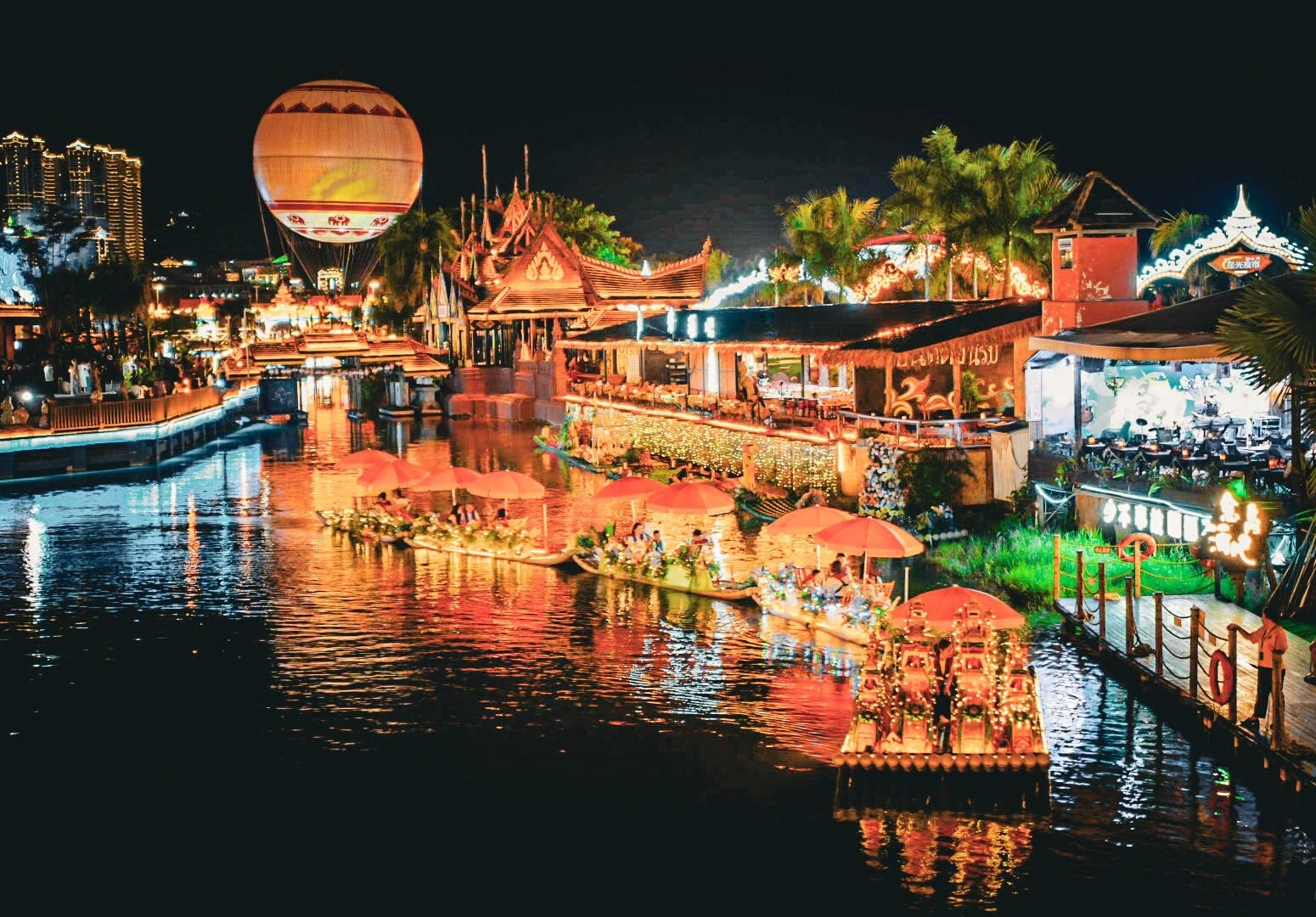
Gaozhuang Xishuangjing (告庄西双景) and Starlight Night Market (星光夜市) are the easiest starting point for most first-time visitors. Hotels, restaurants, night markets, Dai-Thai-style buildings, photo studios, and evening walks are all concentrated in one tourist district.
Go for the lights, food, photos, and lively evening mood, but expect crowds, commercial stalls, and uneven prices in peak periods. It is worth one evening, but it should not define your whole view of Xishuangbanna.

Manting Park (曼听公园) and Zongfo Temple (总佛寺) are the most convenient cultural pair inside Jinghong. Manting Park has tropical plants, water features, and Dai-style buildings, while Zongfo Temple adds a more solemn southern Buddhist setting.
This pair suits a city-based half-day plan. It can feel busy and photo-oriented, but the temple area is still a living religious space, not only a backdrop.
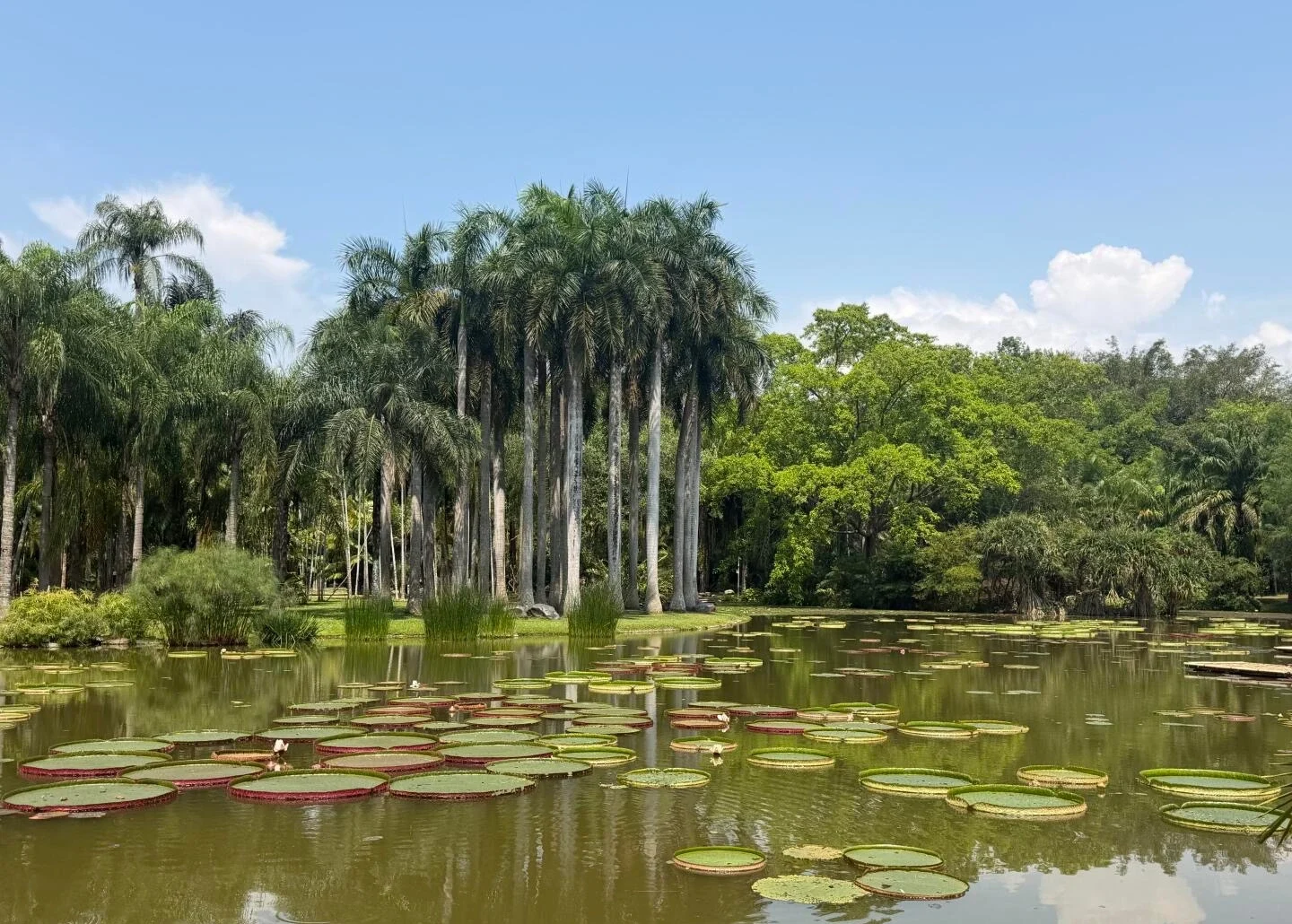
Xishuangbanna Tropical Botanical Garden (中科院西双版纳热带植物园) is one of the region’s strongest nature stops, especially for tropical plants, photography, light education, and family-friendly sightseeing.
The west area is easier and more polished, while the east area feels more natural and rainforest-like. This is not a quick add-on after a full city day. Give it a large half day, or a full day if plants and slower travel matter to you.

Wild Elephant Valley (野象谷) suits families and travelers interested in wildlife and light rainforest scenery. It has boardwalks, viewing areas, and elephant-focused activities.
Seeing wild Asian elephants depends on luck. Many visits focus more on managed activities than true wild encounters, so go with realistic expectations. It fits a 2–4 day trip, especially for families.
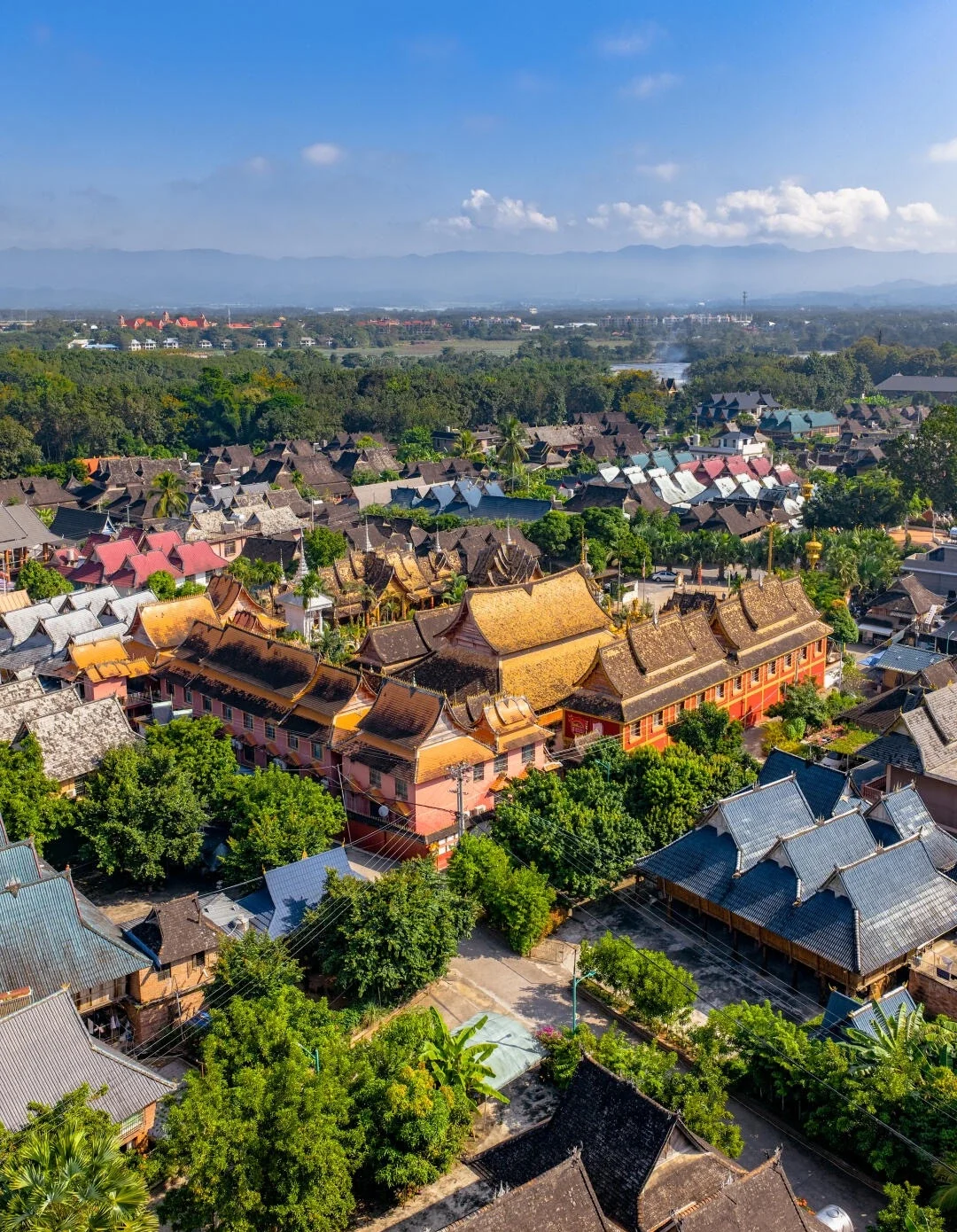
Dai Minority Park (傣族园) is a folk-culture attraction built around Dai villages, local buildings, temples, and water-splashing activities. It suits travelers who want more participation than city sightseeing.
Its value is the village atmosphere, festival-style water splashing, and Dai customs. The trade-off is that parts are scenic-area style and performance-based, not untouched village life. With 3–4 days, it can be a good add-on.

Xishuangbanna Primitive Forest Park (西双版纳原始森林公园) is a convenient half-day choice near Jinghong, with peacock flying shows, forest paths, ethnic performances, and light outdoor activities.
It offers green scenery and performance-based tourism, not deep rainforest exploration. Choose it for an easy short-itinerary stop, not a quiet wilderness experience.

Jino Mountain (基诺山) and related rainforest hiking experiences suit active travelers who want something less city-centered. Check the format before booking, because a scenic village visit is very different from a guided rainforest hike.
Routes may include forest paths, streams, local culture, or light outdoor challenges. This is not a default must-do. Choose it only with enough time, decent fitness, and a reliable operator.
Farther extensions such as Wangtianshu, Mengyuan Wonderland, or border-style routes are best saved for longer trips. They add canopy walks, caves, deeper rainforest, or frontier atmosphere, but require more time and planning.
Do not build a 2–3 day first visit around them unless you have a specific reason. They work better for 4–5 day trips, repeat visitors, photographers, and outdoor travelers.

Xishuangbanna needs more time than it may seem on a map. The main sights are spread out, the weather is hot, and nature areas often need half a day or more.
For most first-time visitors, 3 full days or 3 nights is the safest answer.

For a first trip, build each day around one main theme: city culture, nature or animals, Dai culture, botanical scenery, rainforest hiking, or slow resort time.
Who it’s for: Travelers with limited time who want a quick but meaningful taste of Xishuangbanna.
Route logic: Keep the route simple: one city-and-evening day, then one nature or animal day. Do not add botanical gardens, villages, rainforest hiking, and farther extensions.
Main stops: Day 1 can cover Manting Park, Zongfo Temple, Gaozhuang Xishuangjing, and Starlight Night Market. Day 2 can focus on Wild Elephant Valley or Xishuangbanna Primitive Forest Park.
Why this itinerary works: This gives you the two clearest first impressions: Dai-style city culture and tropical nature. Two days show the surface, but not deeper rainforest areas, village experiences, or a slow botanical garden day.
Who it’s for: Most first-time visitors who want culture, food, nature, and breathing room.
Route logic: Use one day for Jinghong’s city culture and night market, one day for nature or animals, and one flexible day based on your travel style.
Main stops: Day 1 can cover Manting Park, Zongfo Temple, Gaozhuang, and Starlight Night Market. Day 2 can go to Wild Elephant Valley, Xishuangbanna Tropical Botanical Garden, or another nature-focused site. Day 3 can be Dai Minority Park, a forest park visit, rainforest hiking, local markets, or a slower hotel-and-food day.
Why this itinerary works: Three days shows city atmosphere, Dai culture, tropical food, and at least one serious nature experience, while leaving room for heat, rain, family pace, or personal interest.
Who it’s for: Families, photographers, nature lovers, winter-sun travelers, and anyone who wants a slower vacation.
Route logic: Start with the 3-day structure, then add depth: the botanical garden, a village or folk-culture experience, guided rainforest hiking, or a lighter resort day.
Main stops: A 4–5 day trip can include Jinghong city sights, Gaozhuang, one animal or forest experience, Xishuangbanna Tropical Botanical Garden, Dai Minority Park, and one optional deeper extension. With children or older family members, keep one day lighter.
Why this itinerary works: This pace suits Xishuangbanna better than a packed short trip. Heat, distances, and nature sites feel easier when you are not rushing.
Who it’s for: Travelers planning a longer Yunnan route who want more variety than the classic highland circuit.
Route logic: Xishuangbanna does not sit naturally on the same overland line as Kunming, Dali, Lijiang, and Shangri-La. It works better as a southern tropical add-on, often linked through Kunming. If you are still shaping the route, compare your city order with a broader Yunnan Travel Guide.
Main stops: The cleanest short combination is Kunming plus Xishuangbanna. For a longer route, add Xishuangbanna after Kunming, Dali, and Lijiang only if you have at least 8–10 days.
Why this itinerary works: The value is contrast. After old towns, lakes, mountains, and cooler highland air, Xishuangbanna brings tropical plants, Dai culture, night markets, and a slower vacation mood.

The best time to visit Xishuangbanna depends on dry season, rainy season, winter travel, and festival crowds. For most first-time visitors, November to April is the safest choice, though major holidays raise prices and crowds.
The dry season is the best overall time to visit Xishuangbanna. Rain is less frequent, outdoor sightseeing is easier, and the weather feels warm when much of China is cold.
The downside is demand. Winter holidays, Spring Festival, and the Water-Splashing Festival can raise hotel prices and crowd popular areas. If your dates are fixed, book early.
The Water-Splashing Festival (泼水节) is Xishuangbanna’s most famous festival period, with a colorful Dai celebration atmosphere.
It is also one of the least relaxing times to visit. Hotels sell out early, prices rise, traffic gets busier, and crowds are heavy. Bring waterproof phone protection, spare clothes, and respect local rules.
The rainy season is hotter, wetter, and more humid. Afternoon showers are common, mosquitoes are more active, and outdoor plans may need adjustment. It is the hardest period if you dislike heat or sticky weather.
The upside is greener rainforest, cheaper fruit, lighter crowds outside school holidays, and better hotel value. Choose this season only if you can stay flexible and do not expect every day to be dry.
Winter is one of Xishuangbanna’s strongest travel periods because it offers warm weather when much of China is cold. It suits travelers looking for winter sun, tropical fruit, and easy outdoor time.
The trade-off is demand, especially around Spring Festival and school holidays. Book early if you want a good location or family-friendly stay.

Xishuangbanna is easier to reach than many travelers expect, especially from Kunming. The best option depends on your starting point, time, and route.
Flying is the fastest option from distant Chinese cities or for short trips. Xishuangbanna Gasa International Airport (西双版纳嘎洒国际机场) is close to Jinghong and the main tourist areas, so arrival is usually straightforward.
The main drawbacks are higher peak-season prices, changing flight schedules, and late arrivals that can make the first evening less useful.
Train is one of the most practical ways to reach Xishuangbanna from Kunming. Since the China-Laos Railway opened, the route has become much easier, usually taking around 3.5–4 hours depending on the service.
Choose the train if you are already in Kunming or building a multi-city Yunnan route. It is usually more predictable than a long road transfer and often simpler than flying once you include airport time.
Road travel works best from nearby places such as Pu’er, or for deeper southern Yunnan routes. A car also helps with farther scenic areas that are less convenient by public transport.
For most first-time international travelers, self-driving should not be the default. You need to handle Chinese navigation, parking, road rules, mountain sections, and peak-season traffic. A private car or organized transfer is usually easier for far sights.
If time is short, fly when prices and schedules make sense. From Kunming, the train is usually the best balance of time, cost, and comfort.
From Dali or Lijiang, do not assume Xishuangbanna is a simple next stop by road. Connecting through Kunming or redesigning the route often makes more sense.
Getting around Jinghong is easy, but farther sights need more planning. Choose transport by distance, group size, and flexibility.
Route Type | Best Way | What to Know |
|---|---|---|
Airport / train station to city | Taxi / ride-hailing / shuttle | Transfers to Jinghong or Gaozhuang are usually simple. Use official taxis, ride-hailing, or known shuttles, and avoid random black-car offers. |
Inside Gaozhuang / central Jinghong | Walking / ride-hailing / e-bike | Gaozhuang is good for walking at night. E-bikes help with short trips, but ride carefully in traffic and crowds. |
City sights | Taxi / ride-hailing | Parks, temples, markets, and riverside areas are usually easy to reach by short rides from the main tourist zones. |
Major nature sights | Shuttle / private car / day tour | Wild Elephant Valley, the botanical garden, Dai villages, and forest parks need planning. Check shuttles or arrange transport ahead. |
Farther extensions | Private car / guided tour / self-drive | Distant rainforest, cave, canopy-walk, or border-style trips are not ideal by casual public transport. |
Families / older travelers | Private car | A car saves energy, reduces waiting, and helps adjust the day around heat, meals, and rest. |
Budget travelers | Shuttle + taxi | This can work well, but it is less flexible. Build your day around shuttle times, not just map distance. |
For a first trip, walk or use ride-hailing inside Jinghong, then use shuttles, day tours, or a private car for farther sights.

For most first-time visitors, convenience matters more than a pretty hotel photo. Choose your base by evening plans, transport access, noise tolerance, and how often you will leave the city.
Gaozhuang Xishuangjing and the Starlight Night Market area are the easiest base for most first-time visitors. Hotels, restaurants, photo studios, night markets, shops, taxis, and evening walks are all close by.
The trade-off is comfort. It can be noisy, crowded, commercial, and expensive during holidays or winter peaks. Stay here for convenience and nightlife, but choose carefully if you need quiet sleep.
Central Jinghong works better if you want better value, a more local feel, and calmer nights. It suits travelers who care more about everyday food and shorter city rides than staying beside the most photogenic night market.
You can still reach Gaozhuang by a short taxi ride. This area suits budget-conscious travelers and people who prefer function over tourist-zone atmosphere.
Resort-style and quieter hotel areas suit families, couples, and travelers who want pools, space, better facilities, or a slower holiday mood.
The downside is convenience. You may need taxis or private cars for meals, night markets, and day trips. Choose this style only if you plan to spend real time at the hotel.
Staying near a major scenic area only makes sense for a clear purpose, such as a botanical garden night tour, early photography, or a slower nature-focused visit.
For a normal first-time trip, do not use it as your main base. Dining, transport, and evening options are limited.

Xishuangbanna food feels very different from the cooler highland flavors of Dali or Lijiang. Expect sour, spicy, grilled, herbal, and refreshing Dai-style dishes, plus tropical fruit and Southeast Asian influence.
For a first trip, start with grilled fish, pineapple rice, fruit, and Paoluda before trying stronger sour-spicy dishes. Be careful with raw items, heavy chili, and busy night-market stalls if your stomach is sensitive. For a deeper food plan, use a separate What to Eat in Xishuangbanna guide.
Xishuangbanna is not always expensive, but costs change quickly by season, location, and travel style, especially around major holidays and Gaozhuang.
Travel Style | What It Usually Looks Like | Rough Daily Cost |
|---|---|---|
Budget | Simple guesthouse, local meals, shuttle/taxi mix | Around RMB 300–500 |
Mid-range | Comfortable hotel, main sights, normal meals | Around RMB 500–800 |
Comfortable | Better hotel, private car for some routes, paid experiences | Around RMB 800–1,200 |
Premium | Resort hotel, private car, custom experiences | Usually RMB 1,200+ |
What changes the budget most:
Xishuangbanna is easier when you plan around heat, distance, and tourist-zone reality.


Discover China’s Eight Great Ancient Capitals, including Xi’an, Beijing, and Luoyang, rich in history, cultural heritage, and iconic landmarks.

Discover how to stay connected in China with SIM cards or eSIMs. Compare options, costs, pros, and find the best fit for your travel needs.

The Great Wall stretches over 21,000 km across China, built across centuries by different dynasties. Learn the history and facts behind its full length.

China officially uses only one time zone—UTC+8 Beijing Time—even though its territory spans five geographical time zones across the country.

Compare Badaling, Mutianyu, Jinshanling and Simatai. See transport options, half-day vs full-day plans, and the easiest way to visit from Beijing.

Discover the best citywalk experience in Shanghai, where modern skyscrapers meet historic streets, vibrant neighborhoods, and scenic waterfronts.


