

Field | Quick Take |
|---|---|
Chinese name | Yellow Crane Tower (黄鹤楼) |
Location | Wuchang District, central Wuhan, near the Wuhan Yangtze River Bridge |
Scenic area type | Urban cultural landmark, historic-style tower, city viewpoint |
Main experience | Tower views, Yangtze River scenery, poetry culture, photos, park walk |
Best visit length | 2–3 hours for most first-time visitors |
Booking needed | Recommended, especially for weekends and holidays |
Main costs | Day ticket, night ticket, guide, audio guide, transport |
Best for | First-time Wuhan visitors, culture travelers, photographers, families |
Main challenge | Crowds, stairs, weather, visibility, reconstructed-building expectations |
Weather, crowds, and expectations shape the visit. Treat it as a cultural landmark and viewpoint, not an untouched ancient structure.
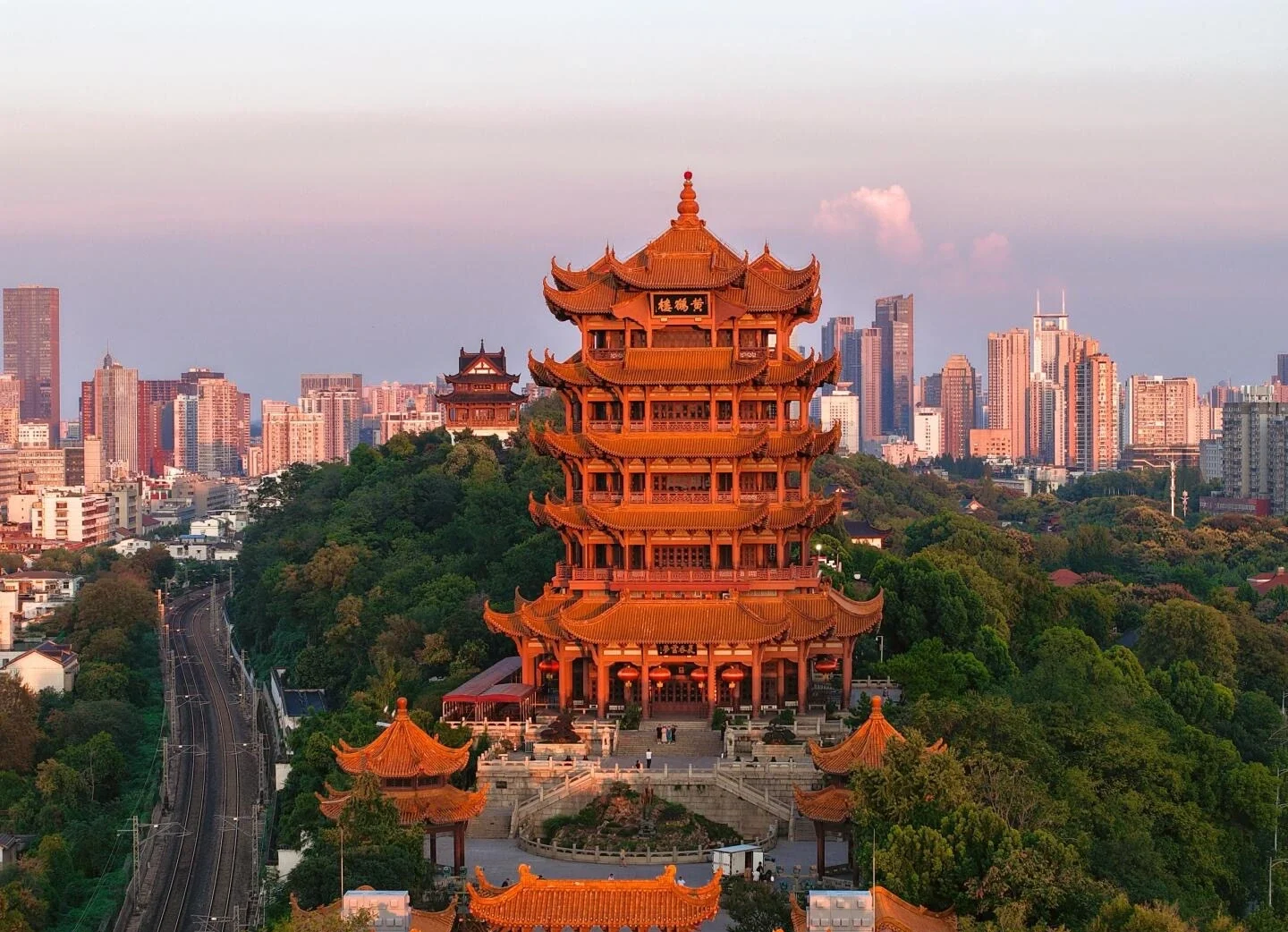
Yellow Crane Tower is worth visiting for most first-time Wuhan travelers who want a city symbol, poetry landmark, and Yangtze River viewpoint. I would not visit it expecting an untouched ancient tower; I would visit it for the view, the cultural weight, and the feeling of standing above the Yangtze River.
You are visiting Wuhan for the first time and want its most famous landmark.
You are interested in classical poetry, historic towers, Yangtze River culture, or city views.
You enjoy landmark photography.
You have 2–3 hours and want a simple sightseeing plan.
You accept that the current tower is a modern reconstruction.
You only enjoy original ancient buildings.
You have little interest in poetry, history, city symbols, views, or cultural atmosphere.
You strongly dislike holiday crowds, queues, and busy photo spots.
The weather is rainy, hazy, or unclear.
You have very limited time and stronger priorities in Wuhan.
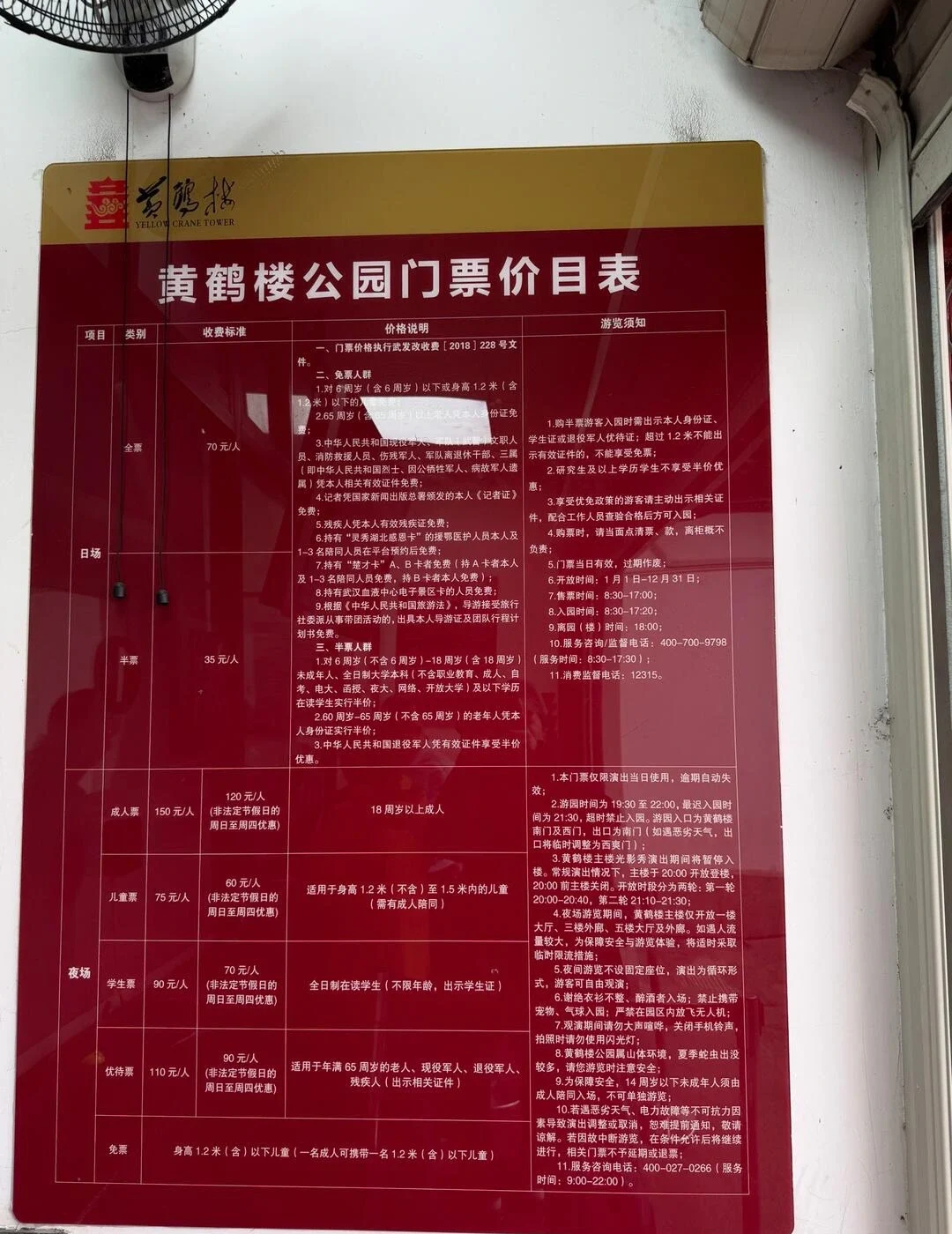
Yellow Crane Tower is easy to visit, but choose day or night first. For most first-time visitors, daytime is the standard choice because it gives clearer tower details and city views.
Yellow Crane Tower Scenic Area is more than the main tower. For a first visit, focus on the tower, city view, one or two cultural stops, and the best photo angle.
Area / Experience | Best For | Time Needed | Difficulty | Extra Cost? | First-Time Priority |
|---|---|---|---|---|---|
Main Tower | First-time visitors, city views, landmark photos | 45–90 minutes | Stairs; elevator may be limited or crowded | Included in day ticket | Highest |
Baiyun Pavilion | Photographers, full-tower views, quieter angle | 20–30 minutes | Some uphill walking | Included | High for photos |
Poetry and Stone Inscription Areas | Culture travelers, poetry and calligraphy interest | 15–25 minutes | Easy walking | Included | Medium |
Yue Fei Square / Historical Stops | History interest, families, quick cultural stop | 10–15 minutes | Easy | Included | Medium |
Garden / Goose Pond Areas | Light walking, short rest, calmer park feel | 10–20 minutes | Easy | Included | Low |
Night Tour of Yellow Crane Tower | Light shows, night atmosphere, repeat visitors | 1.5–2 hours | Night walking on a set route | Separate ticket | Optional |
The main tower is the core experience. It is a modern reconstructed historic-style tower, but it gives the classic panorama: the Yangtze River, Wuhan Yangtze River Bridge, and the city from above.
Make this the first priority. Allow 45–90 minutes, depending on queues and photo time. The main limits are stairs, crowds, and weather. From my experience, the tower feels much more worthwhile on a clear day, when the Yangtze River view opens up instead of disappearing into haze. If you visit only one place inside the park, make it this one.
Baiyun Pavilion is one of the better places to photograph the main tower from a distance, with a fuller view of its shape, setting, and greenery.
It suits photographers or visitors with at least two hours. Plan 20–30 minutes. Skip it on a quick visit, but include it on a clear day if you want better photos.
The poetry and inscription areas add cultural depth, especially if you care about classical Chinese poetry and calligraphy.
They suit culture-focused travelers, but should not dominate a first visit. Allow 15–25 minutes. Casual visitors may get limited value without context or a guide, so treat this as a cultural layer.
Yue Fei Square and similar stops work best as short add-ons. They add historical texture without a long detour.
They suit families, history-minded visitors, or travelers who want more than tower photos. Allow 10–15 minutes if nearby. If time is short, skip it.
The garden and pond areas give the scenic area a calmer park feeling. They are useful for resting or adding a softer contrast after the main tower.
They suit families, older travelers, and anyone wanting a quieter pause. Allow 10–20 minutes. They are easy to walk, but not a main reason to buy a ticket. Skip them if you only have one hour.
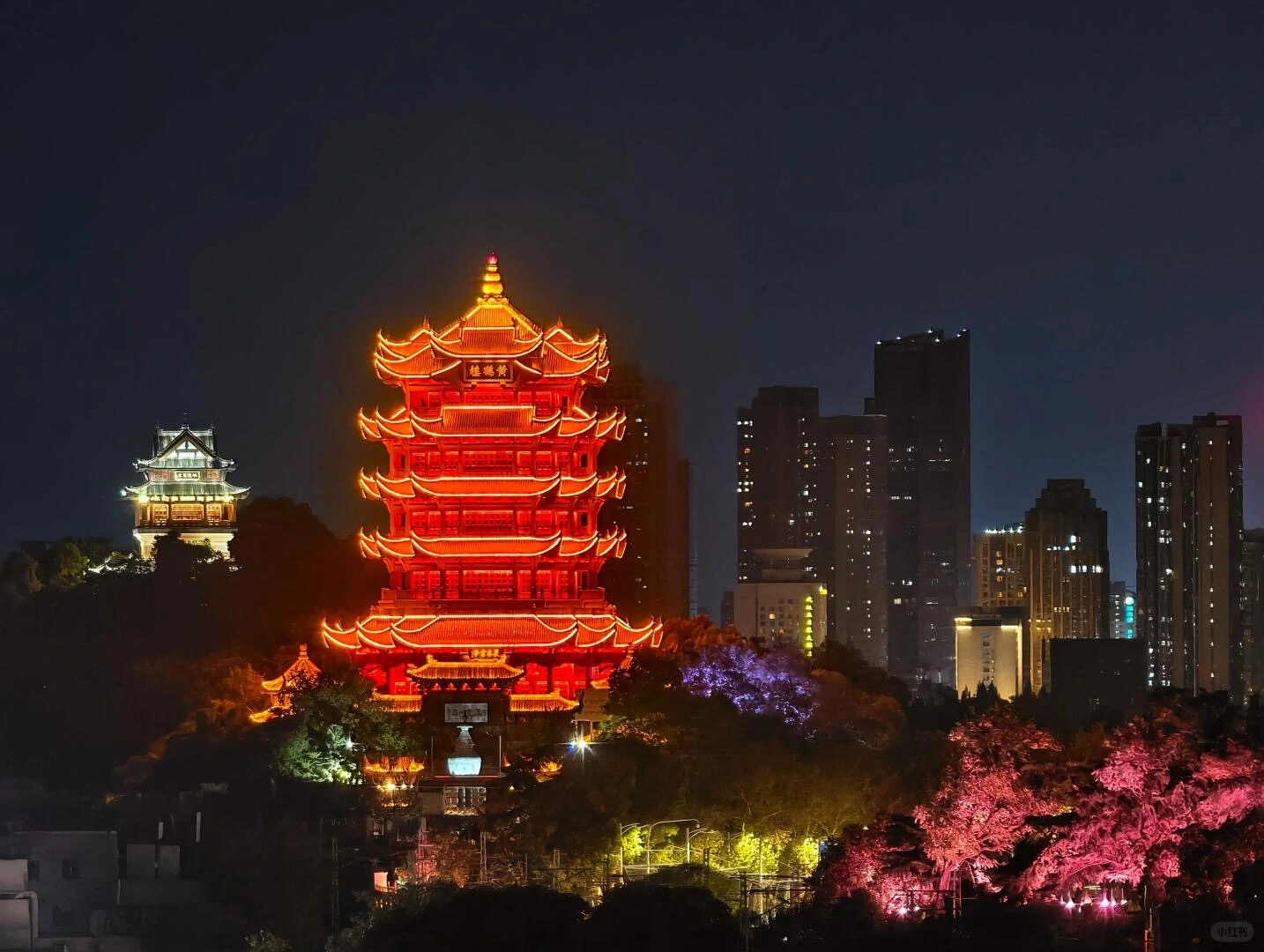
The night tour is a separate experience focused on lighting, atmosphere, and staged visual effects.
It suits travelers who like light shows, night photography, or performance-style visits. Plan 1.5–2 hours, with a separate ticket. Choose daytime for clearer views; choose night for mood.

Yellow Crane Tower does not need a full day, but rushing it during peak crowds works poorly. In practice, 2–3 hours feels like the best balance: enough time for the tower, one good photo angle, and a few cultural stops without dragging the visit out.
A good Yellow Crane Tower visit should match your time, crowd tolerance, and interest in culture. For most visitors, keep it simple: main tower first, then add one viewpoint or cultural stop if time allows.
Who it’s for:
Travelers in transit or visitors with very limited time.
Route logic:
Keep the visit focused on the main tower.
Main structure:
Enter the park, go directly to the main tower, climb for the city and Yangtze River views, take photos, then exit.
Why this route works:
It gives you the most recognizable experience in the shortest time.
Main risk:
If the tower is crowded, the ticket value can feel weak. Avoid this route during holiday peaks.
Who it’s for:
Most first-time visitors who want the tower, views, photos, and light cultural context.
Route logic:
Build around the main tower, then add one strong viewpoint and one or two cultural or garden stops.
Main structure:
Start with the main tower. After the view, continue to a photo angle, then add selected displays, inscriptions, or garden areas based on interest and crowd level.
Why this route works:
It covers the core value without making the visit feel padded.
Main risk:
Bad visibility and heavy crowds can weaken both the view and photo stops.
Who it’s for:
Travelers interested in poetry, calligraphy, history, photography, or softer afternoon light.
Route logic:
Slow down and leave time for tower interiors, inscriptions, wider views, and cleaner photo angles.
Main structure:
Visit in the afternoon if weather is clear. Spend more time inside the tower, add a full-tower photo angle, and walk through selected cultural areas. Treat the night tour as a separate add-on.
Why this route works:
The tower is more rewarding when you connect the view, poetry, and city setting.
Main risk:
Haze, rain, or heavy crowds can make a longer visit feel less worthwhile.

The best time to visit Yellow Crane Tower depends more on visibility, light, and crowds than season. A clear weekday afternoon often beats a famous holiday date.
Spring and autumn are the most comfortable seasons. Walking feels easier, and clear days give better tower views. Summer can be hot and humid; winter is colder but usually less crowded. For a smoother visit, choose a clear weekday outside school holidays and major public holidays.
Near opening is usually quietest. Before 9:00, crowds are lighter and the park feels easier to move through. After 15:00 also works well: tour groups thin out, the light is softer, and sunset views may be stronger. If I had to choose one practical time slot, I would avoid 10:00–14:00 and aim for late afternoon on a clear day.
The night visit is a separate experience focused on lighting, atmosphere, and visual storytelling. It can be worth it if you like light shows and night photos. For clear building details and city views, daytime is safer.
May Day, National Day, Spring Festival, summer weekends, and busy periods bring ticket pressure, long lines, tower queues, and crowded photo spots. If you must visit then, book early and enter off-peak.
Subway is usually the best way to reach Yellow Crane Tower. Aim for Simenkou & Yellow Crane Tower Station (司门口黄鹤楼站) on Line 5.
Transport | Best For | Rough Time | Rough Cost | Pros | Cons |
|---|---|---|---|---|---|
Subway | Most visitors | 20–30 minutes from central Wuhan areas | RMB 3–5 | Reliable, cheap, avoids traffic | Short walk required |
Bus | Budget travelers near a direct route | Depends on traffic | Around RMB 2 | Many routes stop near the scenic area | Slower and harder for first-time visitors to navigate |
Taxi / ride-hailing | Families, bad weather, hotel-to-gate convenience | 15–35 minutes from many central areas | Often RMB 20–40 from nearby city areas | Door-to-door and easier with children or luggage | Traffic can be bad near the tower on holidays |
Self-driving | Visitors with a special route or local driving confidence | Unstable during peaks | Parking fee varies | Flexible timing | Parking is limited and stressful on busy days |
From Wuhan Railway Station | High-speed rail arrivals | About 50–60 minutes by subway | Around RMB 7 | Reliable subway transfer | Longer ride across the city |
From Hankou Railway Station | Train arrivals from Hankou side | About 40–50 minutes by subway | Around RMB 5–6 | Clear subway connection | Requires transfer |
From Wuchang Railway Station | Closest major railway station | 15–30 minutes by taxi or bus | Bus RMB 2; taxi often around RMB 15+ | Shortest station transfer | Road traffic can slow buses |
From Tianhe Airport | Flight arrivals | About 1.5 hours by subway; about 1 hour by taxi off-peak | Subway RMB 7–8; taxi often RMB 100+ | Subway is cheaper; taxi is easier | Long transfer either way |
Use map apps to navigate to a specific entrance, such as the south gate or east gate, not just “Yellow Crane Tower.” During holidays, subway is usually the safest choice.
From my experience, Yellow Crane Tower is easy to enjoy if you keep the visit simple: book ahead on busy dates, choose a clear day, avoid peak crowds, and focus on the main tower view instead of trying to cover every small stop.
Book online before busy dates: Weekends and holidays can bring long lines or sold-out slots. Use the official channel when possible.
Go after 15:00 if you can: Crowds may thin, the light is softer, and you can still enjoy the view before evening.
Check visibility, not just rain: Haze, fog, or heavy rain can make the climb feel less worthwhile.
Use a guide only if you care about culture: A guide or audio guide helps with poetry and history. If you only want photos and views, skip it.
Treat the night visit as separate: It is more about light shows and atmosphere.
Avoid peak midday on holidays: May Day, National Day, Spring Festival, and summer weekends can make the tower crowded. Go early or late.
Plan carefully with older travelers or children: The park has slopes and stairs, and elevator access may be inconvenient during busy times.
Wear comfortable shoes: The scenic area sits on a hill, so expect walking, slopes, and stairs.
Use photo spots outside the main tower: The red wall near the subway exit and Baiyun Pavilion can give better full-tower photos.
Do not leave after one quick tower photo if you have time: Add one viewpoint or cultural stop.
Keep nearby stops optional: Hubu Alley, Wuhan Yangtze River Bridge, and Tanhualin pair well, but do not force them if the tower visit runs long.
Manage spending expectations: Food, souvenirs, guides, and night tickets can add up.

Find the best area to stay in Wuxi for first-time visits, city sightseeing, Taihu leisure stays, cultural walks, and practical rail stopovers.

Discover Guilin in 5 days—Li River cruise, karst caves, Longji Rice Terraces, and Yangshuo’s countryside for the best of China’s scenic beauty.

Many common apps don’t work in China without a VPN. Learn which apps are blocked and what travelers should prepare before arrival.

Discover what to eat in Guilin, from rice noodles and beer fish to oil tea, local snacks, prices, areas, and ordering tips.

Shenzhen, in Guangdong Province, China, borders Hong Kong to the south, faces the South China Sea, and is a global tech and trade hub with vibrant growth.

A warm, steady 2026 forecast for people born in 1949, covering career, wealth, relationships, health, and practical guidance for a stable, fulfilling year.


