
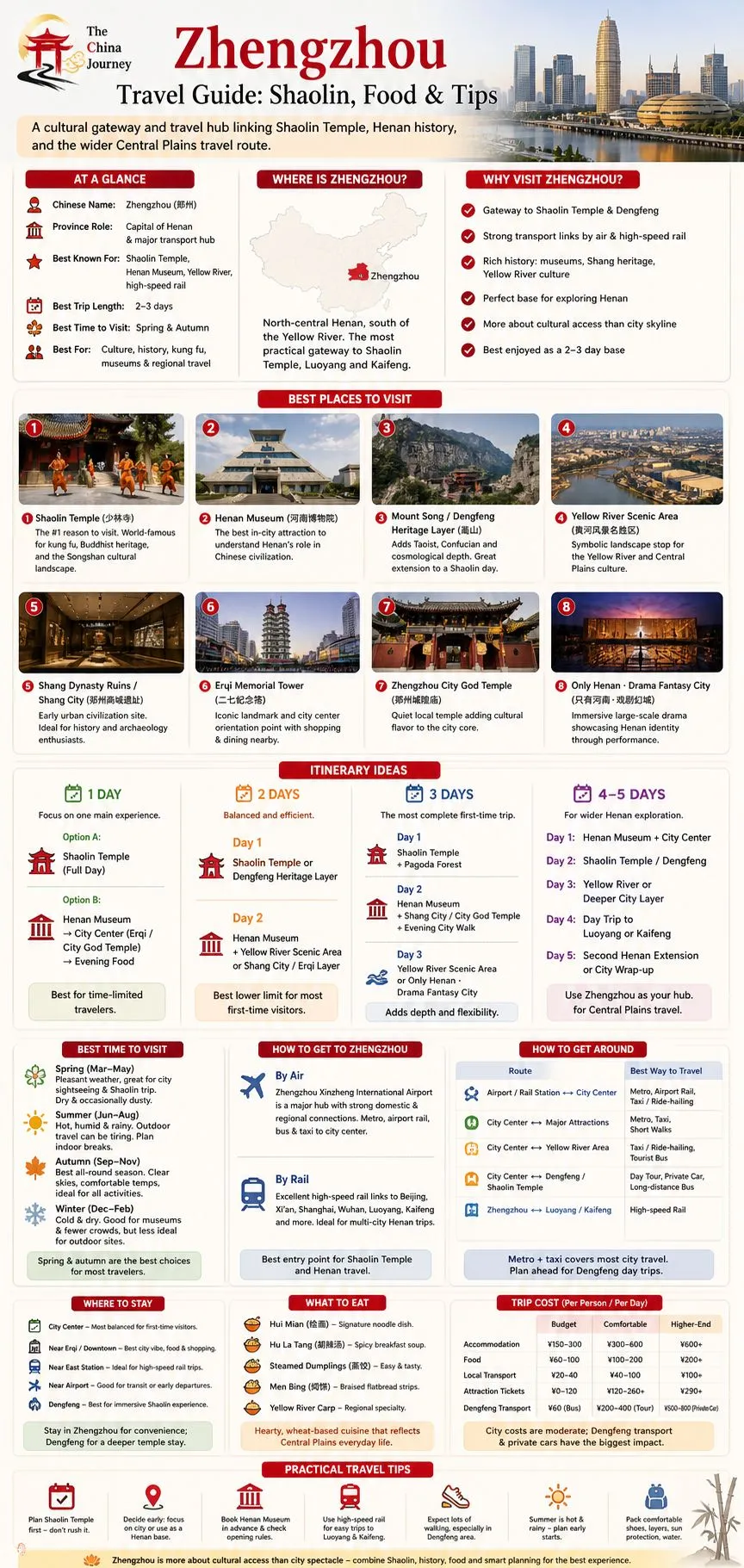
Zhengzhou is best understood as a cultural gateway and travel hub rather than a stand-alone city-break destination. Its main value lies in linking Shaolin Temple, Henan history, and the wider Central Plains travel circuit, not in offering a dense cluster of must-see city sights on its own.
This guide helps you decide whether Zhengzhou is worth a dedicated stop, how many days to stay, what to prioritize between the city and Dengfeng, and how to fit it into a broader Henan trip without wasting time or missing the parts that matter most.
Field | Quick Take |
|---|---|
Chinese name | Zhengzhou (郑州) |
Province role | Capital of Henan and one of central China’s major transport hubs |
Best first-time role | Gateway to Shaolin Temple and a reliable base for a wider Henan trip |
Best known for | Shaolin Temple, Henan Museum, Yellow River access, and high-speed rail connectivity |
Best trip length | 2–3 days is the safest first-trip length |
Best time to visit | Spring and autumn are usually the most comfortable |
Best for | Travelers interested in kung fu culture, history, museums, and regional route-building |
Travel style | Arrive by air or rail, stay central, then combine city culture with a Dengfeng day trip |
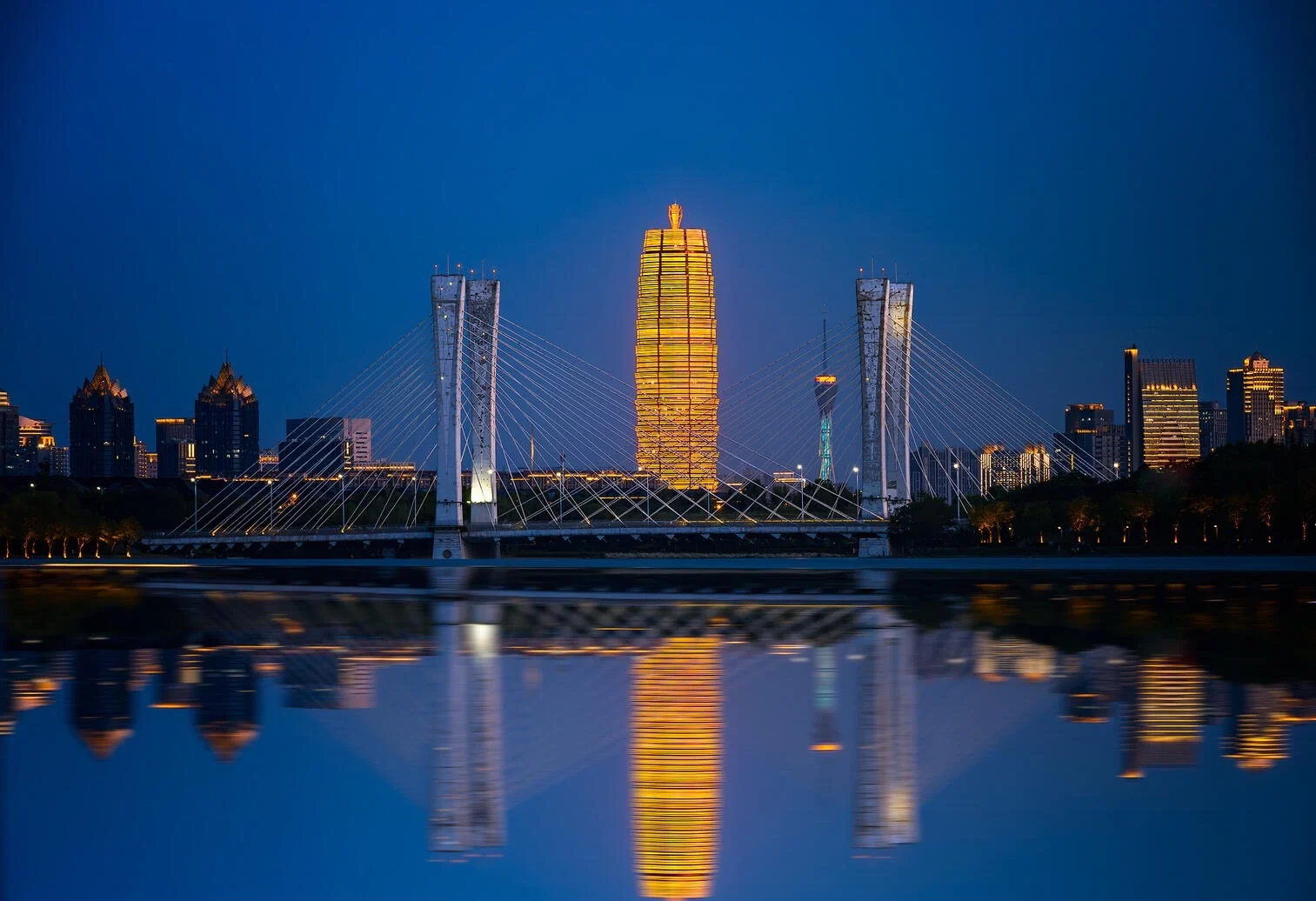
Zhengzhou sits in north-central Henan on the southern side of the Yellow River and works best as a gateway city rather than a stand-alone urban showpiece. As the provincial capital and one of China’s major rail and air hubs, it is the most practical starting point for reaching Shaolin Temple, Mount Song, Luoyang, and Kaifeng. For most travelers on a first trip, its real strength is how efficiently it opens up Henan’s core cultural route.
Best used as the main gateway to Shaolin Temple and Dengfeng, not just as a generic arrival city.
Strongest as a Henan route base, especially for combining Zhengzhou with Luoyang and Kaifeng.
Most useful for travelers who want one city that combines transport efficiency with real cultural depth.
Worth visiting for Henan Museum and Yellow River context, even though the city itself is not the province’s most atmospheric stop.
Better at giving historical access and route convenience than at delivering a high-impact skyline or old-city experience.
Works best when understood as the entry point to Central Plains culture rather than as a top-tier city-break destination on its own.
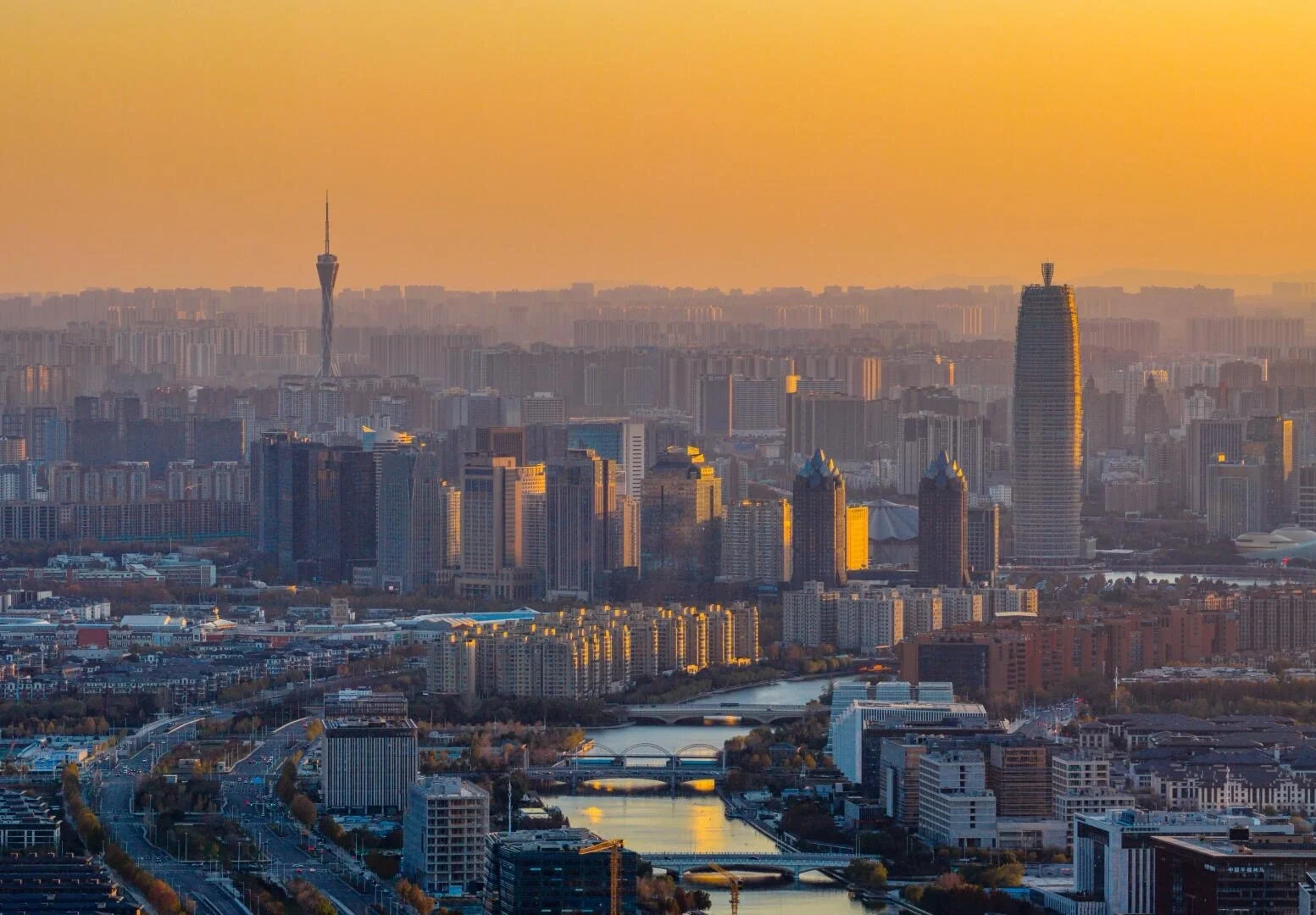
Zhengzhou is strongest for travelers who understand it as a gateway city with real cultural value, not as a city that wins through a dense urban sightseeing core. It is strongest when used to access Shaolin Temple, structure a wider Henan journey, and add one or two solid city-based history stops such as Henan Museum. If your travel style is route-aware, culture-led, and practical, Zhengzhou can be a very good fit.
Travelers who want to visit Shaolin Temple without overcomplicating logistics.
People building a wider Henan route that may also include Luoyang and Kaifeng.
Visitors interested in early Chinese civilization, museum depth, and Central Plains history.
Travelers who are comfortable using one city as a base rather than expecting the city itself to do everything.
People who value transport efficiency, clear trip structure, and practical first-time planning.
Travelers who like combining one major heritage day trip with one slower city-history day.
You want a city whose urban core alone justifies the whole trip.
You expect a highly atmospheric old city or a skyline-driven modern destination.
You only want places with dense, walkable, high-impact sights from morning to night.
You are not interested in Shaolin Temple, museums, or broader Henan history.
You prefer destinations where almost all highlights sit inside the city center.
You want a softer, more leisure-oriented city break rather than a culture-led regional stop
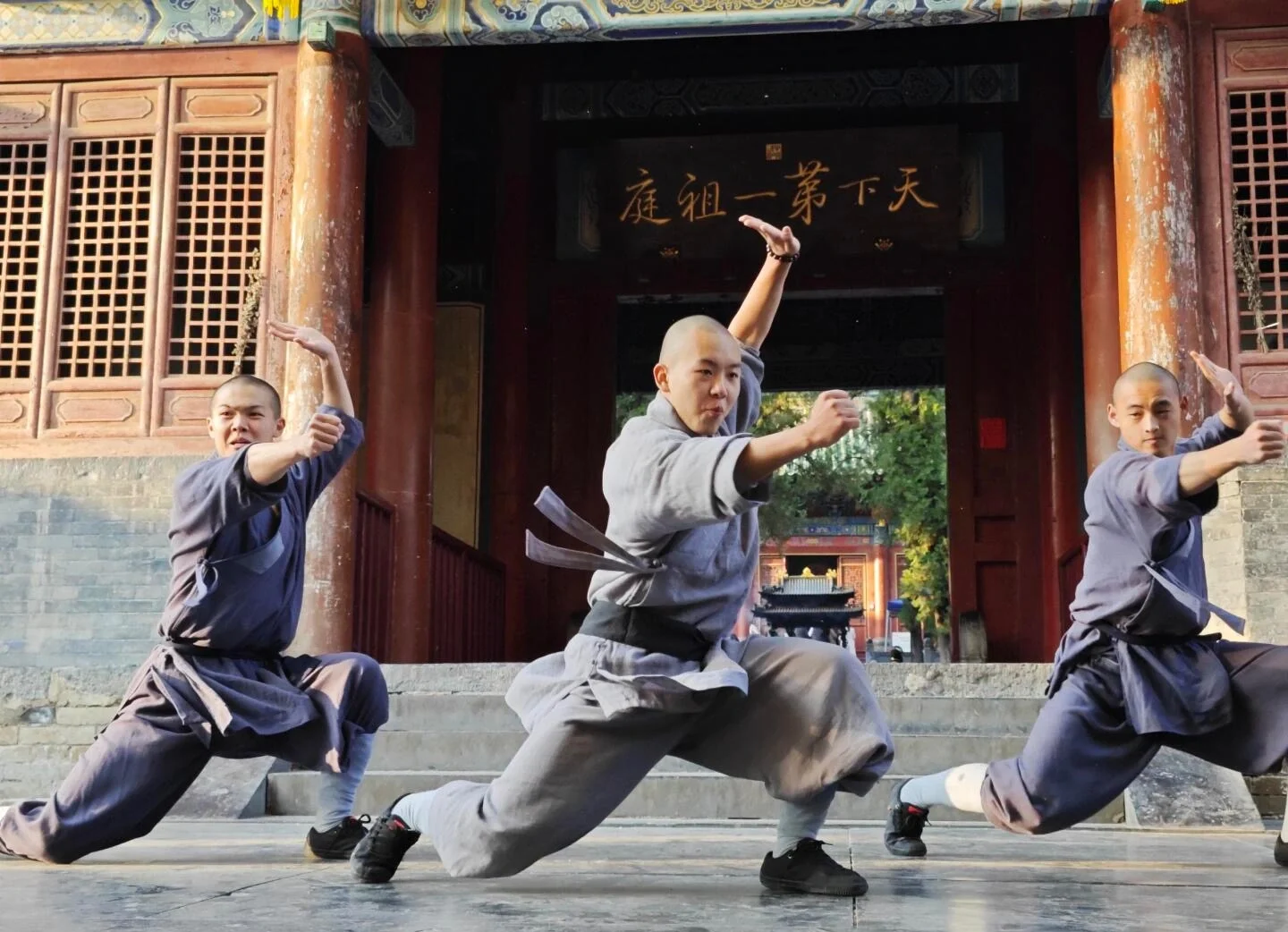
Shaolin Temple is the single most important reason most travelers include Zhengzhou in a trip. It is worth visiting because it combines global name recognition, Buddhist heritage, martial-arts identity, and the broader Songshan cultural landscape in one place. It suits new visitors, culture travelers, and anyone interested in kung fu, religion, or iconic Chinese heritage. In route terms, this is the highest-priority stop and the main anchor of the Zhengzhou section; if time is limited, protect this first and drop secondary city sights before dropping Shaolin.

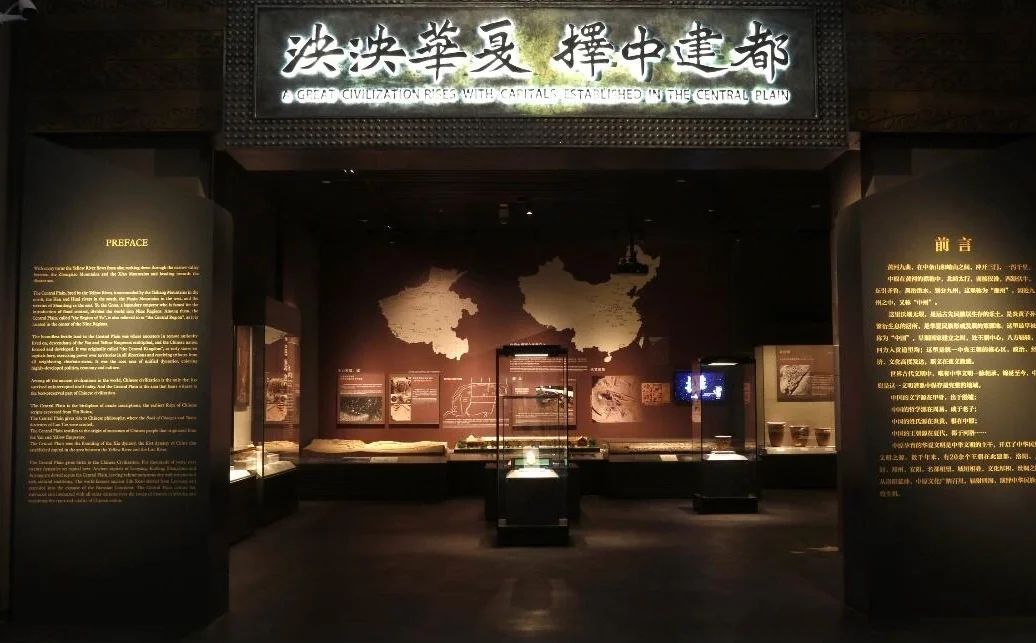
Henan Museum is Zhengzhou’s clearest city-core attraction and the best place to understand why Henan matters in Chinese civilization. It is worth visiting because it turns Zhengzhou from a pure transport base into a meaningful historical stop. It suits museum-oriented travelers, history readers, and anyone who wants more than a quick Shaolin transfer. In route terms, this is the top in-city priority and the clearest companion to a Shaolin day; if you only choose one city attraction, this should be it.

This heritage layer is what gives the Zhengzhou area depth beyond Shaolin Temple alone. It is worth visiting because it adds Taoist, Confucian, and cosmological significance, making the region feel broader and more complete. It suits travelers with a strong interest in sacred mountains, Chinese philosophy, and UNESCO-style cultural landscapes rather than single monuments alone. In route terms, this is the best way to deepen a Shaolin day or justify a second heritage-focused day, and it ranks above most minor city stops if you want richer cultural context.
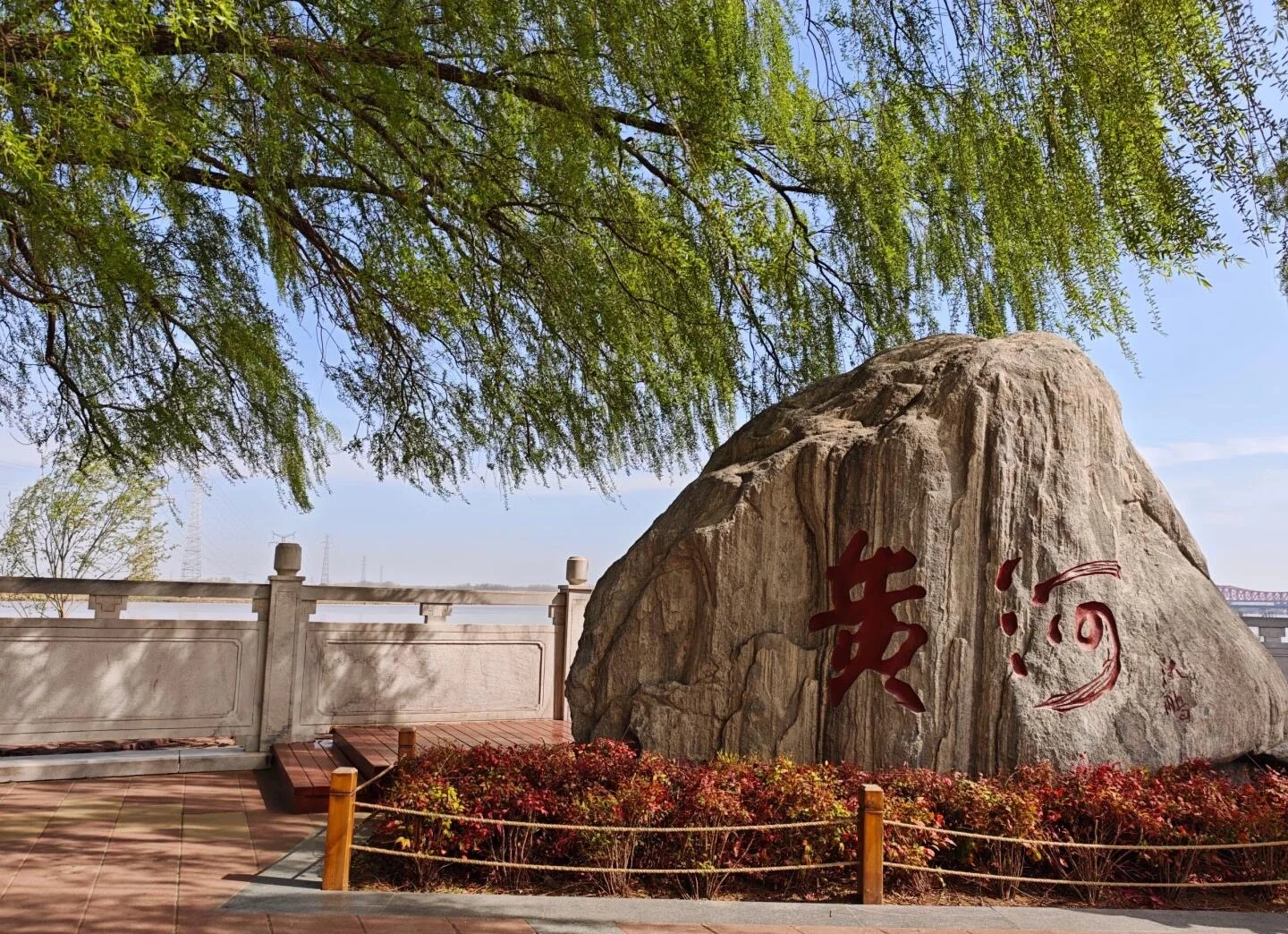
The Yellow River Scenic Area is Zhengzhou’s clearest symbolic landscape stop. It is worth visiting because it adds national-historical meaning and a stronger sense of Central Plains geography, even if it is not the city’s most detailed or atmospheric site. It suits travelers interested in civilizational symbolism, major rivers, and broader Chinese historical imagination rather than only architecture. In route terms, this is a secondary add-on rather than a core first priority, and it works best after Shaolin Temple and Henan Museum are already secured.
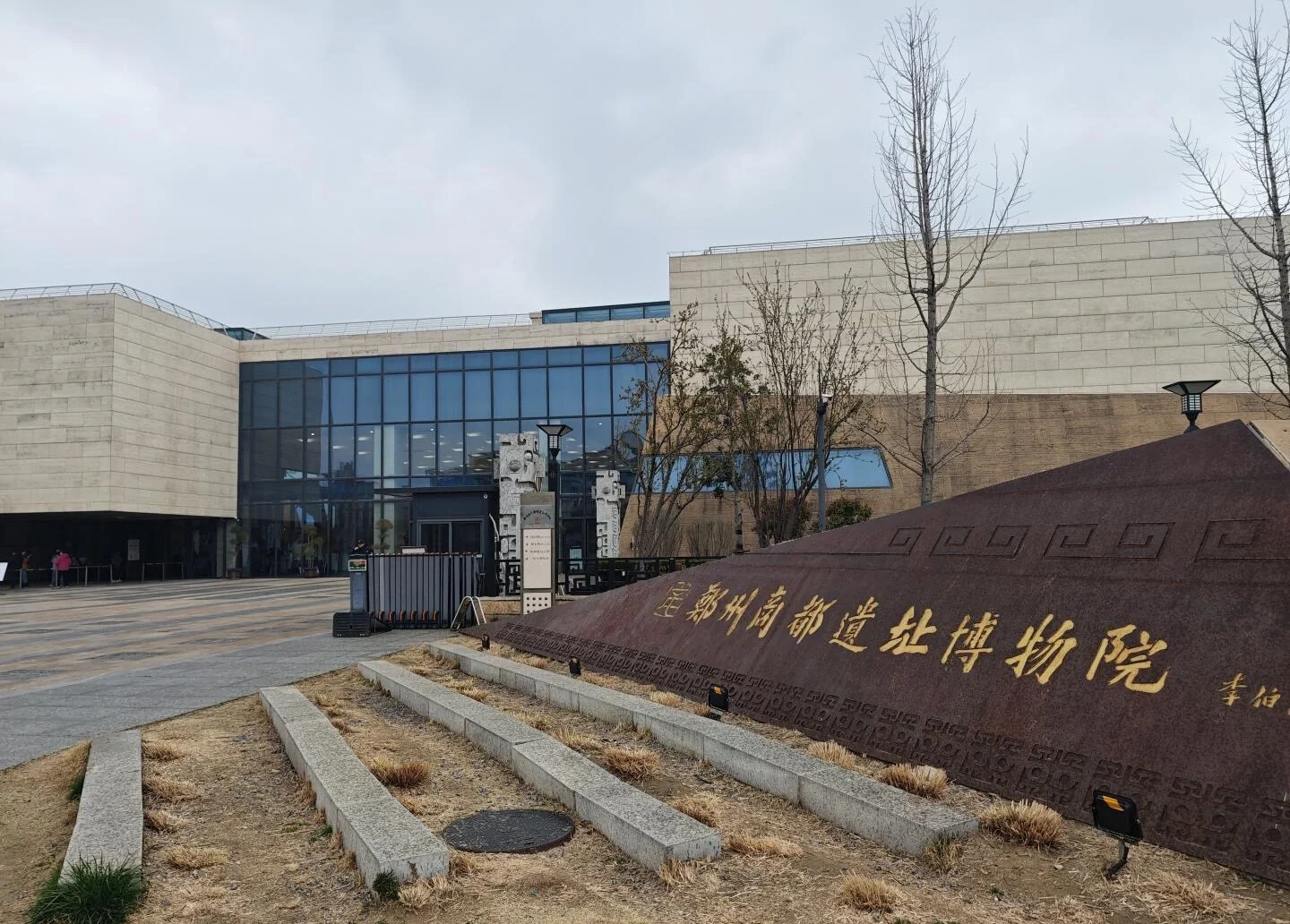
This is one of Zhengzhou’s most important deep-history assets, even if it is not its most visually dramatic stop. It is worth visiting because it ties the city to very early urban civilization rather than only to modern transport logic. It suits archaeology-minded travelers, serious history visitors, and people who value significance over spectacle. In route terms, this is a specialist-interest stop rather than a default essential, and it fits best after the major first-tier sites are already covered.

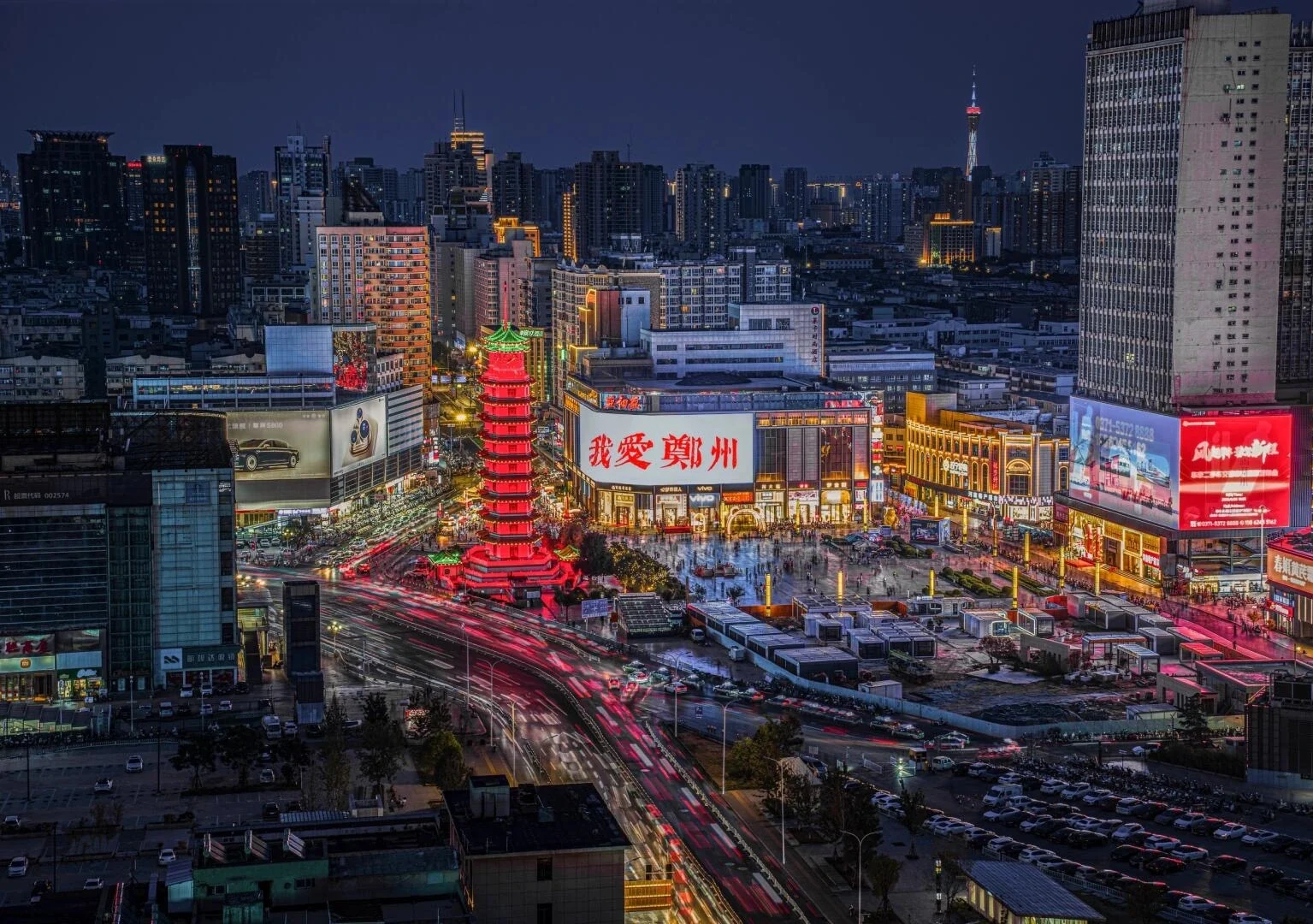
Erqi Memorial Tower is best understood as a city landmark and orientation point rather than a major stand-alone attraction. It is worth visiting because it gives you a quick read on central Zhengzhou, modern urban rhythm, and the city’s revolutionary memory, while also connecting easily with shopping and everyday movement. It suits first-time visitors who want to see the symbolic city center without spending too much time. In route terms, this is a short urban add-on rather than a destination-defining stop, and it works best on arrival day or evening city time.

This stop is worth visiting because it adds a quieter local religious dimension inside the city and softens Zhengzhou’s more functional modern character. It suits travelers who like temple architecture, local ritual space, and shorter city-core culture stops that do not require a full museum block. In route terms, this is a supporting heritage stop rather than a headline attraction. It makes sense when paired with older-city walks or nearby central areas, but it should usually come after Henan Museum and before only the lowest-priority filler stops.

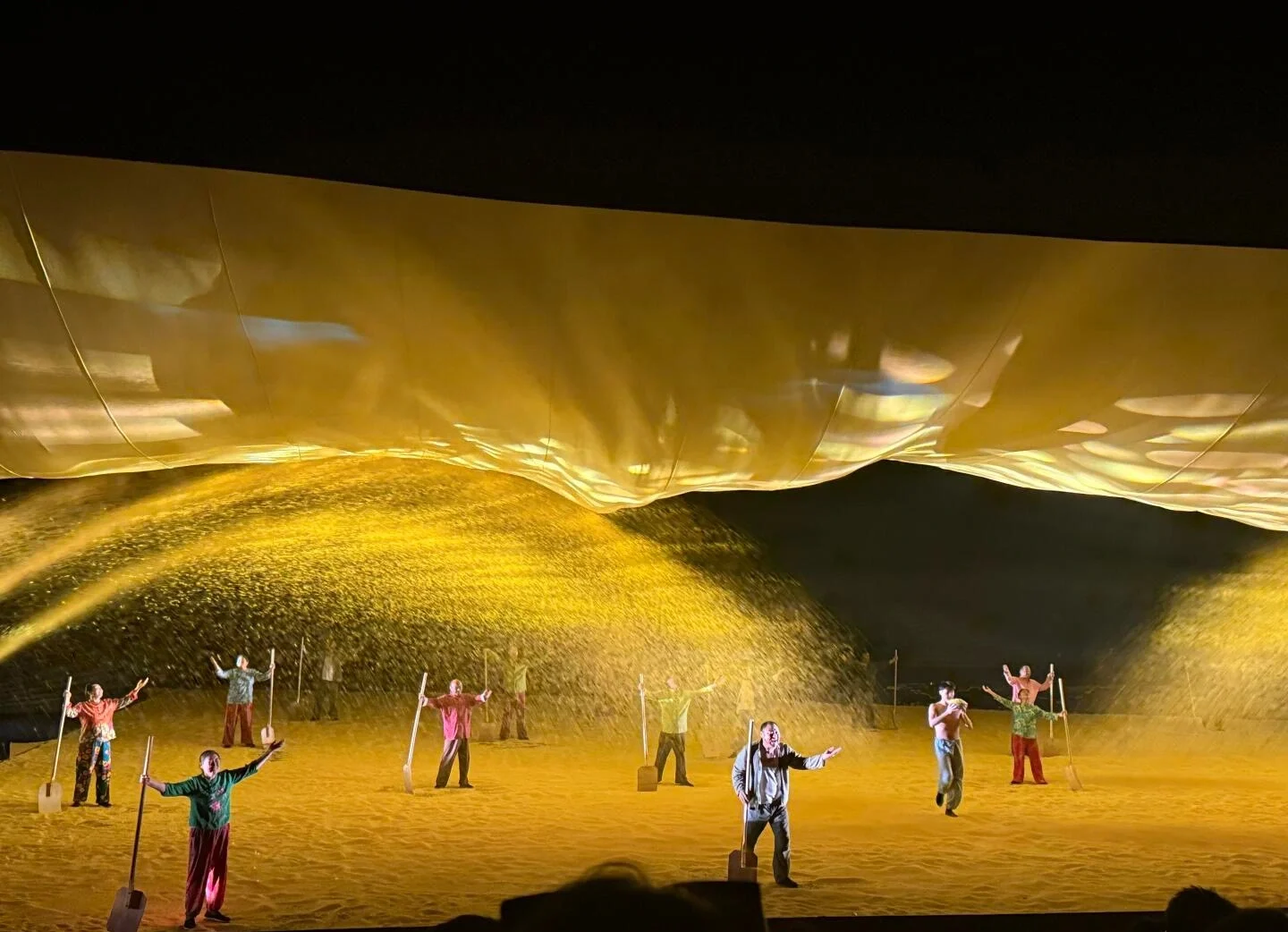
This is one of Zhengzhou’s most distinctive newer attractions and one of the few modern cultural projects in the area that can compete for serious trip time. It is worth visiting because it offers an immersive way to experience Henan identity through large-scale staging rather than conventional sightseeing. It suits travelers who enjoy performance, design, and emotionally driven cultural interpretation. In route terms, this is an interest-based major add-on rather than a universal first-time essential, and it is best used as a third-day choice instead of replacing Shaolin Temple or Henan Museum on a short first trip.
Zhengzhou works best when you decide early whether the trip is mainly about Shaolin Temple, the city itself, or a wider Henan route. For most first-time visitors, the city does not reward trying to cover everything. A better approach is to combine one major out-of-city heritage component with one strong in-city culture component, then add more only if you have time.
1 day: Only workable for a very selective trip. In practice, this usually means either Shaolin Temple as a full-day priority or a city-focused plan built around Henan Museum and one lighter add-on. It is possible, but thin.
2 days: This is the safest lower limit for most first-time visitors. It gives you one day for Shaolin Temple or the Dengfeng heritage layer and one day for Zhengzhou city itself.
3 days: This is usually the most mature first-trip answer. You can cover Shaolin Temple, Henan Museum, and one secondary layer such as the Yellow River Scenic Area, Shang City ruins, or a modern cultural add-on.
4–5 days: Best if Zhengzhou is serving as a base for a wider Henan route. At this length, the city works less as a stand-alone destination and more as a practical hub for deeper regional travel.
For most first-time visitors, 2–3 days is the clearest answer. If Zhengzhou is only one stop inside a longer trip, it also helps to decide How Long to Spend in China before locking the Henan segment.

Who it’s for
Travelers with very limited time who still want one clear, high-value Zhengzhou experience rather than a rushed checklist.
Route logic
Choose one dominant layer and protect it. The smartest one-day structure is usually either a full Shaolin Temple day trip or a compact city-history day. Do not try to combine Shaolin Temple, Henan Museum, and multiple city sights in one day unless you are comfortable with a rushed experience.
Main stops
Option A: Shaolin Temple
Option B: Henan Museum → Erqi area or City God Temple → evening food layer
Why this itinerary works
A one-day Zhengzhou trip only succeeds when it stays disciplined. Shaolin Temple gives you the strongest heritage payoff, while the museum-based city version gives you the best in-city cultural return. Both options are valid, but they serve different travelers. What weakens the day is trying to split time evenly between the city core and Dengfeng.
Who it’s for
Most first-time visitors who want a balanced trip without turning Zhengzhou into a pure transit stop.
Route logic
Use one day for Zhengzhou’s biggest external heritage layer and one day for its strongest in-city cultural layer. This is the most reliable first-time structure and usually the minimum that makes the destination feel complete.
Main stops
Day 1: Shaolin Temple or wider Dengfeng heritage layer
Day 2: Henan Museum → Yellow River Scenic Area or Shang City / Erqi layer
Why this itinerary works
This is the safest and most effective first-trip version because it matches Zhengzhou’s real strengths. Shaolin Temple gives you the major heritage payoff, while Henan Museum explains why Zhengzhou matters in a broader Henan context. The second half of Day 2 stays flexible depending on whether you want symbolic geography, archaeology, or a lighter city-center finish. For most travelers, this is the best lower-limit itinerary.
Who it’s for
Travelers who want the most complete first-time experience without needing to rush through the city and its surrounding highlights.
Route logic
Build the trip around three layers: one major Dengfeng day, one strong city-history day, and one flexible slot for either symbolic landscape, deep history, or modern culture.
Main stops
Day 1: Shaolin Temple → optional Pagoda Forest / Dengfeng extension
Day 2: Henan Museum → Shang City ruins or City God Temple → evening city center
Day 3: Yellow River Scenic Area or Only Henan · Drama Fantasy City
Why this itinerary works
Three days is usually the most mature Zhengzhou answer because it allows the city to function as more than a Shaolin gateway. You still protect the main reason many travelers come, but you also leave space for Henan-level historical context and one additional lens on the region. That third day is where the trip becomes more personal: symbolic and historical with the Yellow River, or more immersive and contemporary with Only Henan. This structure feels complete without becoming bloated.

Who it’s for
Travelers using Zhengzhou as a base for a wider Henan trip, or those who want to move beyond the standard first-visit structure.
Route logic
Keep the 2–3 day Zhengzhou core intact, then extend outward using Zhengzhou’s transport advantages. At this length, the city works best as a regional hub rather than as a stand-alone urban destination.
Main stops
Day 1: Henan Museum + city center
Day 2: Shaolin Temple / Dengfeng
Day 3: Yellow River Scenic Area or deeper city layer
Day 4: Luoyang or Kaifeng day trip
Day 5: second Henan extension or slower city wrap-up
Why this itinerary works
Four to five days unlocks Zhengzhou’s real route value. The city itself still does not need that many full sightseeing days, but its position makes it highly effective for building a broader Henan cultural itinerary. Once the core Zhengzhou layers are covered, high-speed rail and manageable road distances let you expand intelligently. This is the version for travelers who care less about one city in isolation and more about understanding central China through a connected regional structure.
If Zhengzhou is only one stop on a broader route, it is worth reading How to Plan a China Trip before finalizing the order of Zhengzhou, Luoyang, Kaifeng, and Dengfeng.
Zhengzhou works best in spring and autumn, but the right season depends on whether your trip is built around Shaolin Temple, city museums, or a wider Henan route. For most first-time visitors, the key is not just temperature, but how easily you can combine city sightseeing with a day trip to Dengfeng. For a broader national comparison, see our Best Time to Visit China guide.

Spring is one of the best times to visit Zhengzhou. Temperatures are usually comfortable, and both city sightseeing and the Shaolin Temple route feel easier than in summer. This is a strong season for museum visits, city walking, and combining Zhengzhou with Luoyang or Kaifeng. The tradeoff is that spring can be dry and occasionally dusty, so visibility is not always perfect.

Summer is the hardest season for most travelers. Zhengzhou becomes hot, humid, and rainier, and outdoor time in the city can feel tiring by midday. A Shaolin Temple trip is still possible, but the overall comfort level is lower, especially if you also want to walk in Songshan or spend long hours moving between sites. Summer works best only if your schedule is flexible and you plan indoor stops, early starts, and lighter afternoons.
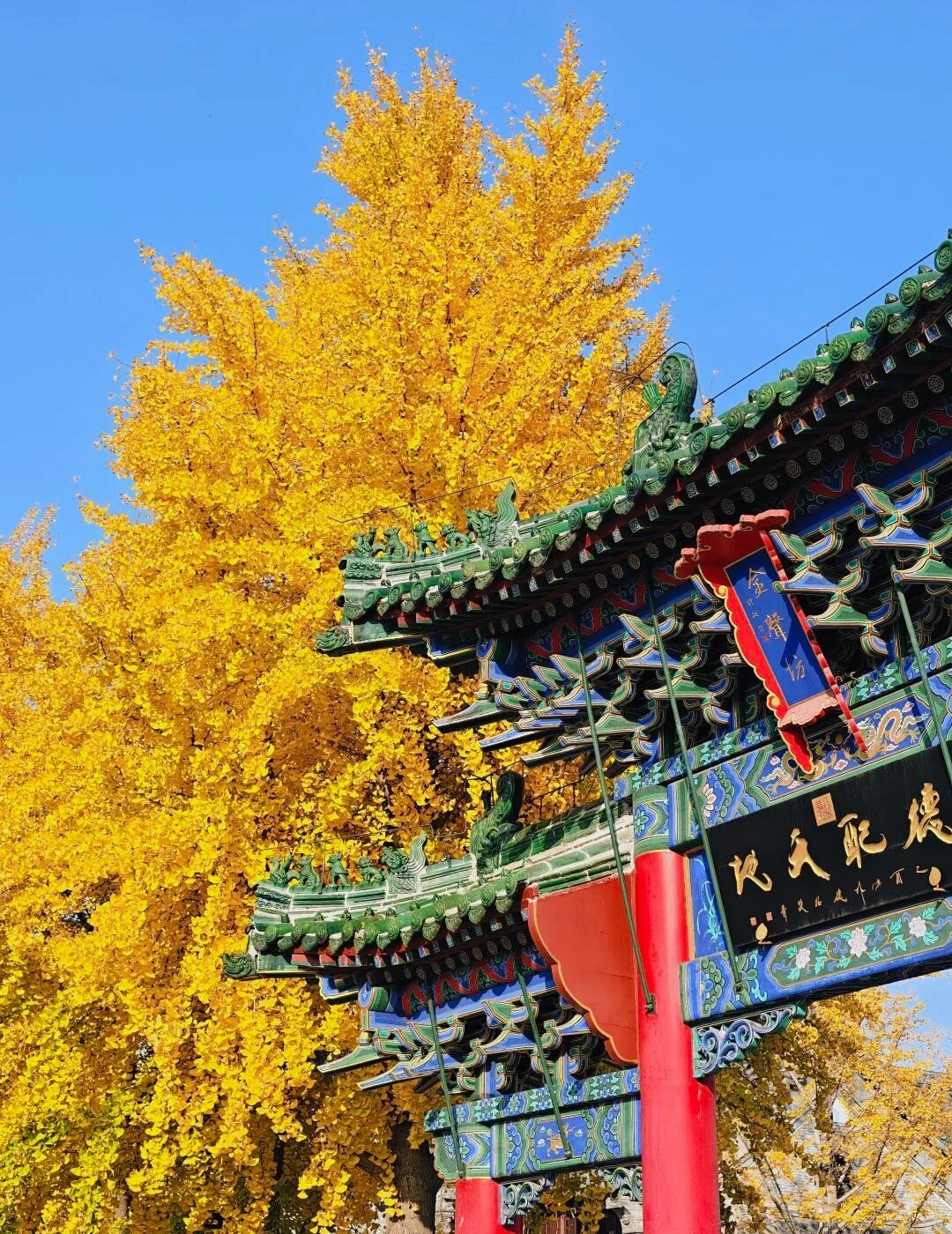
Autumn is usually the safest overall season. The weather is clearer, temperatures are more stable, and the full Zhengzhou structure works better: museum time in the city, a smoother day trip to Dengfeng, and easier movement across Henan by rail. If you want the cleanest first-trip version of Zhengzhou, autumn is usually the best answer.
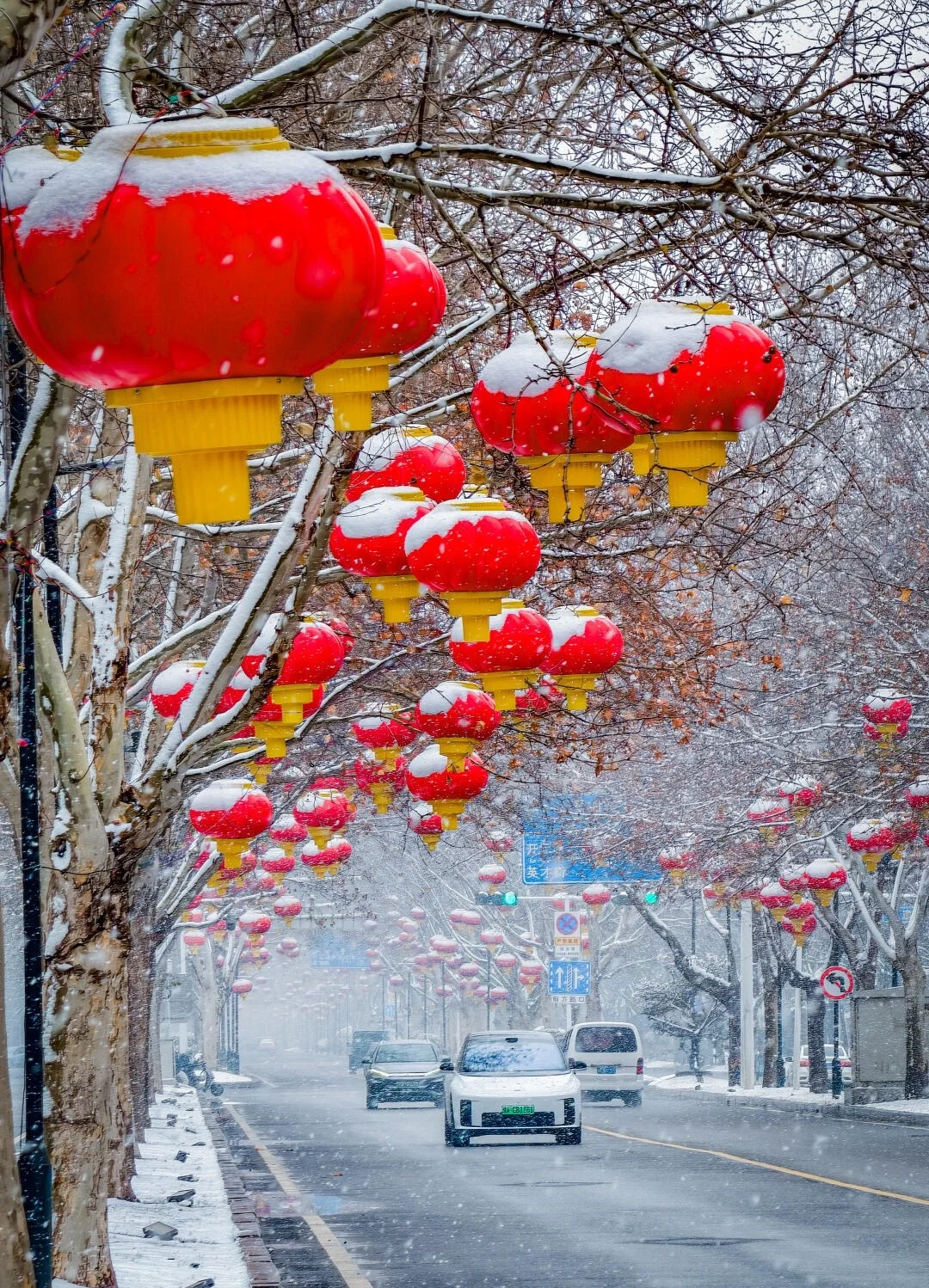
Winter is workable, but it changes the feel of the trip. Zhengzhou is colder, drier, and less comfortable for long outdoor sightseeing, especially around Dengfeng and mountain areas. Still, winter can work well for travelers focused more on museums, history, and lower crowd levels than on outdoor atmosphere. It is a usable off-season choice, not the most comfortable one.
Spring and autumn are usually the best first-trip seasons.
Autumn is the safest all-round answer for city sightseeing plus Shaolin Temple.
Spring also works well, but dry weather and occasional dust can affect comfort.
Summer is the weakest season for most visitors because of heat, humidity, and rain.
Winter is usable for museums and lighter city travel, but less ideal for outdoor-heavy plans.
If Zhengzhou is part of a wider Henan route, spring and autumn usually make the overall trip easier.
Zhengzhou is one of the clearest transport hubs in central China, which is a big part of its travel value. For many visitors, it works less as a stand-alone city break and more as the easiest entry point into a wider Henan route. Both air and high-speed rail are convenient, and first-time visitors generally do not need to worry about access.
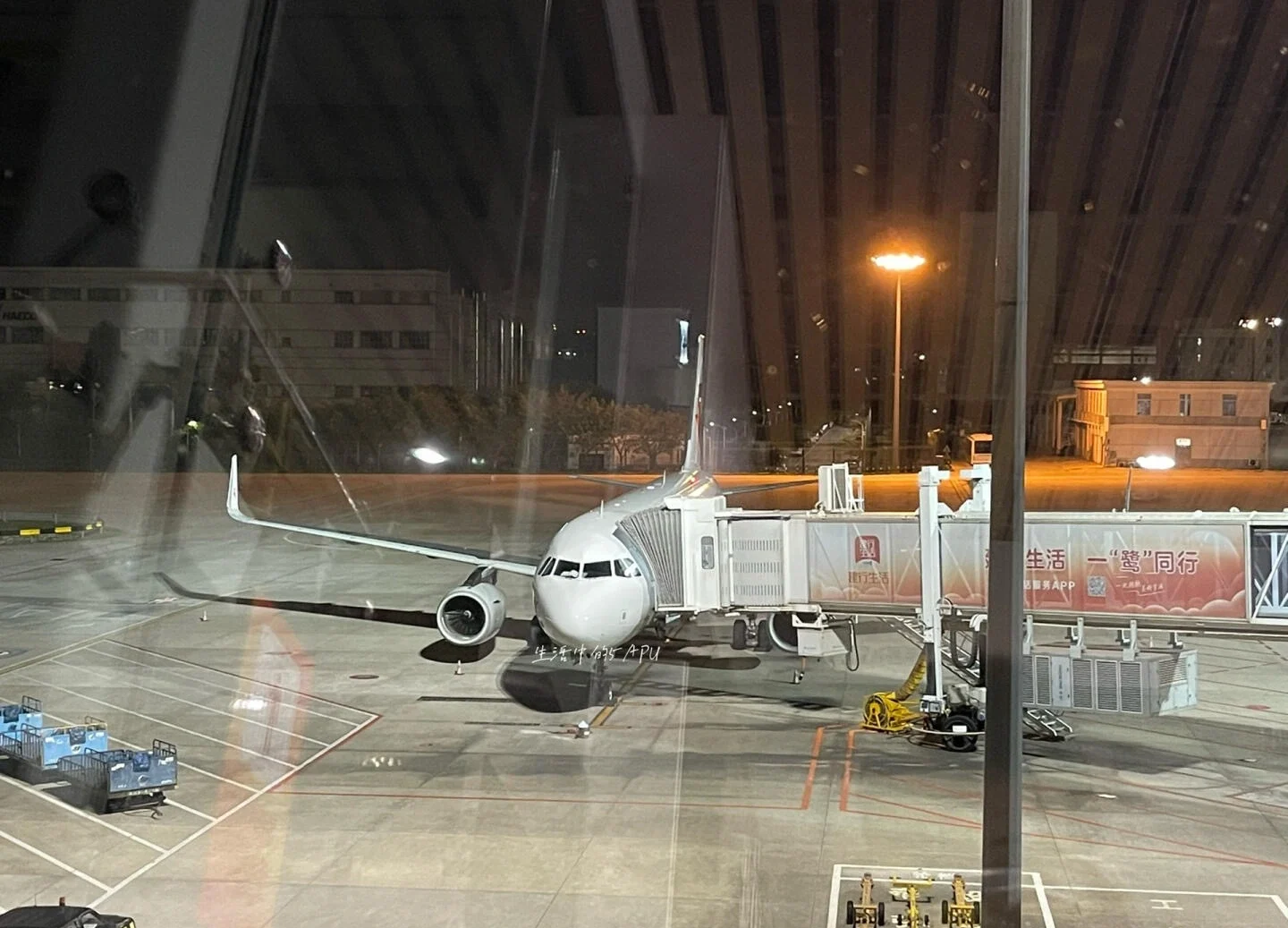
Zhengzhou Xinzheng International Airport is one of central China’s major airports and gives the city strong domestic and regional access. Flying makes sense if you are arriving from farther parts of China or entering Henan directly from abroad. From the airport, metro, airport rail, buses, and taxis make it fairly easy to reach the city center or transfer onward.
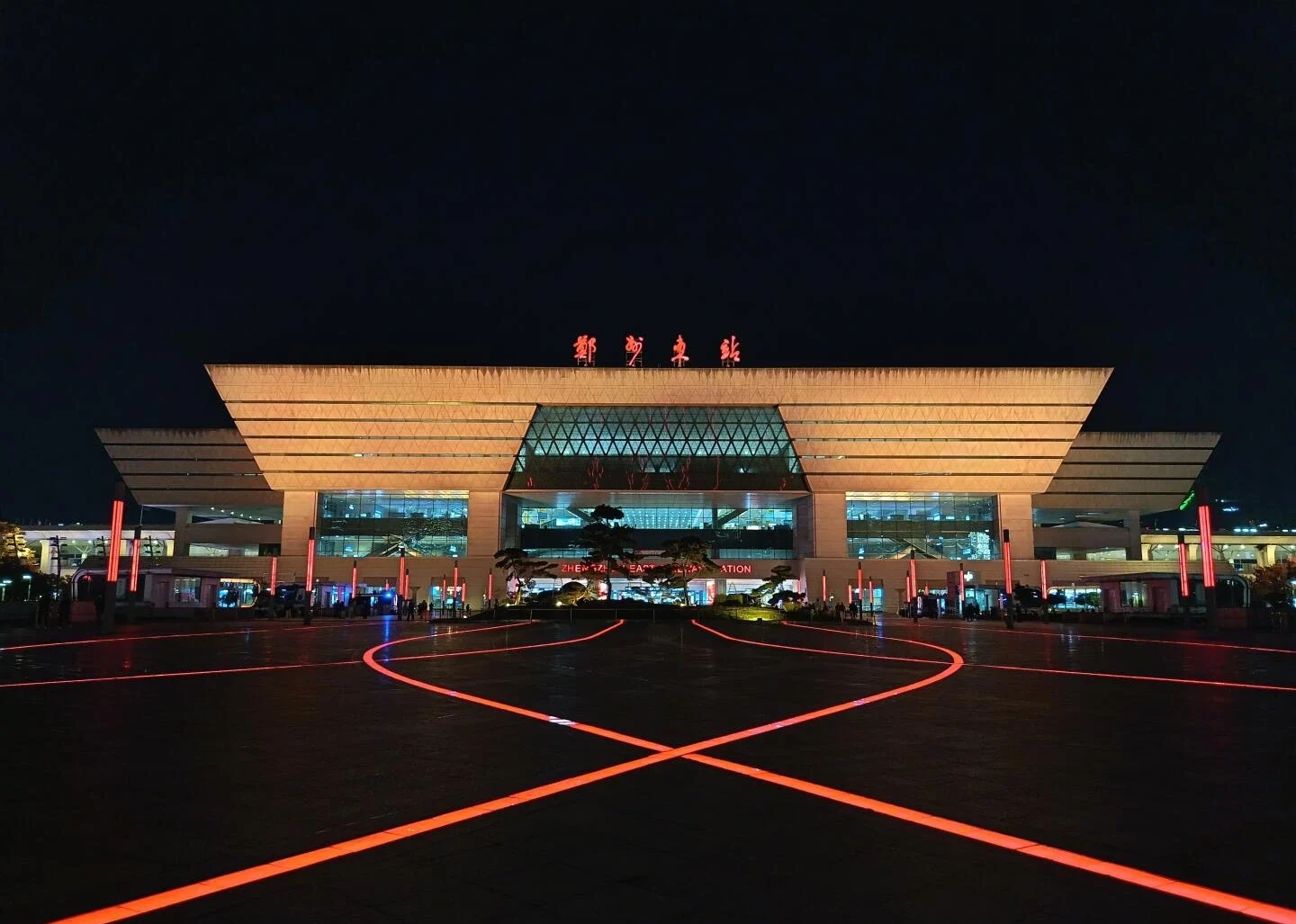
High-speed rail is one of Zhengzhou’s biggest strengths. The city connects efficiently with Beijing, Xi’an, Shanghai, Wuhan, Luoyang, and Kaifeng, which makes it especially practical for travelers already moving through China by train. If your trip includes multiple Henan cities, rail is usually the cleanest and most efficient option.
For most first-time visitors, Zhengzhou works best as a gateway rather than a final-purpose city. It is a strong arrival point for a Henan route that includes Dengfeng, Luoyang, and Kaifeng, and it also fits well into longer Central China or North China itineraries. If your main goal is Shaolin Temple and wider Henan history, entering through Zhengzhou is usually the most efficient structure. For broader national planning, see our China Transportation Guide.
Zhengzhou is easy to manage once you separate the urban core from the Dengfeng / Shaolin Temple layer. Inside the city, metro and taxis handle most needs well. The main planning question is how you want to connect Zhengzhou with Dengfeng and other Henan destinations.
Route | Best way to travel | What to know |
|---|---|---|
Airport / rail station ↔ city center | Metro, airport rail, taxi / ride-hailing | Easy and efficient. Rail-based links are strong, while taxis are useful with luggage or late arrivals. |
City center ↔ Henan Museum / central city layer | Metro, taxi, short walks | This is the easiest part of Zhengzhou to navigate. Core city stops are usually straightforward. |
City center ↔ Erqi / downtown commercial core | Metro, walking, short taxi | Best handled as part of a central-city block. Easy to combine with meals and light evening walking. |
City center ↔ Yellow River Scenic Area | Taxi / ride-hailing, tourist bus if available | Far enough that it needs deliberate planning. Better treated as a half-day outing than a casual add-on. |
City center ↔ Dengfeng / Shaolin Temple | Day tour, private car, long-distance bus | This is the main transport decision of the trip. Independent travel is possible, but a car or organized tour is much easier for new visitors. |
Zhengzhou ↔ Luoyang / Kaifeng | High-speed rail | Extremely efficient and one of Zhengzhou’s biggest practical strengths as a hub. |
Inside Zhengzhou, metro plus short taxi rides is usually enough. For most visitors, the city itself is simple; the main planning question is whether to reach Dengfeng independently or use a more direct, organized option.

Stay in the city center if… this is your first Zhengzhou trip and you want the safest all-round base. Central Zhengzhou makes it easier to combine the museum layer, downtown transport, food options, and a Shaolin Temple day trip without overcomplicating the route. For most first-time visitors, this is the most balanced choice.
Stay near Erqi / downtown if… you want the strongest everyday-city feel, easier access to central shopping and food streets, and a more traditional “urban base” experience. This suits travelers who plan to spend one full day in the city before or after a regional side trip.
Stay near Zhengzhou East Station if… your trip is built around high-speed rail and you plan to continue quickly to Luoyang, Kaifeng, or another city. This is the most practical base for tight rail-heavy itineraries, but it is more functional than atmospheric.
Stay near the airport or outer transport zones only if… Zhengzhou is mainly a transit stop and you have a late arrival, very early departure, or almost no real sightseeing time. This saves logistics time, but it is usually weaker for food, city walking, and overall trip feel.
Stay in Dengfeng if… your trip is strongly focused on Shaolin Temple, Songshan, and the wider heritage layer around it. This suits travelers who want an earlier start, more time on site, or a more immersive culture-and-mountain structure rather than a Zhengzhou city stay.
Stay in Zhengzhou as part of a wider Henan route if… you want one stable transport base before moving onward. In most cases, staying in Zhengzhou is the smarter choice than staying in Dengfeng, because it gives you better rail access, more hotel options, and easier onward planning.
See also: Where to Stay in Zhengzhou

Food in Zhengzhou matters less as a polished dining scene and more as a direct entry into Central Plains daily life. The city’s core meals are hearty, flour-based, filling, and rooted in everyday Henan eating rather than elaborate restaurant culture. Eat well here, and you understand the city more clearly.
Hui mian (烩面) — Zhengzhou’s signature noodle dish and the clearest first thing to try. It is worth eating because it represents the city’s core comfort-food logic: broad noodles, rich broth, and a substantial, practical meal.
Hu la tang (胡辣汤) — a peppery breakfast soup that is one of the city’s most distinctive daily foods. Best for travelers who want to understand local mornings rather than just chase famous dishes.
Steamed dumplings (蒸饺) — common, accessible, and useful as an easy first meal. These suit most visitors and help balance heavier noodle or soup meals.
Men bing (焖饼) — braised flatbread strips cooked with savory ingredients. Worth trying if you want something that feels more local and flour-forward than standard tourist food.
Yellow River carp dishes — a more symbolic Henan layer than a must for everyone, but worth considering if you want a stronger regional identity meal.

Zhengzhou food is filling, practical, and built around wheat, broth, and strong everyday satisfaction. Compared with lighter southern food cities, it feels heavier and more direct. Compared with spicy inland cities, it usually relies less on aggressive chili and more on savory depth, soup richness, and starch-based comfort.
Within Henan, Zhengzhou often works as a gateway taste rather than the province’s most refined food city. It introduces Central Plains flavors well, but nearby places can feel more specialized in certain dishes or banquet traditions. That said, Zhengzhou is often the easiest place to try the region’s core food logic in one short trip because transport and access are so simple.
Do not overcomplicate food planning here. Focus on one strong bowl of hui mian, one local breakfast with hu la tang, and one additional meal that feels clearly Henan rather than generic. That structure usually teaches you more about Zhengzhou than chasing too many restaurant names.
Zhengzhou itself is not an especially expensive city by China travel standards. For most first-time visitors, the real budget swing usually comes from how you handle the Shaolin Temple / Dengfeng layer rather than from city-center spending alone. Food, local transport, and standard city hotels are generally manageable, while private transport and higher-comfort planning can raise the cost quickly. For a broader national benchmark, see our Cost to Travel in China guide.
Cost Category | Budget | Comfortable | Higher-End |
|---|---|---|---|
Accommodation (per night) | RMB 150–300 (budget hotel / guesthouse) | RMB 300–600 (mid-range hotel) | RMB 600+ (high-end hotel) |
Food (per day) | RMB 60–100 (snacks / simple meals) | RMB 100–200 (local restaurants) | RMB 200+ (better dining) |
Local transport | RMB 20–40 (metro / bus) | RMB 40–100 (metro + taxis) | RMB 100+ (private car / premium rides) |
Attraction tickets | Shaolin Temple RMB 100; Henan Museum free with reservation | Combined with Songyang Academy and similar sites: about RMB 180–260 | Includes Only Henan / theater-style experience: from RMB 290 |
Dengfeng transport | Round-trip bus about RMB 60 | Group day tour RMB 200–400 per person | Private car day trip RMB 500–800 per car |
Estimated daily total | About RMB 330–700 per person | About RMB 640–1,360 per person | RMB 1,000+ per person |
Zhengzhou city costs are generally moderate; the Shaolin Temple day-trip structure is the biggest variable.
Staying near the city center and using metro + taxis keeps the trip efficient without pushing costs too high.
Food offers strong value, especially if you mix local noodles, breakfast soups, and standard restaurants.
Private cars to Dengfeng are the main comfort upgrade and the clearest budget jump.
Museum-heavy city days are relatively low cost compared with transport-heavy outer-day itineraries.
Overall, Zhengzhou is easiest to budget when you treat it as a practical cultural base: one city layer, one Dengfeng layer, and selective upgrades only where comfort matters most.
For a broader route across the country, it also helps to think through Cost to Travel in China before locking your overall budget structure.
Zhengzhou works best when you understand its role clearly. Most first-trip mistakes come from treating it either as a blockbuster city or as a place with no value beyond transfer logistics. In reality, it is strongest as a cultural gateway, a planning base, and a stable anchor for wider Henan travel.
Do not judge Zhengzhou by skyline or urban spectacle alone. Its real value is cultural access, especially to Shaolin Temple, Henan Museum, and wider Central Plains history.
Decide early whether your trip is mainly about Zhengzhou city itself or about using Zhengzhou as the base for Dengfeng and other Henan stops. That one decision shapes the whole route.
Put Shaolin Temple planning first if it is part of your trip. It is the main reason many international travelers include Zhengzhou at all.
Do not try to squeeze the city core and Dengfeng into one rushed day unless you truly have no choice. The result is usually shallow and tiring.
Stay central for a first trip unless your route is heavily built around high-speed rail. A city-center base is usually more balanced than a station-only stay.
Reserve Henan Museum in advance and double-check opening rules before you go. This is one of the city’s highest-value urban stops.
Use high-speed rail strategically. Zhengzhou is most useful when it helps you connect easily to Luoyang, Kaifeng, or a wider Henan route.
Expect more walking than the map suggests at large heritage sites, especially in Dengfeng-area attractions. Comfortable shoes matter more than people often expect.
In summer, plan around heat and rain. Outdoor heritage sites and mountain-related areas feel much easier in the morning than in the middle of the day.
Pack for function: comfortable shoes, light layers, sun protection, water, and a charger usually matter more here than extra city-break items.
For broader planning, it also helps to review our China Travel Tips guide. Before longer temple, mountain, or seasonal heritage days, it is also worth checking What to Pack for China.


Discover the Great Wall of China: its history, cultural significance, top sections to visit, and nearby attractions.

Plan your first Quanzhou trip with the best old-town route, top heritage sites, local food, stay tips, and a smart 2–3 day itinerary.

The Qin Dynasty (221‑207 BCE) forged China’s first imperial state, unifying warring states under Qin Shi Huang, standardizing script, roads and laws — its legacy underpins China today.

Daily spending in Beijing ranges from around ¥300 to over ¥1,500 (US$40–$210), depending on your travel style.

In Chinese astrology, the Water Tiger corresponds to those born in the years of 1902, 1962, 2022, and so on. It belongs to the Water element in the Five Elements system.

Plan your visit to Guangzhou’s Canton Tower with ticket prices, must-do rides, dining, transport, and travel tips for the city’s iconic landmark.


