Written by
Anthony

Nestled in the heart of the Greater Bay Area, Zhongshan is best known as the hometown of Dr. Sun Yat-sen—the pioneer of China’s democratic revolution—and as one of the cradles of Lingnan culture. This charming city blends history, nature, and leisure in perfect balance. You’ll find beautifully preserved memorial sites honoring Sun Yat-sen, graceful Lingnan-style gardens, tranquil hot springs, and centuries-old water villages that reflect the authentic spirit of southern China.
Unlike the bustling pace of nearby Guangzhou or Shenzhen, Zhongshan offers a slower rhythm of life. The city’s clean air, lush parks, and welcoming atmosphere make it one of the most livable cities in southern China. Conveniently located just 40 minutes from Zhuhai and an hour from Macau, Zhongshan is an ideal stop for travelers seeking both cultural discovery and relaxation—a place where you can touch China’s modern history while enjoying the calm of Lingnan living.
To see how Zhongshan compares with other destinations nationwide—and how it fits into broader China travel routes—refer to Best Places & Cities to Visit in China and our China Travel Guide.
Zhongshan (Chinese: 中山, Pinyin: Zhōngshān) is a vibrant city located in the southern part of Guangdong Province, right in the heart of the Pearl River Delta. It borders Guangzhou to the north, Zhuhai to the south, Jiangmen to the west, and faces Macau across the water—only about 60 kilometers away. This strategic location makes Zhongshan an important hub within the Guangdong–Hong Kong–Macao Greater Bay Area, offering both convenient access and rich cultural depth.
Zhongshan enjoys a subtropical monsoon climate, with warm, humid weather year-round and an average annual temperature of about 22 °C. The city’s mild climate and abundant greenery make it pleasant to visit in any season.
The city’s main areas each offer distinct experiences:
Shiqi District – the city center known for its bustling streets, traditional Cantonese eateries, and shopping areas.
Nanlang Subdistrict – home to Cuiheng Village, the birthplace of Dr. Sun Yat-sen and the city’s most iconic historical sites.
Sanxiang Town – famous for its hot springs, Lingnan gardens, and overseas Chinese heritage.
Tanzhou Town – a peaceful water-town region near Zhuhai, ideal for slow travel and local village experiences.
Zhongshan’s mild subtropical climate makes it a pleasant destination year-round, but the best seasons to visit are spring and autumn, when the weather is most comfortable for outdoor exploration and cultural experiences.
For a broader seasonal overview across the country, see Best & Worst Time to Visit China.
With temperatures between 18–25 °C, spring is warm and full of color. Flowers bloom across parks and gardens, and the countryside is at its most vibrant. It’s the ideal season for strolling through Lingnan-style gardens, visiting rural villages, and enjoying outdoor photography before the summer heat arrives.
The most recommended season to visit Zhongshan. The weather is cool and dry, ranging from 20–28 °C—perfect for sightseeing, hot spring relaxation, and food hunting. This is also harvest time, when local specialties like Shenwan pineapples and Yakou seafood are at their freshest.
Zhongshan is well connected to major cities across southern China by air, rail, and highway.
For a system-level overview of intercity travel across China, see our China Transportation Guide.
There are no commercial airports in Zhongshan, but two nearby airports make flying convenient:
Zhuhai Jinwan International Airport – about 40 km away (40 minutes by taxi, around ¥100).
Guangzhou Baiyun International Airport – about 100 km away (1 hour by high-speed train or 2 hours by car, around ¥200).
Zhongshan has several major train stations, including Zhongshan Station, Zhongshan North Station, and Xiaolan Station. High-speed trains run frequently to:
Guangzhou – 1 hour (around ¥50)
Shenzhen – 1.5 hours (around ¥80)
Zhuhai – 40 minutes (around ¥30)
Tickets can be easily purchased in English through the official 12306 app.
For a full guide to routes, tickets, and stations nationwide, see China’s High-Speed Rail (HSR).
Driving from nearby Pearl River Delta cities takes 1–2 hours. The DiDi ride-hailing app (available in English) is the easiest option for visitors without a car. Taxi fares within the city typically range from ¥10–30.
Zhongshan’s bus network covers all major attractions. Most routes accept mobile payment via Alipay or WeChat “Zhongshan Bus Code.” The fare is usually ¥2 per ride, and some lines feature English stop announcements.
Taxis and DiDi are convenient for short-distance travel between attractions:
City center to Sun Yat-sen’s Former Residence: around ¥30
City center to Zhan Garden: around ¥25
Perfect for short urban trips—especially around Sunwen West Road Pedestrian Street. Scan a QR code using Alipay or WeChat; cost is about ¥1 per 30 minutes.
Zhongshan offers a well-balanced mix of cultural heritage, Lingnan artistry, and natural leisure. From exploring Dr. Sun Yat-sen’s legacy to relaxing in lush gardens and hot springs, the city invites travelers to slow down and discover its unique charm.
This national 5A-rated attraction marks the birthplace and early home of Dr. Sun Yat-sen, the founding father of modern China. The scenic area includes his preserved residence, a detailed memorial museum, and Cuiheng Village’s old street (翠亨村古街), giving visitors a vivid look into his childhood and revolutionary beginnings.
What to Do:
Tour the traditional Lingnan-style residence with its grey-brick walls and original furnishings.
Explore the Memorial Museum, which features English displays and audio guides (¥30 per device) that illustrate China’s early reform movements.
Stroll through Cuiheng Village Old Street and visit the century-old Zhongshan Memorial Middle School (中山纪念中学).
Travel Tips:
Free admission (reservation required via WeChat). Allow 2–3 hours to visit. Buses go directly to “Sun Yat-sen Former Residence Stop.”
Inspired by Sun Yat-sen’s revolutionary journey, this large-scale film base recreates historical architecture from Guangzhou, Shanghai, Nanjing, and Tokyo, serving as a filming site for major TV dramas like Towards the Republic (《走向共和》).
What to Do:
Walk through “Guangzhou Street” and “Shanghai Street,” rent Republic-era costumes (¥50/hour), and take vintage-style photos.
Watch live performances like the “1911 Revolution (辛亥革命)” reenactment with English subtitles.
Visit “Japanese Street” and “British Street” to experience cross-cultural scenes from early 20th-century China.
Travel Tips:
Entrance fee ¥65. Plan about 3 hours. Located 5 minutes from Sun Yat-sen’s residence by taxi or bus.
Zhongshan’s most vibrant historical street, featuring over a hundred years of arcaded architecture blending Lingnan, Southeast Asian, and Western styles.
What to Do:
Stroll under the arcades to see landmarks like the former Bank of China building and Siu Ho Hotel.
Visit traditional shops such as Zhi Xiang Yuan Bakery (“咀香园” 饼家) and almond cake workshops to taste local snacks and buy souvenirs.
Stay for the evening light show, when the old street glows with a mix of nostalgia and modern energy.
Travel Tips:
Free entry. Ideal for a 1.5-hour visit, especially after dinner. Bus stop: “Sunwen West Road.”
Known as the largest private Lingnan-style garden, Zhan Garden is often called the “Pearl of Lingnan Gardens.” Designed around the concept of “one mountain, one river, one garden,” it combines Jiangnan elegance with Cantonese vitality.
What to Do:
Wander through pavilions, bridges, lotus ponds, and koi-filled waterways to enjoy the shifting views typical of classical Chinese gardens.
Visit the Filial Piety Hall (孝道馆) to learn about Confucian family traditions.
Join hands-on heritage workshops like paper cutting or Cantonese embroidery (¥50 per person).
Seasonal highlights: Peonies in spring, lotuses in summer, chrysanthemums in autumn.
Travel Tips:
Entrance ¥60. English guide available (advance booking). Allow 2 hours. Bus stop: “Zhan Garden.”
A tranquil overseas Chinese village over a century old, Guhe preserves Ming–Qing residences, clan halls, and arcaded houses shaded by ancient banyan trees.
What to Do:
Walk the stone-paved lanes to see ancestral halls and admire Lingnan wood and brick carvings (岭南木雕、砖雕工艺).
Learn stories of early emigrants who built grand homes after returning from abroad.
Sit under the banyan tree at the village tea stall to enjoy a cup of herbal tea and experience slow village life.
Travel Tips:
Free entry. Recommended visit: 1.5 hours. About 30 minutes by taxi from downtown, ideal to pair with Zhan Garden.
Often called “the last original fishing village in Guangdong,” Yakou offers a glimpse of authentic Lingnan coastal life, with rice fields, mangrove wetlands, and a long shoreline.
What to Do:
See flowering rapeseed fields in spring or golden rice paddies in autumn—perfect for photography.
Visit Yakou Seafood Street to taste freshly caught shrimp, crabs, and shellfish (around ¥80 per person).
Cycle or walk through the mangroves to spot egrets and wetland birds.
Travel Tips:
Free entry. Recommended visit: 2 hours. Only 10 minutes from Sun Yat-sen’s residence—ideal for a lunch stop or afternoon trip.
China’s first hot spring resort, famous for its “Lingnan Healing Waters.” The mineral-rich pools and tranquil garden setting make it perfect for rest and wellness.
What to Do:
Soak in over 60 pools, including herbal, rose, and fish therapy baths.
Try traditional Chinese spa treatments such as cupping, moxibustion, or massage (¥150/hour).
Stay overnight to enjoy a peaceful morning walk through the resort’s landscaped gardens.
Travel Tips:
Entrance ¥168. Allow 3–4 hours. About 40 minutes by taxi from downtown.
A more affordable resort combining wellness and entertainment, popular with families and young travelers.
What to Do:
Relax in themed pools with complimentary fruit and drinks.
Join the weekend night hot spring party, or book a private garden villa bath (¥300 per room).
Travel Tips:
Entrance ¥128. Plan 2–3 hours. Around 20 minutes from downtown Zhongshan.
Zhongshan’s food scene is a delicious reflection of Lingnan culture—rich in Cantonese traditions, seasonal ingredients, and slow-cooked techniques.
Zhongshan’s signature dish. The pigeon is roasted until golden with crispy skin and tender meat, served with pepper salt or sand ginger powder.
Where to try: Shiqi Lao Roast Pigeon Restaurant (石岐佬乳鸽世家), ¥80 per person.
Cooked over firewood for an aromatic char, this dish features crispy-bottomed rice topped with local seafood or Cantonese cured meats.
Where to try: Yakou Claypot Rice Street (崖口煲仔饭一条街), ¥50 per person.
A banquet favorite, this dish is tender and melt-in-your-mouth, often paired with taro. Rich yet not greasy.
Where to try: Shaxi Renjia Restaurant (沙溪人家), ¥60 per person.
A seasonal specialty harvested from April to June. Golden flesh, juicy and sweet-tart, perfect for snacking or juicing.
Experience: Visit Shenwan farms for on-site picking (¥20 per jin).
A classic Zhongshan pastry with a crispy exterior and nutty sweetness.
Buy from: Zhi Xiang Yuan (咀香园), a century-old bakery brand. Great for gifts (¥50 per box).
Sunwen West Road Pedestrian Street (孙文西路步行街) and Fengyuan Commercial Street (逢源商业街) offer a vibrant mix of street snacks, bakeries, and local food stalls.
Try almond cakes, chicken cookies, and grilled skewers.
Shaxi Food Street is famous for braised dishes, congee, and rice dumplings (粉果) in a more traditional Cantonese setting.
Head to Seafood Street and Claypot Rice Street to enjoy fresh catch of the day, from shrimp and crab to clams.
For a classic Cantonese dim sum brunch, try:
Harbour City (海港城)
Fuhuagong (富华宫)
Enjoy steamed shrimp dumplings, siu mai, rice rolls, and endless tea refills.
¥60 per person on average.
English Menus: Popular restaurants such as Shiqi Pigeon King and Harbour City Dim Sum offer English menus and basic communication support.
Ordering Tips: Simply point at menu photos or say dish names like “Shiqi Pigeon,” “Clay Pot Rice,” or “Almond Cake.” Staff are used to foreign guests.
Dietary Needs: Let servers know if you don’t eat spicy food (“no spicy”) or require vegetarian options—Zhongshan cuisine is mild and easily adaptable.
Payment Methods: Alipay and WeChat Pay are accepted almost everywhere and can be linked to international cards. Some street stalls still accept cash—prepare a small amount of RMB for convenience.
Best for: Easy access to public transport, pedestrian streets, and street food.
Luxury: Hilton Zhongshan Downtown – Landmark hotel in the city center, just minutes from Sunwen West Road. Approx. ¥800/night
Mid-Range: Ji Hotel (Zhongshan Shiqi) – Comfortable rooms, good value, well-connected by public transit. Approx. ¥400/night
Budget: Home Inn (Sunwen West Road branch) – Clean and simple, right near the pedestrian street. Approx. ¥200/night
Best for: Visiting the Former Residence of Sun Yat-sen and nearby heritage sites.
Mid-Range: Hampton by Hilton Zhongshan Cuiheng New Area – Modern amenities, 10-min drive to Sun Yat-sen Memorial. Approx. ¥500/night
Budget: Nanlang B&B Guesthouses – Rural charm and quiet atmosphere. Approx. ¥150/night
Best for: Relaxing vacations and access to top hot spring resorts.
Luxury: Zhongshan Hot Spring Resort – Garden-style hotel with over 60 hot spring pools included. Approx. ¥1,000/night (with hot spring access)
Mid-Range: Quanyan Hot Spring Hotel – Family-friendly with themed pools and convenient access to the hot spring park. Approx. ¥400/night
See also: Where to Stay in Zhongshan
Zhongshan offers more than just sightseeing—it’s a journey through modern China’s roots and the quiet elegance of Lingnan life. This two-day itinerary is ideal for first-time visitors seeking both cultural insight and restorative relaxation, paced for a comfortable yet enriching experience.
09:00–09:30 – Head to Sun Yat-sen Former Residence Memorial Hall
Taxi from downtown (30 mins, ~¥30) or Bus K26 (1 hr, ¥2).
Book free tickets via the official WeChat account in advance. English audio guides available for ¥30.
09:30–12:00 – Explore the Memorial Hall
Discover the preserved traditional Lingnan home where Sun Yat-sen was born and spent his youth.
Dive into multimedia exhibits detailing his revolutionary journey.
Bonus: Stroll the charming Cuiting Village street and visit the 100-year-old Zhongshan Memorial Middle School.
12:00–13:30 – Dine at Yakou Seafood Street
10-min ride (~¥15) from the memorial hall.
Must-try: fresh-caught shrimp, crab, clams, and Yakou-style claypot rice cooked over firewood (avg. ¥80/person).
14:00–17:00 – Visit Zhongshan Film & TV City
Entry ¥65/person, 5-min taxi from Yakou.
Pose in Republic-era attire on “Guangzhou Street” and “Shanghai Street” (costume rental ¥50/hr).
Catch a dramatic live-action “1911 Revolution” show with English subtitles at 15:00.
Explore “Japan Street” and “British Street” to experience East-meets-West architecture.
17:30–19:00 – Explore Sunwen West Road Pedestrian Street
30-min ride (~¥40) from the film base.
Admire the century-old arcades and landmarks like the former Bank of China.
Snack on almond cakes and local pastries at the time-honored brand Juxiangyuan (gift boxes ¥50).
19:00–20:30 – Dinner: Famous Shiqi Roast Pigeon
Dine at Shiqi Lao Roast Pigeon Restaurant nearby.
Must-try: crisp-skinned roast pigeon, Shaqi-style congee, and handmade dumplings (avg. ¥80/person).
Overnight Stay: Ji Hotel (Zhongshan Shiqi Branch)
Walkable from the pedestrian street; clean, modern, and central (~¥400/night).
09:00–09:30 – Depart for Zhan Garden
25-min taxi (~¥30) or Bus 206 (1 hr, ¥2).
Entry ¥60; English guided tours available with advance booking.
09:30–12:00 – Discover Zhan Garden
Stroll through pavilions, koi ponds, and bridges that embody Lingnan design.
Visit the Filial Piety Hall and try your hand at traditional paper-cutting (¥50).
Seasonal highlights: peonies in spring, lotus in summer, chrysanthemums in fall.
12:00–13:30 – Lunch at Shaqi Renjia Restaurant (Shaqi Town)
15-min ride (~¥20).
Signature dishes: melt-in-your-mouth braised pork belly (kou rou), taro ribs, and Shaqi rice dumplings (avg. ¥60/person).
14:00–15:30 – Explore Guhe Village (Sanxiang Town)
20-min ride (~¥25).
Roam this serene overseas Chinese village with its banyan-shaded stone lanes, ancestral halls, and watchtowers.
Sip herbal tea beneath 100-year-old trees and learn stories of Chinese migration.
16:00–18:30 – Unwind at Quanyan Hot Spring Resort
15-min ride (~¥20).
Entry ¥128 includes access to 60+ themed pools: rose bath, angelica bath, fish therapy pool, and more.
Complimentary fruit and drinks included.
Optional: Book a private garden suite bathhouse for ¥300 (2-person capacity).
🚕 30-min ride (~¥40) to Zhongshan Railway Station or head to Zhuhai/Macau for your next stop.
Tip: If heading to Macau, plan for a 1-hour drive to Hengqin Port + passport/visa check.
| Category | Economy Plan | Comfort Plan | Premium Plan |
|---|---|---|---|
| Accommodation | Chain Hotel (¥200 / ~$28) | Mid-Range Hotel (¥400 / ~$56) | 5-Star / Hot Spring Hotel (¥800–1000 / ~$113–141) |
| Food | Simple Meals (¥340 / ~$48) | Local Cuisine (¥600 / ~$85) | Gourmet Dining (¥1220 / ~$172) |
| Transport | Public Transport + Bike (¥140 / ~$20) | Train + Taxi (¥350 / ~$49) | Train/Flight + Private Transfer (¥900 / ~$127) |
| Attractions | Basic Sites (¥60 / ~$8.50) | Major Sites (¥250 / ~$35) | Full Access + Rentals (¥525 / ~$74) |
| Souvenirs | Basic Gifts (¥30 / ~$4) | Gift Box (¥100 / ~$14) | Premium Box + Fruits (¥200 / ~$28) |
| Total | ~¥800 / ~$113 | ~¥1500 / ~$211 | ~¥2500 / ~$352 |
Accommodation pricing is per night based on 1-person occupancy.
Food includes breakfast, lunch, dinner, and local snacks per day × 2 days.
Transportation includes intercity travel (high-speed rail or flight) and in-city commuting (bus, shared bikes, taxis, or private car).
Attractions cover all entrance fees and optional costume rental or cultural experience costs.
Souvenirs are typical costs for edible or handcrafted local gifts.
Currency conversion is based on ¥7.1 = $1 USD and rounded for readability.
Budget varies slightly based on travel origin city (Guangzhou, Shenzhen, or Shanghai).
To compare daily travel costs across different Chinese cities, see Cost of Travel in China.
China Tourist Visa (L Visa): Apply in advance with your itinerary, hotel bookings, and return tickets.
Visa for Macau: A separate visa or valid entry permit is required. Apply at Chinese immigration service centers before traveling.
Document Safety: Always carry your original passport and visa, and keep photo backups stored on your phone in case of emergencies.
English Availability: Major attractions like the Former Residence of Dr. Sun Yat-sen and Zhan Garden provide English signs and audio guides. Hotels and popular restaurants typically have staff who speak basic English.
Translation Apps: Download Google Translate and WeChat Translate, and pre-load the Chinese-English offline pack for easier communication.
Local Dialects: While Cantonese is widely spoken, Mandarin is commonly used in services and public areas—no dialect barriers for most travelers.
At Tourist Sites: Maintain silence in historic sites like the Sun Yat-sen Memorial; do not touch artifacts or climb structures in gardens such as Zhan Garden.
At Restaurants: Use serving chopsticks when sharing dim sum; avoid flipping or poking through dishes. Ask staff how to eat dishes like pigeon or seafood if unsure.
Eco-Conscious Travel: In areas like Yako Village or mangrove reserves, avoid littering and do not disturb wildlife, especially migratory birds.
Unofficial Guides: Beware of “freelance guides” on Sunwen West Road. Always use official guides or audio devices from the ticket counter.
Souvenirs: Buy almond cakes or local pastries from reputable brands like Zhi Xiang Yuan. Avoid too-good-to-be-true street deals that may sell counterfeits.
Dining Caution: Choose seafood restaurants with clearly listed prices. Avoid places where staff aggressively pull you in from the street. For pineapple picking, only visit licensed farms in Shenwan.
For first-time visitors planning a wider China trip, see China Travel Tips: The Best Guide You Can Find.
Why Go:
Chimelong Ocean Kingdom: One of Asia’s best marine parks with giant aquariums, roller coasters, and dolphin shows — perfect for families.
Hong Kong–Zhuhai–Macau Bridge: See the world’s longest sea bridge up close by boat.
Scenic Landmarks:
Lover’s Road: A 28 km seafront promenade blending ocean views with modern cityscapes.
Fisher Girl Statue: Zhuhai’s symbol, an 8.7 m tall marble sculpture guarding the sea.
Sun & Moon Shell (Zhuhai Opera House): China’s only island-based opera house, shaped like glowing seashells.
Island Escapes: Visit Dong’ao or Wai Lingding for crystal-clear waters, snorkeling, and camping.
Cultural Sites: Explore Qi’ao Mangrove Reserve, the rebuilt Old Summer Palace (Yuanming New Garden), and historic Doumen Street.
How to Get There:
Train: Zhongshan North → Zhuhai Station (23 min, ¥30)
Car: 40 mins via Guang’ao Expressway
Why Go:
Chimelong Resort: Includes Safari Park, Water Park, and theme zones — fun for all ages.
City Highlights:
Canton Tower: China’s 2nd tallest tower (600 m), offering 360° views and a sky-high Ferris wheel.
Pearl River Night Cruise: Enjoy dazzling city lights from the water.
Cultural Gems:
Chen Clan Ancestral Hall: Stunning examples of Lingnan wood, brick, and stone carvings.
Shamian Island: A quiet island of European-style buildings and tree-lined streets.
Nanyue King Museum: See ancient treasures like a 2000-year-old imperial seal.
Natural Beauty:
Baiyun Mountain: “The best view of Guangzhou” with misty peaks and hiking trails.
Yuexiu Park: The city’s largest park, home to the iconic Five Rams Statue.
Food Paradise: Birthplace of Cantonese cuisine — try dim sum, roast goose, herbal soups, and more at heritage restaurants like Tao Tao Ju (陶陶居).
How to Get There:
Train: Zhongshan → Guangzhou South Station (40 min, ~¥70)
Car: ~1.5 hrs via Guang’ao or Jingzhu Expressway
Why Go:
Lingnan Architecture:
Foshan Ancestral Temple: Known as “Palace of Eastern Art,” with carvings, martial arts shows, and a memorial to kung fu legend Wong Fei-hung.
Qinghui Garden: One of Guangdong’s top classical gardens with elegant pavilions and water features.
Kung Fu Culture:
Xiqiao Mountain: Birthplace of martial arts masters Wong Fei-hung and Ip Man. Watch live southern-style kung fu or try it yourself.
Martial Arts Museum: Explore the history of Chinese martial arts and try beginner classes.
Ceramics Heritage:
Nanfeng Ancient Kiln: A 500-year-old working kiln where you can make your own pottery.
Shiwan Ceramic Museum: From Neolithic relics to modern “Shiwan Figurines,” learn how local clay art evolved.
Water Town Vibes:
Fengjian Water Town: A peaceful area of canals, stone bridges, and banyan trees — ride a boat and relax.
OCT Harbour Plus: A modern leisure area with a Ferris wheel, water rides, and shopping — ideal for families.
Don’t Miss the Food: Shunde cuisine is the soul of Cantonese food — don’t skip the famous pork belly, steamed ribs, or local desserts.
How to Get There:
Train: Zhongshan → Foshan West Station (30 min, ~¥60)
Car: ~1.5 hrs via Guang’ao or Jingzhu Expressway

The Terracotta Army took about 39 years to build, from 246 BCE to 207 BCE, spanning Qin Shi Huang’s reign and ending just before the dynasty collapsed.

Plan your first Hebei trip with the best routes, top places, travel timing, transport tips, and practical ideas for Chengde, the Great Wall, and the coast.
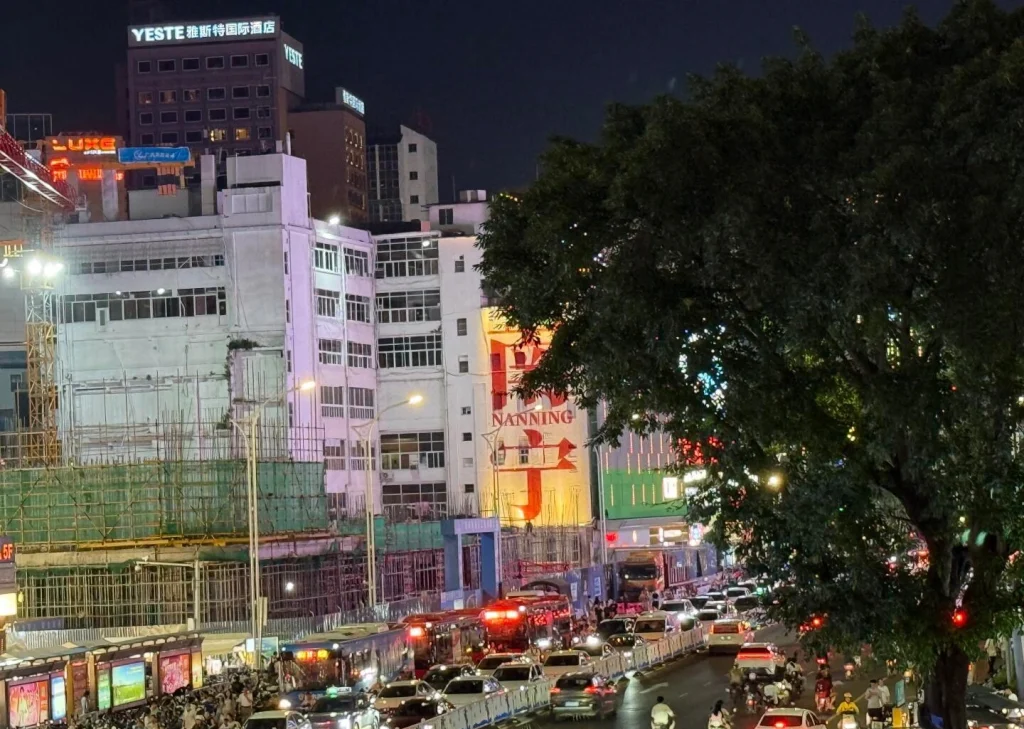
Find the best area to stay in Nanning for first-time trips, food streets, old-town walks, modern comfort, and practical rail or airport stopovers.

Explore Kung Fu’s rich history, diverse styles, health benefits, and philosophical roots. Discover how this ancient art enhances body, mind, and spirit.
![Aerial view of Gulangyu Island and Xiamen cityscape with the coastline lush greenery and vibrant rooftops under a bright blue sky - Xiamen, A Charming Coastal City in China [October 2026] - The China Journey - 2026 Zhongshan Travel Guide: Best Attractions & Tips - The China Journey Aerial view of Gulangyu Island and Xiamen cityscape with the coastline lush greenery and vibrant rooftops under a bright blue sky - Xiamen, A Charming Coastal City in China [October 2026] - The China Journey - 2026 Zhongshan Travel Guide: Best Attractions & Tips - The China Journey](https://www.thechinajourney.com/wp-content/uploads/2024/11/Aerial-view-of-Gulangyu-Island-and-Xiamen-cityscape-with-the-coastline-lush-greenery-and-vibrant-rooftops-under-a-bright-blue-sky-1024x576.webp)
Discover Xiamen’s stunning coastal beauty, Gulangyu Island, vibrant culture, and iconic attractions. Plan your perfect trip to this charming city today!

In Chinese astrology, the Wood Ox corresponds to those born in the years of 1925, 1985, 1913, 1973, and so on. It belongs to the Wood element in the Five Elements system.
Share your travel ideas, and we’ll help you plan a smooth, personalized trip across China.
We’re looking for experienced, part-time local guides to serve international travelers.
Requirements:
• Fluent in at least one foreign language
• 3–5 years guiding international visitors
• Able to operate in multiple regions in China
• Competitive and reasonable pricing
• Proven customer reviews or testimonials
• Professional, reliable, and responsive
• Flexible availability for custom trips
Hi there!
Just a quick heads-up — a helpful user named Volker let me know that some of the non-English content on this site may not be accurate.
This site is a one-person project I run part-time. I research and publish all the content myself, and the translations are currently done by machine (Google Translate). Balancing accuracy and accessibility across multiple languages is a real challenge.
If you spot any errors, I recommend switching to the English version using the button at the bottom left. I’ll continue working to improve the translations over time.
I truly appreciate your understanding. And if you have any suggestions, feel free to leave a comment — it means a lot to me.
— Anthony 2025.6.18