
 Written by
Anthony
Written by
Anthony
Zongzi (pronounced dzong-zi) are one of the most beloved traditional foods in China. Alongside dumplings and mooncakes, they’re considered one of the “three iconic festival foods” that symbolize Chinese heritage and seasonal celebration.

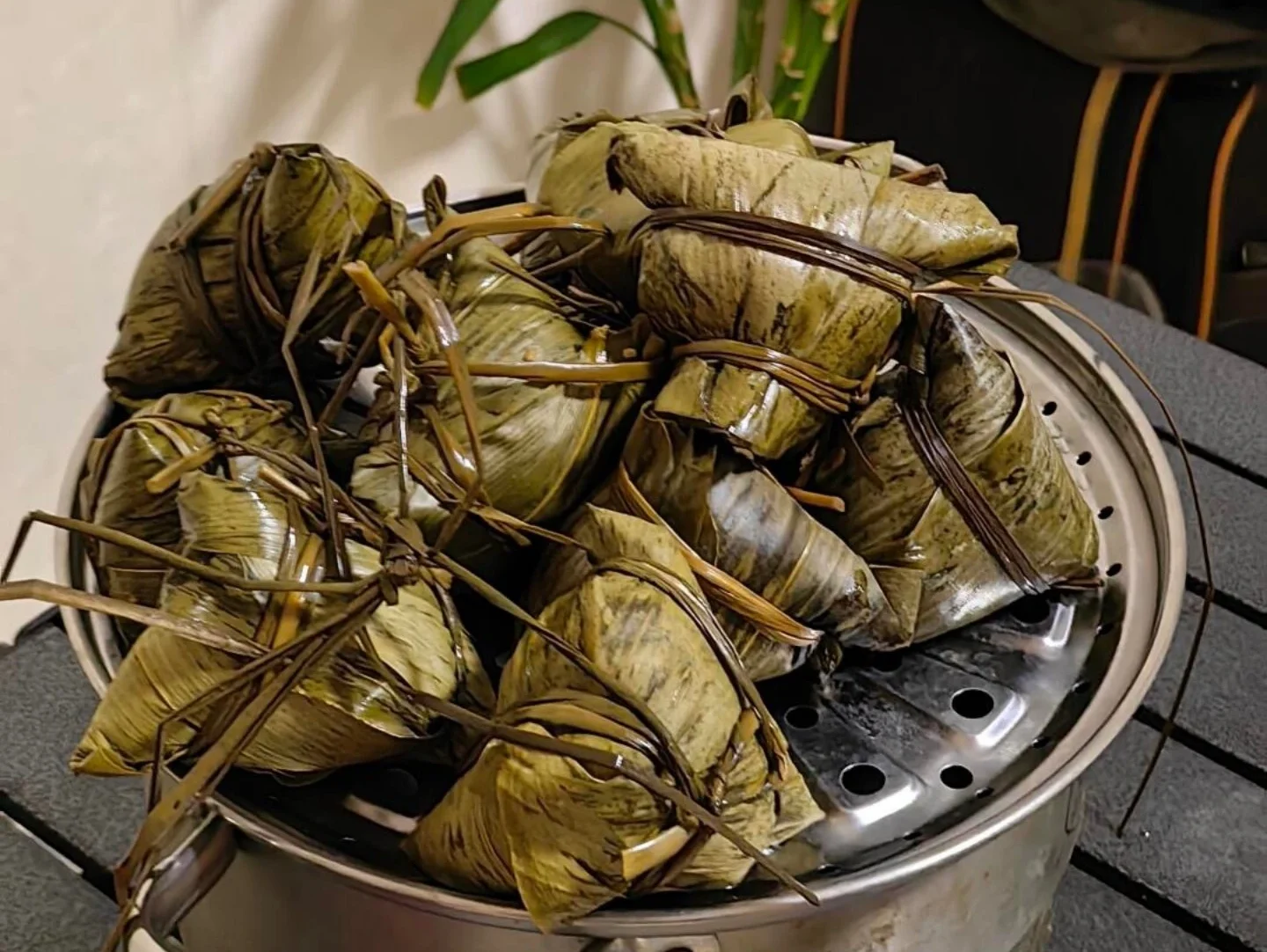
At first glance, zongzi look like little packages of mystery—usually shaped like pyramids, cones, or rectangles. But unwrap the leaves, and you’ll find sticky glutinous rice, often filled with delicious surprises like sweet red bean paste, pork belly, salted egg yolk, or chestnuts. Each one is carefully hand-wrapped in bamboo, reed, or banana leaves and tied with string before cooking.
Zongzi are more than just tasty—they carry deep cultural meaning. They’re most famously eaten during the Dragon Boat Festival (Duanwu Jie) in late spring, a holiday that honors ancient traditions, family memories, and national pride.

Whether you’re tasting your first zongzi or grew up with them every summer, these rice dumplings are a flavorful window into the heart of Chinese culture.
Zongzi isn’t just food—it’s a story that’s been passed down for over 2,000 years.

The most famous origin of zongzi comes from the tale of Qu Yuan, a patriotic poet and minister in ancient China. In 278 BC, after being exiled by a corrupt court, Qu Yuan drowned himself in the Miluo River to protest the fall of his country. Heartbroken villagers raced out in boats to find him. To protect his body from fish, they tossed packets of sticky rice into the water. Over time, these rice bundles became zongzi, and the act of eating them became a way to honor loyalty and sacrifice during the annual Dragon Boat Festival.
Beyond legend, zongzi has deep historical roots. In 1983, archaeologists found actual zongzi in a Han dynasty tomb—over 2,100 years old! They were wrapped in reed leaves, much like today’s versions, proving that this dish has been around longer than almost any other festival food.
Han Dynasty: Known as jiaoshu (角黍), zongzi were part of midsummer offerings to gods and ancestors.
Tang Dynasty: People began filling zongzi with red dates, and emperors gave them as royal gifts.
Song Dynasty: Sweet zongzi made with preserved fruits appeared, adding more variety to the dish.
Ming & Qing Dynasties: Meat, beans, and egg yolk became common fillings. Zongzi became a household staple during the Dragon Boat Festival, loved by families across all regions.
From poetry to archaeology, from sacrifice to celebration—zongzi has always been more than just food. It’s a flavorful symbol of memory, meaning, and unity.
Zongzi isn’t a one-recipe-fits-all kind of dish. In fact, every region in China has its own take, shaped by local ingredients, tastes, and traditions. From sweet to savory, soft to chewy, let’s take a flavorful journey through China’s Zongzi map.
In northern China, Zongzi tends to be simpler and sweeter, focusing on grains and fruits rather than meats.
Beijing Red Date Zongzi: Pyramid-shaped, filled with whole red dates. Locals love dipping it in white sugar for an extra kick of sweetness.


In southern regions, Zongzi becomes a full-flavored experience, packed with meats, beans, and umami-rich surprises.
Cantonese Zongzi (Guangdong): A heavyweight. Inside you’ll find pork belly, salted egg yolk, mung beans, and sometimes mushrooms—all slow-boiled in fragrant leaves for up to 8 hours.


Ethnic minorities across China have added their own spin, turning Zongzi into vibrant cultural symbols.
Zhuang Alkaline Water Zongzi (Guangxi): Soaked in plant-ash water for a golden, jelly-like texture. Usually eaten with brown sugar syrup.


Making Zongzi isn’t just about cooking—it’s a carefully choreographed craft that brings generations together. From soaking the rice to tying the final string, each step is filled with flavor, tradition, and love.

Rice is the soul of Zongzi, and it’s treated differently depending on where you are:
North: Rice is usually soaked in water and left plain, which brings out its natural stickiness.
South: The rice is often seasoned with soy sauce or salt, and in places like Guangdong, it might even be lightly stir-fried before wrapping to enhance aroma.

Yes, the leaves matter—a lot. They shape the flavor and form of every Zongzi.
Reed Leaves (North): Long, narrow, and give off a gentle grassy fragrance.
Bamboo Leaves (South): Wider, sturdier, and great for wrapping bulky fillings like meat.
Rhododendron Leaves (Guangdong): Specially used for their durability during long cooking sessions and their unique aroma.
Alkaline Water (Guangxi): Gives Zongzi a glossy, golden appearance and springy texture.
Wood Ash (Guizhou): Boosts stickiness and adds a traditional earthy note.
Zongzi may look simple—but the wrapping takes serious skill!
Four-Corner Pyramid: The most common shape you’ll find across China.


Folding Techniques also vary:
South: The “three-fold cone” method creates a neat triangle.
North: Often uses a “spiral roll” technique, more suitable for elongated shapes.

How long do you cook a Zongzi? It depends!
Boiling: Most Zongzi are boiled for 1–2 hours, but rich meat-filled ones may need up to 8 hours.
Steaming: Preferred for sweet Zongzi or those made by ethnic groups to lock in flavor without waterlogging.
Pressure Cooker: The go-to for modern kitchens—faster, softer, and still delicious.
Zongzi are much more than just a tasty holiday treat. They’re cultural icons, packed with ancient meaning, social connection, and even spiritual protection.

Zongzi take center stage during the Duanwu Festival (Dragon Boat Festival), held on the 5th day of the 5th lunar month. But they’re not just there for flavor:
Protection from Evil: Legend says Zongzi were thrown into the river to keep evil spirits and fish away from the body of Qu Yuan, a loyal poet who drowned in protest.
Yin-Yang Balance: Glutinous rice represents yin (cool, soft), while the hearty fillings stand for yang (warm, rich). Together, they symbolize harmony and health.
Fertility Blessings: In folk beliefs, Zongzi with many corners are seen as a blessing for many children and family prosperity.
Different regions have unique ways of celebrating Duanwu with Zongzi—some delicious, some symbolic:

Realgar Wine Tradition (Guangdong): Called “Zongzi wine,” this bitter, herbal drink is believed to ward off illness and bring luck when sipped alongside sticky rice treats.
Wedding Customs: In Hunan and other provinces, brides send special “Descendant Zongzi”—tiny ones strung together—to their in-laws as a wish for many children and family joy.
Zongzi aren’t just food—they’re part of Chinese poetry, proverbs, and craftsmanship:
Su Shi’s Poetry: The famous Song dynasty poet described fruity Zongzi in his summer verses, praising both taste and memory.
Folk Sayings:
“Eat Zongzi on Duanwu, insert willow on Qingming.”
This old saying links food and nature with seasonal rituals.
UNESCO Recognition: Traditional Zongzi wrapping from Jiaxing and Guangdong is now listed as intangible cultural heritage, thanks to the intricate techniques passed down for centuries.
Zongzi may be ancient, but they’ve kept up with the times—evolving in flavor, form, and even across borders. Let’s take a look at how this traditional food is making waves in the modern world.

What was once handmade by families is now part of a booming food industry:
Frozen Zongzi Revolution: In 2024, China’s frozen Zongzi market hit 12 billion RMB, thanks to busy lifestyles and holiday gifting.
Creative Fillings: Think crayfish Zongzi, black truffle blends, or purple rice and mango. Traditional? No. Delicious? Definitely.
Healthier Options: You’ll now find low-sugar, multigrain, and plant-based meat versions for modern diets and veggie lovers.
Zongzi today come in every flavor you can imagine—while still wrapped in the traditions of the past.

Zongzi’s influence isn’t limited to China. Cultures across Asia—and beyond—have their own takes:
Vietnam’s Bánh Chưng: A square-shaped sticky rice cake with pork and mung beans, eaten during the Lunar New Year.
Japan’s Chimaki & Akumaki: Slim rice bundles wrapped in bamboo or ash leaves, steamed and tied with straw. Some are even sweet!
Zongzi is becoming a global comfort food, morphing with local flavors while staying true to its sticky roots.

With fame comes… debate:
Sweet vs. Savory War: North vs. South, sugar vs. pork—this isn’t just about taste. It reflects deep cultural divides between wheat-based and rice-based traditions.
Lost in Translation?: While many abroad associate Zongzi only with the Dragon Boat Festival, fewer know about its connection to Qu Yuan and patriotism. There’s room to share more of the story.
Eco-Friendly Movement: Traditional Zongzi use natural leaves and cotton string, but modern packaging often involves plastic. In recent years, there’s been a strong push toward biodegradable wrapping.
Whether you’re planning a trip to China or want to try making Zongzi at home, this guide will help you taste, understand, and enjoy this iconic festival food like a local.

If you’re visiting China (or a Chinatown abroad), here are some must-try places and flavors:
Northern Favorites:
Daoxiangcun (Beijing) – Known for classic red date Zongzi.
Dezhou, Shandong – Try the yellow millet Zongzi with a chewy, earthy texture.
Southern Highlights:
Wufangzhai (Jiaxing) – The gold standard for savory pork Zongzi.
Lianxianglou (Guangzhou) – Serves rich Cantonese-style Zongzi during Duanwu.
Unusual Finds:
Dai-style banana Zongzi from Yunnan – Sweet and tropical, often enjoyed during the Water Splashing Festival.
Hainan Five-Color Zongzi – Made with naturally dyed sticky rice, symbolic and vibrant.

Zongzi is always wrapped—unwrapping is part of the fun!
Step 1: Gently untie the string or unwrap the leaves by hand (no knife needed!).
Step 2: Choose your dipping sauce:
Sweet Zongzi: Pair with sugar or honey—a northern favorite.
Savory Zongzi: Try garlic vinegar, soy sauce, or peanut dressing (especially in Fujian and Taiwan).
⚠️ Pro Tip: Zongzi can be heavy on the stomach, especially when cold. Reheat before eating, particularly if you have digestive sensitivities.

Want to give Zongzi wrapping a try? Start simple and level up as you go:
Beginner-Friendly Option: Try the classic four-corner red date Zongzi—easy shape, simple filling.
Avoiding Leaks: Trim leaf edges neatly and tie the string evenly and snugly.
Fun Twist: Use natural colors like butterfly pea flower (blue), turmeric (yellow), or red yeast rice to make festive, Instagram-worthy creations.
| Aspect | Chinese Zongzi | Vietnamese Bánh Chưng | Mexican Tamale |
|---|---|---|---|
| Main Ingredients | Glutinous rice + fillings | Rice, green bean, pork | Corn masa, meat |
| Festival | Duanwu Festival (May/June) | Lunar New Year | Christmas, Day of the Dead |
| Wrapping Material | Bamboo/reed leaves | Dong leaves | Corn husk |
| Cooking Method | Boiled/steamed (1–8 hrs) | Boiled (6–8 hrs) | Steamed |
| Shape & Color | Pyramid, cone, cylinder | Square, dark green | Cylinder, husk-colored |
For classic dumplings, wheat flour is standard. Want a softer, translucent skin (like dim sum)? Mix wheat and tapioca or use a hot water dough. For whole‑grain versions, you can incorporate whole‑wheat or buckwheat flour.
Dumplings (jiaozi): Crescent-shaped with thicker wheat wrappers, versatile cooking (boil, steam, pan-fry).
Wontons: Thinner skins, usually served in soup.
Potstickers: Jiaozi that are pan-fried for a crispy bottom—don’t confuse the name with “guotie” (锅贴).


Daily spending in Beijing ranges from around ¥300 to over ¥1,500 (US$40–$210), depending on your travel style.

Peking is the old name for China’s capital. Today, Beijing is the official name used worldwide in maps, media, and government documents.
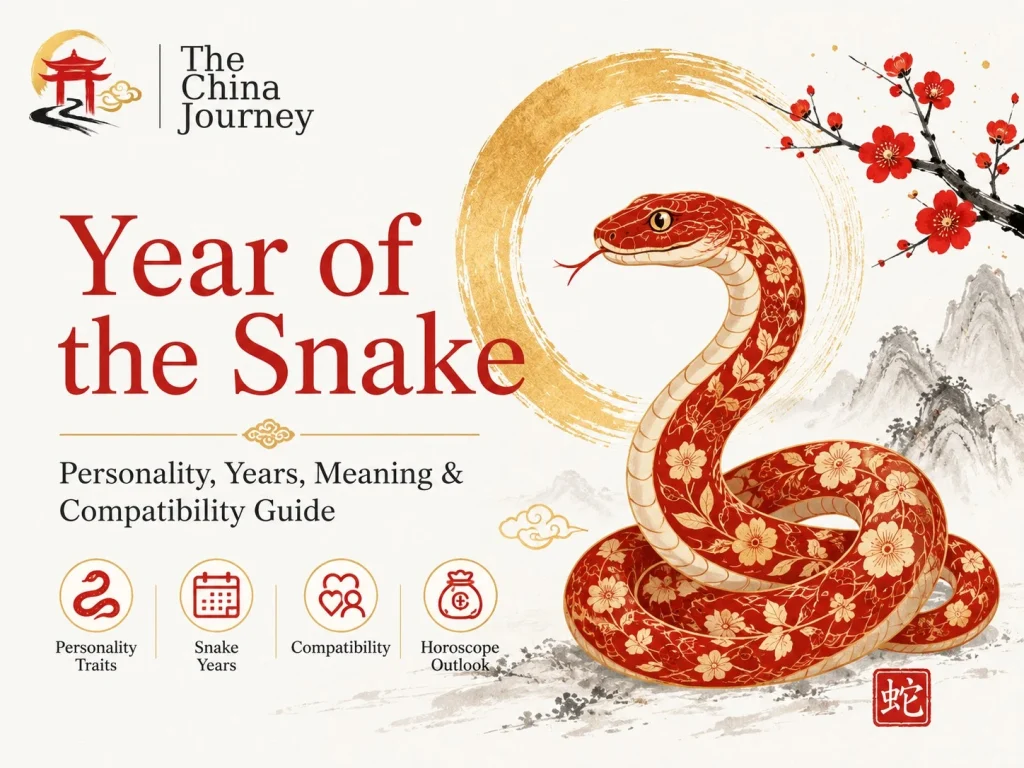
The Year of the Snake is the sixth sign in the Chinese zodiac, corresponding to the Earthly Branch “Si” (巳), symbolizing wisdom, mystery, and transformation.

China’s national drink is tea. With 5,000 years of history, tea is a cultural symbol rooted in everyday life, tradition, and hospitality.
![Aerial view of Jinans modern cityscape featuring iconic high rise buildings and unique architectural designs - Jinan, The City of Springs and Scenic Beauty [October 2026] - The China Journey - Zongzi, Traditional Chinese Rice Dumplings 2026 - The China Journey](https://www.thechinajourney.com/wp-content/uploads/2024/11/Aerial-view-of-Jinans-modern-cityscape-featuring-iconic-high-rise-buildings-and-unique-architectural-designs-e1731936618923-1024x576.webp "Aerial view of Jinans modern cityscape featuring iconic high rise buildings and unique architectural designs - Jinan, The City of Springs and Scenic Beauty [October 2026] - The China Journey - Zongzi, Traditional Chinese Rice Dumplings 2026 - The China Journey")
Explore Jinan, the City of Springs, known for its cultural heritage, stunning Daming Lake, Baotu Spring, and breathtaking modern skyline.

Shanghai covers over 6,340 km² with 24 million people. Discover its vast size, population, districts, and role as China’s global megacity.

Share your travel ideas, and we’ll help you plan a smooth, personalized trip across China.

Share your travel ideas, and we’ll help you plan a smooth, personalized trip across China.
We’re looking for experienced, part-time local guides to serve international travelers.
Requirements:
• Fluent in at least one foreign language
• 3–5 years guiding international visitors
• Able to operate in multiple regions in China
• Competitive and reasonable pricing
• Proven customer reviews or testimonials
• Professional, reliable, and responsive
• Flexible availability for custom trips
Hi there!
Just a quick heads-up — a helpful user named Volker let me know that some of the non-English content on this site may not be accurate.
This site is a one-person project I run part-time. I research and publish all the content myself, and the translations are currently done by machine (Google Translate). Balancing accuracy and accessibility across multiple languages is a real challenge.
If you spot any errors, I recommend switching to the English version using the button at the bottom left. I’ll continue working to improve the translations over time.
I truly appreciate your understanding. And if you have any suggestions, feel free to leave a comment — it means a lot to me.
— Anthony 2025.6.18


